This study is a reflection on the major historians of nineteenth-century France, and shows that, near the end of the century, a major change of perspective occurred. The historians discussed in the opening sections of the book looked to the past for guidance, while modern historians from the twentieth-century onwards regard the past as a closed book which the historian has to open. Guizot is the hero of the first section of the book; in part two, Comtesse d’Agoult (Daniel Stern) is specifically mentioned, partly because she, who wrote a splendid history of the revolution of 1848, tends to be ignored as a historian while Michelet and Tocqueville are still discussed. The historians in part three are transitional figures who politically and morally still belong to the nineteenth-century, but whose histories show the new approach to the past.
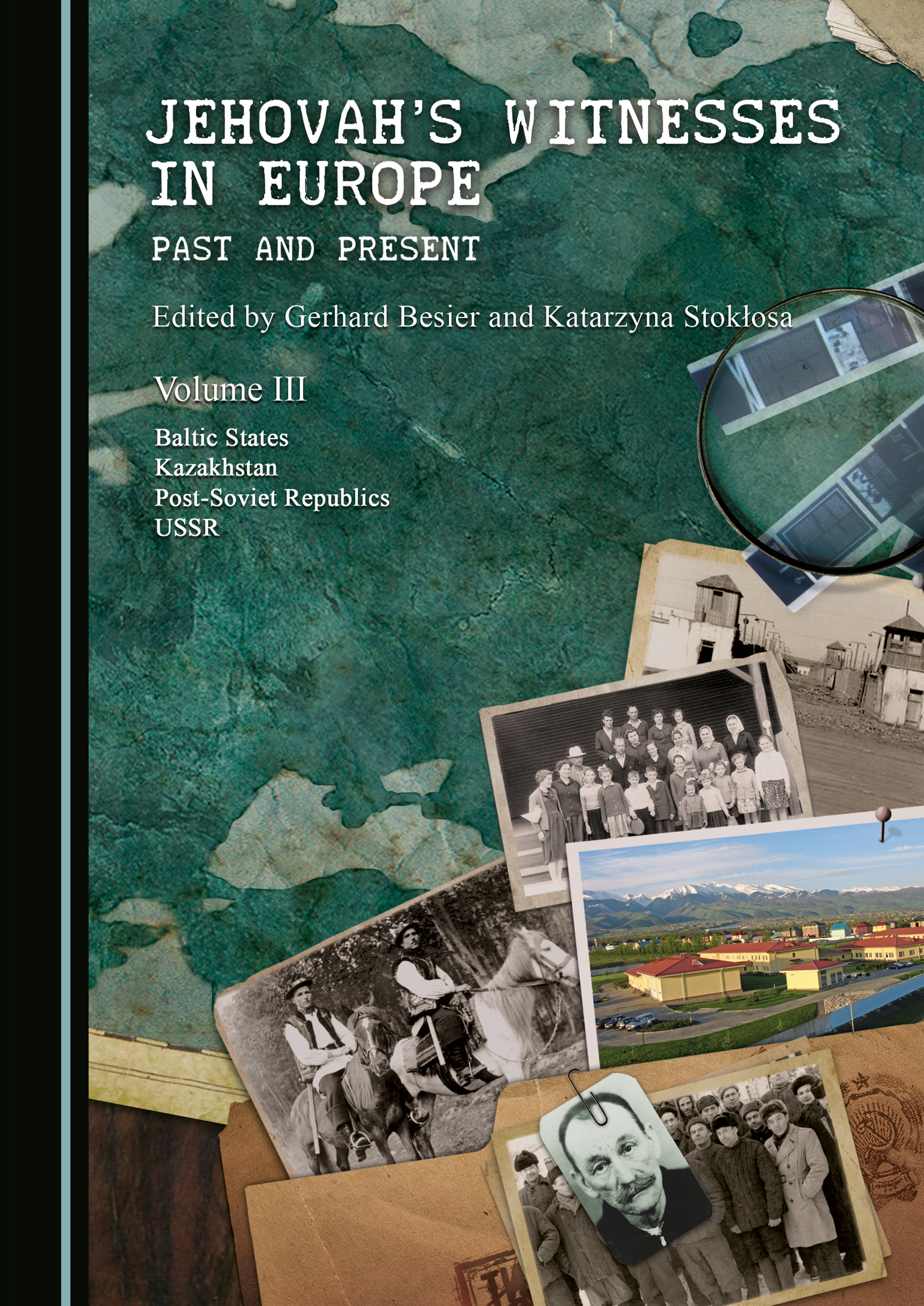
Jehovah’s Witnesses in Europe
This history documents the persecution of Jehovah’s Witnesses in Eastern Europe. It compares their survival under different political systems, from dictatorships to modern Russia, where a renewed ban has returned Soviet-era conditions of repression.