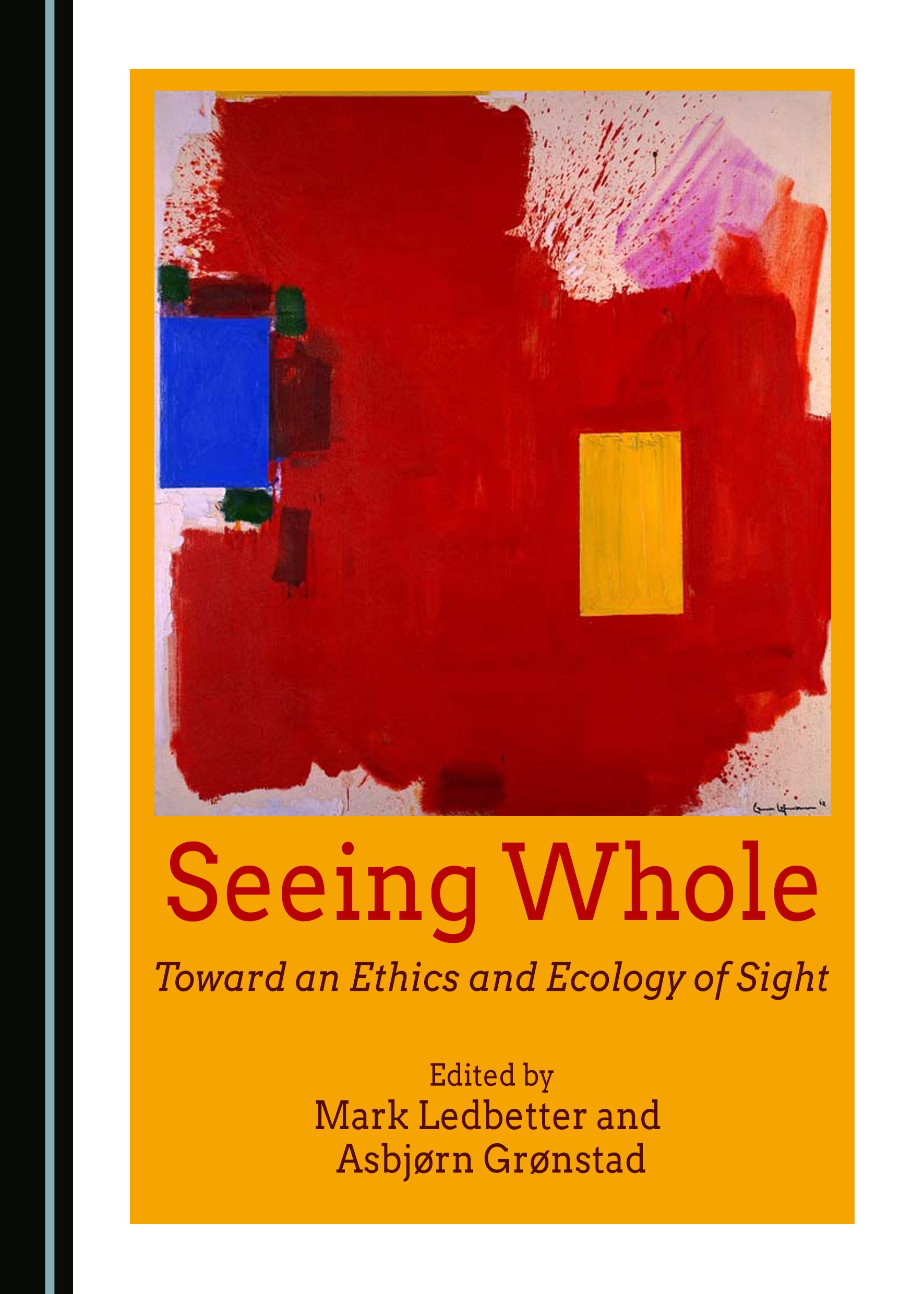
Seeing Whole: Toward an Ethics and Ecology of Sight explores the ways in which seeing as an embodied process is always a multivalent, ambiguous, and holistic undertaking. Looking at an image entails the mobilization of a range of affordances that together produce sight and insight as a phenomenological experience, namely cultural predispositions, geographical situatedness, medium specificity, personal biography, socio-political relationality, and corporeal affectibility. In their own diverse ways, the essays in this book suggest that acts of seeing make up a visual ecology that, in turn, introduces a new ethical horizon distinct from, but in continuous interaction with ,conventional ethics. Spanning a great variety of media forms – from painting and photography to film, video, literature, fashion, graffiti, and installation art – this interdisciplinary collection offers a thorough reconceptualization of the relation between the aesthetics and the ethics of images and represents an innovative addition to the field of visual culture studies.
Essays by clinicians, parents, and de-transitioners demonstrate how ‘transgender children’ are invented in medical, social, and political contexts. The authors reveal the harms of transgender ideology and show how adults can intervene to protect young people.