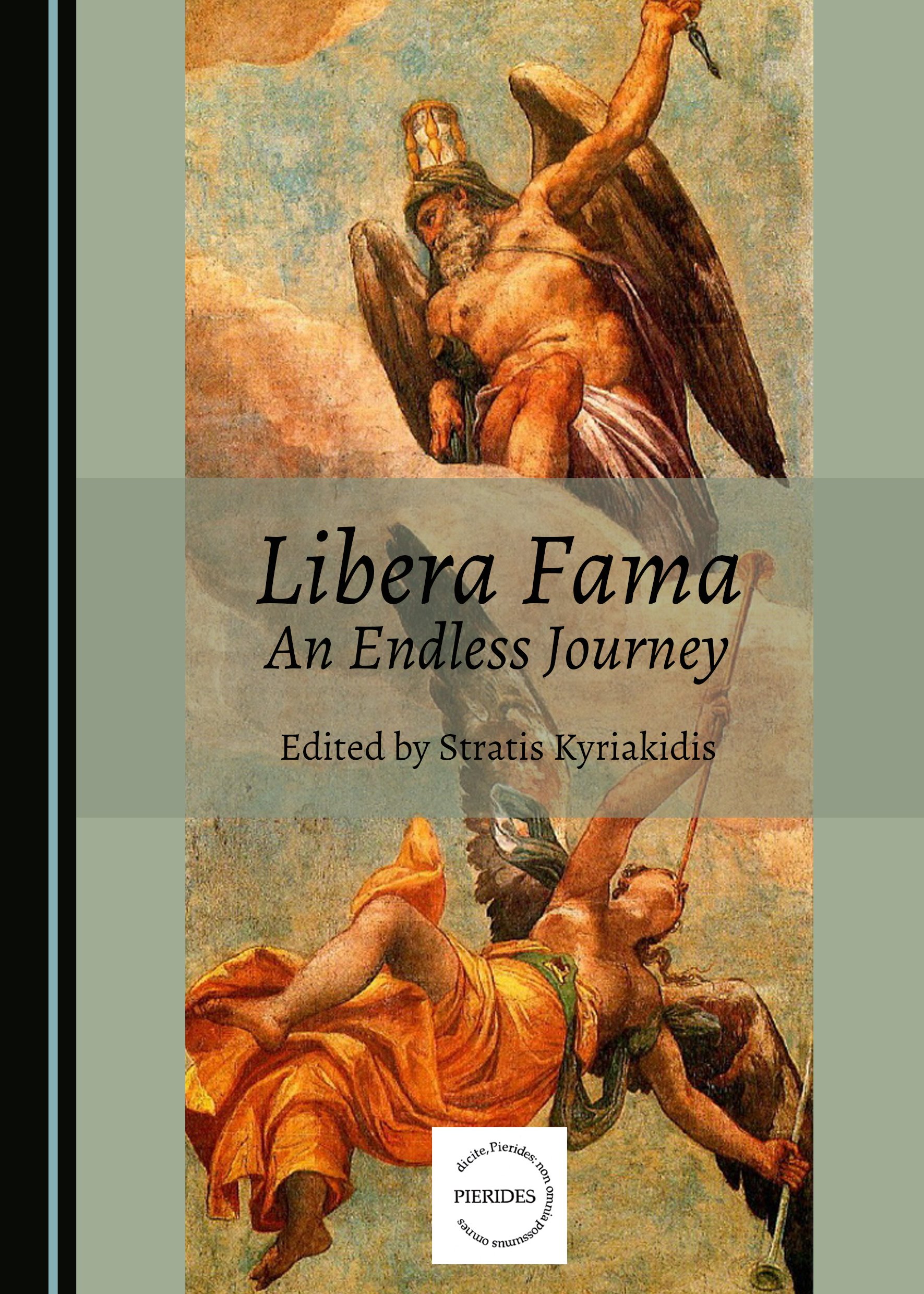
Fame and glory, rumour and reputation have fascinated through the ages. The way in which they are communicated and spread is a topic which impacts our lives on a daily basis and is an important theme in current literature. The ancient world is an ideal arena for the exploration of these issues, being a ‘closed’ period of human history that offers a secure resource for exploring the phenomenon. Philip Hardie’s Rumour and Renown: Representations of Fama in Western Literature (Cambridge University Press, 2012) is an authoritative work on this subject, and the stimulus for this volume. Continuing the on-going discussion, each one of the contributors examines further aspects of the issue in the work of Lucretius, Cicero, Virgil, Ovid, Manilius, Juvenal and the Christian poet, Prudentius. The volume offers insights into the poets’ personal quest for acclaim and – more importantly – their awareness of the qualities of the phenomenon, an awareness which, on occasion, led them to personify fame and glory. Virgil’s personification of Fama in Aeneid 4 was fame’s most important personification, influencing artists for centuries to come, and it is this subject with which the volume concludes.