• 0 Items - £0.00
    • No products in the cart.

£58.99

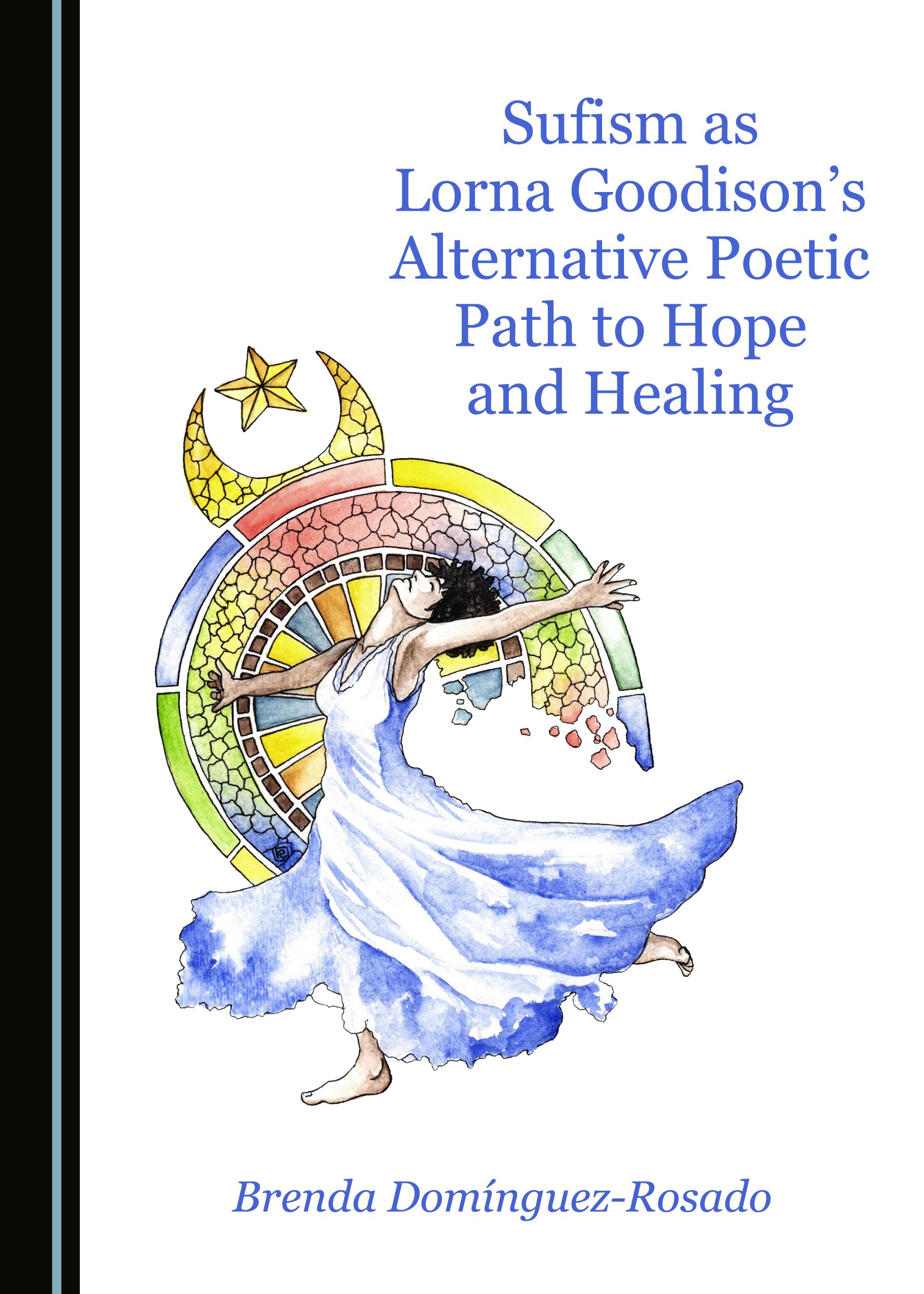
Sufism as Lorna Goodison’s Alternative Poetic Path to Hope and Healing

By: Brenda Domínguez-Rosado

£58.99

Jamaican Poet Laureate Lorna Goodison's poetry uses Sufism to heal the trauma of the Middle Passage. This book examines how she applies Sufi ideals to a Caribbean context, showing how its message resonates with Jamaican-based religions and creates a new literary canon.

Jamaican Poet Laureate Lorna Goodison searches for answers for herself and other Caribbean-based descendants of enslaved Africans by examining and presenting different spiritualities in her…
£58.99
£58.99
Share

Jamaican Poet Laureate Lorna Goodison searches for answers for herself and other Caribbean-based descendants of enslaved Africans by examining and presenting different spiritualities in her poetry in the hope of providing alternatives to the psyche in need of healing after the traumatic events of the infamous transatlantic Middle Passage. The inclusion of Sufism in her poetry seems to have a dual purpose, in that it offers a “new” creative angle and a sincere belief in its power to provide relief from personal anguish. The fact that Sufism is similar to Jamaican-based religions works in its favor. Can Jamaicans, who are Goodison’s primary subject, really relate to its message? She does not underestimate her audience’s capacity for change or their willingness to accept the ideas of Sufism. Her role as facilitator is not a secret; she is openly promoting her ideas and her belief that healing is possible.

This book is divided into three chapters. In Chapter One, a brief history of slavery in the Caribbean region with a focus on Jamaica is presented. The second chapter explicitly focuses on Lorna Goodison and her use of the written word to reveal her feelings about her ancestors’ (and her own) traumatic past. It also defines Sufism, includes some examples of Sufi poems, and shows what aspects of Sufism resonate with Jamaican Revivalism and Rastafarianism. The final chapter first makes reference to how Sufi elements have been used by other writers such as Alfred, Lord Tennyson, Walt Whitman, Thomas Merton, and Doris Lessing, and then illustrates how, contrary to these others, Goodison is the only one to apply Sufi ideals to a Caribbean context, thus falling into her own creative category, that of a new Caribbean literary canon.

Brenda Domínguez-Rosado completed an MA in American and British Literature and a PhD in the Literature and Language of the Anglophone Caribbean at the University of Puerto Rico (UPR), Rio Piedras campus. She has been an educator for thirty-four years and is currently an Associate Professor of English at the UPR, Bayamón campus. Her more recent publications include The Unlinking of Language and Puerto Rican Identity: New Trends in Sight (2015), “After the ‘Mutiny on the Bounty’: St Kitts Creole English and the Birth of Pitcairn/Norfolk Creole English” (2016), and “Barbados and Its ‘Colony’ South Carolina: Historical, Cultural, and Linguistic Connections” (2018). She is also a linguistic consultant for an educational travel show and collaborating editor and translator for several academic journals. Her interests include Caribbean literature, sociolinguistics, and bilingual and higher education.

Hardback

  • ISBN: 1-5275-1811-6
  • ISBN13: 978-1-5275-1811-7
  • Date of Publication: 2018-10-19

Ebook

  • ISBN: 1-5275-1943-0
  • ISBN13: 978-1-5275-1943-5
  • Date of Publication: 2018-10-19

Subject Codes:

  • BIC: DCF, HRHX, JFC
  • THEMA: DCF, QRPB4, QRVK2
116

Meet The Author