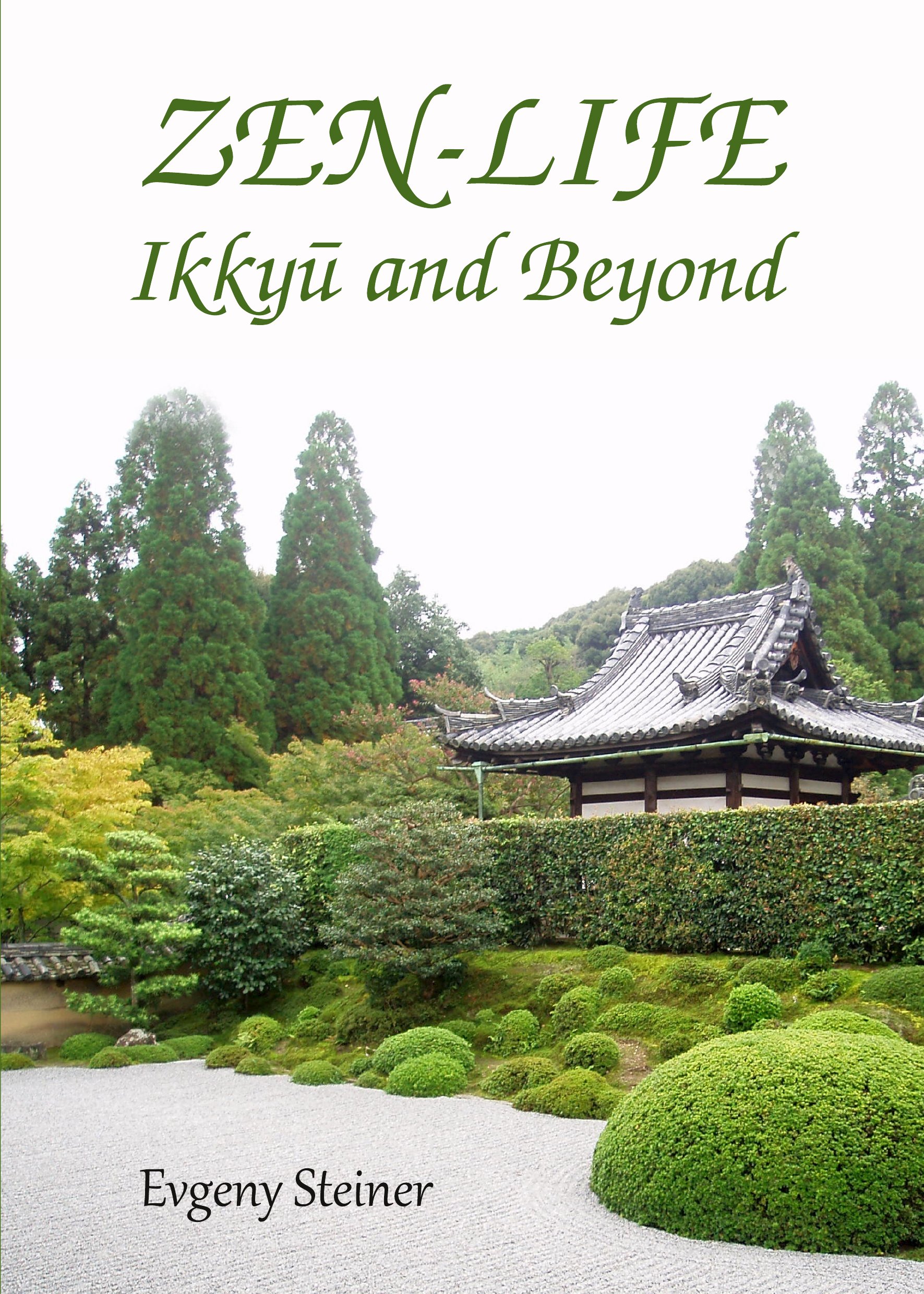
This book examines Japanese culture of the Muromachi epoch (14–16 centuries) with Ikkyū Sōjun (1394–1481) as its focal point. Ikkyū’s contribution to the culture of his time was all-embracing and unique. He can be called the embodiment of his era, given that all the features typical for the Japanese culture of the High Middle Ages were concentrated in his personality. This multidisciplinary study of Ikkyū’s artistic, religious, and philosophical heritage reconstructs his creative mentality and his way of life. The aesthetics and art of Ikkyū are shown against a broad historical background. Much emphasis is given to Ikkyū’s interpretation of Zen. The book discusses in great detail Ikkyū’s religious and ethical principles, as well as his attitude towards sex, and shows that his rebellious and iconoclastic ways were deeply embedded in the tradition. The book pulls together materials from cultural and religious history with literary and visual artistic texts, and offers a multifaceted view on Ikkyū, as well as on the cultural life of the Muromachi period. This approach ensures that the book will be interesting for art historians, historians of literature and religion, and specialists in cultural and visual studies.