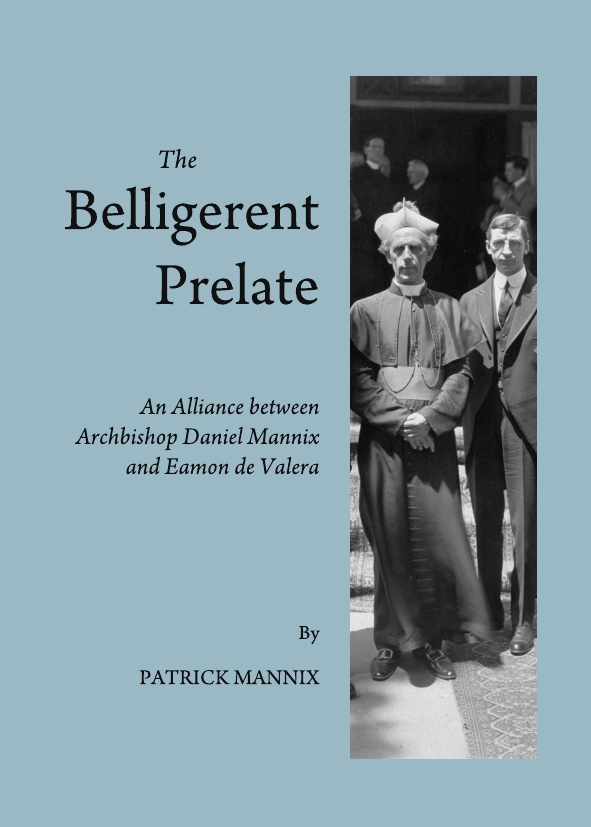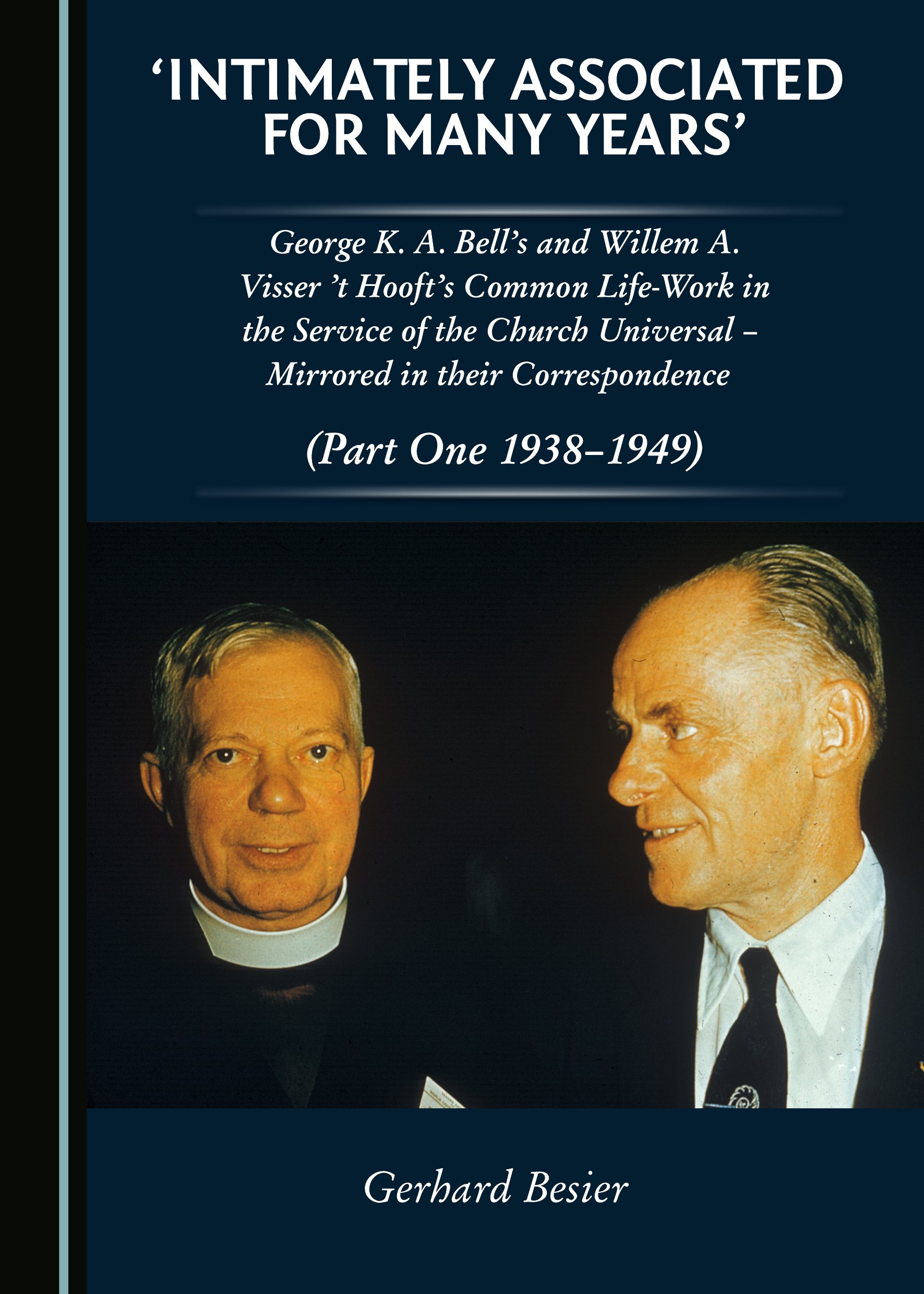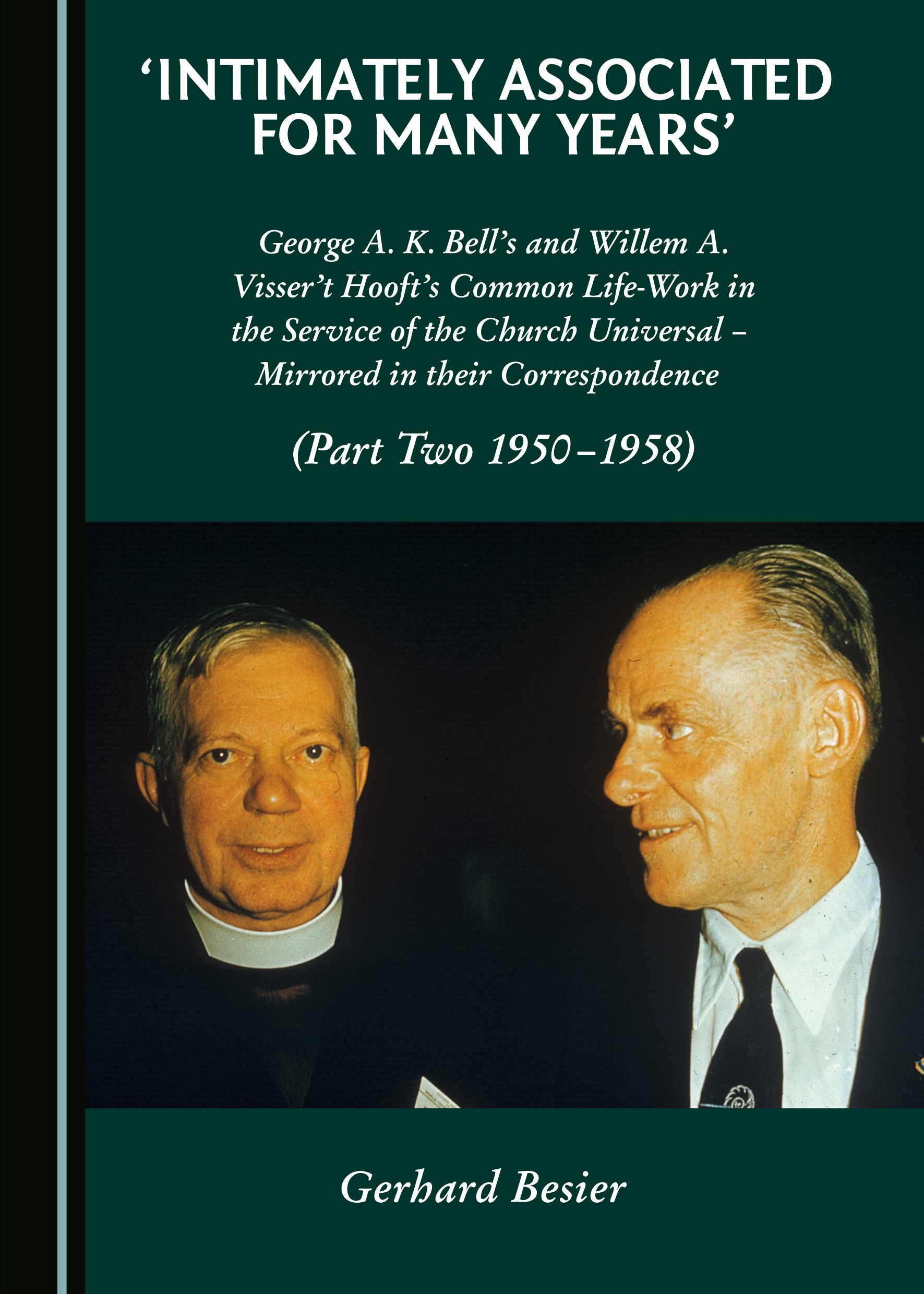
The Anglican Bishop George Bell (of Chichester) and the General Secretary of the World Council of Churches, Willem A. Visser’t Hooft (of Geneva) exchanged hundreds of letters between 1938 and 1958. The correspondence, reproduced and commented upon here, mirrors the efforts made across the ecumenical movement to unite the Christian churches and also to come to terms with an age of international crisis and conflict. In these first decades of the World Council, it was widely felt that the Church could make a noteworthy contribution to the mitigation of political tensions all over the world. That’s why Bell and Visser’t Hooft talked not only to bishops and the clergy, but also to the prime ministers and presidents of many countries. They raised their voices in memoranda and published their public letters in important newspapers. This was the World Council’s most successful period.
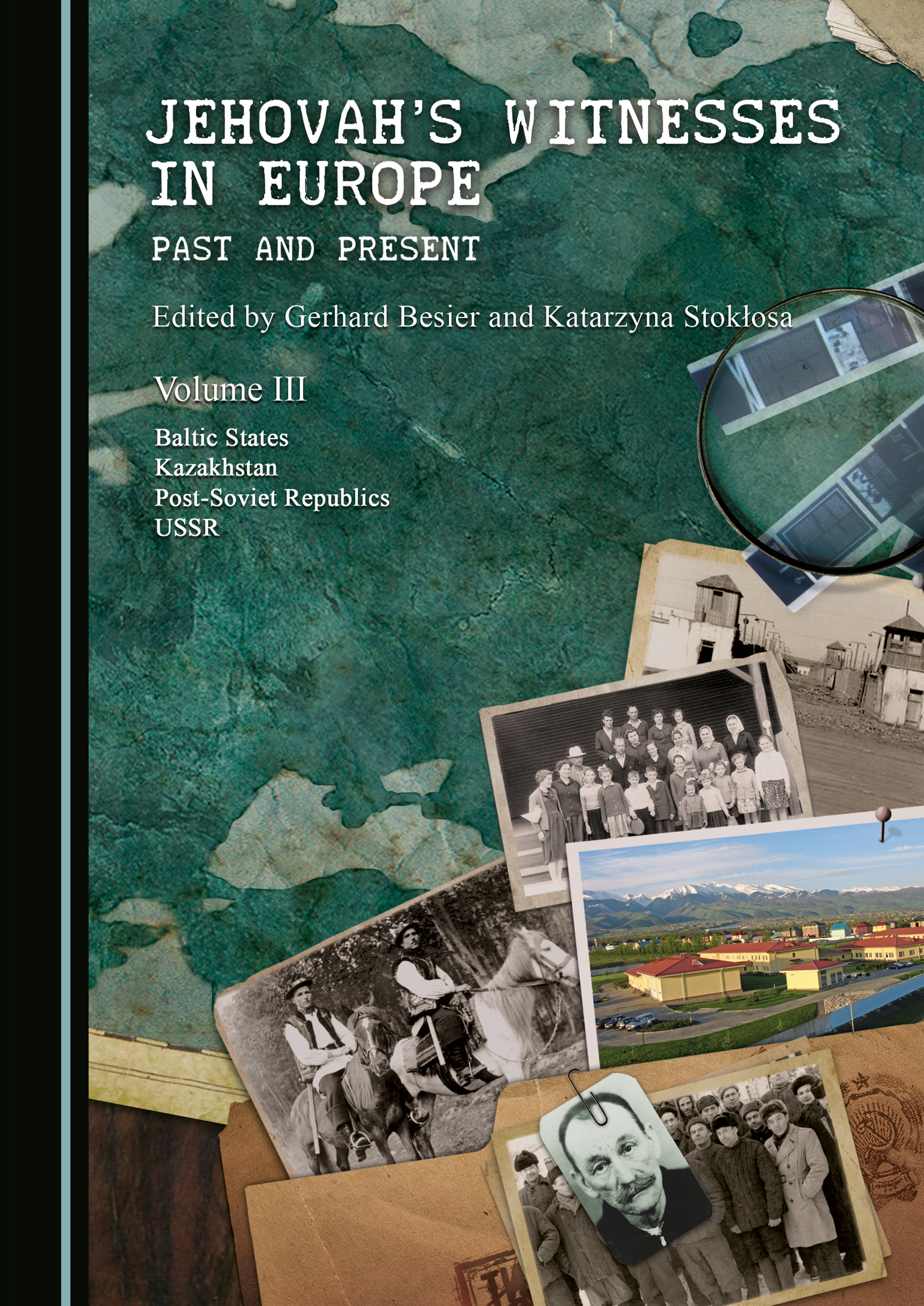
Jehovah’s Witnesses in Europe
This history documents the persecution of Jehovah’s Witnesses in Eastern Europe. It compares their survival under different political systems, from dictatorships to modern Russia, where a renewed ban has returned Soviet-era conditions of repression.