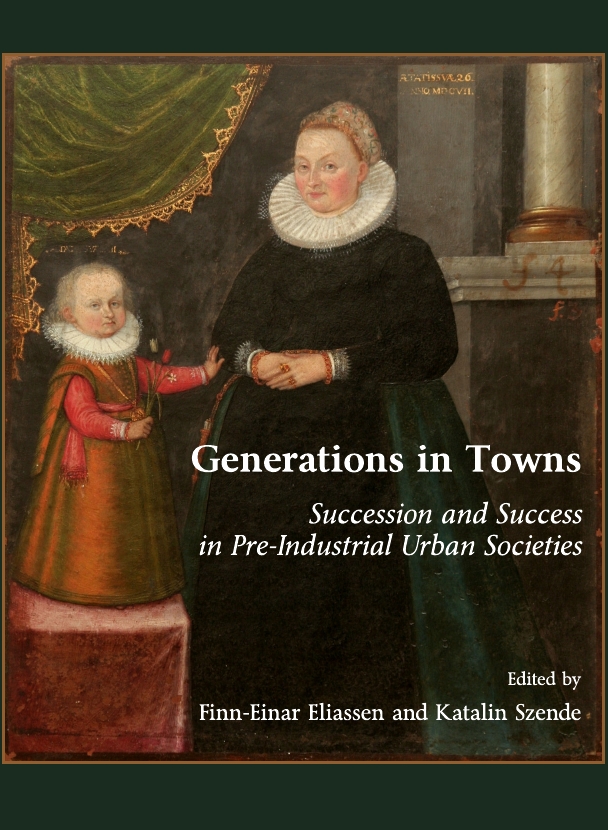
The existence and changing of generations in family life, business and politics was a central feature of towns as well as rural societies in earlier times. Even so, it remains understudied by urban historians of the pre-modern period. This book aims to fill some of this gap, containing twelve studies of generations in late medieval and early modern European towns, ranging from the Mediterranean to the Nordic countries, with a time-span from the fourteenth to the early nineteenth century. Dealing with topics like succession and inheritance, family consciousness, as well as relations and conflicts within and between generations, the articles demonstrate the importance and potential of generational studies on pre-modern towns. The book will appeal to anyone who takes an interest in urban social and cultural history, legal and family history in medieval and early modern times.
Jehovah’s Witnesses in Europe
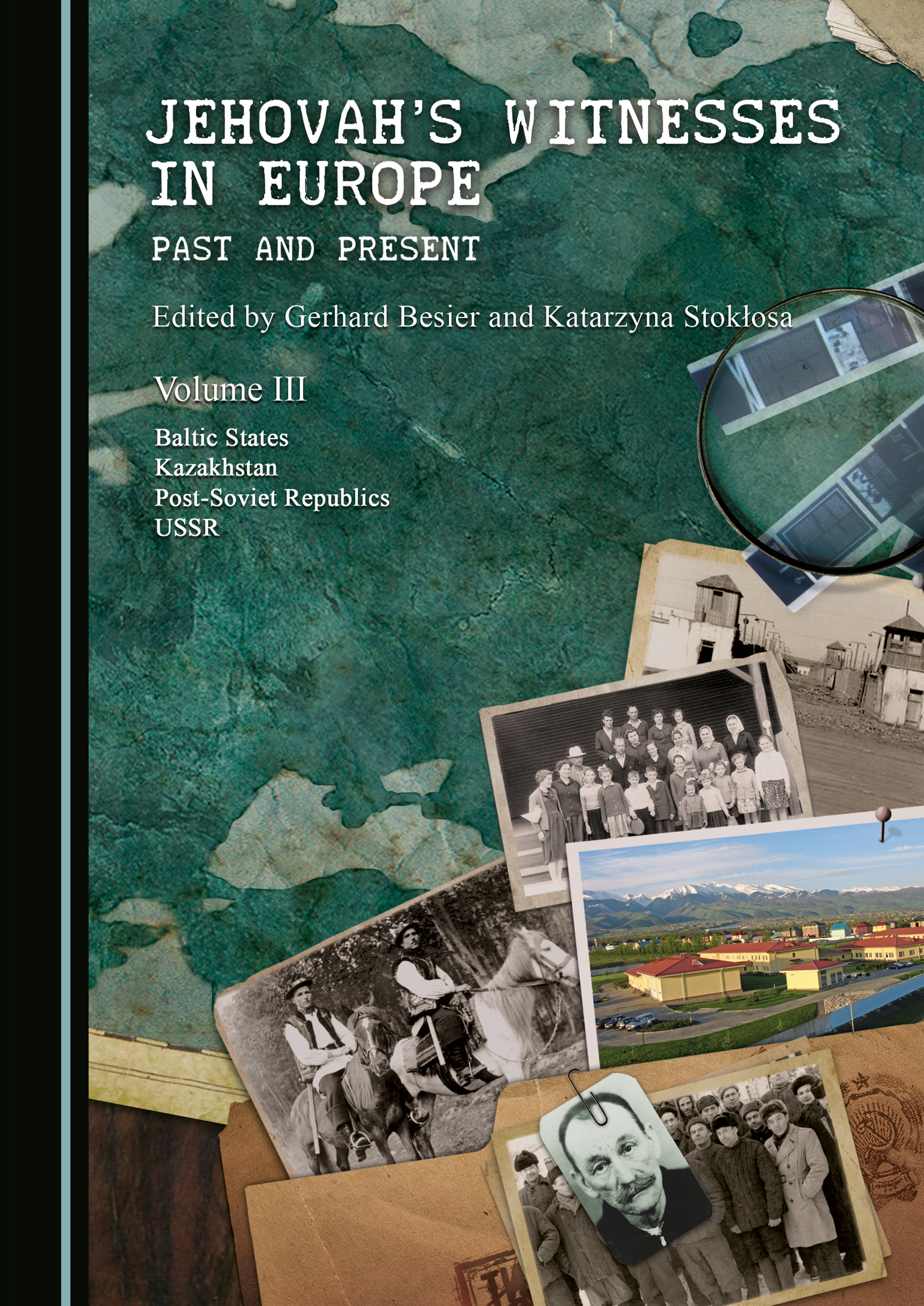
This history documents the persecution of Jehovah’s Witnesses in Eastern Europe. It compares their survival under different political systems, from dictatorships to modern Russia, where a renewed ban has returned Soviet-era conditions of repression.