• 0 Items - £0.00
    • No products in the cart.

£57.99

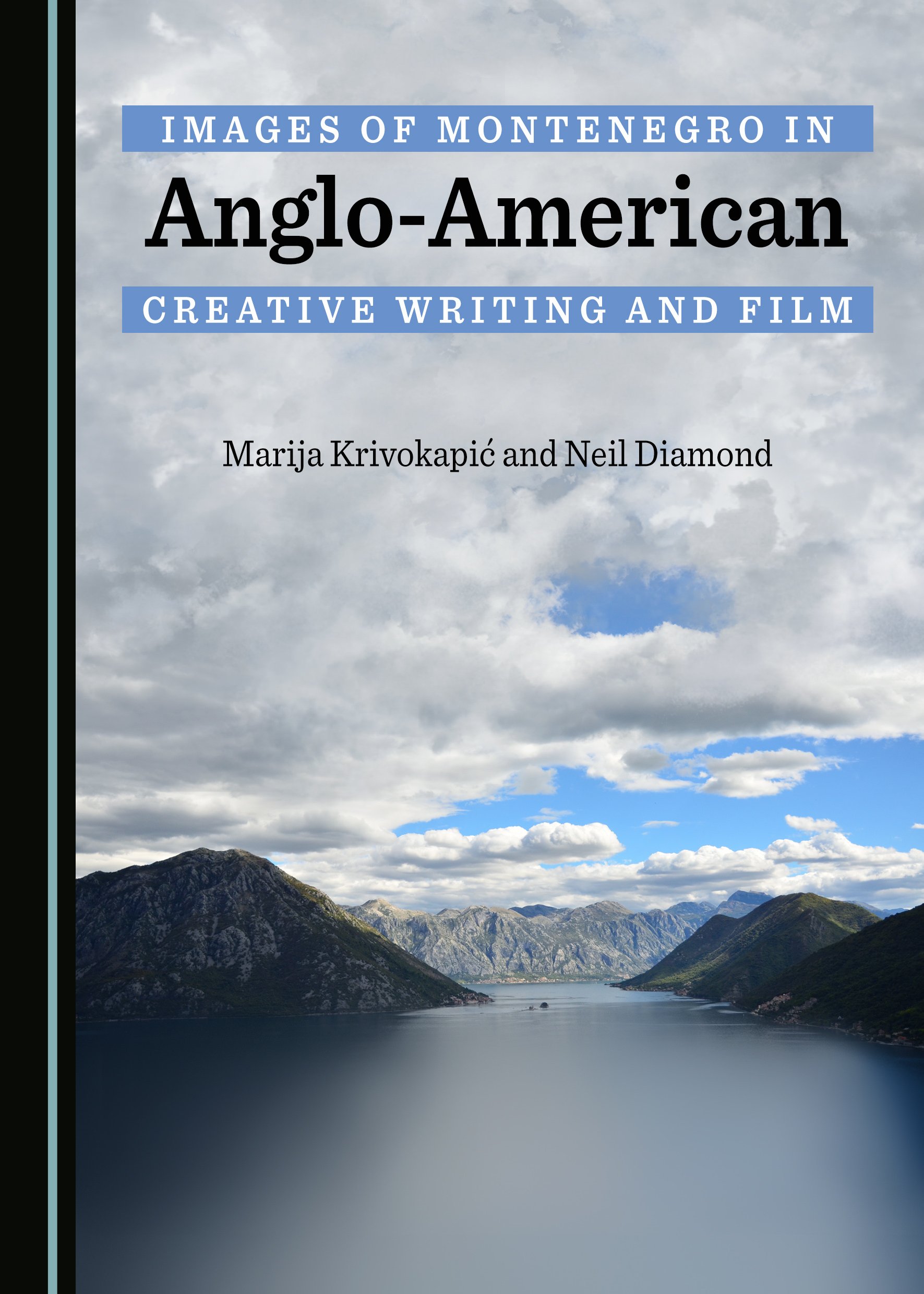
Images of Montenegro in Anglo-American Creative Writing and Film

By: Neil Diamond, Marija Knežević

£57.99

This work observes vignettes of Montenegro in Anglo-American creative writing and films from the late 18th century until 2016. It follows these vignettes chronologically to point out how their rhetoric dangerously builds a caricature of Montenegro.

This book observes images of Montenegro in Anglo-American creative writing and films from the late eighteenth century until 2016. Like the Balkans as a whole,…
£57.99
£57.99
Share

This book observes images of Montenegro in Anglo-American creative writing and films from the late eighteenth century until 2016. Like the Balkans as a whole, Montenegro usually reappeared in the West’s consciousness with the outbreak of wars, but remained marginalized on the larger Balkan map because of its peripheral political influence and, therefore, remained little known. In the past, Montenegro was experienced as almost unapproachable, barren, and wild. Its people, like their mountains, were seen as massive and fierce, while their primitivism equally delighted and repulsed visitors. Even today, when one searches the Internet for “Montenegro,” one finds titles mostly containing modifiers circling around “undiscovered,” “magical,” and “mysterious.” The book follows these vignettes chronologically to point out how the rhetoric they share dangerously builds a caricature of the country. However, they also provide a very lively mosaic of landscapes, history, people, their costumes, houses, and everyday life, which are sometimes distorted. No one can claim that these descriptions were not influenced by the ideologies the travellers inherited at home and were not filtered through their own cultural grids, but, significantly, they evoke places that are now forever lost – destroyed in wars, by earthquakes, faulty development planning, or, simply, by time.

Marija Krivokapić teaches literary and cultural studies at the University of Montenegro. Her publications focus on the work of D.H. Lawrence, Native American literature, and travel writing. She is the general editor of the linguistics and literary journal Folia linguistica et litteraria, and has been awarded two Fulbright scholarships (2009 and 2015) for her interest in Native American literature.

Neil Diamond is one of Canada’s foremost Aboriginal filmmakers. He hails from the Cree community of Waskaganish, on the coast of James Bay. His recent award-winning documentaries include The Last Explorer (2009), One More River (2004), Heavy Metal: A Mining Disaster in Northern Quebec (2004), Cree Spoken Here, Reel Injun (Gemini for Best Direction and Peabody Award in 2011), and co-directed Inuit Cree Reconciliation (2012) with Zacharias Kunuk, which won Best Short Documentary at Toronto’s ImagiNative Film Festival.

Hardback

  • ISBN: 1-4438-1705-8
  • ISBN13: 978-1-4438-1705-9
  • Date of Publication: 2016-12-09

Ebook

  • ISBN: 1-4438-6270-3
  • ISBN13: 978-1-4438-6270-7
  • Date of Publication: 2016-12-09

Subject Codes:

  • BIC: JFC, D, AP
  • BISAC: LIT020000, LIT004110, LIT004020, PER004030, PER004000, PER019000
  • THEMA: JBCC, D, ATF
310
  • "Many modern travel writing blogs begin by quoting the English romantic poet George Gordon Byron, who is said to have claimed that the most beautiful meeting of land and sea is on the coast of Montenegro. But actually, Byron never visited the country. To understand how this paradoxical view of Montenegro developed in the west over the centuries, the authors structure this volume chronologically, based on their reading of recent critical theories on Balkan discourse and travelogues. [...] Images of Montenegro is not only written for researchers in the field of humanities, but for the wider audience as well, and it is therefore an extremely valuable, interesting and educational publication."
    - Vanja Vukićević-Garić Vijesti, 21.01.2017

Meet The Author