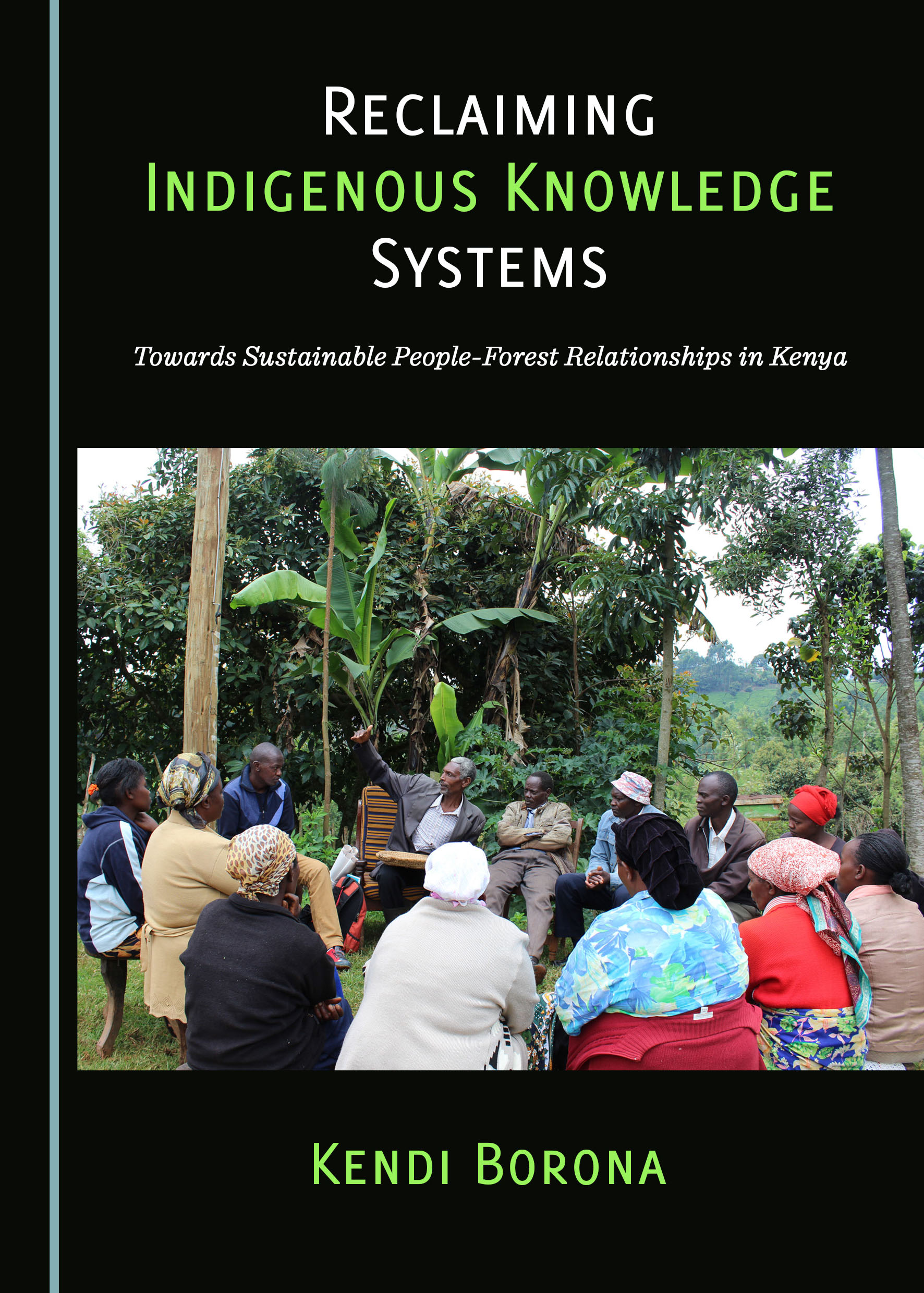
Conservation has, over the last couple of decades, coalesced around the language of ‘community-engagement’. Models that seemed to prop up conservation areas as those emptied of human presence are cracking under their own weight. This book grounds our understanding of people-forest relationships through the lens of Indigenous Knowledge Systems (IKS) in the Nyandarwa (Aberdare) forest reserve in Kenya, home to the Agĩkũyũ people. It confronts the history of land dispossession in Kenya, demonstrates that land continues to be a central pillar of Agĩkũyũ indigenous environmental thought, and cements the role of the forest in sustaining the struggle for independence. It also shines a light on seed and food sovereignty as arenas of knowledge mobilization and self-determination. The book concludes by showing how IKS can contribute to forging sustainable people-forest relationships.
This volume provides science and environmental educators with examples of learning that contribute to a more eco-socially just and sustainable world. This education moves beyond facts to develop learners’ values and capabilities to envision and work towards preferable futures.