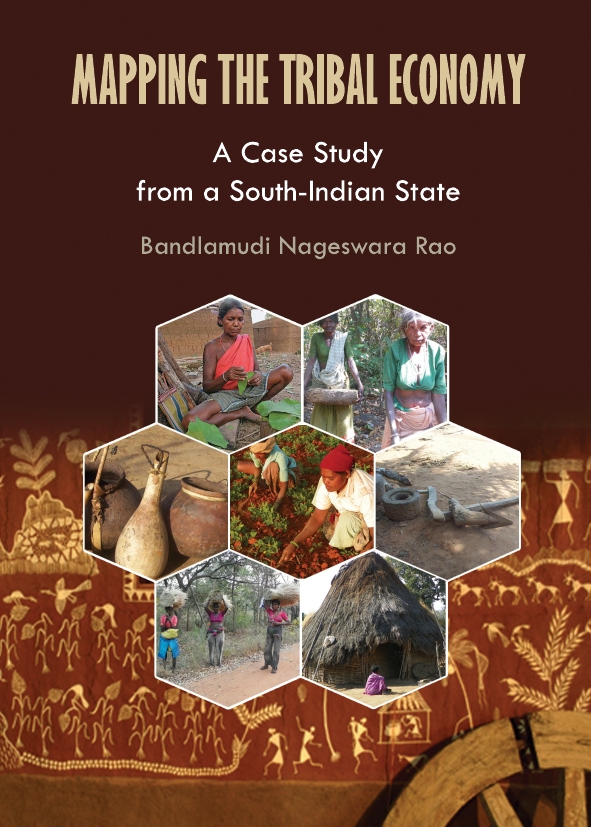
Indigenous people (tribals) are viewed as historical objects of curiosity worldwide. In India, tribes have been marginalised by the creation of administrative boundaries and further hedged in by administrative (forest and land) policies, legislations, colonial and modern market economic orientations, technology, indifferent state policies and social pressures. The way of life of tribal communities, and production and distribution relations among them, has undergone significant changes in recent decades. It is necessary to enquire as to how these changes were brought about and to consider their impact in a historical context.
This book brings together issues like the variations in the magnitude of land alienation, methods of land alienation, tribal movements, and restoration of alienated land among the selected villages, namely Reddyganapavaram, Darbhagudem and Reddynagampalem in the state of Andhra Pradesh. It also examines the role of changes in technology, cropping patterns, irrigation, agricultural wages, the nature of the work and the number of working days in a year among the tribal people, and their impact on overcoming poverty in the tribal economy. The book focuses chiefly on social and political mobilisation among the tribal population, the role of non-governmental organisations in the process of building awareness and educating them towards understanding legal procedures and techniques to deal with the issues of land alienation, labour exploitation and restoration of alienated land.
With its insightful contributions, Mapping the Tribal Economy will be of immense value to teachers, students, and scholars of economics, tribal studies, economic anthropology, public administration and social work. It will also be of interest to policy makers, administrators, social activists, non-governmental organisations, and those working with tribal communities.