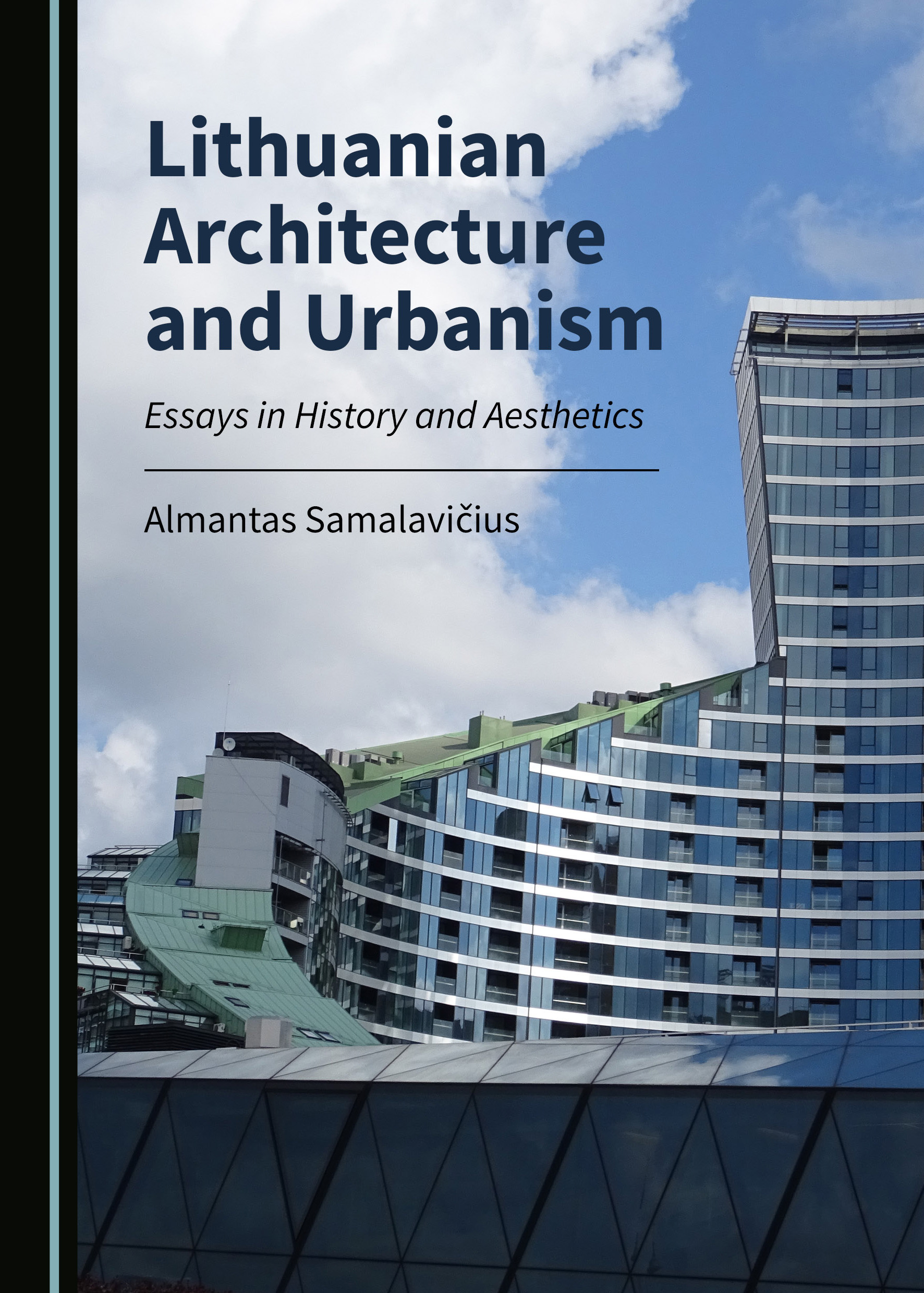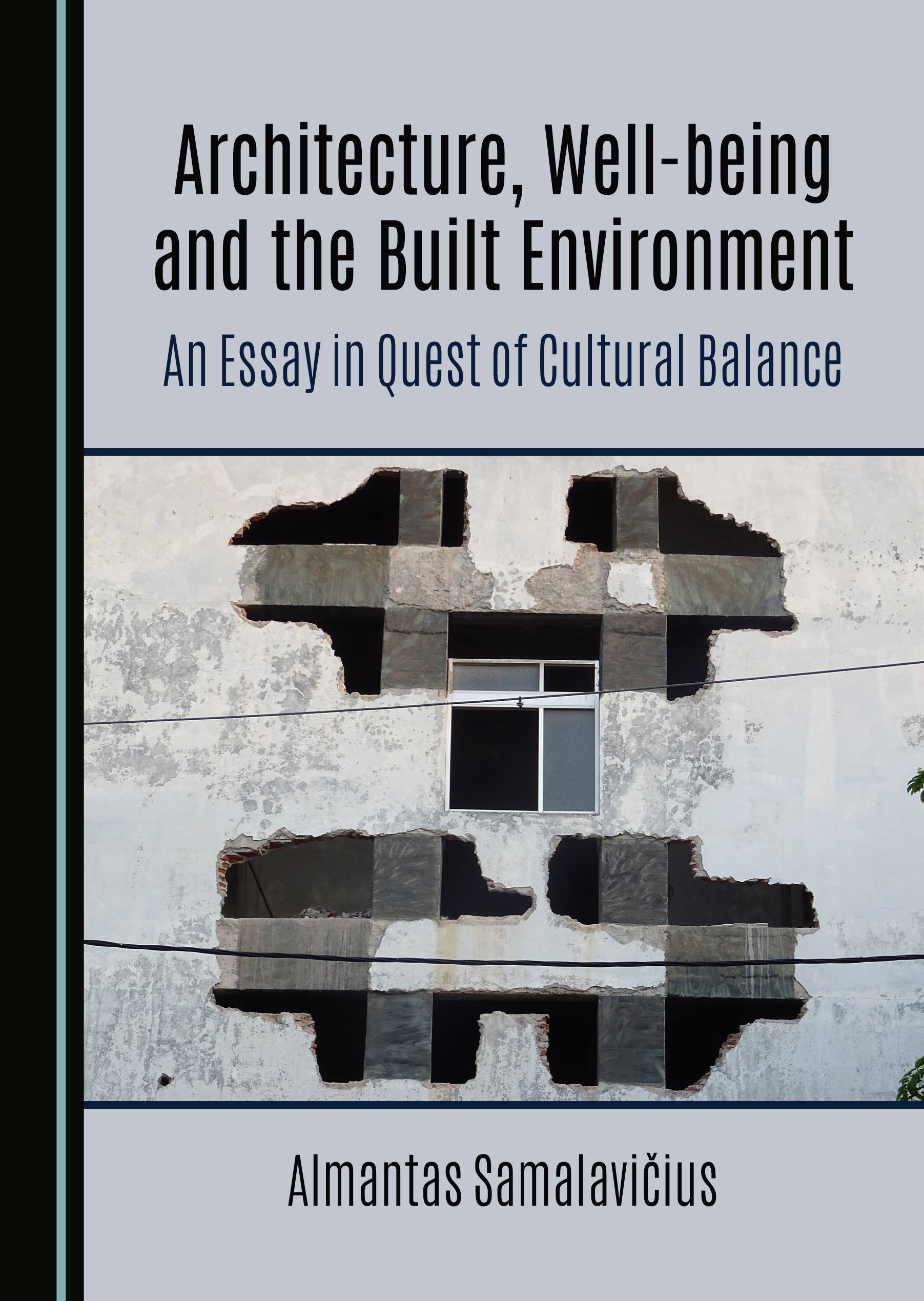

This book explores the link between well-being, society, and the built environment. The author argues that urban living has deteriorated globally, particularly over the past 200 years, due to industrial architectural and urban designs that harm both human and natural environments. However, existing intellectual tools can counter and reverse this decline by challenging mainstream industrial design. The book revisits a range of approaches that emerged in the last century, offering insights into urban and architectural challenges. These include architectural phenomenology, cognitive architecture, biophilic design, and the reassessment of traditional architectural and urban practices. By reflecting on what urban historian Lewis Mumford called the “uses of the past,” the author suggests that revisiting “alternative modernisms” and other non-mainstream ideas may offer a more balanced approach than relying solely on technological progress.
Jehovah’s Witnesses in Europe
This history documents the persecution of Jehovah’s Witnesses in Eastern Europe. It compares their survival under different political systems, from dictatorships to modern Russia, where a renewed ban has returned Soviet-era conditions of repression.