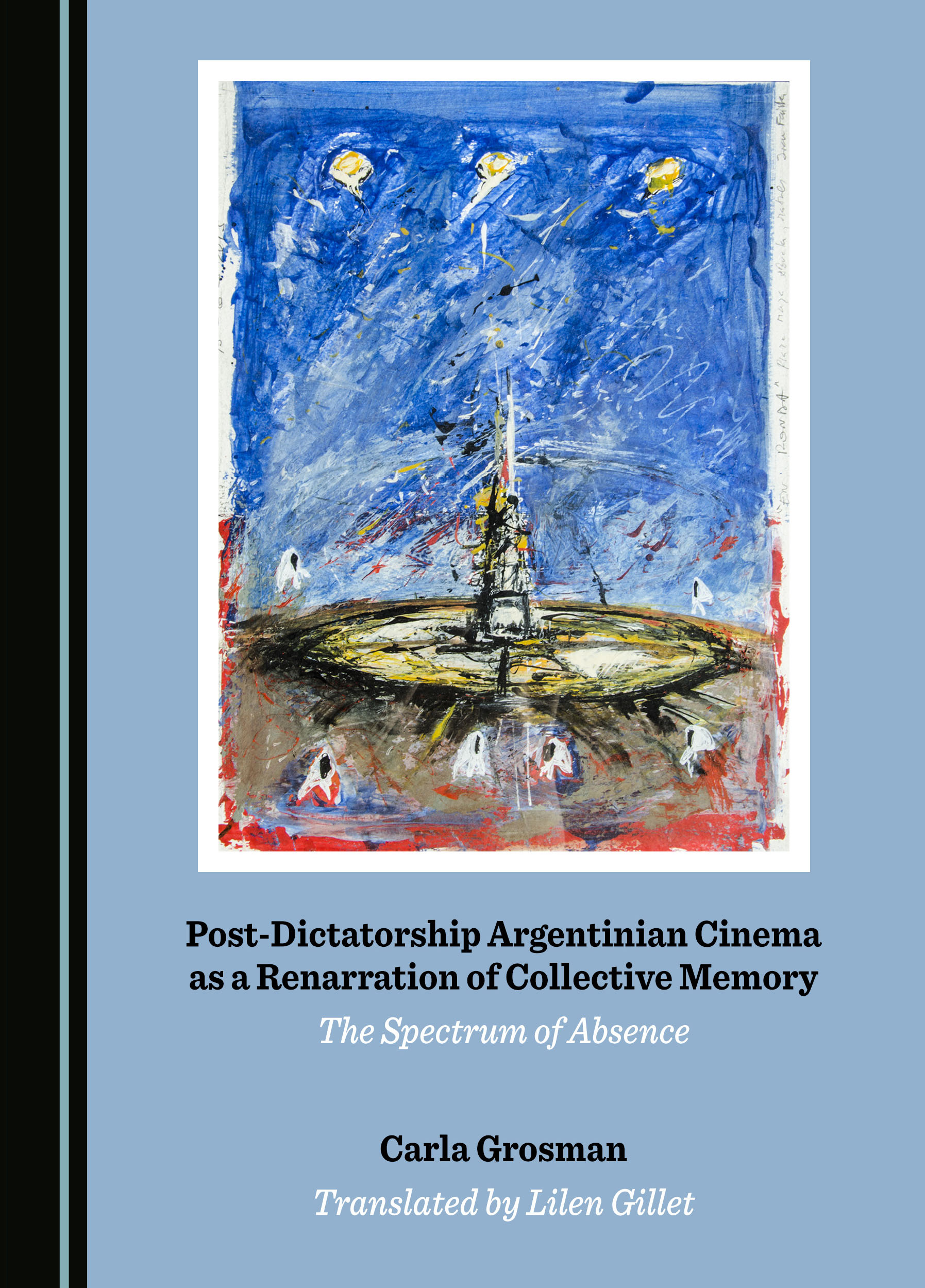

This book reflects on the role of Argentinean cinema in the construction of social memory. It observes the melancholic scene of Argentina’s first decade post-dictatorship as a context without the necessary social understanding to frame the traumatic experiences of the 1976-1983 military repression. Hence, it interprets such conditions as facilitating processes of intersubjective forgetting, fostered by sociopolitical institutions organizing the discourse of truth within a neoliberal re-democratization endeavor. The book proposes that the non-hegemonic cinema of 1985-1996 operated as a symbolic mediation with which a post-dictatorial, poetic, negotiated truth emerged within the historical process of collective memorialization of social trauma. The book draws from research on Latin American cinema and popular culture, subaltern studies, memory and trauma studies, and the notion of cultural hegemony.
This pioneering book introduces the “feminine,” a dimension of film not reducible to women’s experience. Exploring this Jungian concept through movies spanning seven decades, it enhances the appreciation of film as a depth psychological medium.