Divided into 4 chapters and 13 sections, this book elaborately expounds on the historical background, cultural heritage, and developmental trajectory of fermented vegetables in China. It comprehensively analyzes the production techniques of distinctive regional fermented vegetables and uncovers the changing patterns and functional characteristics of core microbial communities during fermentation. Addressing safety concerns related to fermented vegetables, the book proposes effective prevention and control strategies, providing a robust safeguard for industry safety.
Moreover, the scientific team pioneered the “steady-state fermentation” theory, discovered the “homomorphous heteroeffect” phenomenon, and made breakthrough progress in the preparation and application techniques of lactic acid bacteria and its direct-inoculation strains.
This book offers both theoretical depth and practical value. It serves as a vital reference for professionals in research institutions and universities, as well as providing practical techniques and strategies for fermented vegetable production and processing enterprises.
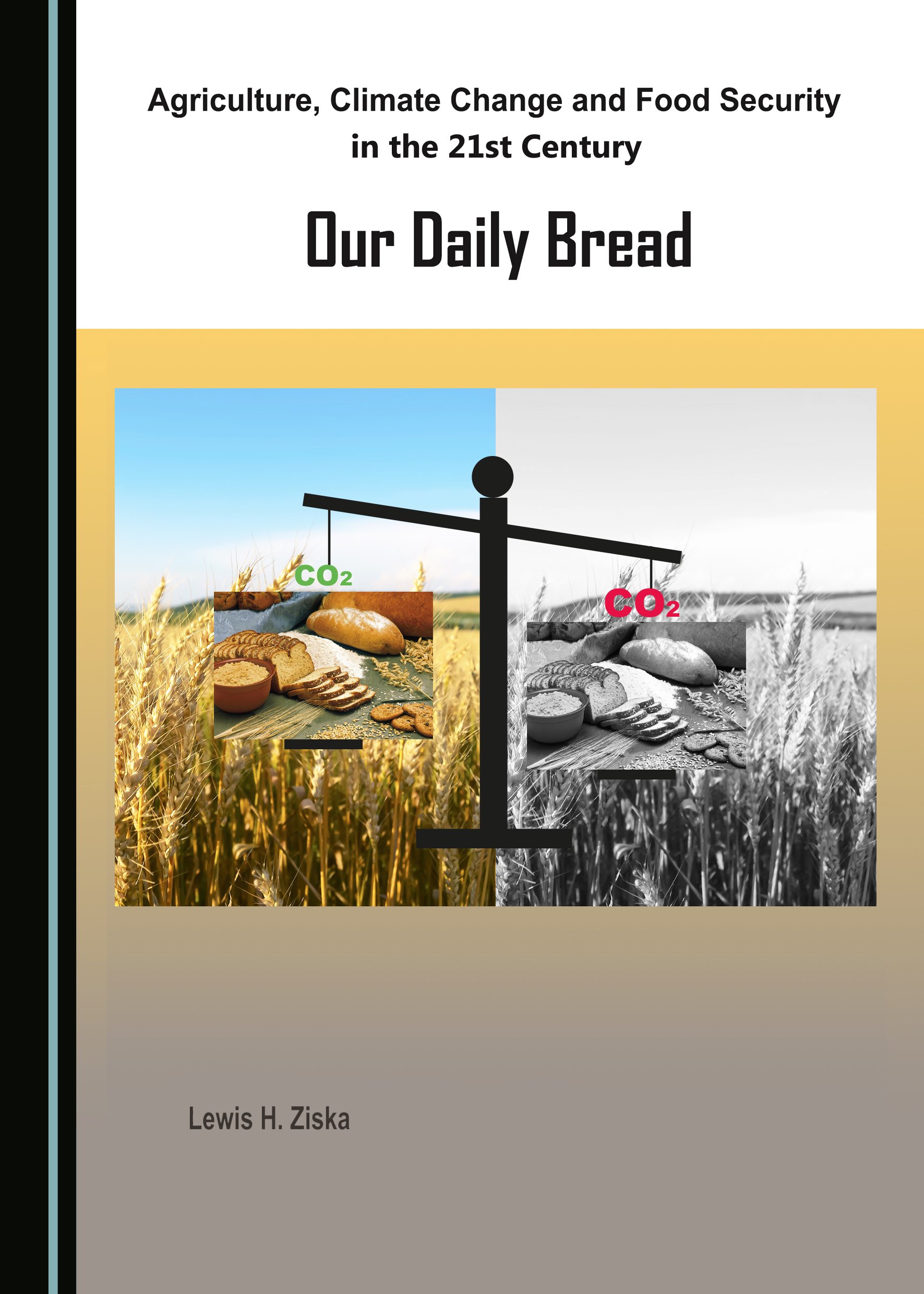
Man-made climate change poses a new crisis: how do we feed 10 billion people in a climate hostile to food security? This book explores the threat to our “daily bread” and argues that we are not without hope, offering solutions that can lead to a better future for humankind.