This book is a concise and well-illustrated treatment of the conventional knowledge and modern utilities of earthworms. The first two chapters deal with earthworm morphology, food relationship, behavior, functional role, interaction with soil biota, and the influence of environmental factors. Earthworms found in the tropics and sub-tropics are also discussed in this section. The third chapter provides a good account of utilizing species of worms to produce high value manure through vermitechnology and its application in agriculture. The nutritional and medicinal values of earthworms are illustrated in the fourth chapter, while the fifth c provides information on how earthworms are used successfully as indicators of ecological perturbations, soil quality and for remediation of contaminated soils. The book will immensely benefit students, faculty and researchers in biological, agricultural and environmental sciences. It is also a source of information for anyone interested in knowing more about earthworms.
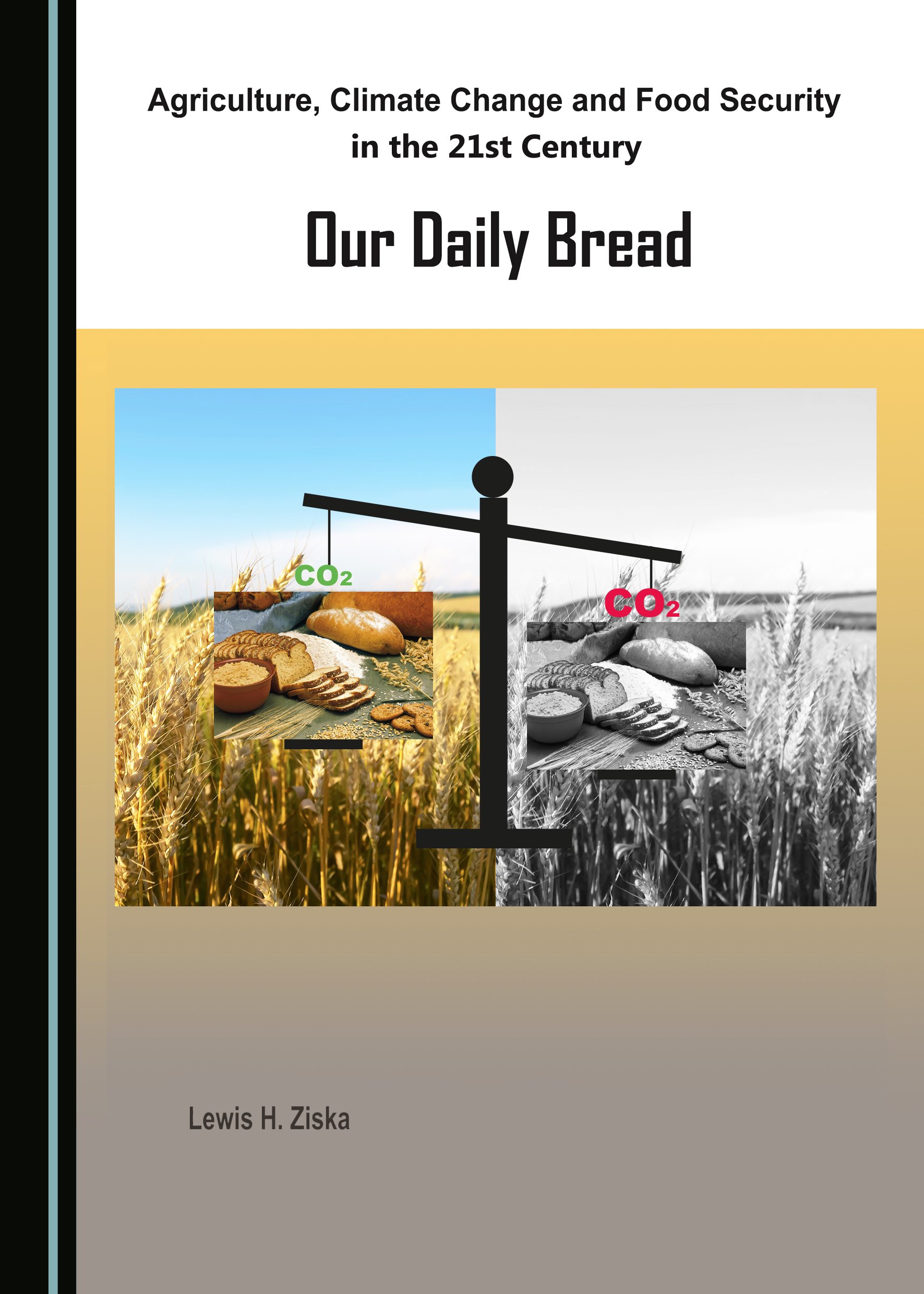
Man-made climate change poses a new crisis: how do we feed 10 billion people in a climate hostile to food security? This book explores the threat to our “daily bread” and argues that we are not without hope, offering solutions that can lead to a better future for humankind.