View more
This product has multiple variants. The options may be chosen on the product page
From £39.99
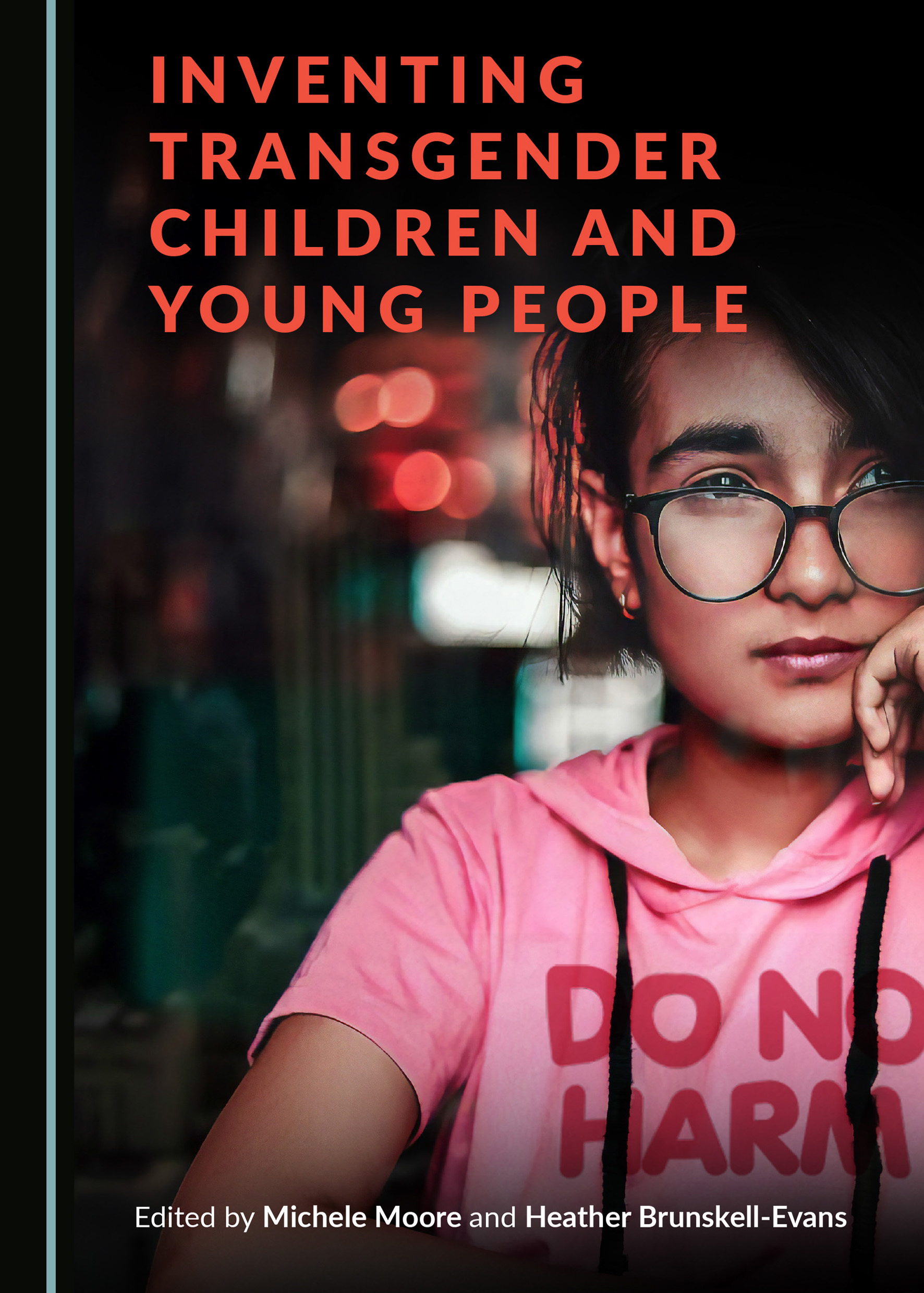
Essays by clinicians, parents, and de-transitioners demonstrate how ‘transgender children’ are invented in medical, social, and political contexts. The authors reveal the harms of transgender ideology and show how adults can intervene to protect young people.
View more
This product has multiple variants. The options may be chosen on the product page