View more
This product has multiple variants. The options may be chosen on the product page
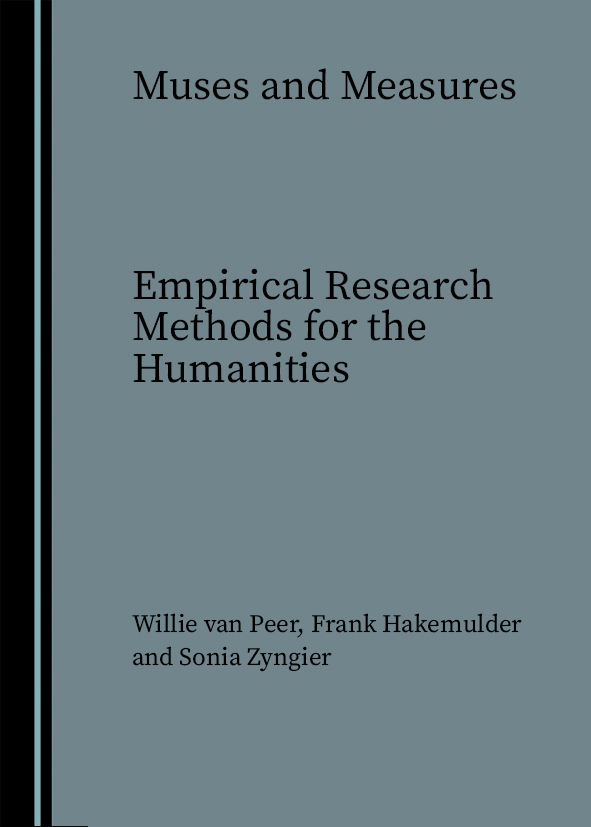
Muses and Measures
Empirical Research Methods for the Humanities
This book is required reading for humanistic disciplines. Too often, scholars present theories without knowing how to test them empirically. In an engaging way, the authors teach statistics, leading students through projects to analyze their own gathered data.
View more
This product has multiple variants. The options may be chosen on the product page