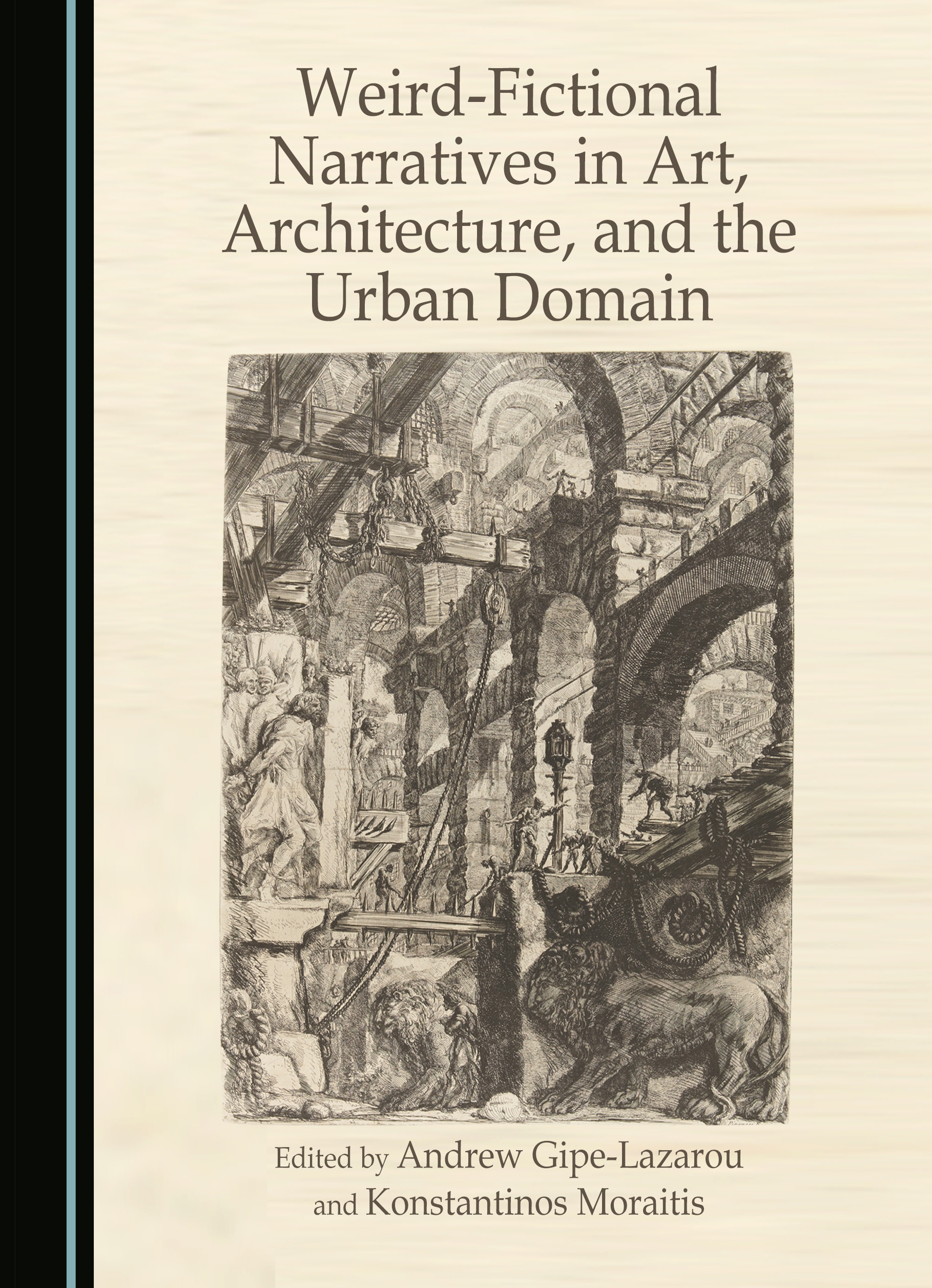
Tales of terror, mythoi of the macabre, phobic fantasies, and numinous narratives have played an integral role in collective cultural expression since antiquity. It was, however, in 19th-century Europe that weird fiction reached its first apogee as a cultural and political antithesis to the adverse conditions of modern life. It expressed Western society’s collective disappointment with the Enlightenment’s unrealized promises for a better world, capturing the agony of urban populations in suffocating industrial cities, the suffering caused by centuries of ongoing military confrontation, and the hopelessness of the common citizen in the wake of rapid and complex technological and political change.
This volume presents a rational demystification of irrational cultural expressions, with the dual intention of being used as both an academic reference and a popular guide into the realm of chimeric cultural visions. It analyzes the correlation of urban mythologies and their concurrent cultural paradigms, tracing the impact of the collective subconscious through literature, comic-strips, cinematography, music, architecture, and art.