Millets, a group of small, hardy grains, have been overshadowed by more common crops like wheat and rice. However, interest in millet breeding is growing due to their ability to thrive in tough conditions and their high nutritional value. By improving their growth, resistance to pests, and nutritional benefits, researchers aim to make millets more widely used. Millets are gluten-free and packed with fiber, protein, and essential vitamins and minerals, making them ideal for people with dietary restrictions and health concerns. Promoting millet cultivation can help combat malnutrition and increase diet variety. Supported by governments, NGOs, and research institutions worldwide, efforts to enhance millet production focus on combining traditional farming knowledge with modern scientific methods. This initiative aims to elevate millets from an underused crop to a staple, contributing to a more sustainable and nutritious global food supply.
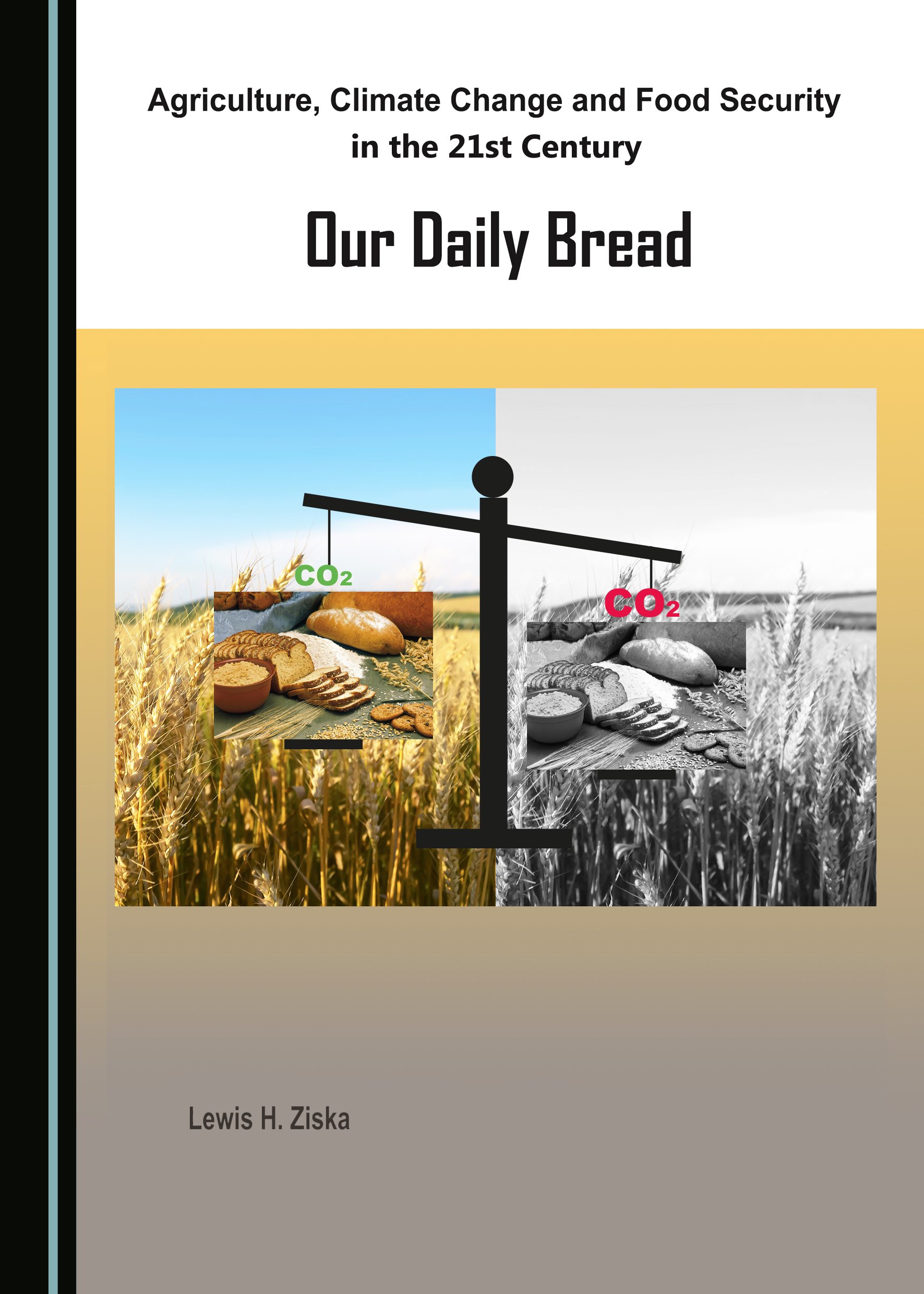
Man-made climate change poses a new crisis: how do we feed 10 billion people in a climate hostile to food security? This book explores the threat to our “daily bread” and argues that we are not without hope, offering solutions that can lead to a better future for humankind.