T. S. Eliot’s famous poetry expresses not a rejection of faith, but a struggle with it. This book explores how he and Michelangelo wrestled with the highest meanings of existence, seeking to express a modernist view of mystical awe—the experience of God.
Harry Eiss
Harry Edwin Eiss is a Full Professor at Eastern Michigan University, where he teaches World Mythology, Literature and Creative Writing. His publications include The Fairy Feller’s Master-Stroke, Divine Madness, Insanity and Genius, and Christ of the Coal Yards for Cambridge Scholars Publishing; Metaesthetics for Pearson Press; and Dictionary of Mathematical Games, Puzzles, and Amusements, Literature for Youth on War and Peace, and Dictionary of Language Games, Puzzles and Amusements for Greenwood Press. He has also edited several books, including Young Adult Literature and Culture, Children’s Literature and Culture, the soon-to-be-released Speculative Fiction in a Post Modern Age for Cambridge Scholars Publishing, and Images of the Child for Bowling Green University Press. He has been a featured Humanist for the United States National Endowment for the Humanities, and has taught at several colleges and universities, including the University of North Dakota, Northern Montana College, Minnesota State University, and Pacifica, and has received national attention for his pedagogy.
Author's books
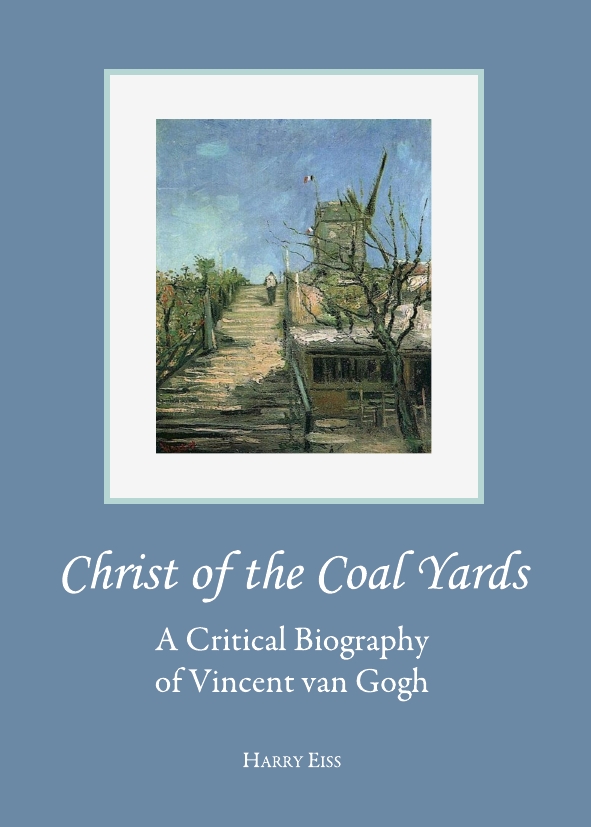
No one heard the shot. No one ever found the gun. This critical examination of Vincent van Gogh offers insights into his life and art, dispelling the myths that have no foundation and exploring his enigmatic and enticing personality.
Divine Madness
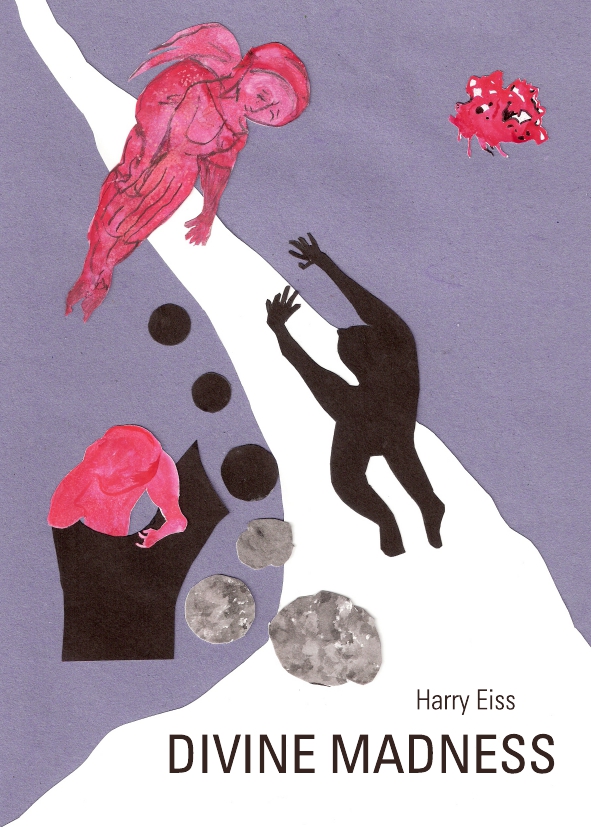
Lila is the play of the gods, a free spirit of creation beyond the chains of reason and the clocks of time. Come, enter a realm of divine madness, where the trickster, the artist, and the savior weave the great tapestry of life. Join the play.
Insanity and Genius
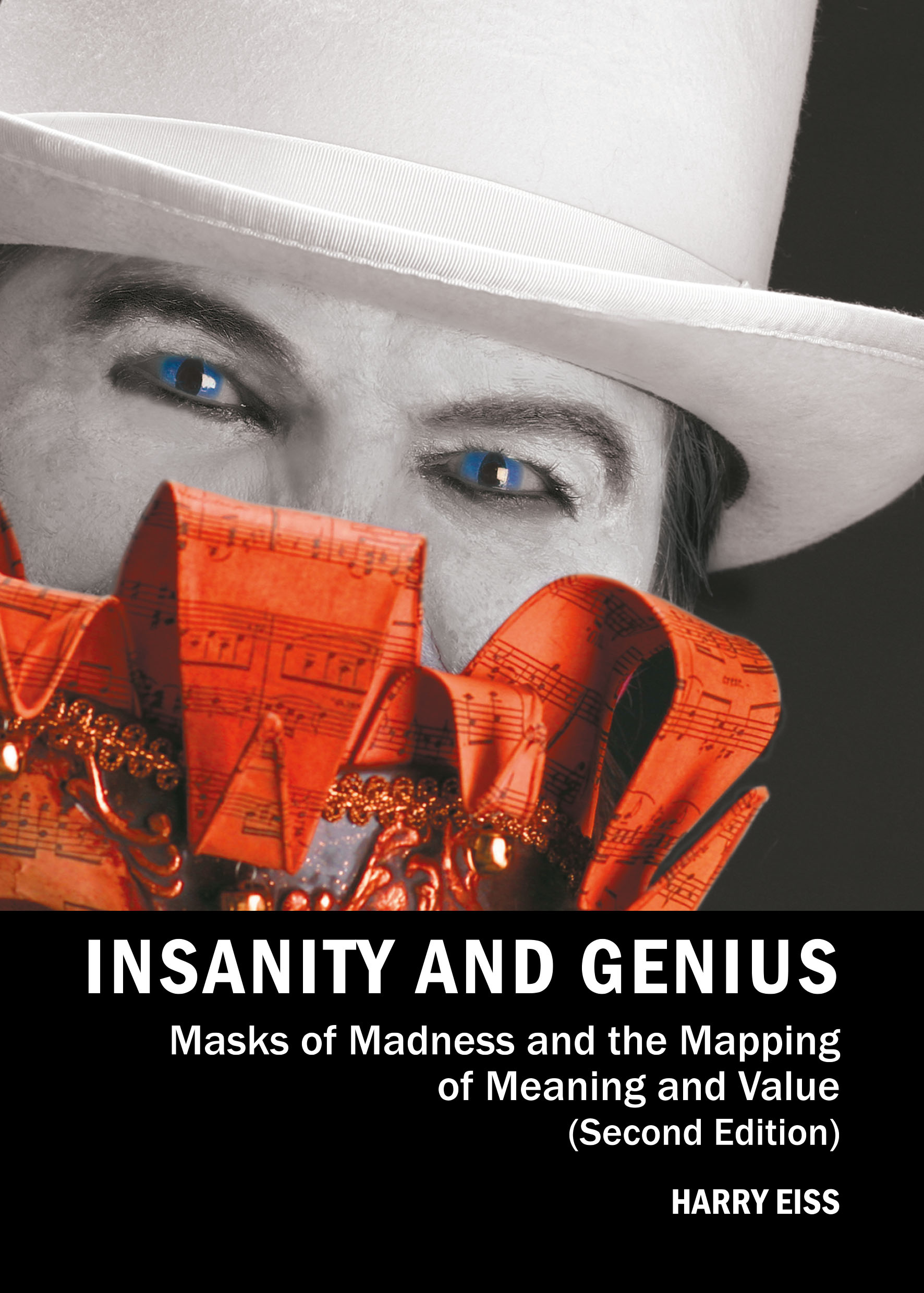
For scientists, beauty is truth. But the author sought truths from a different way of knowing—one not of logic, but of expression. This book explores the greatest minds struggling to understand the deepest truths of the human condition.
The truths we need come from a way of knowing not of logic, but of expression—a world that takes us beyond the grasp of reason. This book is an exploration of the greatest minds and how they have struggled to find the deepest truths about the human condition.
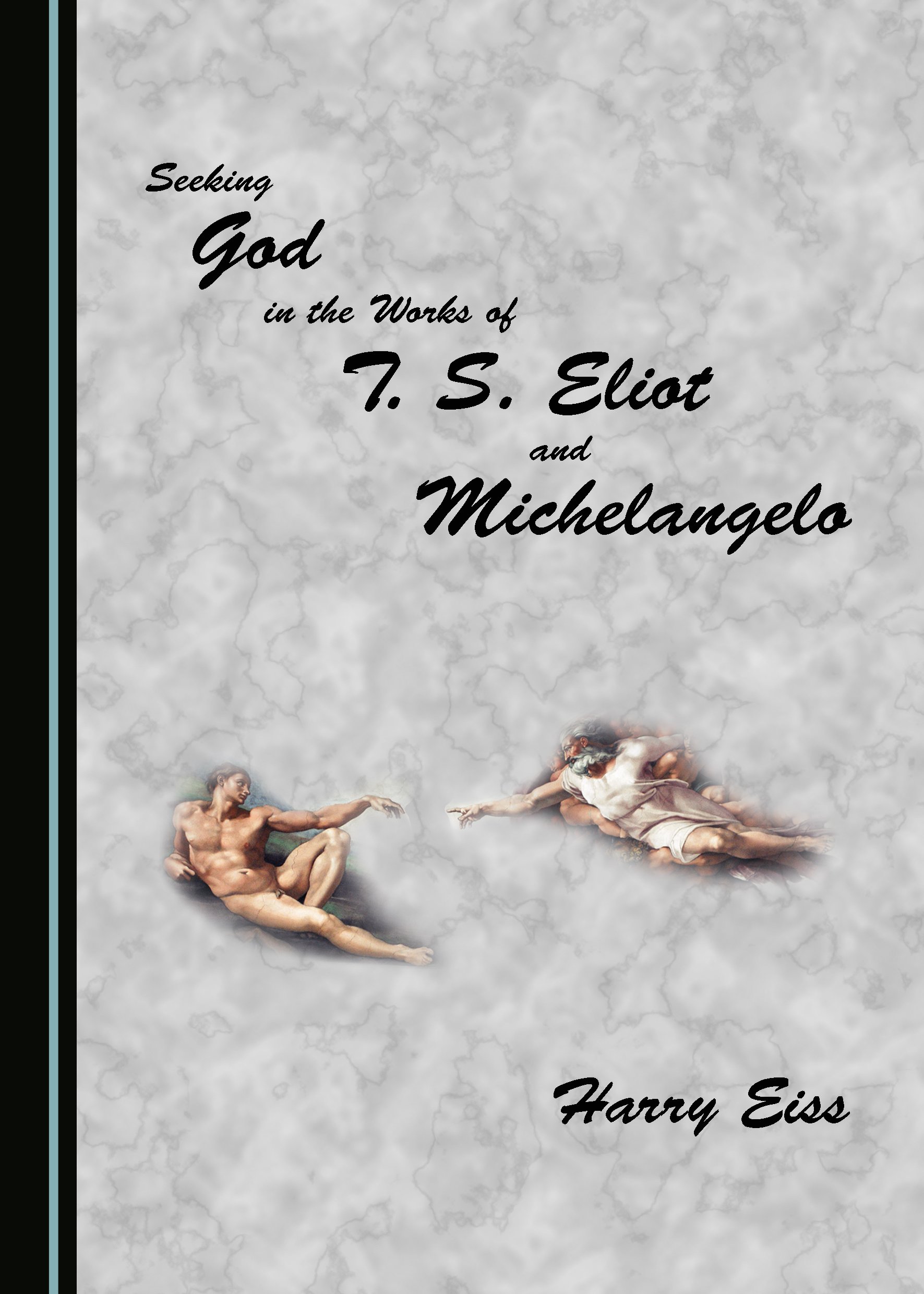
Seeking God in the Works of T. S. Eliot and Michelangelo
Eiss explores how Eliot and Michelangelo struggle with the highest meanings of life in their artistic work and express what Rudolph Otto designates the mysterium tremendum. He reveals how Elliott struggled with his Christianity and turned to Michelangelo’s similar endeavour.
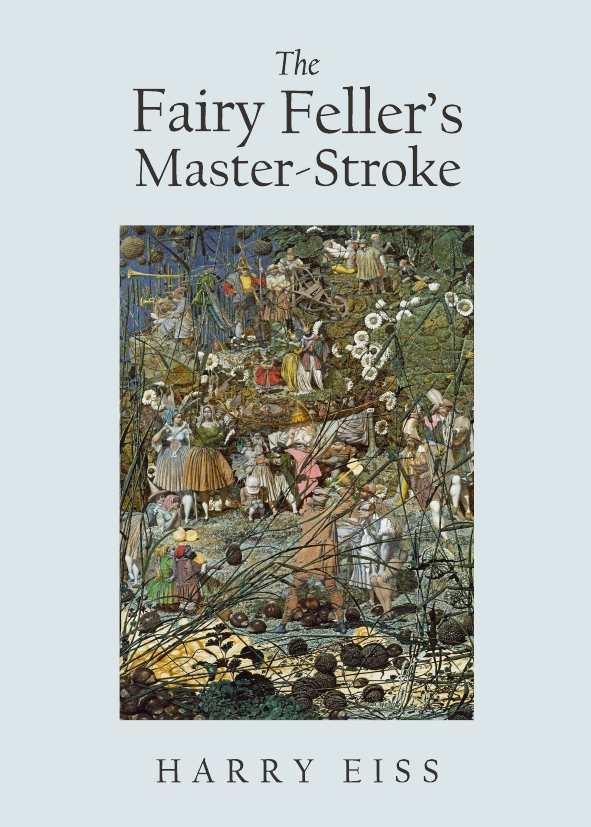
The Fairy Feller’s Master-Stroke
Richard Dadd is a trickster, an Elizabethan Puck in a Victorian insane asylum. His existence foreshadows the inexplicable labyrinths of contemporary existence, entering the fragmented shards of today’s world long before the artists who would try to map it.
The Joker
Why does a psychopath like the Joker seem to have a sense of higher truths? This is the role of the Fool. This book explores how, as culture fragments, artists reveal darkness and show how expressions of meaninglessness are rites-of-passage, not a final destination.
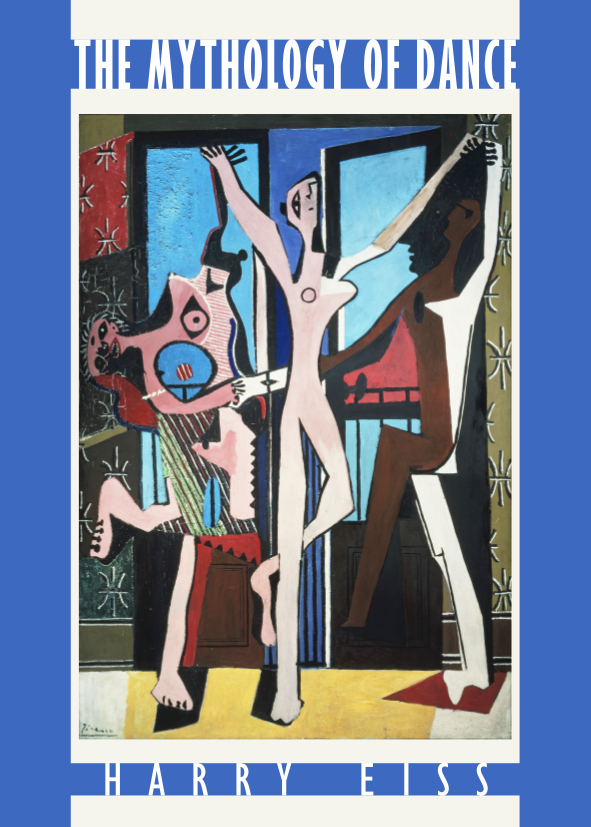
The Mythology of Dance
The dance floor is the stage of life. This book explores how dance reflects the maps of meaning that structure our lives, from religious to artistic forms, examining performers from Fred Astaire to Michael Jackson and choreographers like Balanchine and Fosse.