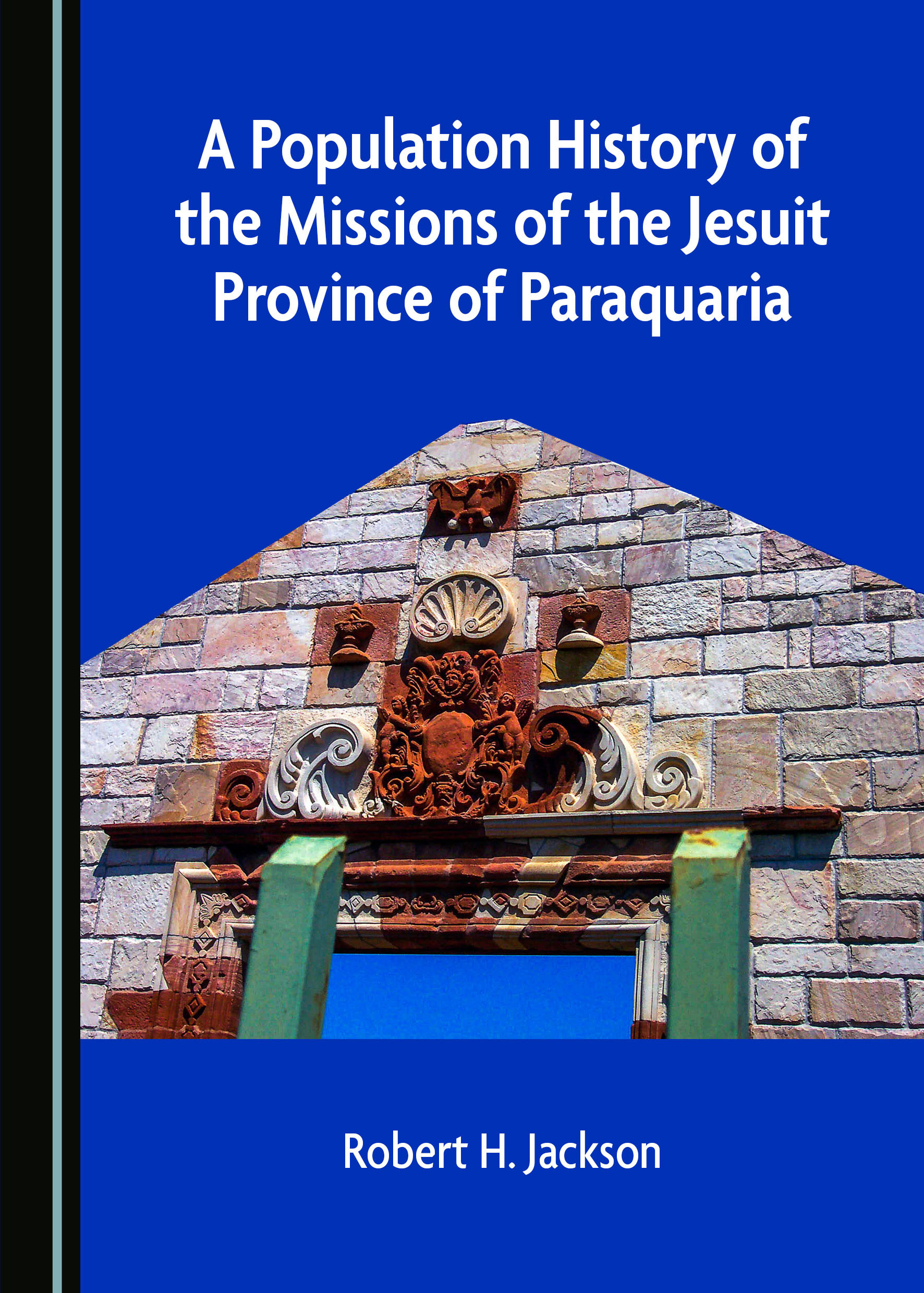
This book presents a case study of Jesuit missions in South America that challenges the “virgin soil” epidemic model. It shows that catastrophic mortality varied and occurred generations after first contact, concluding that demographic change was far more complex.
Robert H. Jackson
Author's books
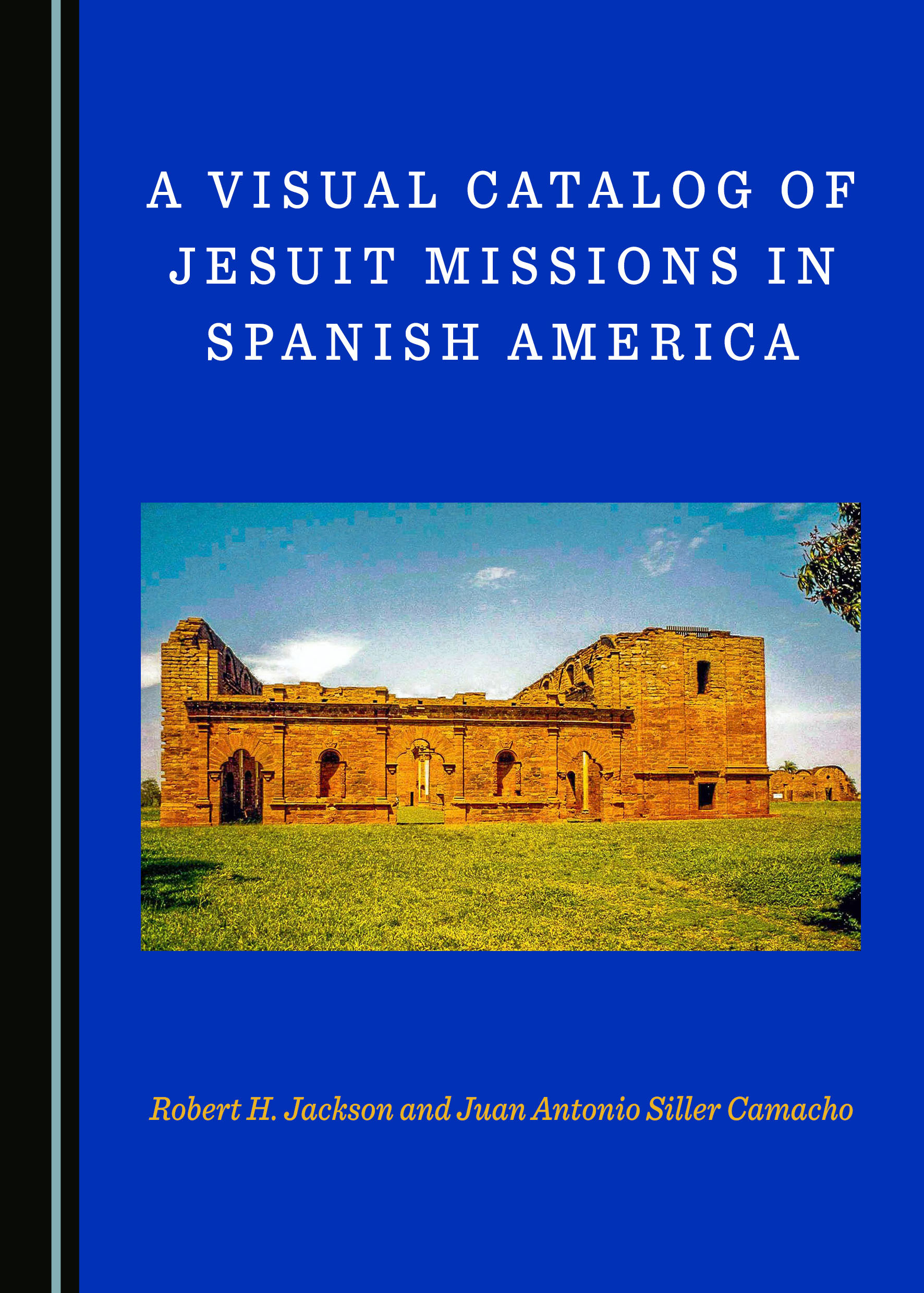
A Visual Catalog of Jesuit Missions in Spanish America
From the late 16th century until their expulsion in 1767, Jesuits played a pivotal role in Spanish America. Their missions stretched from northern Mexico to South America, leaving a rich historical and architectural heritage. This volume outlines their development and legacy.
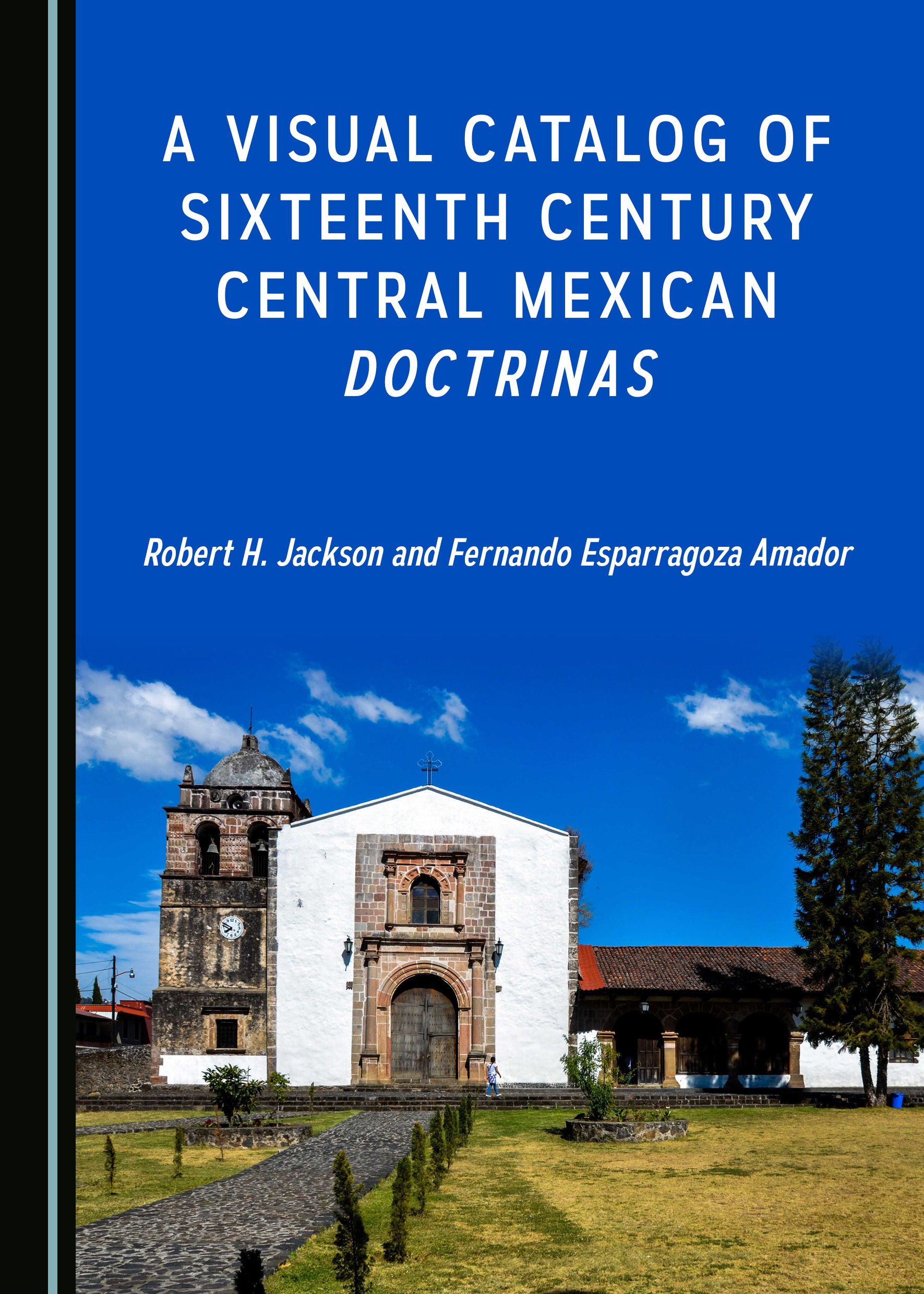
A Visual Catalog of Sixteenth Century Central Mexican Doctrinas
Jackson offers historical data regarding the convent complexes, as well as extensive photographs of the surviving buildings, murals, and design elements, and documents the Franciscan doctrinas. He also reproduces ancient descriptions of the Franciscan missions.
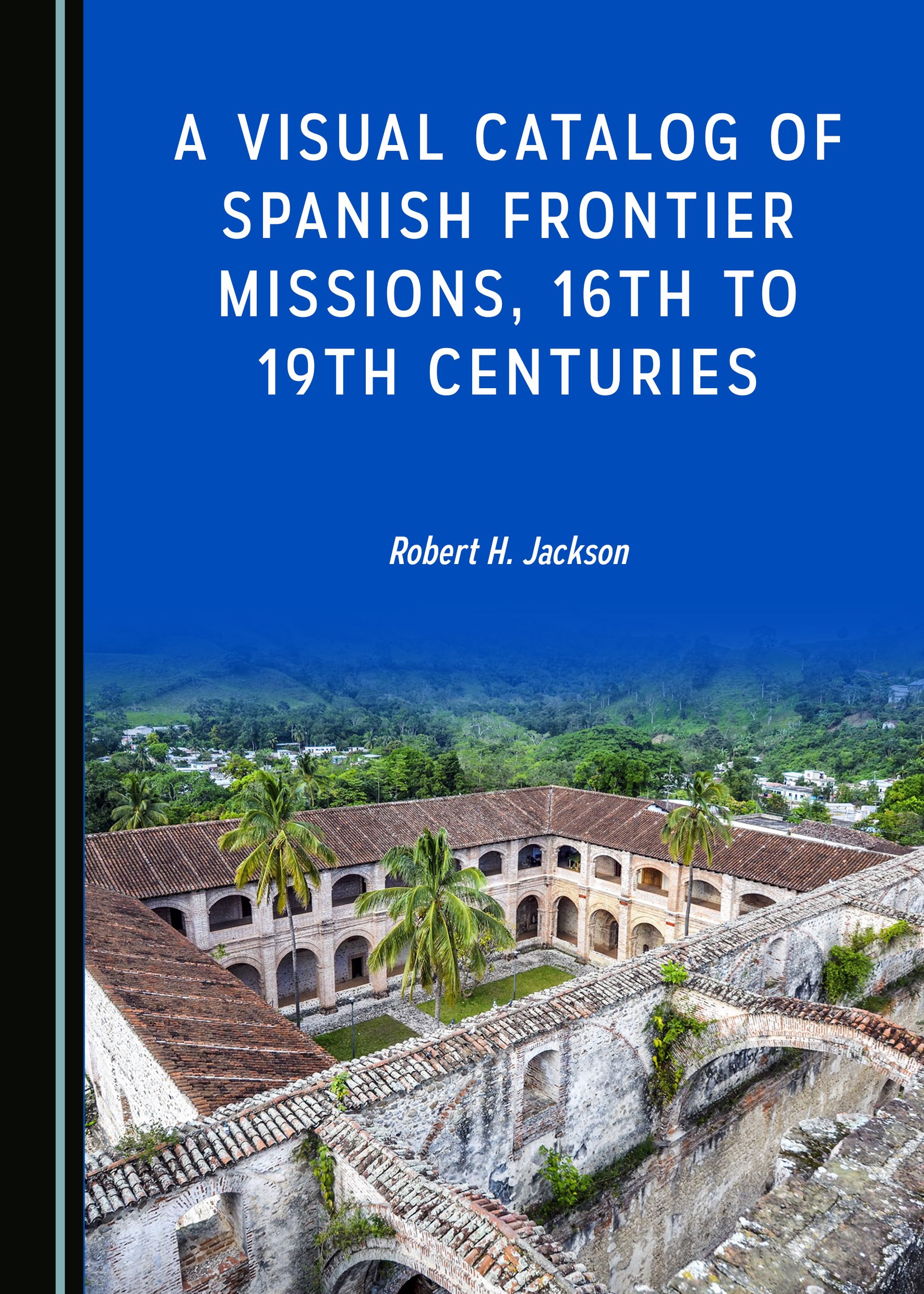
A Visual Catalog of Spanish Frontier Missions, 16th to 19th Centuries
From the 16th to 19th centuries, Spanish missions left an important architectural legacy. This visual catalog documents surviving mission complexes in Mexico and South America, presenting historical data and documenting damage from recent earthquakes.
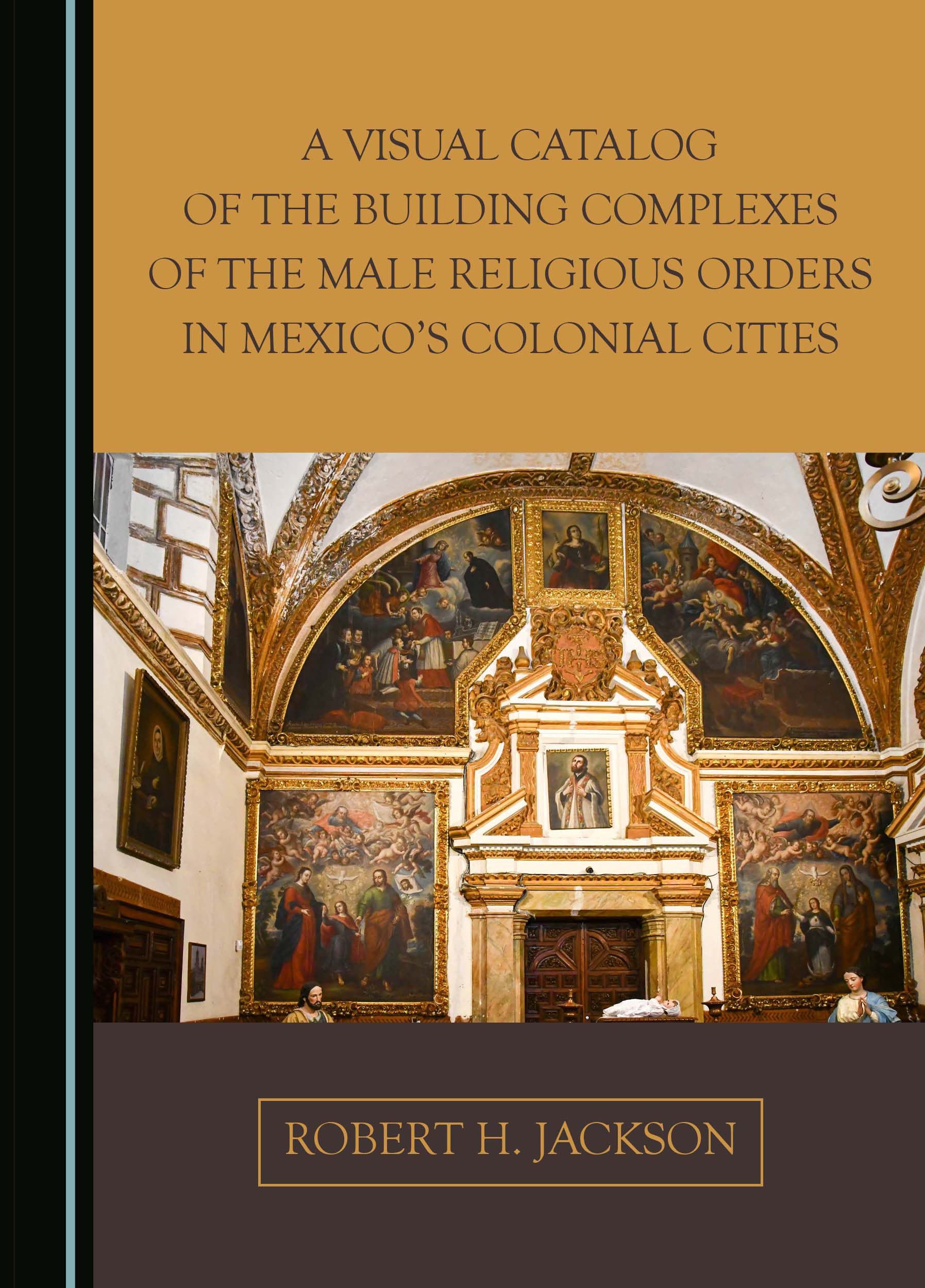
A Visual Catalog of the Building Complexes of the Male Religious Orders in Mexico’s Colonial Cities
In colonial Mexico, male missionary orders built vast complexes in urban centers. This book surveys what remains of this unique architectural patrimony in Mexico City, Puebla, and other cities, discussing its history and role in urban development for historians and architects.
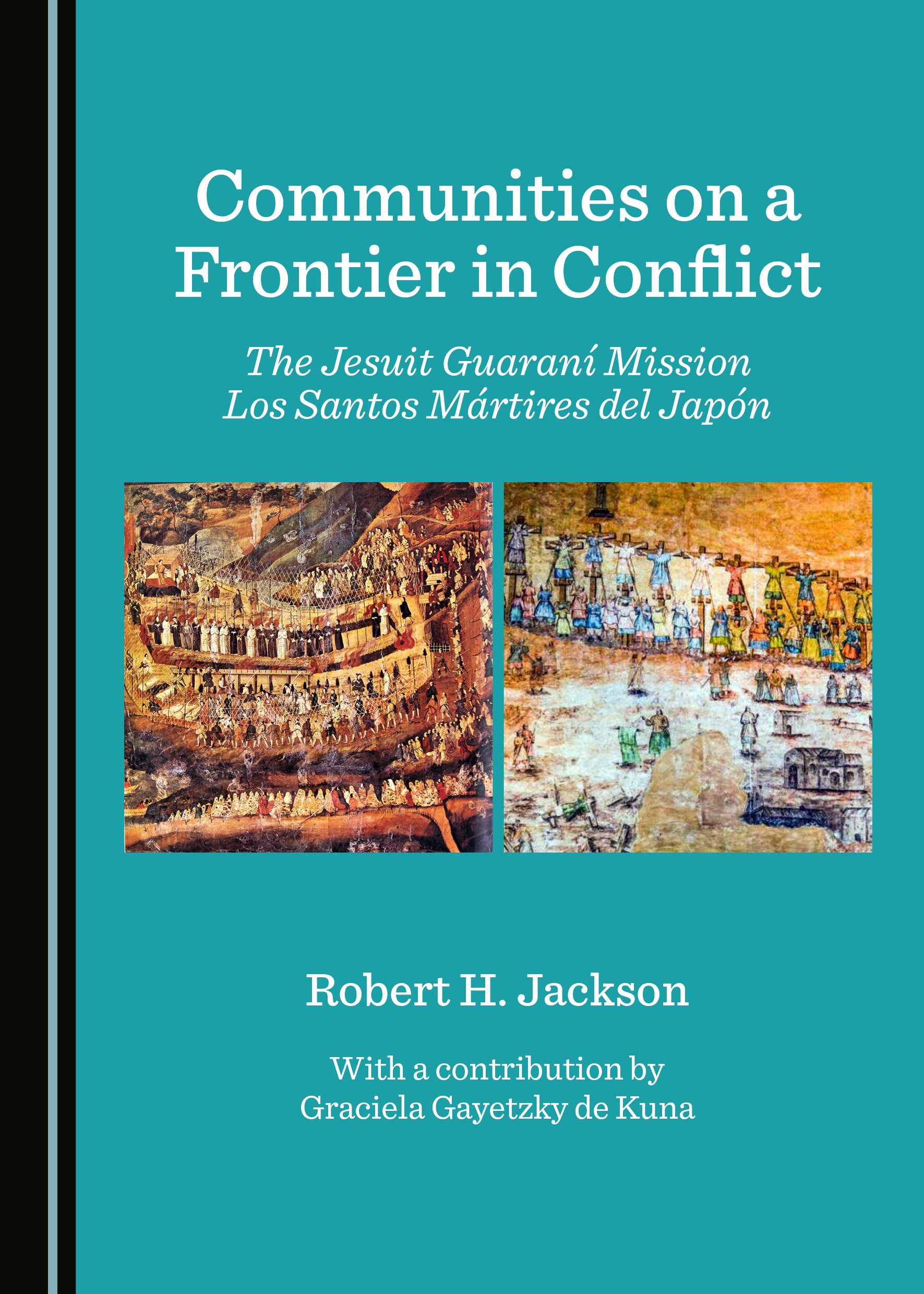
Communities on a Frontier in Conflict
Were the Jesuit missions in South America a socialist utopia or an independent republic? This study reveals the historical reality, analyzing the creation of mission communities on a frontier contested by Spain and Portugal and the demographic consequences of military conflict.
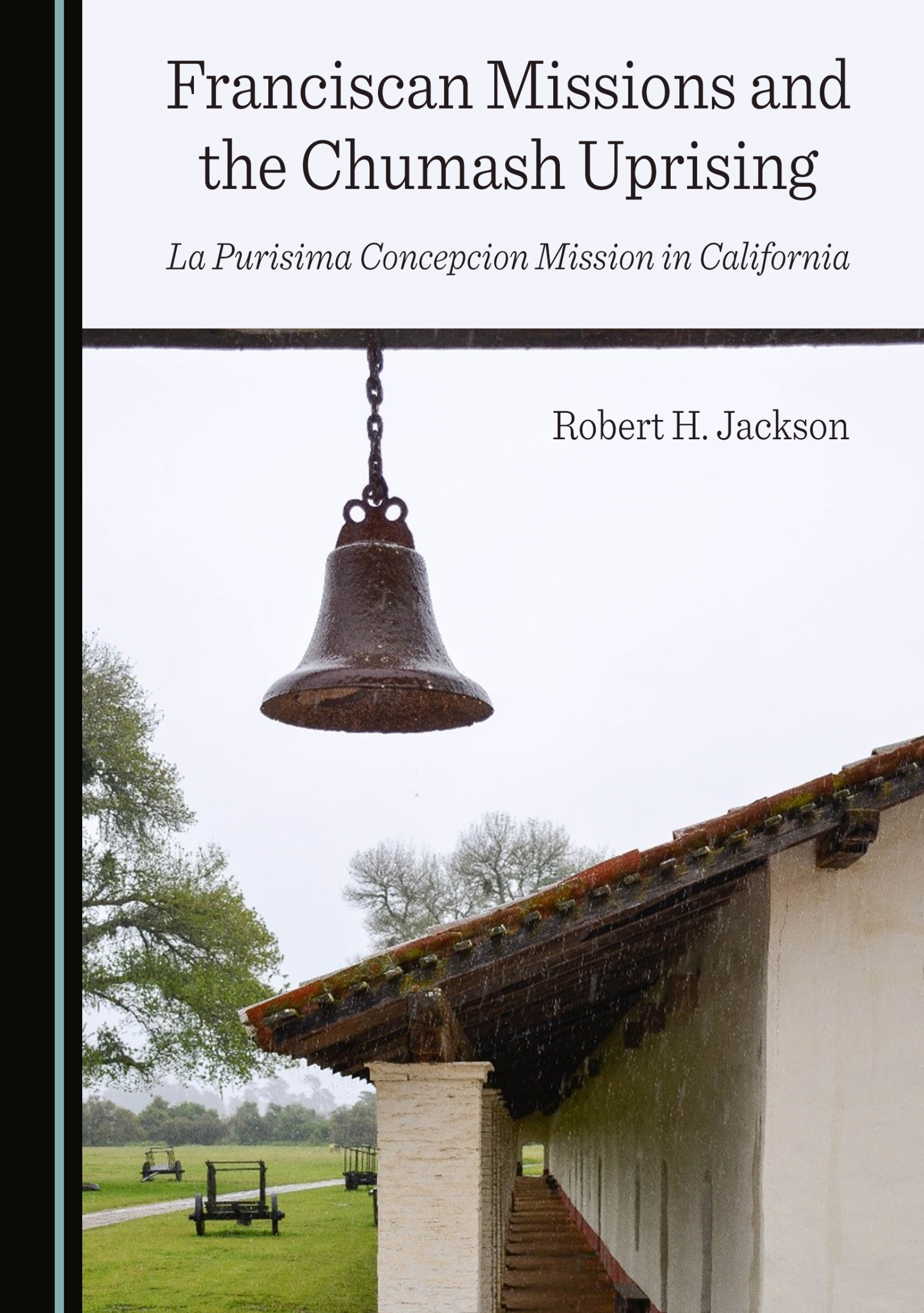
Franciscan Missions and the Chumash Uprising
In 1824, a brutal flogging sparked a Chumash rebellion against California’s Franciscan missions. This book explores the uprising’s true causes, from years of deteriorating conditions to the final bloody conflict at Mission La Purísima, where the rebels made their last stand.
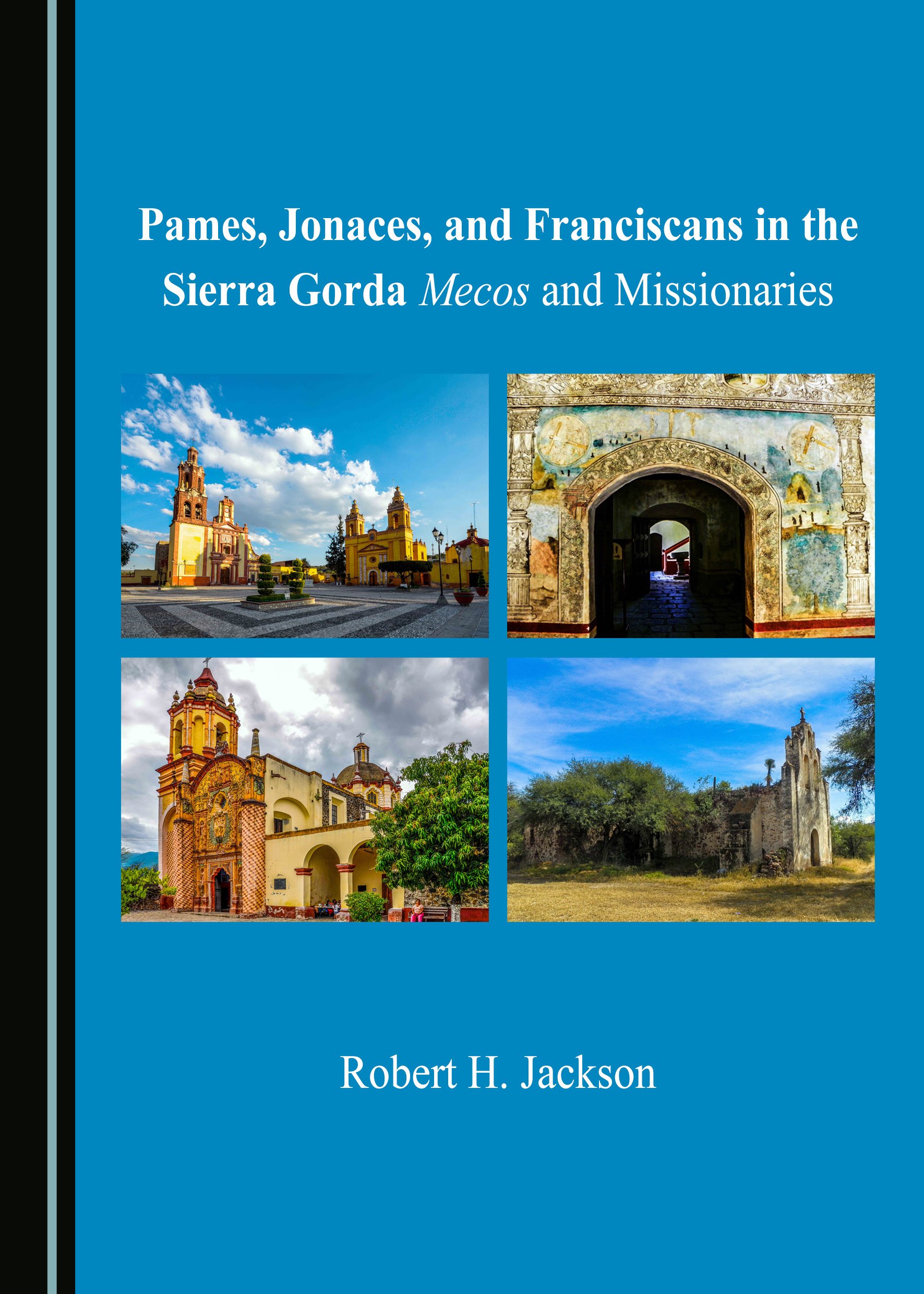
This book outlines long-lasting efforts to evangelize the Pames and Jonaces in the territory of Sierra Gorda. It records the last missionary impulse spurred by the project of José de Escandón and Franciscan missionaries to get the Pames and Jonaces to adopt a sedentary lifestyle.
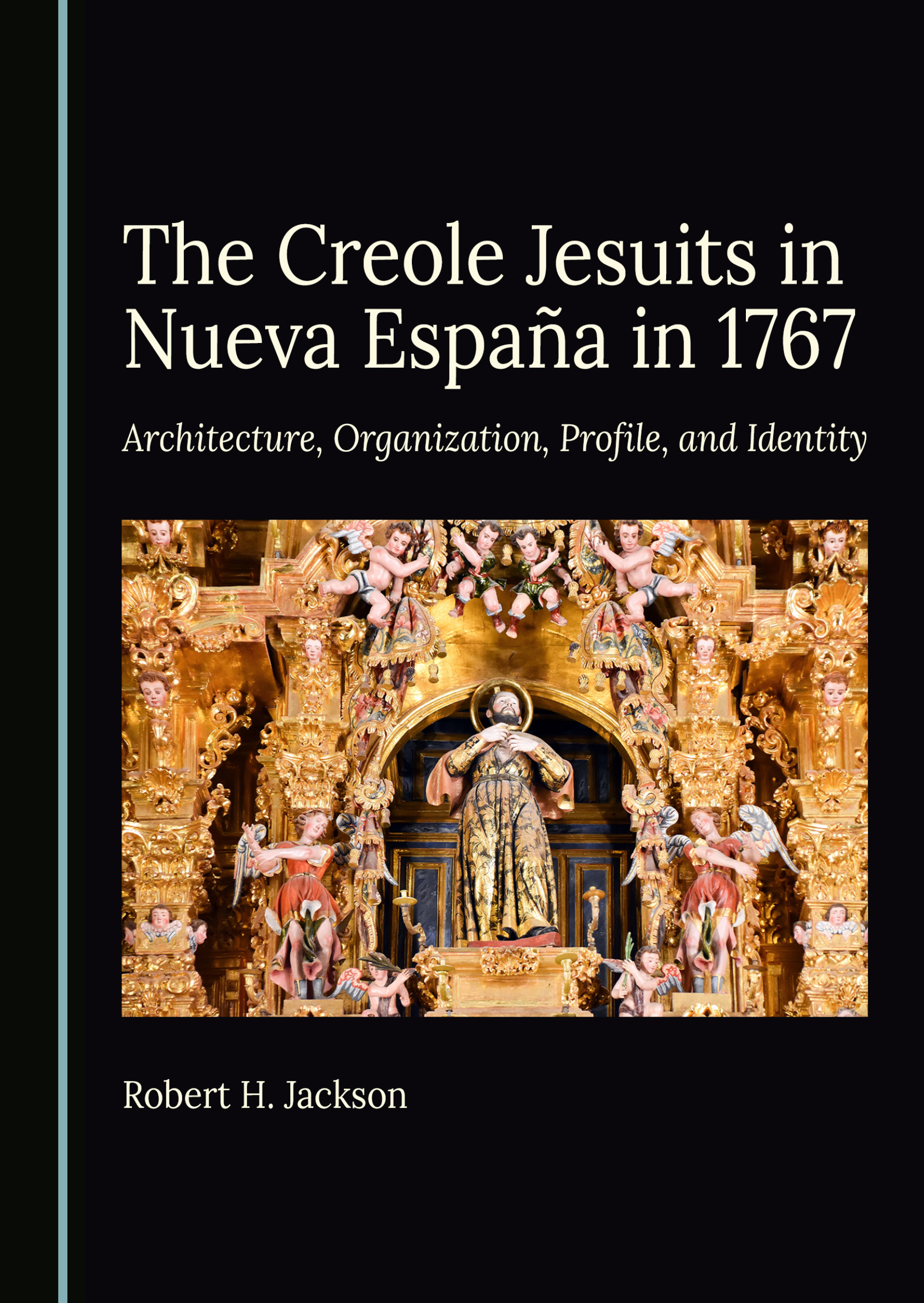
The Creole Jesuits in Nueva España in 1767
In 1767, King Carlos III expelled the Jesuits from all Spanish territories. Exiled to Italy, the majority of Jesuits in the Americas were American-born. This study focuses on the Jesuits of New Spain, exploring their organization, identity, and architectural legacy.
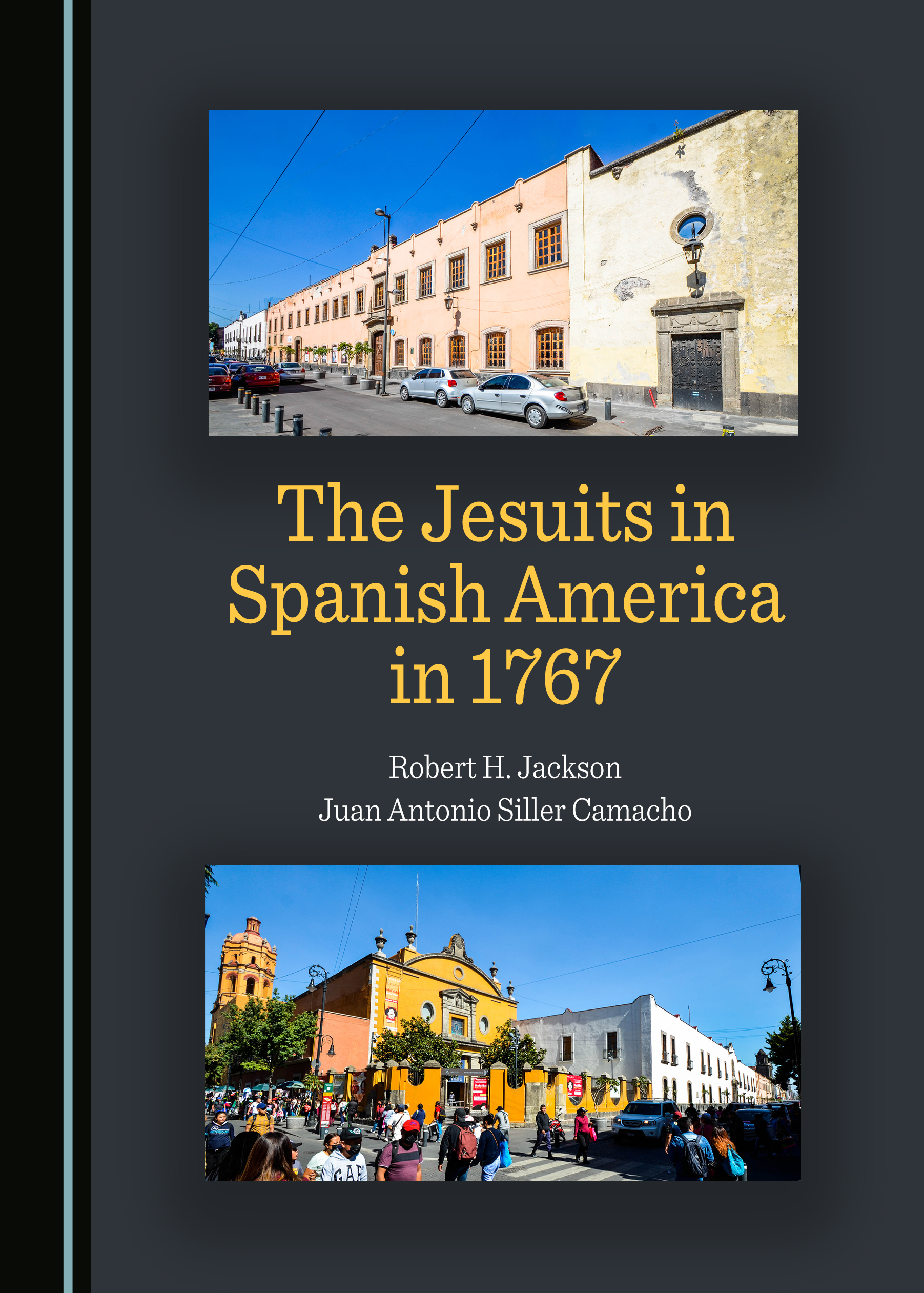
The Jesuits in Spanish America in 1767
In 1767, the Jesuits were expelled from Spanish America. This book provides an overview of their urban colegios and frontier missions at the time of the expulsion, focusing on the Guaraní missions. This volume contains a visual catalog of historic maps and images.
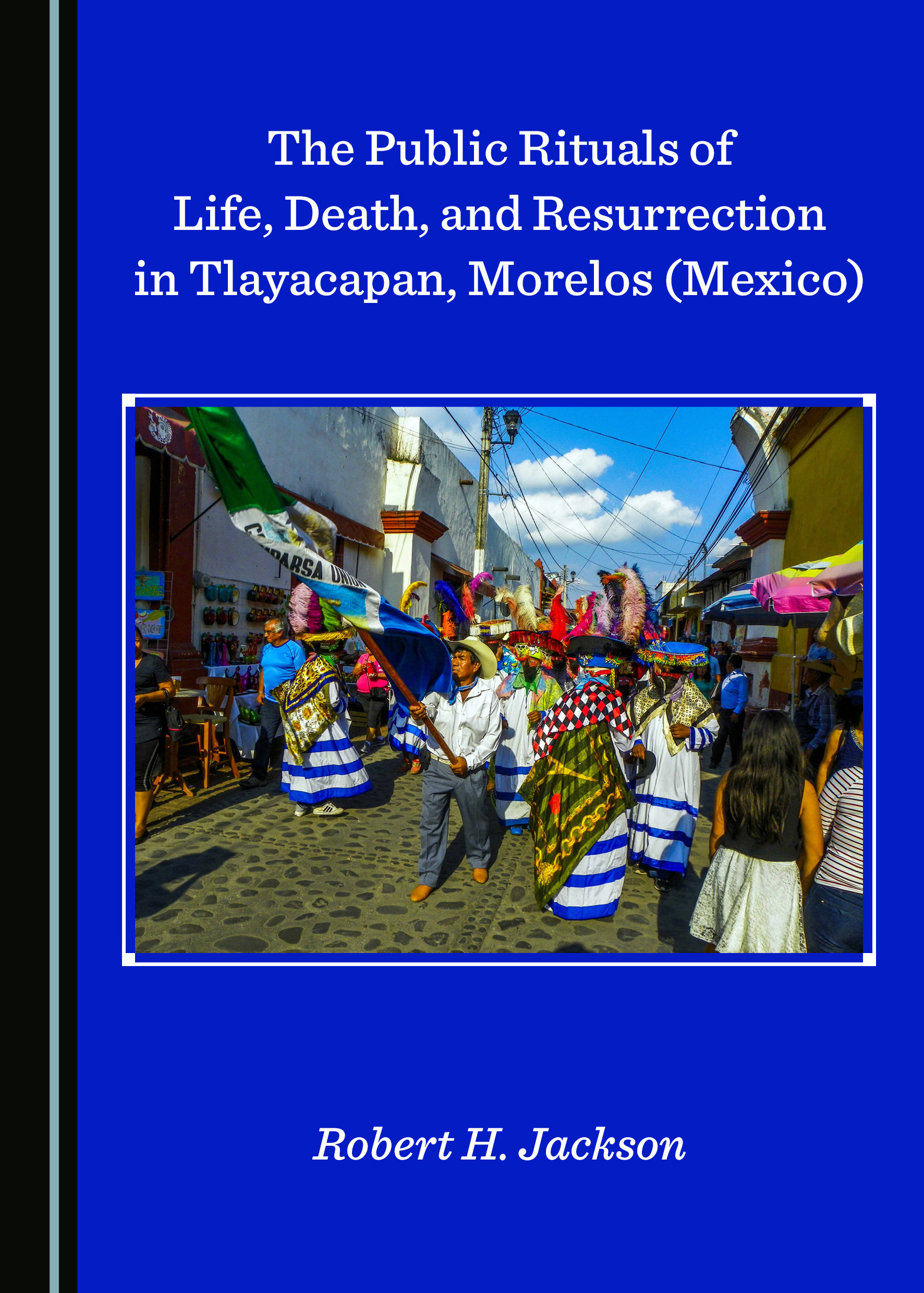
The Public Rituals of Life, Death, and Resurrection in Tlayacapan, Morelos (Mexico)
This study describes the evolution and modern practice of the public ritual of life, death, and resurrection in Tlayacapan, Mexico. It discusses how Carnival, Holy Week, and the Day of the Dead evolved after the Spanish conquest and are now used to attract cultural tourism.
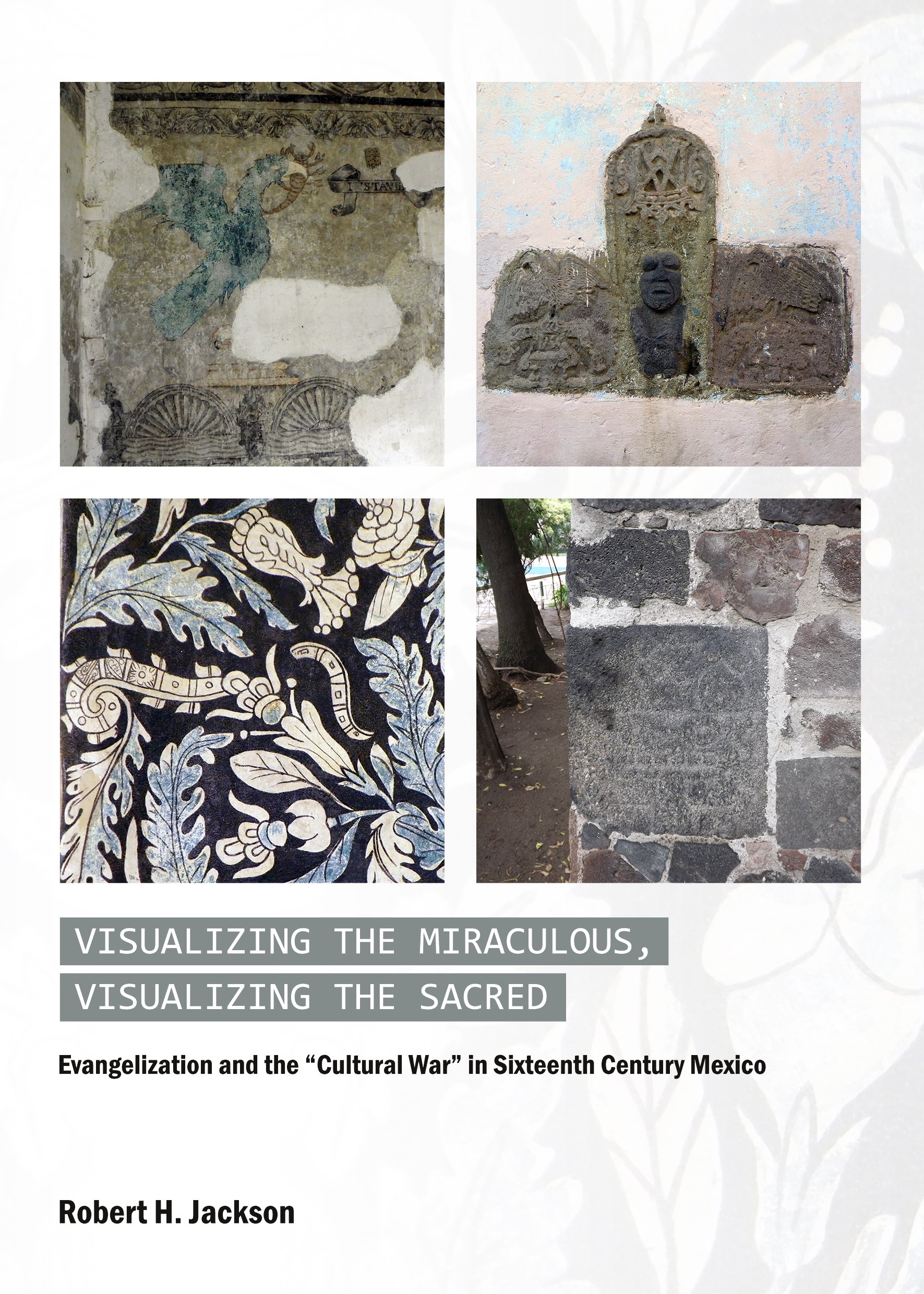
Visualizing the Miraculous, Visualizing the Sacred
Contrary to a facile spiritual conquest, native peoples in Mexico incorporated Catholicism on their own terms. This study examines visual evidence of the persistence of traditional religious practices, from pre-hispanic stones in churches to pagan iconography in murals.