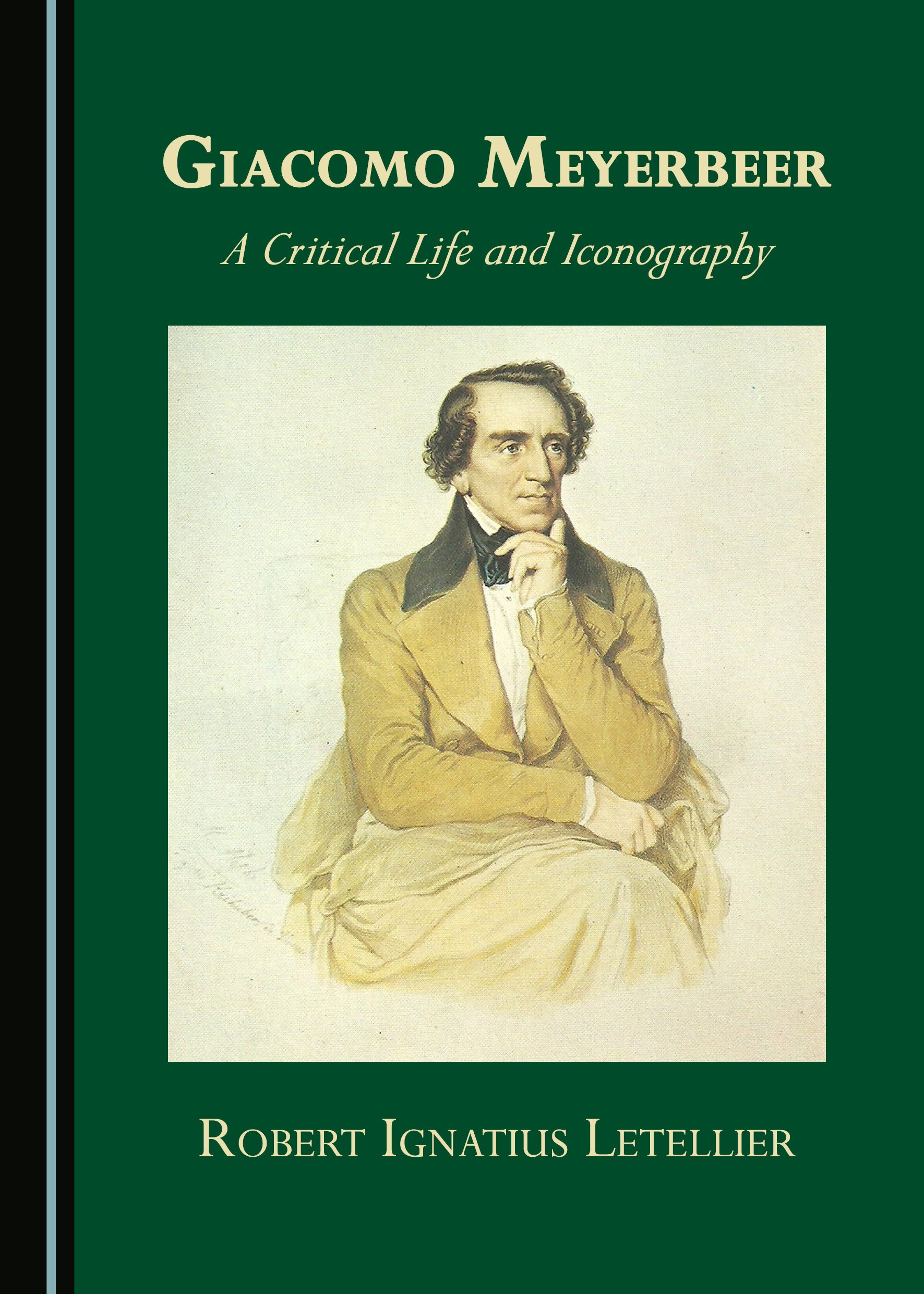
Giacomo Meyerbeer
Once a titan of opera, Giacomo Meyerbeer’s legacy was all but erased. Based on newly recovered private papers, this definitive biography reveals the man behind the myth, charting his downfall and modern rediscovery.
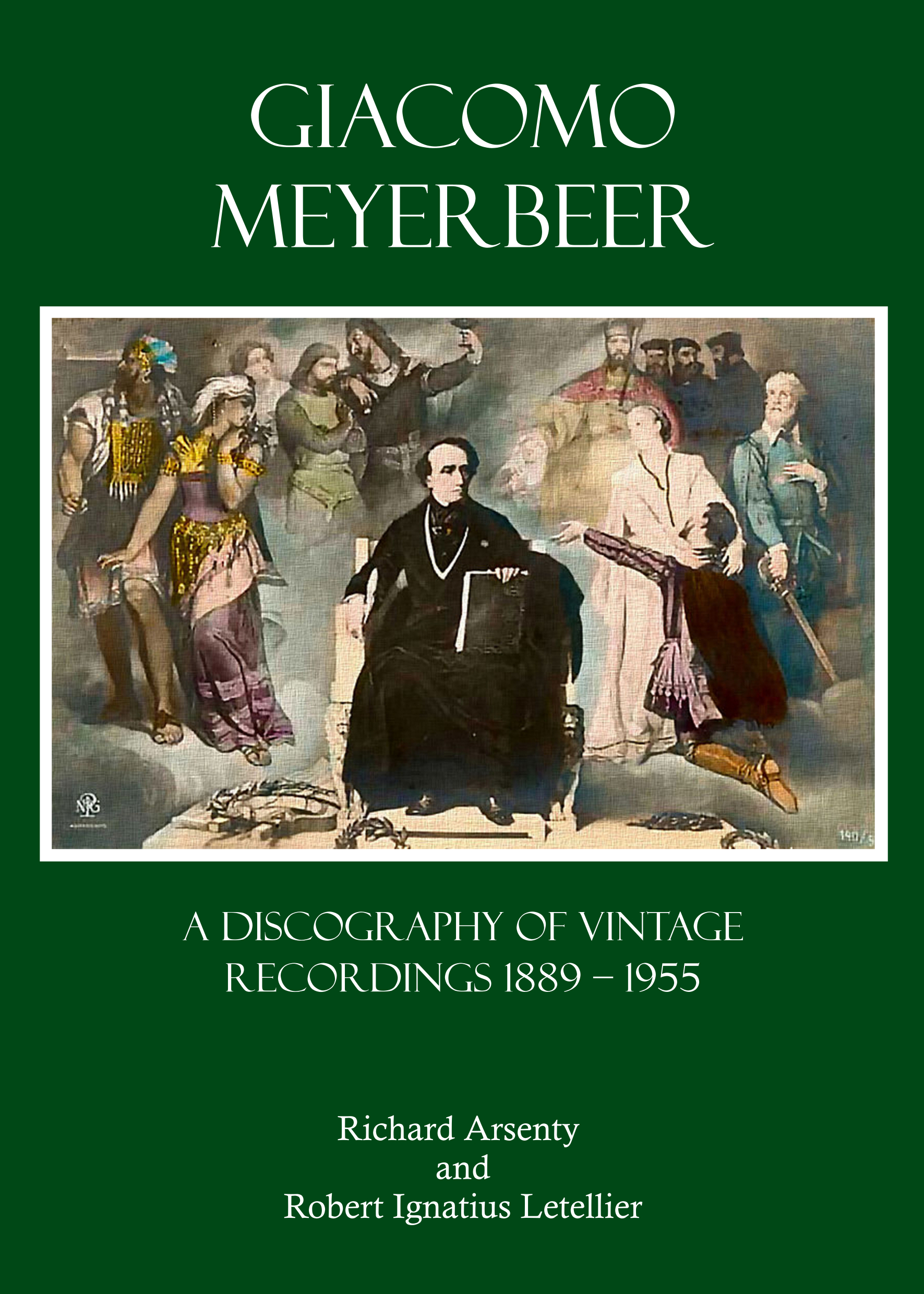
ARSC Awards for Excellence, 2014. This discography of Giacomo Meyerbeer’s works (1889-1955) testifies to the composer’s once-universal fame. It lists nearly 2000 artists, including legends from the Golden Age of Song, who recorded his music.
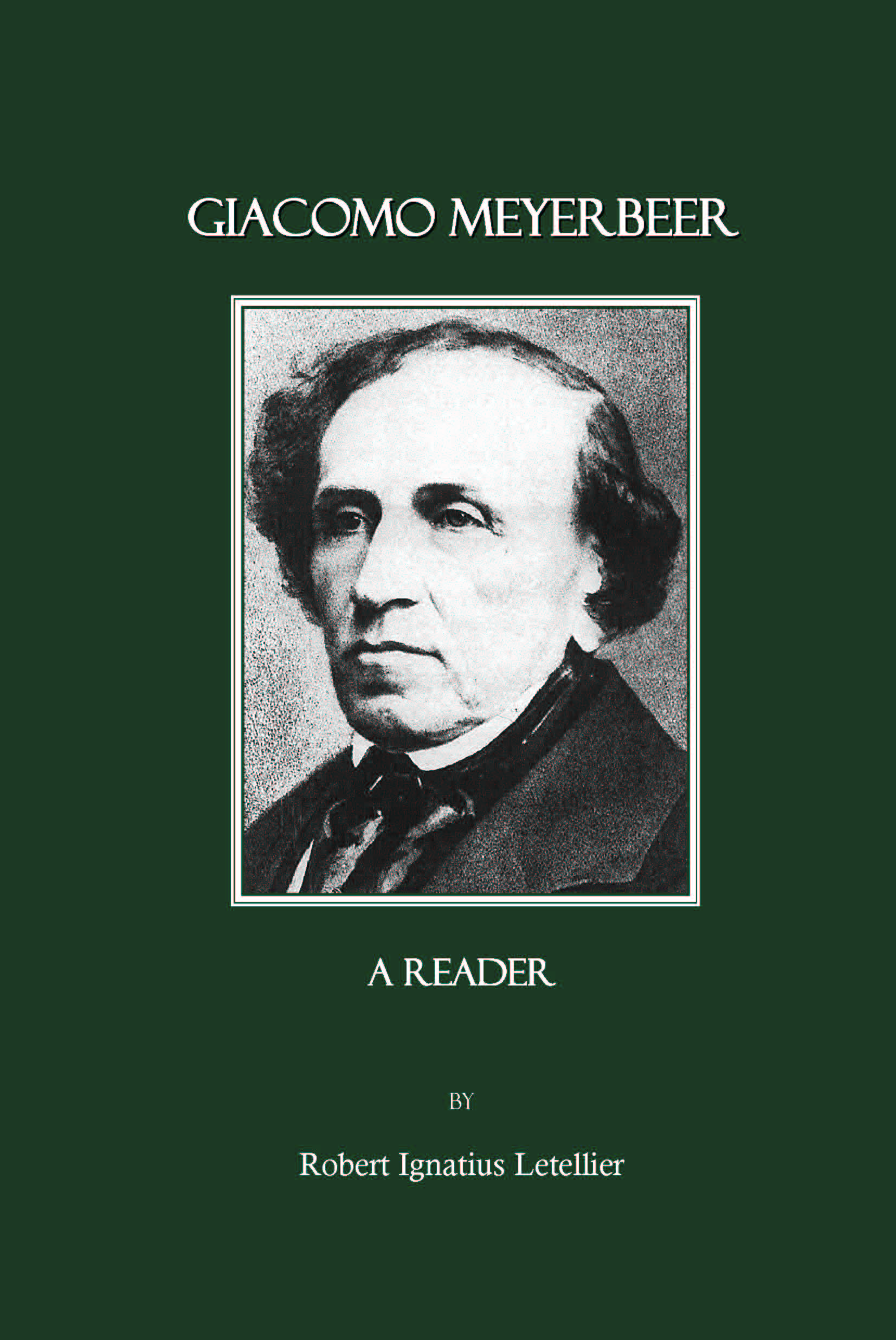
Giacomo Meyerbeer remains an enigma. Once one of the most famous of all composers, his reputation declined amidst growing hostility. This Reader reflects his immense fame, the dismissal he faced, and the recent rediscovery and re-evaluation of his art.
Meyerbeer’s opera Wirt und Gast is based on an Arabian Nights tale. Championed by Weber for its delicate instrumentation, it shows astonishing maturity for a composer of twenty-one, using recurrent themes to present the plot’s conflict before Wagner.
Beyond his famous operas, Giacomo Meyerbeer wrote extensively for the voice in other genres. This volume presents the texts for his non-operatic stage works, occasional public pieces, sacred music, and songs, in the original and in English translation.
This volume presents the pieces of music—from fragments to whole scenes—not used in the final performing edition of Meyerbeer’s L’Africaine. These unused variants remain a crucial source for the history and future of this great opera.
Though Meyerbeer’s first opera, Jephtas Gelübde (1812), failed at its premiere, this score contains the seeds of his future greatness. It reveals his famed orchestral virtuosity and psychological exploration, pointing beyond Gluck toward Weber-Wagner.
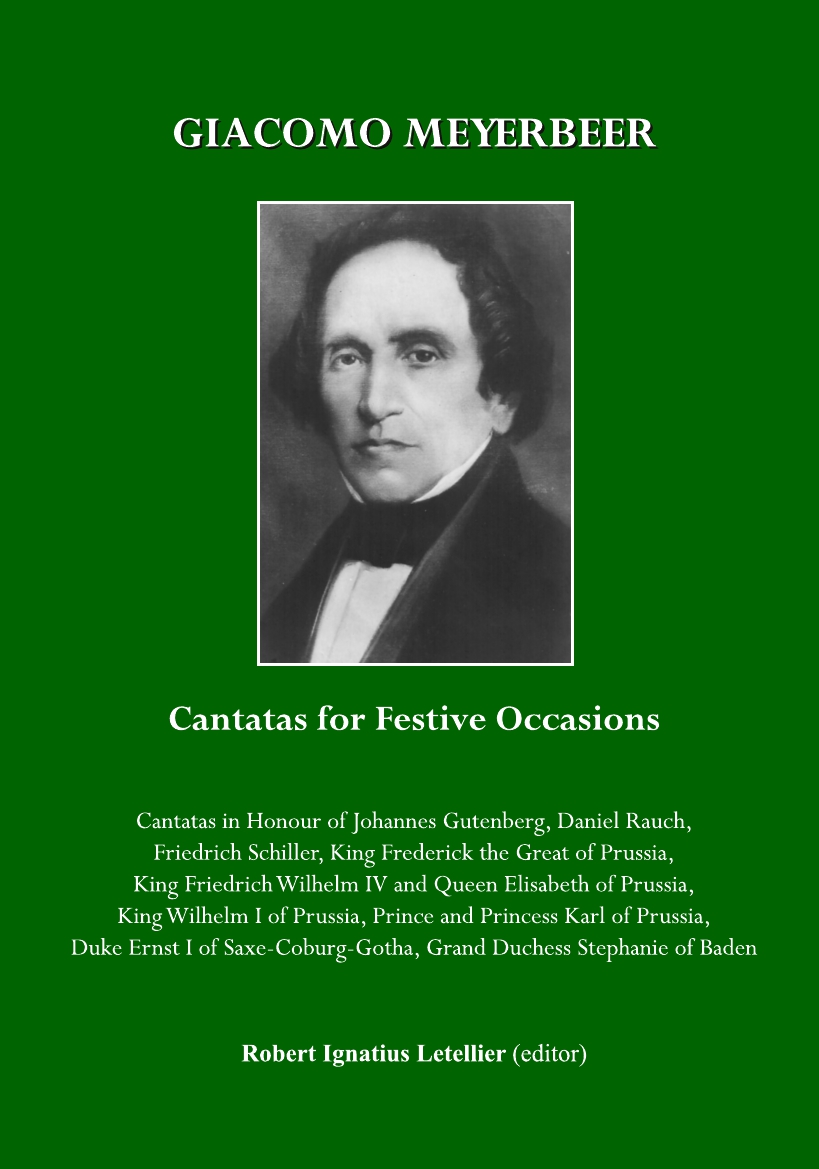
Giacomo Meyerbeer’s cantatas were written for royal and civic commissions to celebrate dynastic events and praise famous men. His powers of lyric beauty and dramatic pomp are amply in evidence, revealing a forgotten side to the great operatic composer.
This collection reveals unknown non-operatic works by the great operatic master Meyerbeer. From a substantial cantata to celebratory marches and brief choruses, these manuscript scores were all written ‘by Royal Command’ for German Royal families.
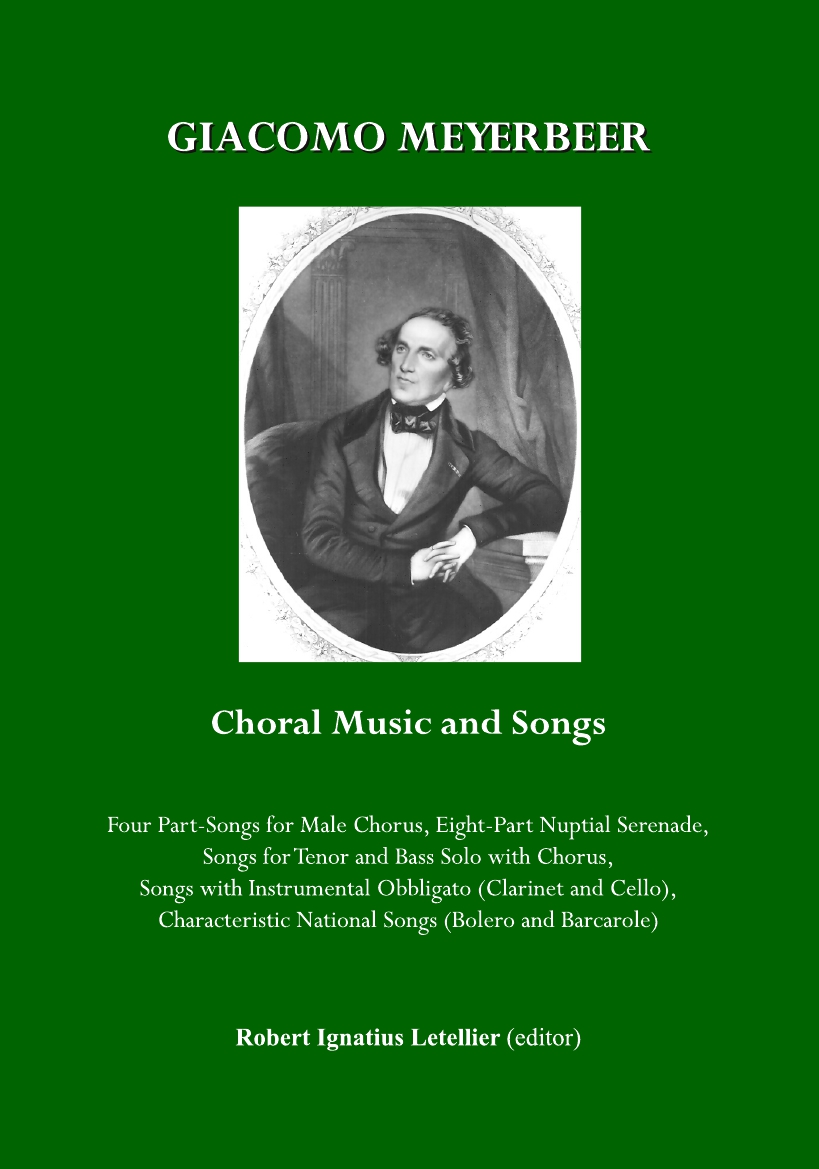
This volume of Meyerbeer’s non-operatic work is devoted to his secular choral writing for male voices, solo songs with chorus, and songs with instrumental obbligato and local colour. These include patriotic anthems, a tribute to Beethoven, and laments.
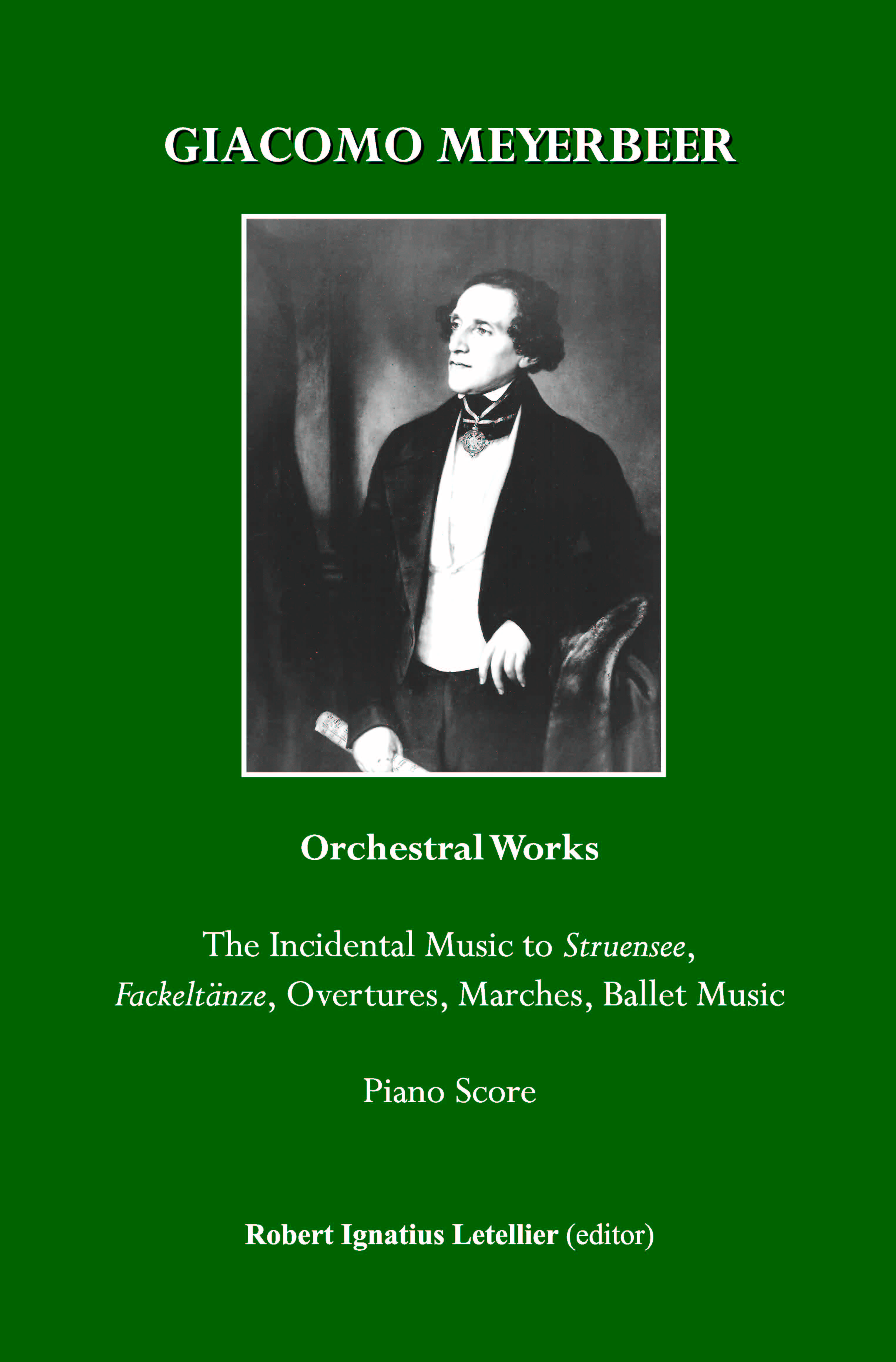
Giacomo Meyerbeer, a master of 19th-century opera, was renowned for impassioned drama and vivid orchestral power. This volume gathers his finest orchestral works, from famous opera ballets and marches to grand festive overtures waiting to be rediscovered.
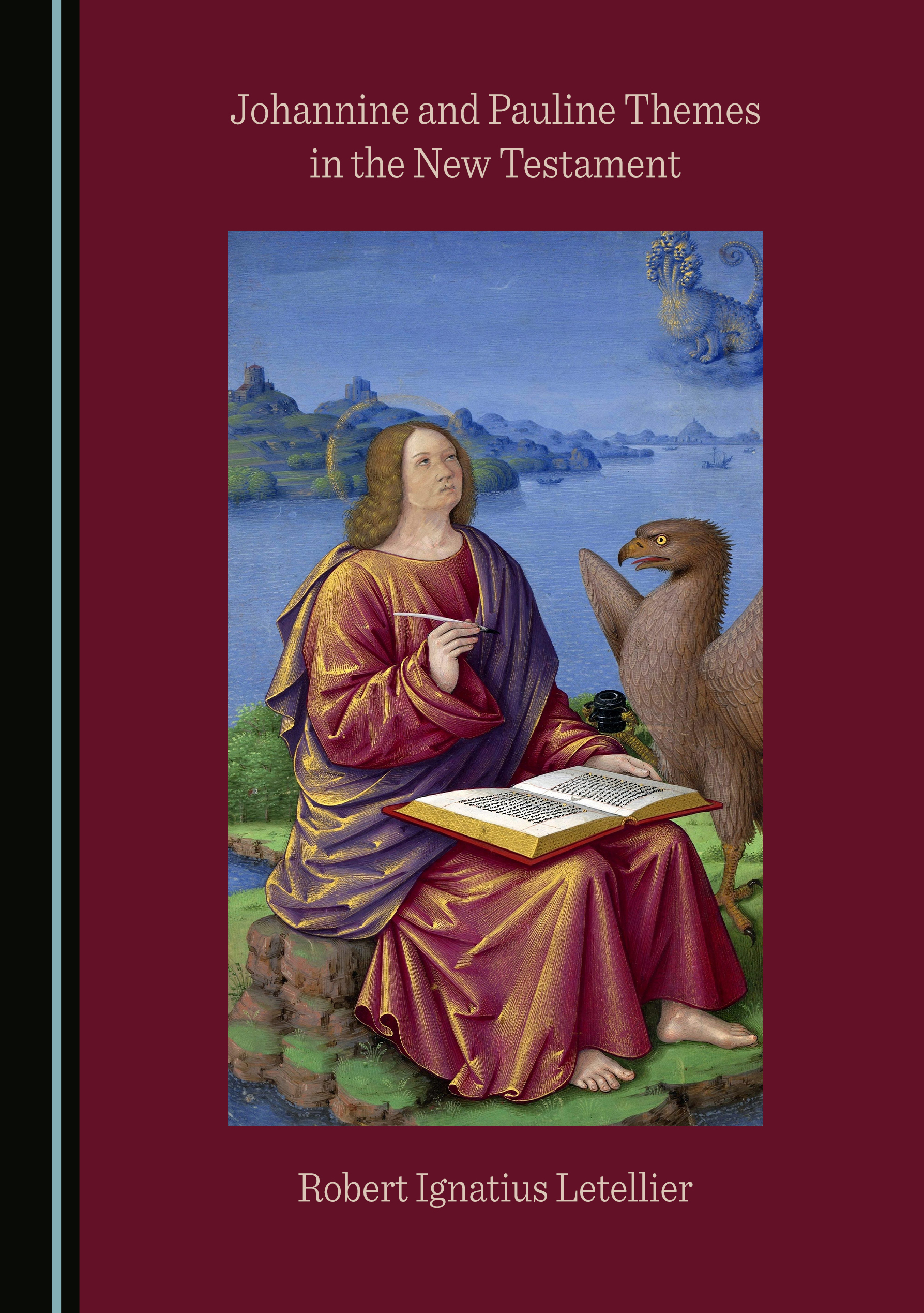
This book examines the key contributions of the Apostles John and Paul to the New Testament. In light of recent scholarship, it finds new perspectives on enduring questions about Jesus and the Church by re-considering the Gospel of John and the Letters and Theology of Paul.
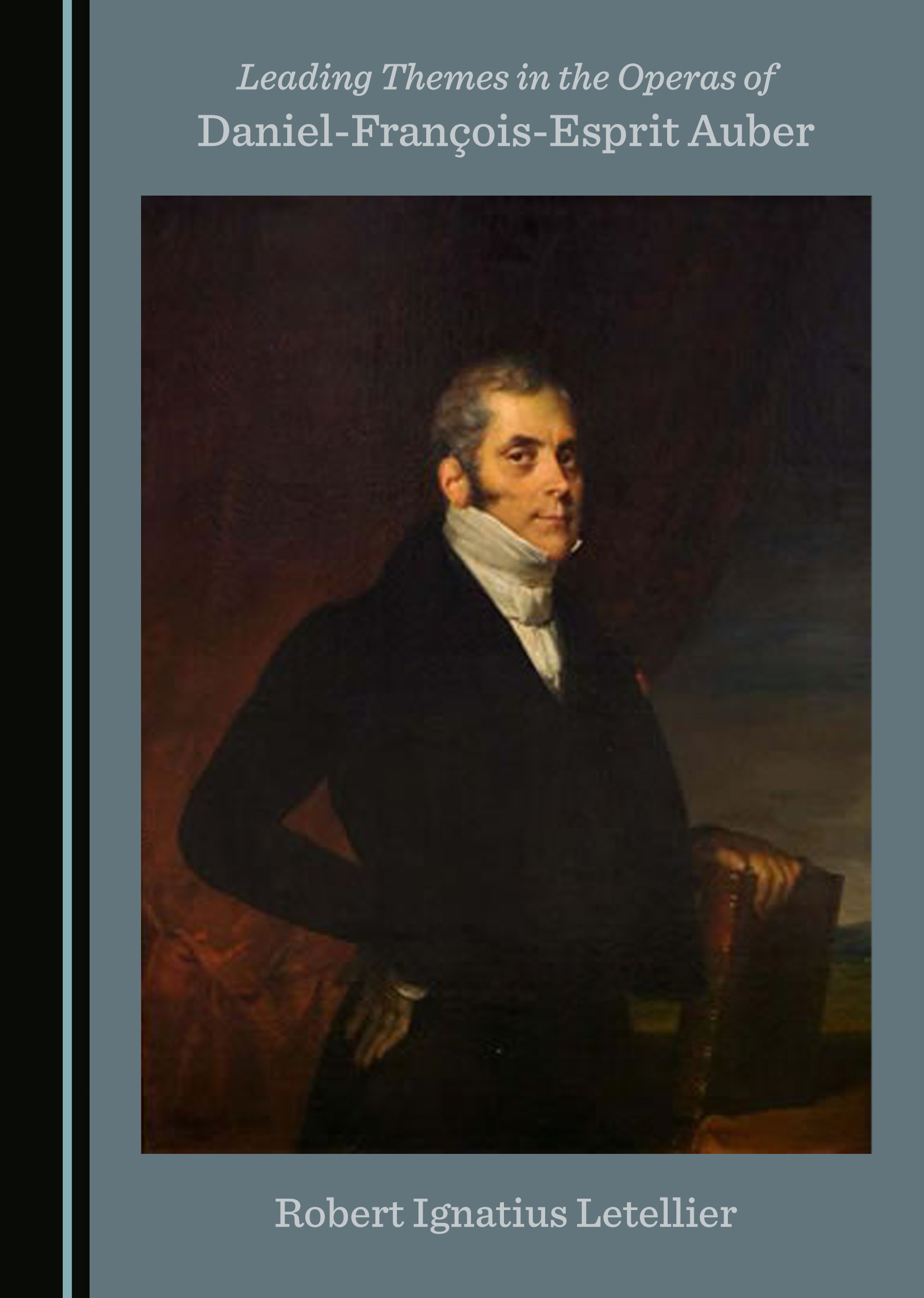
Auber’s operas, with librettist Eugene Scribe, cover a tumultuous 50-year period of French history. Their work is a remarkable reflection on the era’s great themes: political tumult, bourgeois rectitude, the artistic life, rebel outlaws, and enterprising womanhood.
This study examines Louis-Ferdinand Hérold, whose famous works like the opera Zampa and the ballet La Fille mal gardée shaped the Romantic opéra-comique and ballet in 1820s Paris. Hérold sought greater Romantic depth without forfeiting a Gallic lightness of manner.
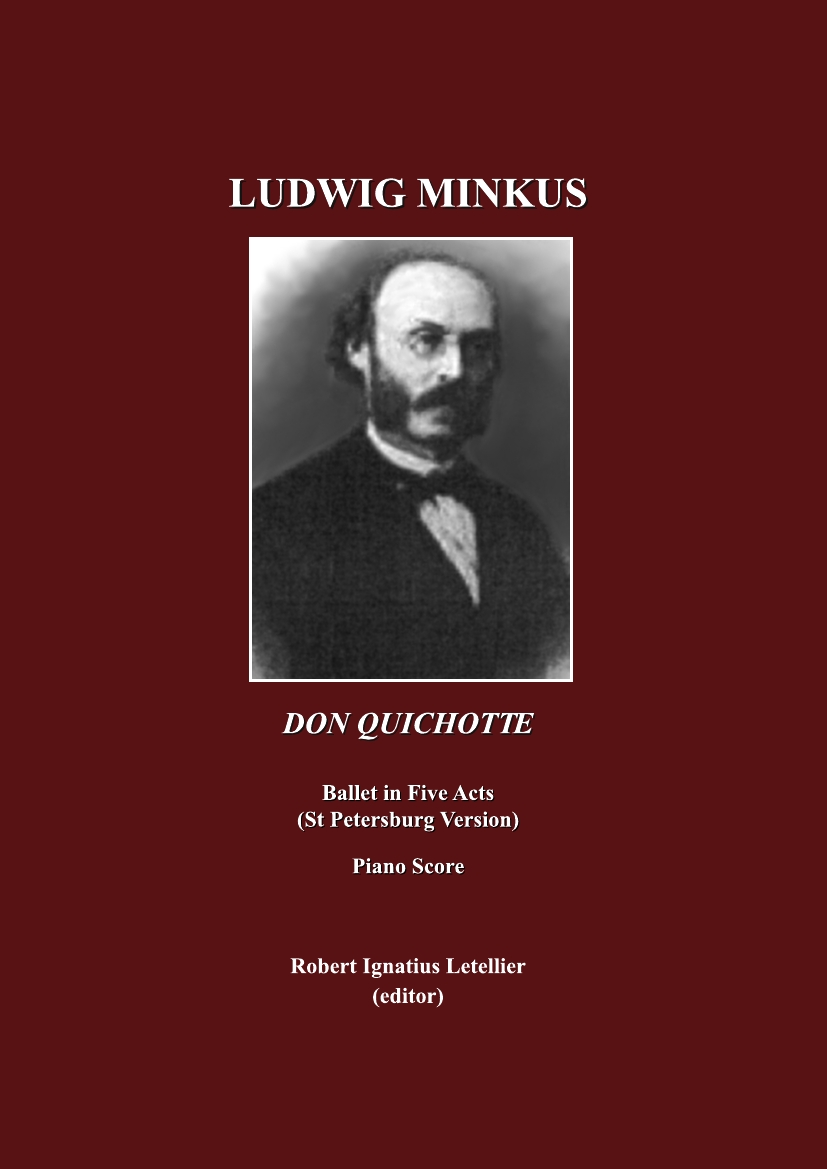
Marius Petipa’s exuberant ballet Don Quixote, with its celebrated score by Ludwig Minkus, is based on the adventures of Kitri and Basilio from Cervantes’s novel. This edition reproduces the piano score of the classic St. Petersburg version.
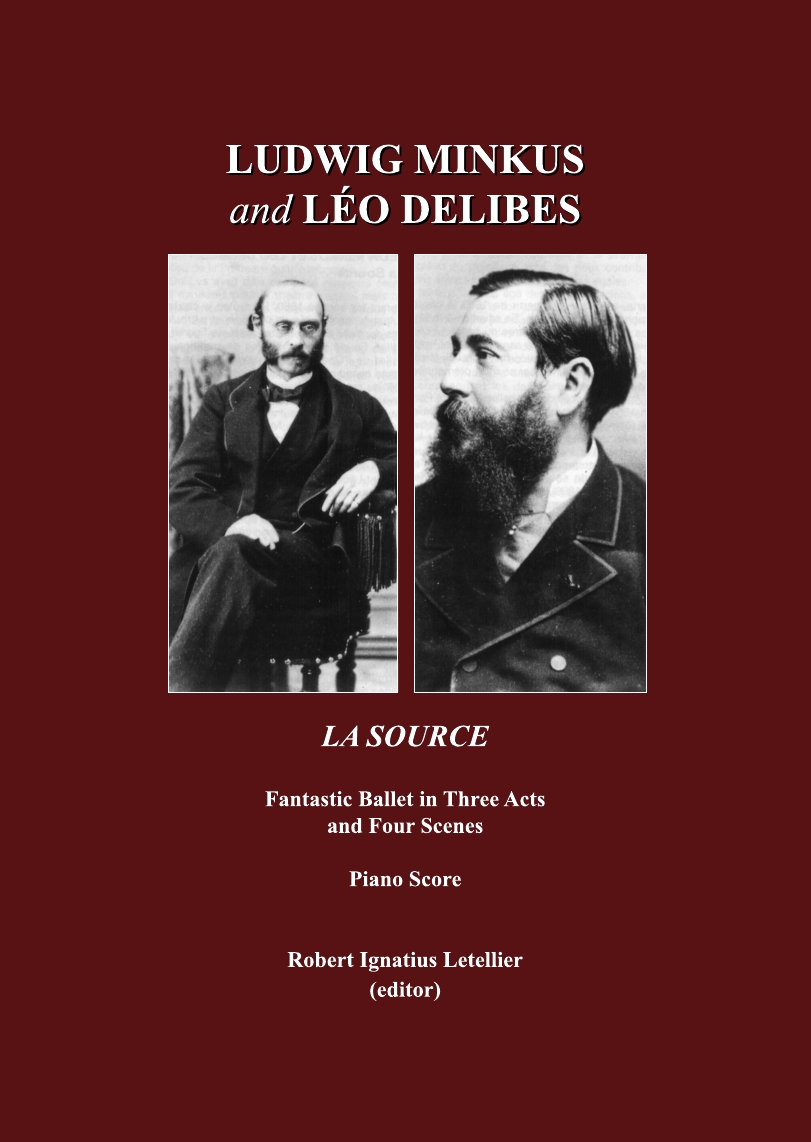
This volume reproduces the piano score of the ballet La Source, a joint composition by Ludwig Minkus and Léo Delibes. Delibes’s vigorous score, his first for ballet, contrasted effectively with the melancholic, graceful melodies of Minkus.
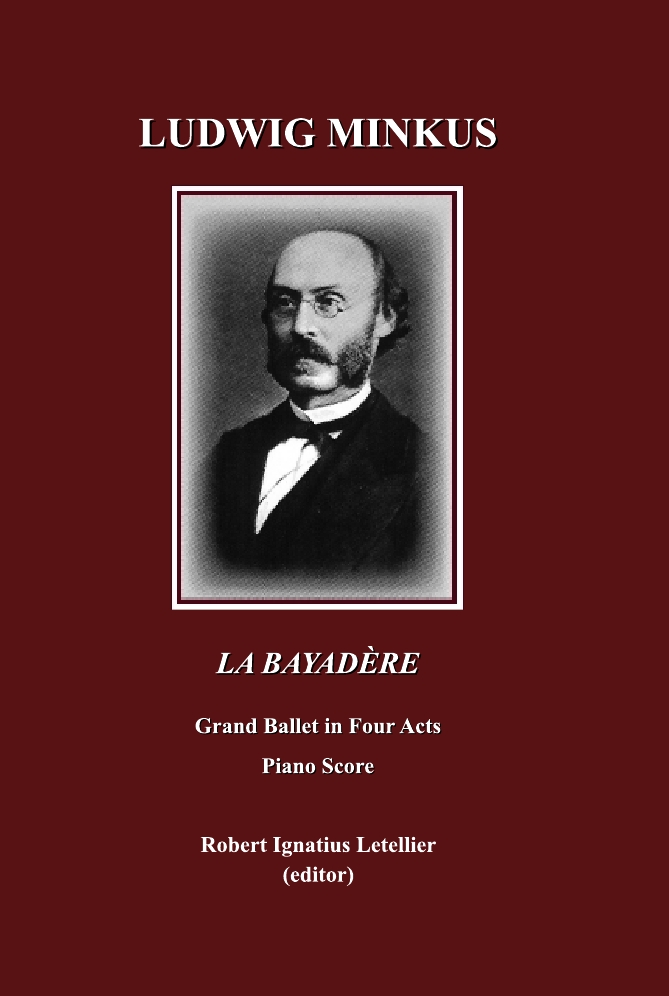
Ludwig Minkus’s score for La Bayadère conjures an exotic India, where a world of rivalry and death contrasts with a realm of dreams and transcendent love, realized in the famous Kingdom of the Shades. Here for the first time is the piano score of the entire ballet.
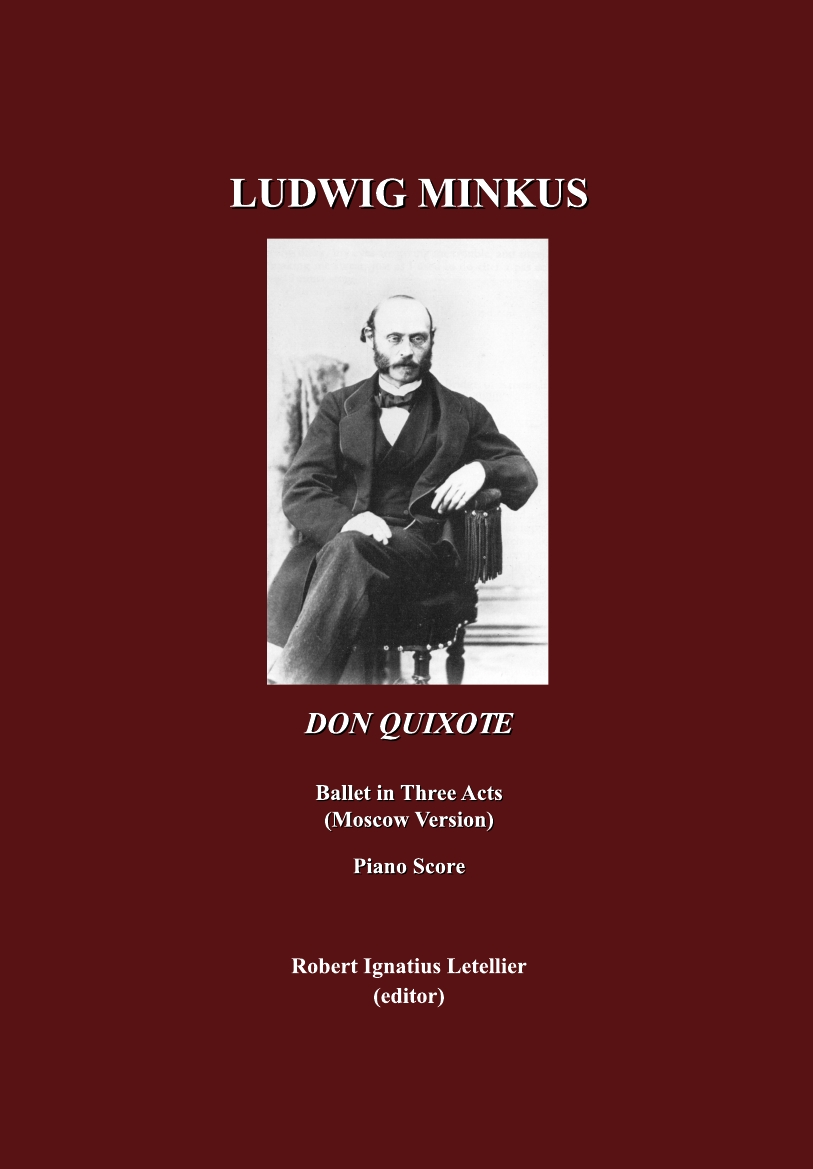
Minkus & Petipa’s Don Quixote is one of the most enduring creations of 19th-century Russian ballet. Based on Cervantes’s novel, it tells the love story of Kitri and Basilio with musical buoyancy and melodic verve that have made it a global favorite.
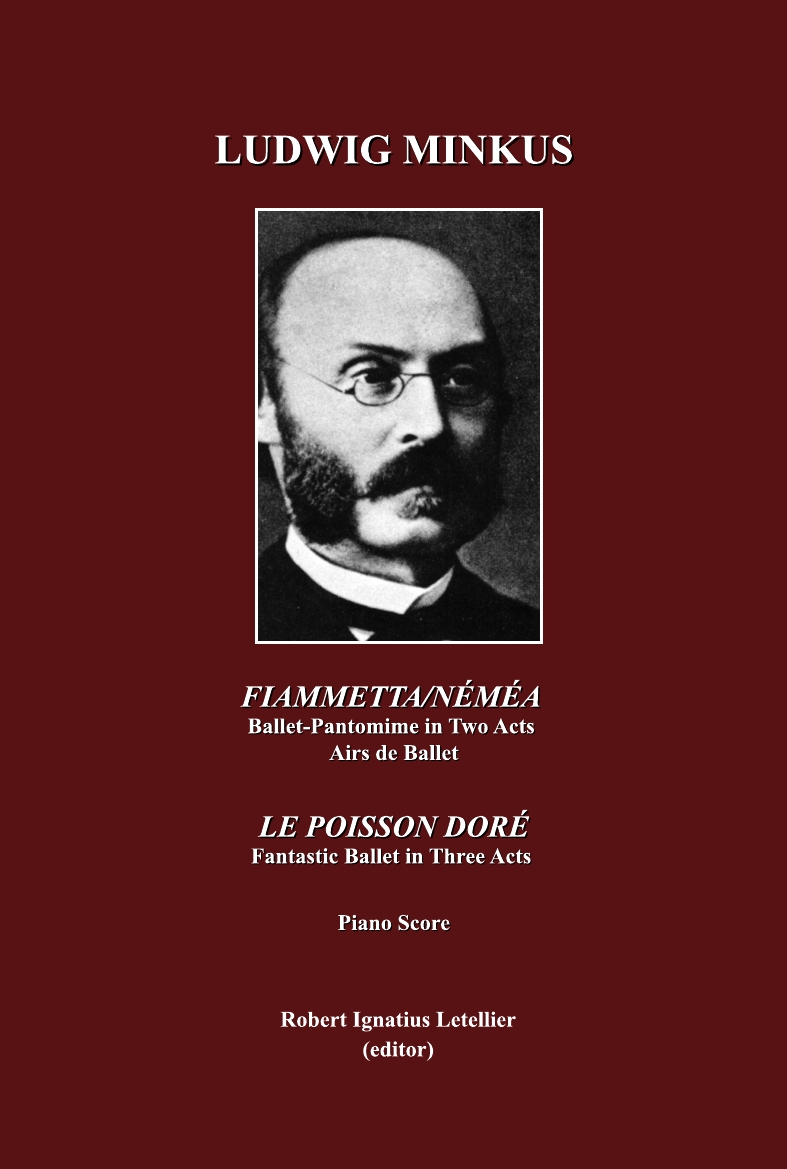
Aloysius Ludwig Minkus, famous for his ballets Don Quixote and La Bayadère, launched his career through a collaboration with the great choreographer Arthur Saint-Léon. Together they produced works in St Petersburg and Paris, including Néméa and The Golden Fish.
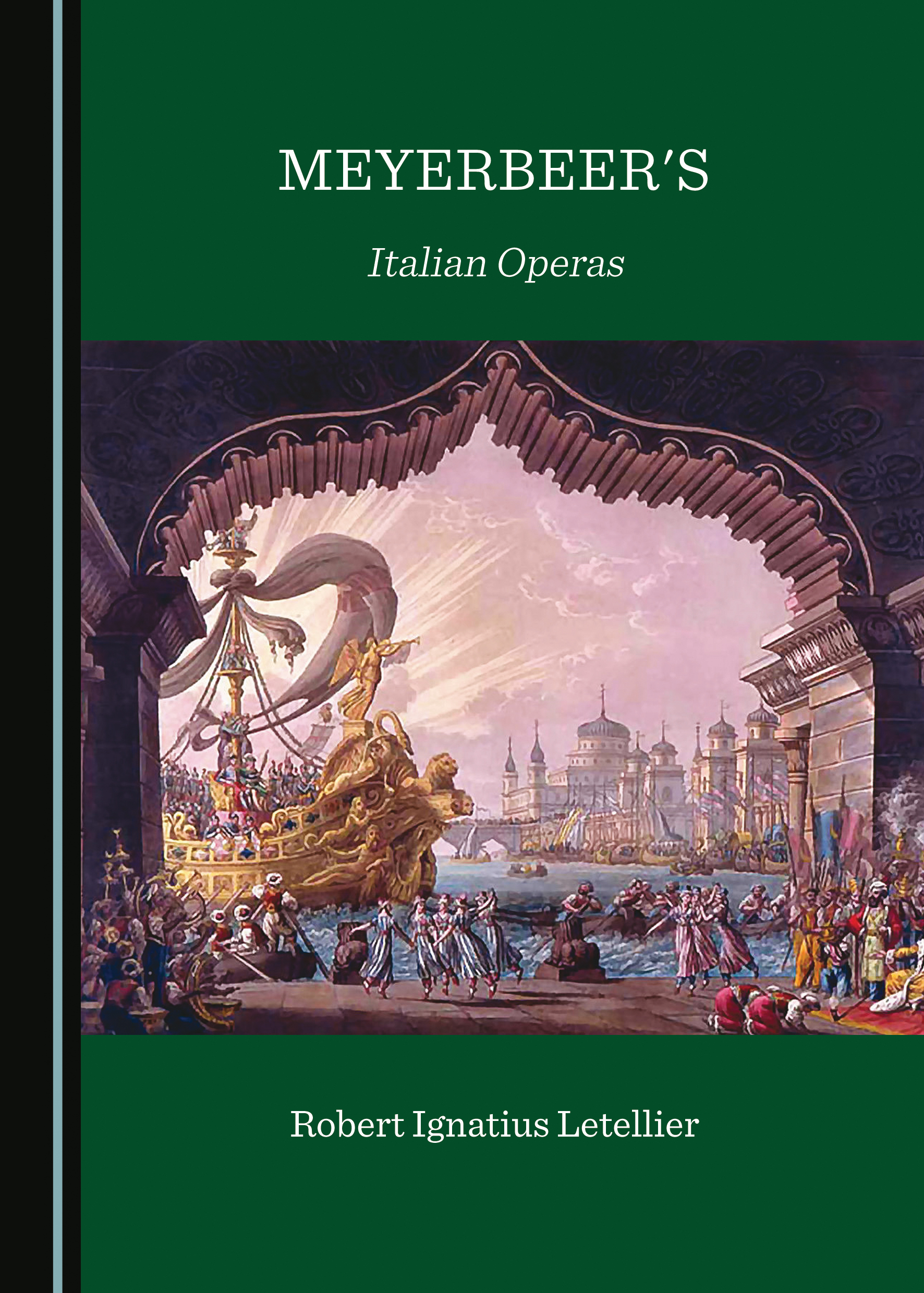
Giacomo Meyerbeer is the only composer who wrote for three eras of 19th-century music, straddling German, Italian, and French opera. This study examines his six Italian operas (1817-1824), whose treasures have been rediscovered and are explored in terms of origins and content.