
View more
This product has multiple variants. The options may be chosen on the product page
From £32.99
This book provides up-to-date information on the treatment of acute and chronic viral hepatitis A-E. It summarizes treatment to guide clinical practice, details the pharmacology of all drugs, and is a resource for students, physicians, gastroenterologists, and pharmacists.
This book provides up-to-date information on the treatment of acute and chronic viral hepatitis A-E. It summarizes treatment to guide clinical practice, details the pharmacology of all drugs, and is a resource for students, physicians, gastroenterologists, and pharmacists.
View more
This product has multiple variants. The options may be chosen on the product page
View more
This product has multiple variants. The options may be chosen on the product page
From £32.99
This book provides the objective and thoroughly scientific approach to the COVID-19 pandemic that has been missing. Based on hard published clinical research, it offers a measured explanation of the virus, its spread, diagnosis, management, vaccination, variants, and long-COVID.
This book provides the objective and thoroughly scientific approach to the COVID-19 pandemic that has been missing. Based on hard published clinical research, it offers a measured explanation of the virus, its spread, diagnosis, management, vaccination, variants, and long-COVID.
View more
This product has multiple variants. The options may be chosen on the product page
View more
This product has multiple variants. The options may be chosen on the product page
From £31.99
Saliva is emerging as a diagnostic alternative to blood. This book provides clinicians, researchers, and students with the latest advances in saliva-diagnostics, critically reviewing biomolecules, biomarker validation, applications for systemic diseases, and key technologies.
Saliva is emerging as a diagnostic alternative to blood. This book provides clinicians, researchers, and students with the latest advances in saliva-diagnostics, critically reviewing biomolecules, biomarker validation, applications for systemic diseases, and key technologies.
View more
This product has multiple variants. The options may be chosen on the product page

View more
This product has multiple variants. The options may be chosen on the product page
From £32.99
This book uses COVID-19's essential questions—who, where, when, and why—to challenge the superiority of clinical medicine over epidemiology. It argues epidemiology's model is more adequate, reframing it as Ecosystem Thinking to explore the geopolitical values in medicine.
This book uses COVID-19’s essential questions—who, where, when, and why—to challenge the superiority of clinical medicine over epidemiology. It argues epidemiology’s model is more adequate, reframing it as Ecosystem Thinking to explore the geopolitical values in medicine.
View more
This product has multiple variants. The options may be chosen on the product page
View more
This product has multiple variants. The options may be chosen on the product page
From £37.99
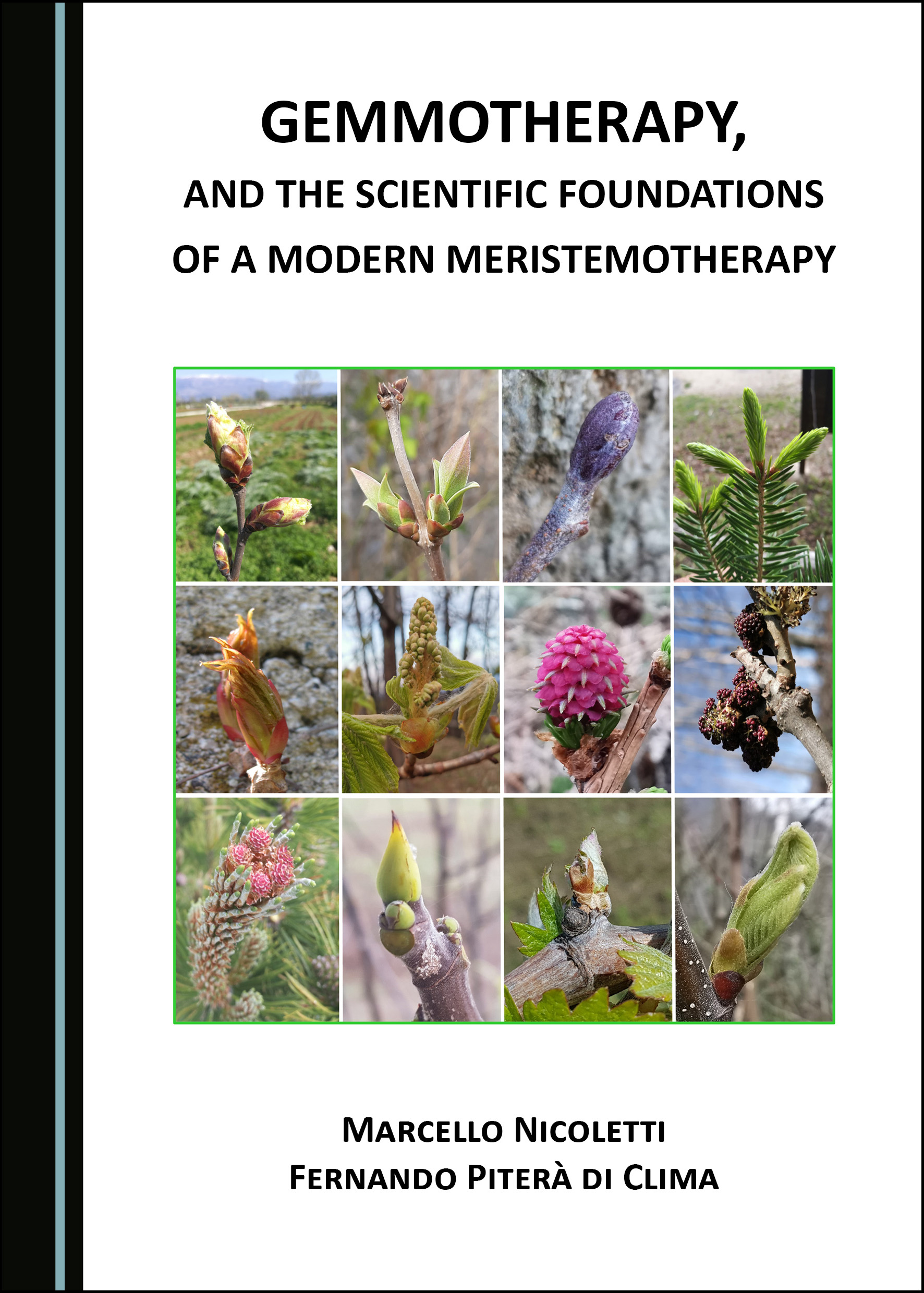
This book reports on the current state and future of meristemotherapy (gemmotherapy). Based on clinical trials and research, it investigates preparation methods, collateral effects, posology, and administration methods.
This book reports on the current state and future of meristemotherapy (gemmotherapy). Based on clinical trials and research, it investigates preparation methods, collateral effects, posology, and administration methods.
View more
This product has multiple variants. The options may be chosen on the product page
View more
This product has multiple variants. The options may be chosen on the product page
From £32.99
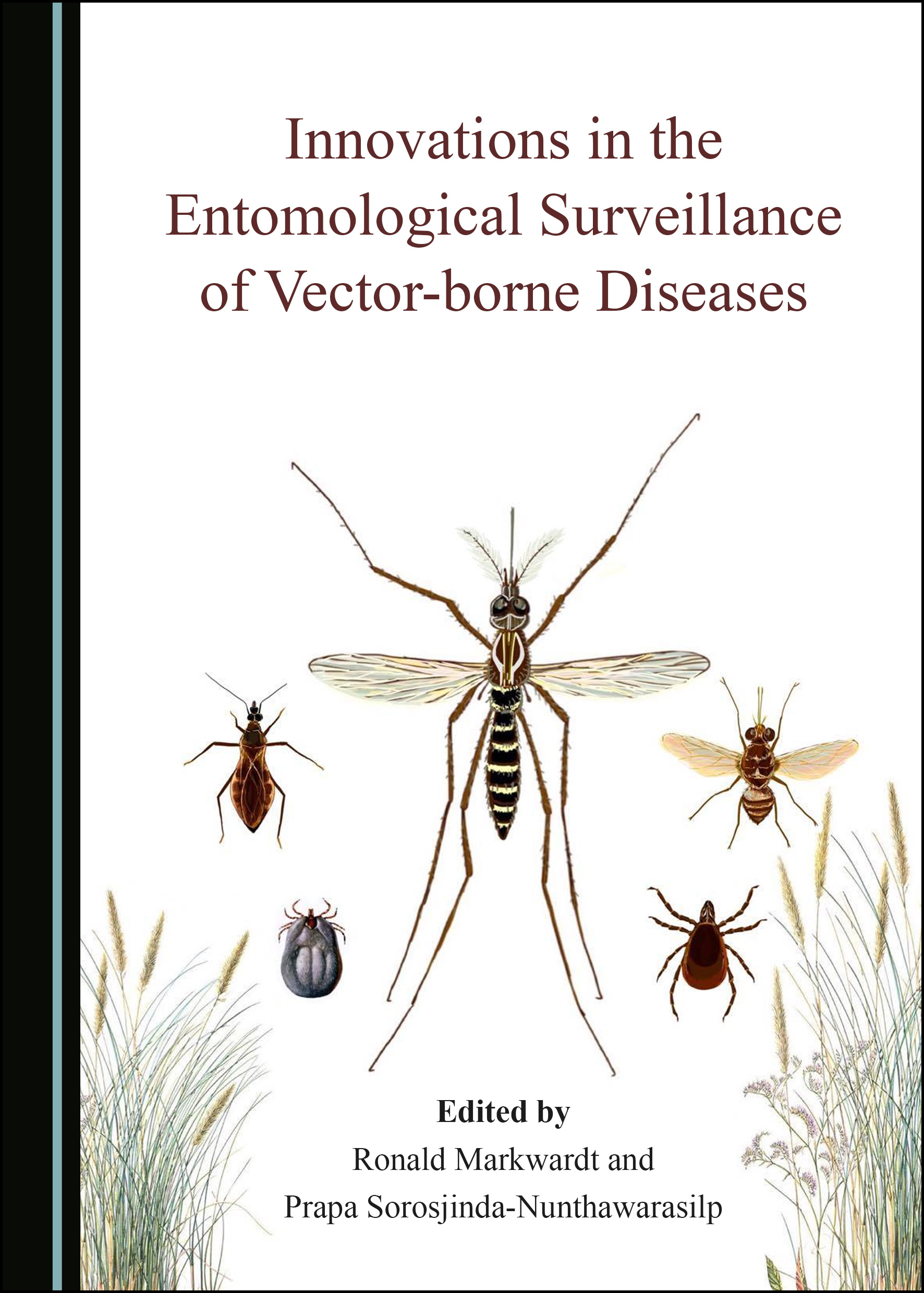
For those who investigate the sources of vector-borne disease, this book presents procedures in straightforward language. It explains techniques for developing a comprehensive surveillance system and for detecting a disease prior to the infection of a human index case.
For those who investigate the sources of vector-borne disease, this book presents procedures in straightforward language. It explains techniques for developing a comprehensive surveillance system and for detecting a disease prior to the infection of a human index case.
View more
This product has multiple variants. The options may be chosen on the product page
View more
This product has multiple variants. The options may be chosen on the product page
From £33.99
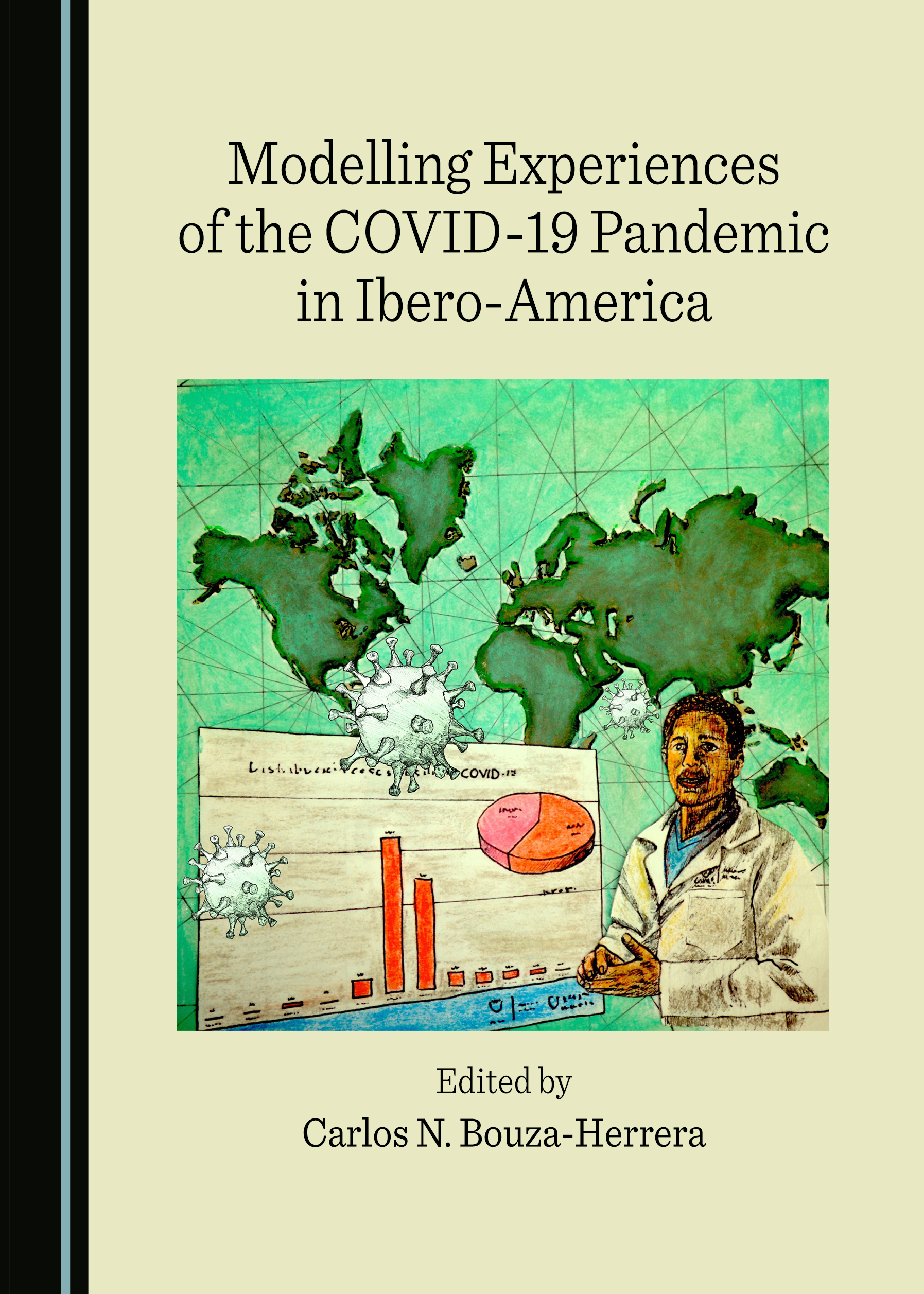
This book analyses COVID-19 threats and healthcare management in lower-income countries. Researchers and epidemiologists contribute studies to improve decision-making, presenting models for post-pandemic treatments and evidence on social inequalities and new medicaments.
This book analyses COVID-19 threats and healthcare management in lower-income countries. Researchers and epidemiologists contribute studies to improve decision-making, presenting models for post-pandemic treatments and evidence on social inequalities and new medicaments.
View more
This product has multiple variants. The options may be chosen on the product page
View more
This product has multiple variants. The options may be chosen on the product page
From £33.99
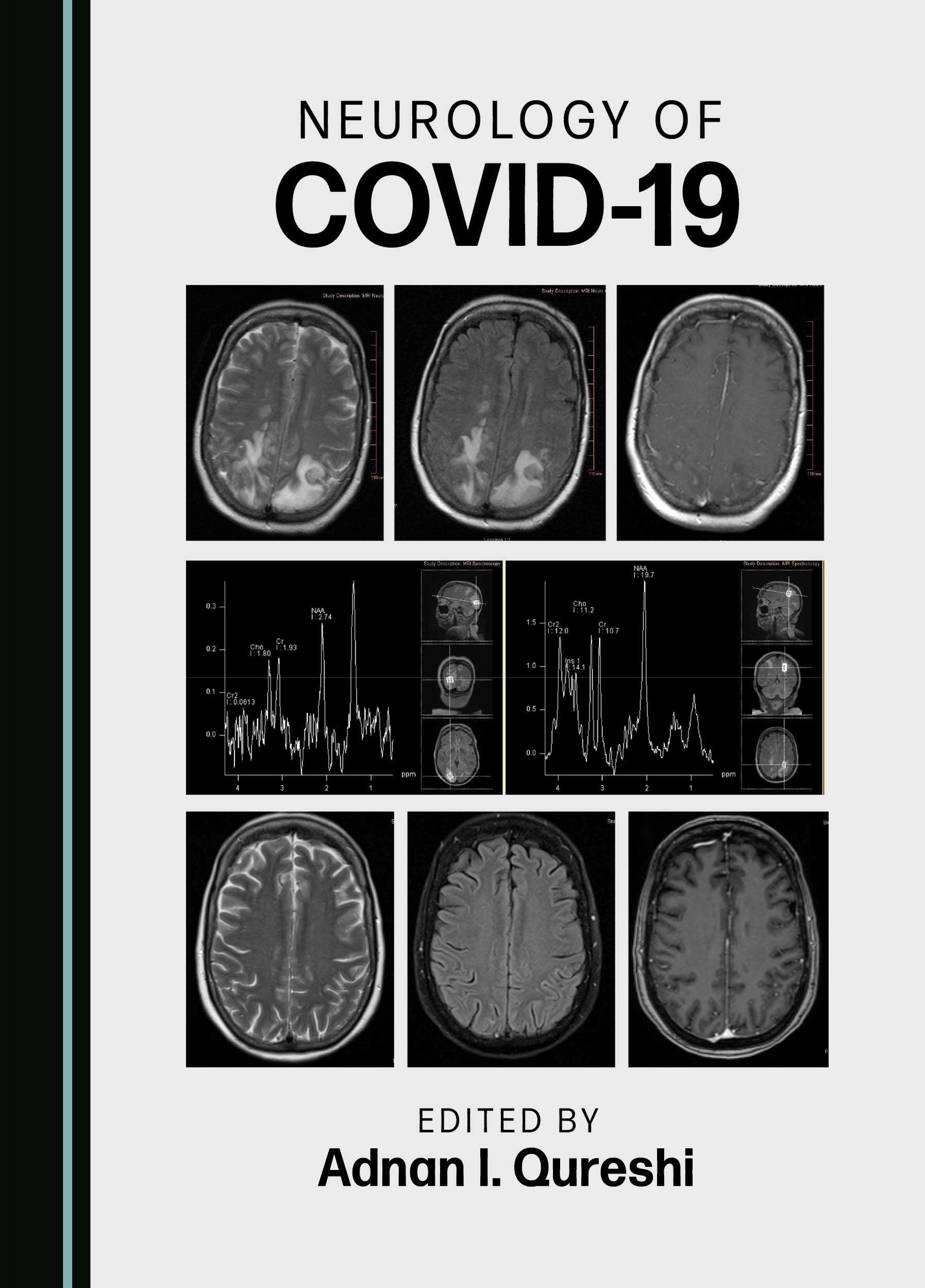
This is the first comprehensive book on the neurological manifestations of COVID-19. It provides up-to-date guidance for healthcare providers managing the neurological aspects of SARS-CoV-2 infection, summarizing existing evidence and formulating practical implications.
This is the first comprehensive book on the neurological manifestations of COVID-19. It provides up-to-date guidance for healthcare providers managing the neurological aspects of SARS-CoV-2 infection, summarizing existing evidence and formulating practical implications.
View more
This product has multiple variants. The options may be chosen on the product page

View more
This product has multiple variants. The options may be chosen on the product page
No More Pandemics
Toward a World Free from Infectious Diseases
This book proposes a path to end pandemics and achieve a world without infectious diseases. Using today’s science, it is entirely possible to avoid infection by implementing an air ventilation approach to stop viruses from entering the body. The challenge must be confronted now.
This book proposes a path to end pandemics and achieve a world without infectious diseases. Using today’s science, it is entirely possible to avoid infection by implementing an air ventilation approach to stop viruses from entering the body. The challenge must be confronted now.
View more
This product has multiple variants. The options may be chosen on the product page

View more
This product has multiple variants. The options may be chosen on the product page
From £33.99
This volume discusses the coronavirus pandemic's ecology, evolution, and psychosocial and economic impact. It covers epidemiology, clinical management, and future global threats, making it an essential resource for clinicians, policymakers, and civil society organizations.
This volume discusses the coronavirus pandemic’s ecology, evolution, and psychosocial and economic impact. It covers epidemiology, clinical management, and future global threats, making it an essential resource for clinicians, policymakers, and civil society organizations.
View more
This product has multiple variants. The options may be chosen on the product page
Processing Your Order
Please wait while we securely process your order.
Do not refresh or leave this page.
You will be redirected shortly to a confirmation page with your order number.