
View more
This product has multiple variants. The options may be chosen on the product page
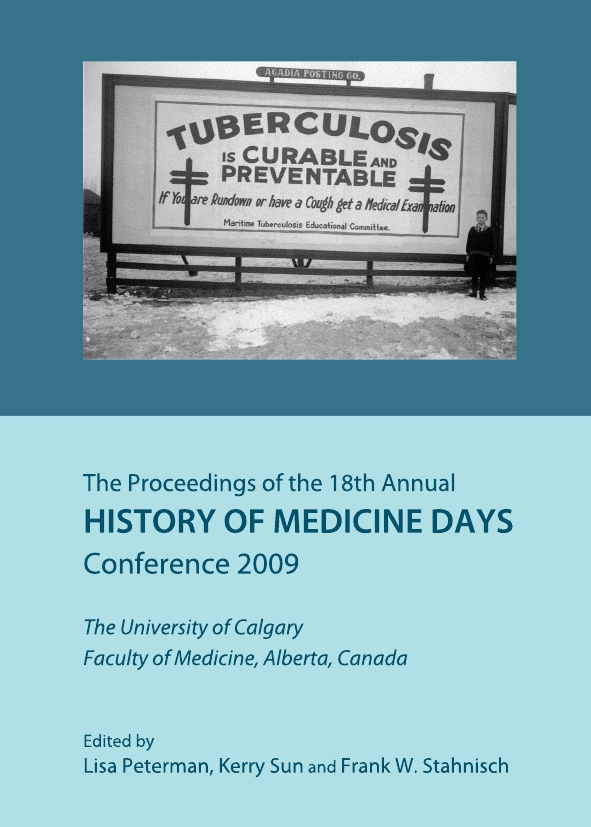
The Proceedings of the 18th Annual History of Medicine Days Conference 2009
The University of Calgary Faculty of Medicine, Alberta, Canada
This peer-reviewed volume collects papers from the History of Medicine Days conference, exploring topics from Ancient Medicine to Eugenics, Military Medicine, and Surgery. The book features the keynote address on the misuse of genetics by Dr. Garland E. Allen.
This peer-reviewed volume collects papers from the History of Medicine Days conference, exploring topics from Ancient Medicine to Eugenics, Military Medicine, and Surgery. The book features the keynote address on the misuse of genetics by Dr. Garland E. Allen.
View more
This product has multiple variants. The options may be chosen on the product page
View more
This product has multiple variants. The options may be chosen on the product page
£49.99
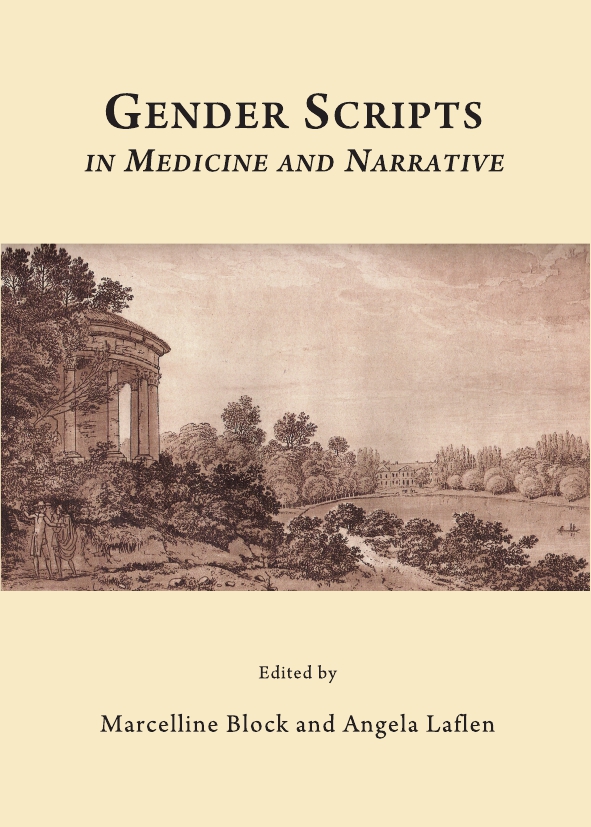
These essays illustrate the power of gender stereotypes to shape how medicine is practiced and perceived. The chapters investigate gendered perceptions of healers and patients in narratives across fiction, memoir, film, new media, and visual art.
These essays illustrate the power of gender stereotypes to shape how medicine is practiced and perceived. The chapters investigate gendered perceptions of healers and patients in narratives across fiction, memoir, film, new media, and visual art.
View more
This product has multiple variants. The options may be chosen on the product page
View more
This product has multiple variants. The options may be chosen on the product page
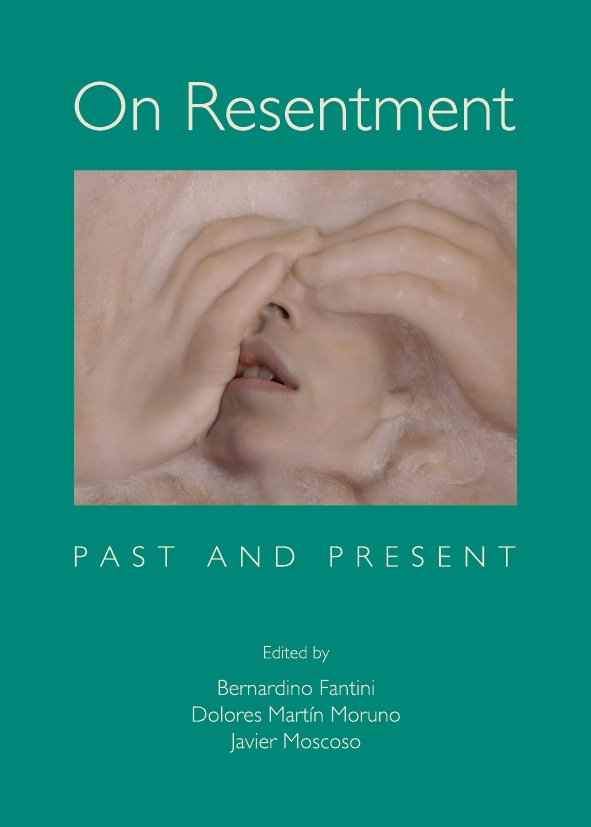
On Resentment
Past and Present
Resentment has a history. With the French Revolution as a turning point, this volume explores its evolution from a social passion for justice to a pathological symptom, revealing how this cultural experience has shaped social movements and the present world.
Resentment has a history. With the French Revolution as a turning point, this volume explores its evolution from a social passion for justice to a pathological symptom, revealing how this cultural experience has shaped social movements and the present world.
View more
This product has multiple variants. The options may be chosen on the product page
View more
This product has multiple variants. The options may be chosen on the product page
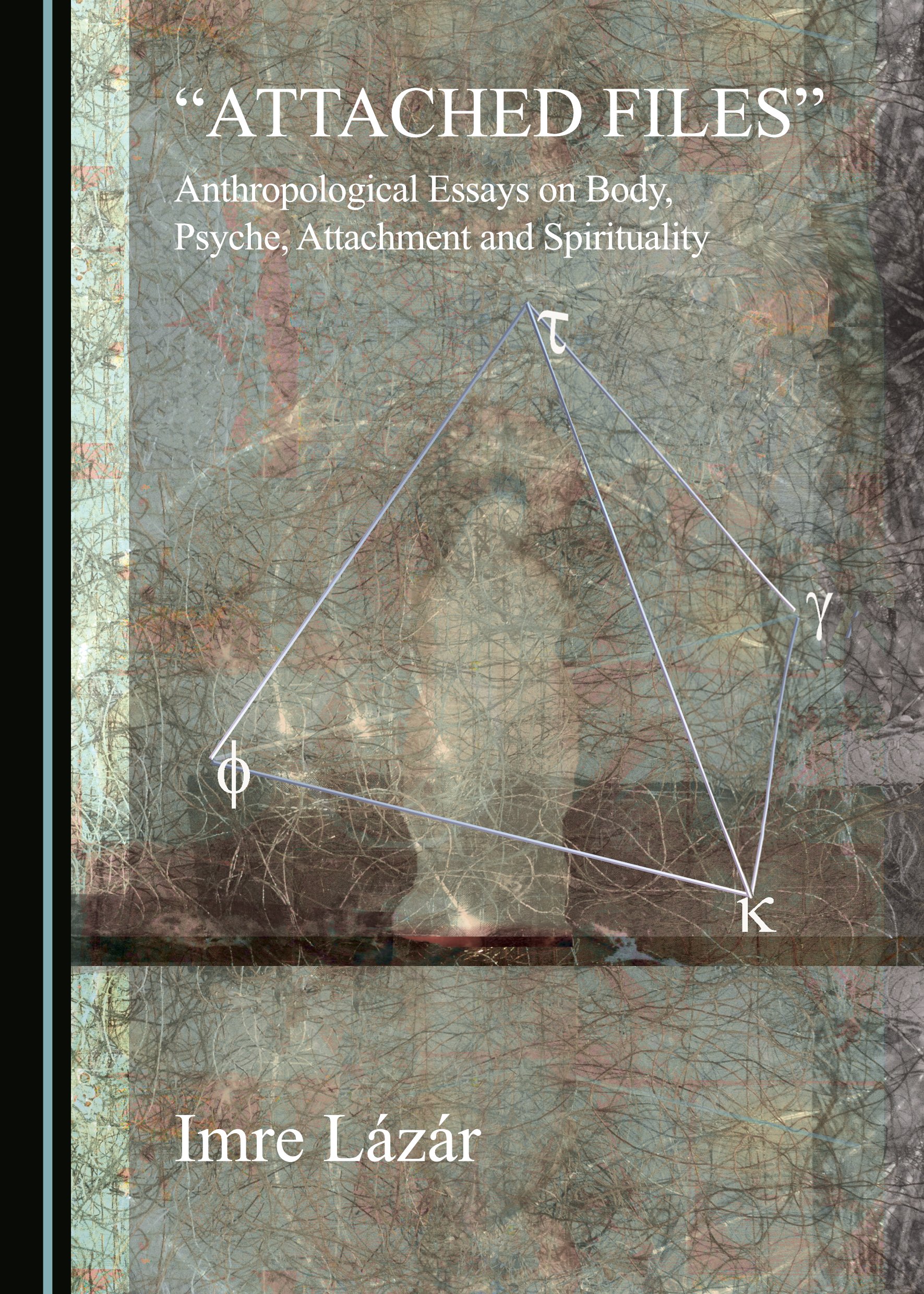
“Attached Files”
Anthropological Essays on Body, Psyche, Attachment and Spirituality
In this selection of lectures and papers, medical anthropologist Imre Lázár explores the synergic logic of human bonds. Using attachment as a core concept, he connects anthropology, health sciences, religious studies, and ecology.
In this selection of lectures and papers, medical anthropologist Imre Lázár explores the synergic logic of human bonds. Using attachment as a core concept, he connects anthropology, health sciences, religious studies, and ecology.
View more
This product has multiple variants. The options may be chosen on the product page
View more
This product has multiple variants. The options may be chosen on the product page
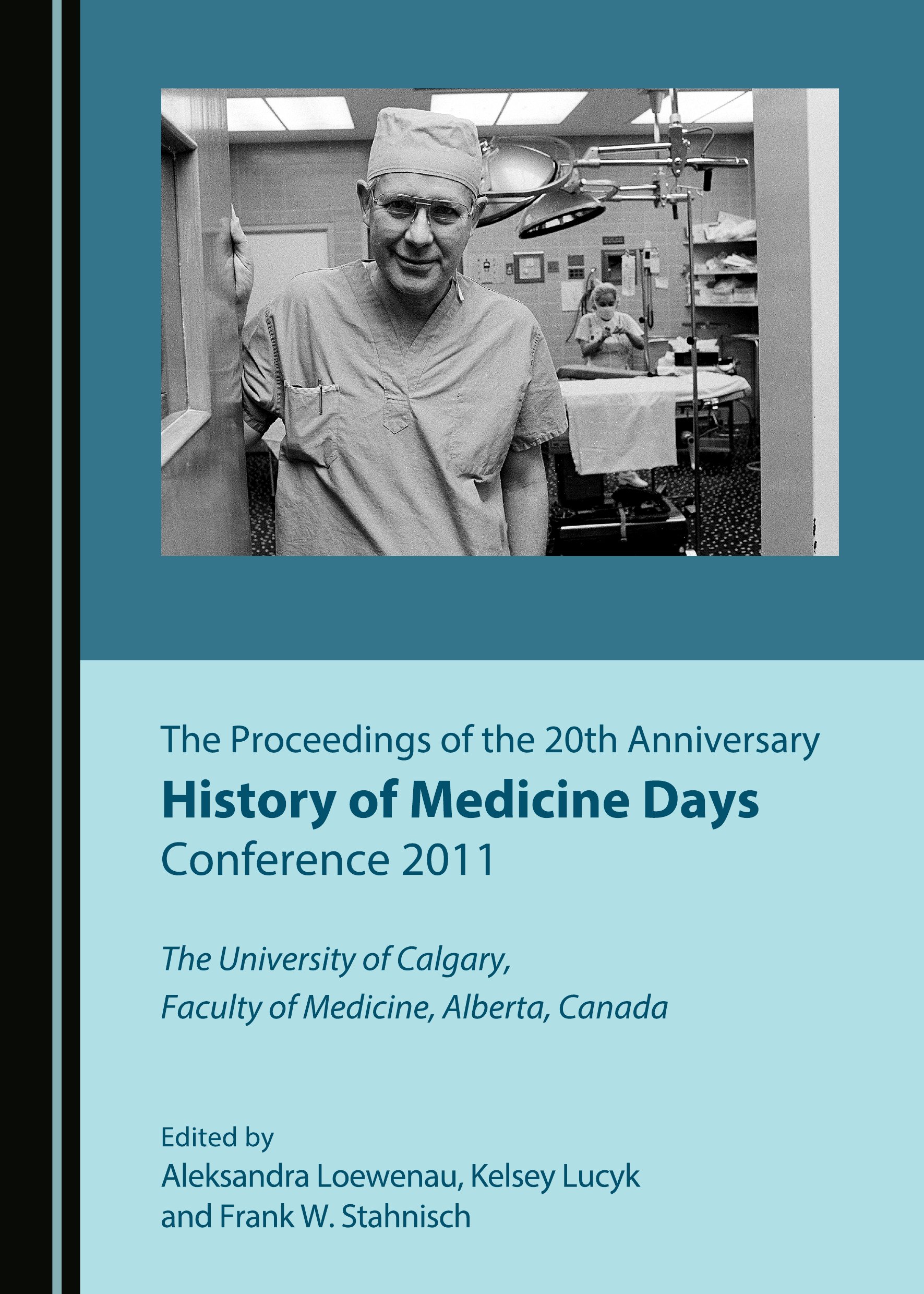
The Proceedings of the 20th Anniversary History of Medicine Days Conference 2011
The University of Calgary, Faculty of Medicine, Alberta, Canada
This volume from the History of Medicine Days conference comprises insights into the histories of Women, Health and Reproduction; Institutes and Deinstitutionalization; and the Brain, Mind, and Mindlessness. It includes Dr. George Weisz’s keynote on chronic disease.
This volume from the History of Medicine Days conference comprises insights into the histories of Women, Health and Reproduction; Institutes and Deinstitutionalization; and the Brain, Mind, and Mindlessness. It includes Dr. George Weisz’s keynote on chronic disease.
View more
This product has multiple variants. The options may be chosen on the product page
View more
This product has multiple variants. The options may be chosen on the product page
Medical Education in Western India
Grant Medical College and Sir Jamsetjee Jejeebhoy’s Hospital
“Medical knowledge is not communicable to the natives.” Despite this 1832 declaration, Governor Sir Robert Grant, Dr Charles Morehead, and philanthropist Sir Jamsetjee Jejeebhoy created a medical college in Bombay that went on to rival those in Europe and America.
“Medical knowledge is not communicable to the natives.” Despite this 1832 declaration, Governor Sir Robert Grant, Dr Charles Morehead, and philanthropist Sir Jamsetjee Jejeebhoy created a medical college in Bombay that went on to rival those in Europe and America.
View more
This product has multiple variants. The options may be chosen on the product page
View more
This product has multiple variants. The options may be chosen on the product page
£72.99
Smallpox, a scourge with a 30% fatality rate, killed 300 million in the 20th century before its eradication in 1980. But the threat remains, from viruses stored in labs to new epidemics like monkeypox, providing a unique view of the life and death of a plague.
Smallpox, a scourge with a 30% fatality rate, killed 300 million in the 20th century before its eradication in 1980. But the threat remains, from viruses stored in labs to new epidemics like monkeypox, providing a unique view of the life and death of a plague.
View more
This product has multiple variants. The options may be chosen on the product page