
View more
This product has multiple variants. The options may be chosen on the product page
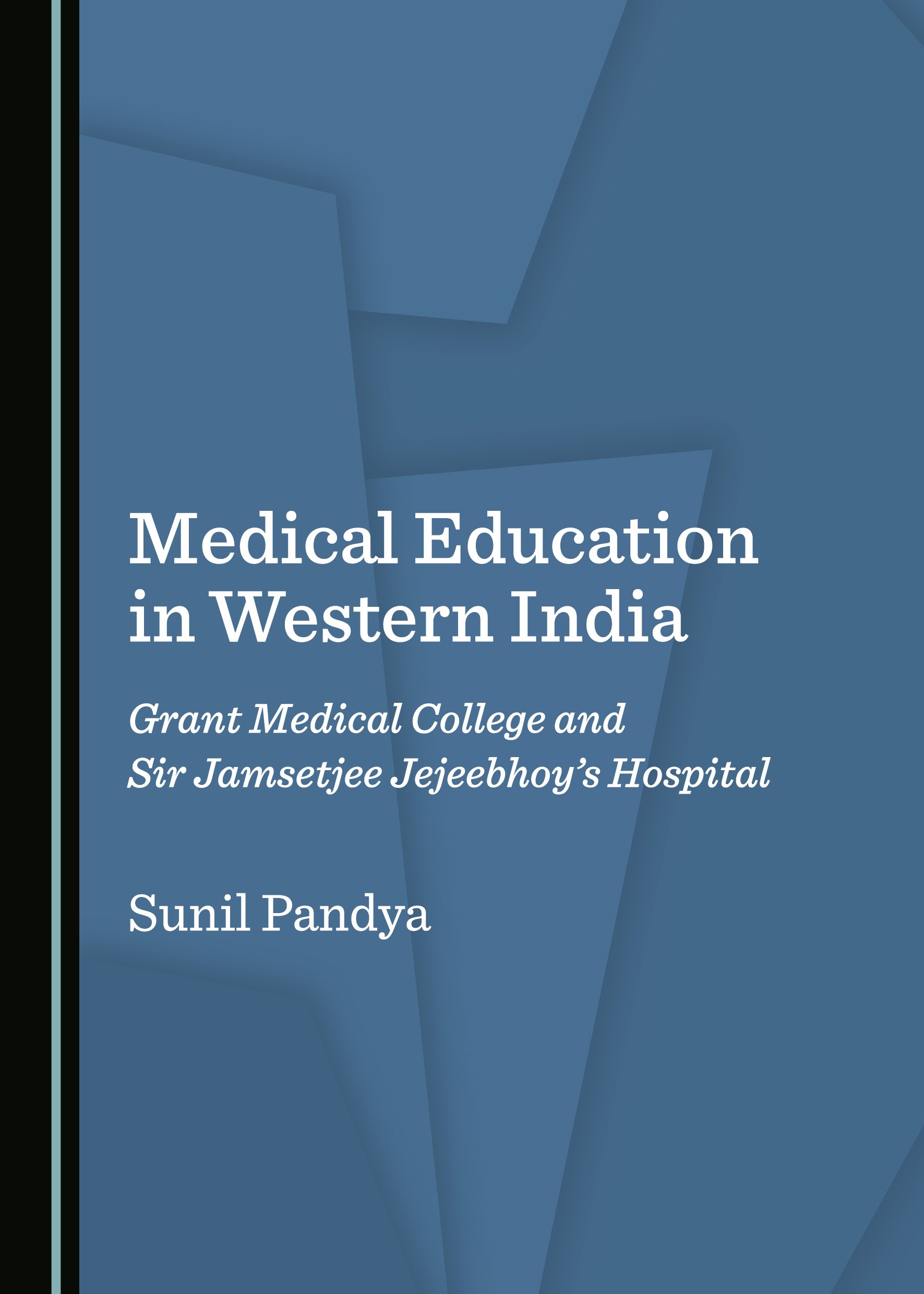
Medical Education in Western India
Grant Medical College and Sir Jamsetjee Jejeebhoy’s Hospital
“Medical knowledge is not communicable to the natives.” Despite this 1832 declaration, Governor Sir Robert Grant, Dr Charles Morehead, and philanthropist Sir Jamsetjee Jejeebhoy created a medical college in Bombay that went on to rival those in Europe and America.
“Medical knowledge is not communicable to the natives.” Despite this 1832 declaration, Governor Sir Robert Grant, Dr Charles Morehead, and philanthropist Sir Jamsetjee Jejeebhoy created a medical college in Bombay that went on to rival those in Europe and America.
View more
This product has multiple variants. The options may be chosen on the product page
View more
This product has multiple variants. The options may be chosen on the product page
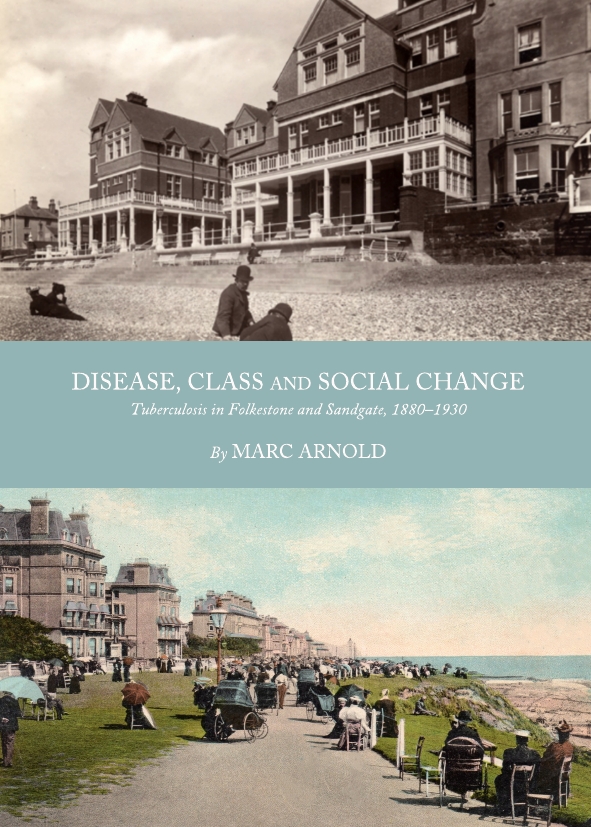
Disease, Class and Social Change
Tuberculosis in Folkestone and Sandgate, 1880-1930
This history of tuberculosis treatment demonstrates how class shaped responses to the disease. It analyses the conflict between viewing TB as a disease of poverty requiring social reform, and a focus on isolating those deemed to possess an hereditary taint.
This history of tuberculosis treatment demonstrates how class shaped responses to the disease. It analyses the conflict between viewing TB as a disease of poverty requiring social reform, and a focus on isolating those deemed to possess an hereditary taint.
View more
This product has multiple variants. The options may be chosen on the product page
View more
This product has multiple variants. The options may be chosen on the product page
From £32.99
This volume analyzes the Romance and Germanic translations of influential medieval surgeon Lanfranc of Milan. Including contributions by experts, it uses a comparative approach to study the development of a vernacular surgical tradition throughout late medieval Europe.
This volume analyzes the Romance and Germanic translations of influential medieval surgeon Lanfranc of Milan. Including contributions by experts, it uses a comparative approach to study the development of a vernacular surgical tradition throughout late medieval Europe.
View more
This product has multiple variants. The options may be chosen on the product page
View more
This product has multiple variants. The options may be chosen on the product page
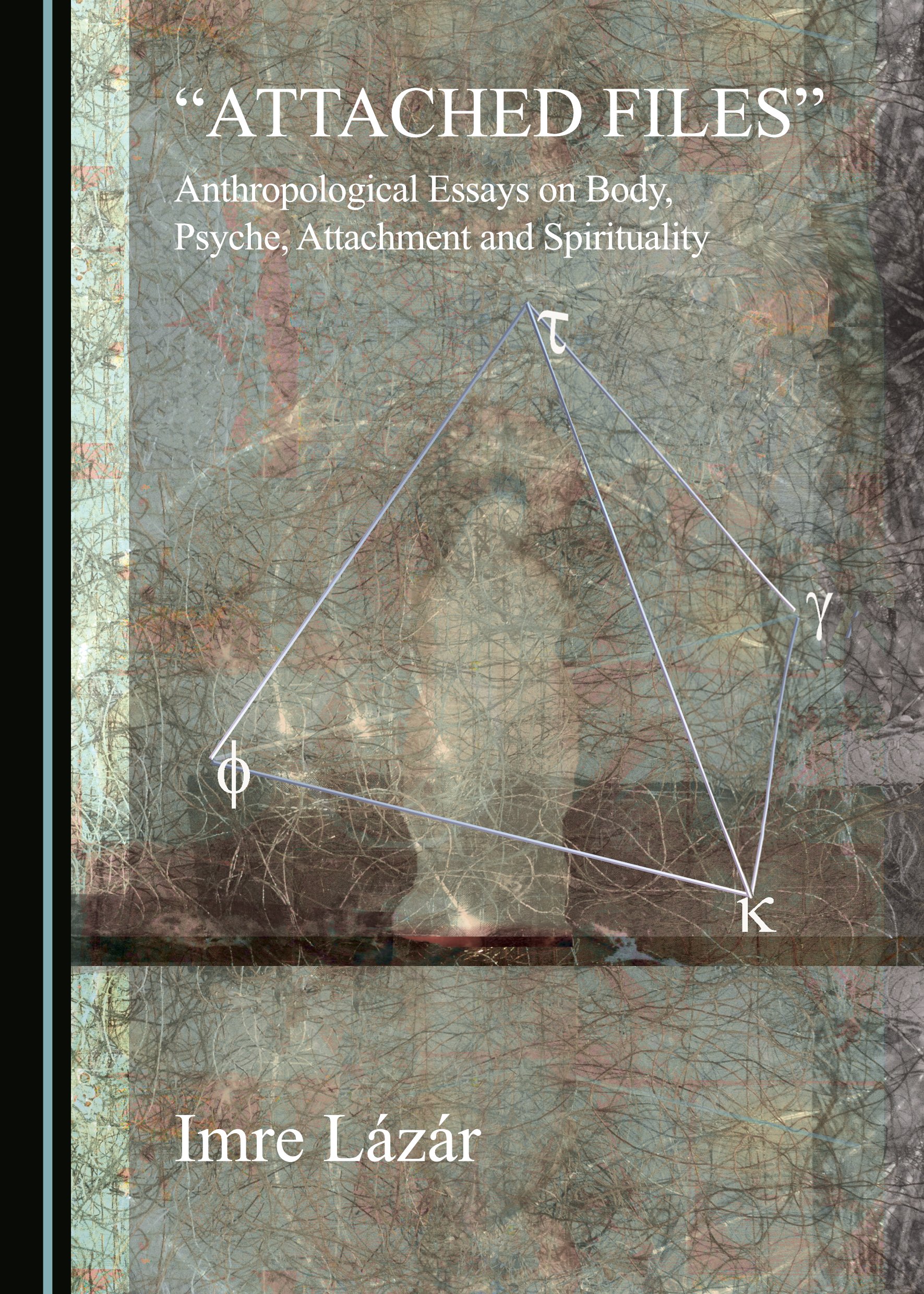
“Attached Files”
Anthropological Essays on Body, Psyche, Attachment and Spirituality
In this selection of lectures and papers, medical anthropologist Imre Lázár explores the synergic logic of human bonds. Using attachment as a core concept, he connects anthropology, health sciences, religious studies, and ecology.
In this selection of lectures and papers, medical anthropologist Imre Lázár explores the synergic logic of human bonds. Using attachment as a core concept, he connects anthropology, health sciences, religious studies, and ecology.
View more
This product has multiple variants. The options may be chosen on the product page
View more
This product has multiple variants. The options may be chosen on the product page
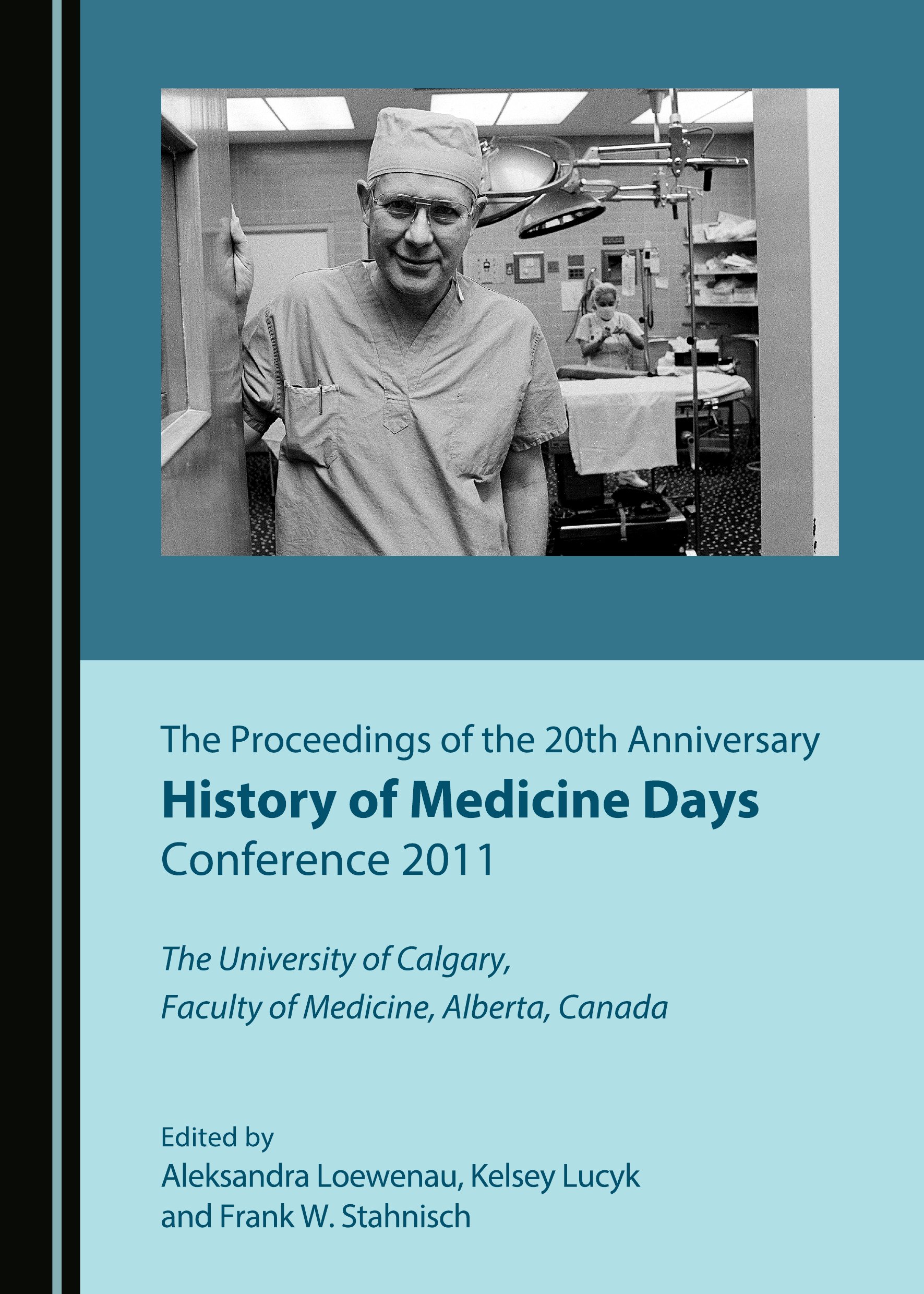
The Proceedings of the 20th Anniversary History of Medicine Days Conference 2011
The University of Calgary, Faculty of Medicine, Alberta, Canada
This volume from the History of Medicine Days conference comprises insights into the histories of Women, Health and Reproduction; Institutes and Deinstitutionalization; and the Brain, Mind, and Mindlessness. It includes Dr. George Weisz’s keynote on chronic disease.
This volume from the History of Medicine Days conference comprises insights into the histories of Women, Health and Reproduction; Institutes and Deinstitutionalization; and the Brain, Mind, and Mindlessness. It includes Dr. George Weisz’s keynote on chronic disease.
View more
This product has multiple variants. The options may be chosen on the product page
View more
This product has multiple variants. The options may be chosen on the product page
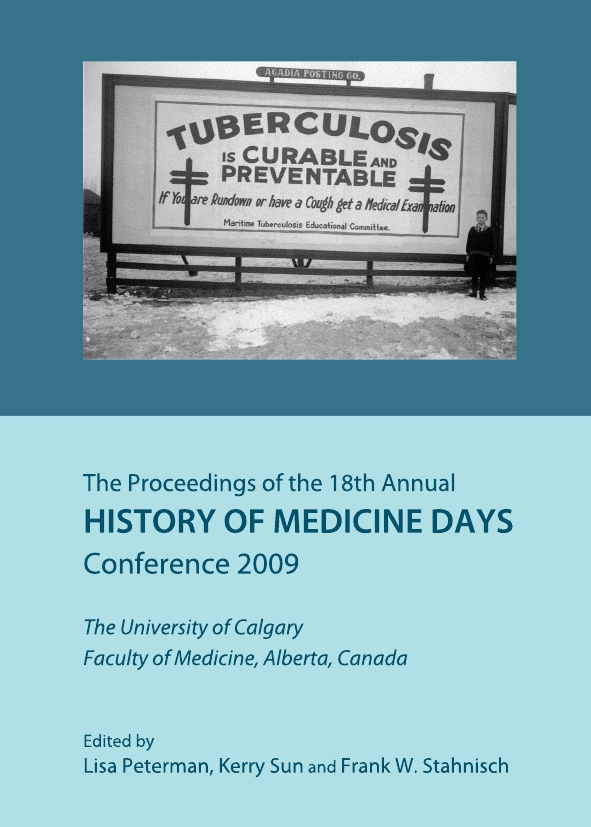
The Proceedings of the 18th Annual History of Medicine Days Conference 2009
The University of Calgary Faculty of Medicine, Alberta, Canada
This peer-reviewed volume collects papers from the History of Medicine Days conference, exploring topics from Ancient Medicine to Eugenics, Military Medicine, and Surgery. The book features the keynote address on the misuse of genetics by Dr. Garland E. Allen.
This peer-reviewed volume collects papers from the History of Medicine Days conference, exploring topics from Ancient Medicine to Eugenics, Military Medicine, and Surgery. The book features the keynote address on the misuse of genetics by Dr. Garland E. Allen.
View more
This product has multiple variants. The options may be chosen on the product page