
View more
This product has multiple variants. The options may be chosen on the product page
From £19.99
Contributors to this book accept an evolutionary account of life, mind and religion. However, they hold divergent views on the relation of mind to brain, the validity of religious belief, and how even Christ may be seen as an aspect of the evolutionary process.
Contributors to this book accept an evolutionary account of life, mind and religion. However, they hold divergent views on the relation of mind to brain, the validity of religious belief, and how even Christ may be seen as an aspect of the evolutionary process.
View more
This product has multiple variants. The options may be chosen on the product page
View more
This product has multiple variants. The options may be chosen on the product page
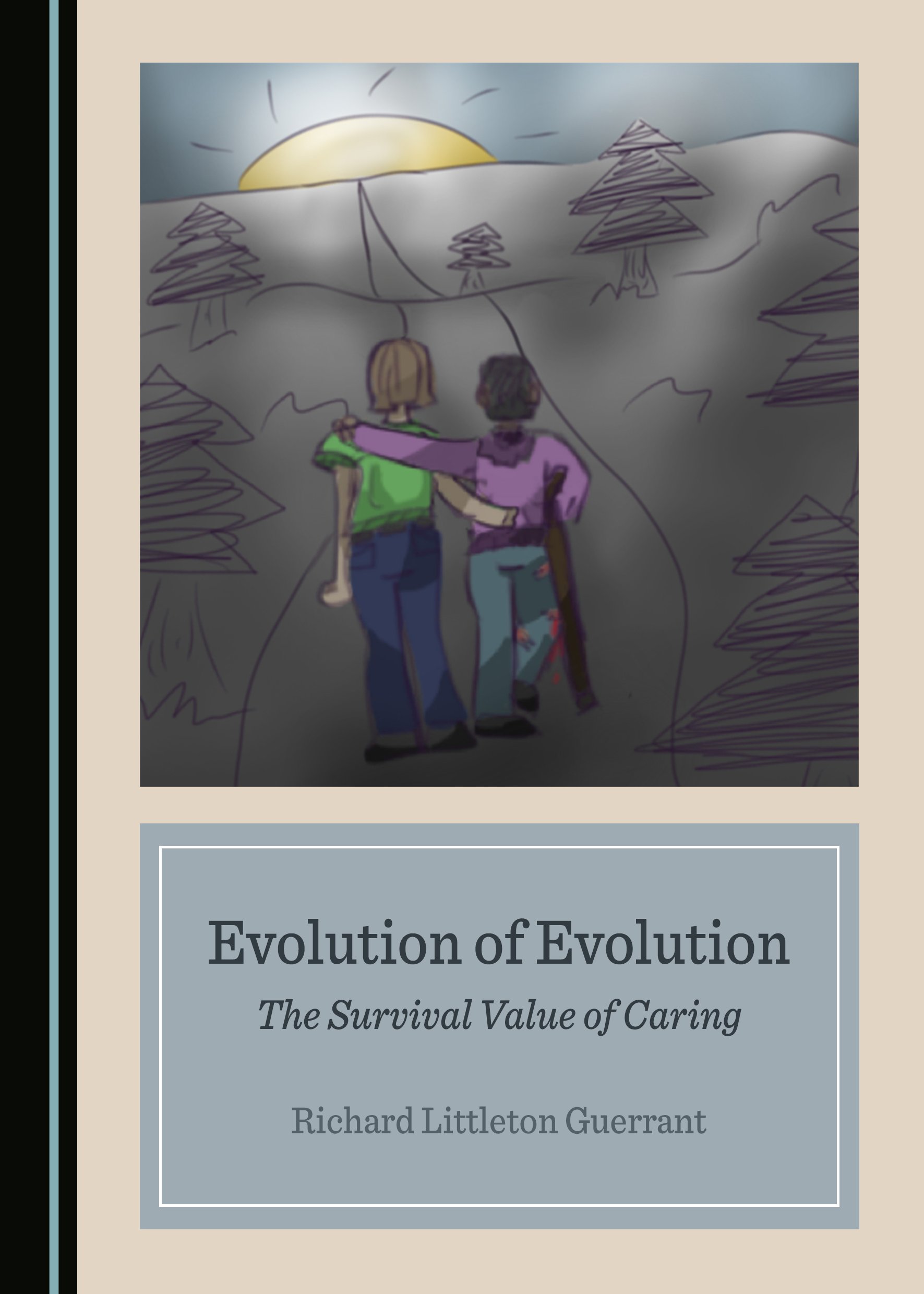
Evolution of Evolution
The Survival Value of Caring
What is desperately needed is the realization of the evolutionary survival value of caring for others. This book links our humanities to a scientific understanding of human destiny to provide a key to meaning. We don’t have ‘forever’ to ‘get it!’
What is desperately needed is the realization of the evolutionary survival value of caring for others. This book links our humanities to a scientific understanding of human destiny to provide a key to meaning. We don’t have ‘forever’ to ‘get it!’
View more
This product has multiple variants. The options may be chosen on the product page
View more
This product has multiple variants. The options may be chosen on the product page
Recent Developments in Plant Biotechnology
Progress in Lipidomics and Proteomics
This volume explores advances in plant biotechnology, focusing on the use of lipids and proteins from plant tissues in industrial applications. The book discusses an emerging field of research and will appeal to readers in medical, biochemical, and biotechnological disciplines.
This volume explores advances in plant biotechnology, focusing on the use of lipids and proteins from plant tissues in industrial applications. The book discusses an emerging field of research and will appeal to readers in medical, biochemical, and biotechnological disciplines.
View more
This product has multiple variants. The options may be chosen on the product page

View more
This product has multiple variants. The options may be chosen on the product page
From £29.99
In 1830, John Williams wrote this pioneering study of the plants, animals, and agriculture of Llanrwst, north Wales. This new edition is reproduced verbatim but augmented by a biography of the author, a gazetteer of localities, and eight full-page colour plates.
In 1830, John Williams wrote this pioneering study of the plants, animals, and agriculture of Llanrwst, north Wales. This new edition is reproduced verbatim but augmented by a biography of the author, a gazetteer of localities, and eight full-page colour plates.
View more
This product has multiple variants. The options may be chosen on the product page
View more
This product has multiple variants. The options may be chosen on the product page
From £29.99
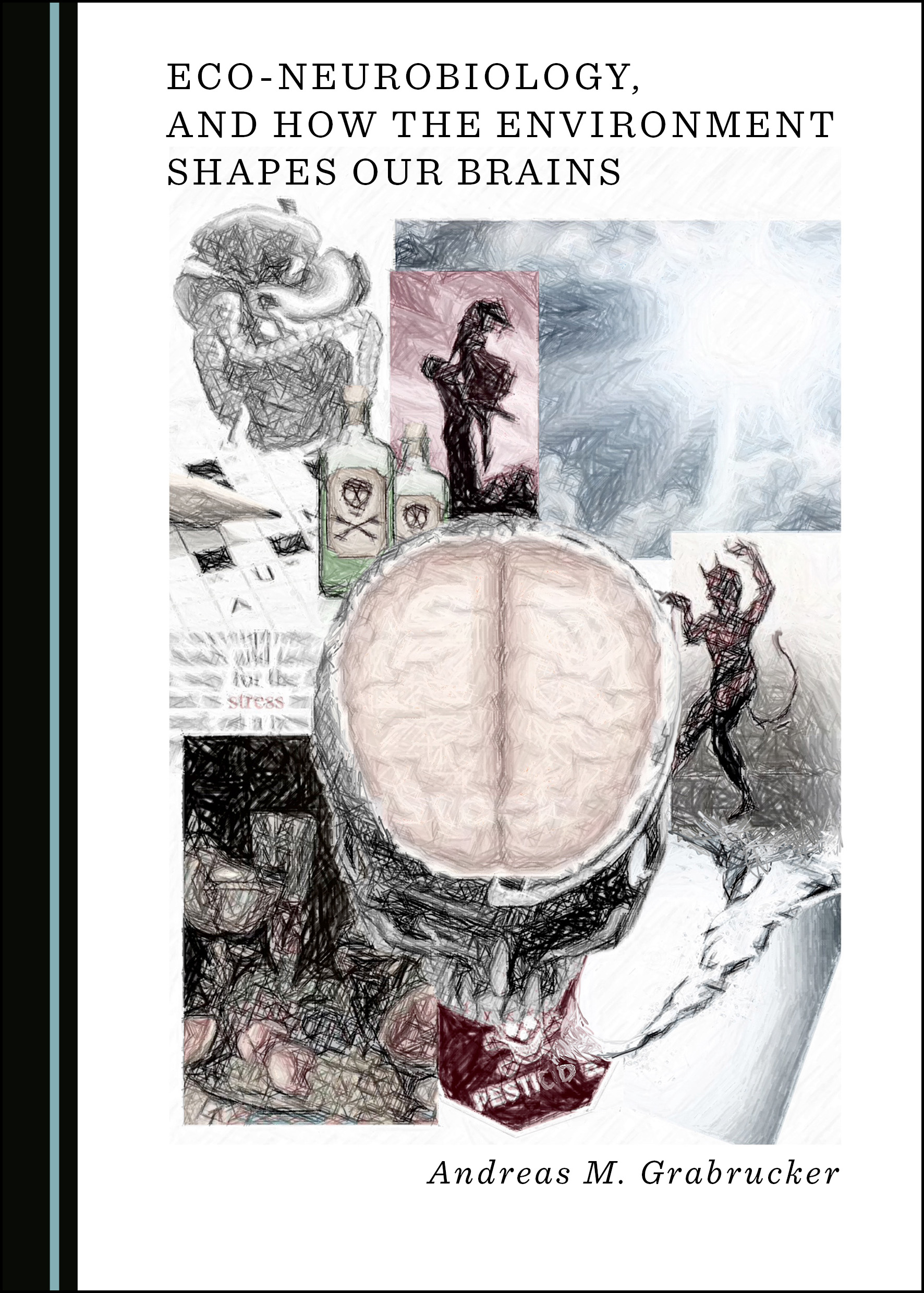
Eco-neurobiology investigates how environmental factors impact the brain. This book covers recent findings on how non-genetic factors—the food we eat, stress, and traumatic events—influence our minds, from everyday function to the development of disorders.
Eco-neurobiology investigates how environmental factors impact the brain. This book covers recent findings on how non-genetic factors—the food we eat, stress, and traumatic events—influence our minds, from everyday function to the development of disorders.
View more
This product has multiple variants. The options may be chosen on the product page

View more
This product has multiple variants. The options may be chosen on the product page
Molecular Strategies of Creatures to Survive in Acidic Environments
Invitation to the Acidic World
From bacteria to human cancer cells, organisms must survive in an "acidic world." This book summarizes current research into the molecular mechanisms that allow life to thrive in acidic environments, opening up a new way of understanding life itself.
From bacteria to human cancer cells, organisms must survive in an “acidic world.” This book summarizes current research into the molecular mechanisms that allow life to thrive in acidic environments, opening up a new way of understanding life itself.
View more
This product has multiple variants. The options may be chosen on the product page
View more
This product has multiple variants. The options may be chosen on the product page
From £29.99
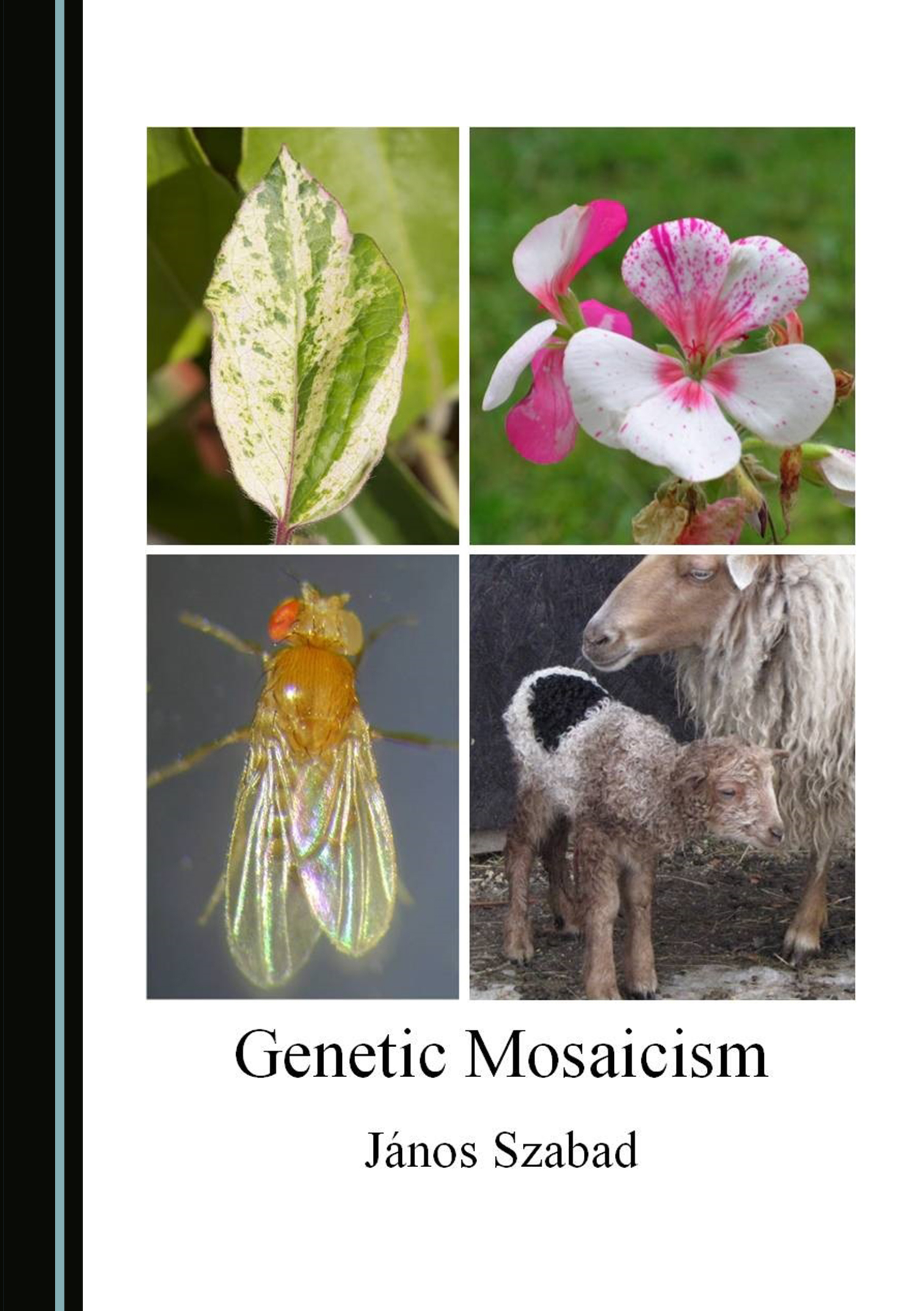
From spotted dogs to mosaic irises, genetic mosaics are all around us—in fact, we are all mosaics. But little is known about the genetic bases of their origin. This book overviews the mechanisms behind mosaicism, with examples illustrating their impact on our lives.
From spotted dogs to mosaic irises, genetic mosaics are all around us—in fact, we are all mosaics. But little is known about the genetic bases of their origin. This book overviews the mechanisms behind mosaicism, with examples illustrating their impact on our lives.
View more
This product has multiple variants. The options may be chosen on the product page
View more
This product has multiple variants. The options may be chosen on the product page
From £29.99
This book provides a new, interdisciplinary model of consciousness, offering a multidisciplinary bridge between the brain, mind, philosophy, self-consciousness, human identity, and free will.
This book provides a new, interdisciplinary model of consciousness, offering a multidisciplinary bridge between the brain, mind, philosophy, self-consciousness, human identity, and free will.
View more
This product has multiple variants. The options may be chosen on the product page
View more
This product has multiple variants. The options may be chosen on the product page
From £30.99
The biological role of heterochromatin, our non-coding DNA, is a mystery. This study of Q-heterochromatin variability in humans reveals that differences are related to environmental factors, not race, and that our ability to adapt to extreme conditions depends on its amount.
The biological role of heterochromatin, our non-coding DNA, is a mystery. This study of Q-heterochromatin variability in humans reveals that differences are related to environmental factors, not race, and that our ability to adapt to extreme conditions depends on its amount.
View more
This product has multiple variants. The options may be chosen on the product page
View more
This product has multiple variants. The options may be chosen on the product page
Principles of Human Locomotion
Notes from an Exercise Biologist
What separates the living from the inanimate? This book seeks answers in the biology of human locomotion, exploring how our adaptations to physical exercise reveal the fundamental principles of life itself. A thought-provoking analysis for any curious mind.
What separates the living from the inanimate? This book seeks answers in the biology of human locomotion, exploring how our adaptations to physical exercise reveal the fundamental principles of life itself. A thought-provoking analysis for any curious mind.
View more
This product has multiple variants. The options may be chosen on the product page
View more
This product has multiple variants. The options may be chosen on the product page
From £30.99
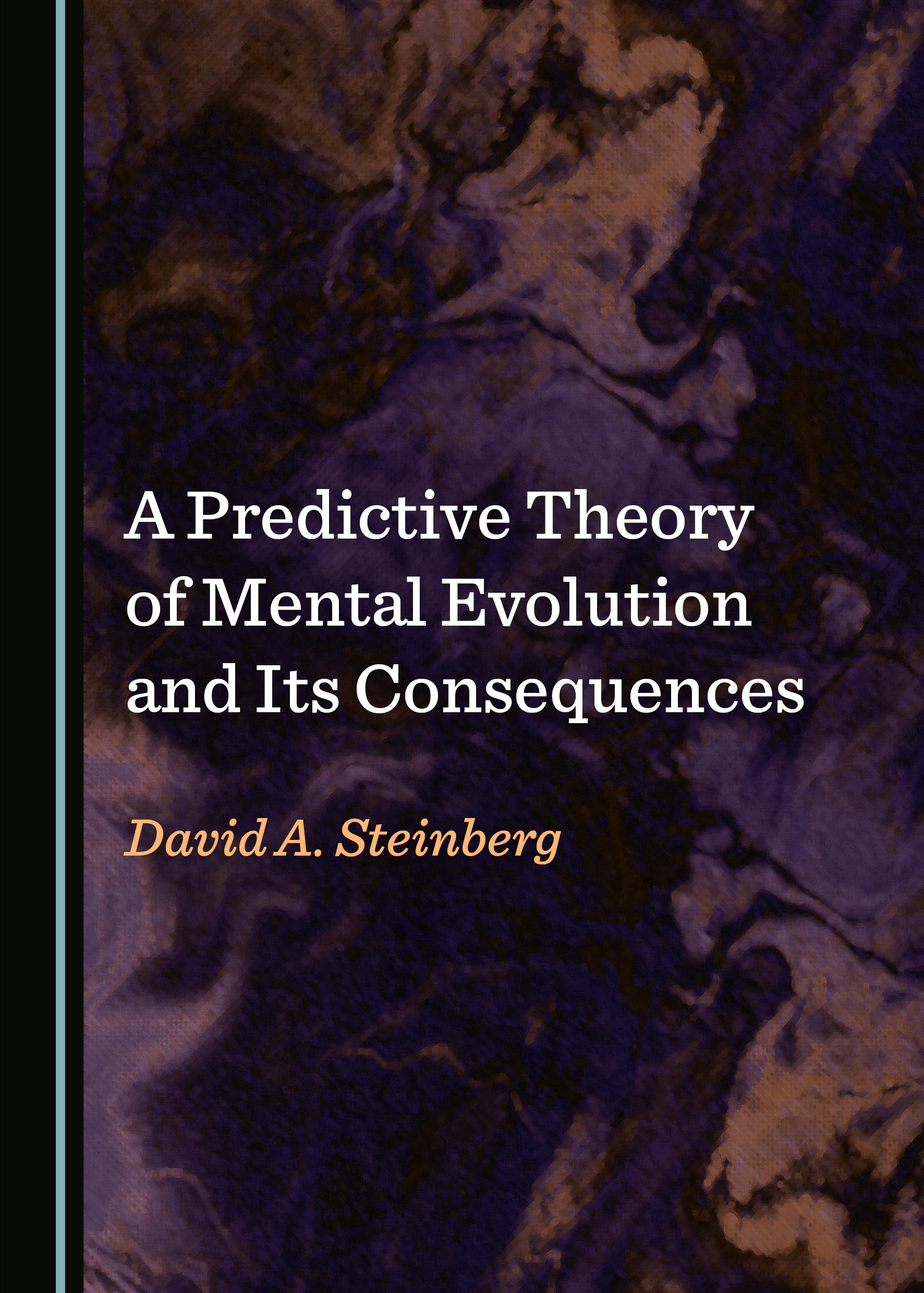
The world is an internal model. This theory of mental evolution explains mathematics, the origin of time, and consciousness itself. It also explains the meaning of Paleolithic artifacts, the origin of language, and identifies strict limits of scientific knowledge.
The world is an internal model. This theory of mental evolution explains mathematics, the origin of time, and consciousness itself. It also explains the meaning of Paleolithic artifacts, the origin of language, and identifies strict limits of scientific knowledge.
View more
This product has multiple variants. The options may be chosen on the product page
View more
This product has multiple variants. The options may be chosen on the product page
From £31.99
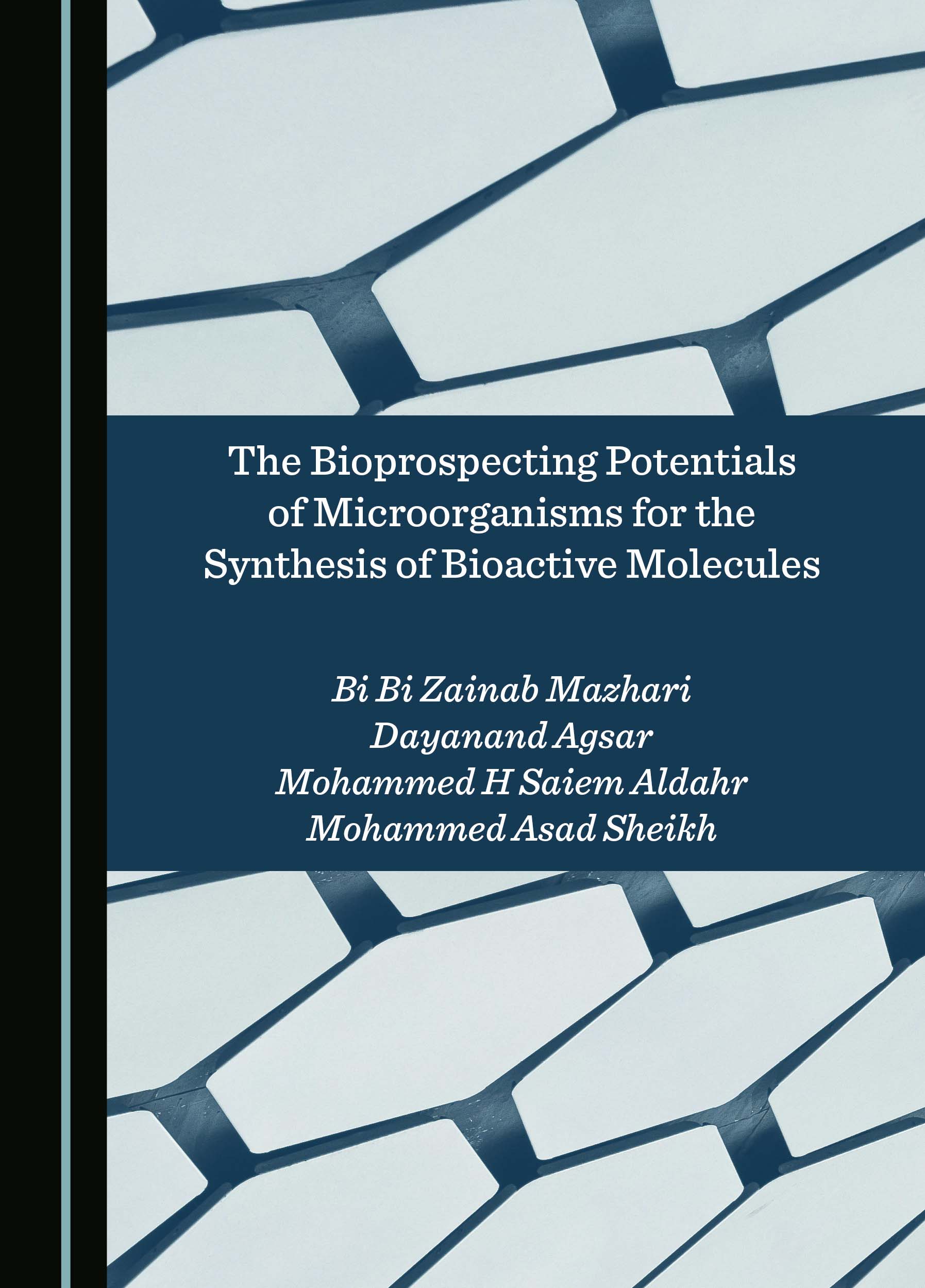
This book provides fascinating insights into actinomycetes and their synthesis of bioactive molecules like enzymes and nanoparticles. Microorganisms are a huge reservoir of resources for innovative applications and should be explored for antibiotics, enzymes, and nanoparticles.
This book provides fascinating insights into actinomycetes and their synthesis of bioactive molecules like enzymes and nanoparticles. Microorganisms are a huge reservoir of resources for innovative applications and should be explored for antibiotics, enzymes, and nanoparticles.
View more
This product has multiple variants. The options may be chosen on the product page
View more
This product has multiple variants. The options may be chosen on the product page
From £31.99
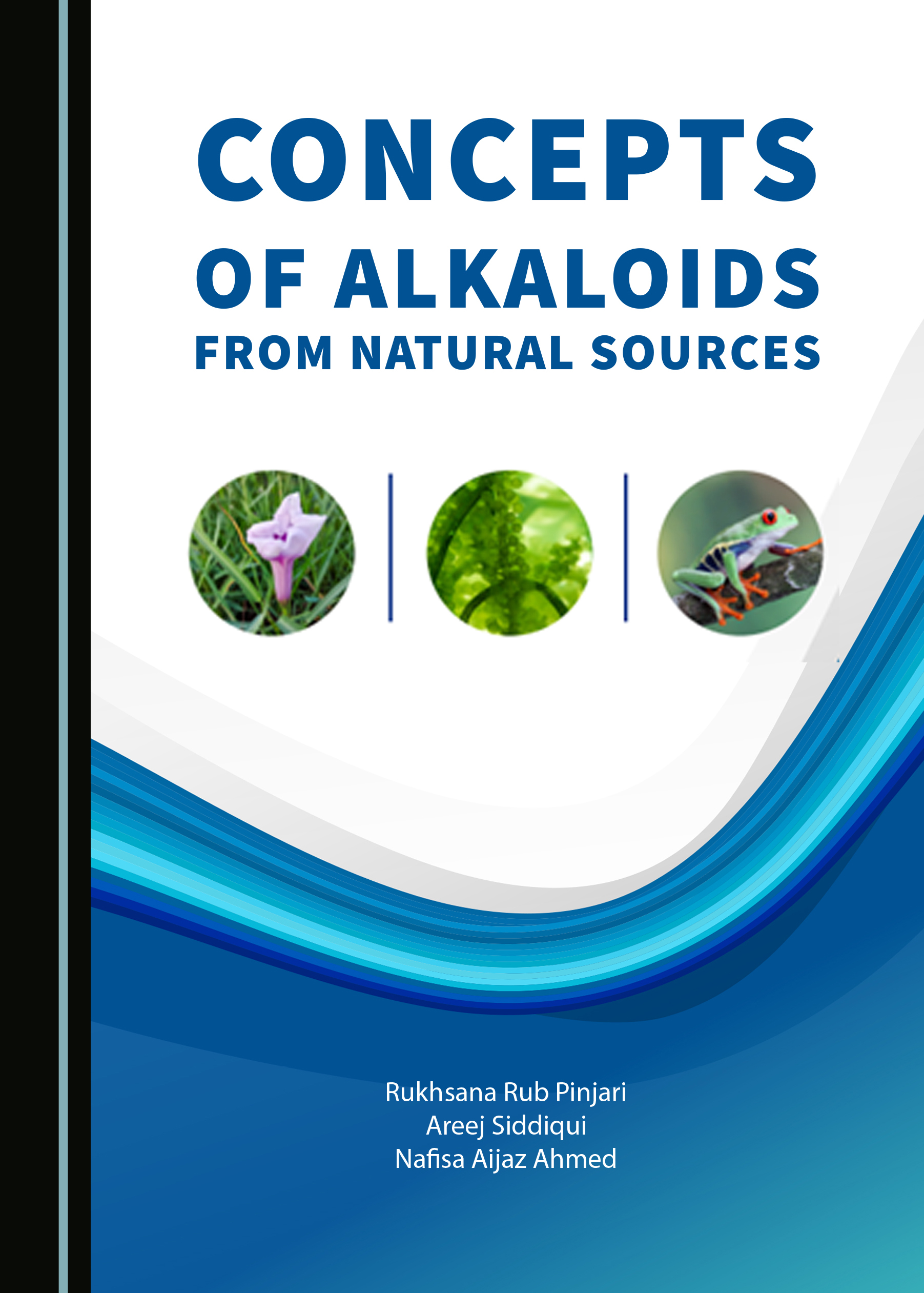
Explore the captivating world of alkaloids from plants, animals, and marine life. Crafted with clarity, this guide is an indispensable reference for students and researchers, providing deep insights into the chemistry and diverse applications of these natural compounds.
Explore the captivating world of alkaloids from plants, animals, and marine life. Crafted with clarity, this guide is an indispensable reference for students and researchers, providing deep insights into the chemistry and diverse applications of these natural compounds.
View more
This product has multiple variants. The options may be chosen on the product page
View more
This product has multiple variants. The options may be chosen on the product page
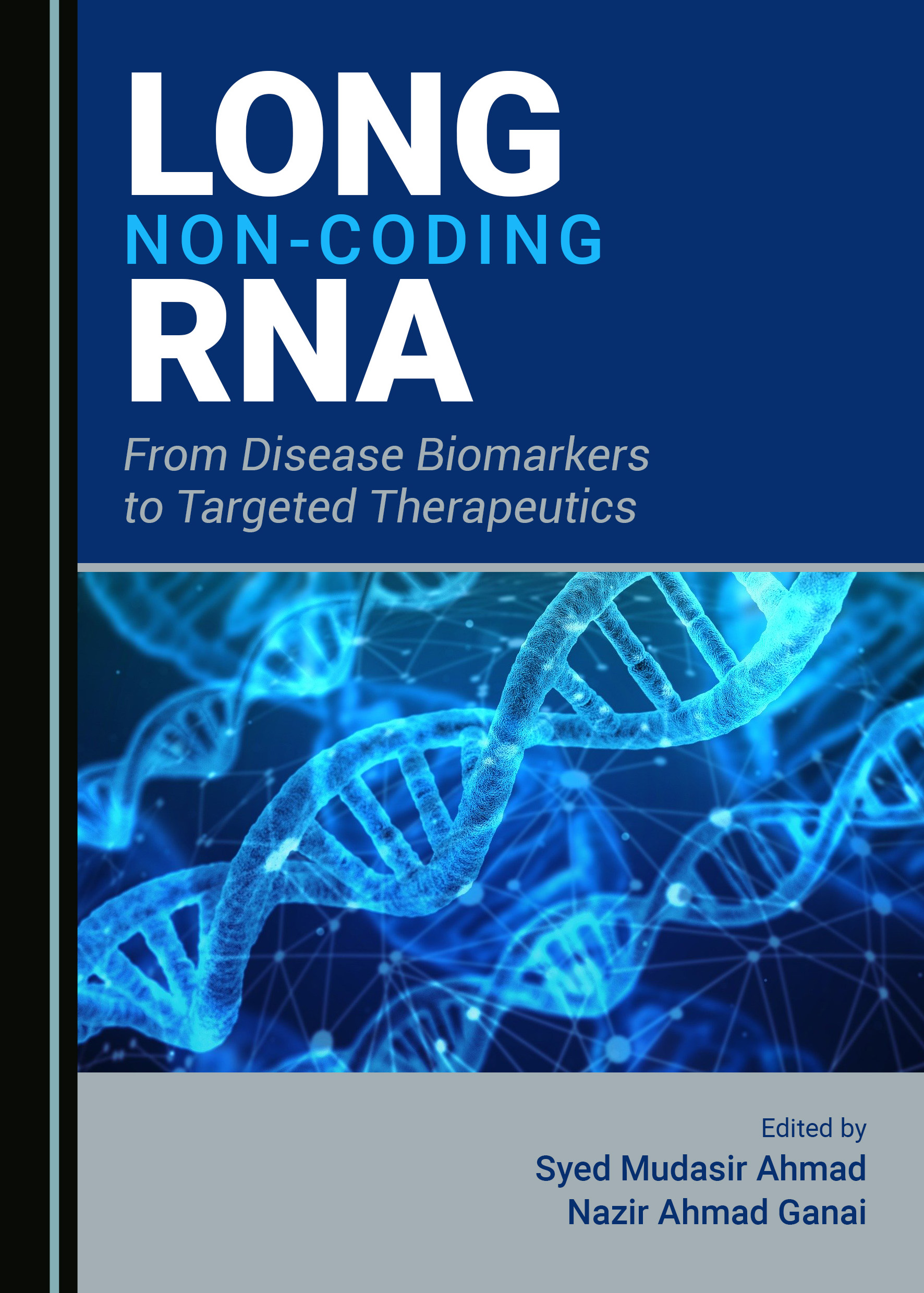
Long Non-Coding RNA
From Disease Biomarkers to Targeted Therapeutics
Once dismissed as genomic “noise,” Long non-coding RNAs (LncRNAs) are now known to regulate genes and are involved in diverse diseases like cancer. As their mechanisms are still ambiguous, this book provides a comprehensive account of lncRNA research.
Once dismissed as genomic “noise,” Long non-coding RNAs (LncRNAs) are now known to regulate genes and are involved in diverse diseases like cancer. As their mechanisms are still ambiguous, this book provides a comprehensive account of lncRNA research.
View more
This product has multiple variants. The options may be chosen on the product page
View more
This product has multiple variants. The options may be chosen on the product page
From £32.99
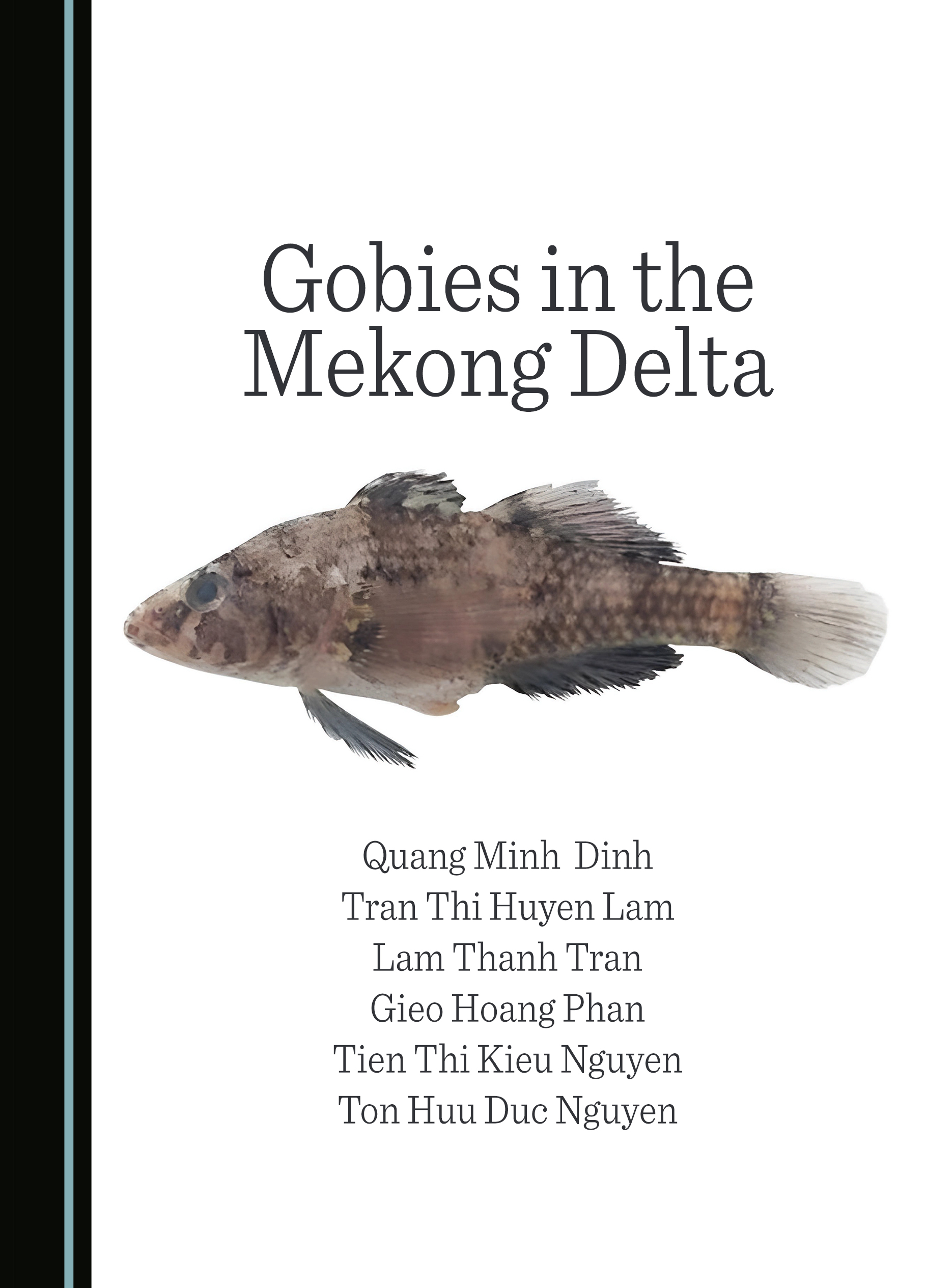
The Mekong Delta's economically significant fish species are threatened by fragmented research, hindering conservation. This monograph offers a solution: the culmination of a decade of research providing a holistic understanding of their genetics, ecology, and survival.
The Mekong Delta’s economically significant fish species are threatened by fragmented research, hindering conservation. This monograph offers a solution: the culmination of a decade of research providing a holistic understanding of their genetics, ecology, and survival.
View more
This product has multiple variants. The options may be chosen on the product page
View more
This product has multiple variants. The options may be chosen on the product page
From £32.99
Aimed at students, this clear and concise practical handbook is prepared in accordance with the latest syllabi. It explores the instruments and glassware handled during experiments and the calculations required to prepare chemical reagents and media.
Aimed at students, this clear and concise practical handbook is prepared in accordance with the latest syllabi. It explores the instruments and glassware handled during experiments and the calculations required to prepare chemical reagents and media.
View more
This product has multiple variants. The options may be chosen on the product page
View more
This product has multiple variants. The options may be chosen on the product page
From £34.99
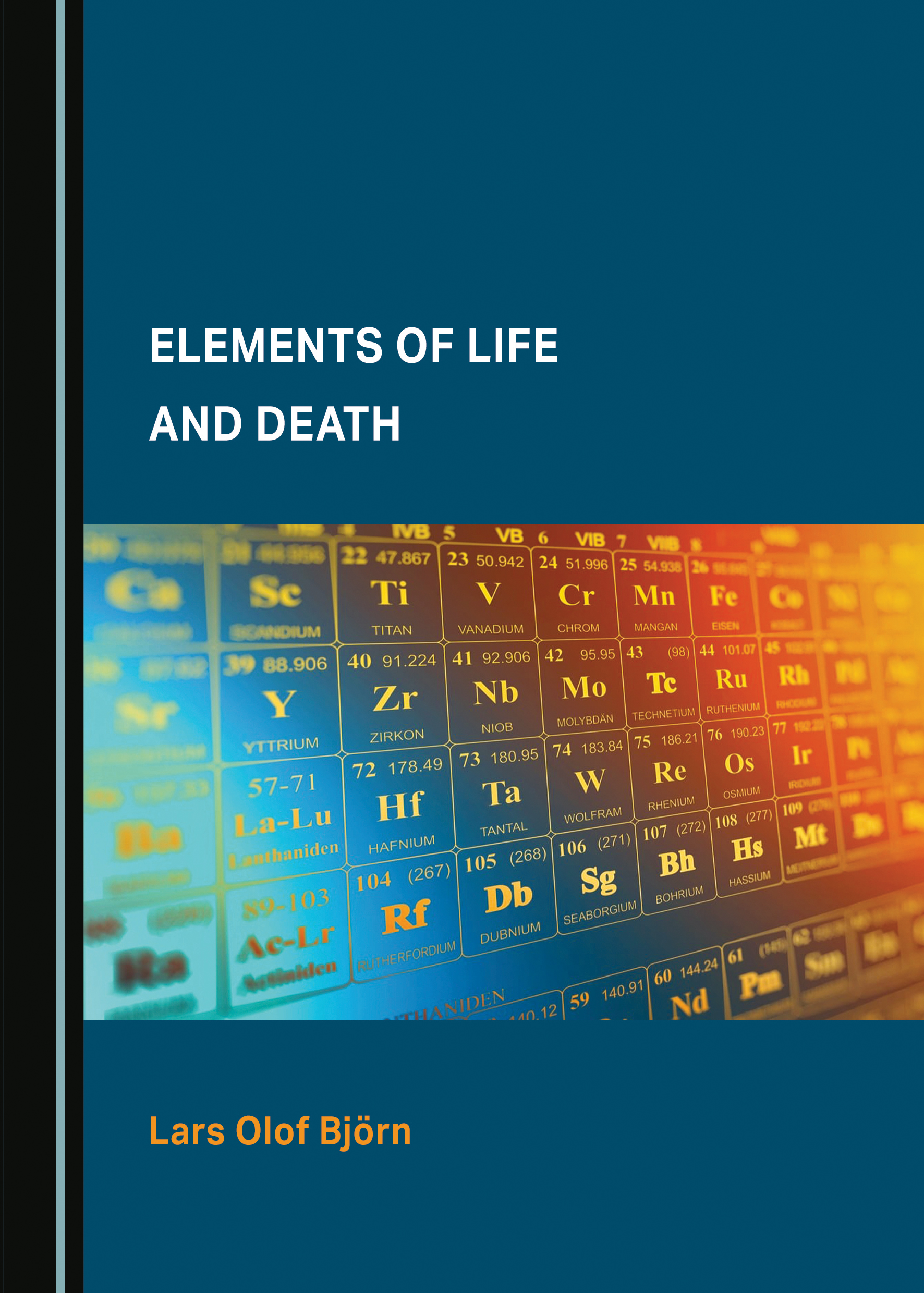
Six chemical elements make up 98% of the human body, but what remains is equally important. This book is about the other elements that are vitally important for some animals and plants, as well as a few that are deadly or used as protection by others.
Six chemical elements make up 98% of the human body, but what remains is equally important. This book is about the other elements that are vitally important for some animals and plants, as well as a few that are deadly or used as protection by others.
View more
This product has multiple variants. The options may be chosen on the product page
View more
This product has multiple variants. The options may be chosen on the product page
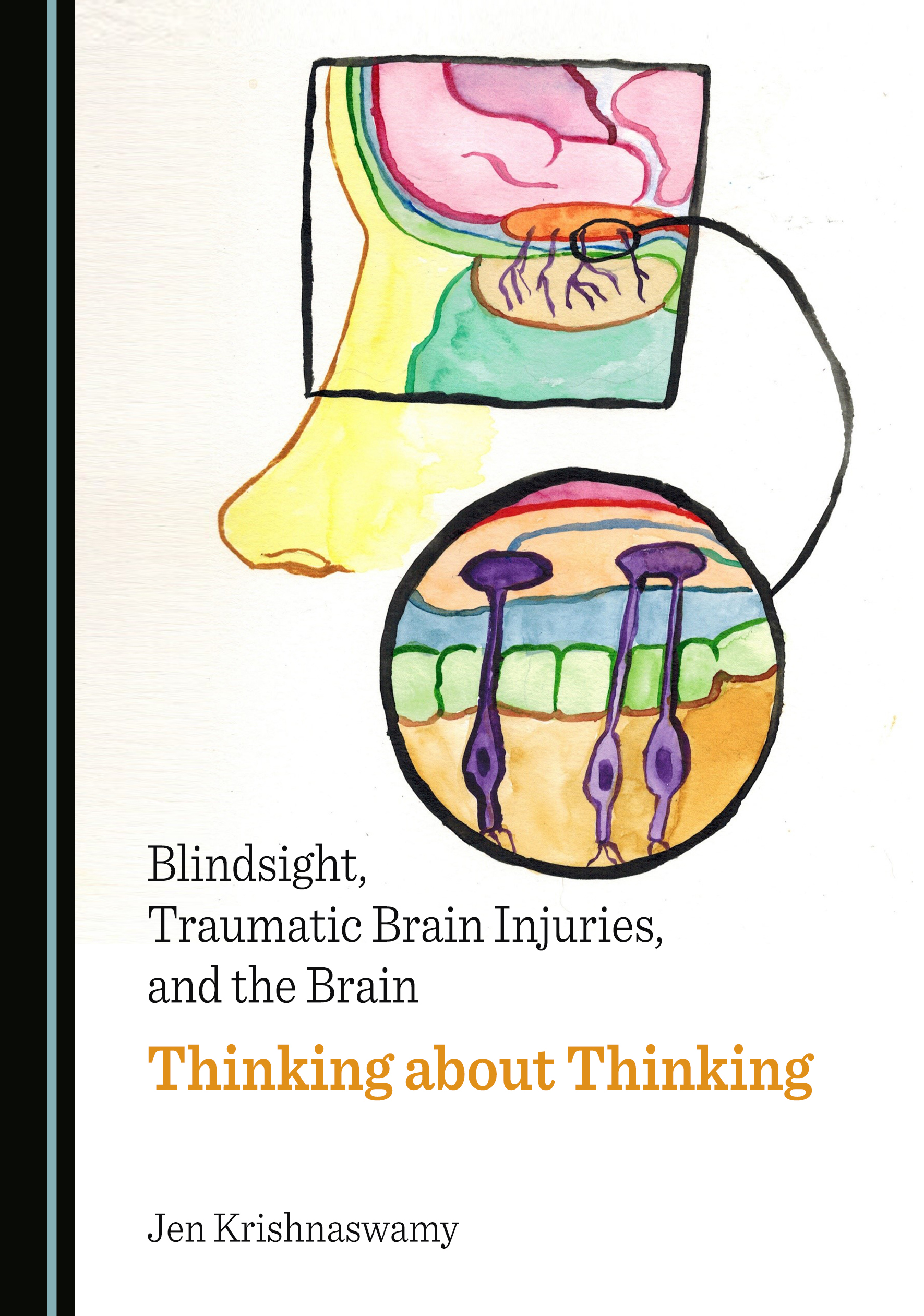
Blindsight, Traumatic Brain Injuries, and the Brain
Thinking about Thinking
Advances in neuroscience are revolutionizing society. This book provides insight into the wonders of sensory experience, traumatic brain injuries, and diseases like Alzheimer’s, exploring the field from individual cells to the majestic organ now contemplating itself.
Advances in neuroscience are revolutionizing society. This book provides insight into the wonders of sensory experience, traumatic brain injuries, and diseases like Alzheimer’s, exploring the field from individual cells to the majestic organ now contemplating itself.
View more
This product has multiple variants. The options may be chosen on the product page
View more
This product has multiple variants. The options may be chosen on the product page
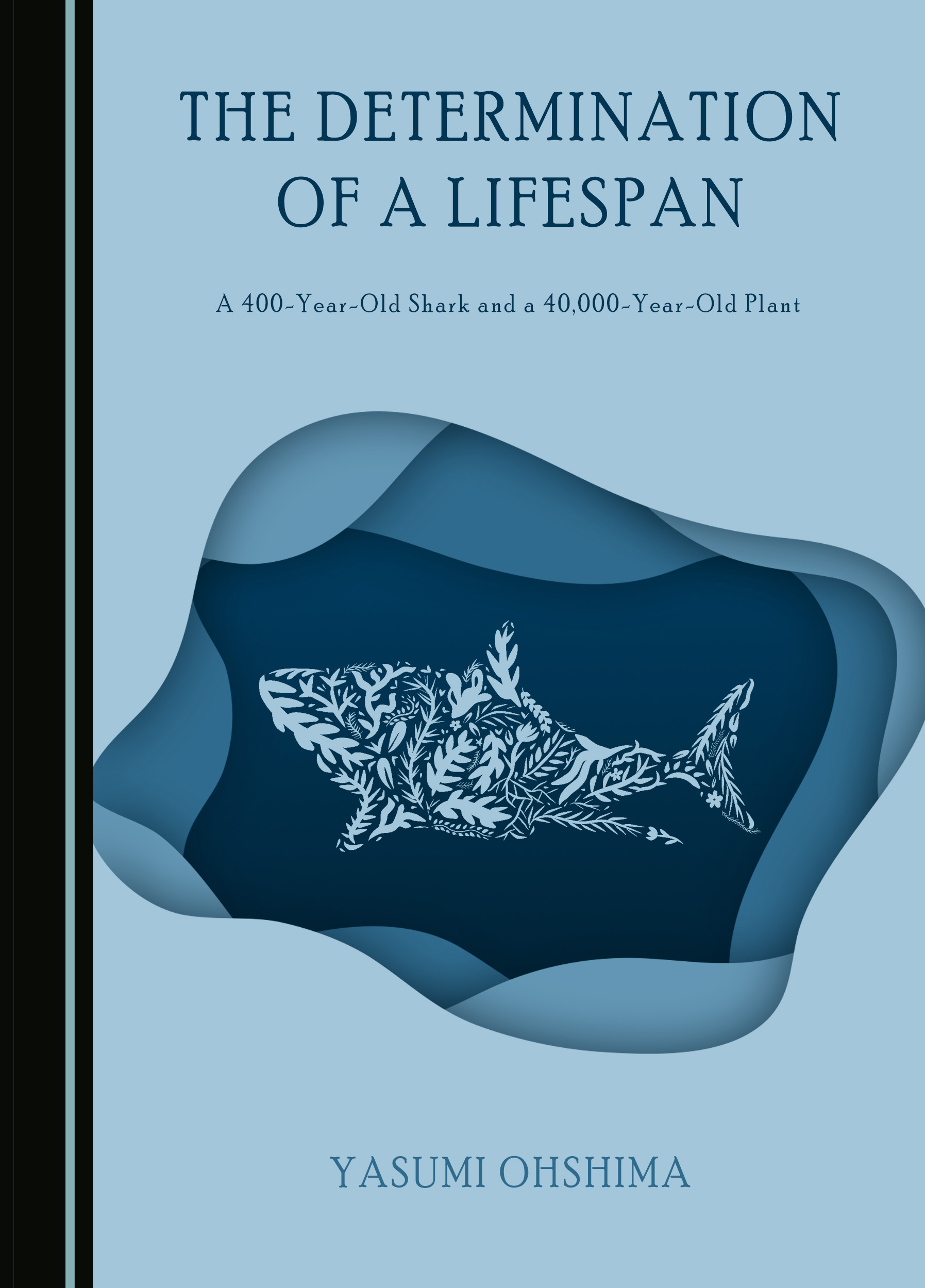
The Determination of a Lifespan
A 400-Year-Old Shark and a 40,000-Year-Old Plant
Human lifespan differs by as much as 30 years across the world due to factors like meals, disease, and genes. This book clarifies these factors and suggests how to live longer. It also surveys animals and plants living for 10,000 years or longer.
Human lifespan differs by as much as 30 years across the world due to factors like meals, disease, and genes. This book clarifies these factors and suggests how to live longer. It also surveys animals and plants living for 10,000 years or longer.
View more
This product has multiple variants. The options may be chosen on the product page
View more
This product has multiple variants. The options may be chosen on the product page
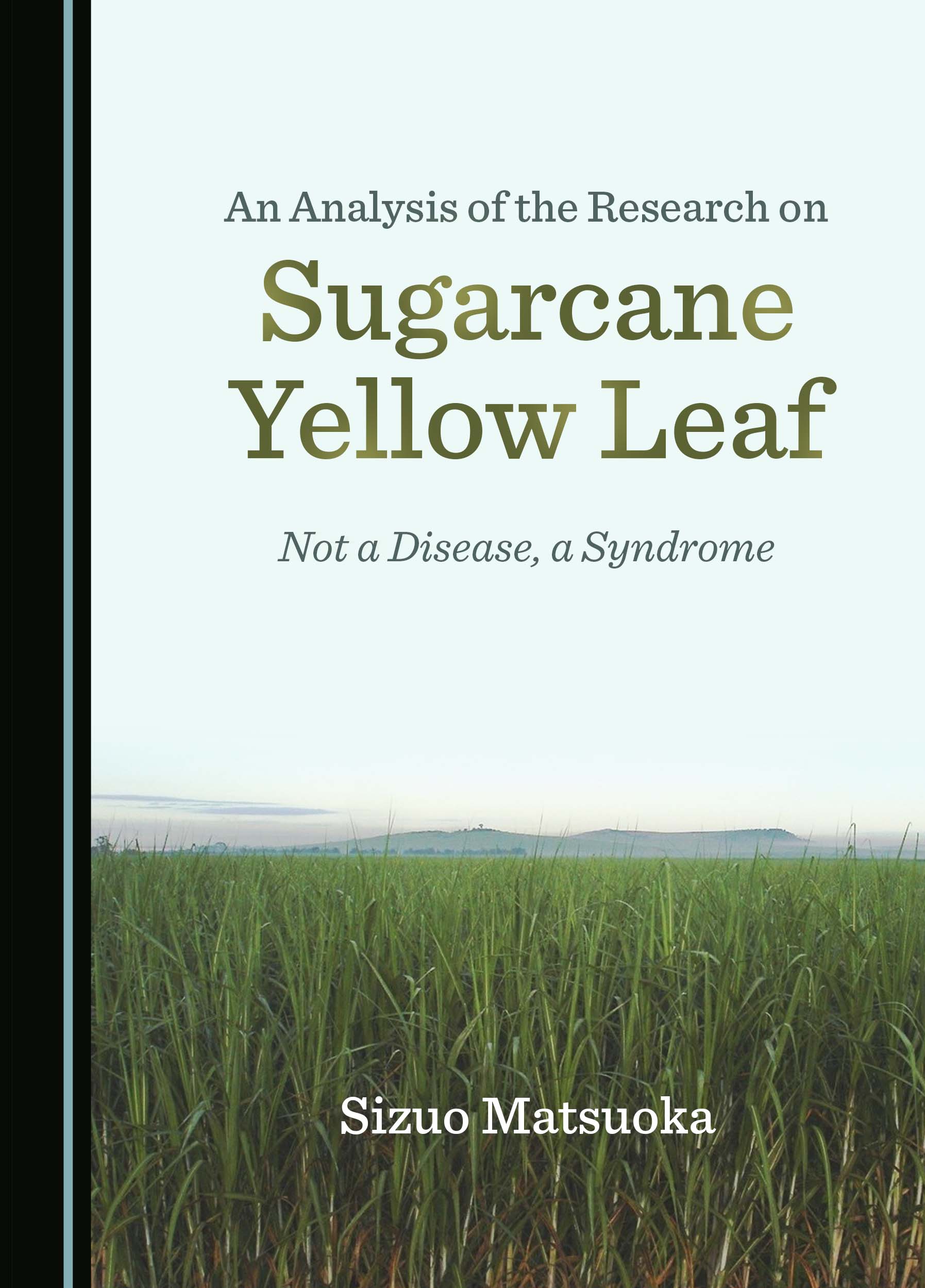
An Analysis of the Research on Sugarcane Yellow Leaf
Not a Disease, a Syndrome
For 30 years, sugarcane yellow leaf (SYL) has been known as a viral disease. After analyzing decades of confusing and contradictory research, the author argues it is a physiological syndrome. This book aims to disentangle the issue and show the truth behind the condition.
For 30 years, sugarcane yellow leaf (SYL) has been known as a viral disease. After analyzing decades of confusing and contradictory research, the author argues it is a physiological syndrome. This book aims to disentangle the issue and show the truth behind the condition.
View more
This product has multiple variants. The options may be chosen on the product page
Processing Your Order
Please wait while we securely process your order.
Do not refresh or leave this page.
You will be redirected shortly to a confirmation page with your order number.