
View more
This product has multiple variants. The options may be chosen on the product page
The Genome of an Organism
A Structural and Functional Determinant
This book explains the fundamental processes of evolutionary genetics, such as mutation, natural selection, and speciation. It provides an up-to-date overview of the field, discussing the theories of Darwin and Mendel, adaptation, and the origin of new genes.
This book explains the fundamental processes of evolutionary genetics, such as mutation, natural selection, and speciation. It provides an up-to-date overview of the field, discussing the theories of Darwin and Mendel, adaptation, and the origin of new genes.
View more
This product has multiple variants. The options may be chosen on the product page
View more
This product has multiple variants. The options may be chosen on the product page
£86.99
This book explains the fundamental processes of evolutionary genetics, such as mutation, natural selection, and speciation. It provides an up-to-date overview of the field, discussing the theories of Darwin and Mendel, adaptation, and the origin of new genes.
This book explains the fundamental processes of evolutionary genetics, such as mutation, natural selection, and speciation. It provides an up-to-date overview of the field, discussing the theories of Darwin and Mendel, adaptation, and the origin of new genes.
View more
This product has multiple variants. The options may be chosen on the product page
View more
This product has multiple variants. The options may be chosen on the product page
The God Molecule
Evolution of tRNA and the Genetic Code
Transfer RNA (tRNA) is a molecular fossil that tells the story of the evolution of the genetic code and the origin of life. Analysis of its pre-life sequences provides clear insights into how life began and shows why tRNA is required to generate life on Earth or another planet.
Transfer RNA (tRNA) is a molecular fossil that tells the story of the evolution of the genetic code and the origin of life. Analysis of its pre-life sequences provides clear insights into how life began and shows why tRNA is required to generate life on Earth or another planet.
View more
This product has multiple variants. The options may be chosen on the product page
View more
This product has multiple variants. The options may be chosen on the product page
From £30.99
The biological role of heterochromatin, our non-coding DNA, is a mystery. This study of Q-heterochromatin variability in humans reveals that differences are related to environmental factors, not race, and that our ability to adapt to extreme conditions depends on its amount.
The biological role of heterochromatin, our non-coding DNA, is a mystery. This study of Q-heterochromatin variability in humans reveals that differences are related to environmental factors, not race, and that our ability to adapt to extreme conditions depends on its amount.
View more
This product has multiple variants. The options may be chosen on the product page
View more
This product has multiple variants. The options may be chosen on the product page
From £29.99
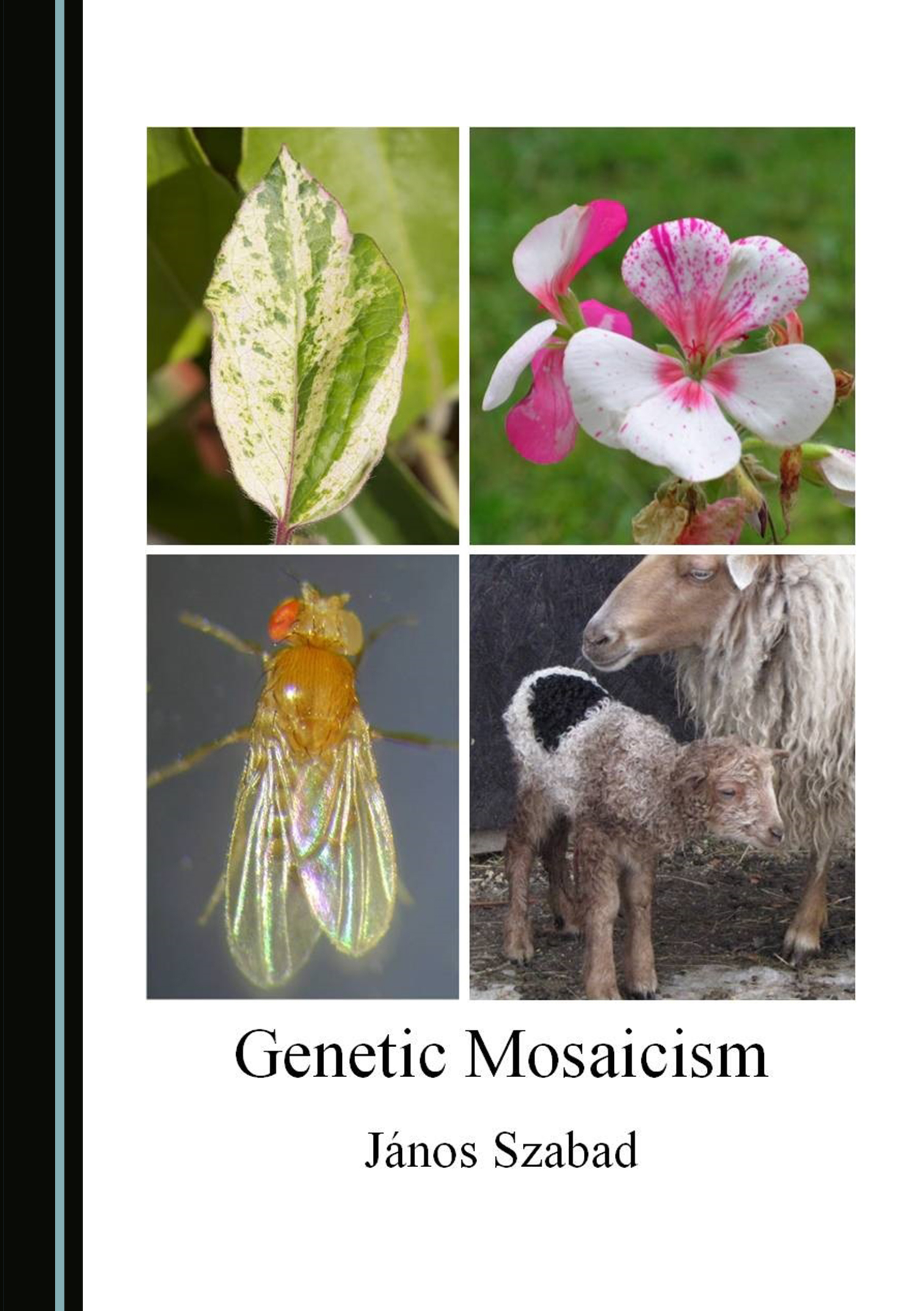
From spotted dogs to mosaic irises, genetic mosaics are all around us—in fact, we are all mosaics. But little is known about the genetic bases of their origin. This book overviews the mechanisms behind mosaicism, with examples illustrating their impact on our lives.
From spotted dogs to mosaic irises, genetic mosaics are all around us—in fact, we are all mosaics. But little is known about the genetic bases of their origin. This book overviews the mechanisms behind mosaicism, with examples illustrating their impact on our lives.
View more
This product has multiple variants. The options may be chosen on the product page

View more
This product has multiple variants. The options may be chosen on the product page
Molecular Strategies of Creatures to Survive in Acidic Environments
Invitation to the Acidic World
From bacteria to human cancer cells, organisms must survive in an "acidic world." This book summarizes current research into the molecular mechanisms that allow life to thrive in acidic environments, opening up a new way of understanding life itself.
From bacteria to human cancer cells, organisms must survive in an “acidic world.” This book summarizes current research into the molecular mechanisms that allow life to thrive in acidic environments, opening up a new way of understanding life itself.
View more
This product has multiple variants. The options may be chosen on the product page