
View more
This product has multiple variants. The options may be chosen on the product page
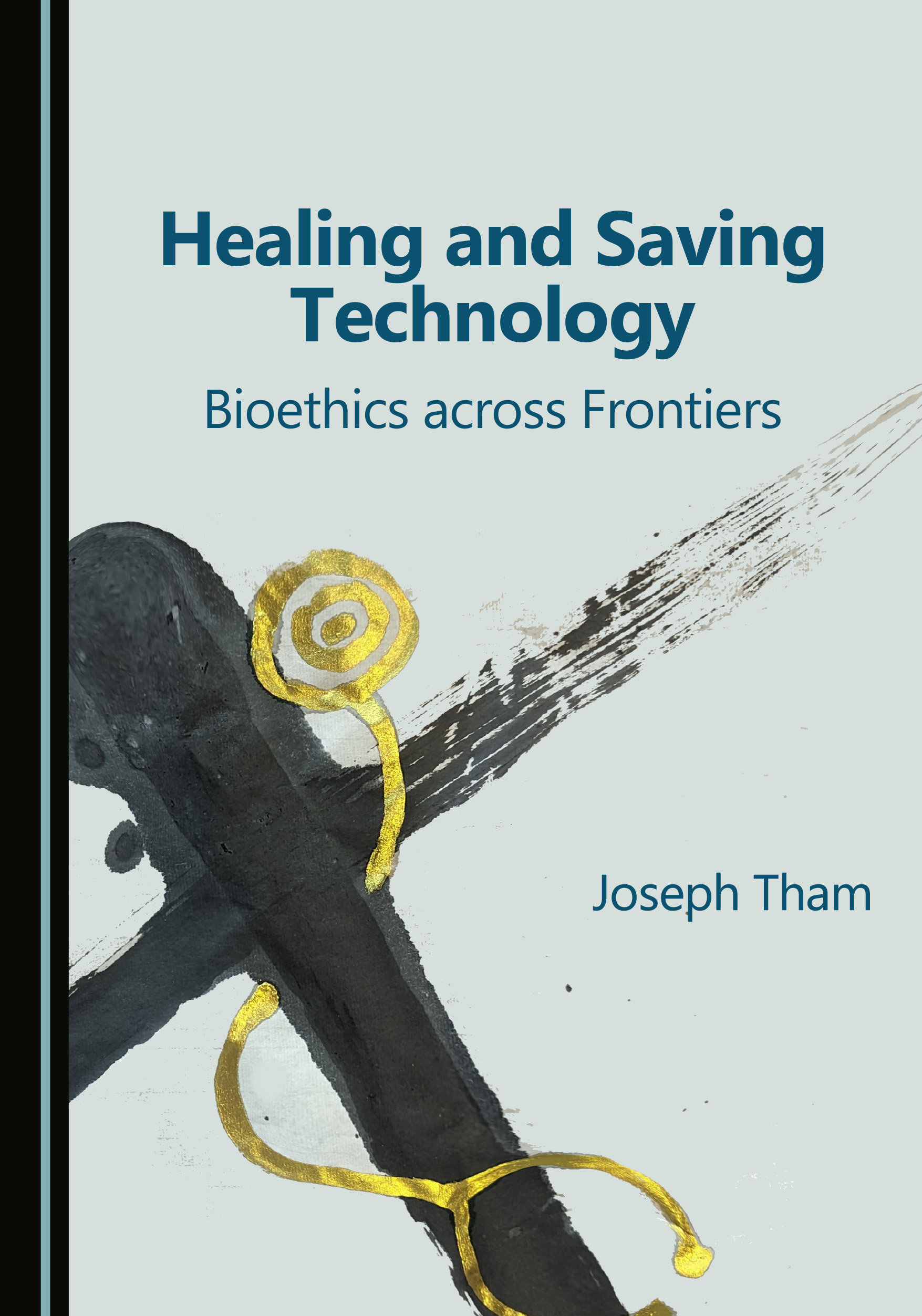
Healing and Saving Technology
Bioethics across Frontiers
Physician, priest, and philosopher Rev Joseph Tham explores the ethical frontiers of medicine, technology, and faith. This anthology presents a rich tapestry of insights, bridging traditional Catholic teachings with contemporary debates on suffering, dignity, and human identity.
Physician, priest, and philosopher Rev Joseph Tham explores the ethical frontiers of medicine, technology, and faith. This anthology presents a rich tapestry of insights, bridging traditional Catholic teachings with contemporary debates on suffering, dignity, and human identity.
View more
This product has multiple variants. The options may be chosen on the product page
View more
This product has multiple variants. The options may be chosen on the product page
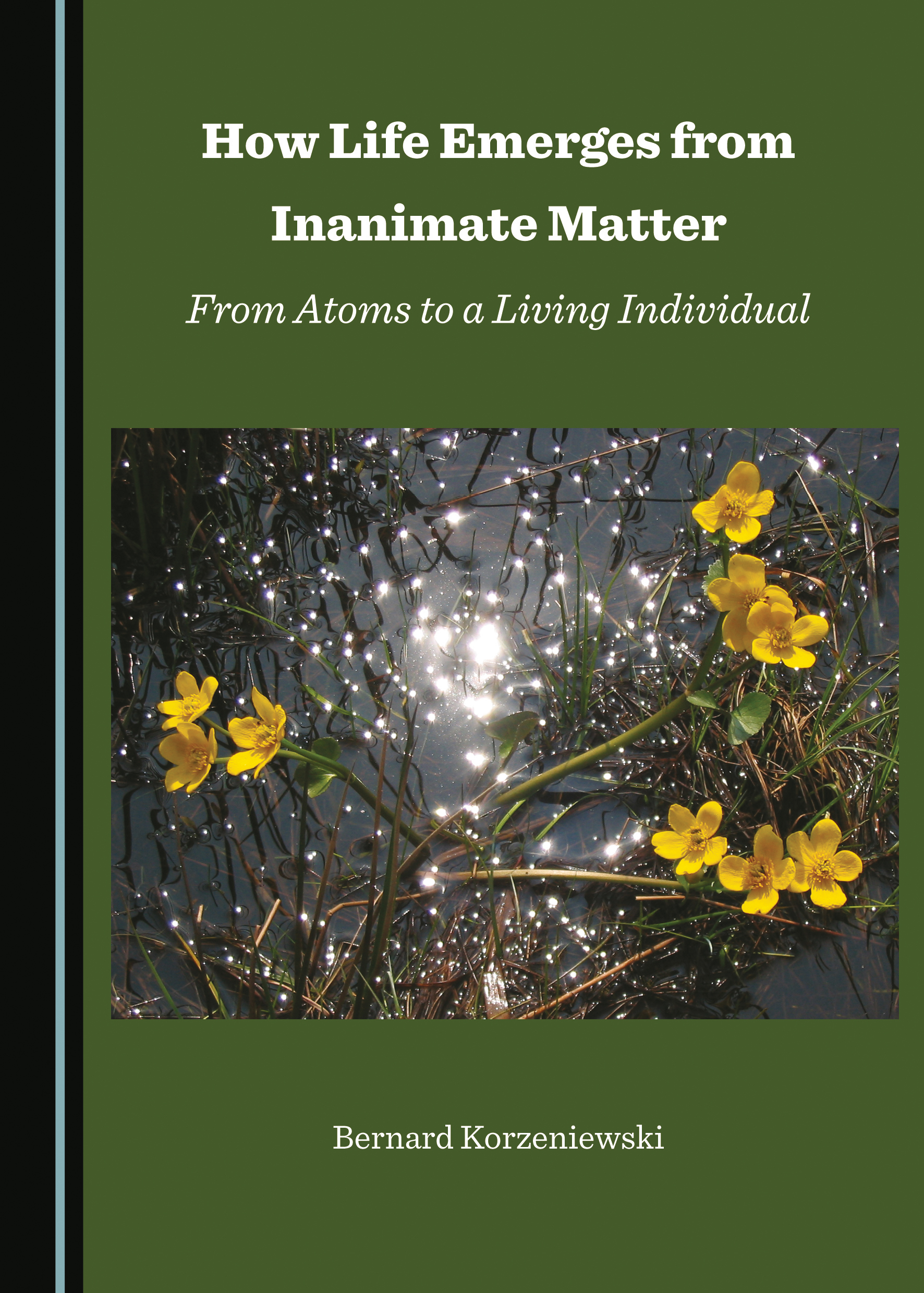
How Life Emerges from Inanimate Matter
From Atoms to a Living Individual
This book describes how life emerges from inanimate matter. It analyzes this transition as it occurs in space, from simple particles to individuals; in time, through biological evolution; and in embryonic development, offering a unique, multi-disciplinary analysis of all three.
This book describes how life emerges from inanimate matter. It analyzes this transition as it occurs in space, from simple particles to individuals; in time, through biological evolution; and in embryonic development, offering a unique, multi-disciplinary analysis of all three.
View more
This product has multiple variants. The options may be chosen on the product page
View more
This product has multiple variants. The options may be chosen on the product page
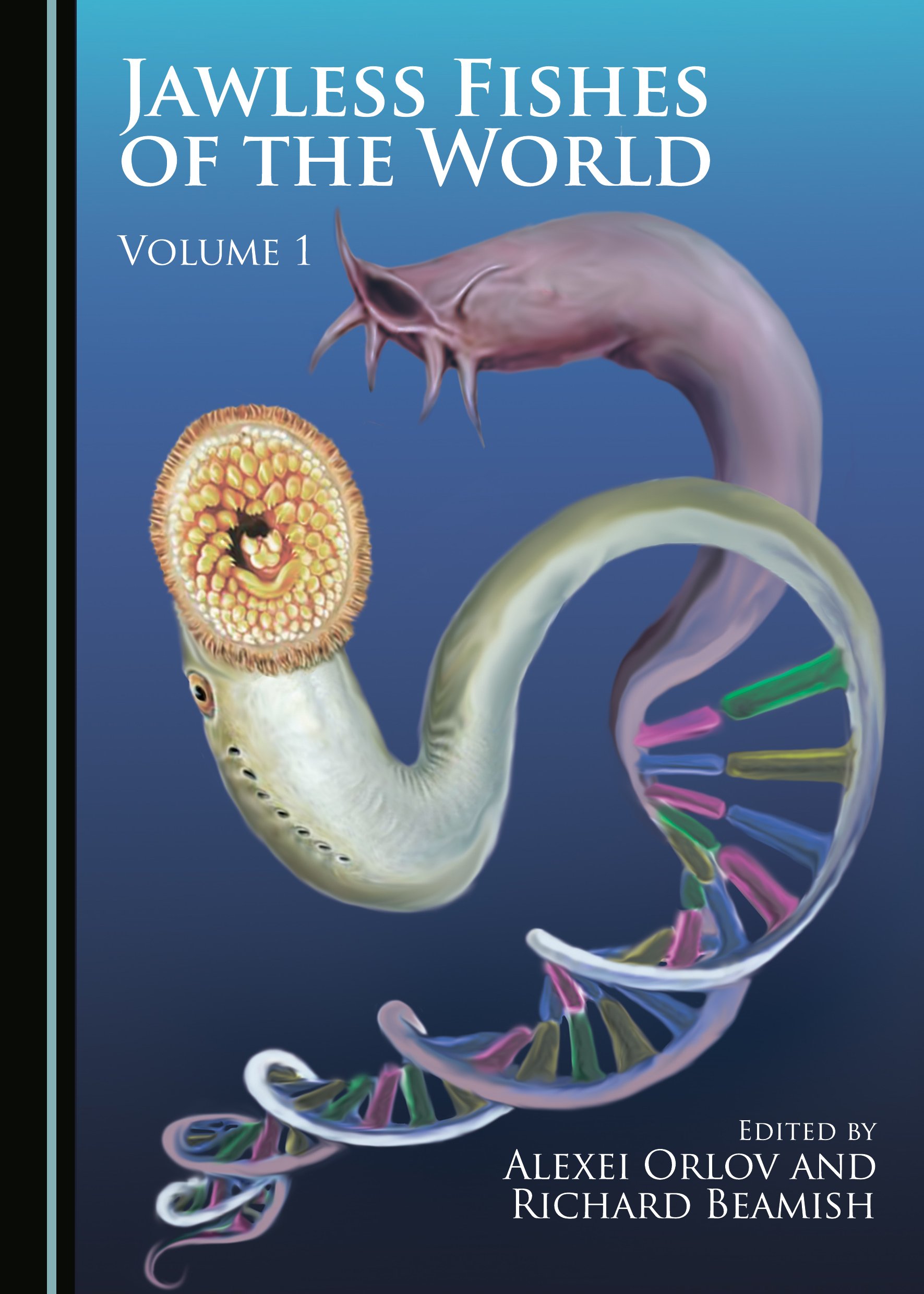
Jawless Fishes of the World
Volume 1
The first book to focus exclusively on various aspects of jawless fish species throughout the world, this volume provides an overview of a variety of related topics, including their taxonomy, zoogeography, phylogeny, molecular biology, evolution, and role in the ecosystem.
The first book to focus exclusively on various aspects of jawless fish species throughout the world, this volume provides an overview of a variety of related topics, including their taxonomy, zoogeography, phylogeny, molecular biology, evolution, and role in the ecosystem.
View more
This product has multiple variants. The options may be chosen on the product page
View more
This product has multiple variants. The options may be chosen on the product page
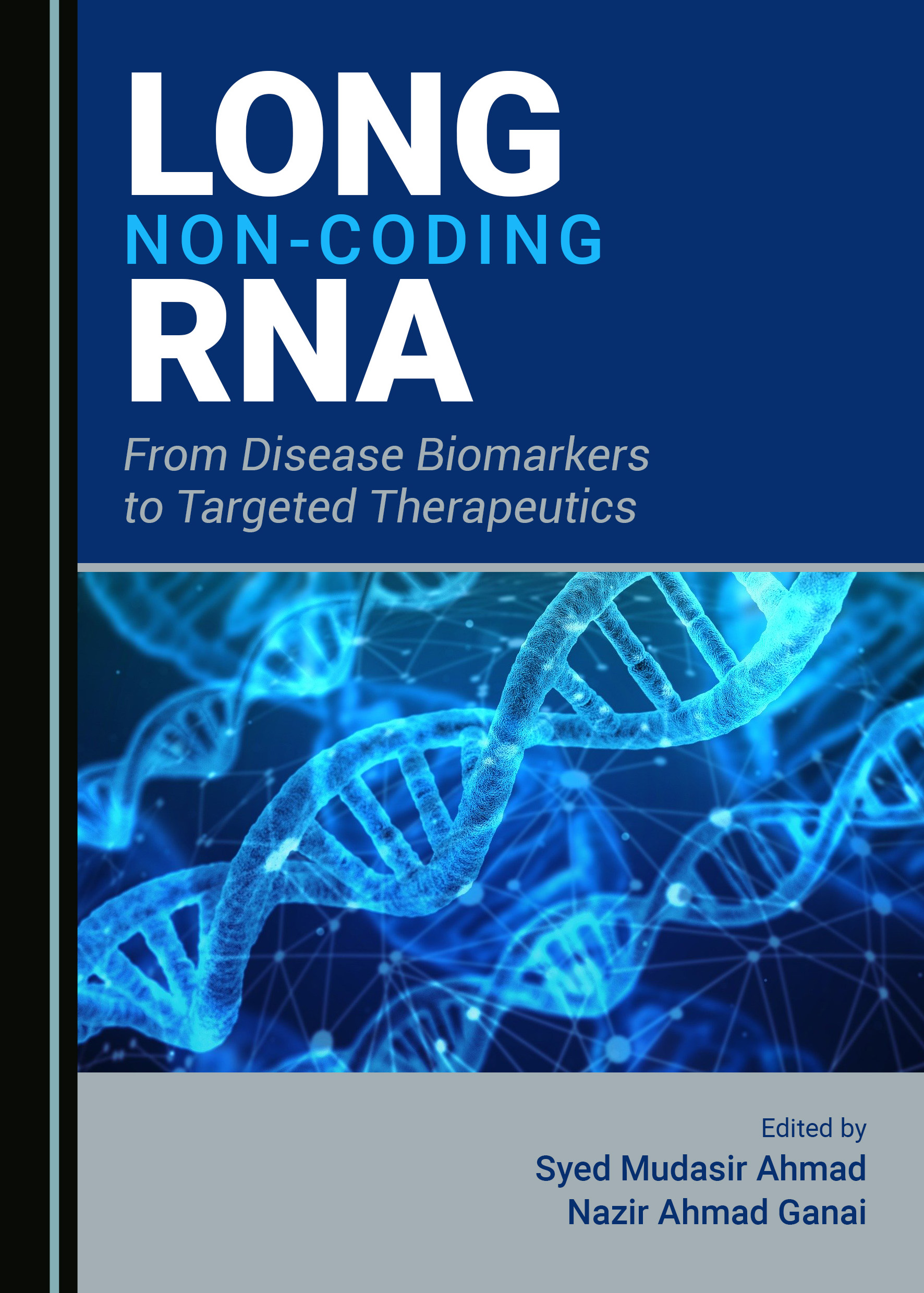
Long Non-Coding RNA
From Disease Biomarkers to Targeted Therapeutics
Once dismissed as genomic “noise,” Long non-coding RNAs (LncRNAs) are now known to regulate genes and are involved in diverse diseases like cancer. As their mechanisms are still ambiguous, this book provides a comprehensive account of lncRNA research.
Once dismissed as genomic “noise,” Long non-coding RNAs (LncRNAs) are now known to regulate genes and are involved in diverse diseases like cancer. As their mechanisms are still ambiguous, this book provides a comprehensive account of lncRNA research.
View more
This product has multiple variants. The options may be chosen on the product page
View more
This product has multiple variants. The options may be chosen on the product page
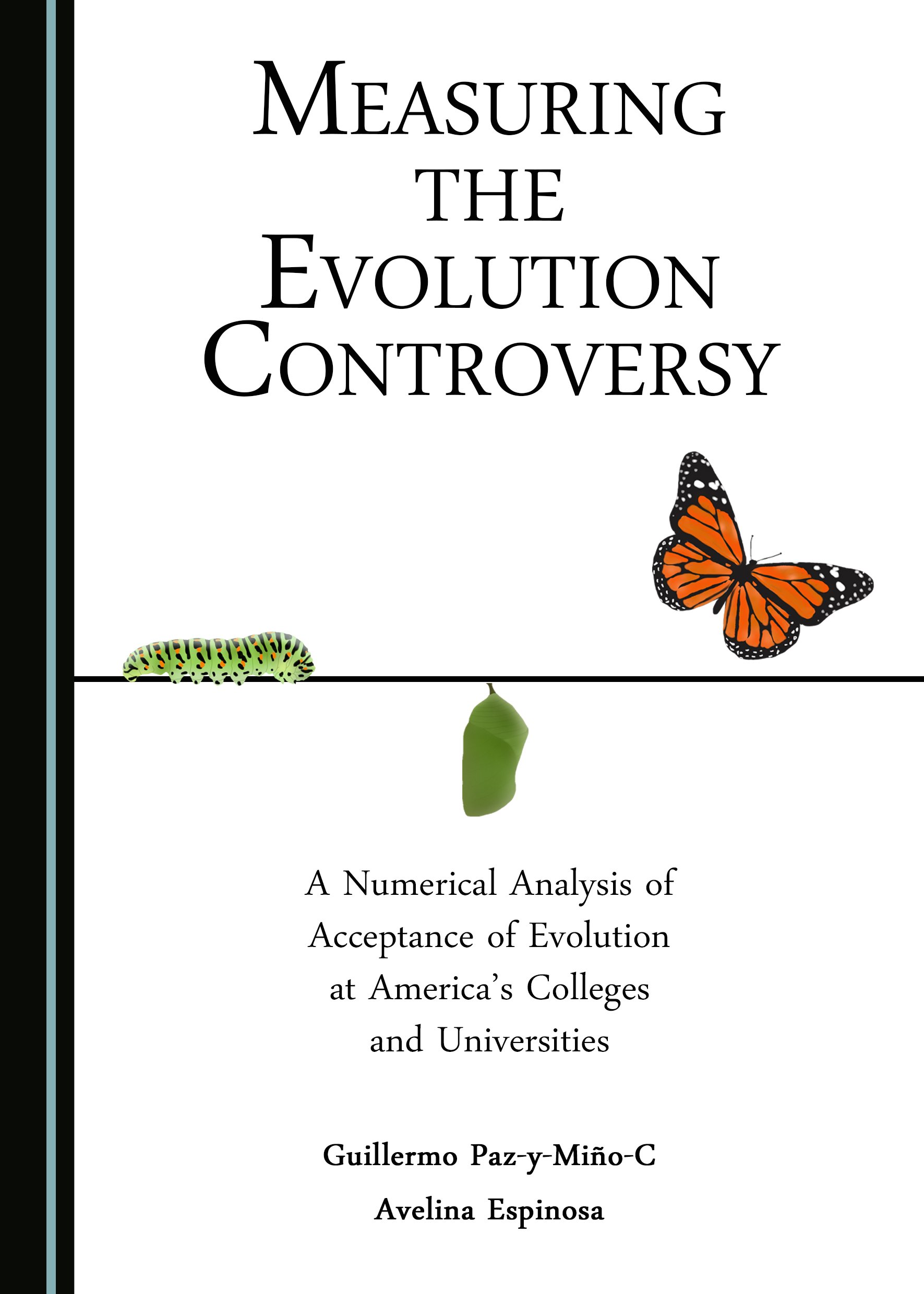
Measuring the Evolution Controversy
A Numerical Analysis of Acceptance of Evolution at America's Colleges and Universities
Why do so many people reject evolution? The authors postulate the "incompatibility hypothesis": a fundamental conflict between scientific rationalism and supernatural belief. They test this by examining how education and religiosity impact evolution's acceptance.
Why do so many people reject evolution? The authors postulate the “incompatibility hypothesis”: a fundamental conflict between scientific rationalism and supernatural belief. They test this by examining how education and religiosity impact evolution’s acceptance.
View more
This product has multiple variants. The options may be chosen on the product page

View more
This product has multiple variants. The options may be chosen on the product page
Molecular Strategies of Creatures to Survive in Acidic Environments
Invitation to the Acidic World
From bacteria to human cancer cells, organisms must survive in an "acidic world." This book summarizes current research into the molecular mechanisms that allow life to thrive in acidic environments, opening up a new way of understanding life itself.
From bacteria to human cancer cells, organisms must survive in an “acidic world.” This book summarizes current research into the molecular mechanisms that allow life to thrive in acidic environments, opening up a new way of understanding life itself.
View more
This product has multiple variants. The options may be chosen on the product page
View more
This product has multiple variants. The options may be chosen on the product page
Principles of Human Locomotion
Notes from an Exercise Biologist
What separates the living from the inanimate? This book seeks answers in the biology of human locomotion, exploring how our adaptations to physical exercise reveal the fundamental principles of life itself. A thought-provoking analysis for any curious mind.
What separates the living from the inanimate? This book seeks answers in the biology of human locomotion, exploring how our adaptations to physical exercise reveal the fundamental principles of life itself. A thought-provoking analysis for any curious mind.
View more
This product has multiple variants. The options may be chosen on the product page
View more
This product has multiple variants. The options may be chosen on the product page
Recent Developments in Plant Biotechnology
Progress in Lipidomics and Proteomics
This volume explores advances in plant biotechnology, focusing on the use of lipids and proteins from plant tissues in industrial applications. The book discusses an emerging field of research and will appeal to readers in medical, biochemical, and biotechnological disciplines.
This volume explores advances in plant biotechnology, focusing on the use of lipids and proteins from plant tissues in industrial applications. The book discusses an emerging field of research and will appeal to readers in medical, biochemical, and biotechnological disciplines.
View more
This product has multiple variants. The options may be chosen on the product page
View more
This product has multiple variants. The options may be chosen on the product page
£59.99
Protecting biodiversity requires safeguarding unique animal breeds. This book details the cryopreservation of avian stem cells and sperm, exploring methods and their applications in medicine, biotechnology, and conservation to secure genetic diversity for future generations.
Protecting biodiversity requires safeguarding unique animal breeds. This book details the cryopreservation of avian stem cells and sperm, exploring methods and their applications in medicine, biotechnology, and conservation to secure genetic diversity for future generations.
View more
This product has multiple variants. The options may be chosen on the product page
View more
This product has multiple variants. The options may be chosen on the product page
From £31.99
This book provides fascinating insights into actinomycetes and their synthesis of bioactive molecules like enzymes and nanoparticles. Microorganisms are a huge reservoir of resources for innovative applications and should be explored for antibiotics, enzymes, and nanoparticles.
This book provides fascinating insights into actinomycetes and their synthesis of bioactive molecules like enzymes and nanoparticles. Microorganisms are a huge reservoir of resources for innovative applications and should be explored for antibiotics, enzymes, and nanoparticles.
View more
This product has multiple variants. The options may be chosen on the product page
View more
This product has multiple variants. The options may be chosen on the product page
The Determination of a Lifespan
A 400-Year-Old Shark and a 40,000-Year-Old Plant
Human lifespan differs by as much as 30 years across the world due to factors like meals, disease, and genes. This book clarifies these factors and suggests how to live longer. It also surveys animals and plants living for 10,000 years or longer.
Human lifespan differs by as much as 30 years across the world due to factors like meals, disease, and genes. This book clarifies these factors and suggests how to live longer. It also surveys animals and plants living for 10,000 years or longer.
View more
This product has multiple variants. The options may be chosen on the product page
View more
This product has multiple variants. The options may be chosen on the product page
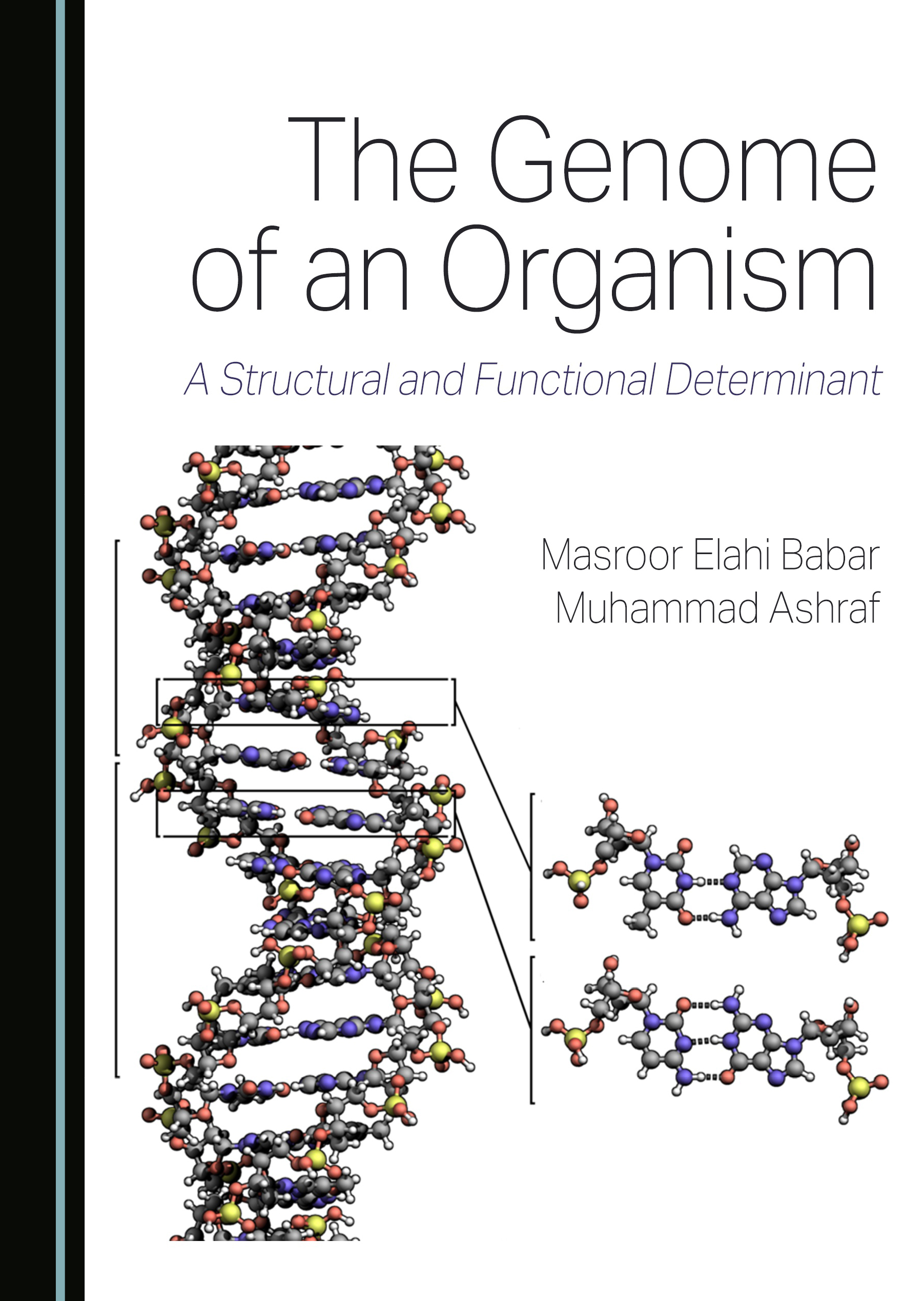
The Genome of an Organism
A Structural and Functional Determinant
This book explains the fundamental processes of evolutionary genetics, such as mutation, natural selection, and speciation. It provides an up-to-date overview of the field, discussing the theories of Darwin and Mendel, adaptation, and the origin of new genes.
This book explains the fundamental processes of evolutionary genetics, such as mutation, natural selection, and speciation. It provides an up-to-date overview of the field, discussing the theories of Darwin and Mendel, adaptation, and the origin of new genes.
View more
This product has multiple variants. The options may be chosen on the product page
View more
This product has multiple variants. The options may be chosen on the product page
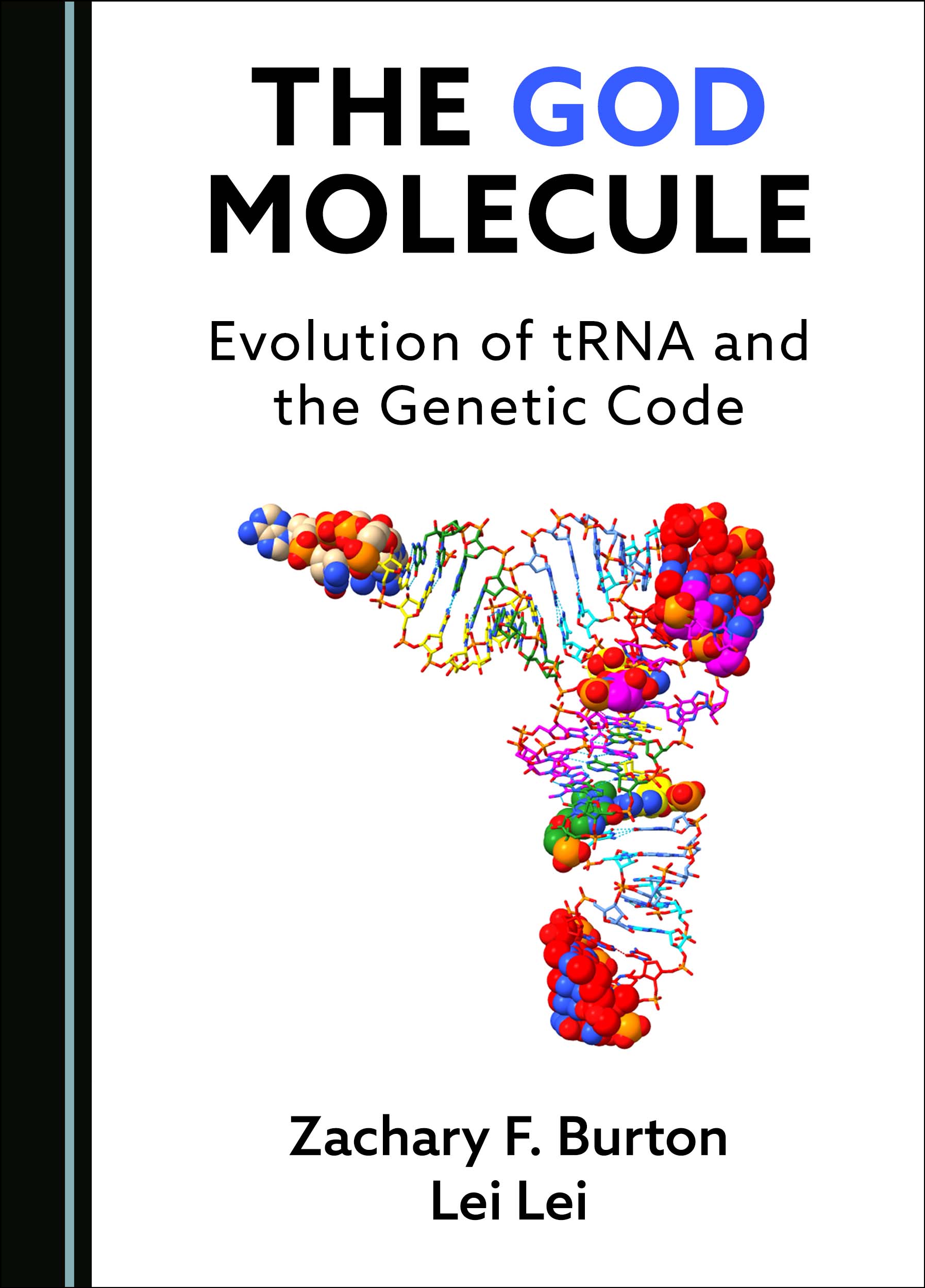
The God Molecule
Evolution of tRNA and the Genetic Code
Transfer RNA (tRNA) is a molecular fossil that tells the story of the evolution of the genetic code and the origin of life. Analysis of its pre-life sequences provides clear insights into how life began and shows why tRNA is required to generate life on Earth or another planet.
Transfer RNA (tRNA) is a molecular fossil that tells the story of the evolution of the genetic code and the origin of life. Analysis of its pre-life sequences provides clear insights into how life began and shows why tRNA is required to generate life on Earth or another planet.
View more
This product has multiple variants. The options may be chosen on the product page
View more
This product has multiple variants. The options may be chosen on the product page
From £19.99
Contributors to this book accept an evolutionary account of life, mind and religion. However, they hold divergent views on the relation of mind to brain, the validity of religious belief, and how even Christ may be seen as an aspect of the evolutionary process.
Contributors to this book accept an evolutionary account of life, mind and religion. However, they hold divergent views on the relation of mind to brain, the validity of religious belief, and how even Christ may be seen as an aspect of the evolutionary process.
View more
This product has multiple variants. The options may be chosen on the product page
View more
This product has multiple variants. The options may be chosen on the product page
£61.99
Ageing is not a disease. In an era of unfulfilled social care, this book presents an anthropological view that focuses on three essential conditions of human life that become vulnerable with advancing age: relating to others, being in the world, and leaving a legacy.
Ageing is not a disease. In an era of unfulfilled social care, this book presents an anthropological view that focuses on three essential conditions of human life that become vulnerable with advancing age: relating to others, being in the world, and leaving a legacy.
View more
This product has multiple variants. The options may be chosen on the product page
View more
This product has multiple variants. The options may be chosen on the product page
What Is Life and What Is Consciousness
A Front-Line Informational Model and Applications
What is life? What is consciousness? This book tackles these age-old questions with a new concept: matter-related information. It demonstrates that information is an indispensable contributor to the organization and functionality of all living systems.
What is life? What is consciousness? This book tackles these age-old questions with a new concept: matter-related information. It demonstrates that information is an indispensable contributor to the organization and functionality of all living systems.
View more
This product has multiple variants. The options may be chosen on the product page
View more
This product has multiple variants. The options may be chosen on the product page
£47.99
Evolution is the mesh that connects every biological phenomenon. This book highlights how evolutionary science provides practical applications and tools to deal with current problems concerning humanity, such as disease, food production, and environmental destruction.
Evolution is the mesh that connects every biological phenomenon. This book highlights how evolutionary science provides practical applications and tools to deal with current problems concerning humanity, such as disease, food production, and environmental destruction.
View more
This product has multiple variants. The options may be chosen on the product page
Processing Your Order
Please wait while we securely process your order.
Do not refresh or leave this page.
You will be redirected shortly to a confirmation page with your order number.