
View more
This product has multiple variants. The options may be chosen on the product page
From £49.99
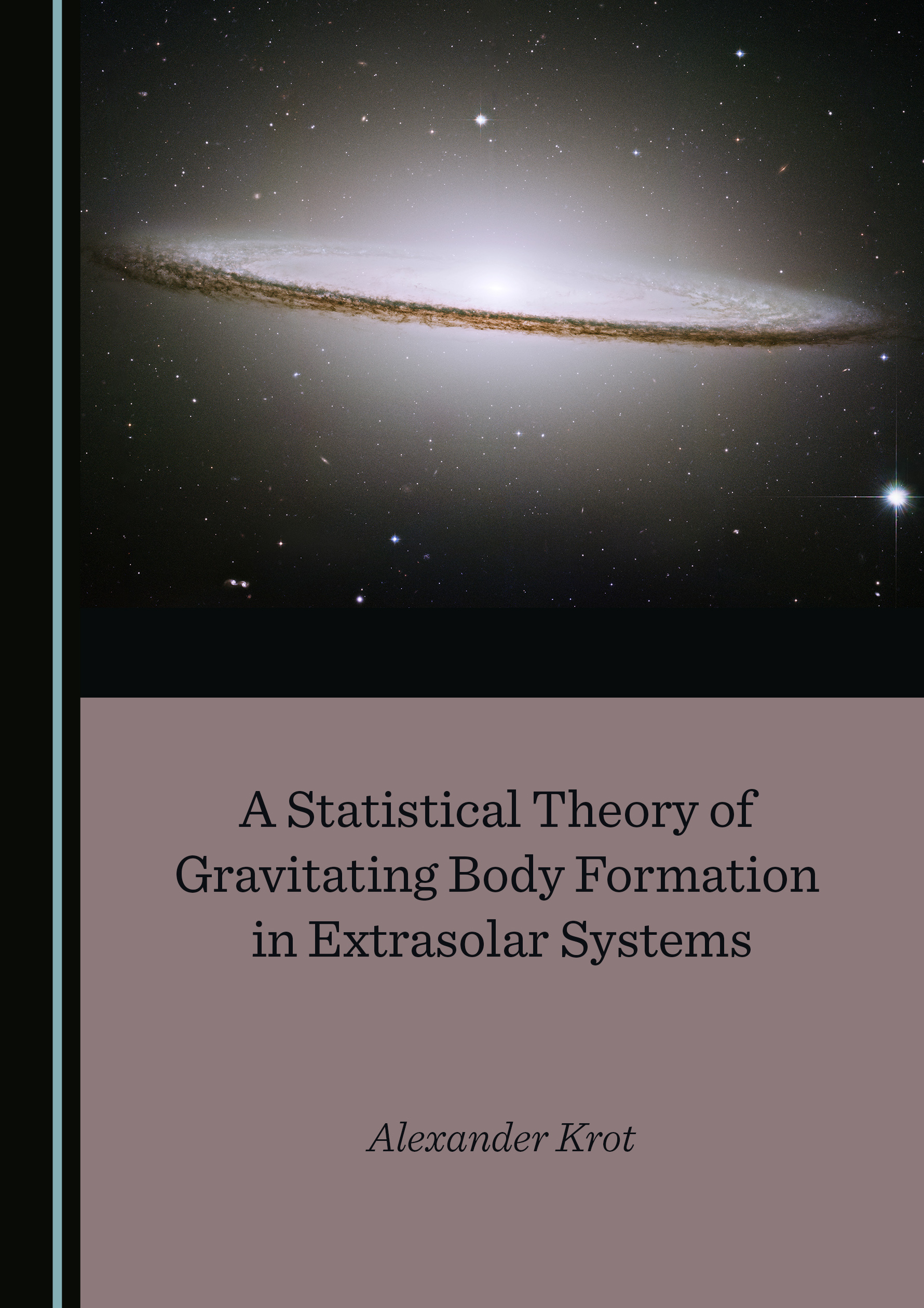
This book develops the statistical mechanics of planet and star formation in our solar system and exoplanetary systems. It presents a new statistical theory, a universal stellar law, and a new law for the distribution of planets in the solar system.
This book develops the statistical mechanics of planet and star formation in our solar system and exoplanetary systems. It presents a new statistical theory, a universal stellar law, and a new law for the distribution of planets in the solar system.
View more
This product has multiple variants. The options may be chosen on the product page
View more
This product has multiple variants. The options may be chosen on the product page
£90.00
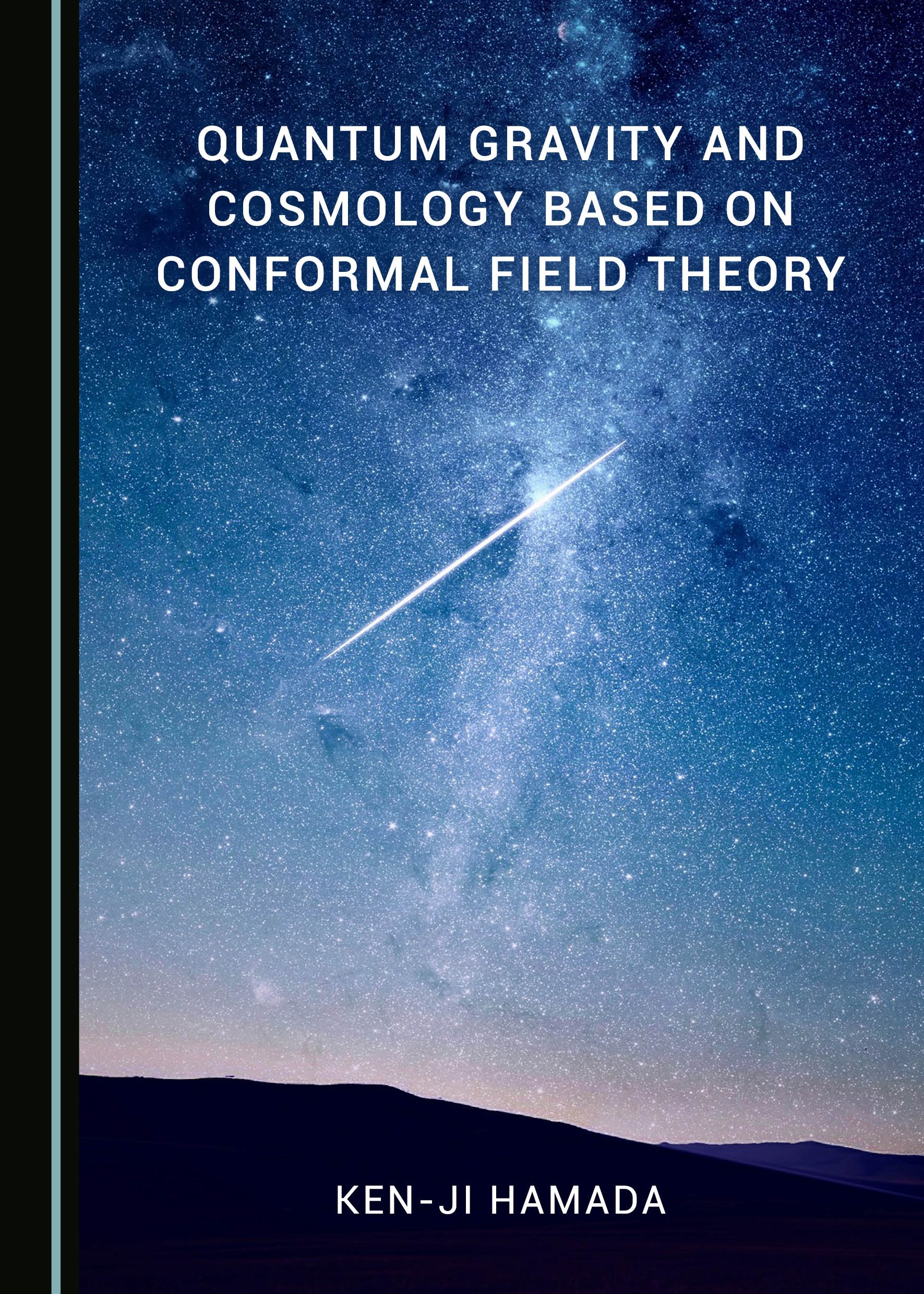
Quantum gravity seeks to reveal physical laws beyond the Planck scale, in a background-free world where time and distance are lost. This book introduces a renormalizable theory that helps us understand the history of the universe, from its birth to the present.
Quantum gravity seeks to reveal physical laws beyond the Planck scale, in a background-free world where time and distance are lost. This book introduces a renormalizable theory that helps us understand the history of the universe, from its birth to the present.
View more
This product has multiple variants. The options may be chosen on the product page
View more
This product has multiple variants. The options may be chosen on the product page
From £43.99
This book sets forth the theory of optimal manoeuvring near a circular orbit for transfer and rendezvous problems. It presents simple analytical methods for real spacecraft and details effective methods for manoeuvre assessment to more accurately propagate collision hazards.
This book sets forth the theory of optimal manoeuvring near a circular orbit for transfer and rendezvous problems. It presents simple analytical methods for real spacecraft and details effective methods for manoeuvre assessment to more accurately propagate collision hazards.
View more
This product has multiple variants. The options may be chosen on the product page

View more
This product has multiple variants. The options may be chosen on the product page
Tectonochronology
Methods, Theories, and Cases
This book highlights new findings and methods in tectonochronology for the accurate dating of geological processes. It explores topics like mineral formation, dating deformation, and the influence of stress and fluid, with case studies from Chinese geology applicable worldwide.
This book highlights new findings and methods in tectonochronology for the accurate dating of geological processes. It explores topics like mineral formation, dating deformation, and the influence of stress and fluid, with case studies from Chinese geology applicable worldwide.
View more
This product has multiple variants. The options may be chosen on the product page
View more
This product has multiple variants. The options may be chosen on the product page
From £38.99
This book uses AI to explore the cosmos’ biggest mystery: dark matter and dark energy. It identifies a cosmic engine fueled by dark energy and presents a solution to the cosmological constant problem that has troubled physicists for decades.
This book uses AI to explore the cosmos’ biggest mystery: dark matter and dark energy. It identifies a cosmic engine fueled by dark energy and presents a solution to the cosmological constant problem that has troubled physicists for decades.
View more
This product has multiple variants. The options may be chosen on the product page
View more
This product has multiple variants. The options may be chosen on the product page
From £37.99
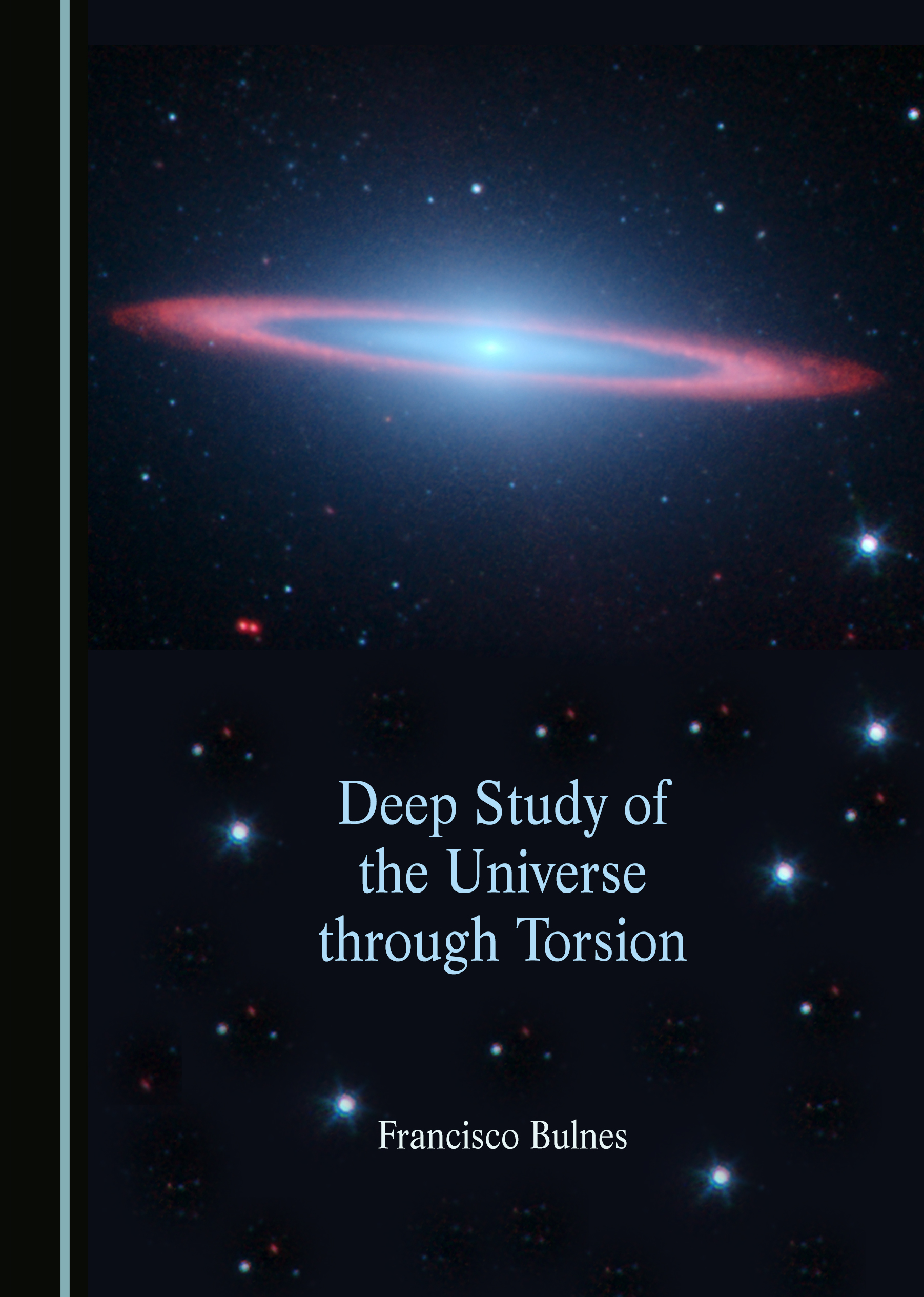
This book contains recent and important results on the deep study of the universe, with great impact on space-time research and the creation of future technologies. It will appeal to mathematicians, scientists, cosmologists, researchers, and postgraduate students.
This book contains recent and important results on the deep study of the universe, with great impact on space-time research and the creation of future technologies. It will appeal to mathematicians, scientists, cosmologists, researchers, and postgraduate students.
View more
This product has multiple variants. The options may be chosen on the product page
View more
This product has multiple variants. The options may be chosen on the product page
£72.99
What is our place in the universe? This book offers a journey through our evolving understanding of the cosmos, from ancient myths to modern physics. It explains quantum physics and relativity without mathematical baggage, revealing that our world is ultimately unpredictable.
What is our place in the universe? This book offers a journey through our evolving understanding of the cosmos, from ancient myths to modern physics. It explains quantum physics and relativity without mathematical baggage, revealing that our world is ultimately unpredictable.
View more
This product has multiple variants. The options may be chosen on the product page
View more
This product has multiple variants. The options may be chosen on the product page
From £36.99
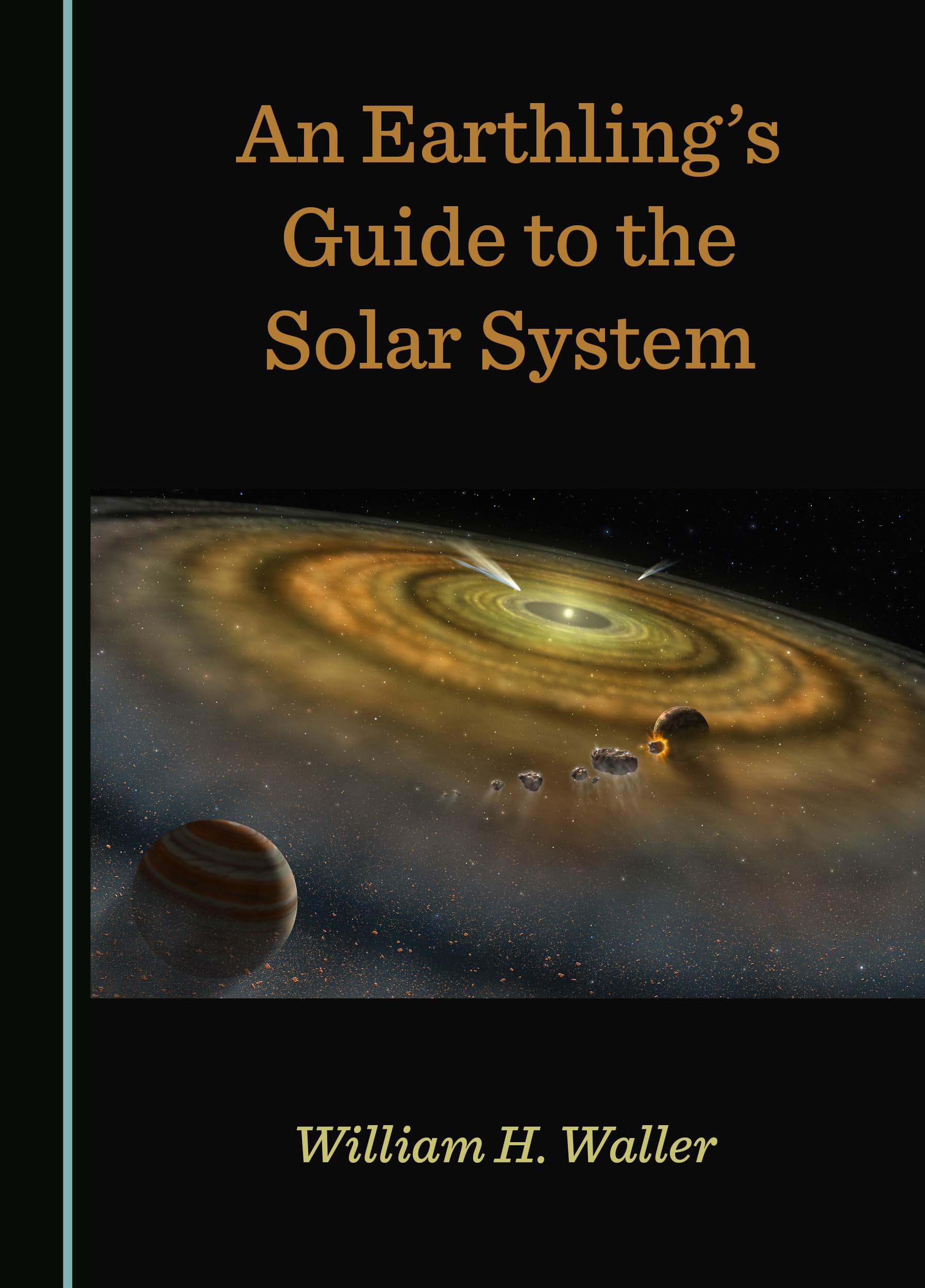
Take a tour of our Solar System, from rocky planets and gas giants to asteroids and comets. Informed by the latest space missions, this accessible guide explores our home system, its origin, distant exoplanets, and its cosmic context as a wellspring of life.
Take a tour of our Solar System, from rocky planets and gas giants to asteroids and comets. Informed by the latest space missions, this accessible guide explores our home system, its origin, distant exoplanets, and its cosmic context as a wellspring of life.
View more
This product has multiple variants. The options may be chosen on the product page
View more
This product has multiple variants. The options may be chosen on the product page
From £36.99
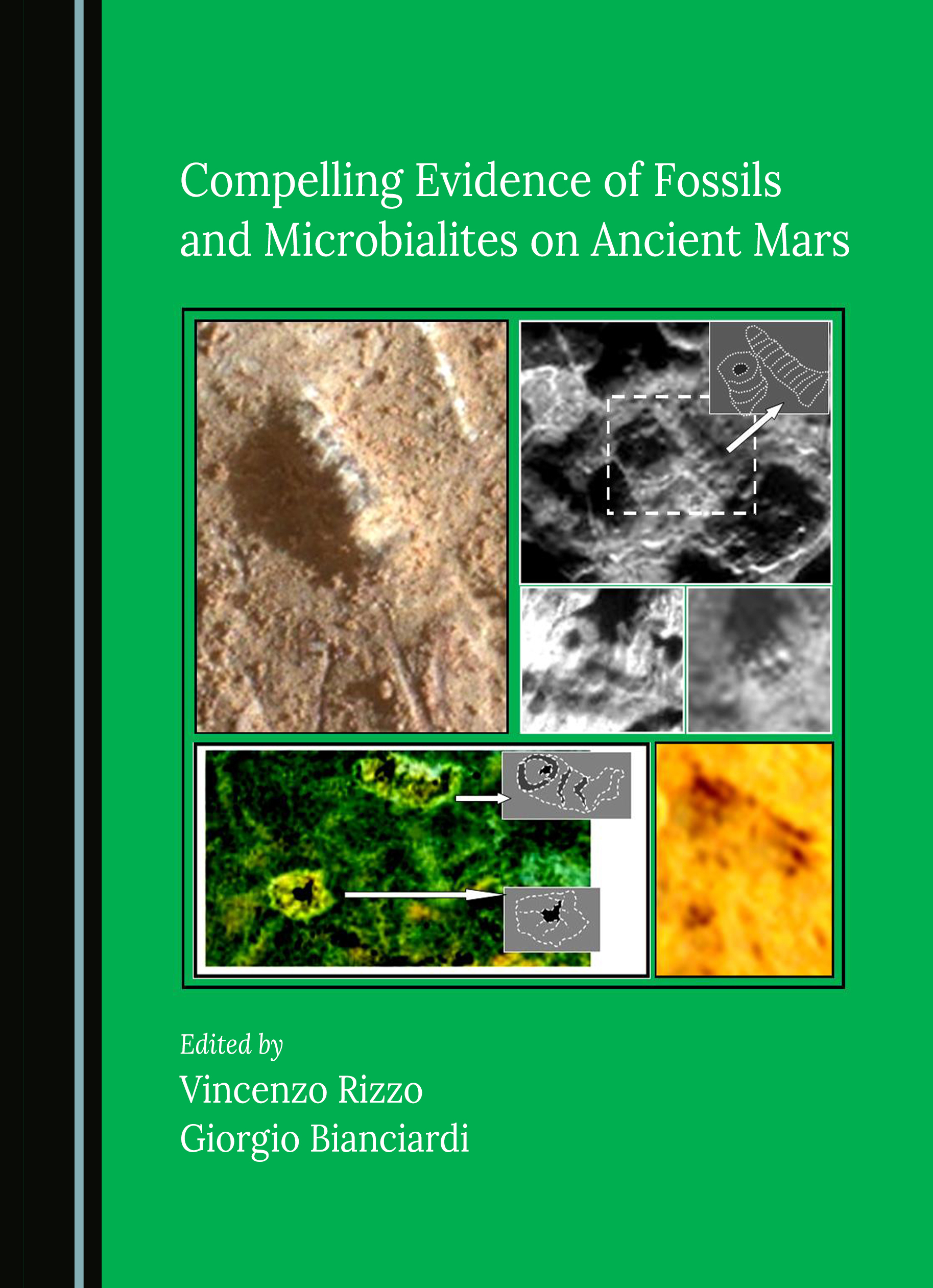
This book offers an amazing collection of analyzed images from the Red Planet, suggestive of ancestral life on Mars. It evidences possible microbial life and complex structures reminiscent of terrestrial fossils, a presentation of importance for astrobiologists and space lovers.
This book offers an amazing collection of analyzed images from the Red Planet, suggestive of ancestral life on Mars. It evidences possible microbial life and complex structures reminiscent of terrestrial fossils, a presentation of importance for astrobiologists and space lovers.
View more
This product has multiple variants. The options may be chosen on the product page
View more
This product has multiple variants. The options may be chosen on the product page
From £35.99
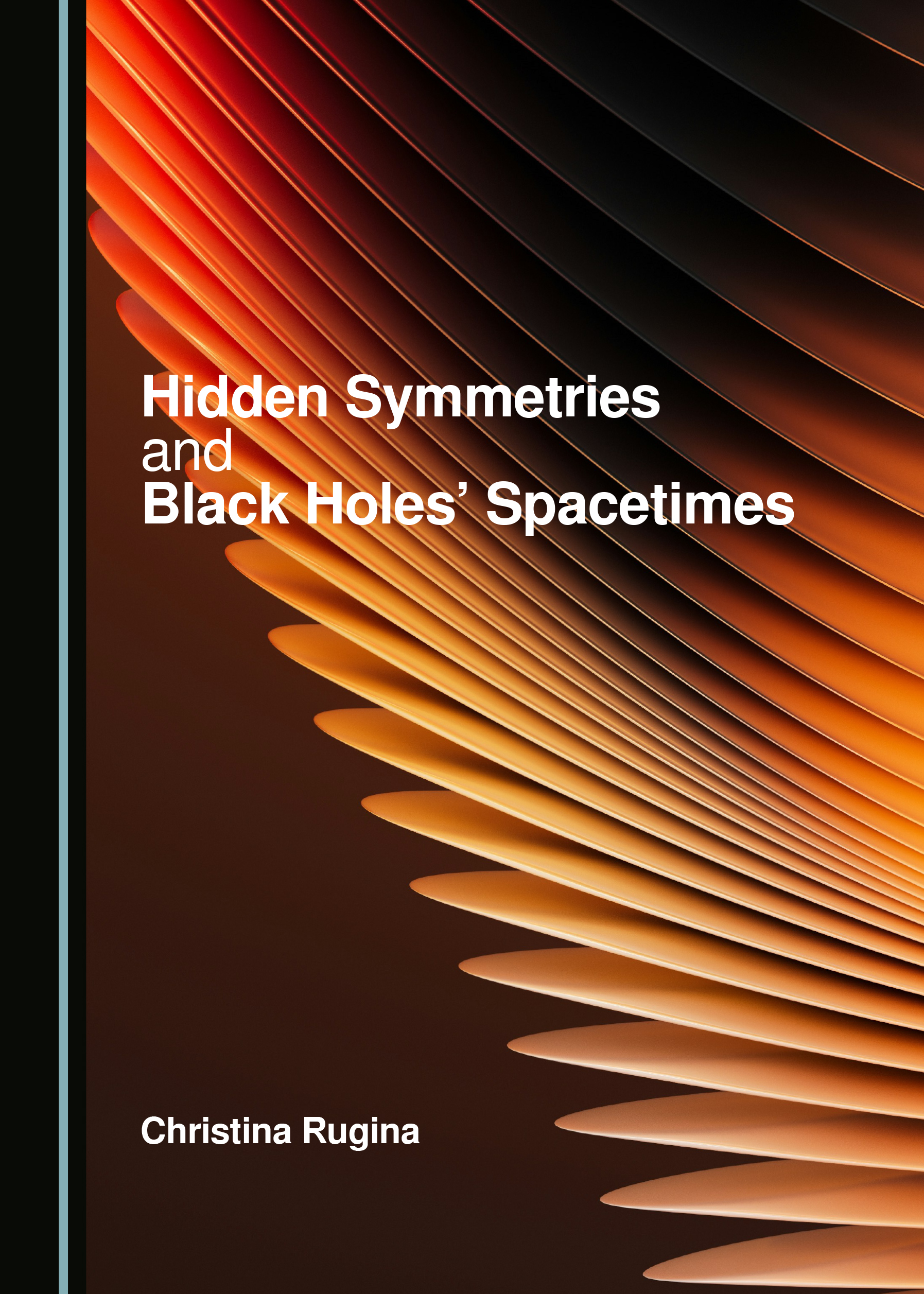
This book provides a graduate-level introduction to classical and quantum black holes. It details examples of integrable systems, hidden symmetries in black hole spacetime, and resolutions to the information paradox, presenting an overview of cutting-edge research.
This book provides a graduate-level introduction to classical and quantum black holes. It details examples of integrable systems, hidden symmetries in black hole spacetime, and resolutions to the information paradox, presenting an overview of cutting-edge research.
View more
This product has multiple variants. The options may be chosen on the product page
View more
This product has multiple variants. The options may be chosen on the product page
From £35.99
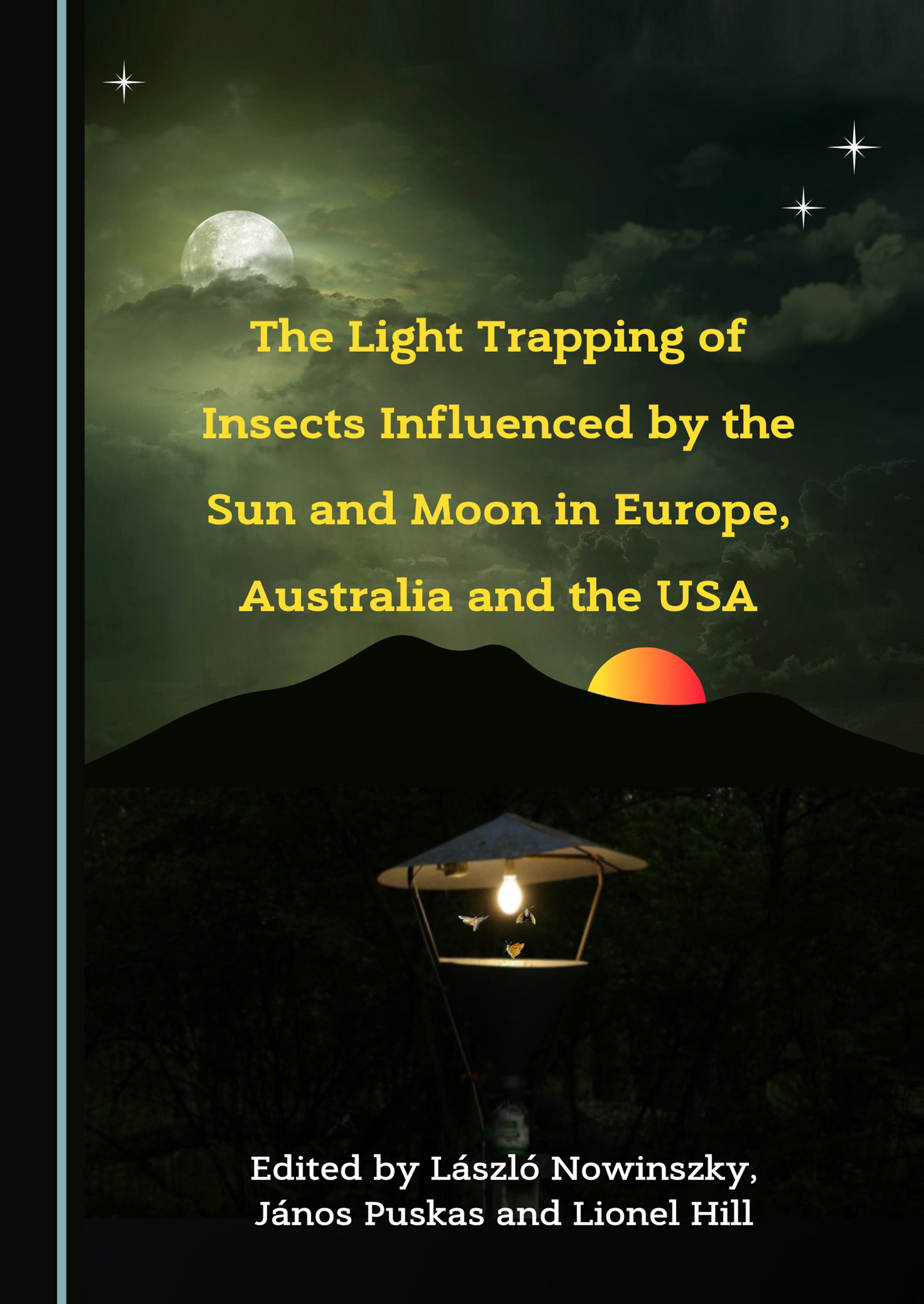
This book examines the influence of solar activity on the light trapping of insects. Using data from a huge amount of moths from multiple continents, it demonstrates that the Sun has a multifaceted effect on their flight activity—an unprecedented finding.
This book examines the influence of solar activity on the light trapping of insects. Using data from a huge amount of moths from multiple continents, it demonstrates that the Sun has a multifaceted effect on their flight activity—an unprecedented finding.
View more
This product has multiple variants. The options may be chosen on the product page
View more
This product has multiple variants. The options may be chosen on the product page
From £33.99
This book explores the ponderomotive wave forces of space plasma and their theoretical implications. The theory offers a vital tool for analyzing plasma data from the terrestrial and Martian environments, providing a roadmap for interpreting distant stellar and galactic objects.
This book explores the ponderomotive wave forces of space plasma and their theoretical implications. The theory offers a vital tool for analyzing plasma data from the terrestrial and Martian environments, providing a roadmap for interpreting distant stellar and galactic objects.
View more
This product has multiple variants. The options may be chosen on the product page
View more
This product has multiple variants. The options may be chosen on the product page
Astronomy for Cloudy Nights
Eight Essays of Respite from Frustrating Skies
Educational, humorous essays connecting astronomy to the arts—from literature to pop music. Autobiographical in places, it shares breathtaking stories of telescope observing around the world, from a childhood discovery to the high altitude of the Bolivian Andes.
Educational, humorous essays connecting astronomy to the arts—from literature to pop music. Autobiographical in places, it shares breathtaking stories of telescope observing around the world, from a childhood discovery to the high altitude of the Bolivian Andes.
View more
This product has multiple variants. The options may be chosen on the product page
View more
This product has multiple variants. The options may be chosen on the product page
From £32.99
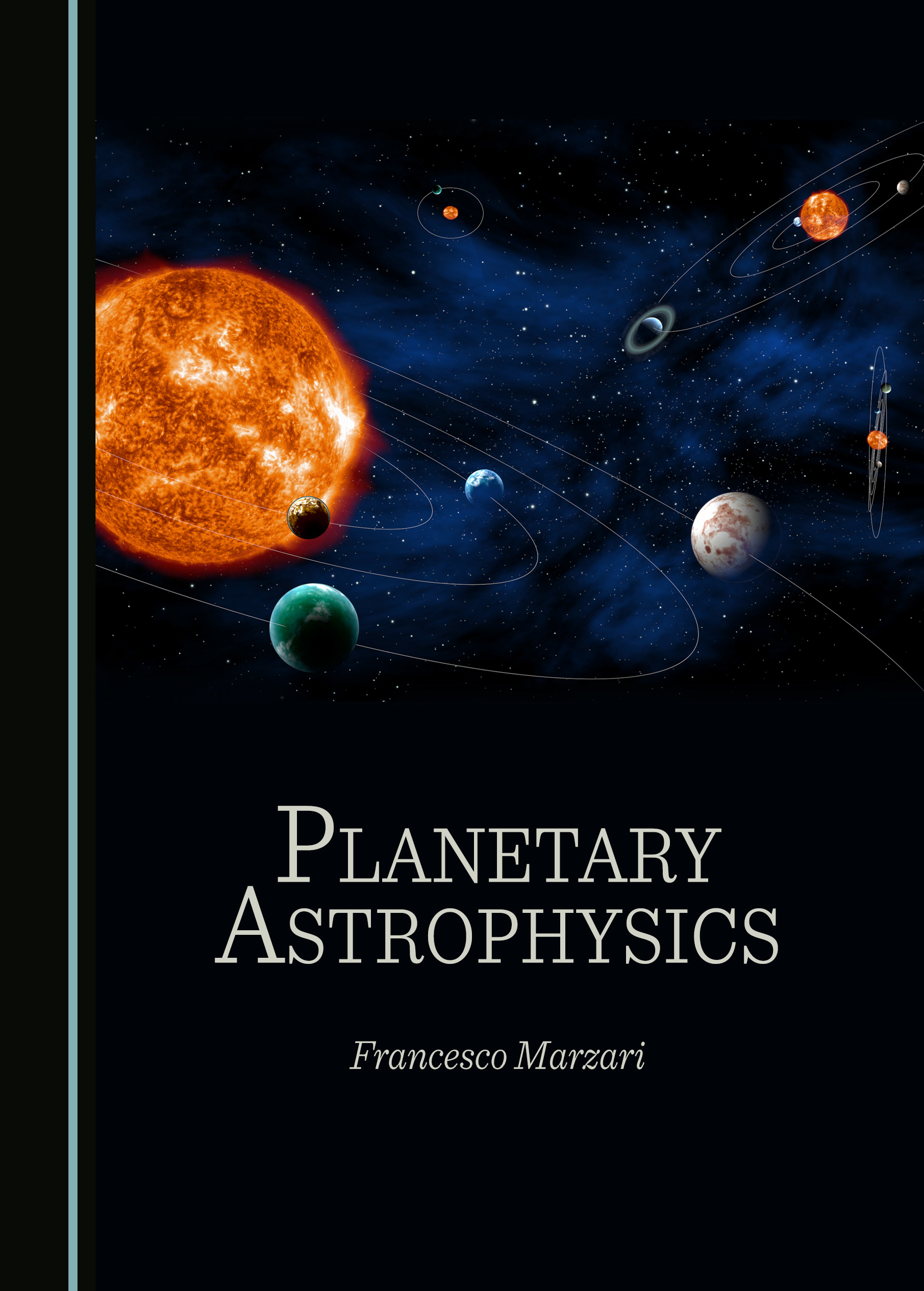
This textbook explains the physical processes governing the formation and evolution of planetary systems. Designed for undergraduates, the theory is developed from first principles, covering planetary dynamics, magnetic fields, and the fluid dynamics of circumstellar disks.
This textbook explains the physical processes governing the formation and evolution of planetary systems. Designed for undergraduates, the theory is developed from first principles, covering planetary dynamics, magnetic fields, and the fluid dynamics of circumstellar disks.
View more
This product has multiple variants. The options may be chosen on the product page
View more
This product has multiple variants. The options may be chosen on the product page
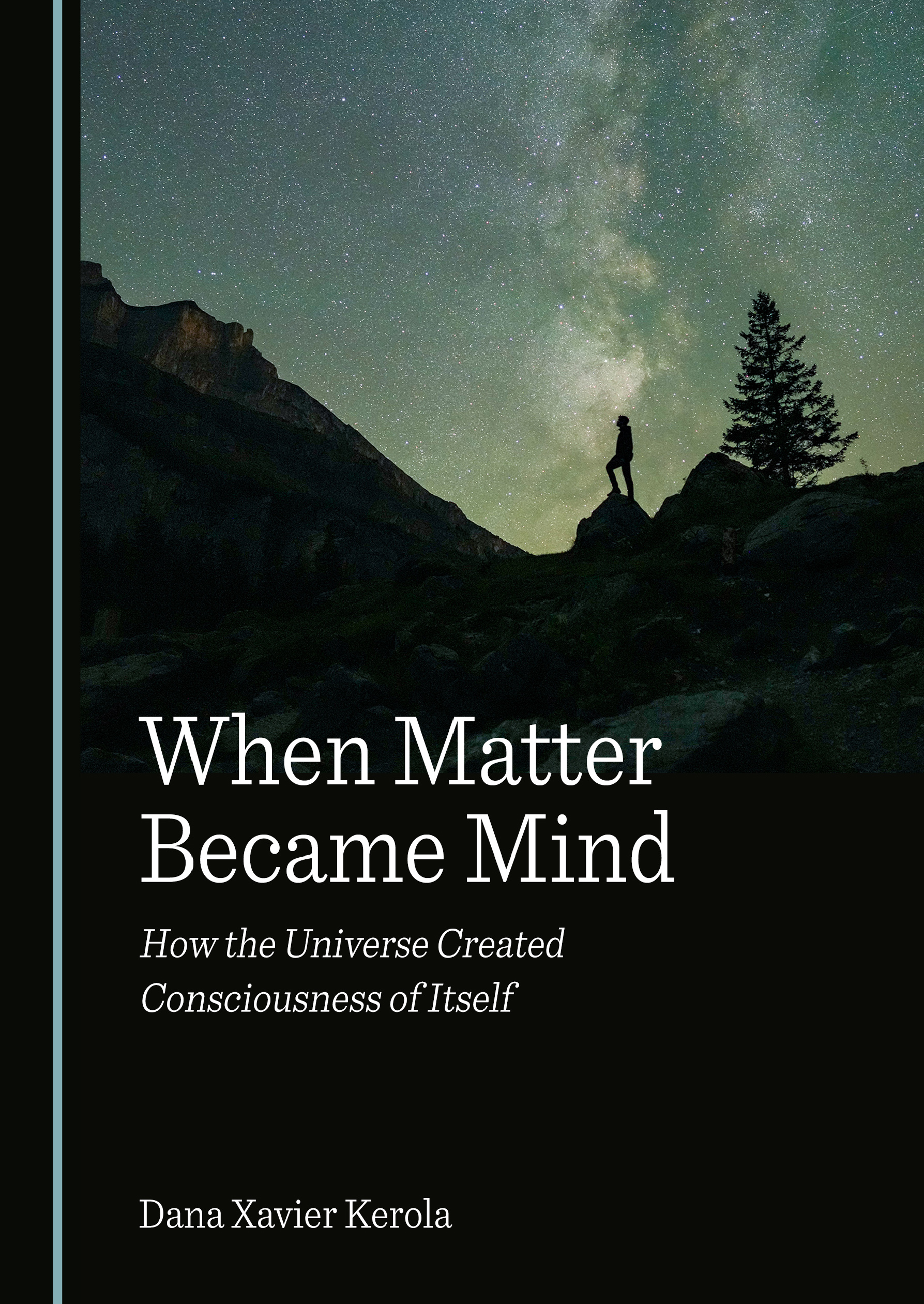
When Matter Became Mind
How the Universe Created Consciousness of Itself
This book examines two of the greatest mysteries in science and philosophy: the origin of the universe and the nature of human consciousness. The author invites you to ponder the deep question “Why is there something rather than nothing?” and discover a new cosmic perspective.
This book examines two of the greatest mysteries in science and philosophy: the origin of the universe and the nature of human consciousness. The author invites you to ponder the deep question “Why is there something rather than nothing?” and discover a new cosmic perspective.
View more
This product has multiple variants. The options may be chosen on the product page
View more
This product has multiple variants. The options may be chosen on the product page
From £32.99
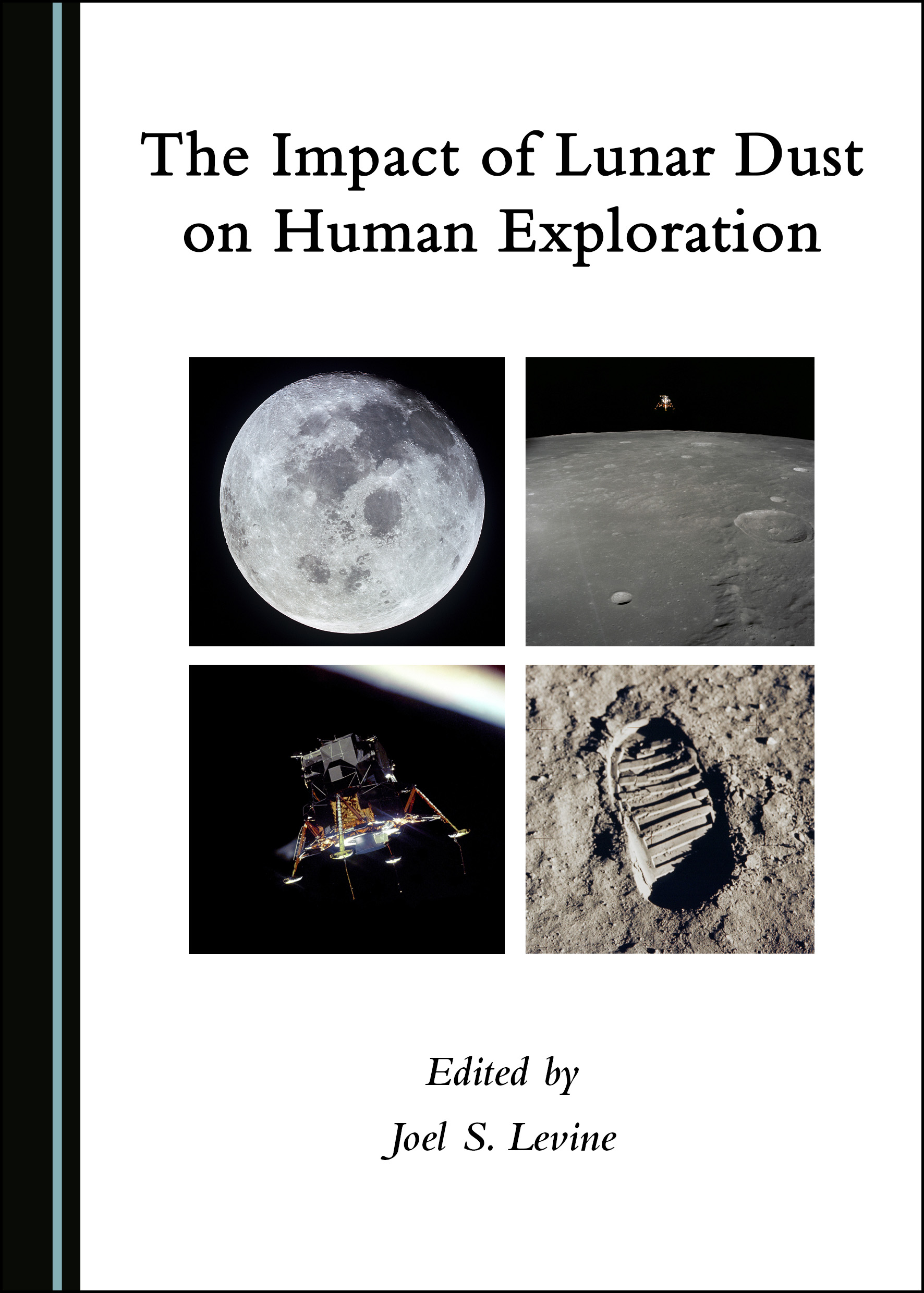
Apollo astronauts discovered a major hazard on the Moon: fine, sharp dust that eroded spacesuits, compromised seals, and harmed their health. As humans prepare to return, this book summarizes what we know about lunar dust and how to mitigate its effects on future exploration.
Apollo astronauts discovered a major hazard on the Moon: fine, sharp dust that eroded spacesuits, compromised seals, and harmed their health. As humans prepare to return, this book summarizes what we know about lunar dust and how to mitigate its effects on future exploration.
View more
This product has multiple variants. The options may be chosen on the product page

View more
This product has multiple variants. The options may be chosen on the product page
Water and Ions as the Conditions Necessary for the Presence of Life
The Secret History of Life
This book explores the intricate interdependence between water and ions. Water is essential for life, but not always sufficient. It pursues an answer to this mystery, showing how metal ions like iron, calcium, and carbon complement water for sustaining life.
This book explores the intricate interdependence between water and ions. Water is essential for life, but not always sufficient. It pursues an answer to this mystery, showing how metal ions like iron, calcium, and carbon complement water for sustaining life.
View more
This product has multiple variants. The options may be chosen on the product page
View more
This product has multiple variants. The options may be chosen on the product page
From £31.99
This book reveals that fields and particles are rotational changes within an elastic medium called ‘ether’. This theory explains gravitational attraction, electromagnetism, electron spin, and nuclear reactions.
This book reveals that fields and particles are rotational changes within an elastic medium called ‘ether’. This theory explains gravitational attraction, electromagnetism, electron spin, and nuclear reactions.
View more
This product has multiple variants. The options may be chosen on the product page
View more
This product has multiple variants. The options may be chosen on the product page
From £31.99
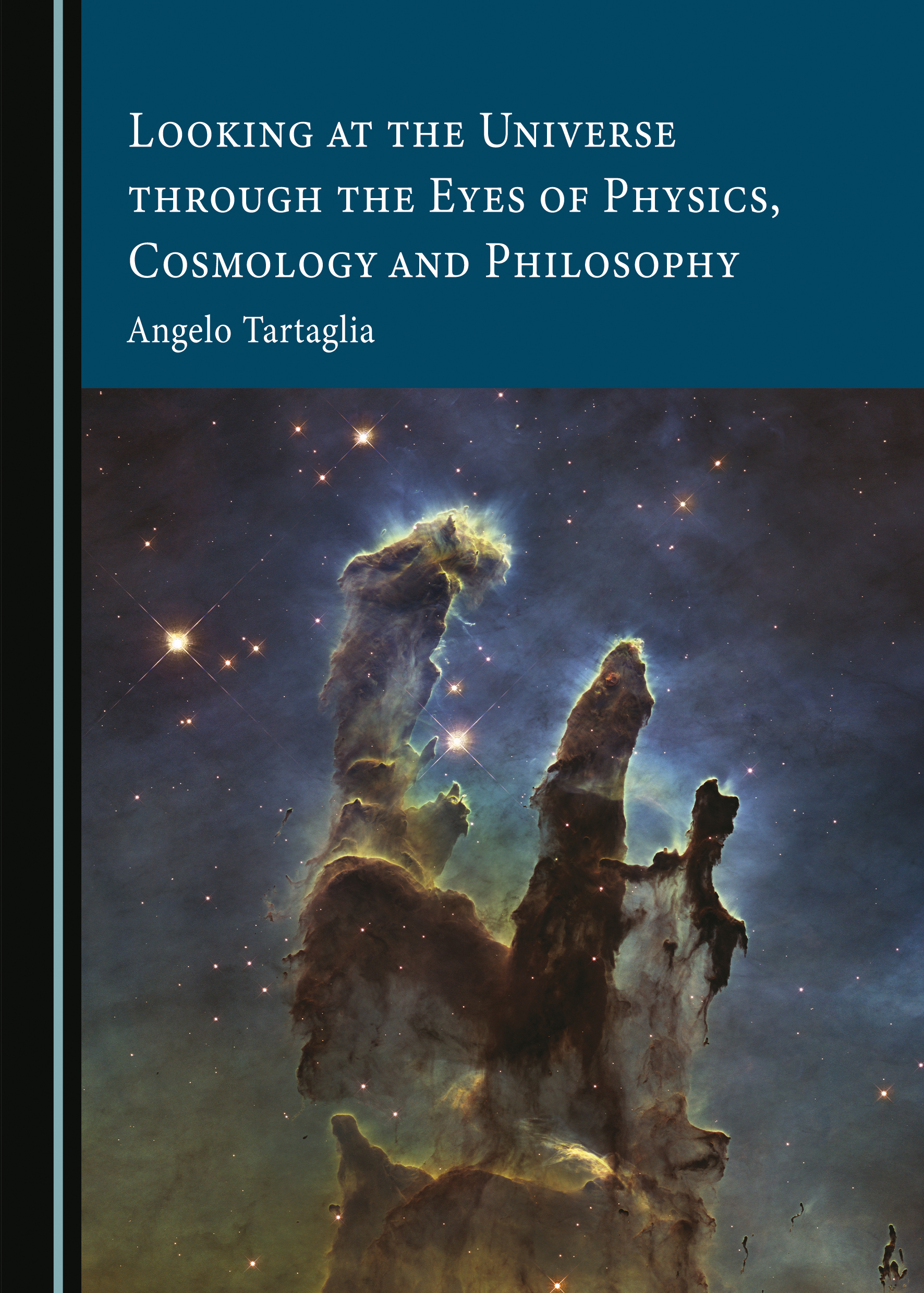
This book delves into the foundations of physics and our understanding of the universe. It covers cosmology from origin myths to dark energy, focusing on the open problems and unsolved puzzles that inevitably intertwine physics, astrophysics, and philosophy.
This book delves into the foundations of physics and our understanding of the universe. It covers cosmology from origin myths to dark energy, focusing on the open problems and unsolved puzzles that inevitably intertwine physics, astrophysics, and philosophy.
View more
This product has multiple variants. The options may be chosen on the product page
View more
This product has multiple variants. The options may be chosen on the product page
From £31.99
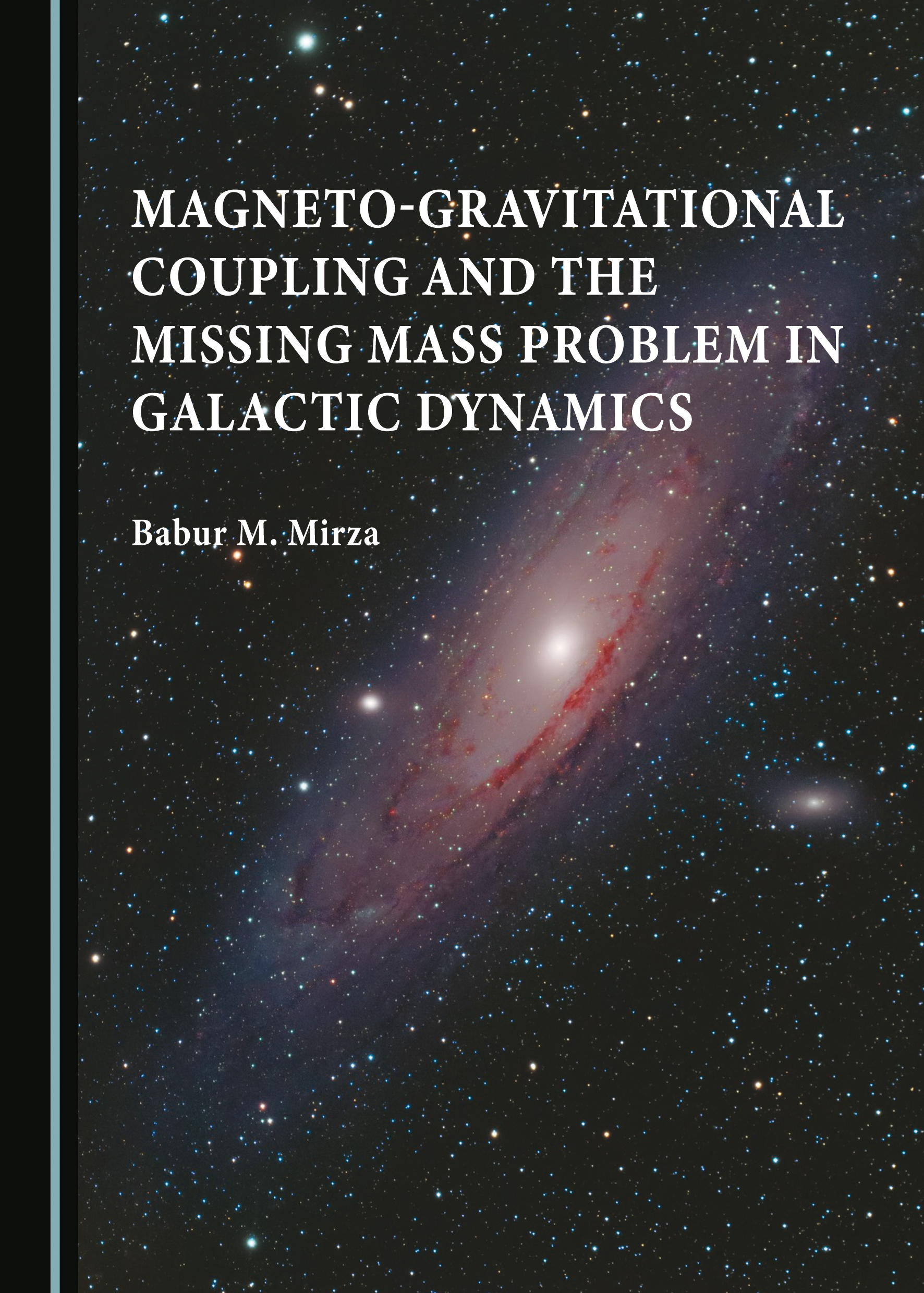
By coupling gravitational and magnetic fields, a normally weak relativistic effect is enhanced. This outward dragging increases the rotational velocities of galaxies, presenting important implications for the missing mass problem in galactic dynamics.
By coupling gravitational and magnetic fields, a normally weak relativistic effect is enhanced. This outward dragging increases the rotational velocities of galaxies, presenting important implications for the missing mass problem in galactic dynamics.
View more
This product has multiple variants. The options may be chosen on the product page
Processing Your Order
Please wait while we securely process your order.
Do not refresh or leave this page.
You will be redirected shortly to a confirmation page with your order number.