
View more
This product has multiple variants. The options may be chosen on the product page
From £49.99
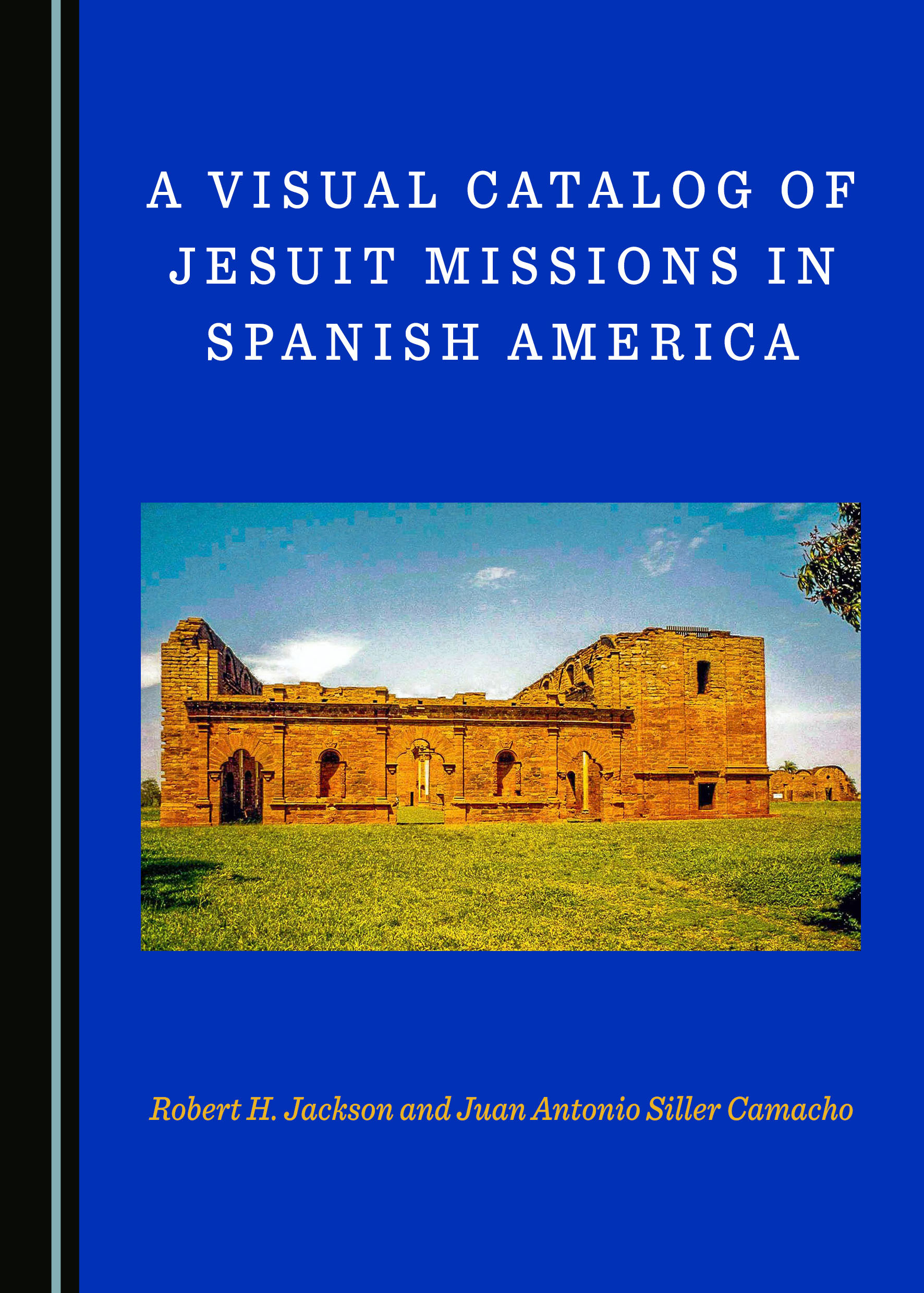
From the late 16th century until their expulsion in 1767, Jesuits played a pivotal role in Spanish America. Their missions stretched from northern Mexico to South America, leaving a rich historical and architectural heritage. This volume outlines their development and legacy.
From the late 16th century until their expulsion in 1767, Jesuits played a pivotal role in Spanish America. Their missions stretched from northern Mexico to South America, leaving a rich historical and architectural heritage. This volume outlines their development and legacy.
View more
This product has multiple variants. The options may be chosen on the product page
View more
This product has multiple variants. The options may be chosen on the product page
From £43.99
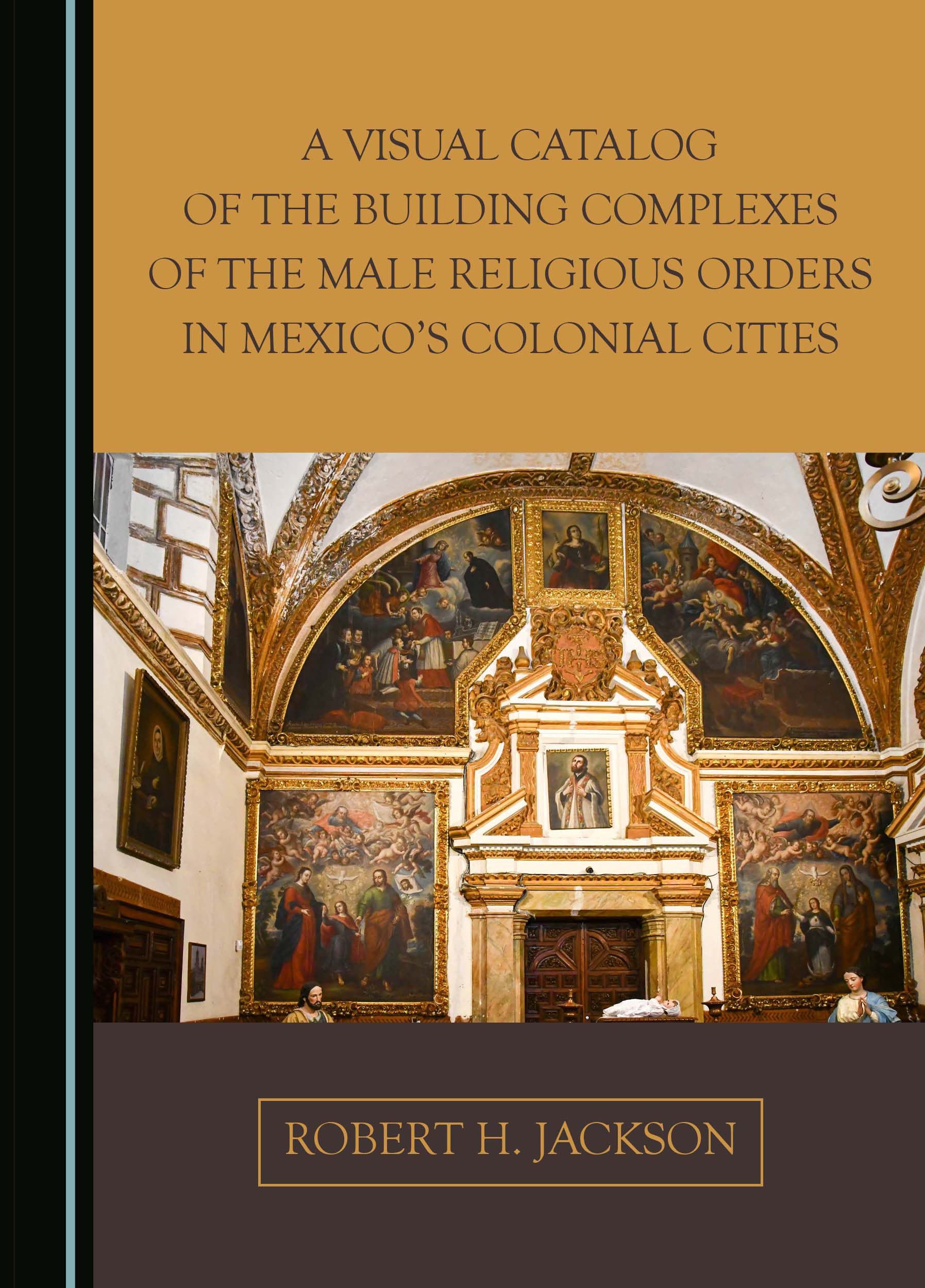
In colonial Mexico, male missionary orders built vast complexes in urban centers. This book surveys what remains of this unique architectural patrimony in Mexico City, Puebla, and other cities, discussing its history and role in urban development for historians and architects.
In colonial Mexico, male missionary orders built vast complexes in urban centers. This book surveys what remains of this unique architectural patrimony in Mexico City, Puebla, and other cities, discussing its history and role in urban development for historians and architects.
View more
This product has multiple variants. The options may be chosen on the product page
View more
This product has multiple variants. The options may be chosen on the product page
£58.99
A must-read for professionals and advocates of historic preservation, this volume is a compendium of powerful essays by thought-leaders in the field first presented in 2016 as part of the fiftieth anniversary observation of the US National Historic Preservation Act.
A must-read for professionals and advocates of historic preservation, this volume is a compendium of powerful essays by thought-leaders in the field first presented in 2016 as part of the fiftieth anniversary observation of the US National Historic Preservation Act.
View more
This product has multiple variants. The options may be chosen on the product page
View more
This product has multiple variants. The options may be chosen on the product page
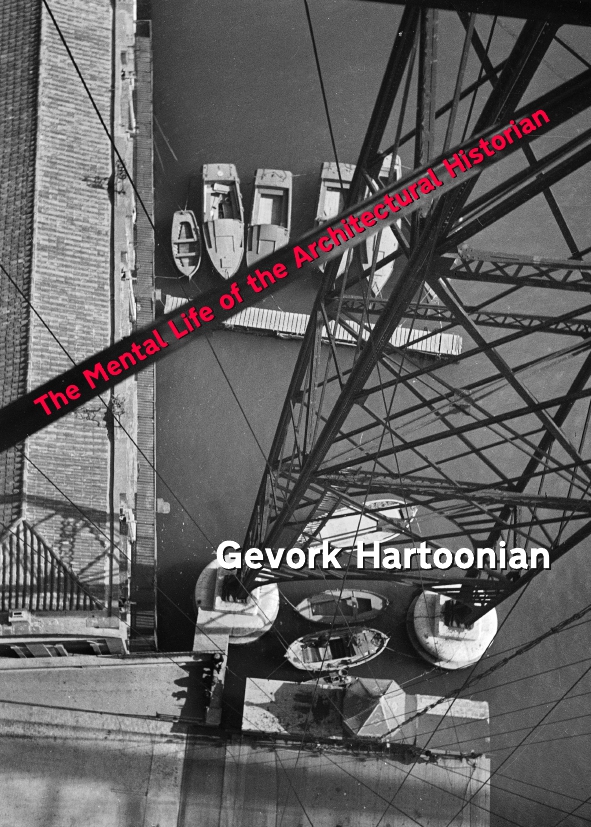
The Mental Life of the Architectural Historian
Re-Opening the Early Historiography of Modern Architecture, Second Edition
This book re-reads the historiography of early modern architecture through post-war theory. It examines architectural history's autonomy from art history, offering a critical understanding of the canon established by Pevsner, Hitchcock, and Giedion.
This book re-reads the historiography of early modern architecture through post-war theory. It examines architectural history’s autonomy from art history, offering a critical understanding of the canon established by Pevsner, Hitchcock, and Giedion.
View more
This product has multiple variants. The options may be chosen on the product page
View more
This product has multiple variants. The options may be chosen on the product page
The Mental Life of the Architectural Historian
Re-opening the Early Historiography of Modern Architecture
A critical re-reading of early modern architectural history. Through post-war theory, this book unpacks the canon of Pevsner, Hitchcock, and Giedion, extending the critical historiography of Frampton and Tafuri.
A critical re-reading of early modern architectural history. Through post-war theory, this book unpacks the canon of Pevsner, Hitchcock, and Giedion, extending the critical historiography of Frampton and Tafuri.
View more
This product has multiple variants. The options may be chosen on the product page
View more
This product has multiple variants. The options may be chosen on the product page
From £35.99
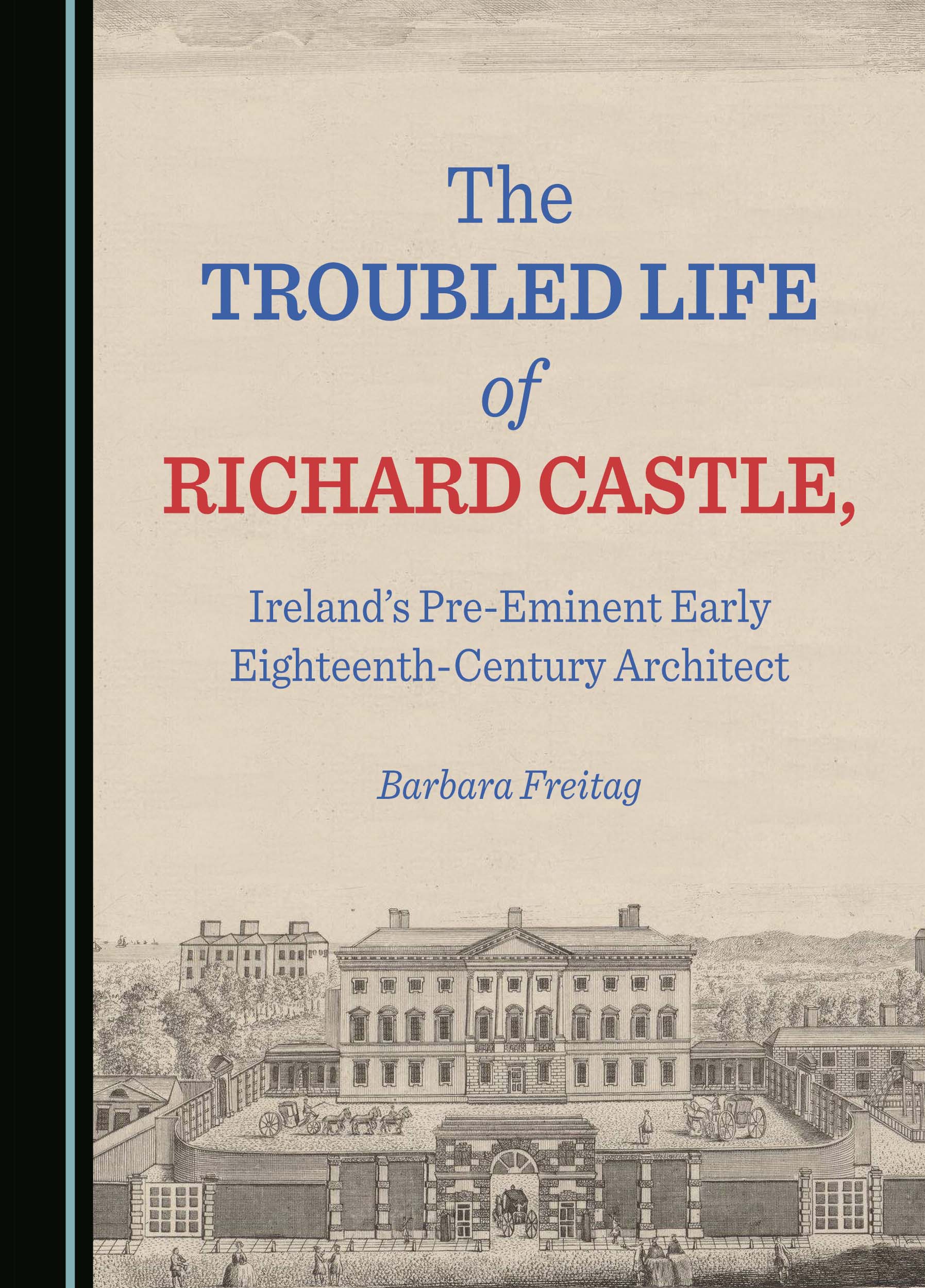
Richard Castle is one of Ireland's most important 18th-century architects, yet this is the first book devoted to his life and career. Using extensive research, it uncovers his surprising personal history and refutes long-held misconceptions about his name, family, and religion.
Richard Castle is one of Ireland’s most important 18th-century architects, yet this is the first book devoted to his life and career. Using extensive research, it uncovers his surprising personal history and refutes long-held misconceptions about his name, family, and religion.
View more
This product has multiple variants. The options may be chosen on the product page
View more
This product has multiple variants. The options may be chosen on the product page
Tokyo and Venice as Cities on Water
Past Memories and Future Perspectives
Tokyo and Venice are fragile cities on water. This volume focuses on how rediscovering water, from architectural and cultural points of view, and preserving their heritage can maintain their unique maritime identity and contribute to new forms of resilience for the future.
Tokyo and Venice are fragile cities on water. This volume focuses on how rediscovering water, from architectural and cultural points of view, and preserving their heritage can maintain their unique maritime identity and contribute to new forms of resilience for the future.
View more
This product has multiple variants. The options may be chosen on the product page