
View more
This product has multiple variants. The options may be chosen on the product page
£61.99
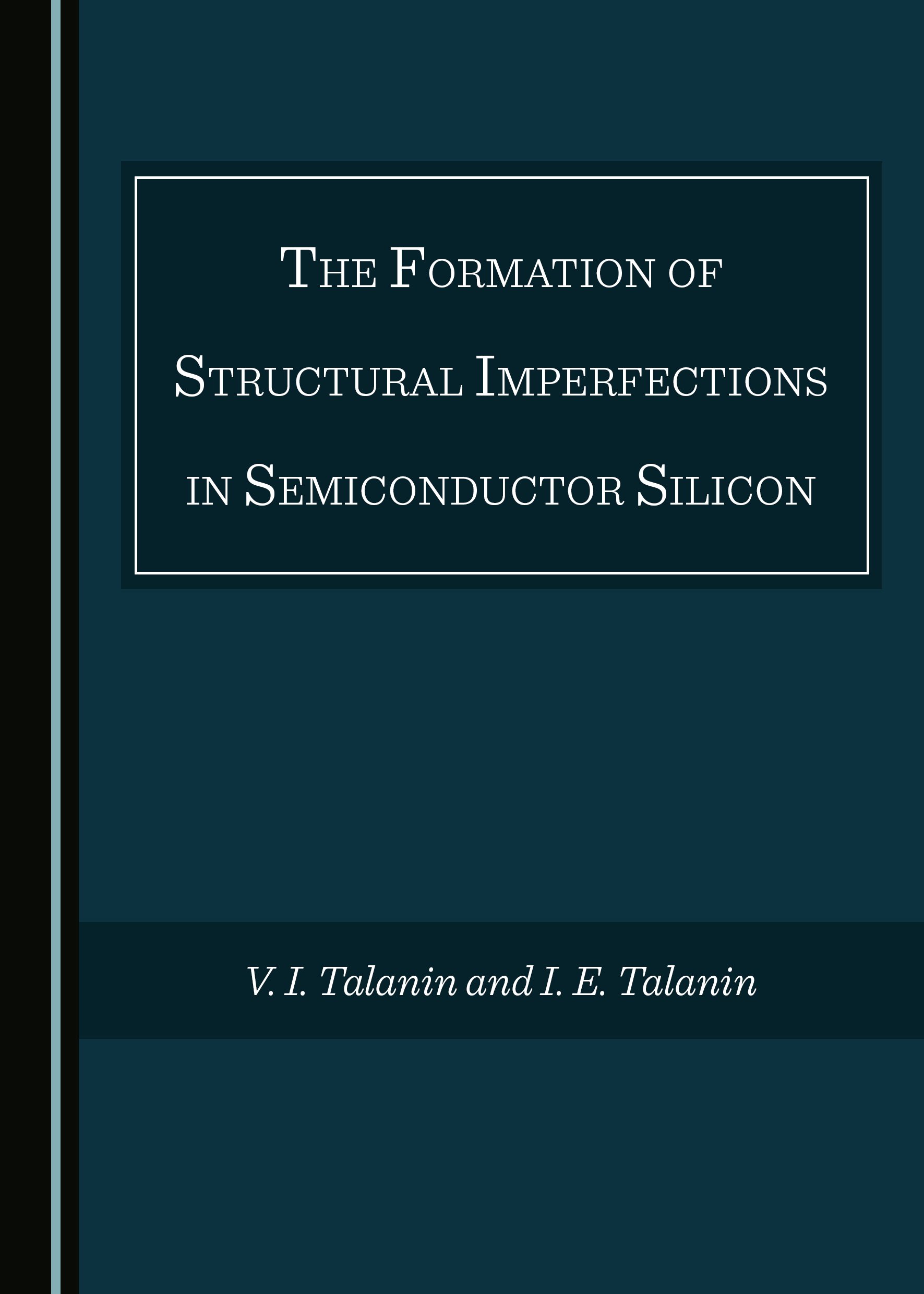
Semiconductor silicon is the basic material of modern electronics. Its properties are determined by defects in its crystal structure, but a complete description of these defects has been a mystery—until now. This book solves it using classical and probabilistic approaches.
Semiconductor silicon is the basic material of modern electronics. Its properties are determined by defects in its crystal structure, but a complete description of these defects has been a mystery—until now. This book solves it using classical and probabilistic approaches.
View more
This product has multiple variants. The options may be chosen on the product page
View more
This product has multiple variants. The options may be chosen on the product page
From £35.99
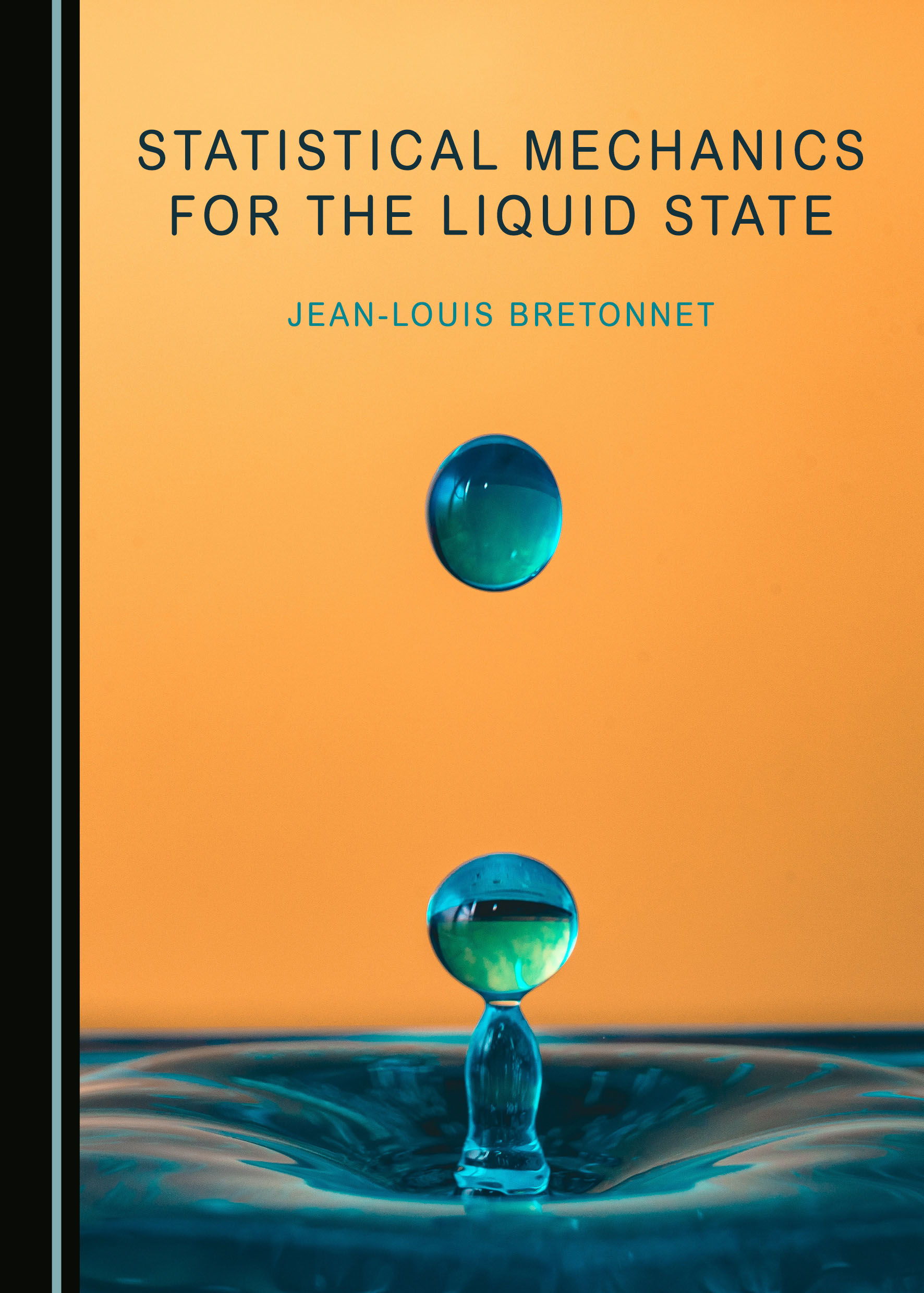
This book presents a unified, accessible approach to the physics of the liquid state, in and out of equilibrium. It covers statistical mechanics and complex fluids, making it an indispensable reference for graduate students and researchers in physics and chemistry.
This book presents a unified, accessible approach to the physics of the liquid state, in and out of equilibrium. It covers statistical mechanics and complex fluids, making it an indispensable reference for graduate students and researchers in physics and chemistry.
View more
This product has multiple variants. The options may be chosen on the product page

View more
This product has multiple variants. The options may be chosen on the product page
Silicon Dioxide and the Luminescence of Related Materials
Crystal Polymorphism and the Glass State
This book focuses on the physics of disordered solids, challenging theories based on crystal structures. It compares data for crystals and glasses formed by the same atoms, paying particular attention to under-explored glass-forming crystals for students and researchers.
This book focuses on the physics of disordered solids, challenging theories based on crystal structures. It compares data for crystals and glasses formed by the same atoms, paying particular attention to under-explored glass-forming crystals for students and researchers.
View more
This product has multiple variants. The options may be chosen on the product page
View more
This product has multiple variants. The options may be chosen on the product page
From £32.99
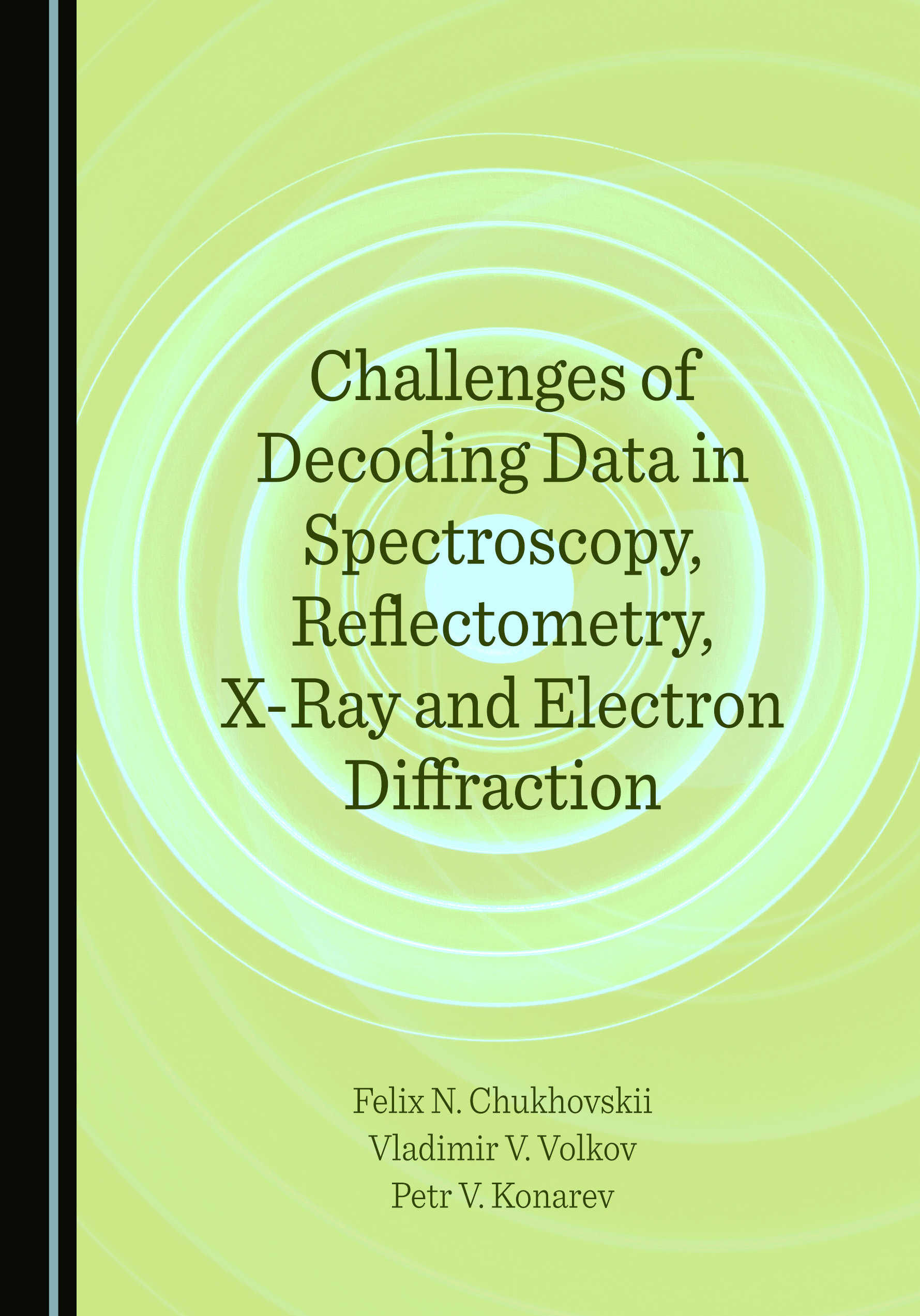
This is the first book to present the direct method for solving inverse problems in X-ray spectroscopy, scattering, tomography, and reflectometry. It discusses the theory for multilayer structures and the phase problem in electron structural crystallography.
This is the first book to present the direct method for solving inverse problems in X-ray spectroscopy, scattering, tomography, and reflectometry. It discusses the theory for multilayer structures and the phase problem in electron structural crystallography.
View more
This product has multiple variants. The options may be chosen on the product page
View more
This product has multiple variants. The options may be chosen on the product page
From £31.99
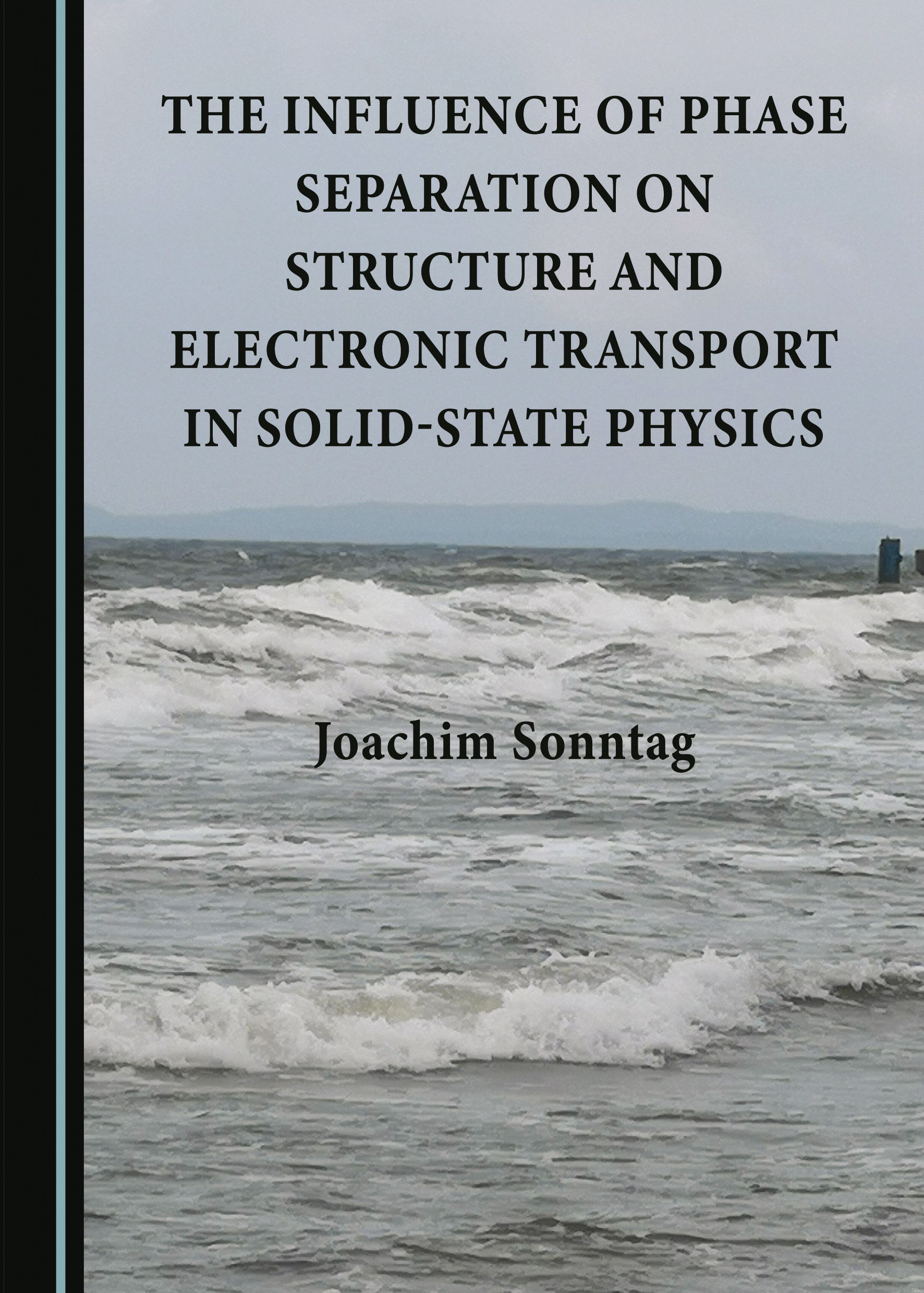
This book provides solutions to problems in solid-state physics that have eluded scientific explanation for decades, tackling mysteries like the structure of thin films, the existence of amorphous metals, and the cause of the Giant Hall Effect.
This book provides solutions to problems in solid-state physics that have eluded scientific explanation for decades, tackling mysteries like the structure of thin films, the existence of amorphous metals, and the cause of the Giant Hall Effect.
View more
This product has multiple variants. The options may be chosen on the product page
View more
This product has multiple variants. The options may be chosen on the product page
From £32.99
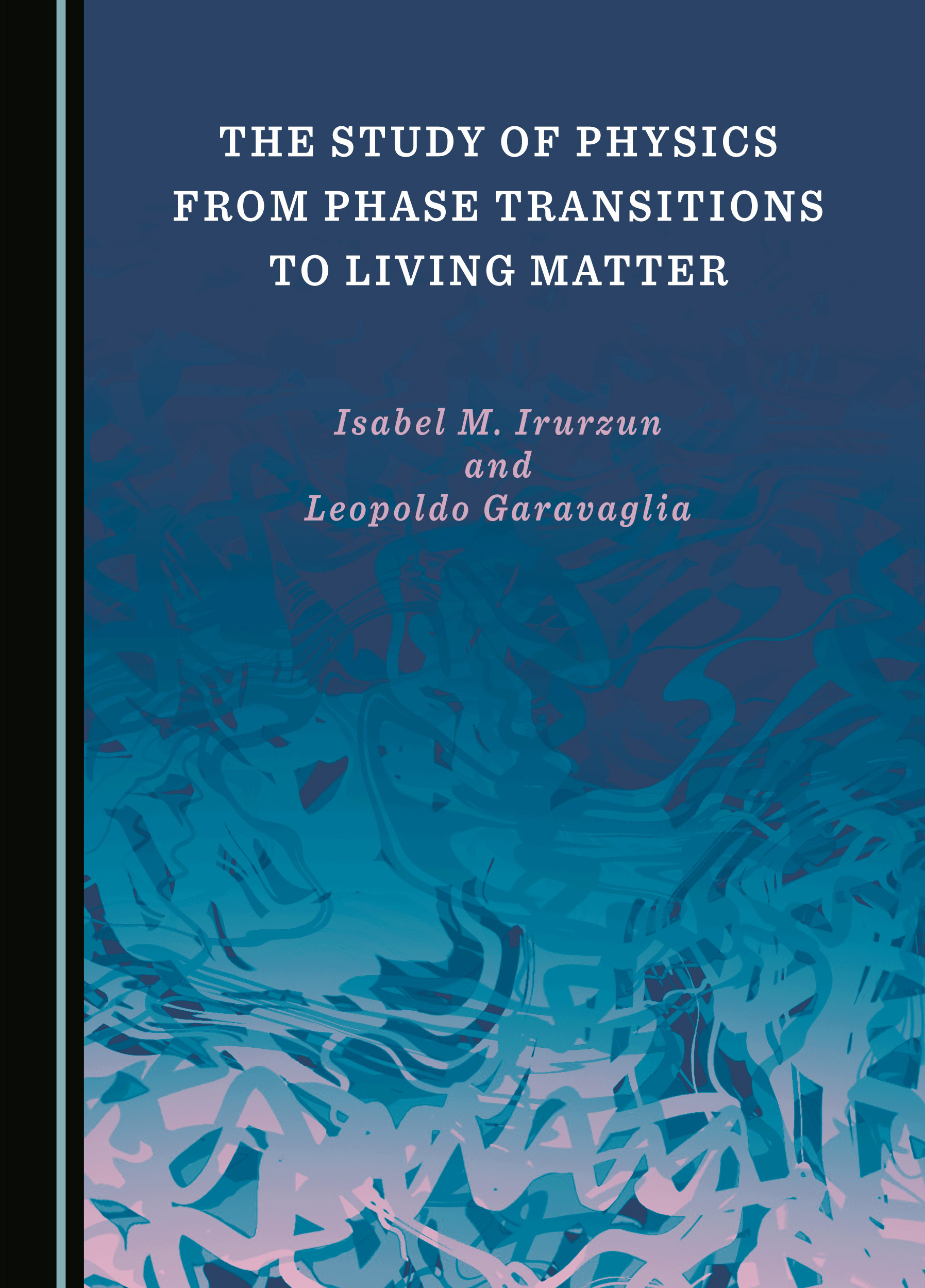
For advanced students, this book establishes a path from the study of phase transitions to the current understanding of living matter. It explores concepts from statistical mechanics, non-linear systems, chaos and self-organization drawn from physics, chemistry and biology.
For advanced students, this book establishes a path from the study of phase transitions to the current understanding of living matter. It explores concepts from statistical mechanics, non-linear systems, chaos and self-organization drawn from physics, chemistry and biology.
View more
This product has multiple variants. The options may be chosen on the product page
View more
This product has multiple variants. The options may be chosen on the product page
From £34.99
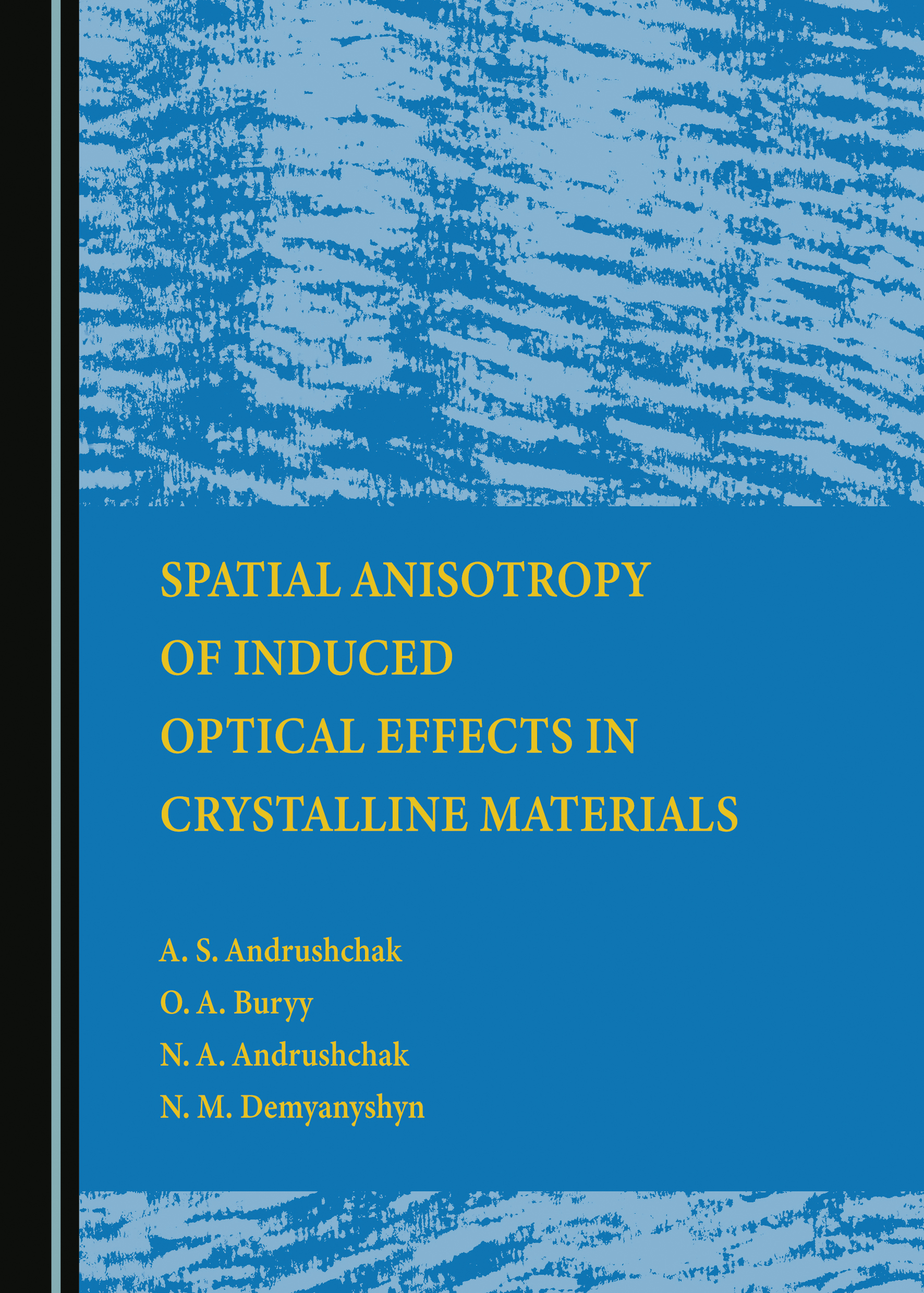
This book covers the spatial anisotropy of induced optical effects in crystalline materials. It details analytical descriptions, 3D geometric representations, and experimental methods for studying electro-, piezo-, elasto-, and acousto-optic phenomena.
This book covers the spatial anisotropy of induced optical effects in crystalline materials. It details analytical descriptions, 3D geometric representations, and experimental methods for studying electro-, piezo-, elasto-, and acousto-optic phenomena.
View more
This product has multiple variants. The options may be chosen on the product page
View more
This product has multiple variants. The options may be chosen on the product page
£86.99
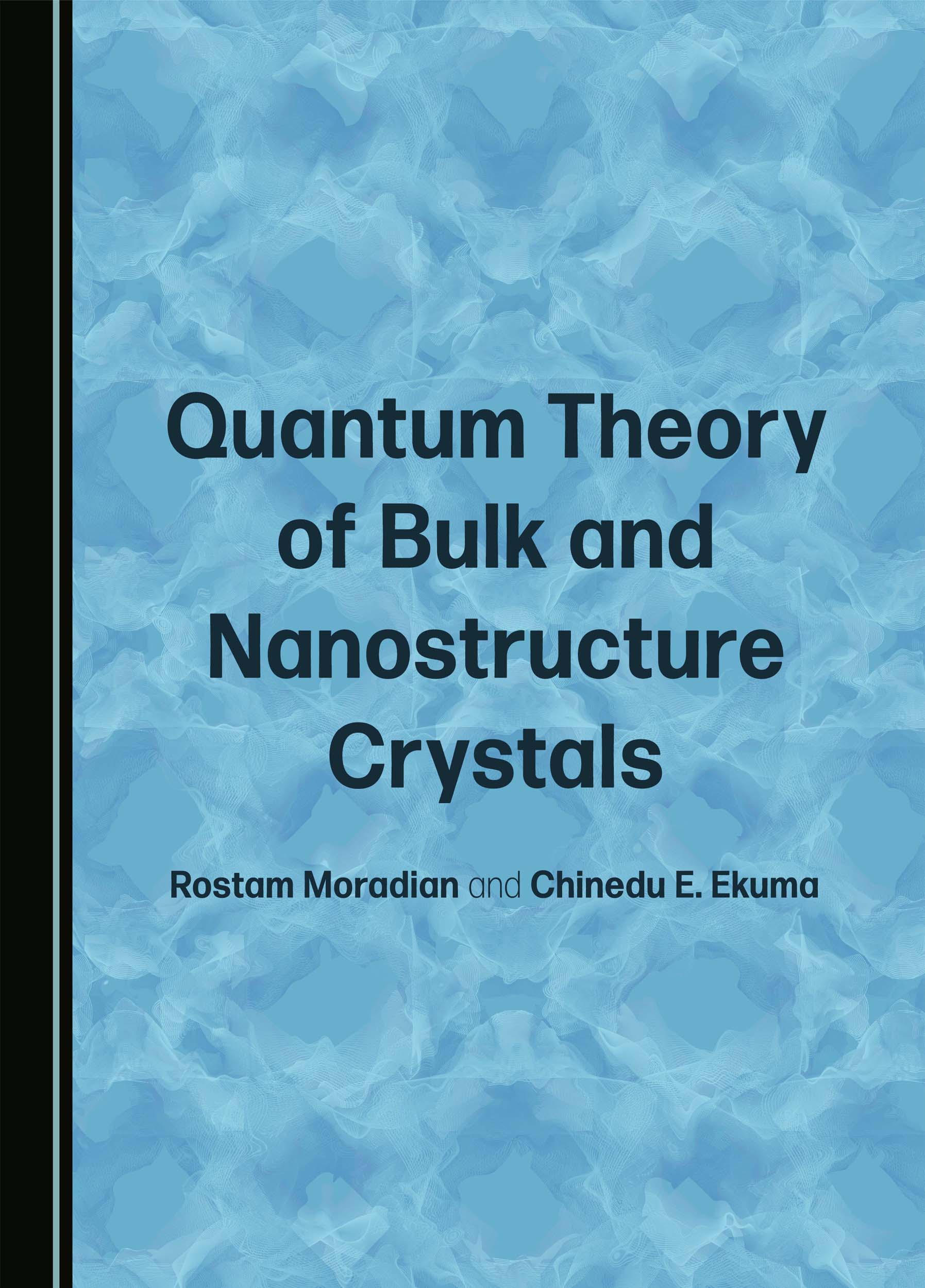
Explore bulk and nanostructure crystals, from crystal lattices and band theory to energy gaps. This book discusses low-dimensional systems like graphene and carbon nanotubes and is an ideal introduction for students and researchers in condensed matter physics.
Explore bulk and nanostructure crystals, from crystal lattices and band theory to energy gaps. This book discusses low-dimensional systems like graphene and carbon nanotubes and is an ideal introduction for students and researchers in condensed matter physics.
View more
This product has multiple variants. The options may be chosen on the product page
View more
This product has multiple variants. The options may be chosen on the product page
From £43.99
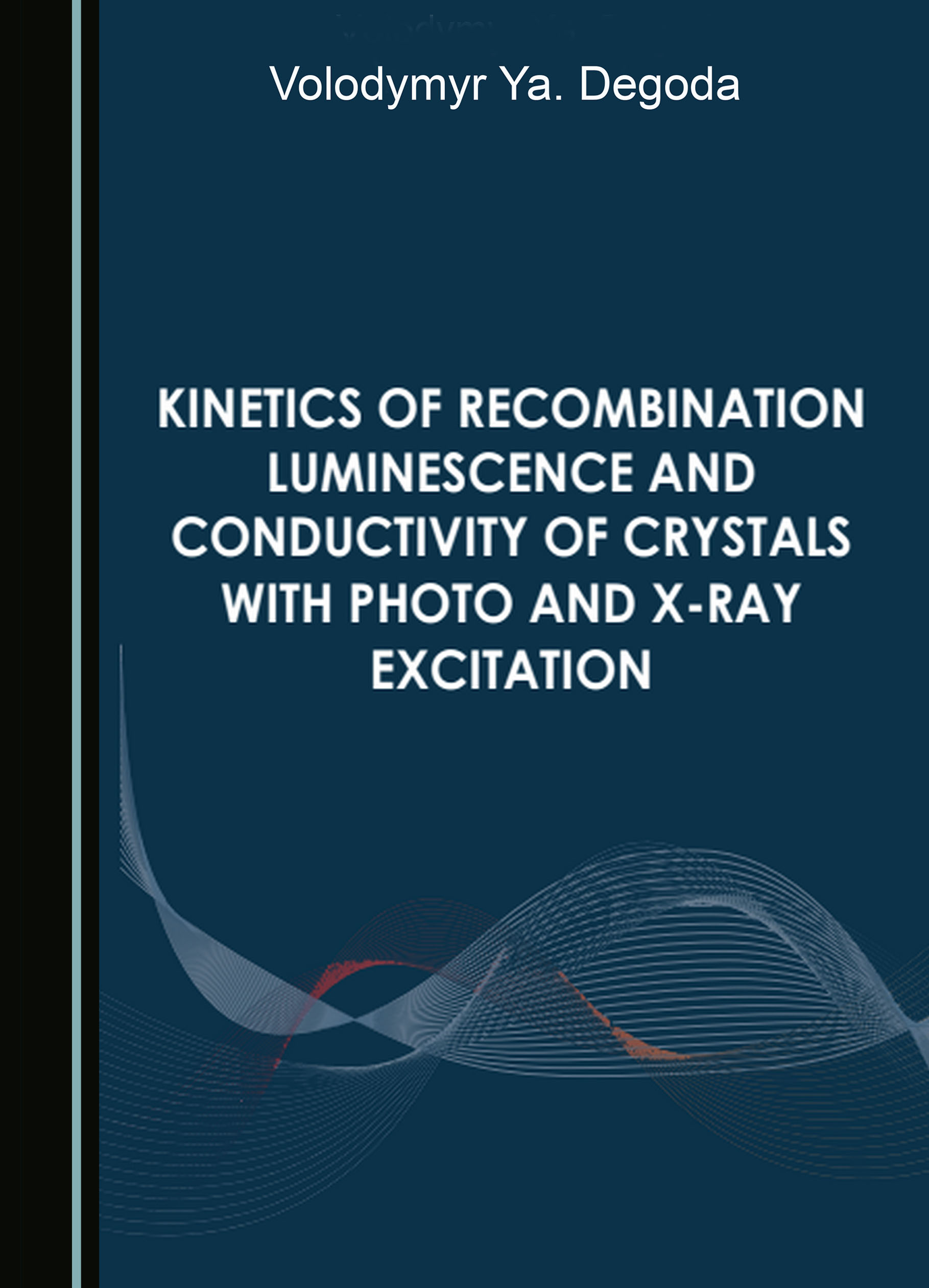
This book expands the classical theories of photoluminescence and photoconductivity with a new multicentre model. Its solutions coincide with experimental results, opening promising directions for the search for new and improved crystals for optoelectronic devices.
This book expands the classical theories of photoluminescence and photoconductivity with a new multicentre model. Its solutions coincide with experimental results, opening promising directions for the search for new and improved crystals for optoelectronic devices.
View more
This product has multiple variants. The options may be chosen on the product page
View more
This product has multiple variants. The options may be chosen on the product page
From £35.99
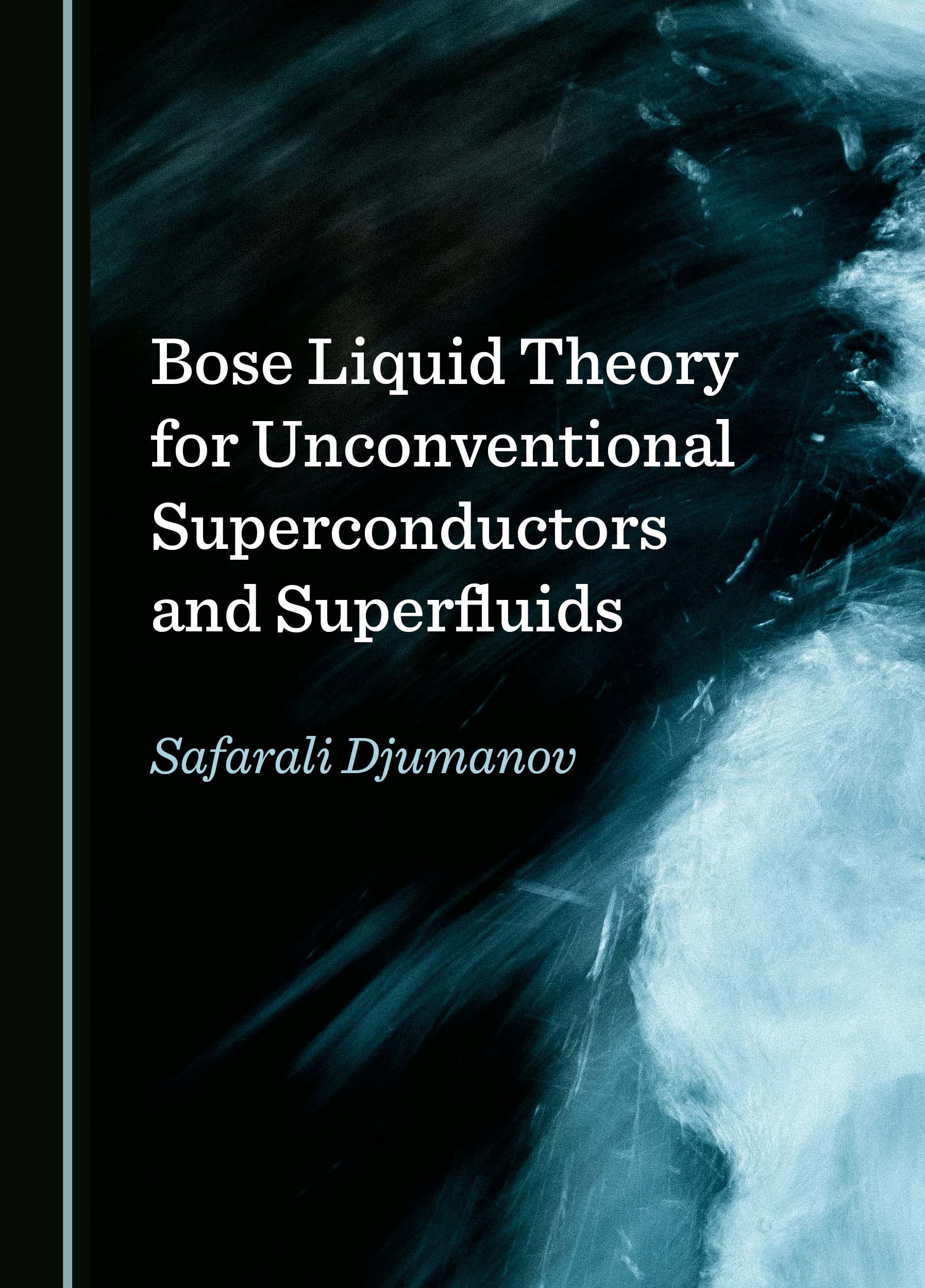
This is the first book on the modern Bose-liquid theory of unconventional superconductors and superfluids. A breakthrough beyond standard physics, this theory describes emerging pseudogap behaviors and novel states, comparing theoretical results with experimental findings.
This is the first book on the modern Bose-liquid theory of unconventional superconductors and superfluids. A breakthrough beyond standard physics, this theory describes emerging pseudogap behaviors and novel states, comparing theoretical results with experimental findings.
View more
This product has multiple variants. The options may be chosen on the product page
View more
This product has multiple variants. The options may be chosen on the product page
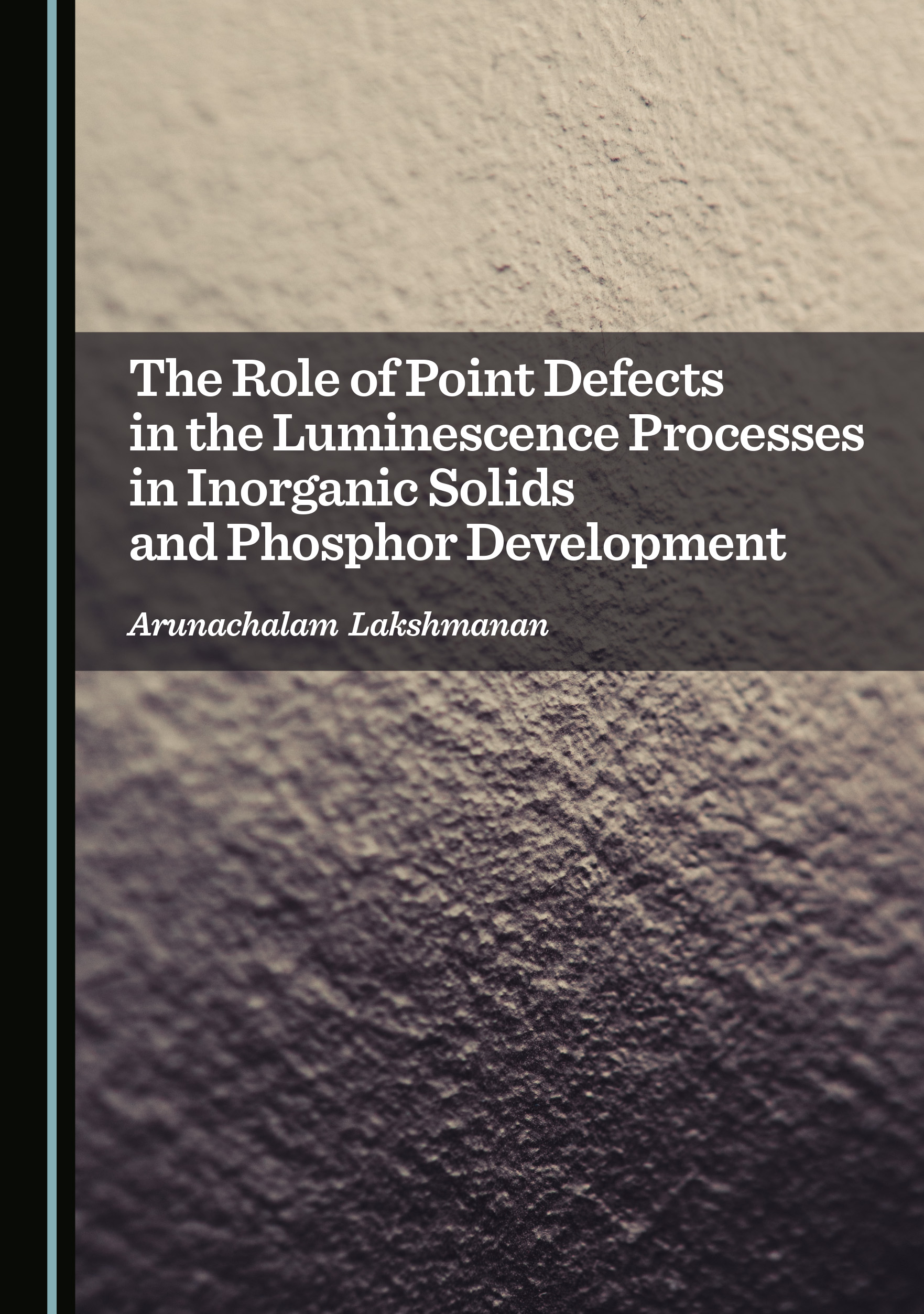
The Role of Point Defects in the Luminescence Processes in Inorganic Solids and Phosphor Development
Developing sensitive phosphors for applications like 3D x-ray imaging requires knowledge of point defects in solids, information often lacking. This book bridges the gap, focusing on the crucial role of electron-hole traps for stimulated luminescence phenomena.
Developing sensitive phosphors for applications like 3D x-ray imaging requires knowledge of point defects in solids, information often lacking. This book bridges the gap, focusing on the crucial role of electron-hole traps for stimulated luminescence phenomena.
View more
This product has multiple variants. The options may be chosen on the product page
View more
This product has multiple variants. The options may be chosen on the product page
£64.99
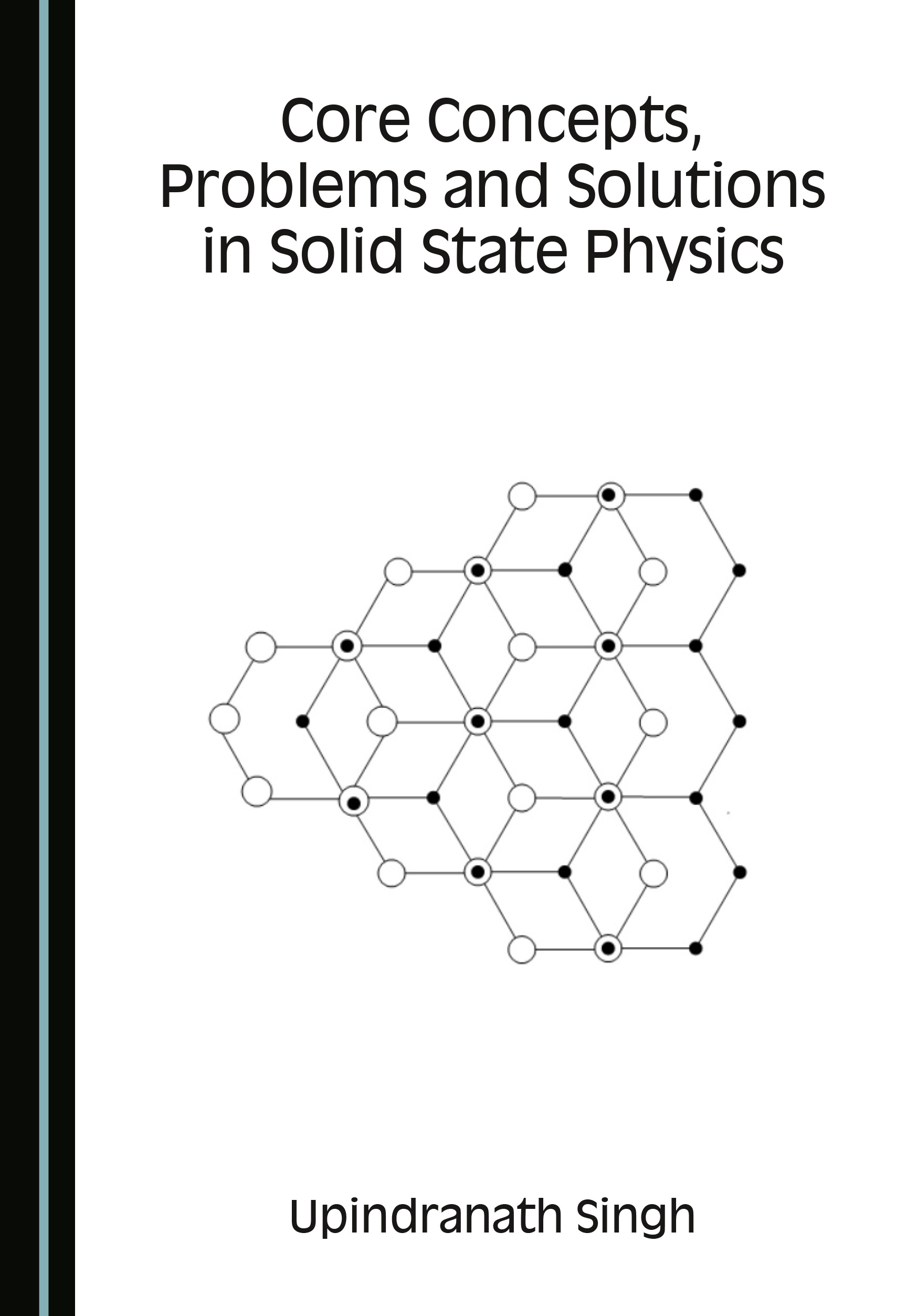
A self-study guide to Solid State Physics for students of Physics, Engineering, and Materials Science. It contains carefully selected problems and detailed solutions, with core concepts presented concisely and with minimal math to help you master problem-solving.
A self-study guide to Solid State Physics for students of Physics, Engineering, and Materials Science. It contains carefully selected problems and detailed solutions, with core concepts presented concisely and with minimal math to help you master problem-solving.
View more
This product has multiple variants. The options may be chosen on the product page
View more
This product has multiple variants. The options may be chosen on the product page
£72.99
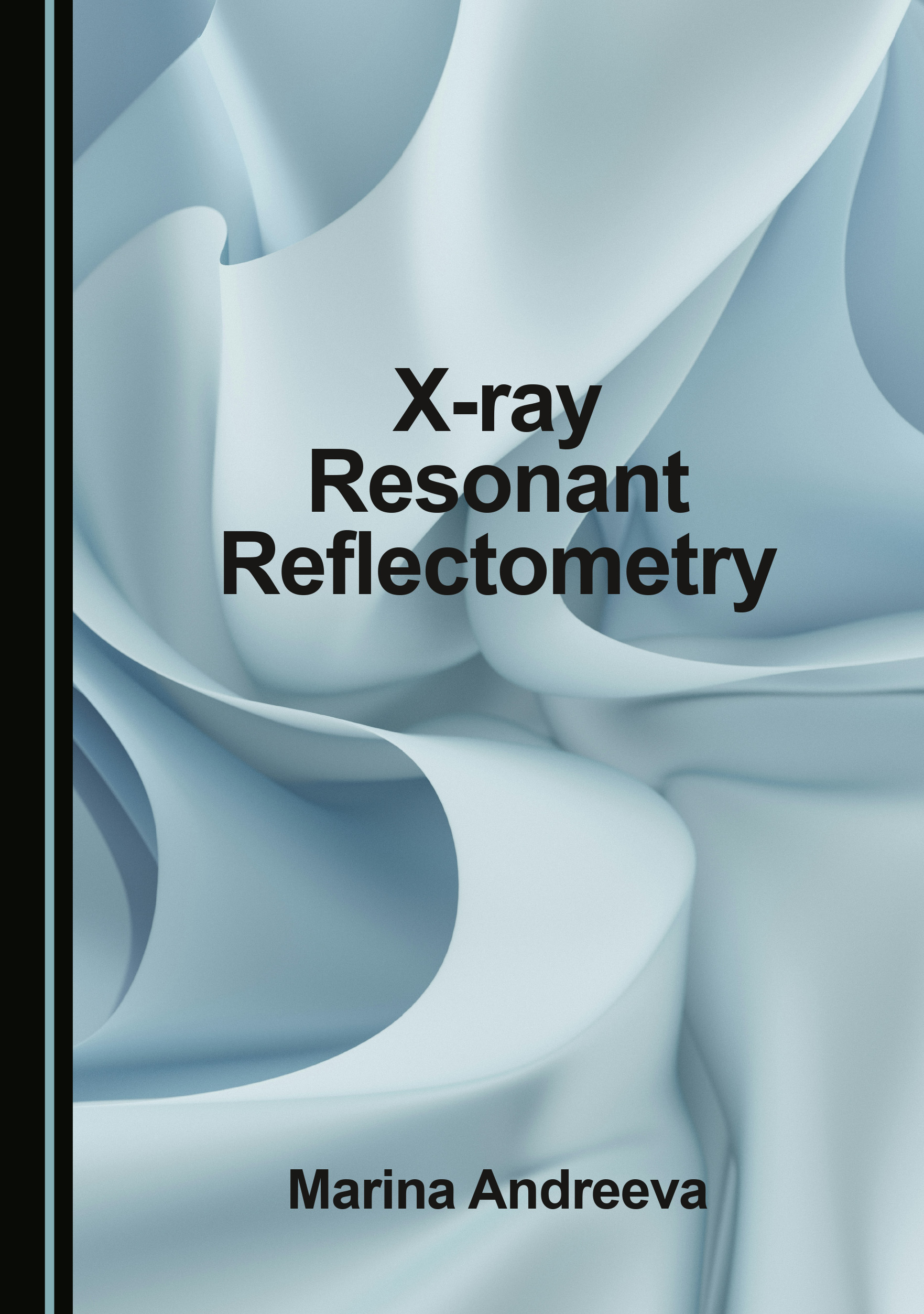
This textbook presents the first systematic exposition of the new X-ray optics. Once limited to electronic density, the X-ray reflectivity method now detects magnetic and electronic depth-profiles. It develops the theory for students, postgraduates, and researchers.
This textbook presents the first systematic exposition of the new X-ray optics. Once limited to electronic density, the X-ray reflectivity method now detects magnetic and electronic depth-profiles. It develops the theory for students, postgraduates, and researchers.
View more
This product has multiple variants. The options may be chosen on the product page
View more
This product has multiple variants. The options may be chosen on the product page
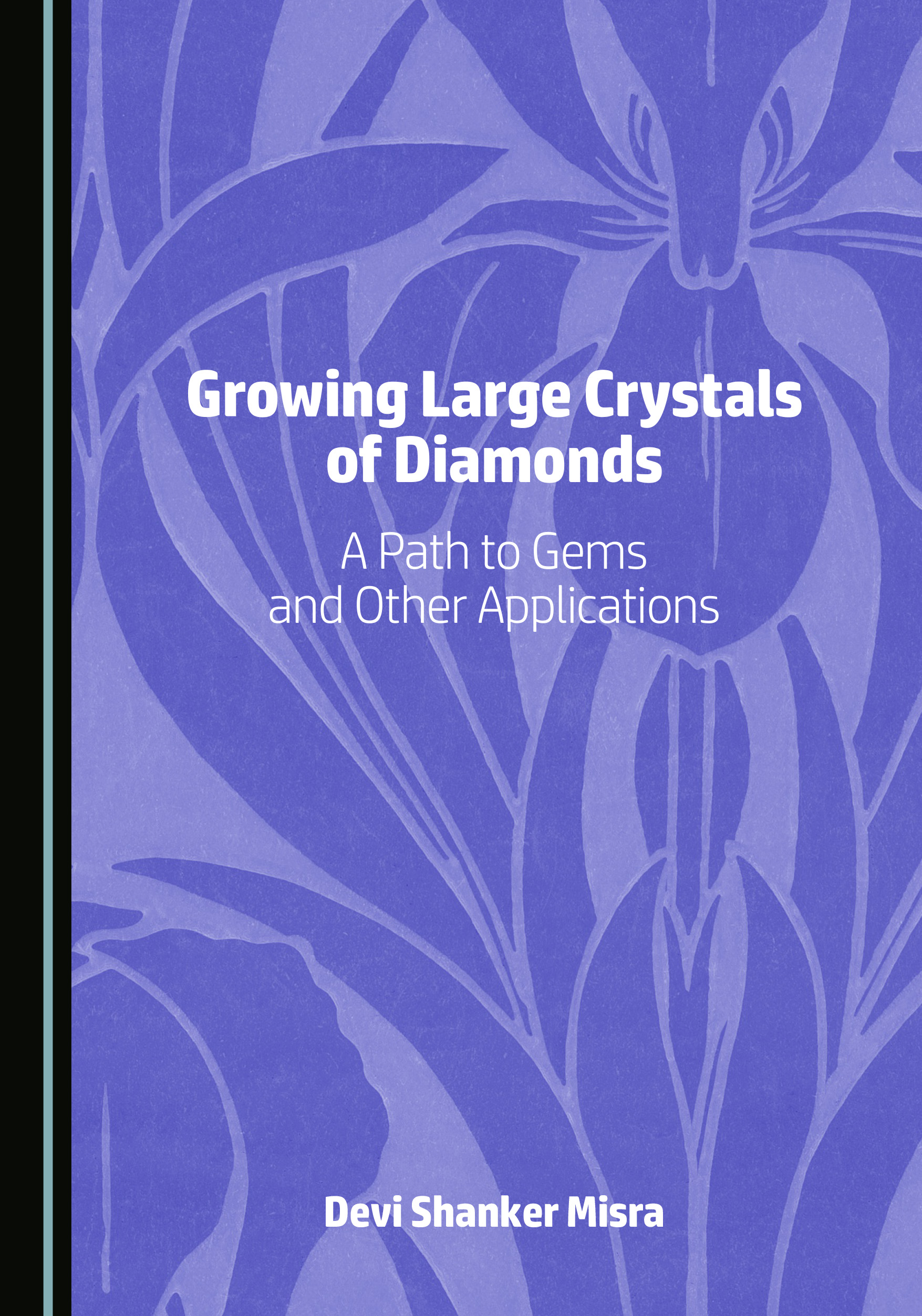
Growing Large Crystals of Diamonds
A Path to Gems and Other Applications
This guide shows how to grow large CVD diamond crystals for gems and industrial applications. For experts and newcomers, it covers the technology, details difficulties encountered during growth and their resolutions, and explains how to identify CVD diamonds from simulants.
This guide shows how to grow large CVD diamond crystals for gems and industrial applications. For experts and newcomers, it covers the technology, details difficulties encountered during growth and their resolutions, and explains how to identify CVD diamonds from simulants.
View more
This product has multiple variants. The options may be chosen on the product page
Processing Your Order
Please wait while we securely process your order.
Do not refresh or leave this page.
You will be redirected shortly to a confirmation page with your order number.