

View more
This product has multiple variants. The options may be chosen on the product page
From £31.99
Einstein’s geometric time versus Bergson’s experienced duration. Are they two separate entities? Relying on research into space-time and the philosophy of mind, this book posits that the physical world evolves predictably and examines if our relationship to time can be modified.
Einstein’s geometric time versus Bergson’s experienced duration. Are they two separate entities? Relying on research into space-time and the philosophy of mind, this book posits that the physical world evolves predictably and examines if our relationship to time can be modified.
View more
This product has multiple variants. The options may be chosen on the product page
View more
This product has multiple variants. The options may be chosen on the product page
From £33.99
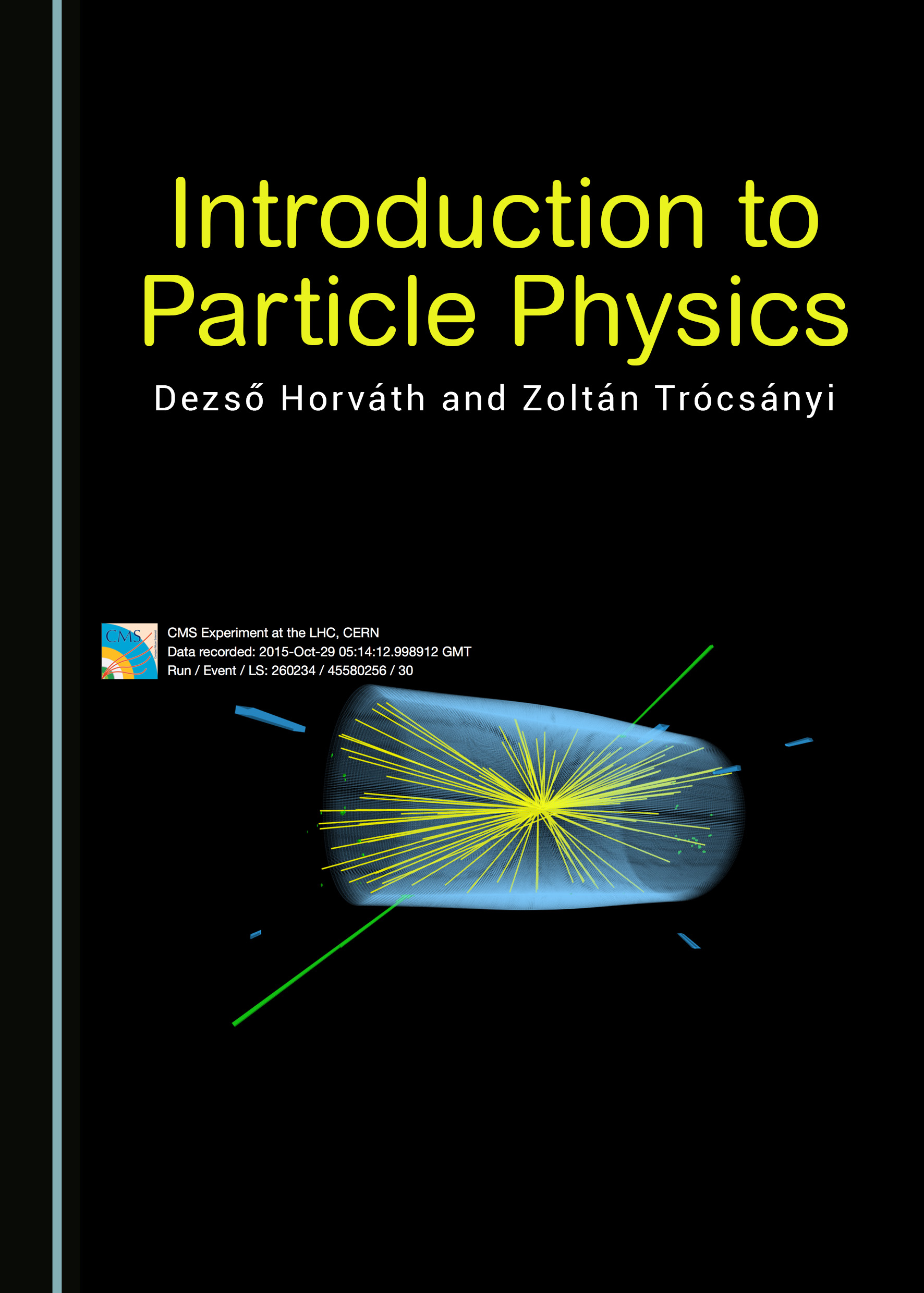
This textbook is a unique treatise on the present status of particle physics summarised for physics students at an introductory level: it provides insights into essential experimental and theoretical techniques and will gradually deepen the reader’s understanding of the field.
This textbook is a unique treatise on the present status of particle physics summarised for physics students at an introductory level: it provides insights into essential experimental and theoretical techniques and will gradually deepen the reader’s understanding of the field.
View more
This product has multiple variants. The options may be chosen on the product page
View more
This product has multiple variants. The options may be chosen on the product page
From £37.99
This introductory physics course is for first-year engineering students. Based on the authors’ teaching experiences, it covers classical mechanics, oscillation, radiation, thermodynamics, and fluidics to ease the transition for students who struggle with the topic.
This introductory physics course is for first-year engineering students. Based on the authors’ teaching experiences, it covers classical mechanics, oscillation, radiation, thermodynamics, and fluidics to ease the transition for students who struggle with the topic.
View more
This product has multiple variants. The options may be chosen on the product page

View more
This product has multiple variants. The options may be chosen on the product page
From £31.99
With an irreverent tone, the author debunks modern physics using common sense and experimental evidence. He proposes a new unifying model where all events are connected, from the subatomic to galaxies. This provocative read requires no advanced scientific knowledge.
With an irreverent tone, the author debunks modern physics using common sense and experimental evidence. He proposes a new unifying model where all events are connected, from the subatomic to galaxies. This provocative read requires no advanced scientific knowledge.
View more
This product has multiple variants. The options may be chosen on the product page
View more
This product has multiple variants. The options may be chosen on the product page
From £32.99
This book explores the nonlinear features of natural phenomena through mathematical models. It focuses on practical methods to investigate these problems, presenting approaches applicable to a wide class of nonlinear equations and guiding even uninitiated readers.
This book explores the nonlinear features of natural phenomena through mathematical models. It focuses on practical methods to investigate these problems, presenting approaches applicable to a wide class of nonlinear equations and guiding even uninitiated readers.
View more
This product has multiple variants. The options may be chosen on the product page
View more
This product has multiple variants. The options may be chosen on the product page
£64.99
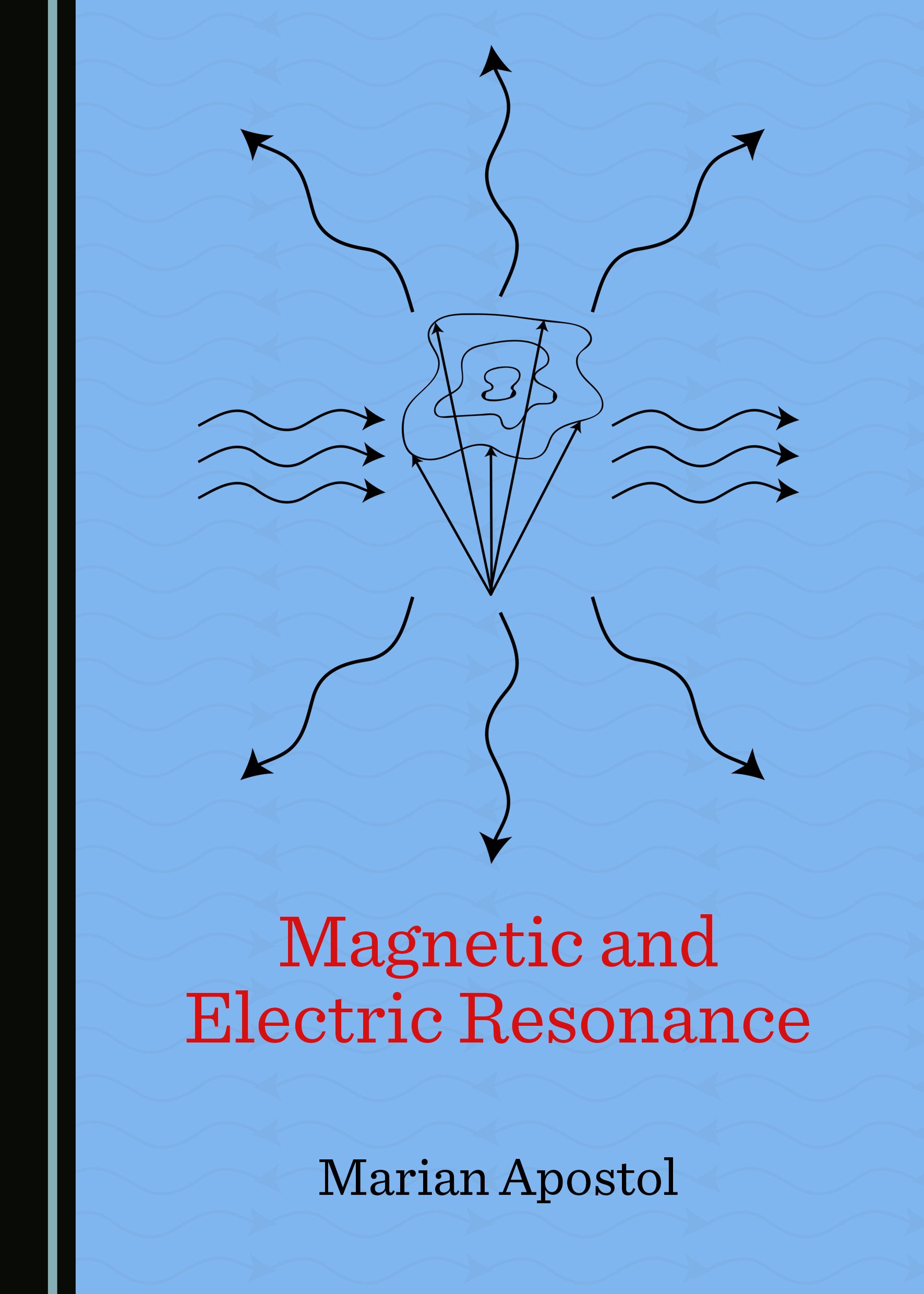
This book is devoted to a quasi-classical treatment of quantum transitions, with an emphasis on magnetic and electric dipolar resonance. In addition to known results, it presents parametric resonance for electric dipoles, which may lead to spontaneous electric polarization.
This book is devoted to a quasi-classical treatment of quantum transitions, with an emphasis on magnetic and electric dipolar resonance. In addition to known results, it presents parametric resonance for electric dipoles, which may lead to spontaneous electric polarization.
View more
This product has multiple variants. The options may be chosen on the product page
View more
This product has multiple variants. The options may be chosen on the product page
Many-body Theory
Normal Fermi Liquid
This book presents a theory of many interacting fermions, relating Landau's theory of the normal Fermi liquid to quantum-mechanical effects. It derives the interaction function, investigates the validity of the quasiparticle concept, and estimates the ground-state energy.
This book presents a theory of many interacting fermions, relating Landau’s theory of the normal Fermi liquid to quantum-mechanical effects. It derives the interaction function, investigates the validity of the quasiparticle concept, and estimates the ground-state energy.
View more
This product has multiple variants. The options may be chosen on the product page

View more
This product has multiple variants. The options may be chosen on the product page
£67.99
Pyrometers are calibrated for blackbodies (BB), but real objects radiate differently, causing measurement errors. This book proposes original correction methods that account for an object's radiation spectrum and its temperature dependence to increase the accuracy of pyrometry.
Pyrometers are calibrated for blackbodies (BB), but real objects radiate differently, causing measurement errors. This book proposes original correction methods that account for an object’s radiation spectrum and its temperature dependence to increase the accuracy of pyrometry.
View more
This product has multiple variants. The options may be chosen on the product page
View more
This product has multiple variants. The options may be chosen on the product page
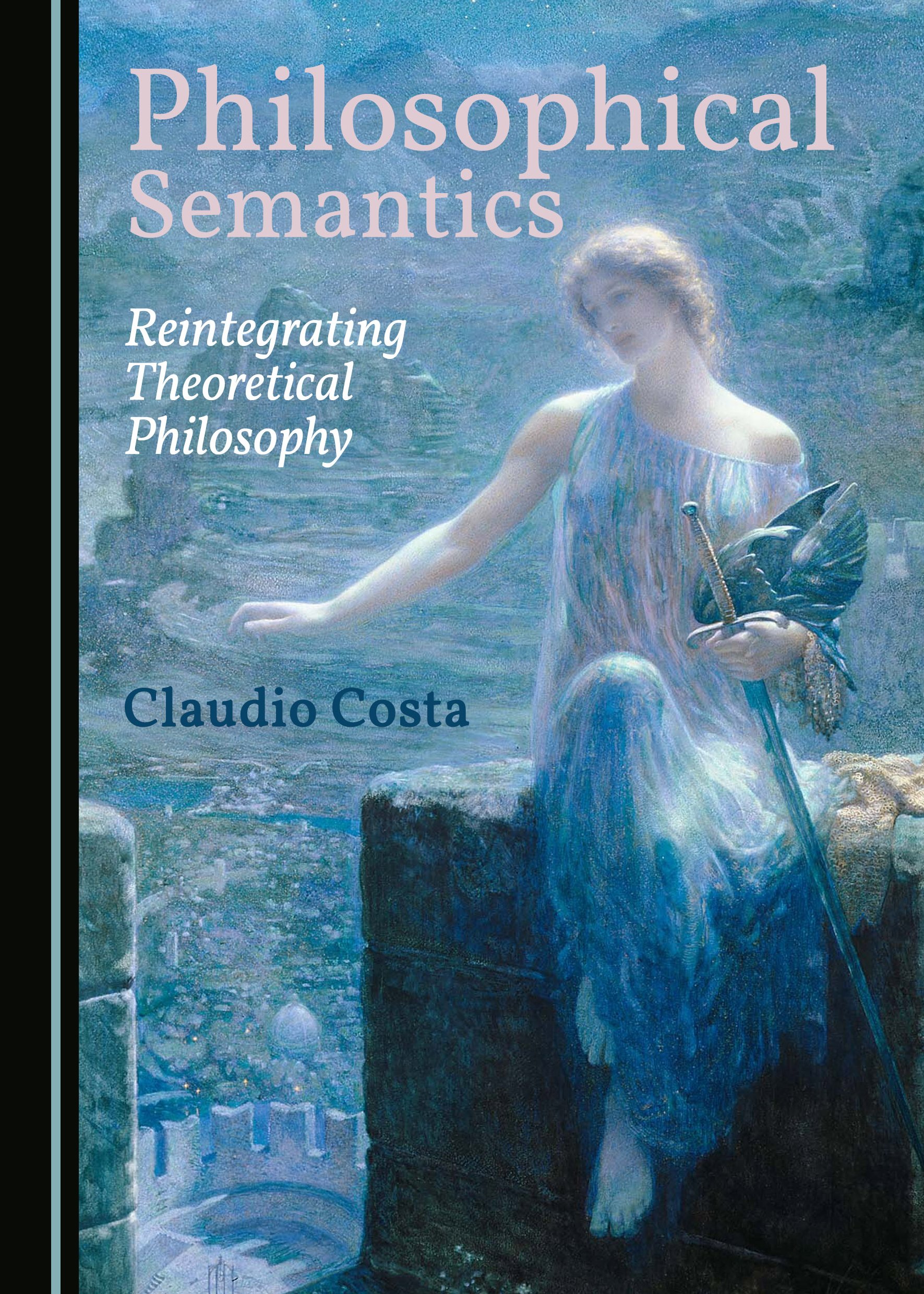
Philosophical Semantics
Reintegrating Theoretical Philosophy
This book offers an innovative systematic approach to meaning and reference, unifying insights from philosophers like Wittgenstein and Frege while exposing errors of formalists from Quine to Kripke. It shows how the cartography of philosophy of language can be redrawn.
This book offers an innovative systematic approach to meaning and reference, unifying insights from philosophers like Wittgenstein and Frege while exposing errors of formalists from Quine to Kripke. It shows how the cartography of philosophy of language can be redrawn.
View more
This product has multiple variants. The options may be chosen on the product page
View more
This product has multiple variants. The options may be chosen on the product page
Post-Newtonian Hydrodynamics
Theory and Applications
This book develops post-Newtonian kinetic and phenomenological theories, deriving hydrodynamic equations and exploring astrophysical applications like stellar structure, Jeans instability, and galaxy rotation curves. For physicists, astrophysicists, and advanced students.
This book develops post-Newtonian kinetic and phenomenological theories, deriving hydrodynamic equations and exploring astrophysical applications like stellar structure, Jeans instability, and galaxy rotation curves. For physicists, astrophysicists, and advanced students.
View more
This product has multiple variants. The options may be chosen on the product page
View more
This product has multiple variants. The options may be chosen on the product page
£81.99
This lucid analysis of quantum mechanics emphasizes the fundamentals using Dirac’s notation. It explains the latest topics, like Quantum Computing, and features a rich collection of solved examples. This comprehensive text is ideal for graduate and research students in physics.
This lucid analysis of quantum mechanics emphasizes the fundamentals using Dirac’s notation. It explains the latest topics, like Quantum Computing, and features a rich collection of solved examples. This comprehensive text is ideal for graduate and research students in physics.
View more
This product has multiple variants. The options may be chosen on the product page
View more
This product has multiple variants. The options may be chosen on the product page
£64.99
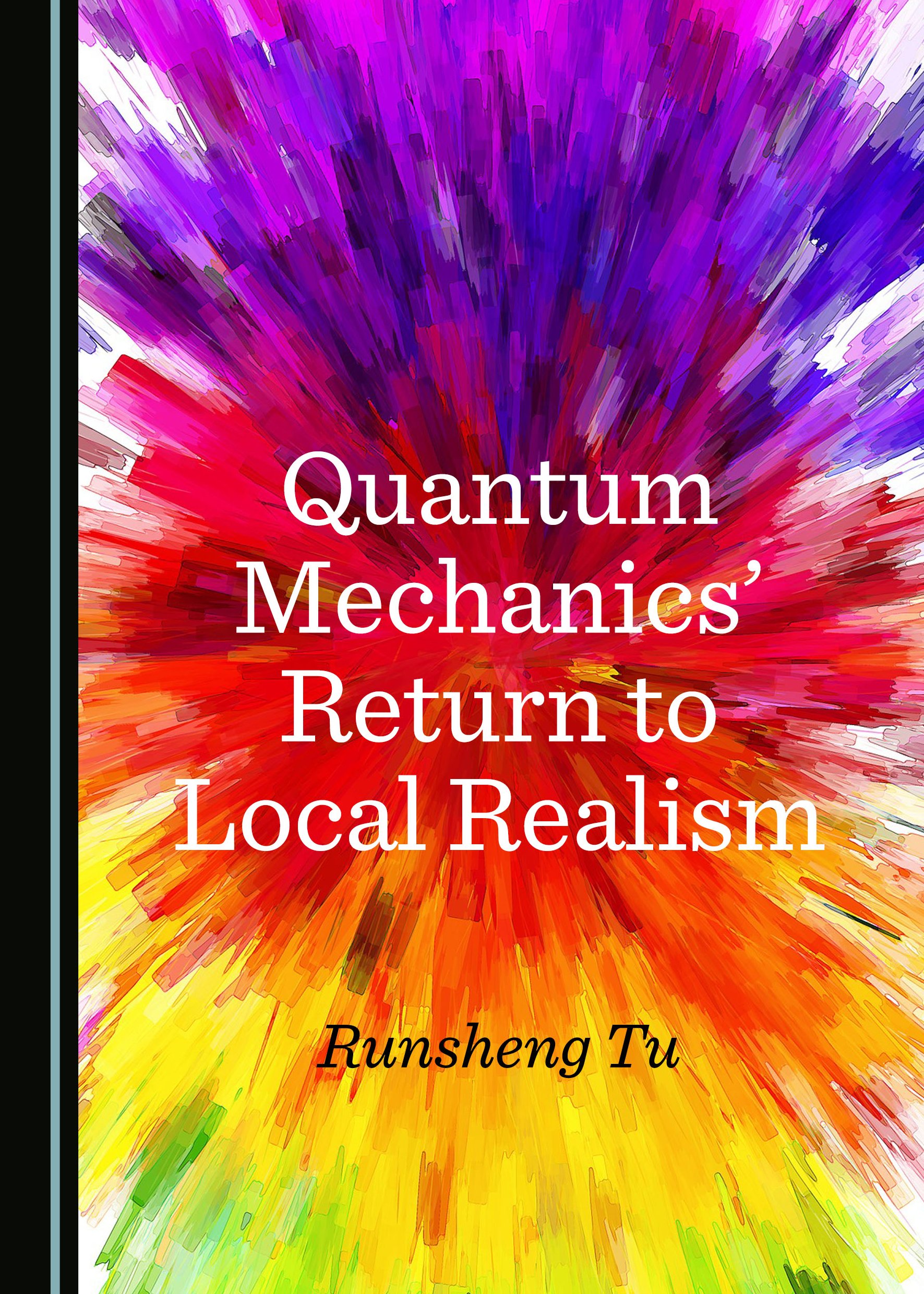
This book proposes a model of light knot electronic structure, challenging the interpretation of quantum entanglement and proving a paradox in the uncertainty relationship. It establishes the foundation for a deterministic, local-realism quantum mechanics.
This book proposes a model of light knot electronic structure, challenging the interpretation of quantum entanglement and proving a paradox in the uncertainty relationship. It establishes the foundation for a deterministic, local-realism quantum mechanics.
View more
This product has multiple variants. The options may be chosen on the product page
View more
This product has multiple variants. The options may be chosen on the product page
From £30.99
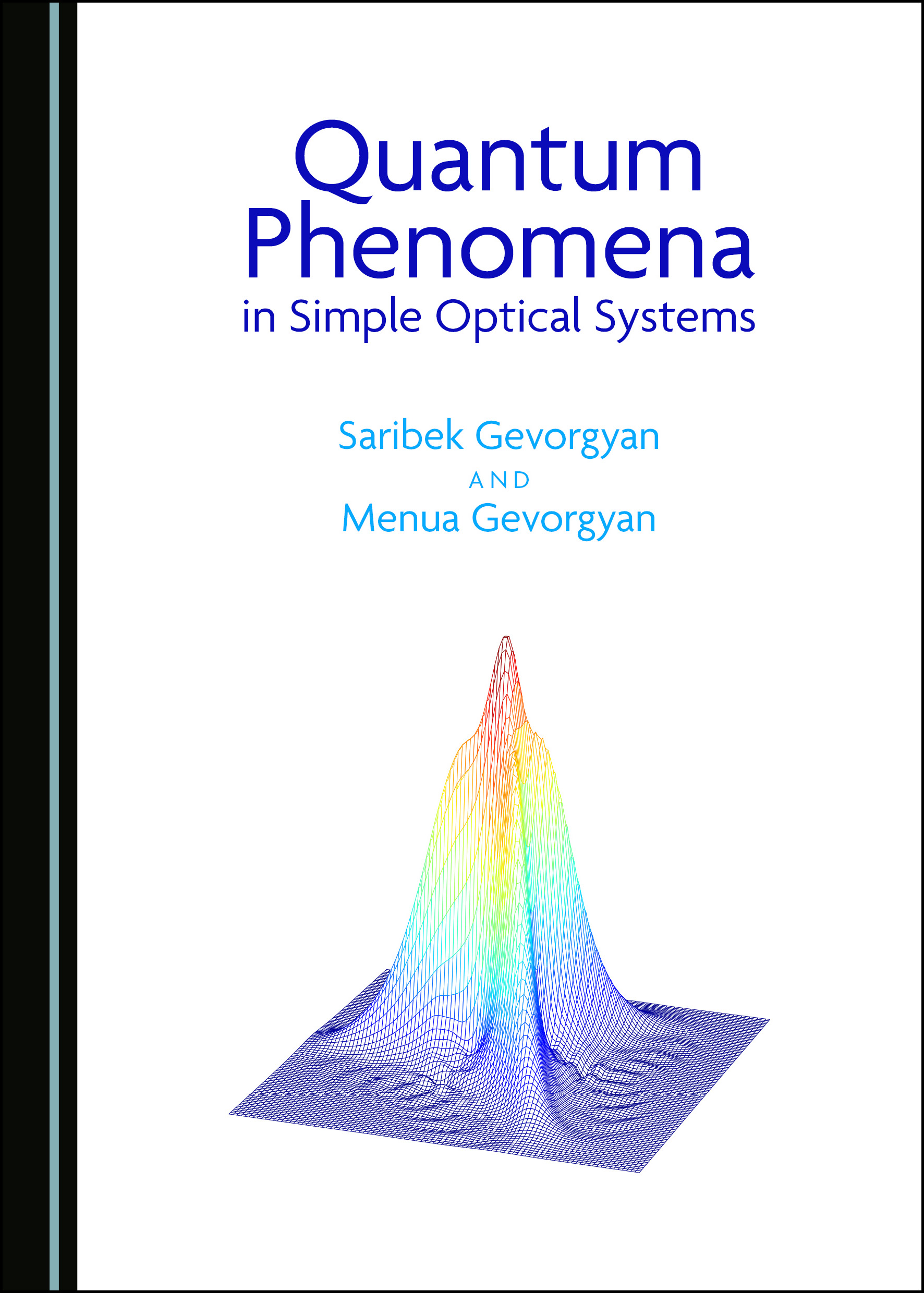
This book explores how simple optical systems can create fascinating quantum states, including Schrödinger’s cat-type states of light. Using abundant graphics over formulas, it makes modern quantum optics accessible to scientists, teachers, and students of physics.
This book explores how simple optical systems can create fascinating quantum states, including Schrödinger’s cat-type states of light. Using abundant graphics over formulas, it makes modern quantum optics accessible to scientists, teachers, and students of physics.
View more
This product has multiple variants. The options may be chosen on the product page
View more
This product has multiple variants. The options may be chosen on the product page
From £32.99
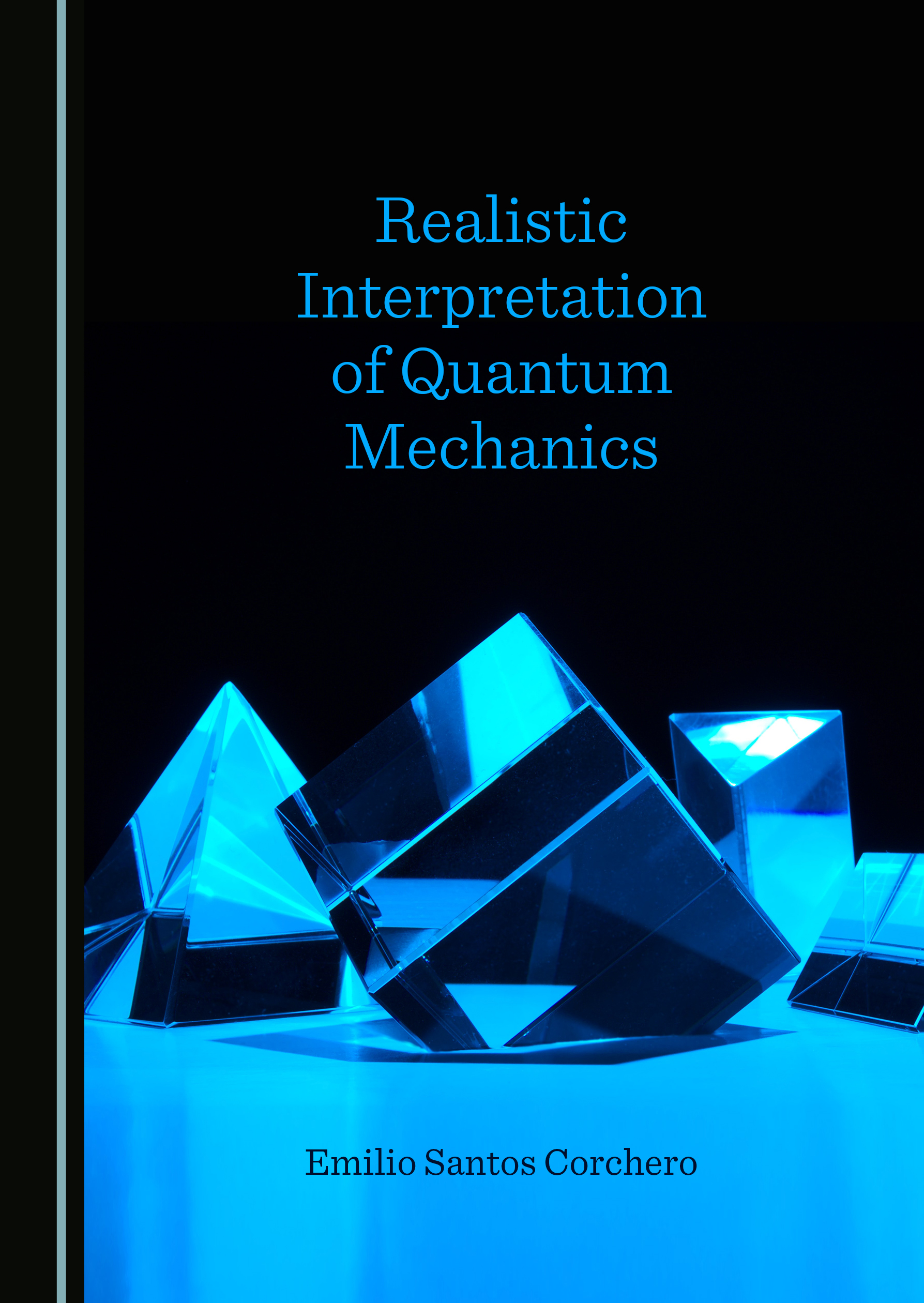
This book provides the "picture of reality" for the quantum world that eluded Einstein. It offers a realistic interpretation compatible with all experimental evidence, plus new perspectives on dark energy, dark matter, and stellar collapse, summarizing 50 years of research.
This book provides the “picture of reality” for the quantum world that eluded Einstein. It offers a realistic interpretation compatible with all experimental evidence, plus new perspectives on dark energy, dark matter, and stellar collapse, summarizing 50 years of research.
View more
This product has multiple variants. The options may be chosen on the product page
View more
This product has multiple variants. The options may be chosen on the product page
From £32.99
This book generalizes transforms from accelerated frames to inertial frames—essential for real-world applications where labs are not truly inertial. It covers the theory and derivation of relativistic fictitious forces (Coriolis, centrifugal) and the Thomas Wigner effect.
This book generalizes transforms from accelerated frames to inertial frames—essential for real-world applications where labs are not truly inertial. It covers the theory and derivation of relativistic fictitious forces (Coriolis, centrifugal) and the Thomas Wigner effect.
View more
This product has multiple variants. The options may be chosen on the product page

View more
This product has multiple variants. The options may be chosen on the product page
From £33.99
This book explores quantum-mechanical scattering in macroscopic targets and the conditions for coherent scattering on a macroscopic scale. It introduces coherence domains and examines their role in scattering, emphasizing the momentum and energy transfer to the target.
This book explores quantum-mechanical scattering in macroscopic targets and the conditions for coherent scattering on a macroscopic scale. It introduces coherence domains and examines their role in scattering, emphasizing the momentum and energy transfer to the target.
View more
This product has multiple variants. The options may be chosen on the product page
View more
This product has multiple variants. The options may be chosen on the product page
From £32.99
This book addresses the complex N-body problem, providing a general approach to show that many mass configurations can be solved deterministically. It gives the reader the tools to master binary, trinary, and quadruple structured configurations for real and theoretical work.
This book addresses the complex N-body problem, providing a general approach to show that many mass configurations can be solved deterministically. It gives the reader the tools to master binary, trinary, and quadruple structured configurations for real and theoretical work.
View more
This product has multiple variants. The options may be chosen on the product page

View more
This product has multiple variants. The options may be chosen on the product page
From £30.99
This book covers the diffraction, radiation, and propagation of elastic waves in isotropic and anisotropic media. It details key methods and their application to hydroacoustic antennas, loudspeakers, and the acoustic monitoring of oil products.
This book covers the diffraction, radiation, and propagation of elastic waves in isotropic and anisotropic media. It details key methods and their application to hydroacoustic antennas, loudspeakers, and the acoustic monitoring of oil products.
View more
This product has multiple variants. The options may be chosen on the product page

View more
This product has multiple variants. The options may be chosen on the product page
From £29.99
The “Ultraviolet Catastrophe”, the failure to account for black-body radiation, led to quantum mechanics. Another catastrophe was politely ignored and fluid dynamics remained trapped in the nineteenth century. The book outlines a solution to this dilemma.
The “Ultraviolet Catastrophe”, the failure to account for black-body radiation, led to quantum mechanics. Another catastrophe was politely ignored and fluid dynamics remained trapped in the nineteenth century. The book outlines a solution to this dilemma.
View more
This product has multiple variants. The options may be chosen on the product page
View more
This product has multiple variants. The options may be chosen on the product page
From £33.99
This book explores the mechanics of smart nanocomposite sandwich plates, covering theories of buckling, vibration and dynamic instability. It presents models for material properties and derives governing equations using the energy method and Hamilton’s principle.
This book explores the mechanics of smart nanocomposite sandwich plates, covering theories of buckling, vibration and dynamic instability. It presents models for material properties and derives governing equations using the energy method and Hamilton’s principle.
View more
This product has multiple variants. The options may be chosen on the product page
Processing Your Order
Please wait while we securely process your order.
Do not refresh or leave this page.
You will be redirected shortly to a confirmation page with your order number.