
View more
This product has multiple variants. The options may be chosen on the product page
From £32.99
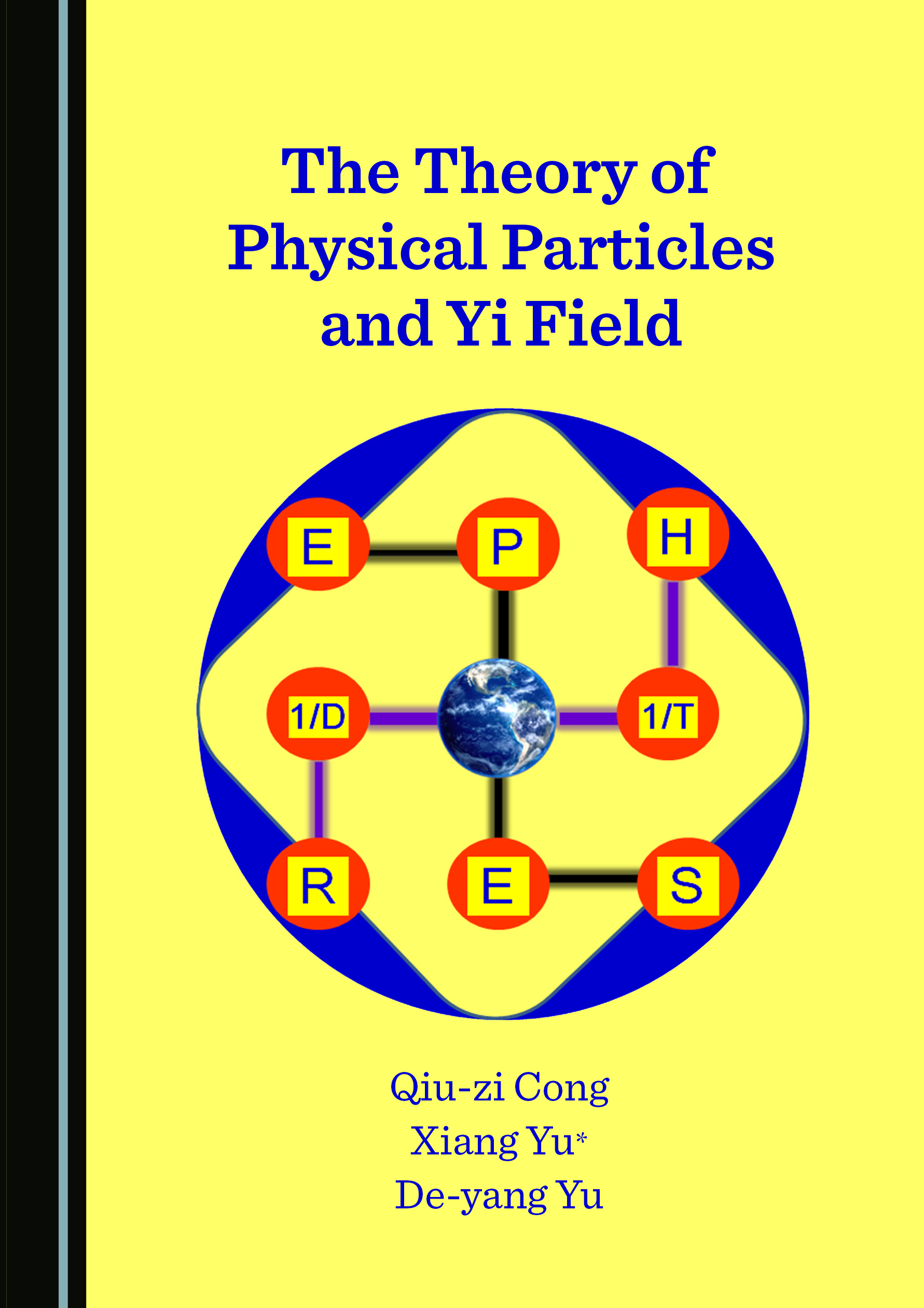
This book integrates Western science with Oriental philosophy, proposing a unified theory of physics. Using a simple mathematical model, it explains the fundamental concepts of dynamics, connecting Newtonian mechanics, relativity, and quantum wave dynamics.
This book integrates Western science with Oriental philosophy, proposing a unified theory of physics. Using a simple mathematical model, it explains the fundamental concepts of dynamics, connecting Newtonian mechanics, relativity, and quantum wave dynamics.
View more
This product has multiple variants. The options may be chosen on the product page
View more
This product has multiple variants. The options may be chosen on the product page
From £32.99
This book generalizes transforms from accelerated frames to inertial frames—essential for real-world applications where labs are not truly inertial. It covers the theory and derivation of relativistic fictitious forces (Coriolis, centrifugal) and the Thomas Wigner effect.
This book generalizes transforms from accelerated frames to inertial frames—essential for real-world applications where labs are not truly inertial. It covers the theory and derivation of relativistic fictitious forces (Coriolis, centrifugal) and the Thomas Wigner effect.
View more
This product has multiple variants. The options may be chosen on the product page
View more
This product has multiple variants. The options may be chosen on the product page
From Nonlinear Dynamics to Trigonometry’s Magic
A Definite Vision of the Lorenz Equations
This book unravels the mathematics of nonlinear dynamics using simple trigonometry. A tutorial for beginners and experts, it examines the fundamental example of Chaos, the Lorenz-Haken equations, with an original approach. For physicists, mathematicians, and students alike.
This book unravels the mathematics of nonlinear dynamics using simple trigonometry. A tutorial for beginners and experts, it examines the fundamental example of Chaos, the Lorenz-Haken equations, with an original approach. For physicists, mathematicians, and students alike.
View more
This product has multiple variants. The options may be chosen on the product page
View more
This product has multiple variants. The options may be chosen on the product page
Post-Newtonian Hydrodynamics
Theory and Applications
This book develops post-Newtonian kinetic and phenomenological theories, deriving hydrodynamic equations and exploring astrophysical applications like stellar structure, Jeans instability, and galaxy rotation curves. For physicists, astrophysicists, and advanced students.
This book develops post-Newtonian kinetic and phenomenological theories, deriving hydrodynamic equations and exploring astrophysical applications like stellar structure, Jeans instability, and galaxy rotation curves. For physicists, astrophysicists, and advanced students.
View more
This product has multiple variants. The options may be chosen on the product page
View more
This product has multiple variants. The options may be chosen on the product page
From £32.99
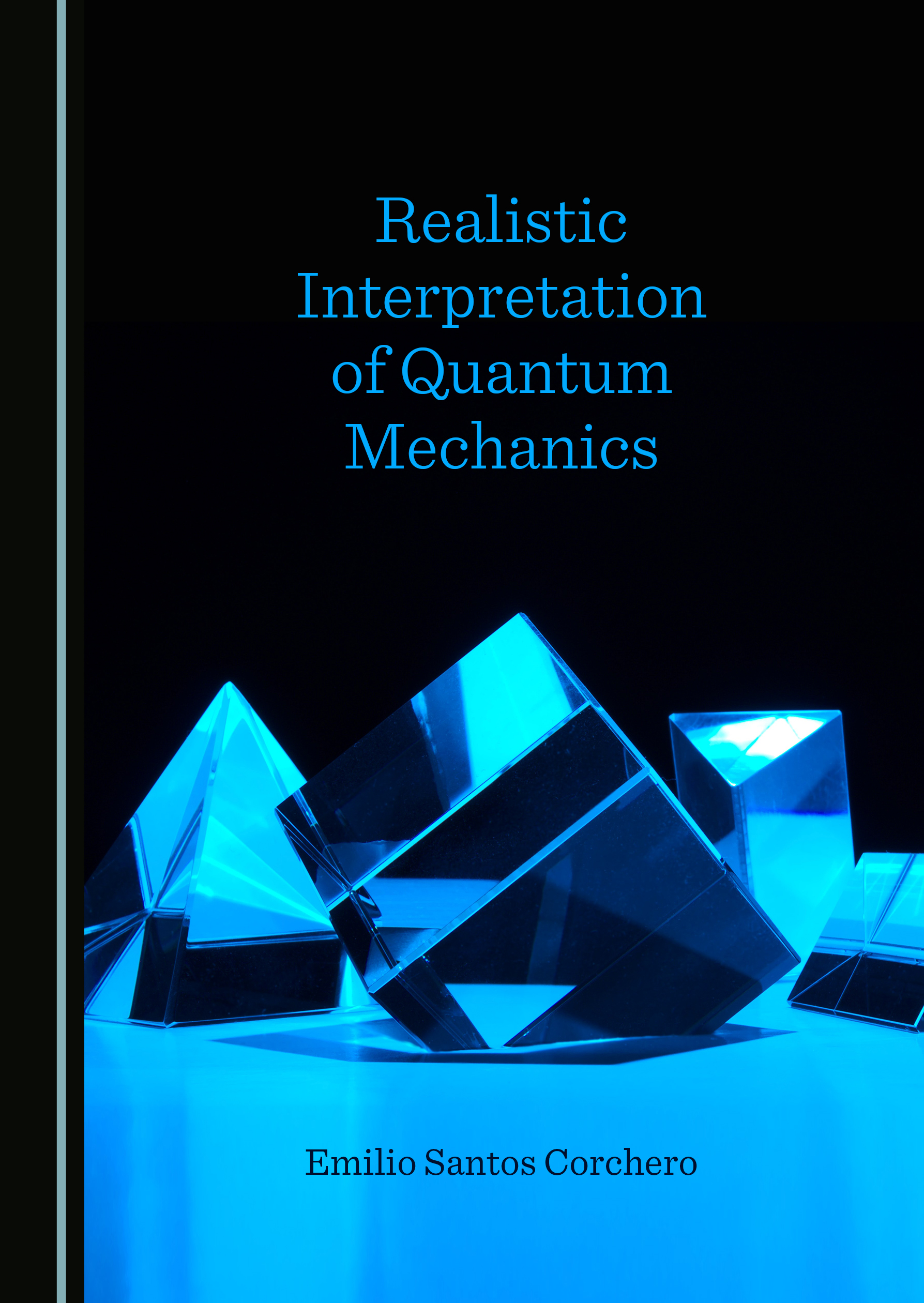
This book provides the "picture of reality" for the quantum world that eluded Einstein. It offers a realistic interpretation compatible with all experimental evidence, plus new perspectives on dark energy, dark matter, and stellar collapse, summarizing 50 years of research.
This book provides the “picture of reality” for the quantum world that eluded Einstein. It offers a realistic interpretation compatible with all experimental evidence, plus new perspectives on dark energy, dark matter, and stellar collapse, summarizing 50 years of research.
View more
This product has multiple variants. The options may be chosen on the product page
View more
This product has multiple variants. The options may be chosen on the product page
From £32.99
This book explores the nonlinear features of natural phenomena through mathematical models. It focuses on practical methods to investigate these problems, presenting approaches applicable to a wide class of nonlinear equations and guiding even uninitiated readers.
This book explores the nonlinear features of natural phenomena through mathematical models. It focuses on practical methods to investigate these problems, presenting approaches applicable to a wide class of nonlinear equations and guiding even uninitiated readers.
View more
This product has multiple variants. The options may be chosen on the product page
View more
This product has multiple variants. The options may be chosen on the product page
From £32.99
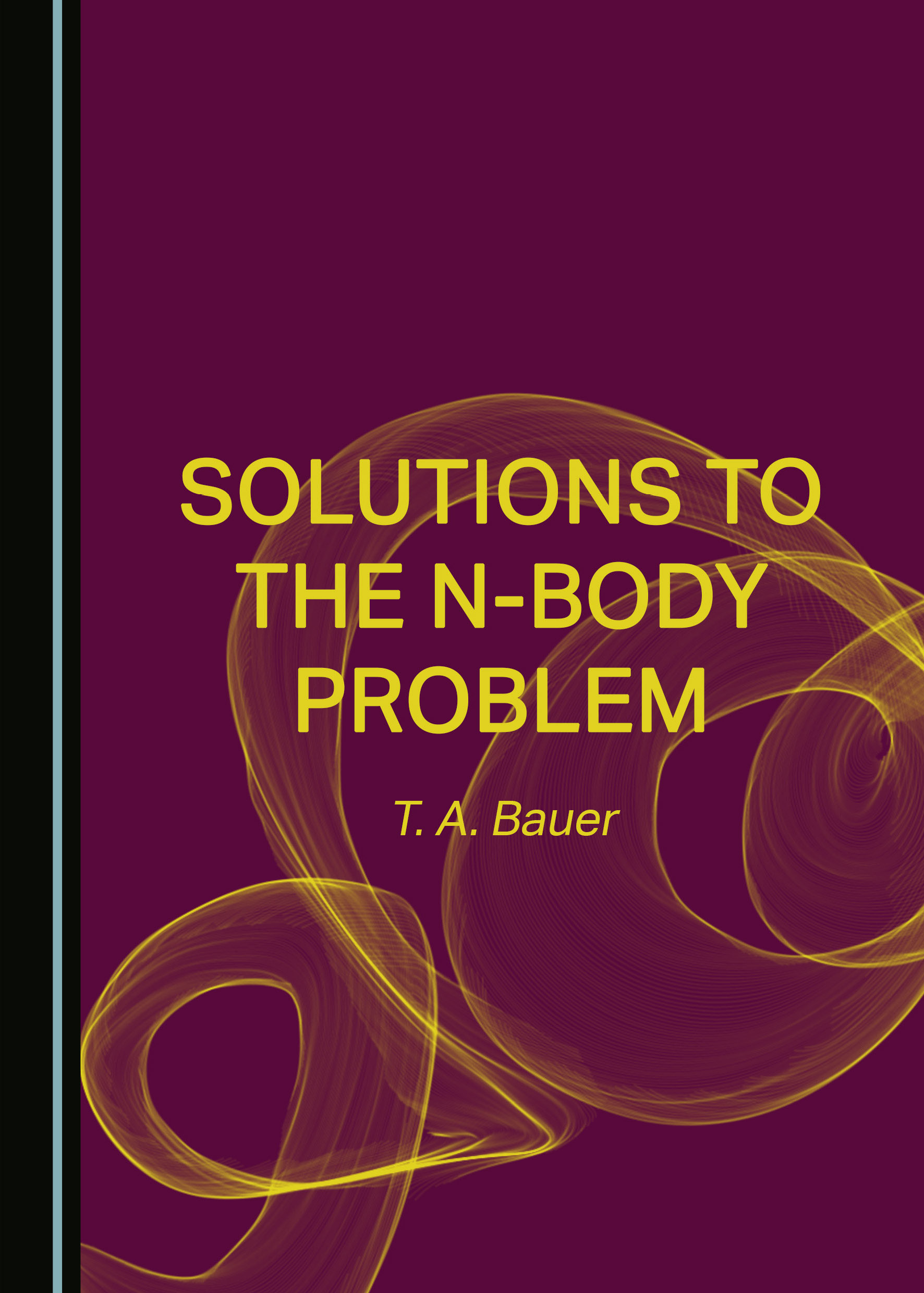
This book addresses the complex N-body problem, providing a general approach to show that many mass configurations can be solved deterministically. It gives the reader the tools to master binary, trinary, and quadruple structured configurations for real and theoretical work.
This book addresses the complex N-body problem, providing a general approach to show that many mass configurations can be solved deterministically. It gives the reader the tools to master binary, trinary, and quadruple structured configurations for real and theoretical work.
View more
This product has multiple variants. The options may be chosen on the product page
View more
This product has multiple variants. The options may be chosen on the product page
From £33.99
This book presents insights into manganese oxides, materials with important technological applications in magnetic refrigeration and sensors. With elegant and didactic mathematical proofs, it will interest both researchers and the general reader interested in the subject.
This book presents insights into manganese oxides, materials with important technological applications in magnetic refrigeration and sensors. With elegant and didactic mathematical proofs, it will interest both researchers and the general reader interested in the subject.
View more
This product has multiple variants. The options may be chosen on the product page
View more
This product has multiple variants. The options may be chosen on the product page
From £35.99
This book describes physical effects caused by impurity atoms that localize electrons and phonons in nanosystems. It presents the first-ever application of the method of local perturbations to describe the physical properties of a wide range of nanosystems.
This book describes physical effects caused by impurity atoms that localize electrons and phonons in nanosystems. It presents the first-ever application of the method of local perturbations to describe the physical properties of a wide range of nanosystems.
View more
This product has multiple variants. The options may be chosen on the product page
View more
This product has multiple variants. The options may be chosen on the product page
From £29.99
At last, a clear path through quantum mechanics. This book intuitively unravels entanglement and wave-particle duality, revealing a profound truth: the objectivity of reality is not a simple yes-or-no question.
At last, a clear path through quantum mechanics. This book intuitively unravels entanglement and wave-particle duality, revealing a profound truth: the objectivity of reality is not a simple yes-or-no question.
View more
This product has multiple variants. The options may be chosen on the product page

View more
This product has multiple variants. The options may be chosen on the product page
From £37.99
This book presents 10 actions for practical results in seismology. Through statistical analysis, we can estimate the probability of the next earthquake and identify foreshocks. From seismic waves, we can deduce an earthquake's energy, magnitude, and the fault's orientation.
This book presents 10 actions for practical results in seismology. Through statistical analysis, we can estimate the probability of the next earthquake and identify foreshocks. From seismic waves, we can deduce an earthquake’s energy, magnitude, and the fault’s orientation.
View more
This product has multiple variants. The options may be chosen on the product page

View more
This product has multiple variants. The options may be chosen on the product page
From £31.99
Einstein’s geometric time versus Bergson’s experienced duration. Are they two separate entities? Relying on research into space-time and the philosophy of mind, this book posits that the physical world evolves predictably and examines if our relationship to time can be modified.
Einstein’s geometric time versus Bergson’s experienced duration. Are they two separate entities? Relying on research into space-time and the philosophy of mind, this book posits that the physical world evolves predictably and examines if our relationship to time can be modified.
View more
This product has multiple variants. The options may be chosen on the product page
View more
This product has multiple variants. The options may be chosen on the product page
From £33.99
This book explores the mechanics of smart nanocomposite sandwich plates, covering theories of buckling, vibration and dynamic instability. It presents models for material properties and derives governing equations using the energy method and Hamilton’s principle.
This book explores the mechanics of smart nanocomposite sandwich plates, covering theories of buckling, vibration and dynamic instability. It presents models for material properties and derives governing equations using the energy method and Hamilton’s principle.
View more
This product has multiple variants. The options may be chosen on the product page
View more
This product has multiple variants. The options may be chosen on the product page
From £39.99
This textbook provides an introduction to physics for undergraduate students of geology and Earth sciences. It explains basic physics theories first, which are then applied to geological phenomena, using accessible math with figures and solved problems.
This textbook provides an introduction to physics for undergraduate students of geology and Earth sciences. It explains basic physics theories first, which are then applied to geological phenomena, using accessible math with figures and solved problems.
View more
This product has multiple variants. The options may be chosen on the product page
View more
This product has multiple variants. The options may be chosen on the product page
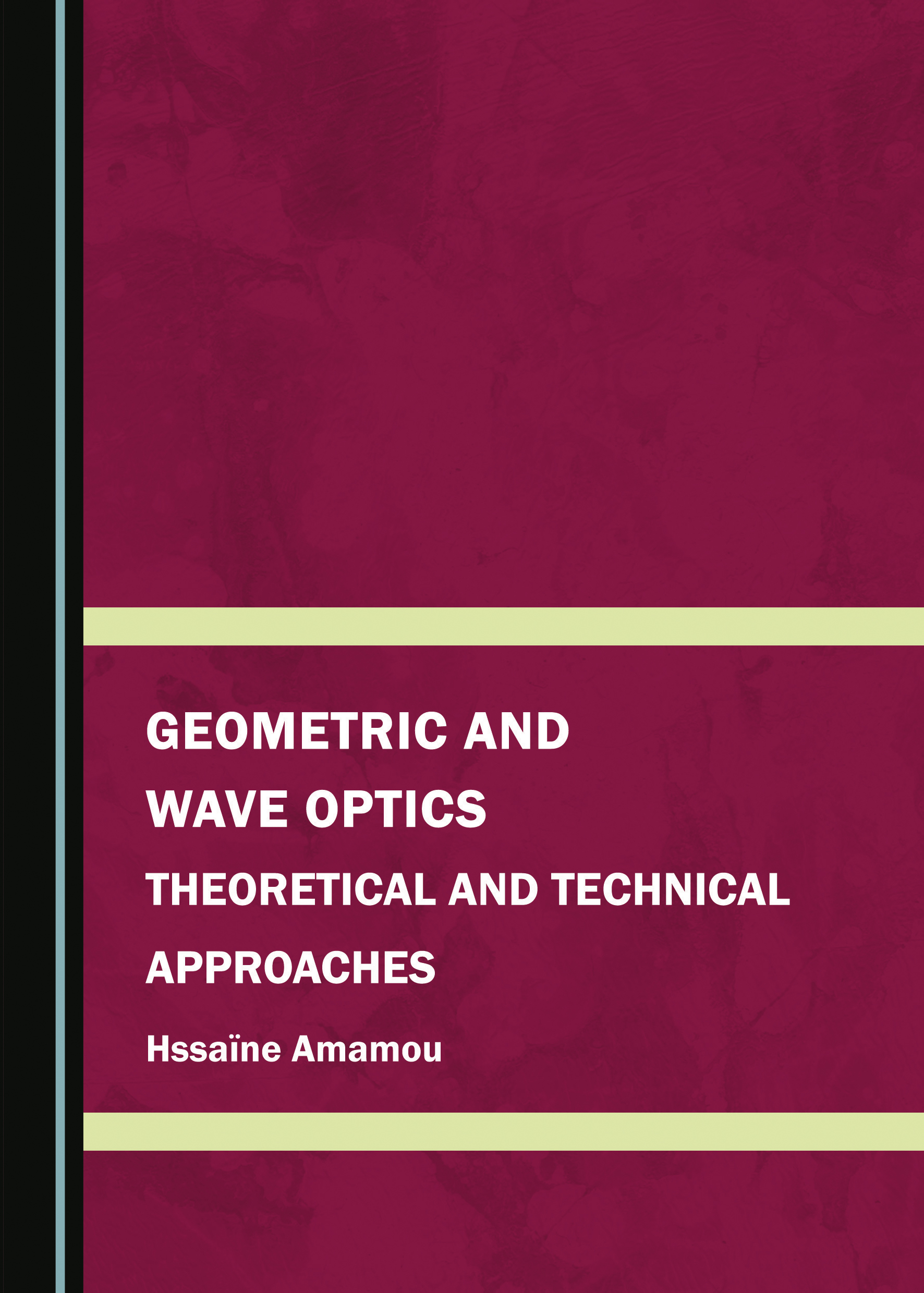
Geometric and Wave Optics
Theoretical and Technical Approaches
A comprehensive course covering geometric, wave, and quantum optics, with applications and devices. Featuring clear diagrams, it offers detailed explanations with a physical approach and precise mathematical formalism. For undergraduate students, engineers, and researchers.
A comprehensive course covering geometric, wave, and quantum optics, with applications and devices. Featuring clear diagrams, it offers detailed explanations with a physical approach and precise mathematical formalism. For undergraduate students, engineers, and researchers.
View more
This product has multiple variants. The options may be chosen on the product page

View more
This product has multiple variants. The options may be chosen on the product page
From £37.99
Sound is a major tool for studying the ocean environment and marine life. Understanding Ocean Acoustics focuses on environmental research using low frequencies relevant to fish and sea mammals, covering geoacoustic properties missing in most books on underwater acoustics.
Sound is a major tool for studying the ocean environment and marine life. Understanding Ocean Acoustics focuses on environmental research using low frequencies relevant to fish and sea mammals, covering geoacoustic properties missing in most books on underwater acoustics.
View more
This product has multiple variants. The options may be chosen on the product page

View more
This product has multiple variants. The options may be chosen on the product page
From £33.99
This book explores quantum-mechanical scattering in macroscopic targets and the conditions for coherent scattering on a macroscopic scale. It introduces coherence domains and examines their role in scattering, emphasizing the momentum and energy transfer to the target.
This book explores quantum-mechanical scattering in macroscopic targets and the conditions for coherent scattering on a macroscopic scale. It introduces coherence domains and examines their role in scattering, emphasizing the momentum and energy transfer to the target.
View more
This product has multiple variants. The options may be chosen on the product page
View more
This product has multiple variants. The options may be chosen on the product page
From £35.99
Explore the quantum realm of 2D materials. From graphene to transition metal dichalcogenides, delve into their fundamental properties and applications in nanoelectronics, optoelectronics, and quantum computing. Uncover the latest breakthroughs with insights from leading experts.
Explore the quantum realm of 2D materials. From graphene to transition metal dichalcogenides, delve into their fundamental properties and applications in nanoelectronics, optoelectronics, and quantum computing. Uncover the latest breakthroughs with insights from leading experts.
View more
This product has multiple variants. The options may be chosen on the product page

View more
This product has multiple variants. The options may be chosen on the product page
From £31.99
With an irreverent tone, the author debunks modern physics using common sense and experimental evidence. He proposes a new unifying model where all events are connected, from the subatomic to galaxies. This provocative read requires no advanced scientific knowledge.
With an irreverent tone, the author debunks modern physics using common sense and experimental evidence. He proposes a new unifying model where all events are connected, from the subatomic to galaxies. This provocative read requires no advanced scientific knowledge.
View more
This product has multiple variants. The options may be chosen on the product page
View more
This product has multiple variants. The options may be chosen on the product page
Many-body Theory
Normal Fermi Liquid
This book presents a theory of many interacting fermions, relating Landau's theory of the normal Fermi liquid to quantum-mechanical effects. It derives the interaction function, investigates the validity of the quasiparticle concept, and estimates the ground-state energy.
This book presents a theory of many interacting fermions, relating Landau’s theory of the normal Fermi liquid to quantum-mechanical effects. It derives the interaction function, investigates the validity of the quasiparticle concept, and estimates the ground-state energy.
View more
This product has multiple variants. The options may be chosen on the product page
Processing Your Order
Please wait while we securely process your order.
Do not refresh or leave this page.
You will be redirected shortly to a confirmation page with your order number.