

View more
This product has multiple variants. The options may be chosen on the product page
From £29.99
The “Ultraviolet Catastrophe”, the failure to account for black-body radiation, led to quantum mechanics. Another catastrophe was politely ignored and fluid dynamics remained trapped in the nineteenth century. The book outlines a solution to this dilemma.
The “Ultraviolet Catastrophe”, the failure to account for black-body radiation, led to quantum mechanics. Another catastrophe was politely ignored and fluid dynamics remained trapped in the nineteenth century. The book outlines a solution to this dilemma.
View more
This product has multiple variants. The options may be chosen on the product page
View more
This product has multiple variants. The options may be chosen on the product page
From £19.99
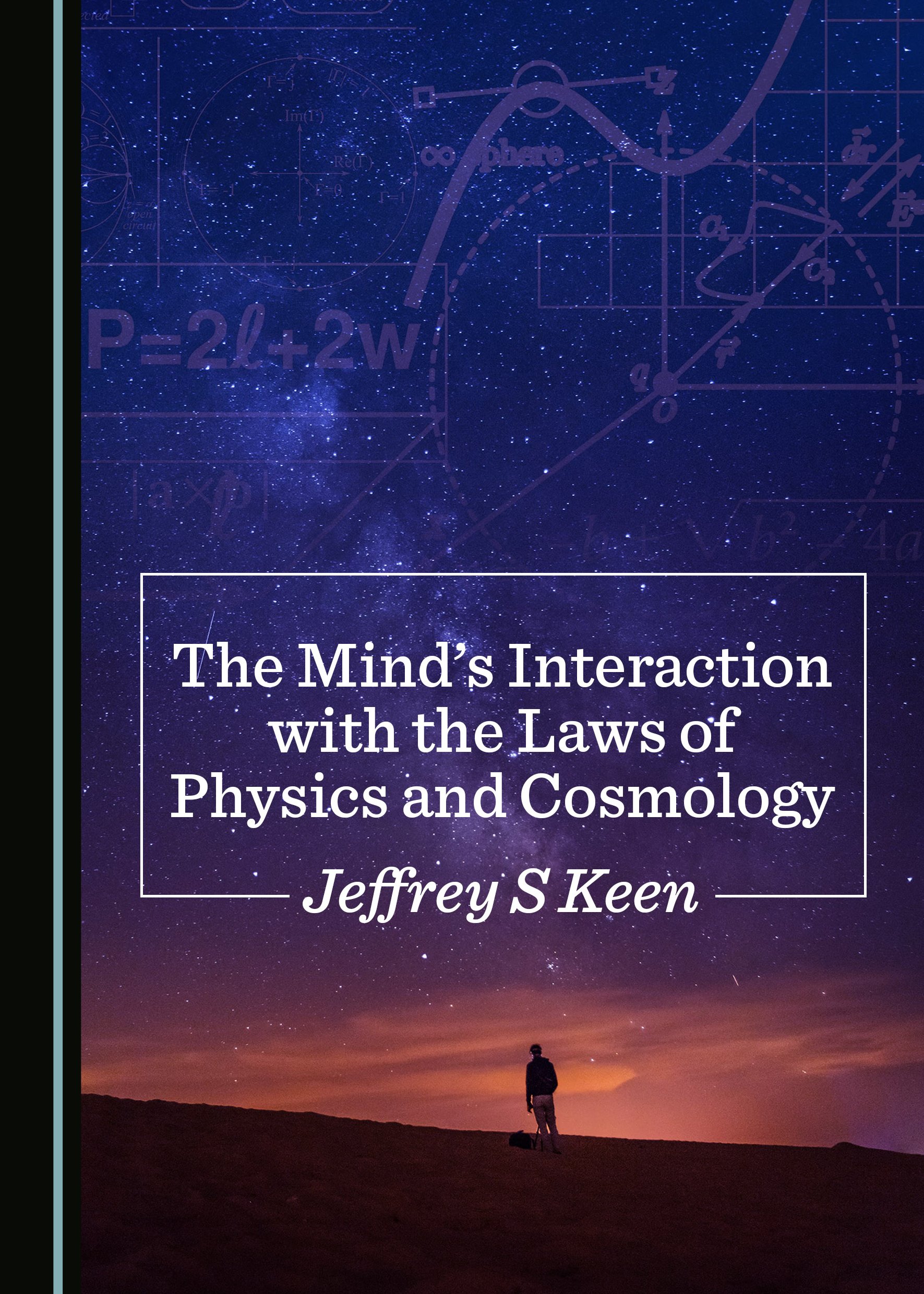
The unique experiments, numerous measurements, and resulting data presented here, have been collected over 30 years of research and prove with scientific precision, that consciousness involves more than just the brain, but actually depends on the very fabric of the universe.
The unique experiments, numerous measurements, and resulting data presented here, have been collected over 30 years of research and prove with scientific precision, that consciousness involves more than just the brain, but actually depends on the very fabric of the universe.
View more
This product has multiple variants. The options may be chosen on the product page
View more
This product has multiple variants. The options may be chosen on the product page
£61.99
This book discusses the basic tools of mathematical physics for physicists, mathematicians, and engineers. It reveals the indissoluble connection between physical ideas and mathematical concepts, emphasizing the physical origin and flexibility of the equations.
This book discusses the basic tools of mathematical physics for physicists, mathematicians, and engineers. It reveals the indissoluble connection between physical ideas and mathematical concepts, emphasizing the physical origin and flexibility of the equations.
View more
This product has multiple variants. The options may be chosen on the product page
View more
This product has multiple variants. The options may be chosen on the product page
£64.99
This book proposes a model of light knot electronic structure, challenging the interpretation of quantum entanglement and proving a paradox in the uncertainty relationship. It establishes the foundation for a deterministic, local-realism quantum mechanics.
This book proposes a model of light knot electronic structure, challenging the interpretation of quantum entanglement and proving a paradox in the uncertainty relationship. It establishes the foundation for a deterministic, local-realism quantum mechanics.
View more
This product has multiple variants. The options may be chosen on the product page
View more
This product has multiple variants. The options may be chosen on the product page
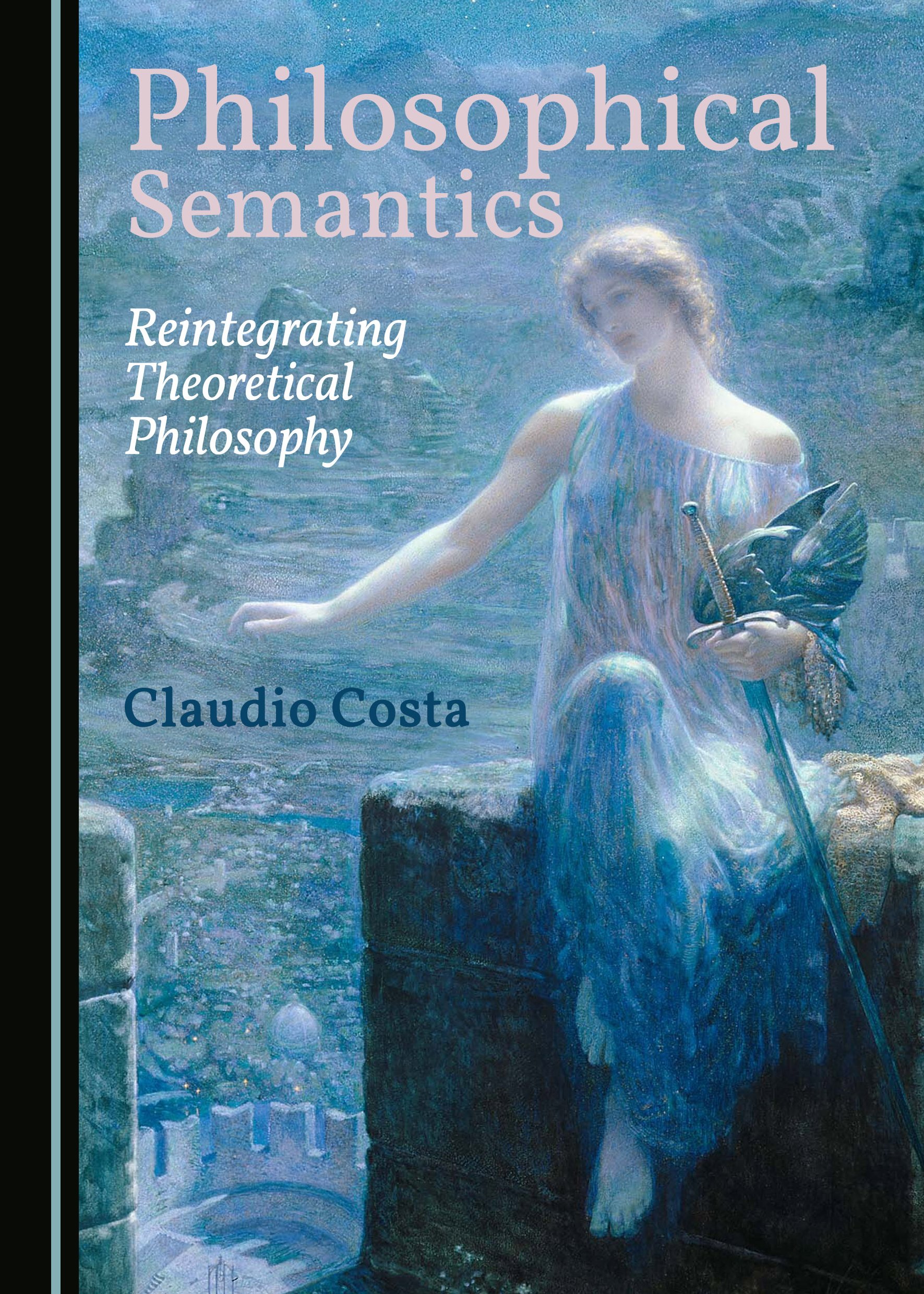
Philosophical Semantics
Reintegrating Theoretical Philosophy
This book offers an innovative systematic approach to meaning and reference, unifying insights from philosophers like Wittgenstein and Frege while exposing errors of formalists from Quine to Kripke. It shows how the cartography of philosophy of language can be redrawn.
This book offers an innovative systematic approach to meaning and reference, unifying insights from philosophers like Wittgenstein and Frege while exposing errors of formalists from Quine to Kripke. It shows how the cartography of philosophy of language can be redrawn.
View more
This product has multiple variants. The options may be chosen on the product page
View more
This product has multiple variants. The options may be chosen on the product page
£64.99
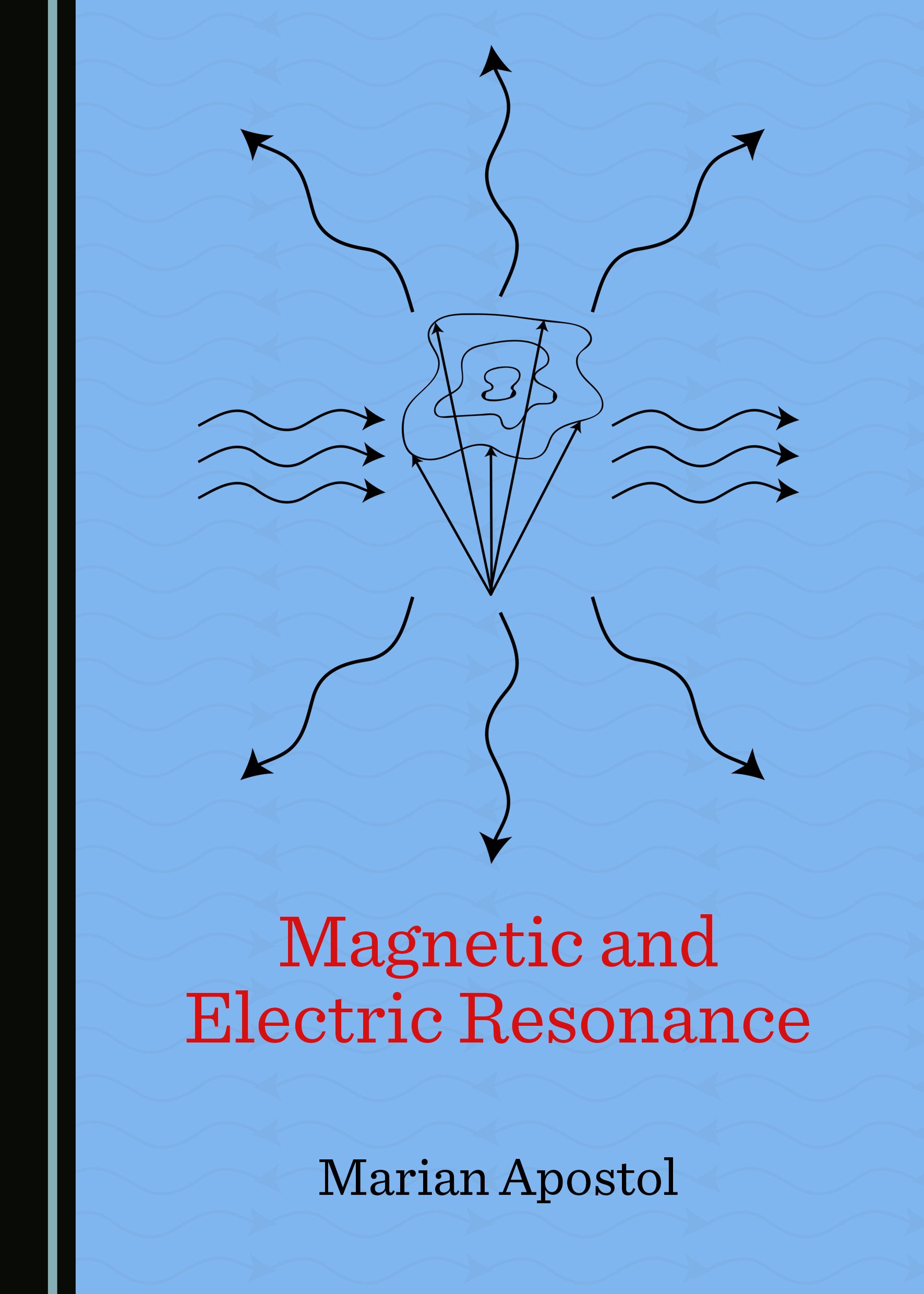
This book is devoted to a quasi-classical treatment of quantum transitions, with an emphasis on magnetic and electric dipolar resonance. In addition to known results, it presents parametric resonance for electric dipoles, which may lead to spontaneous electric polarization.
This book is devoted to a quasi-classical treatment of quantum transitions, with an emphasis on magnetic and electric dipolar resonance. In addition to known results, it presents parametric resonance for electric dipoles, which may lead to spontaneous electric polarization.
View more
This product has multiple variants. The options may be chosen on the product page
View more
This product has multiple variants. The options may be chosen on the product page
£80.99
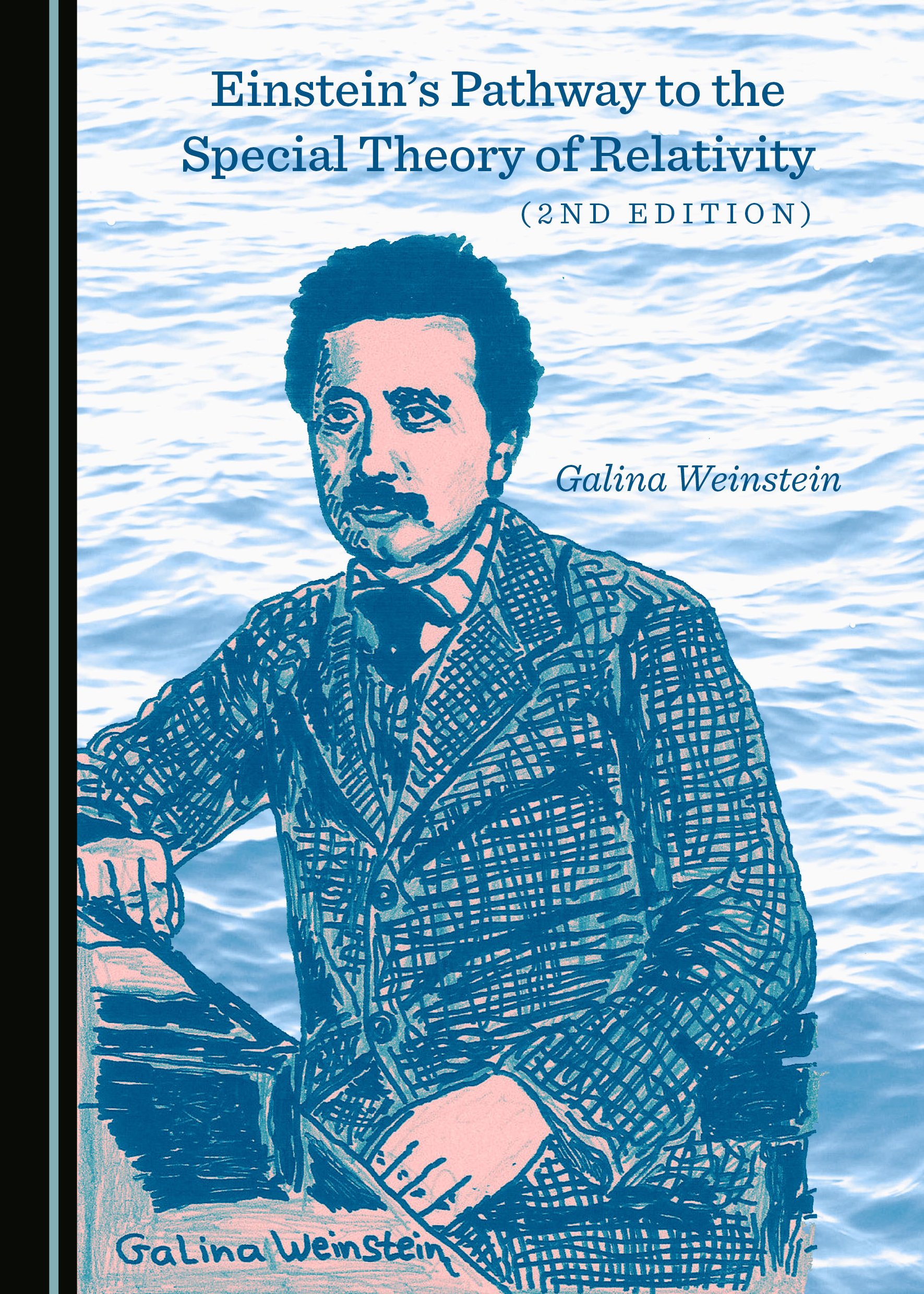
This book is a monograph on Albert Einstein’s odyssey to Special and General Relativity. Bringing together recent studies, it offers an in-depth analysis of the genesis of his theories, Einstein’s own derivations, and the philosophical perspectives of his work.
This book is a monograph on Albert Einstein’s odyssey to Special and General Relativity. Bringing together recent studies, it offers an in-depth analysis of the genesis of his theories, Einstein’s own derivations, and the philosophical perspectives of his work.
View more
This product has multiple variants. The options may be chosen on the product page
View more
This product has multiple variants. The options may be chosen on the product page
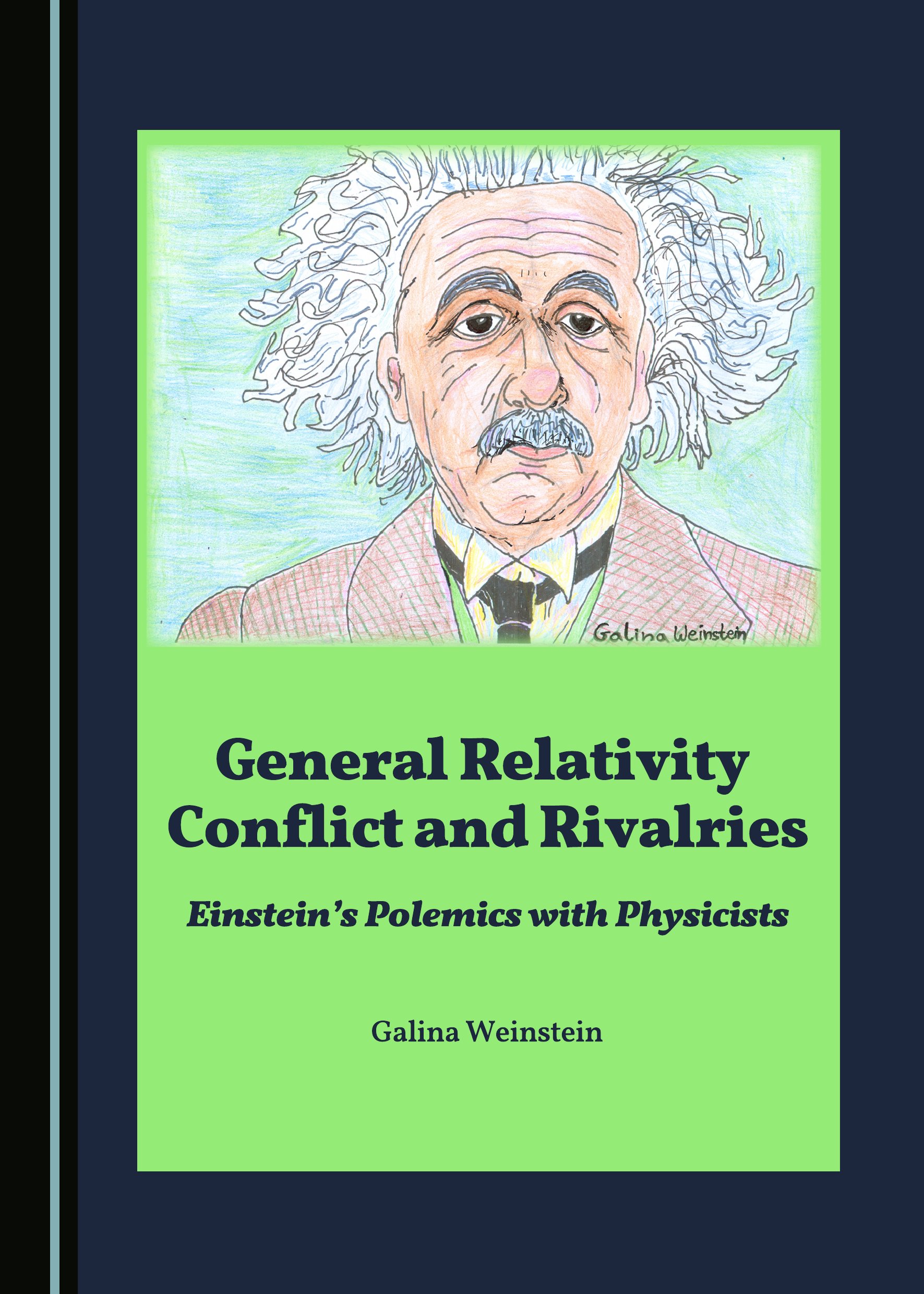
General Relativity Conflict and Rivalries
Einstein's Polemics with Physicists
Galina Weinstein investigates Albert Einstein and his interactions with various scientists, focusing on their implicit and explicit responses to his work. This analysis reveals the central figures who influenced Einstein during his work on the general theory of relativity.
Galina Weinstein investigates Albert Einstein and his interactions with various scientists, focusing on their implicit and explicit responses to his work. This analysis reveals the central figures who influenced Einstein during his work on the general theory of relativity.
View more
This product has multiple variants. The options may be chosen on the product page