
View more
This product has multiple variants. The options may be chosen on the product page
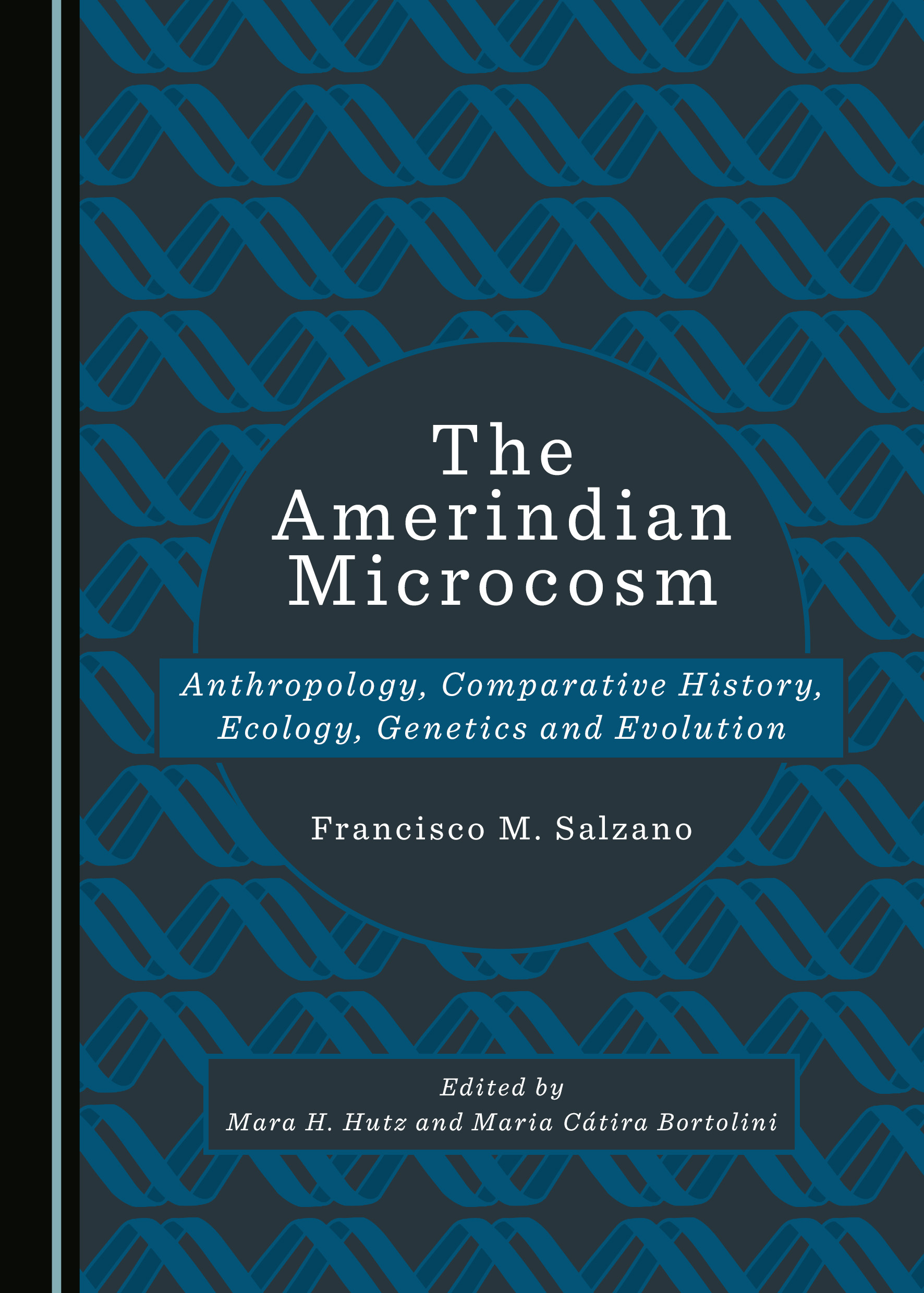
The Amerindian Microcosm
Anthropology, Comparative History, Ecology, Genetics and Evolution
Explore the epic history of the Americas, from hunter-gatherers to vast cities. This book uses revolutionary genomic science to trace the past, present, and future of Native peoples, uncovering a story essential to all humankind.
Explore the epic history of the Americas, from hunter-gatherers to vast cities. This book uses revolutionary genomic science to trace the past, present, and future of Native peoples, uncovering a story essential to all humankind.
View more
This product has multiple variants. The options may be chosen on the product page
View more
This product has multiple variants. The options may be chosen on the product page
From £44.99
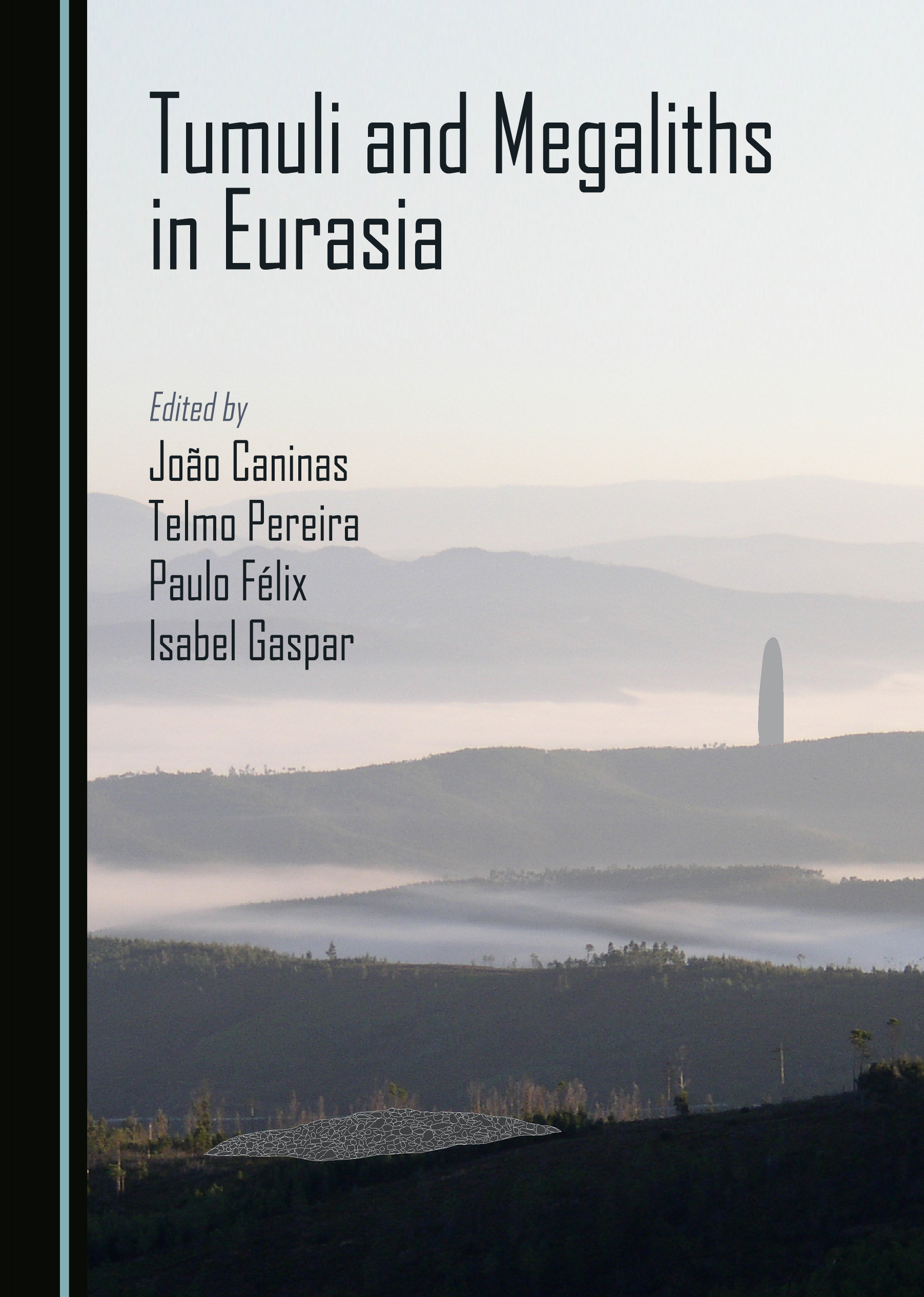
Tumuli and megaliths across Eurasia are rich in mystery. This collection unites 74 authors from 16 countries, offering diverse perspectives. Accessible and illustrated, it’s for anyone in history, archaeology, or heritage, or interested in past cultures and ancient architecture.
Tumuli and megaliths across Eurasia are rich in mystery. This collection unites 74 authors from 16 countries, offering diverse perspectives. Accessible and illustrated, it’s for anyone in history, archaeology, or heritage, or interested in past cultures and ancient architecture.
View more
This product has multiple variants. The options may be chosen on the product page
View more
This product has multiple variants. The options may be chosen on the product page
From £43.99
Drawn from 30 years of research, these essays by Tim Murray range across archaeological theory and history, focusing on Australia. Murray explores the critical intersection of archaeology, philosophy, and cultural context, applying key concepts to Australia's deep past.
Drawn from 30 years of research, these essays by Tim Murray range across archaeological theory and history, focusing on Australia. Murray explores the critical intersection of archaeology, philosophy, and cultural context, applying key concepts to Australia’s deep past.
View more
This product has multiple variants. The options may be chosen on the product page
View more
This product has multiple variants. The options may be chosen on the product page
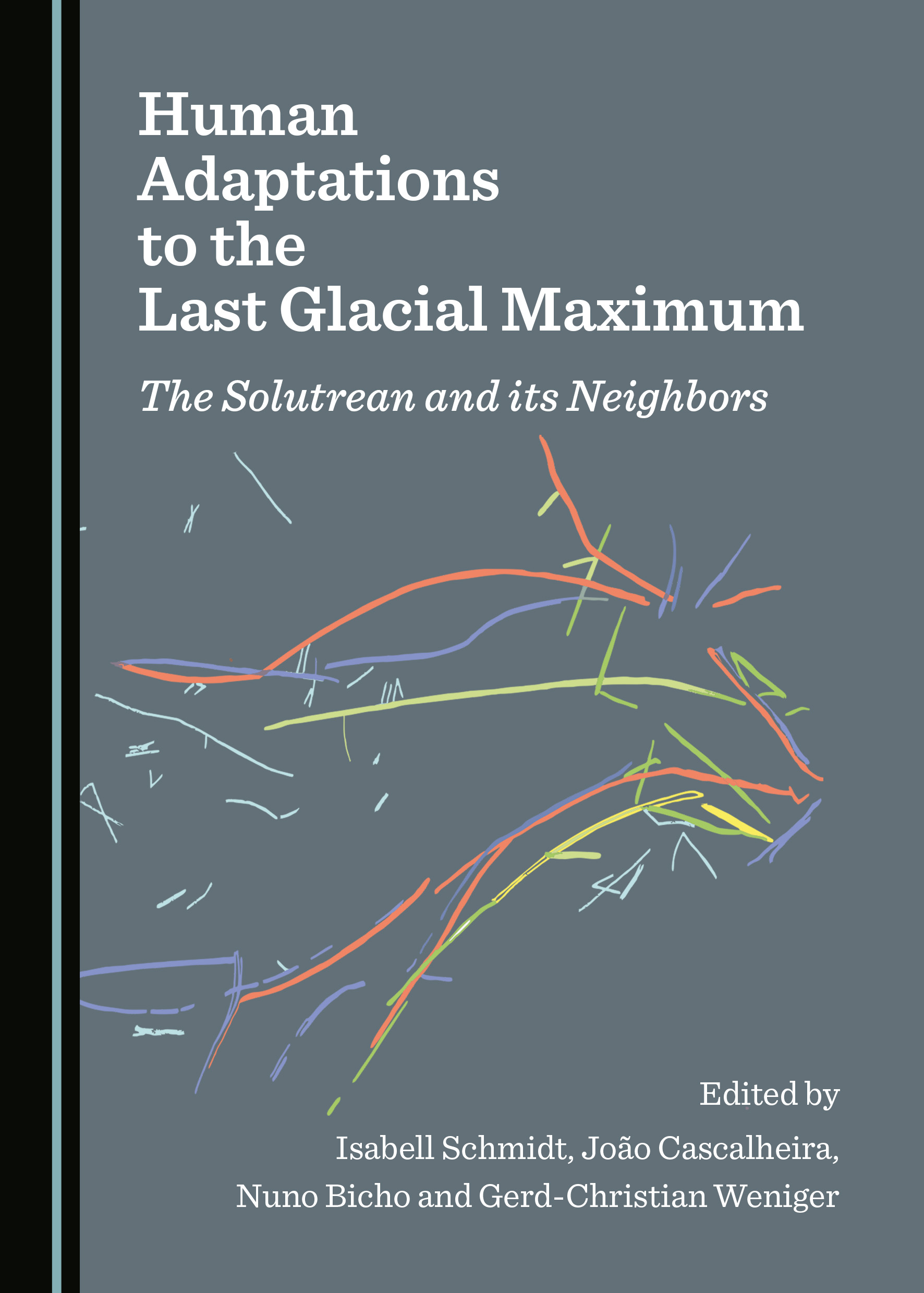
Human Adaptations to the Last Glacial Maximum
The Solutrean and its Neighbors
This book assembles new insights into humanity’s developments during the Last Glacial Maximum in Western Europe. It gathers up-to-date research on the Solutrean techno-complex, exploring excavations, lithic analysis, human-environmental interactions, and artistic expressions.
This book assembles new insights into humanity’s developments during the Last Glacial Maximum in Western Europe. It gathers up-to-date research on the Solutrean techno-complex, exploring excavations, lithic analysis, human-environmental interactions, and artistic expressions.
View more
This product has multiple variants. The options may be chosen on the product page
View more
This product has multiple variants. The options may be chosen on the product page
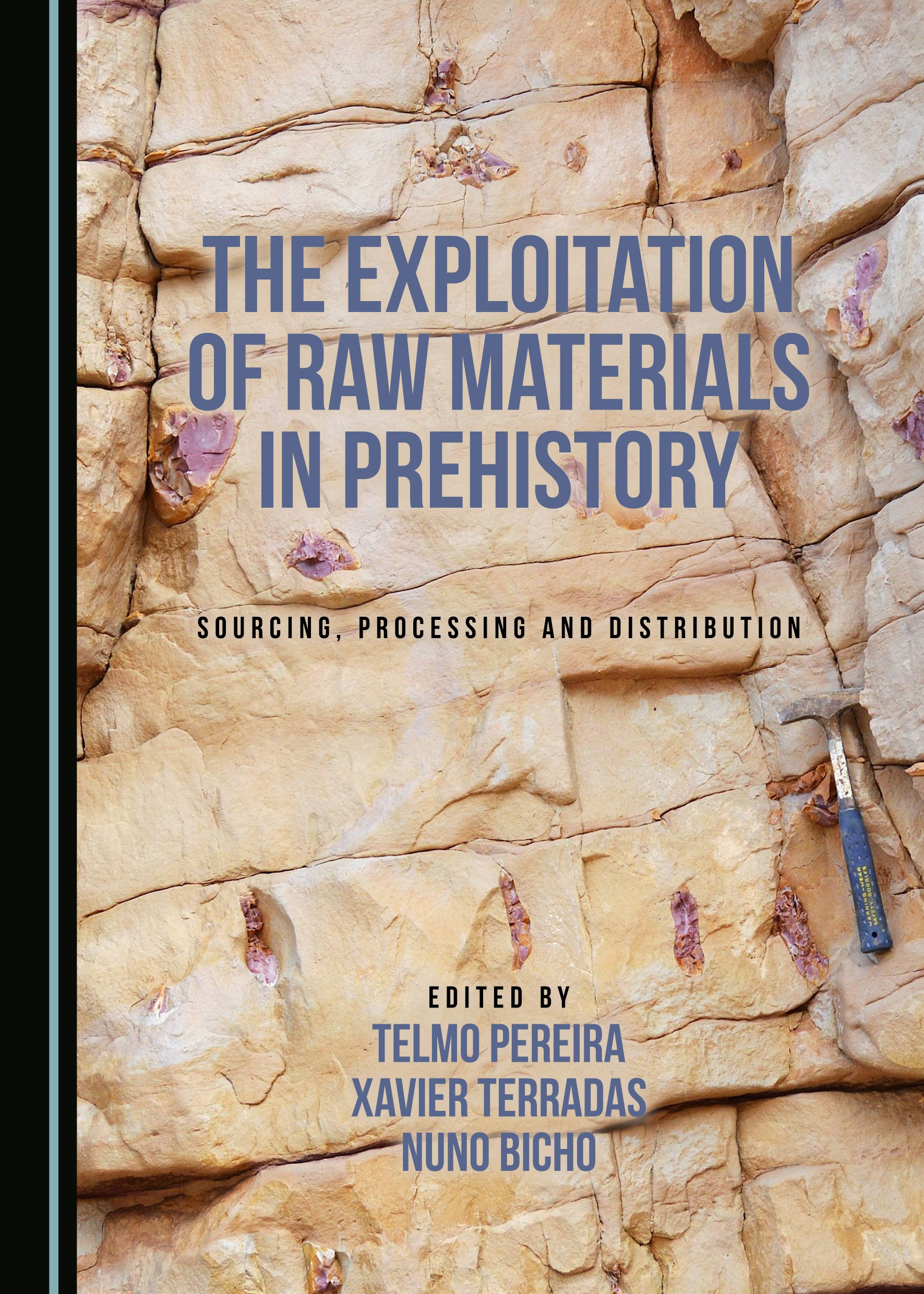
The Exploitation of Raw Materials in Prehistory
Sourcing, Processing and Distribution
This collection presents state-of-the-art approaches to the use of inorganic raw materials in the period known as prehistory. It focuses on stone-tools, adornments, colorants and pottery from Europe, America and Africa.
This collection presents state-of-the-art approaches to the use of inorganic raw materials in the period known as prehistory. It focuses on stone-tools, adornments, colorants and pottery from Europe, America and Africa.
View more
This product has multiple variants. The options may be chosen on the product page
View more
This product has multiple variants. The options may be chosen on the product page
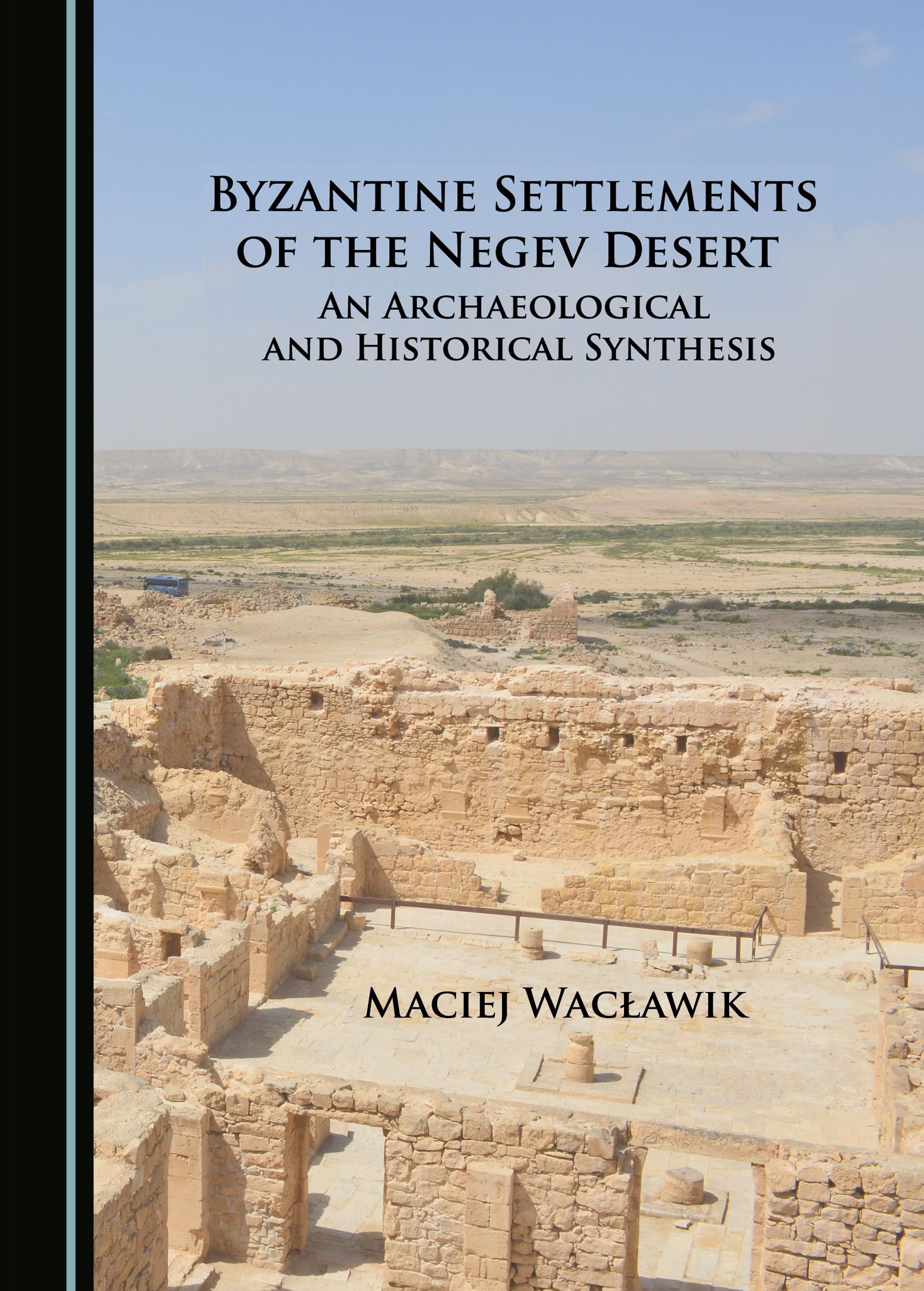
Byzantine Settlements of the Negev Desert
An Archaeological and Historical Synthesis
This book synthesizes the newest research on the Byzantine Negev Desert (363-640 AD). Using archaeology, historical sources, and UAV surveys, it challenges earlier theories and reveals a cycle of long settlement expansion followed by sudden breakdowns.
This book synthesizes the newest research on the Byzantine Negev Desert (363-640 AD). Using archaeology, historical sources, and UAV surveys, it challenges earlier theories and reveals a cycle of long settlement expansion followed by sudden breakdowns.
View more
This product has multiple variants. The options may be chosen on the product page
View more
This product has multiple variants. The options may be chosen on the product page
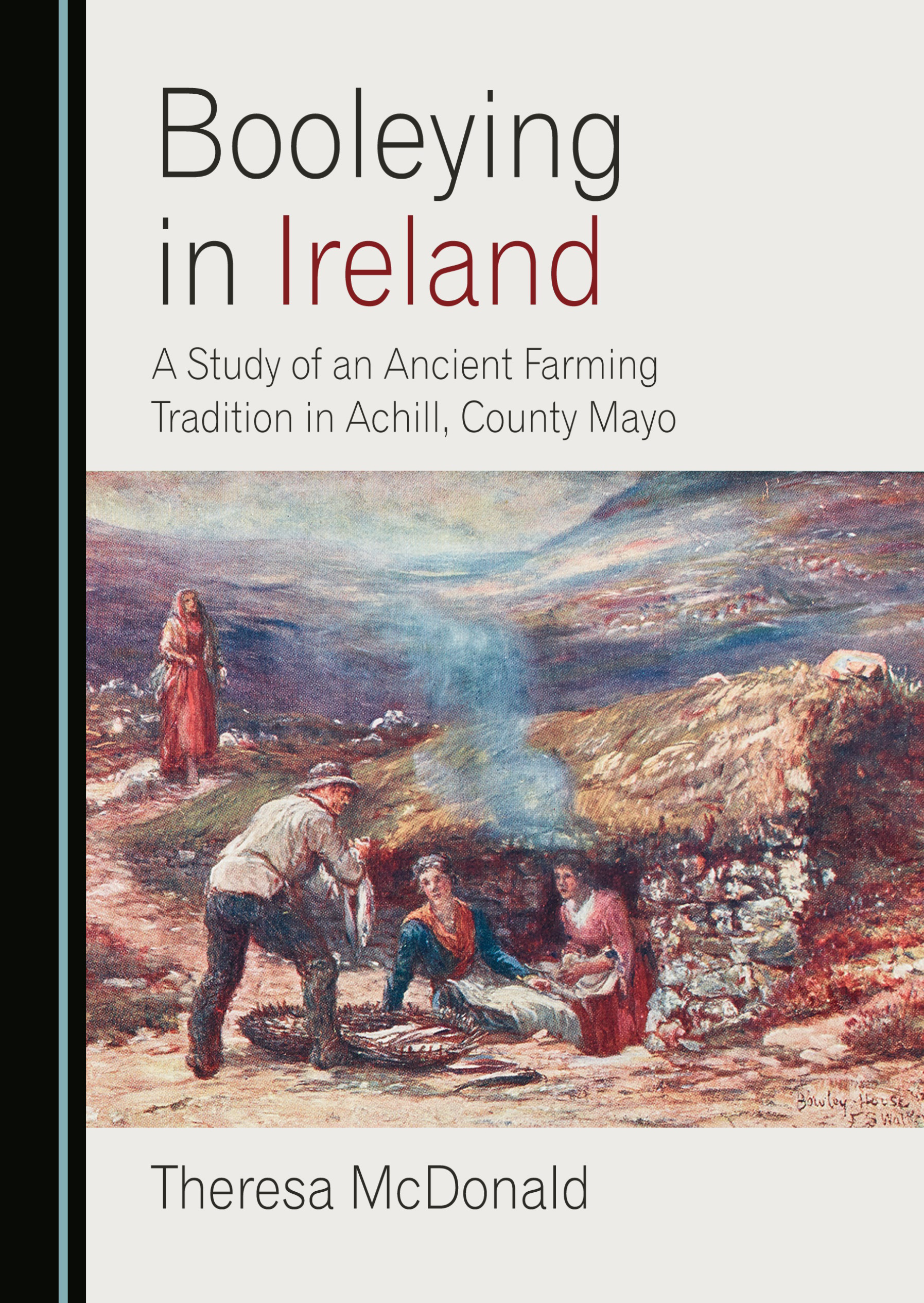
Booleying in Ireland
A Study of an Ancient Farming Tradition in Achill, County Mayo
This book challenges the view of booleying as a post-medieval practice. Drawing on extensive research, it traces the origins of transhumance to the prehistoric period, providing a fresh perspective on its history and economic importance in Ireland and Achill.
This book challenges the view of booleying as a post-medieval practice. Drawing on extensive research, it traces the origins of transhumance to the prehistoric period, providing a fresh perspective on its history and economic importance in Ireland and Achill.
View more
This product has multiple variants. The options may be chosen on the product page
View more
This product has multiple variants. The options may be chosen on the product page
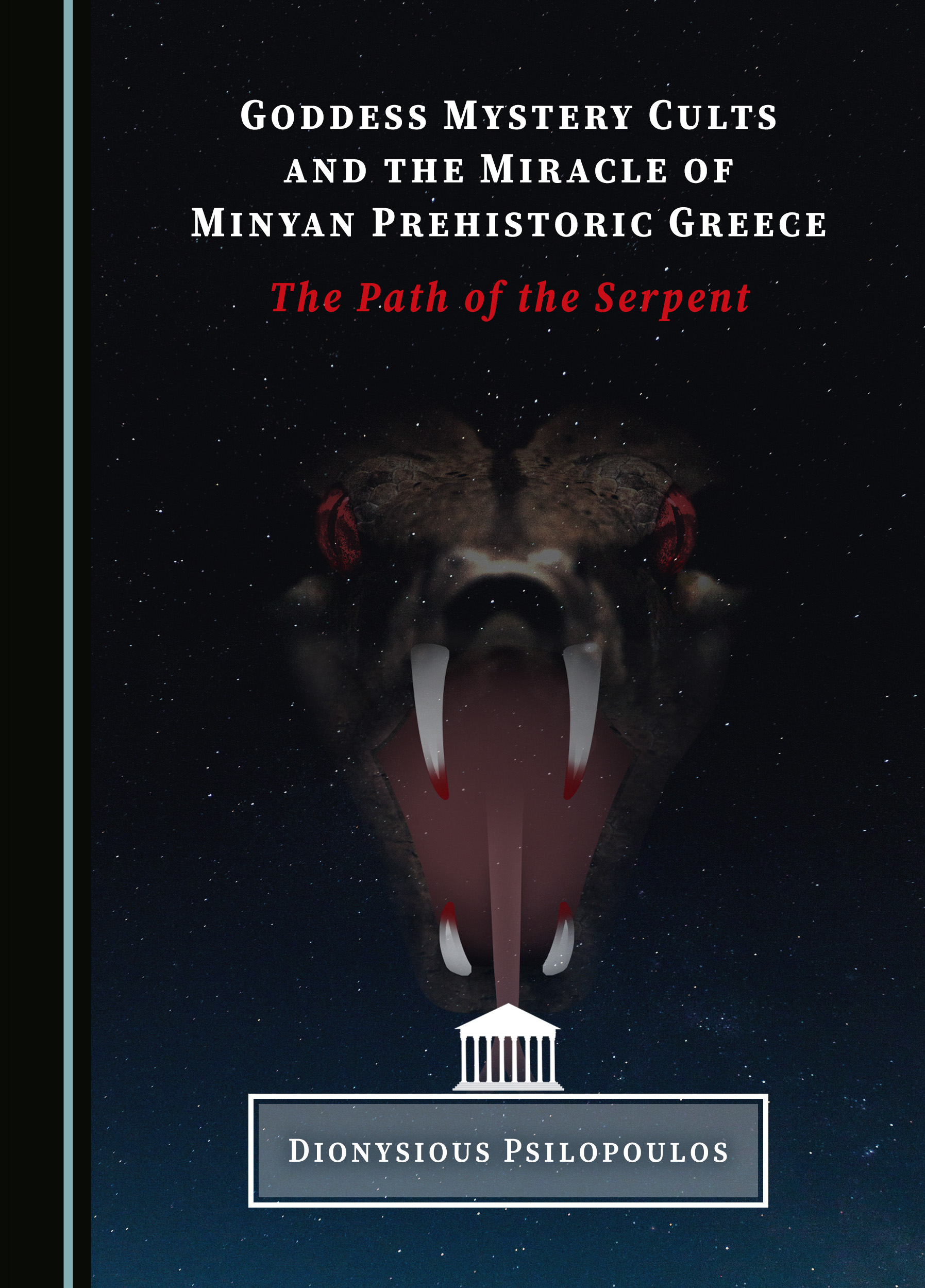
Goddess Mystery Cults and the Miracle of Minyan Prehistoric Greece
The Path of the Serpent
The cradle of the Mystery Cults is the Aegean, where initiates achieved cosmic consciousness. This book argues that prehistoric Minyans and Minoans, possessing advanced pre-Flood knowledge, sailed the Atlantic and reached the copper mines of America in the third millennium.
The cradle of the Mystery Cults is the Aegean, where initiates achieved cosmic consciousness. This book argues that prehistoric Minyans and Minoans, possessing advanced pre-Flood knowledge, sailed the Atlantic and reached the copper mines of America in the third millennium.
View more
This product has multiple variants. The options may be chosen on the product page
View more
This product has multiple variants. The options may be chosen on the product page
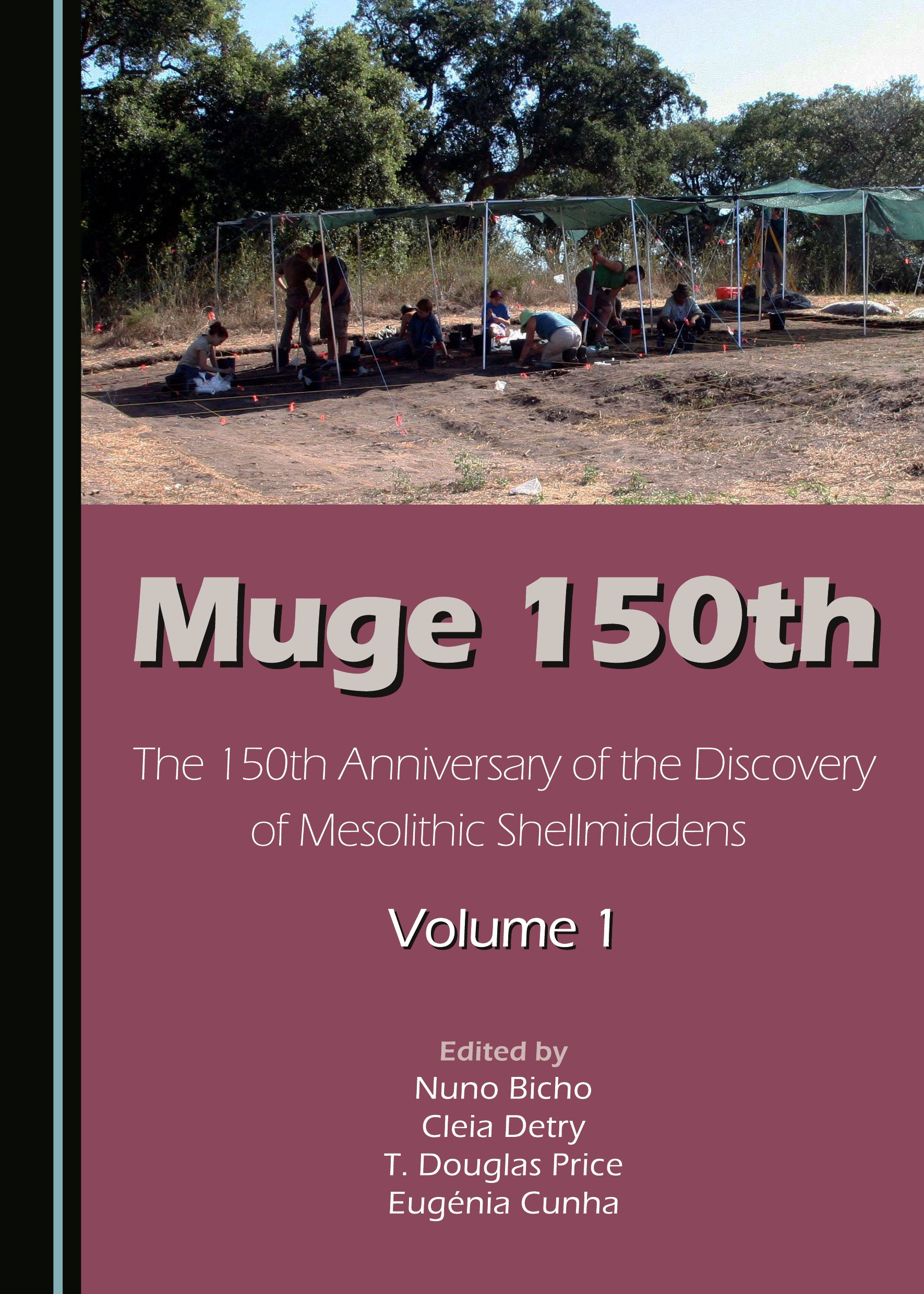
Muge 150th
The 150th Anniversary of the Discovery of Mesolithic Shellmiddens—Volumes 1 and 2
This publication explores a number of archaeological themes, and is divided into two volumes, with the first focusing on Mesolithic finds in the Muge and Sado valleys. The second volume discusses the general Mesolithic period and its transition to the Neolithic across Europe.
This publication explores a number of archaeological themes, and is divided into two volumes, with the first focusing on Mesolithic finds in the Muge and Sado valleys. The second volume discusses the general Mesolithic period and its transition to the Neolithic across Europe.
View more
This product has multiple variants. The options may be chosen on the product page
View more
This product has multiple variants. The options may be chosen on the product page
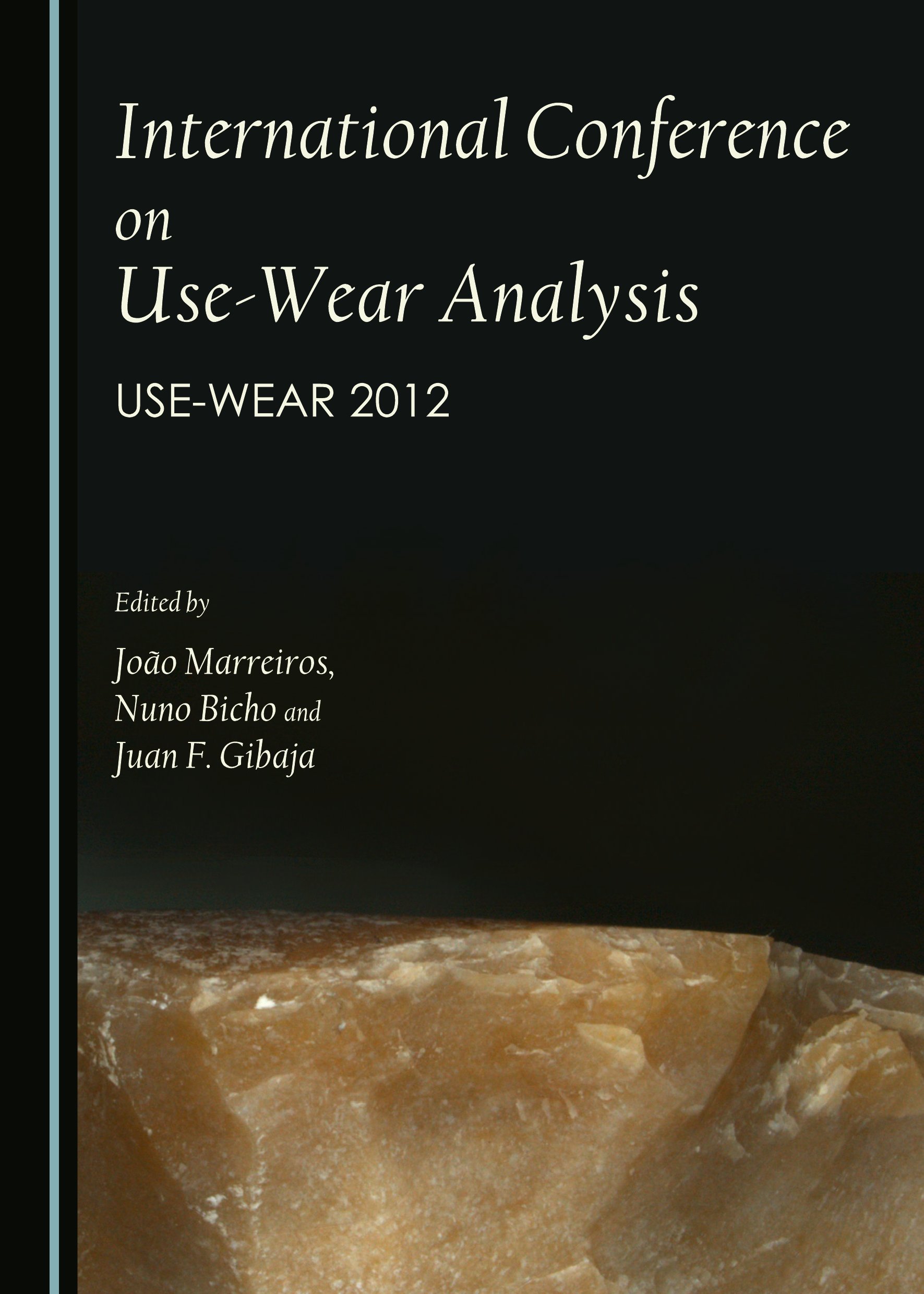
International Conference on Use-Wear Analysis
Use-Wear 2012
This volume explores use-wear studies as a proxy for prehistoric techno-cultural reconstruction. Discussing various research methods, techniques, chronologies, and regions, this book will be of interest to both archaeologists and anthropologists.
This volume explores use-wear studies as a proxy for prehistoric techno-cultural reconstruction. Discussing various research methods, techniques, chronologies, and regions, this book will be of interest to both archaeologists and anthropologists.
View more
This product has multiple variants. The options may be chosen on the product page
View more
This product has multiple variants. The options may be chosen on the product page
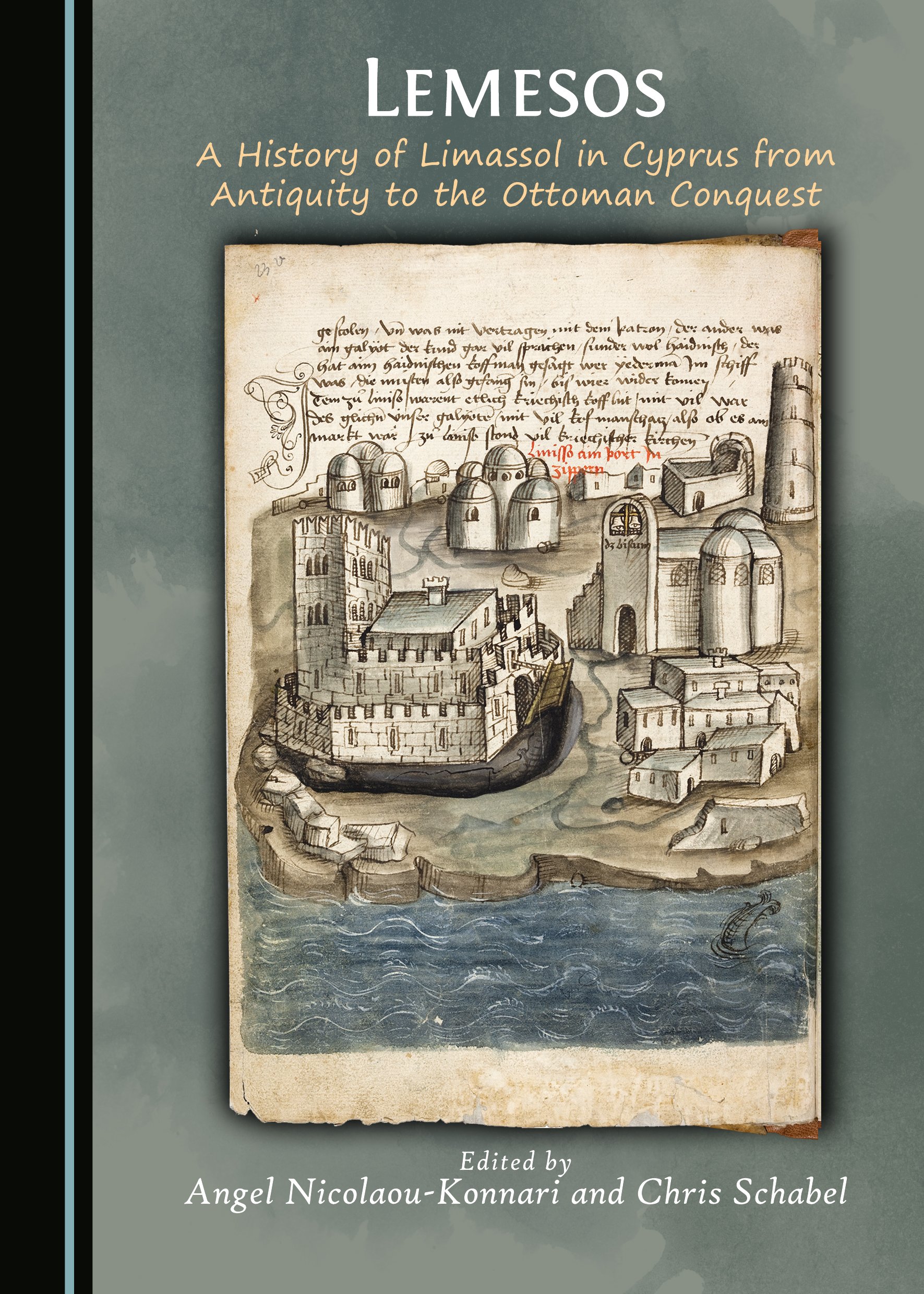
Lemesos
A History of Limassol in Cyprus from Antiquity to the Ottoman Conquest
This is the first scholarly work in English on the history of Limassol, Cyprus, from antiquity to the 1570 Ottoman conquest. Six scholars explore Limassol’s political, social, economic, artistic, and cultural history.
This is the first scholarly work in English on the history of Limassol, Cyprus, from antiquity to the 1570 Ottoman conquest. Six scholars explore Limassol’s political, social, economic, artistic, and cultural history.
View more
This product has multiple variants. The options may be chosen on the product page
View more
This product has multiple variants. The options may be chosen on the product page
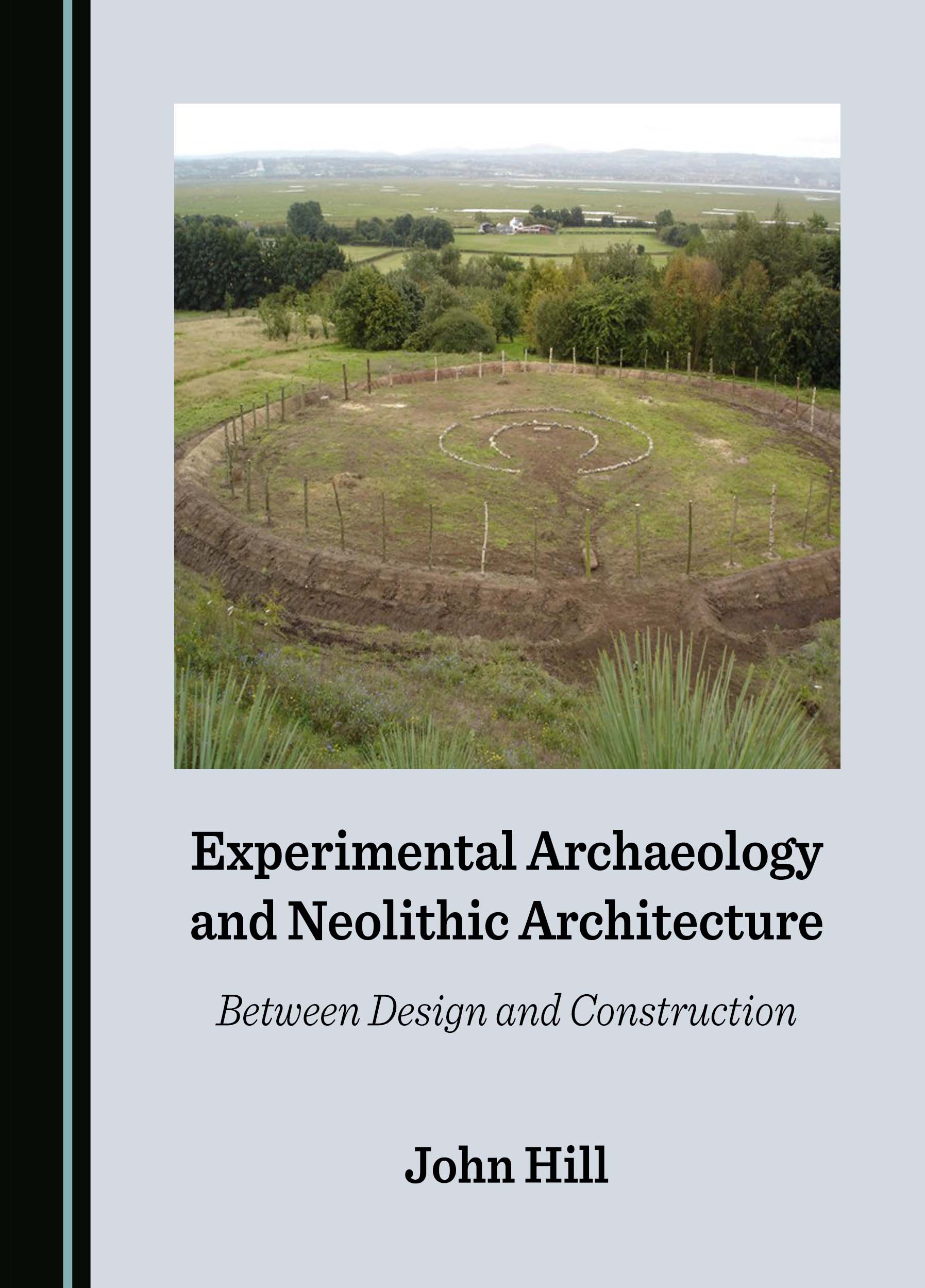
Experimental Archaeology and Neolithic Architecture
Between Design and Construction
How did preliterate people build complex monuments like Stonehenge without a plan? This book argues Neolithic builders used rudimentary techniques: ropes to set out the design, finger reckoning for measurement, and the sun’s shadow for orientation.
How did preliterate people build complex monuments like Stonehenge without a plan? This book argues Neolithic builders used rudimentary techniques: ropes to set out the design, finger reckoning for measurement, and the sun’s shadow for orientation.
View more
This product has multiple variants. The options may be chosen on the product page
View more
This product has multiple variants. The options may be chosen on the product page
From £35.99
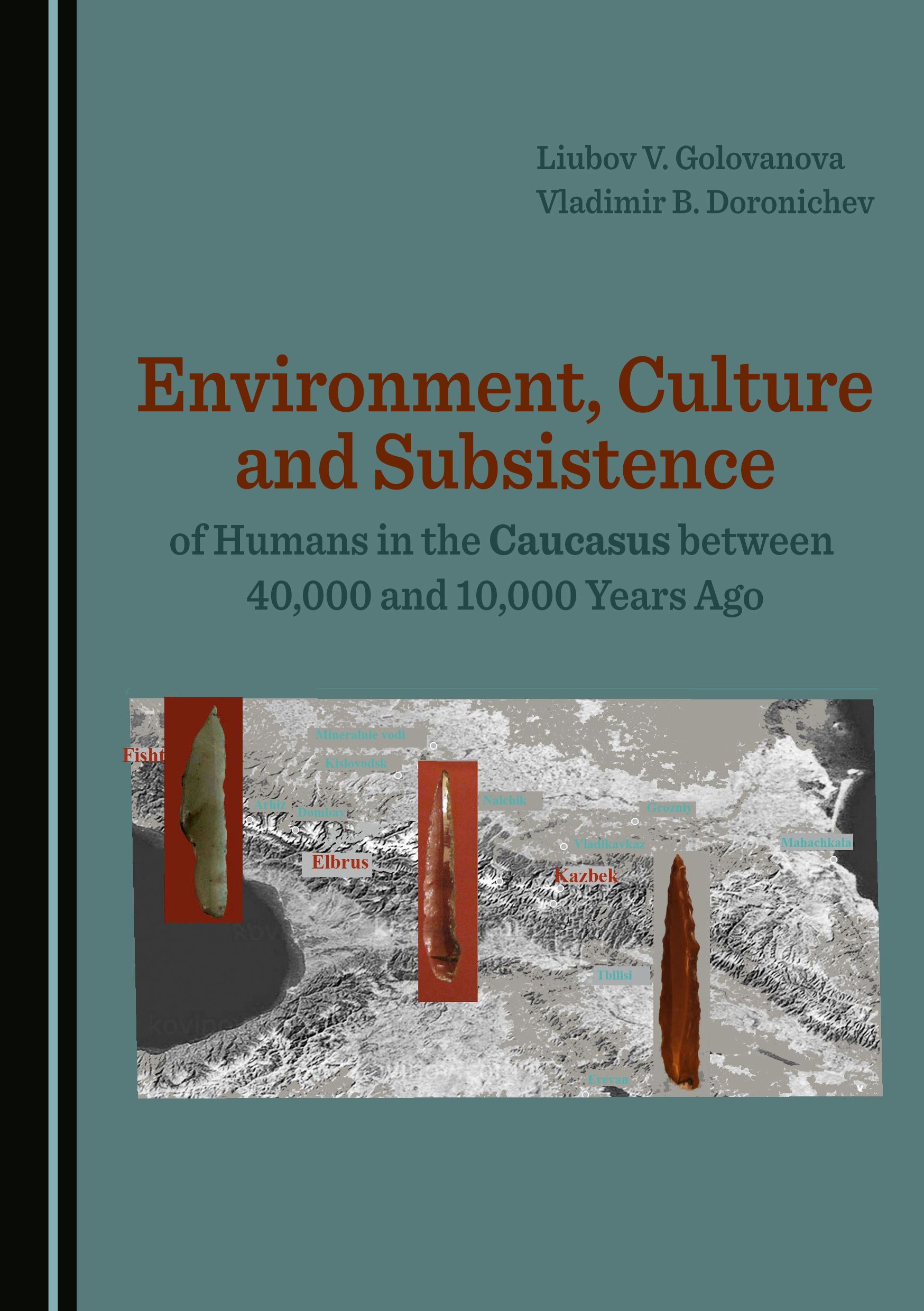
This is the first complete synthesis of research on the Upper Palaeolithic archaeology of the Caucasus. It discusses the cultural and subsistence changes of modern humans from 40,000 to 10,000 years ago, in the context of environmental change and surrounding Eurasian cultures.
This is the first complete synthesis of research on the Upper Palaeolithic archaeology of the Caucasus. It discusses the cultural and subsistence changes of modern humans from 40,000 to 10,000 years ago, in the context of environmental change and surrounding Eurasian cultures.
View more
This product has multiple variants. The options may be chosen on the product page
View more
This product has multiple variants. The options may be chosen on the product page
The Archaeology of Anatolia, Volume IV
Recent Discoveries (2018–2020)
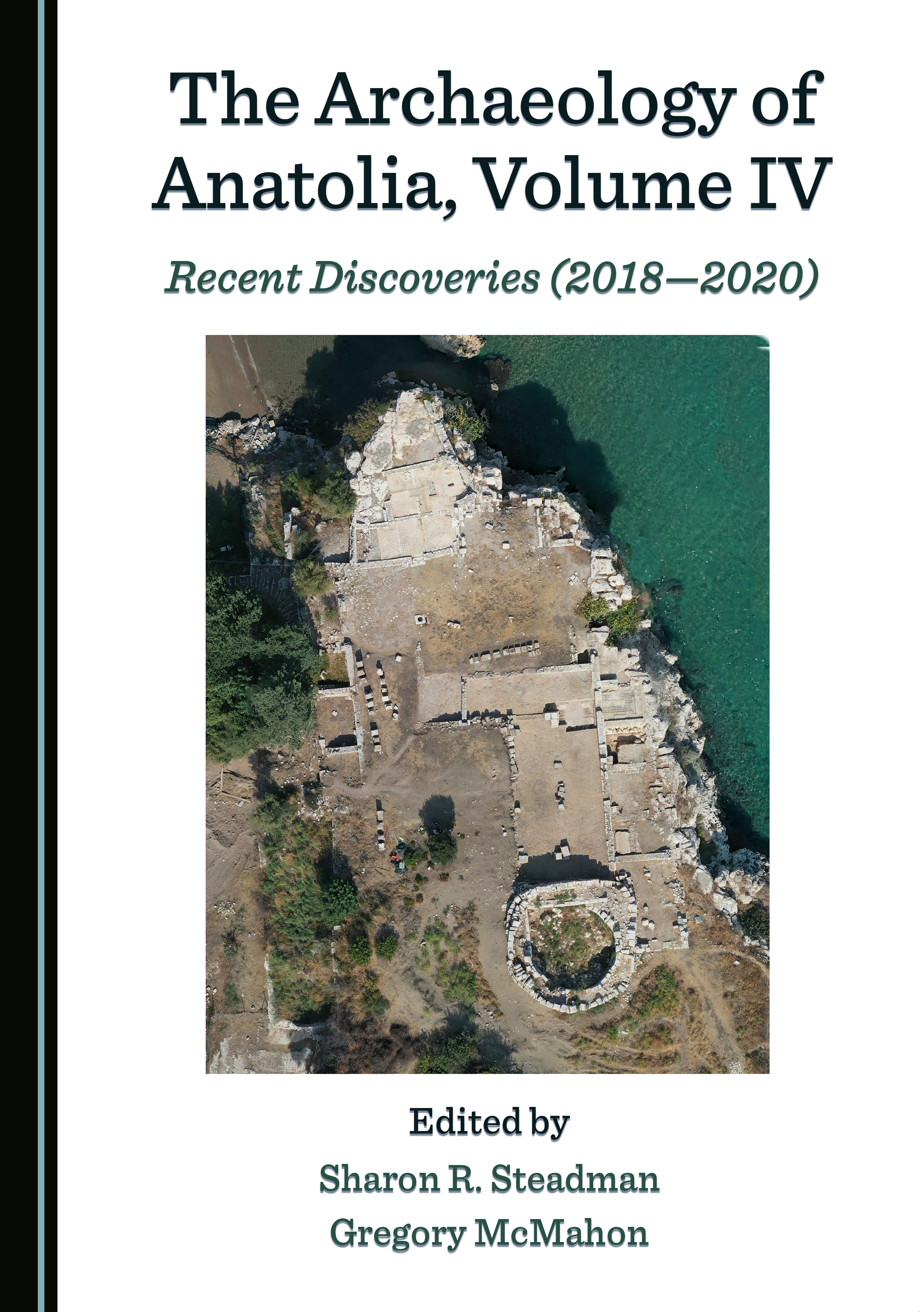
This fourth volume in the Archaeology of Anatolia series offers reports on the most recent discoveries from across the peninsula. Periods covered span the Epipalaeolithic to the Medieval Age. The volume includes reviews of on-going excavations and a “State of the Field” section.
This fourth volume in the Archaeology of Anatolia series offers reports on the most recent discoveries from across the peninsula. Periods covered span the Epipalaeolithic to the Medieval Age. The volume includes reviews of on-going excavations and a “State of the Field” section.
View more
This product has multiple variants. The options may be chosen on the product page
View more
This product has multiple variants. The options may be chosen on the product page
From £34.99
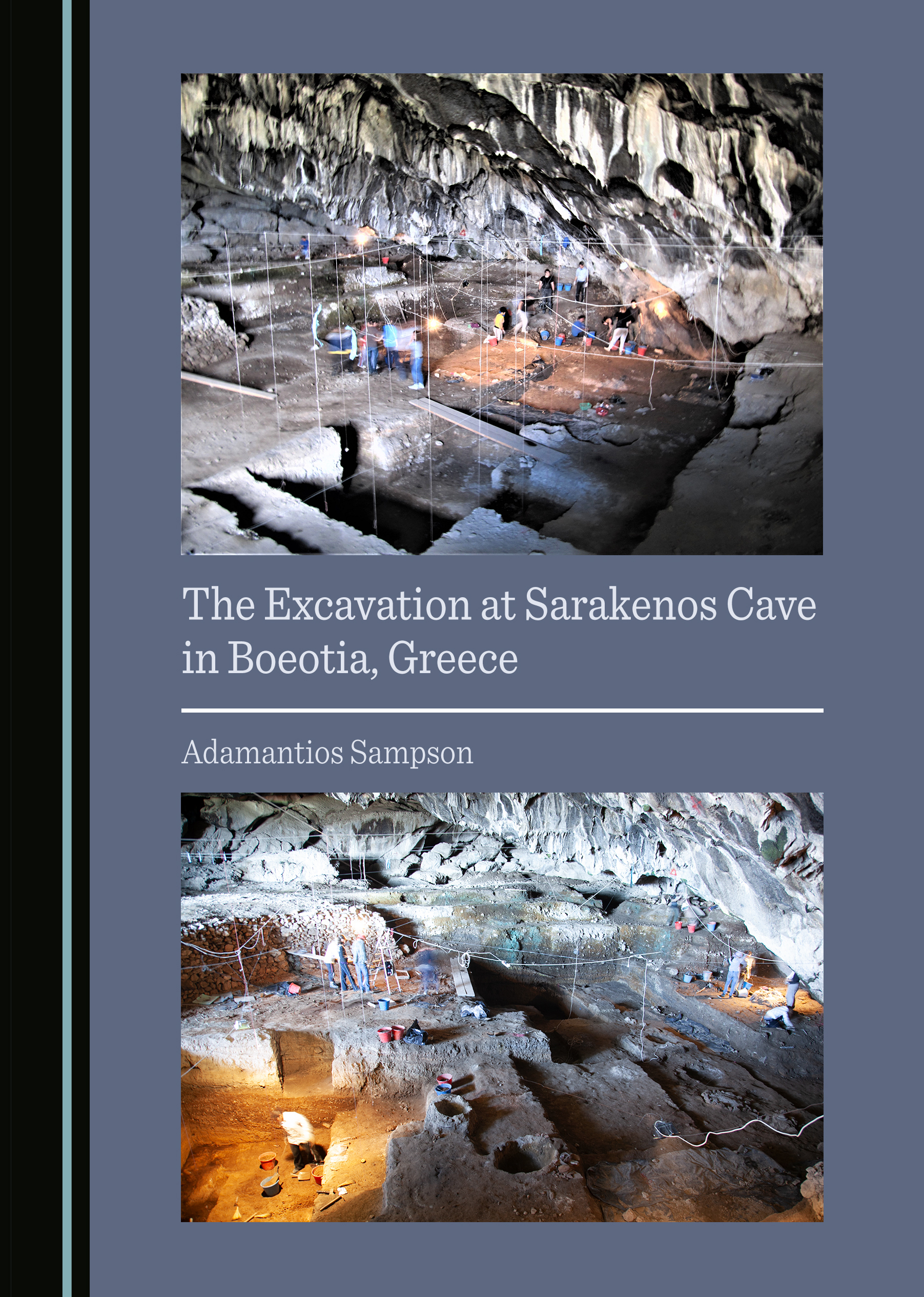
This book details excavations at Sarakenos Cave, Greece's largest prehistoric inhabited cave. It explores the cultural sequence from Neanderthals around 40,000 years ago to the Bronze Age, reconstructing the ancient environment based on pollen samples.
This book details excavations at Sarakenos Cave, Greece’s largest prehistoric inhabited cave. It explores the cultural sequence from Neanderthals around 40,000 years ago to the Bronze Age, reconstructing the ancient environment based on pollen samples.
View more
This product has multiple variants. The options may be chosen on the product page
View more
This product has multiple variants. The options may be chosen on the product page
The Archaeology of Anatolia, Volume III
Recent Discoveries (2017–2018)
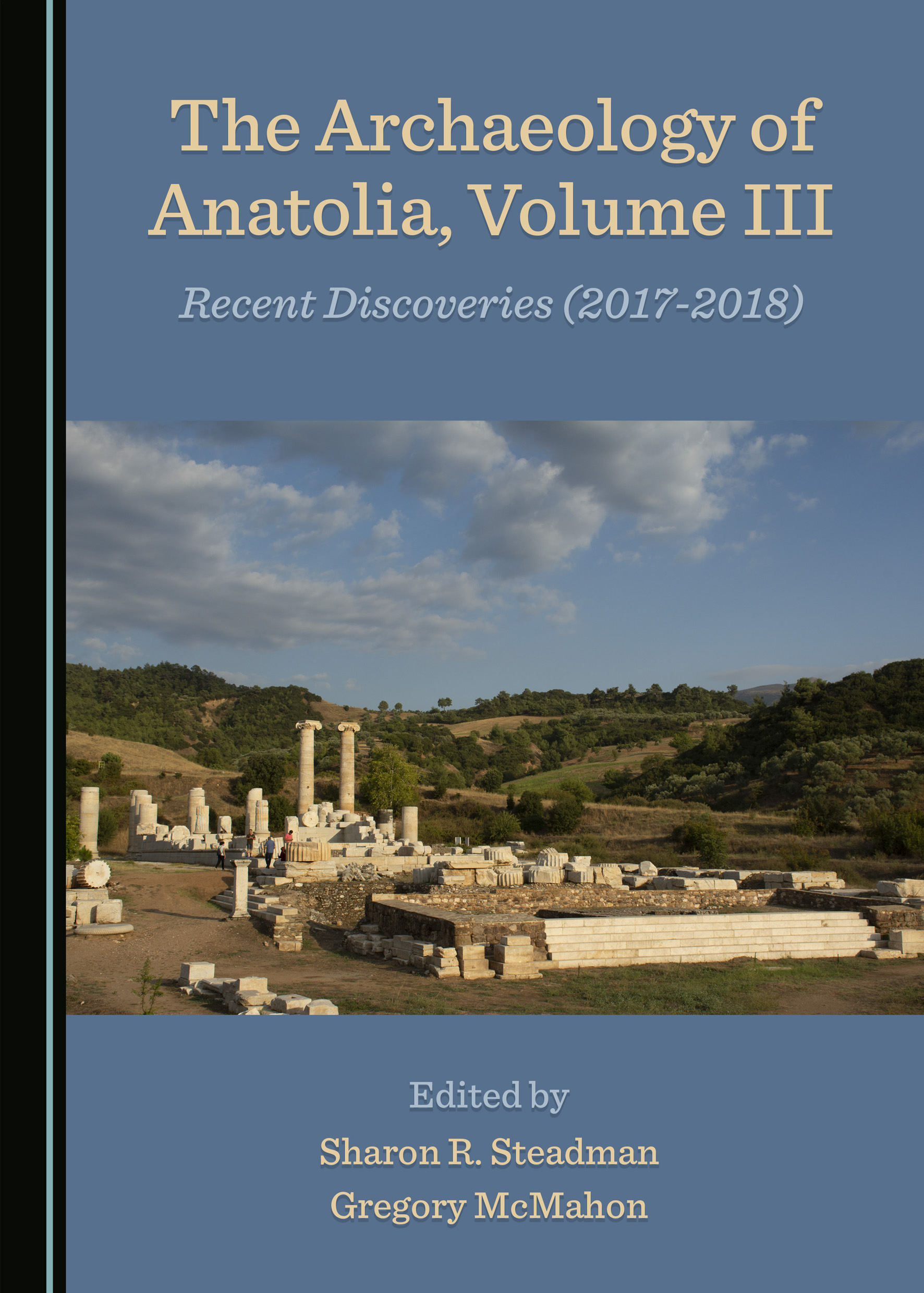
This third volume in the Archaeology of Anatolia series delivers timely updates from ongoing excavations across the peninsula. Covering the Epipalaeolithic to the Medieval, it features a new section presenting the latest critical findings and research in the field.
This third volume in the Archaeology of Anatolia series delivers timely updates from ongoing excavations across the peninsula. Covering the Epipalaeolithic to the Medieval, it features a new section presenting the latest critical findings and research in the field.
View more
This product has multiple variants. The options may be chosen on the product page

View more
This product has multiple variants. The options may be chosen on the product page
Critical Essays on Bernard Stiegler
Philosophy, Technology, Education
As Bernard Stiegler’s philosophy emerges as a dominant force, this compendium offers a comprehensive examination of his ideas and their impact on contemporary thought. Immerse yourself in this insightful exploration of Stiegler’s enduring intellectual legacy.
As Bernard Stiegler’s philosophy emerges as a dominant force, this compendium offers a comprehensive examination of his ideas and their impact on contemporary thought. Immerse yourself in this insightful exploration of Stiegler’s enduring intellectual legacy.
View more
This product has multiple variants. The options may be chosen on the product page
View more
This product has multiple variants. The options may be chosen on the product page
From £33.99
Through art, mythology, literature, and archaeology, this volume uncovers how power was displayed in the Ancient world, from Egypt’s 18th Dynasty to the Sassanian Empire.
Through art, mythology, literature, and archaeology, this volume uncovers how power was displayed in the Ancient world, from Egypt’s 18th Dynasty to the Sassanian Empire.
View more
This product has multiple variants. The options may be chosen on the product page
View more
This product has multiple variants. The options may be chosen on the product page
£67.99
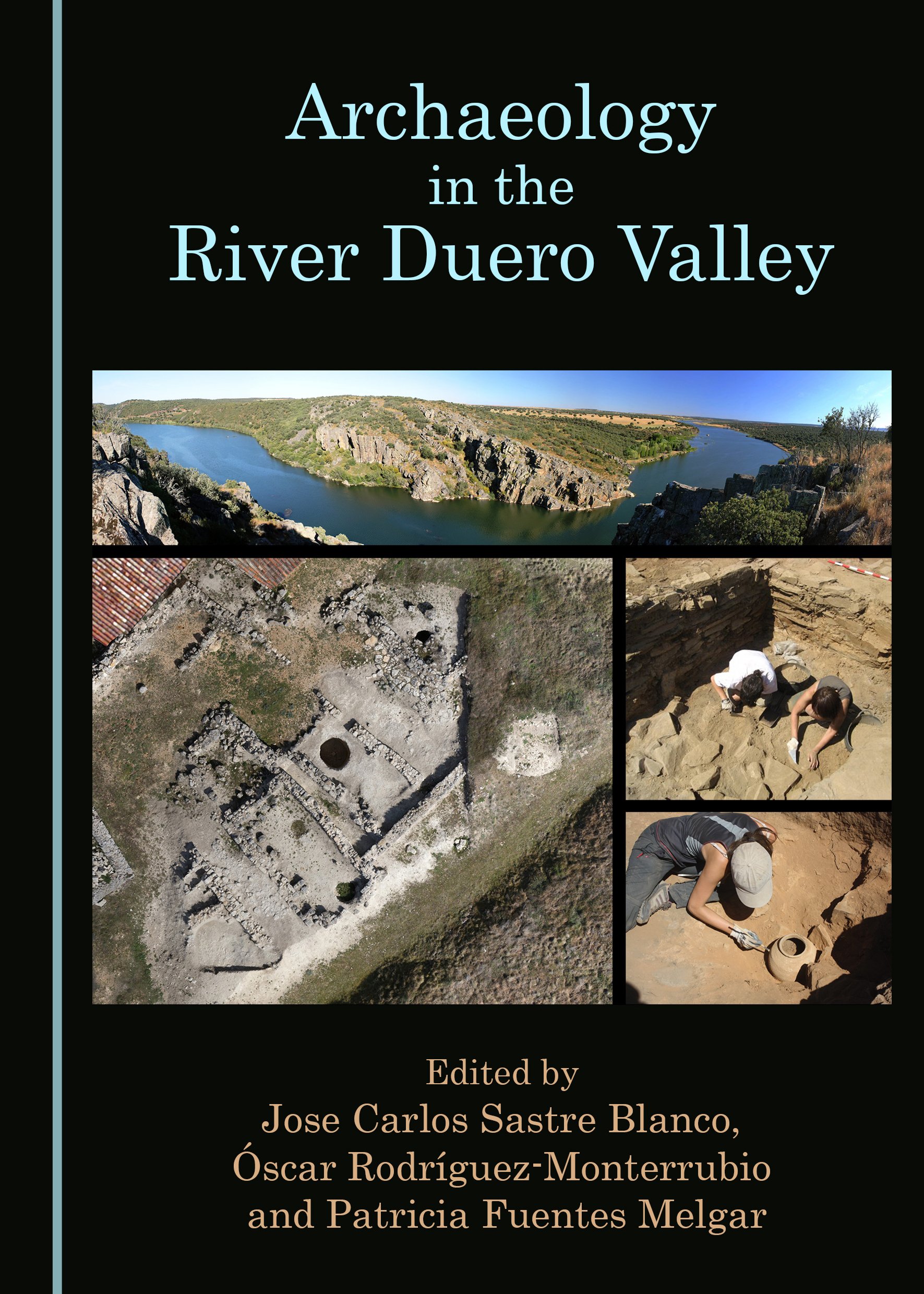
From Prehistory to the Middle Ages, the Duero River’s archaeological heritage is at risk. Before these sites are lost forever, the Zamoraprotohistórica society leads a programme to preserve them. This volume is a compilation of remarkable papers on the river's rich history.
From Prehistory to the Middle Ages, the Duero River’s archaeological heritage is at risk. Before these sites are lost forever, the Zamoraprotohistórica society leads a programme to preserve them. This volume is a compilation of remarkable papers on the river’s rich history.
View more
This product has multiple variants. The options may be chosen on the product page
View more
This product has multiple variants. The options may be chosen on the product page
The Archaeology of Anatolia Volume II
Recent Discoveries (2015-2016)
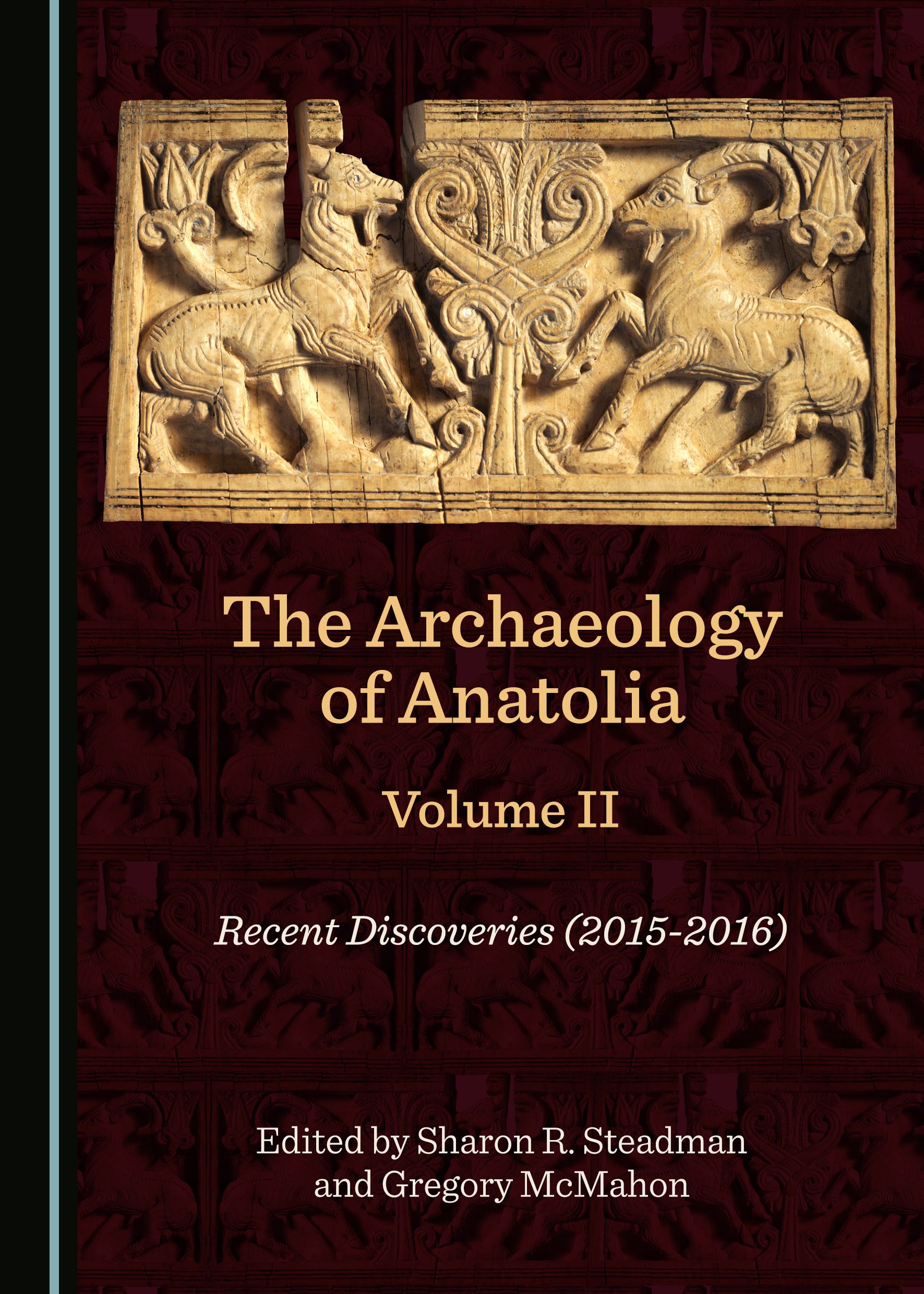
This second volume in the Archaeology of Anatolia series offers reports on the most recent discoveries from across the Anatolian peninsula. Periods covered span the Epipalaeolithic to the Islamic, and sites and regions range from the western Anatolian coast to Van.
This second volume in the Archaeology of Anatolia series offers reports on the most recent discoveries from across the Anatolian peninsula. Periods covered span the Epipalaeolithic to the Islamic, and sites and regions range from the western Anatolian coast to Van.
View more
This product has multiple variants. The options may be chosen on the product page
Processing Your Order
Please wait while we securely process your order.
Do not refresh or leave this page.
You will be redirected shortly to a confirmation page with your order number.