
View more
This product has multiple variants. The options may be chosen on the product page
£66.99
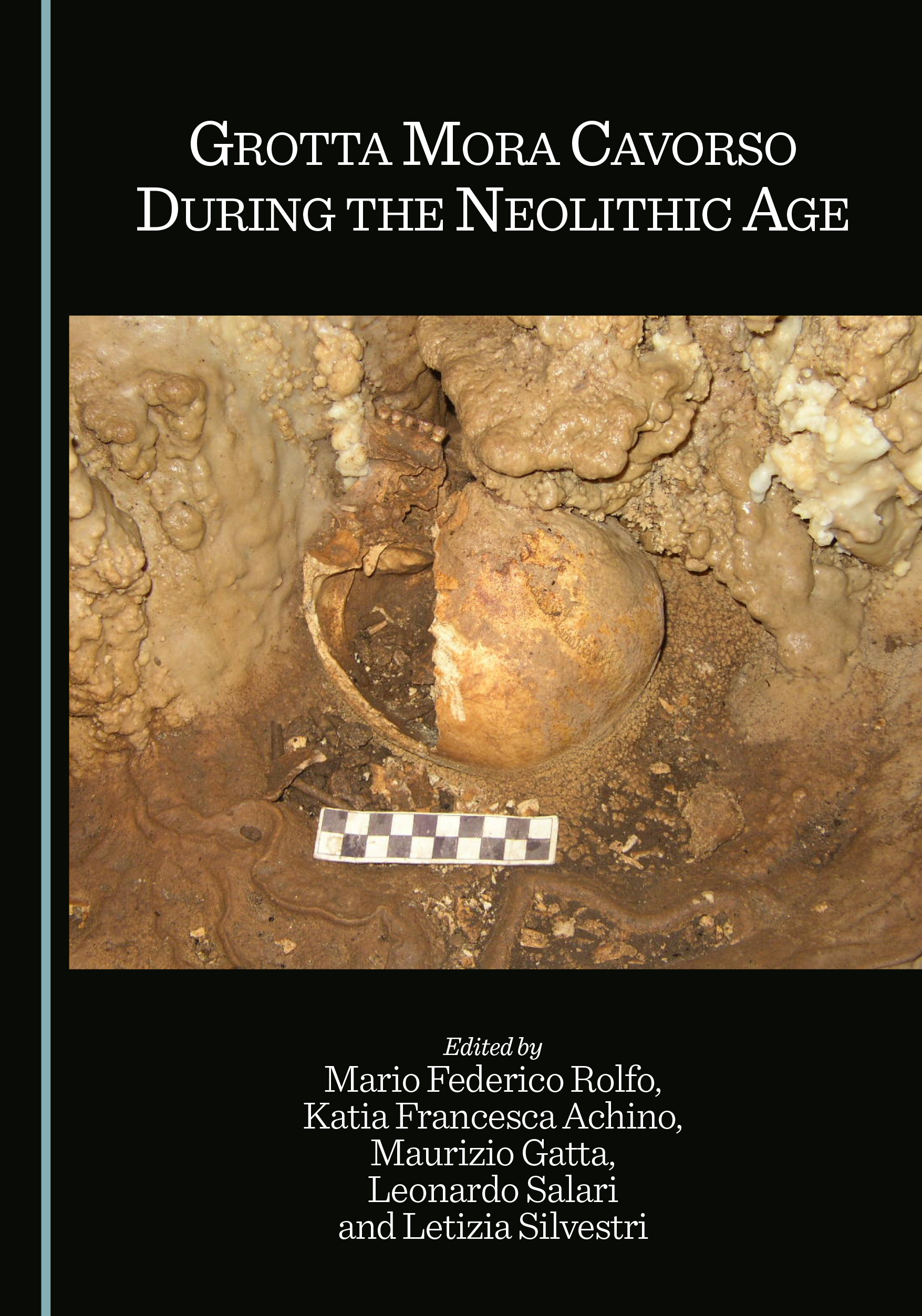
This second volume on Grotta Mora Cavorso presents multidisciplinary analyses of the cave's Neolithic occupation. Discover one of the largest collective burial caves in the Mediterranean, revealing its complex and multi-layered use as a ritual place in central Italy.
This second volume on Grotta Mora Cavorso presents multidisciplinary analyses of the cave’s Neolithic occupation. Discover one of the largest collective burial caves in the Mediterranean, revealing its complex and multi-layered use as a ritual place in central Italy.
View more
This product has multiple variants. The options may be chosen on the product page
View more
This product has multiple variants. The options may be chosen on the product page
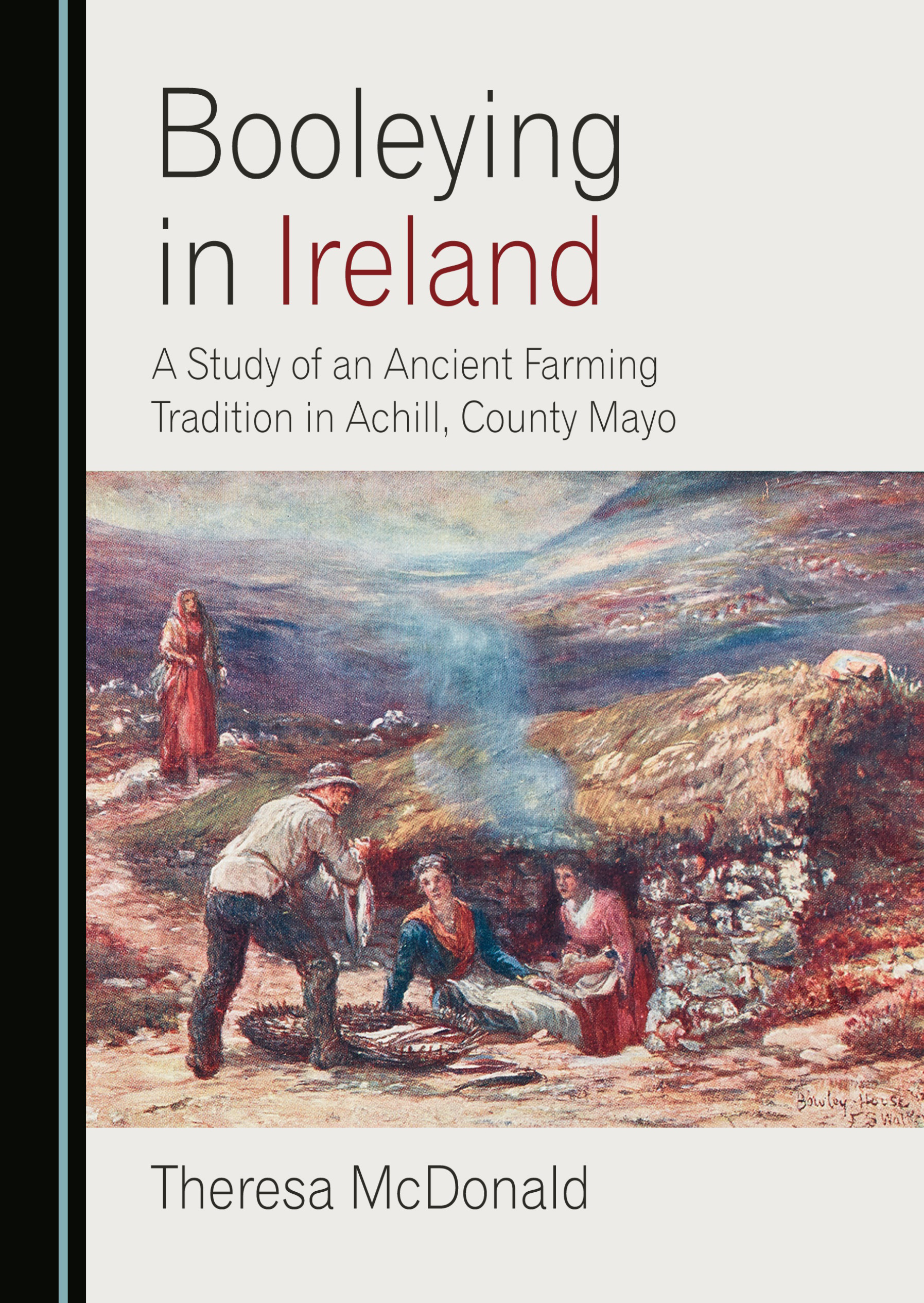
Booleying in Ireland
A Study of an Ancient Farming Tradition in Achill, County Mayo
This book challenges the view of booleying as a post-medieval practice. Drawing on extensive research, it traces the origins of transhumance to the prehistoric period, providing a fresh perspective on its history and economic importance in Ireland and Achill.
This book challenges the view of booleying as a post-medieval practice. Drawing on extensive research, it traces the origins of transhumance to the prehistoric period, providing a fresh perspective on its history and economic importance in Ireland and Achill.
View more
This product has multiple variants. The options may be chosen on the product page
View more
This product has multiple variants. The options may be chosen on the product page
From £43.99
Drawn from 30 years of research, these essays by Tim Murray range across archaeological theory and history, focusing on Australia. Murray explores the critical intersection of archaeology, philosophy, and cultural context, applying key concepts to Australia's deep past.
Drawn from 30 years of research, these essays by Tim Murray range across archaeological theory and history, focusing on Australia. Murray explores the critical intersection of archaeology, philosophy, and cultural context, applying key concepts to Australia’s deep past.
View more
This product has multiple variants. The options may be chosen on the product page
View more
This product has multiple variants. The options may be chosen on the product page
From £44.99
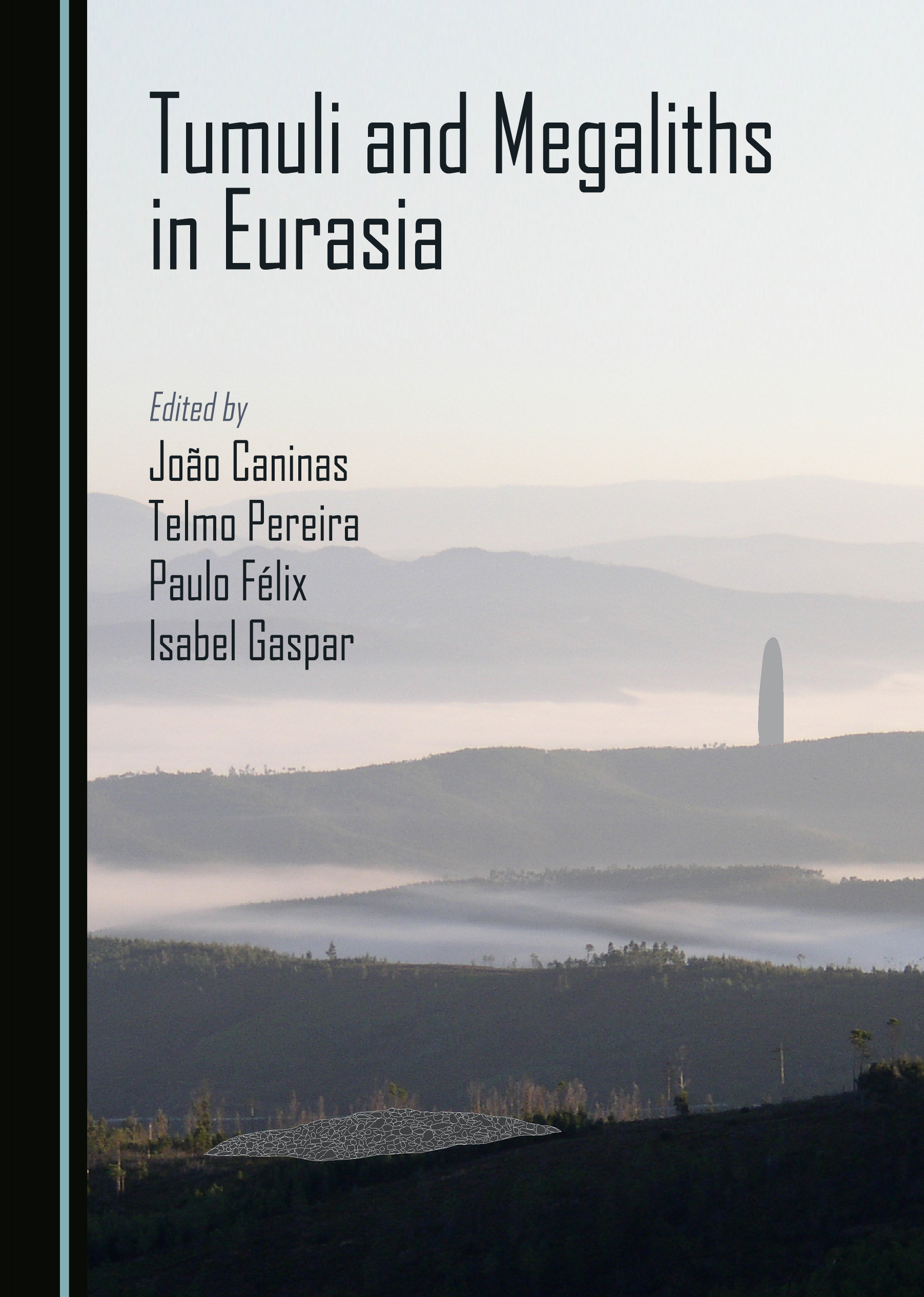
Tumuli and megaliths across Eurasia are rich in mystery. This collection unites 74 authors from 16 countries, offering diverse perspectives. Accessible and illustrated, it’s for anyone in history, archaeology, or heritage, or interested in past cultures and ancient architecture.
Tumuli and megaliths across Eurasia are rich in mystery. This collection unites 74 authors from 16 countries, offering diverse perspectives. Accessible and illustrated, it’s for anyone in history, archaeology, or heritage, or interested in past cultures and ancient architecture.
View more
This product has multiple variants. The options may be chosen on the product page

View more
This product has multiple variants. The options may be chosen on the product page
Critical Essays on Bernard Stiegler
Philosophy, Technology, Education
As Bernard Stiegler’s philosophy emerges as a dominant force, this compendium offers a comprehensive examination of his ideas and their impact on contemporary thought. Immerse yourself in this insightful exploration of Stiegler’s enduring intellectual legacy.
As Bernard Stiegler’s philosophy emerges as a dominant force, this compendium offers a comprehensive examination of his ideas and their impact on contemporary thought. Immerse yourself in this insightful exploration of Stiegler’s enduring intellectual legacy.
View more
This product has multiple variants. The options may be chosen on the product page
View more
This product has multiple variants. The options may be chosen on the product page
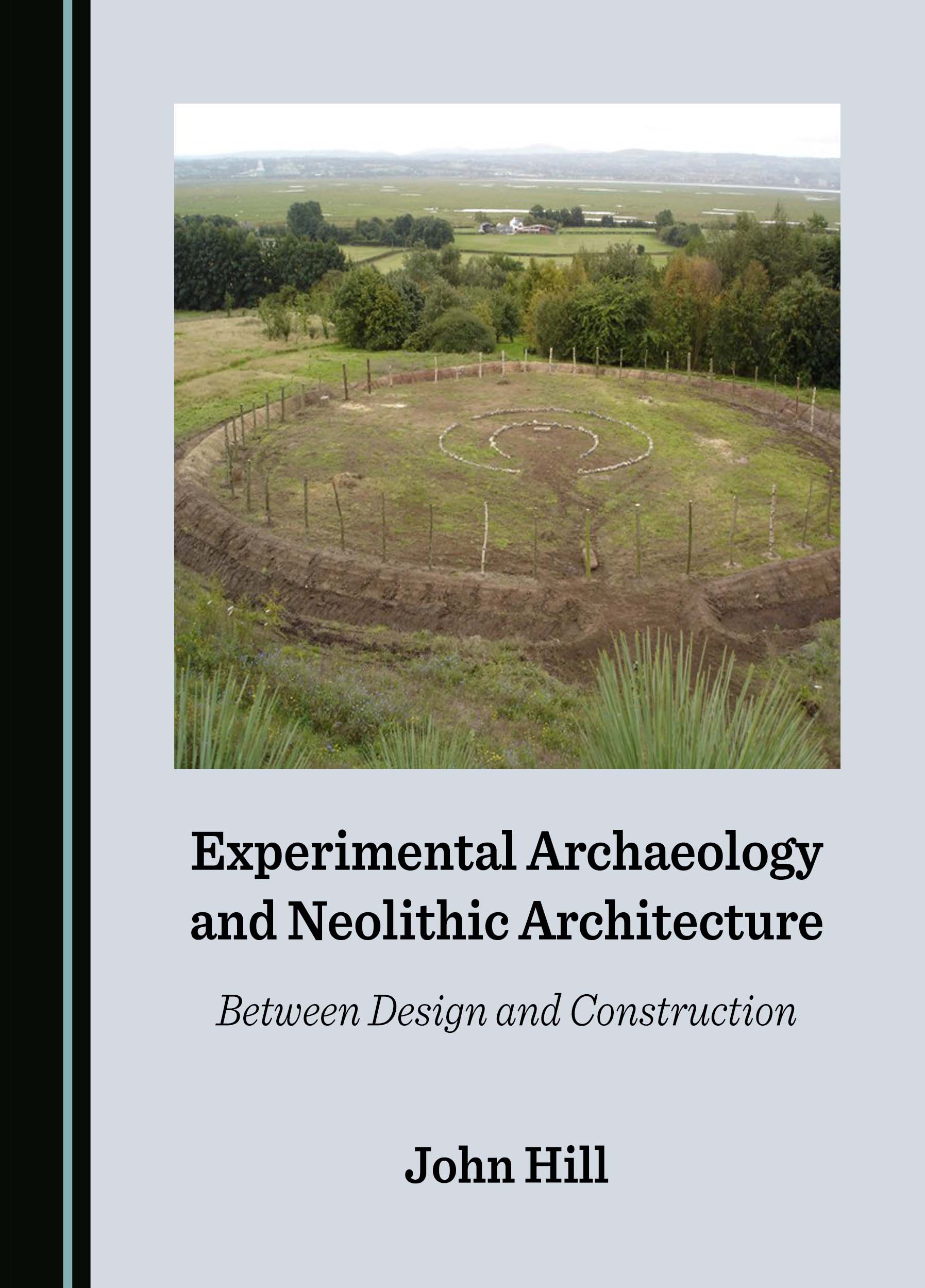
Experimental Archaeology and Neolithic Architecture
Between Design and Construction
How did preliterate people build complex monuments like Stonehenge without a plan? This book argues Neolithic builders used rudimentary techniques: ropes to set out the design, finger reckoning for measurement, and the sun’s shadow for orientation.
How did preliterate people build complex monuments like Stonehenge without a plan? This book argues Neolithic builders used rudimentary techniques: ropes to set out the design, finger reckoning for measurement, and the sun’s shadow for orientation.
View more
This product has multiple variants. The options may be chosen on the product page
View more
This product has multiple variants. The options may be chosen on the product page
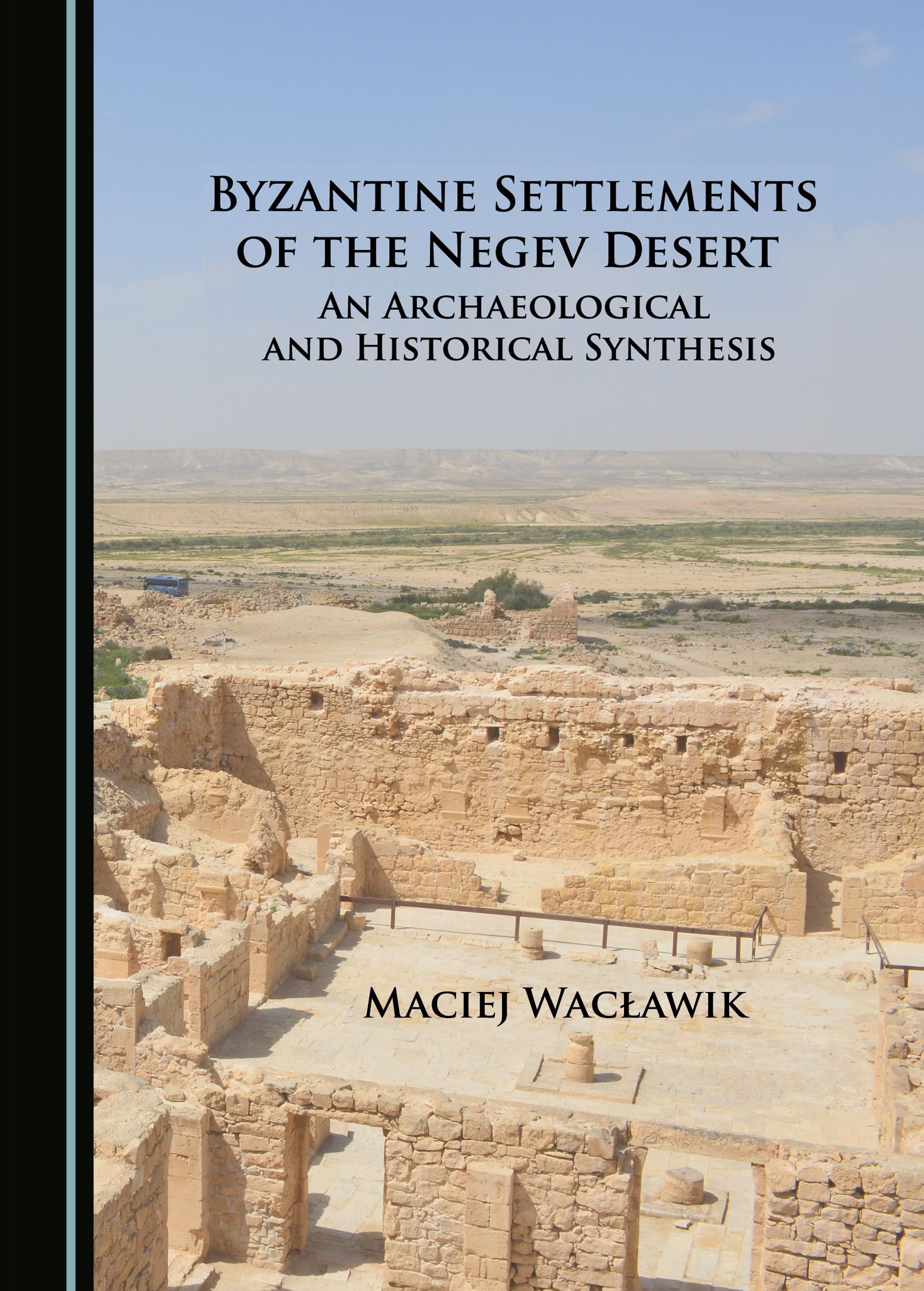
Byzantine Settlements of the Negev Desert
An Archaeological and Historical Synthesis
This book synthesizes the newest research on the Byzantine Negev Desert (363-640 AD). Using archaeology, historical sources, and UAV surveys, it challenges earlier theories and reveals a cycle of long settlement expansion followed by sudden breakdowns.
This book synthesizes the newest research on the Byzantine Negev Desert (363-640 AD). Using archaeology, historical sources, and UAV surveys, it challenges earlier theories and reveals a cycle of long settlement expansion followed by sudden breakdowns.
View more
This product has multiple variants. The options may be chosen on the product page
View more
This product has multiple variants. The options may be chosen on the product page
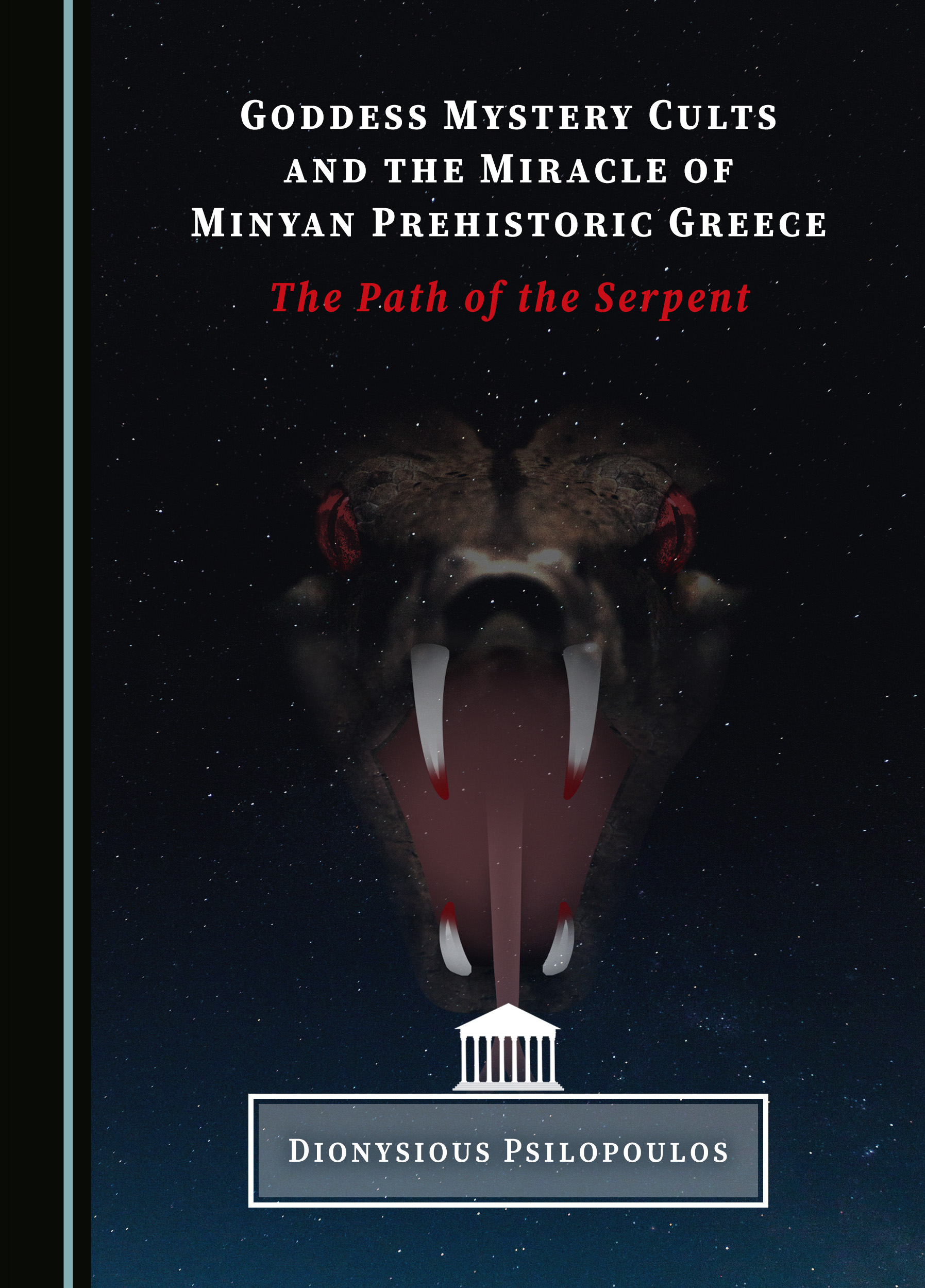
Goddess Mystery Cults and the Miracle of Minyan Prehistoric Greece
The Path of the Serpent
The cradle of the Mystery Cults is the Aegean, where initiates achieved cosmic consciousness. This book argues that prehistoric Minyans and Minoans, possessing advanced pre-Flood knowledge, sailed the Atlantic and reached the copper mines of America in the third millennium.
The cradle of the Mystery Cults is the Aegean, where initiates achieved cosmic consciousness. This book argues that prehistoric Minyans and Minoans, possessing advanced pre-Flood knowledge, sailed the Atlantic and reached the copper mines of America in the third millennium.
View more
This product has multiple variants. The options may be chosen on the product page
View more
This product has multiple variants. The options may be chosen on the product page
From £33.99
Through art, mythology, literature, and archaeology, this volume uncovers how power was displayed in the Ancient world, from Egypt’s 18th Dynasty to the Sassanian Empire.
Through art, mythology, literature, and archaeology, this volume uncovers how power was displayed in the Ancient world, from Egypt’s 18th Dynasty to the Sassanian Empire.
View more
This product has multiple variants. The options may be chosen on the product page
View more
This product has multiple variants. The options may be chosen on the product page
From £34.99
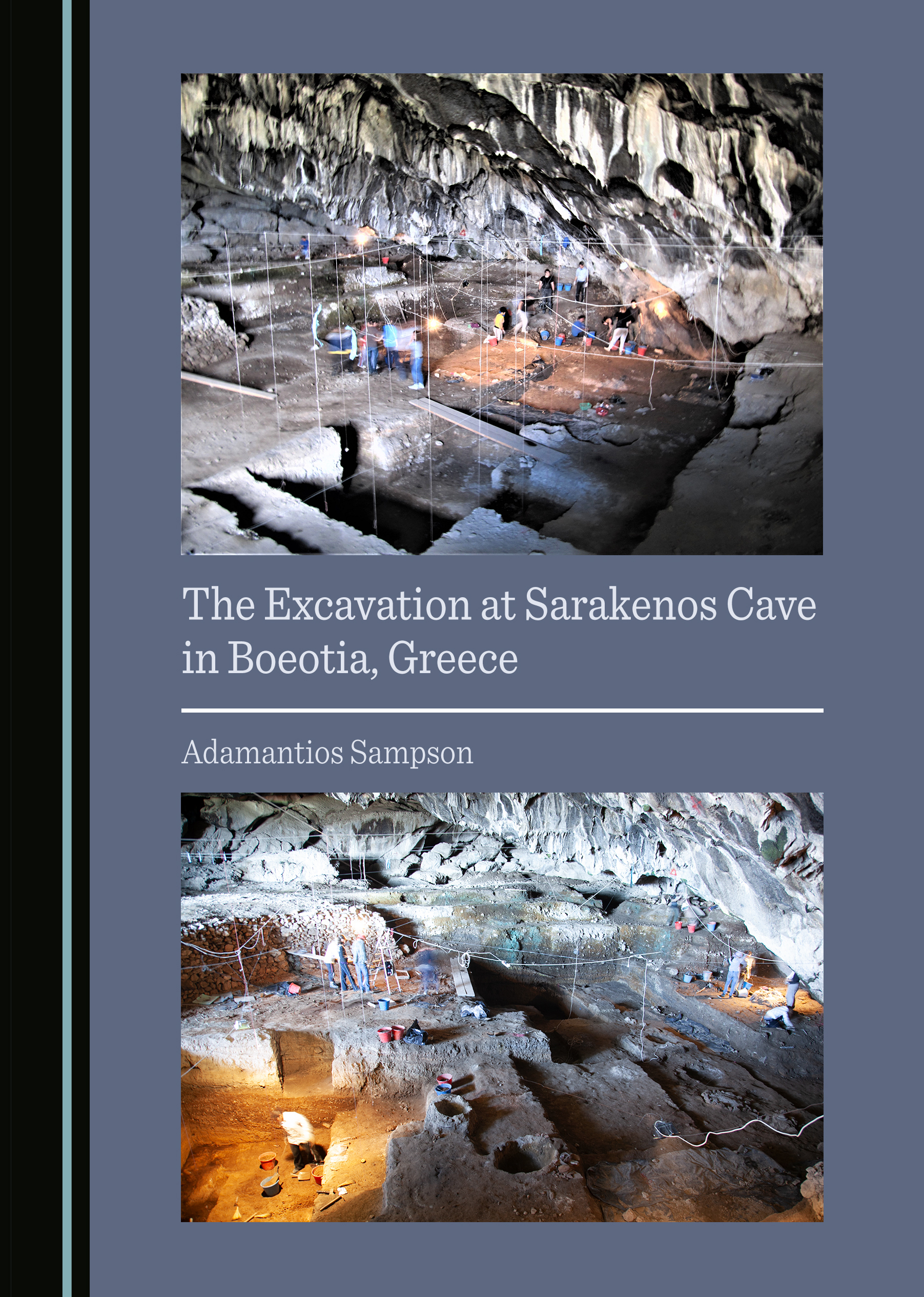
This book details excavations at Sarakenos Cave, Greece's largest prehistoric inhabited cave. It explores the cultural sequence from Neanderthals around 40,000 years ago to the Bronze Age, reconstructing the ancient environment based on pollen samples.
This book details excavations at Sarakenos Cave, Greece’s largest prehistoric inhabited cave. It explores the cultural sequence from Neanderthals around 40,000 years ago to the Bronze Age, reconstructing the ancient environment based on pollen samples.
View more
This product has multiple variants. The options may be chosen on the product page
View more
This product has multiple variants. The options may be chosen on the product page
The Archaeology of Anatolia, Volume IV
Recent Discoveries (2018–2020)
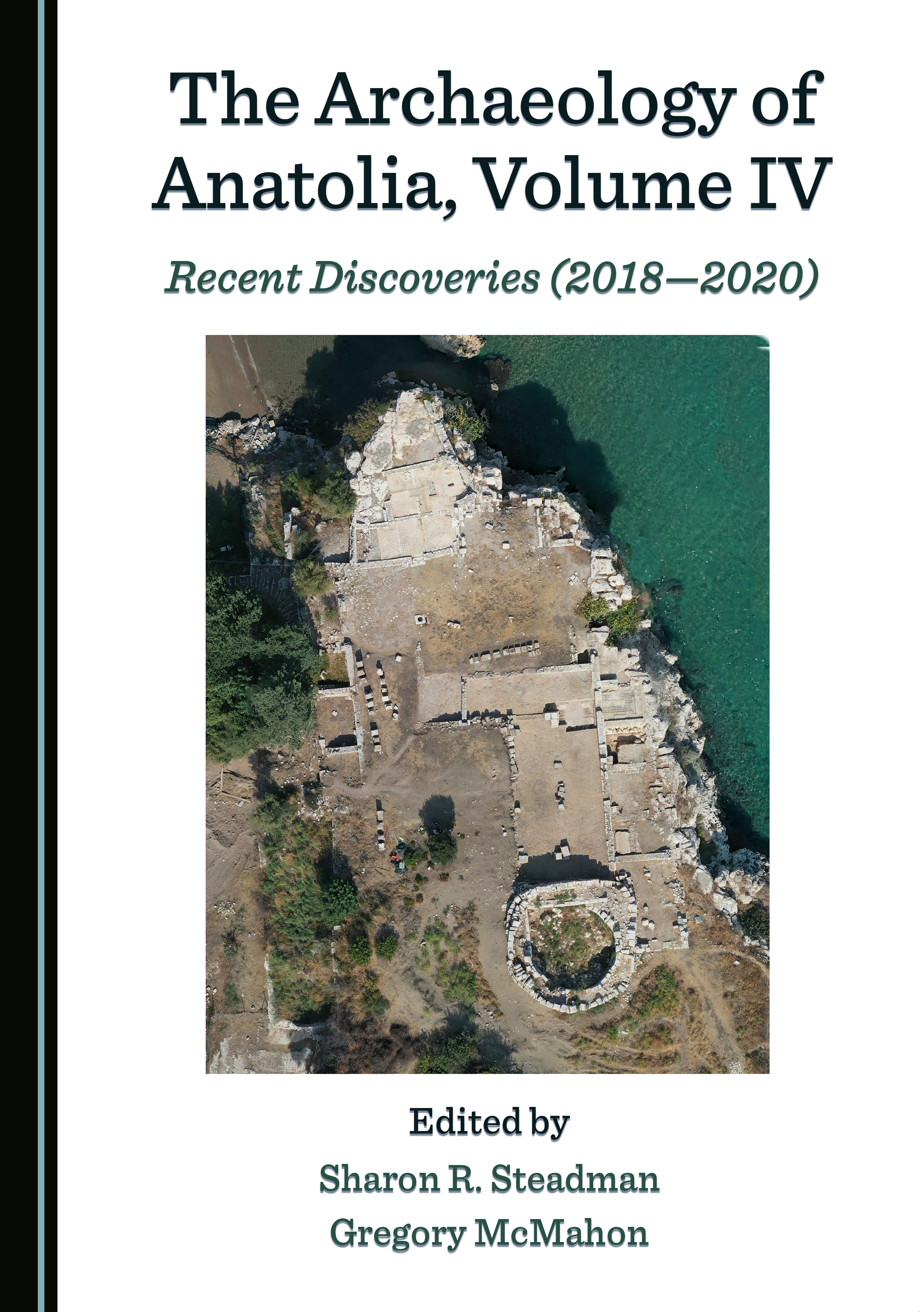
This fourth volume in the Archaeology of Anatolia series offers reports on the most recent discoveries from across the peninsula. Periods covered span the Epipalaeolithic to the Medieval Age. The volume includes reviews of on-going excavations and a “State of the Field” section.
This fourth volume in the Archaeology of Anatolia series offers reports on the most recent discoveries from across the peninsula. Periods covered span the Epipalaeolithic to the Medieval Age. The volume includes reviews of on-going excavations and a “State of the Field” section.
View more
This product has multiple variants. The options may be chosen on the product page
View more
This product has multiple variants. The options may be chosen on the product page
The Recumbent Stone Circles of Aberdeenshire
Archaeology, Design, Astronomy and Methods
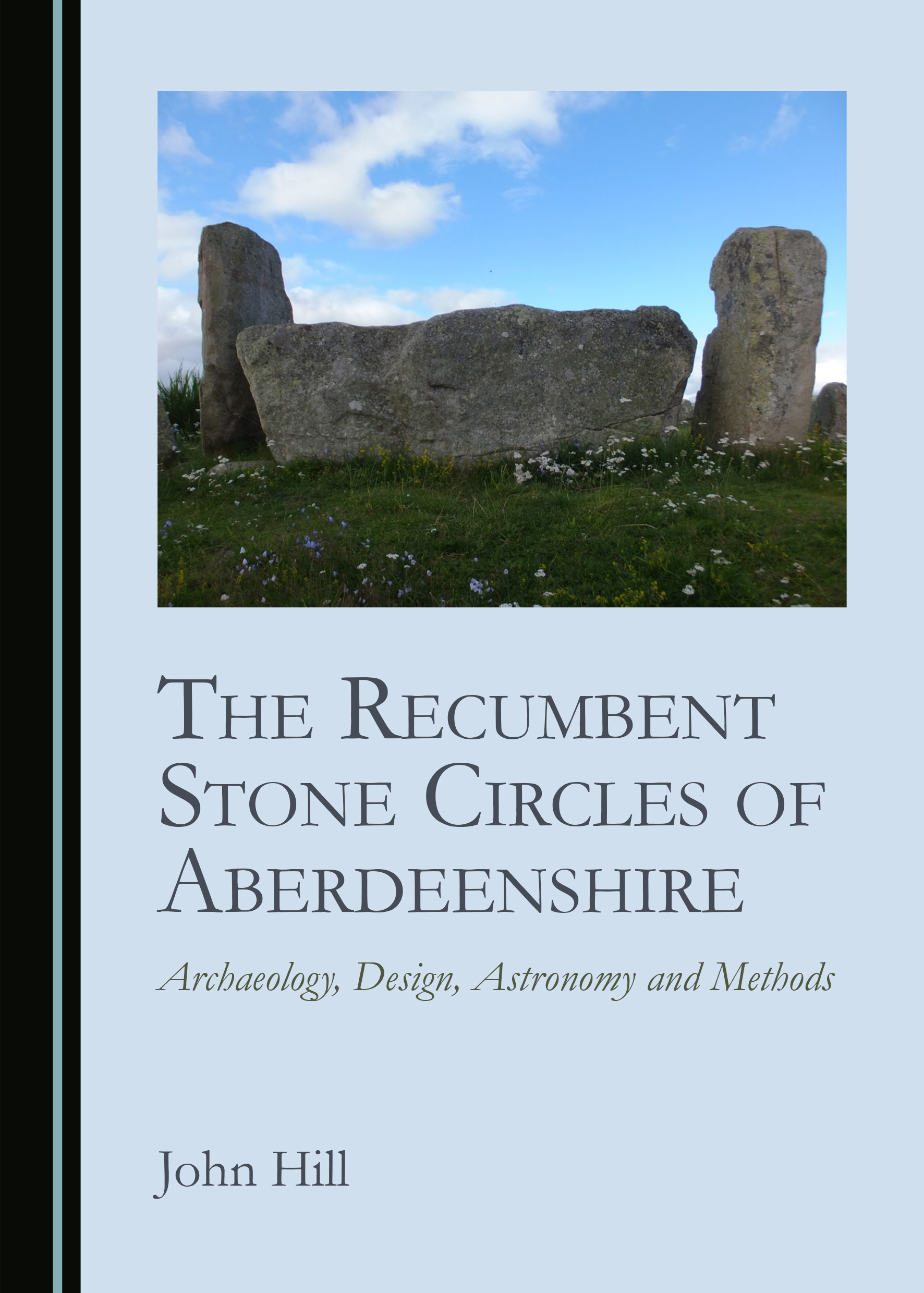
Using experimental archaeology, this book explains how Aberdeenshire's Recumbent Stone Circles were built. It reveals how prehistoric communities created a network of inter-aligned stone circles, using them to synchronise time and space through their shared astronomy.
Using experimental archaeology, this book explains how Aberdeenshire’s Recumbent Stone Circles were built. It reveals how prehistoric communities created a network of inter-aligned stone circles, using them to synchronise time and space through their shared astronomy.
View more
This product has multiple variants. The options may be chosen on the product page
View more
This product has multiple variants. The options may be chosen on the product page
From £29.99
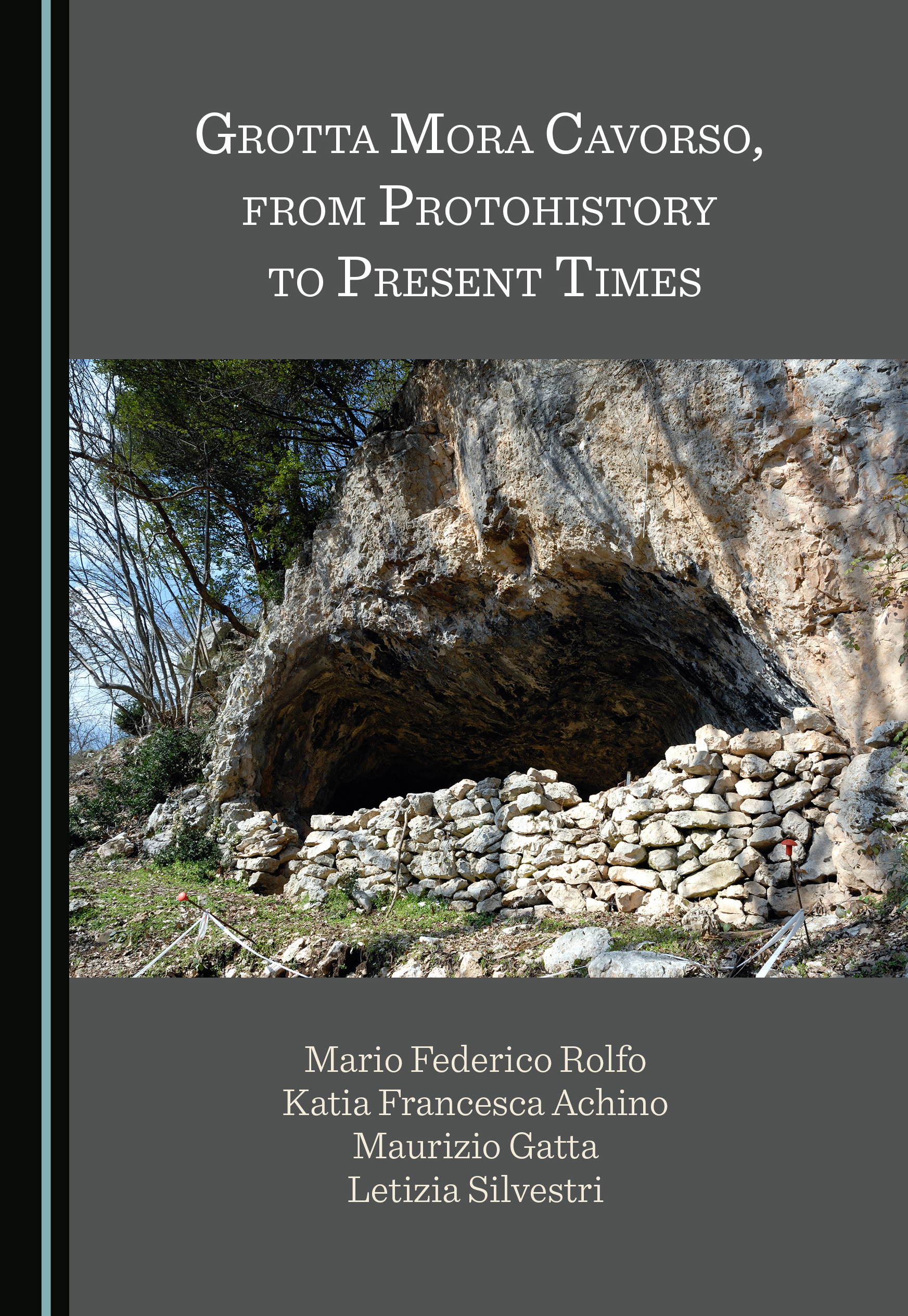
This volume presents the results of archaeological research at Grotta Mora Cavorso, a cave in central Italy. Covering the Historic and Protohistoric periods, it reveals the cave's complex, multi-layered use as a burial and ritual place, a hermitage, and even a war refuge.
This volume presents the results of archaeological research at Grotta Mora Cavorso, a cave in central Italy. Covering the Historic and Protohistoric periods, it reveals the cave’s complex, multi-layered use as a burial and ritual place, a hermitage, and even a war refuge.
View more
This product has multiple variants. The options may be chosen on the product page

View more
This product has multiple variants. The options may be chosen on the product page
Patina on Historic Glass
A Case Study from Cossack, Western Australia
A world-first study of patina on glass from Cossack, Western Australia. It reveals how its internal structures can date glass for archaeology, determine geochemical processes, and unravel local climate patterns, while also pointing to problems in recycling glass.
A world-first study of patina on glass from Cossack, Western Australia. It reveals how its internal structures can date glass for archaeology, determine geochemical processes, and unravel local climate patterns, while also pointing to problems in recycling glass.
View more
This product has multiple variants. The options may be chosen on the product page

View more
This product has multiple variants. The options may be chosen on the product page
The Business of Heritage
Global Archaeology and International Consultancy
Archaeology is a global business. This collection of papers by international specialists examines how heritage consultancy protects the past and develops archaeological knowledge. From NASA's space facilities to Roman ruins, this book provides global insights.
Archaeology is a global business. This collection of papers by international specialists examines how heritage consultancy protects the past and develops archaeological knowledge. From NASA’s space facilities to Roman ruins, this book provides global insights.
View more
This product has multiple variants. The options may be chosen on the product page
View more
This product has multiple variants. The options may be chosen on the product page
From £32.99
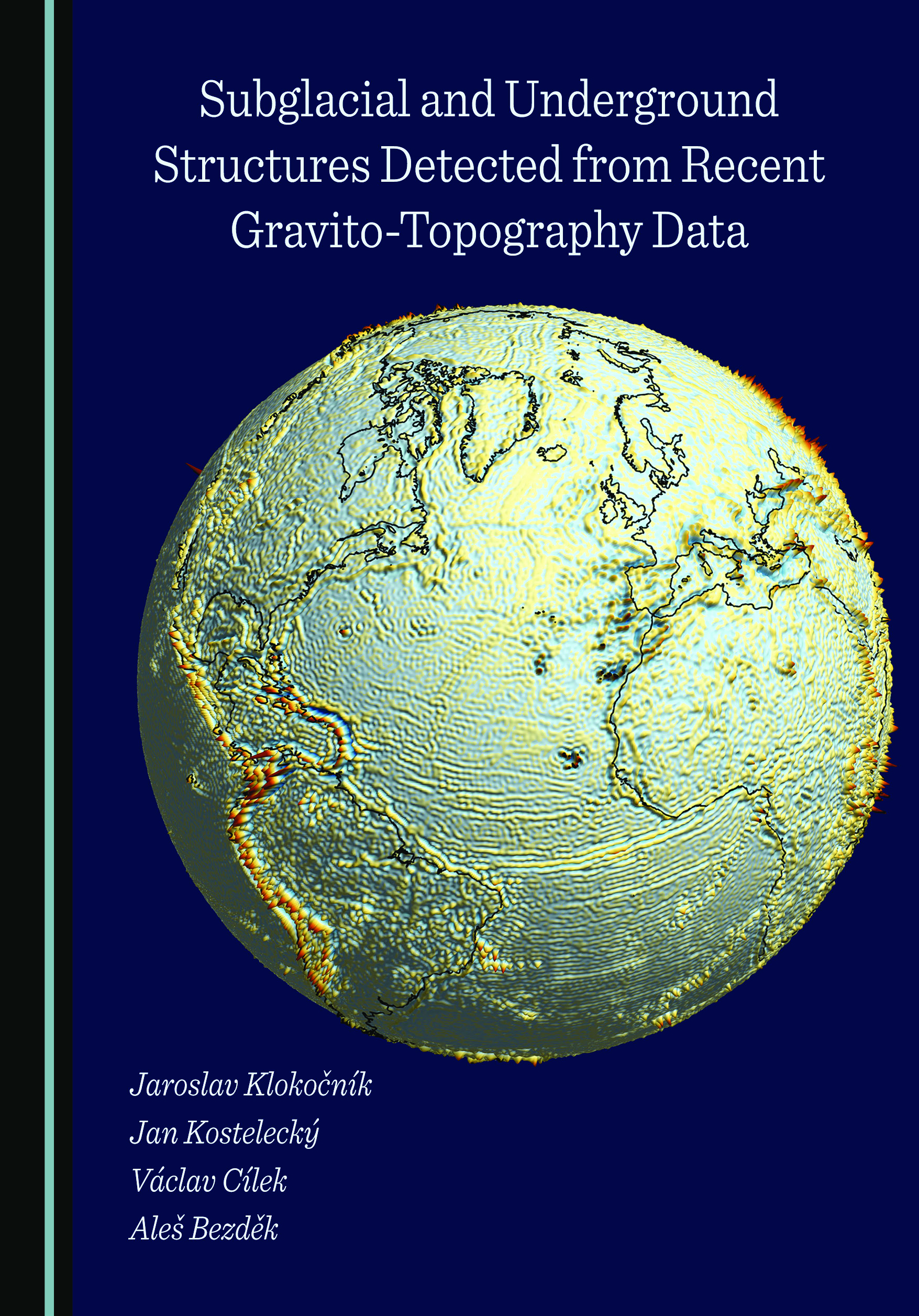
Data on gravity reveal a fascinating hidden world, allowing us to “see” under glaciers or beneath desert sands. This book explores subglacial Antarctica, Saharan paleolakes, and ocean-bottom craters, and analyses gravity fields to help find oil and gas with higher probability.
Data on gravity reveal a fascinating hidden world, allowing us to “see” under glaciers or beneath desert sands. This book explores subglacial Antarctica, Saharan paleolakes, and ocean-bottom craters, and analyses gravity fields to help find oil and gas with higher probability.
View more
This product has multiple variants. The options may be chosen on the product page
View more
This product has multiple variants. The options may be chosen on the product page
From £30.99
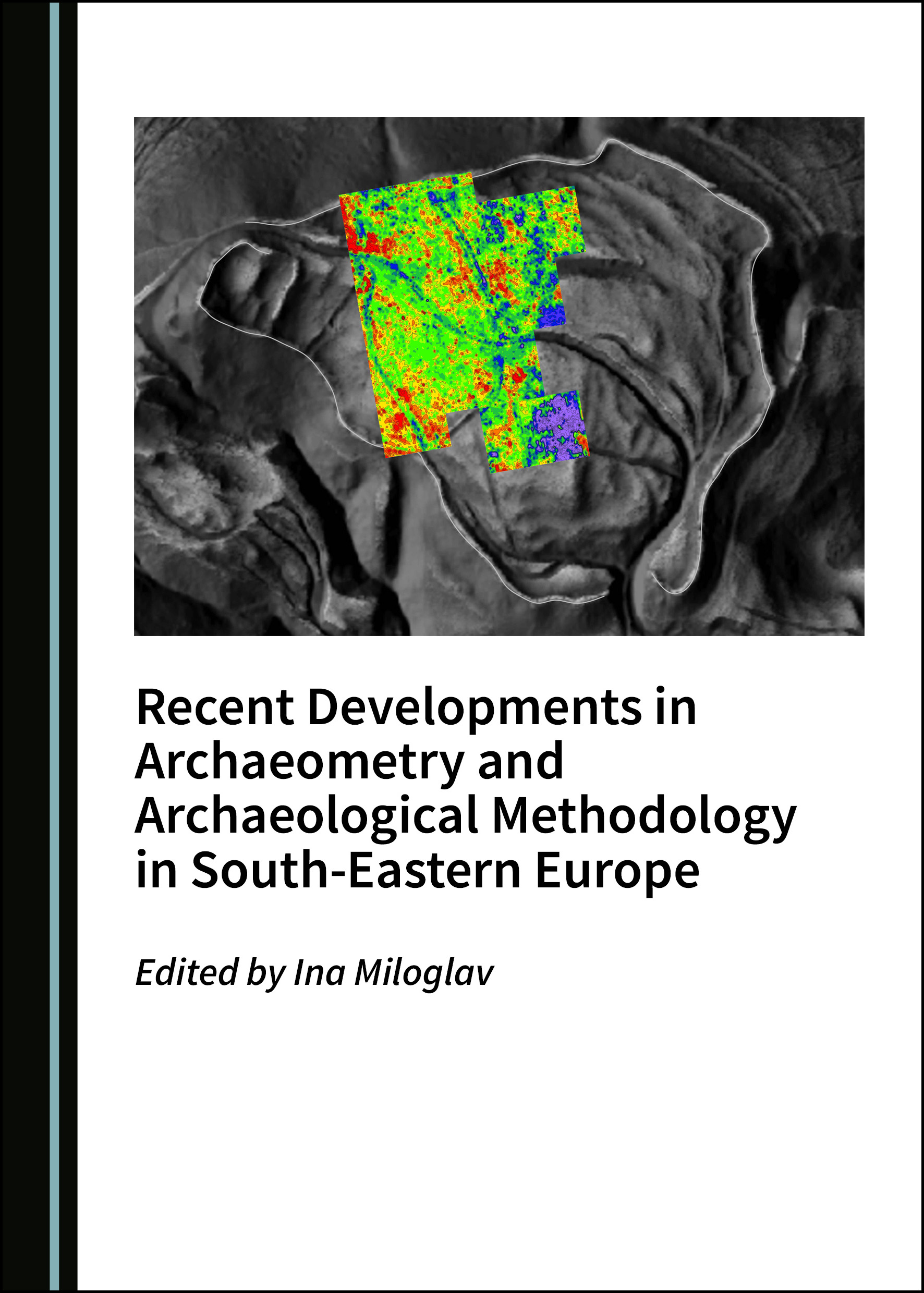
This volume presents papers from the “Methodology and Archaeometry” conference. It covers topics in archaeometry and archaeological methodology, including non-destructive archaeology, artifact analysis, and experimental archaeology, providing new insights and approaches.
This volume presents papers from the “Methodology and Archaeometry” conference. It covers topics in archaeometry and archaeological methodology, including non-destructive archaeology, artifact analysis, and experimental archaeology, providing new insights and approaches.
View more
This product has multiple variants. The options may be chosen on the product page
View more
This product has multiple variants. The options may be chosen on the product page
Hunter-Gatherers’ Tool-Kit
A Functional Perspective
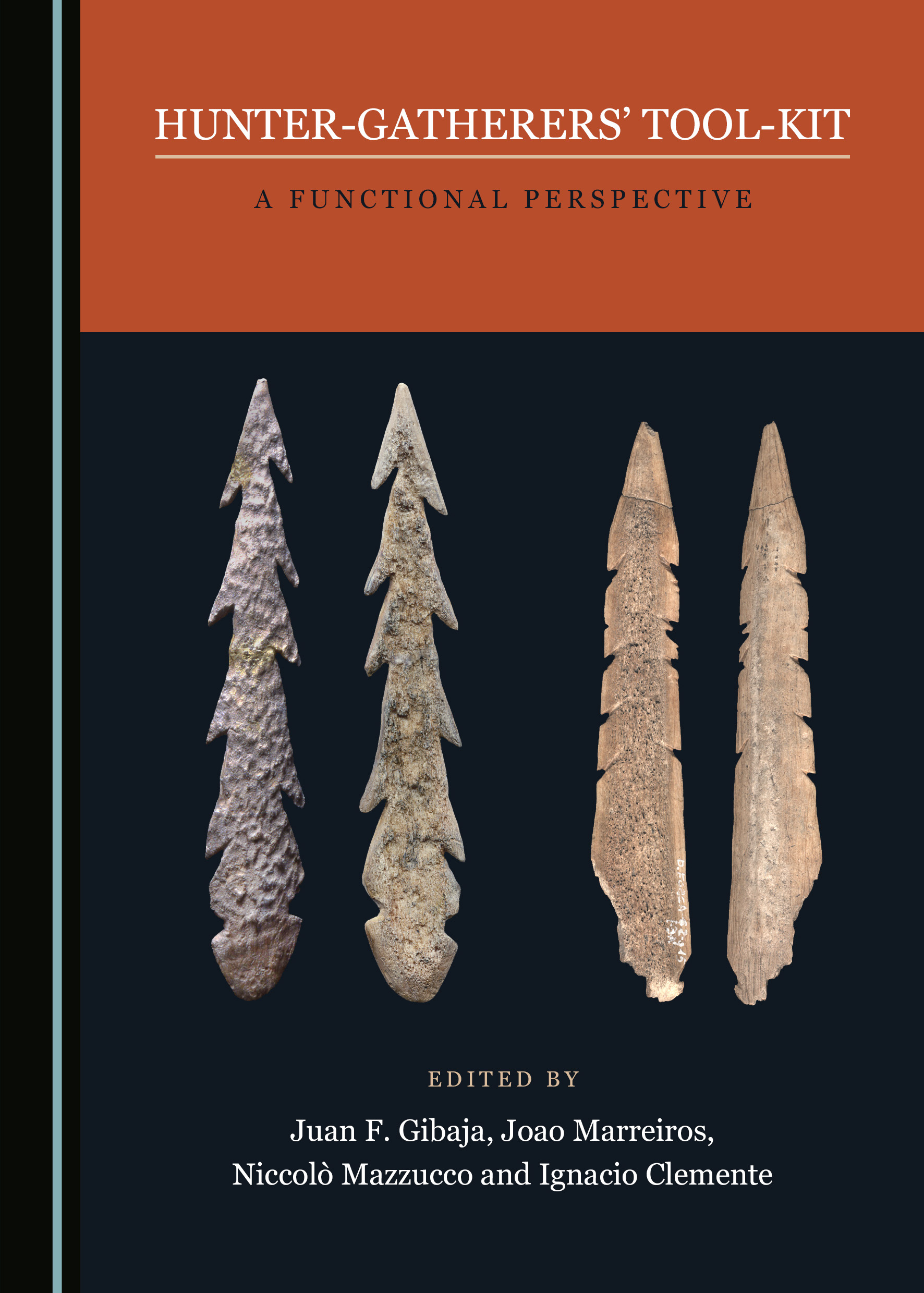
This volume provides a multifaceted overview of the study of stone tools. With case studies from various continents centred on hunter-gatherer communities, it explores tool production and use to address major questions about past human economic and social behaviour.
This volume provides a multifaceted overview of the study of stone tools. With case studies from various continents centred on hunter-gatherer communities, it explores tool production and use to address major questions about past human economic and social behaviour.
View more
This product has multiple variants. The options may be chosen on the product page
View more
This product has multiple variants. The options may be chosen on the product page
From £35.99
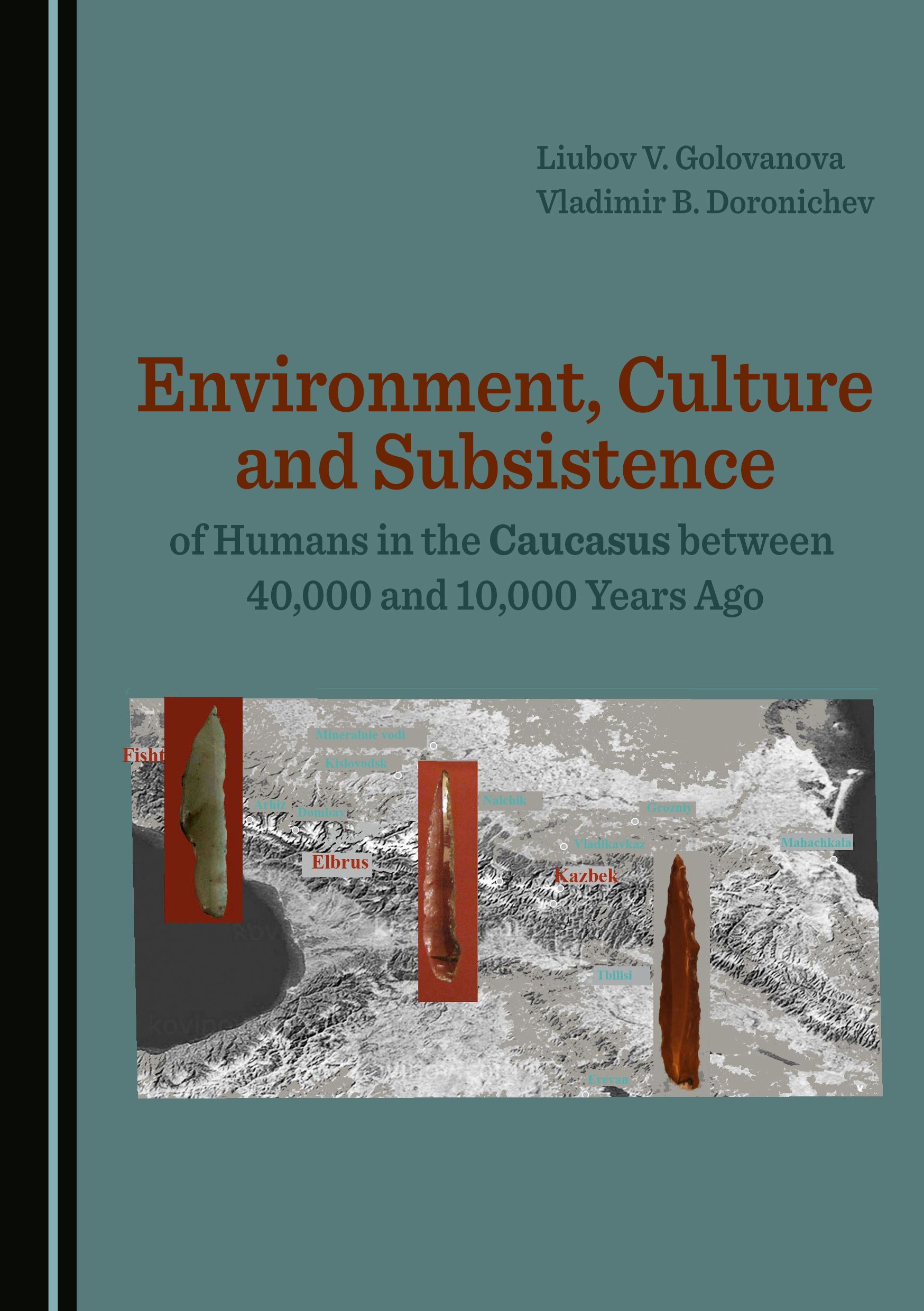
This is the first complete synthesis of research on the Upper Palaeolithic archaeology of the Caucasus. It discusses the cultural and subsistence changes of modern humans from 40,000 to 10,000 years ago, in the context of environmental change and surrounding Eurasian cultures.
This is the first complete synthesis of research on the Upper Palaeolithic archaeology of the Caucasus. It discusses the cultural and subsistence changes of modern humans from 40,000 to 10,000 years ago, in the context of environmental change and surrounding Eurasian cultures.
View more
This product has multiple variants. The options may be chosen on the product page
View more
This product has multiple variants. The options may be chosen on the product page
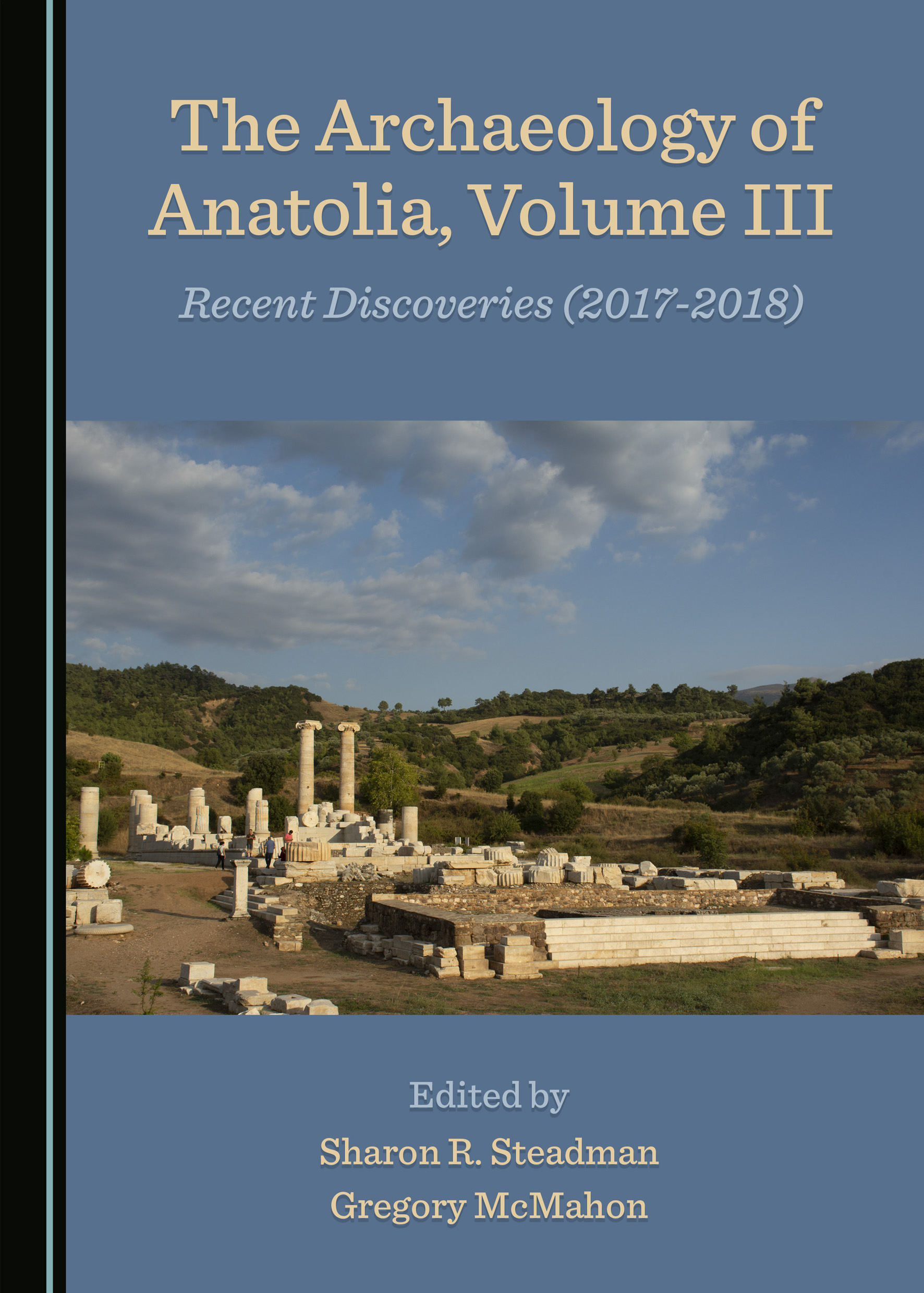
The Archaeology of Anatolia, Volume III
Recent Discoveries (2017–2018)
This third volume in the Archaeology of Anatolia series delivers timely updates from ongoing excavations across the peninsula. Covering the Epipalaeolithic to the Medieval, it features a new section presenting the latest critical findings and research in the field.
This third volume in the Archaeology of Anatolia series delivers timely updates from ongoing excavations across the peninsula. Covering the Epipalaeolithic to the Medieval, it features a new section presenting the latest critical findings and research in the field.
View more
This product has multiple variants. The options may be chosen on the product page
Processing Your Order
Please wait while we securely process your order.
Do not refresh or leave this page.
You will be redirected shortly to a confirmation page with your order number.