
View more
This product has multiple variants. The options may be chosen on the product page
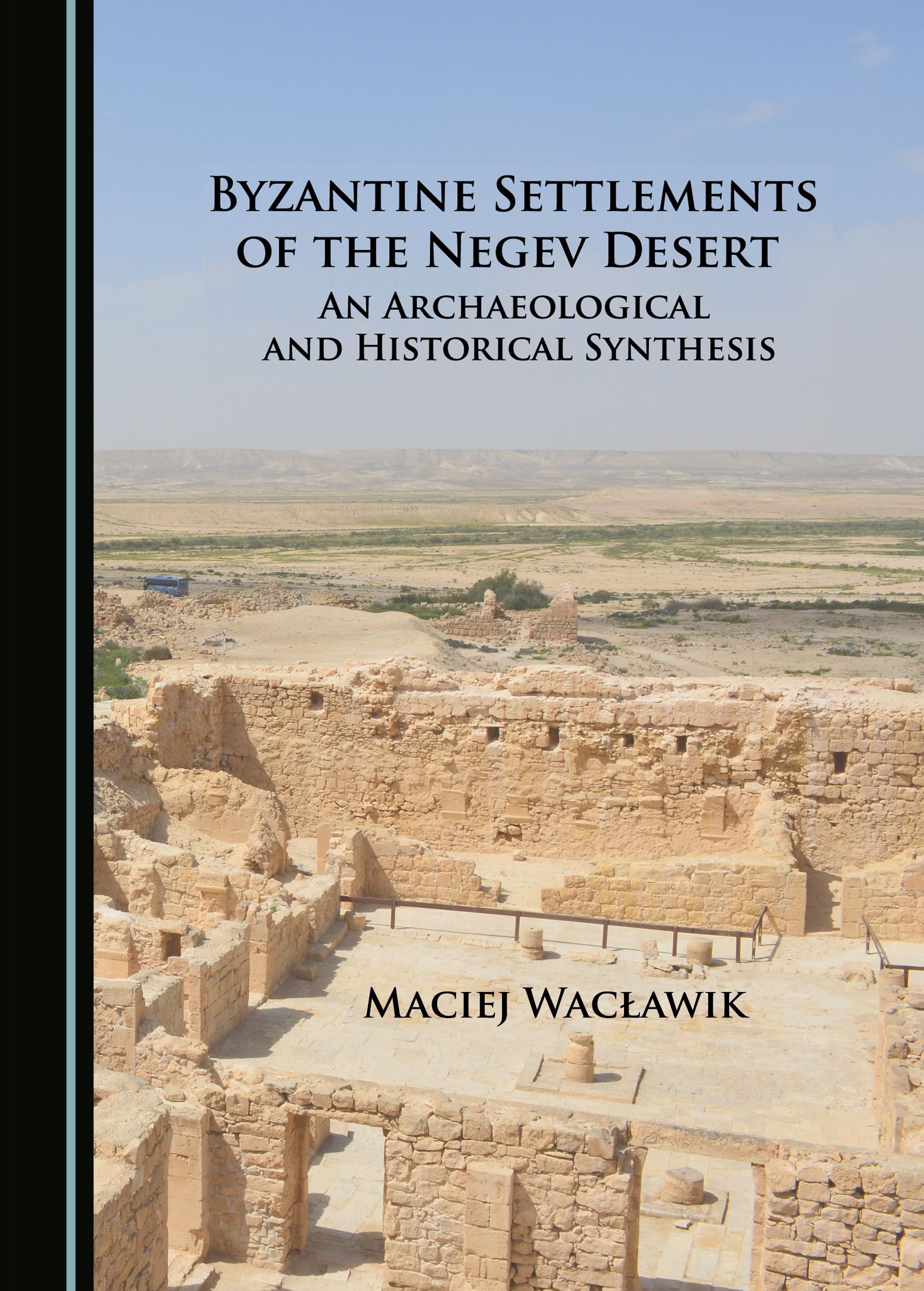
Byzantine Settlements of the Negev Desert
An Archaeological and Historical Synthesis
This book synthesizes the newest research on the Byzantine Negev Desert (363-640 AD). Using archaeology, historical sources, and UAV surveys, it challenges earlier theories and reveals a cycle of long settlement expansion followed by sudden breakdowns.
This book synthesizes the newest research on the Byzantine Negev Desert (363-640 AD). Using archaeology, historical sources, and UAV surveys, it challenges earlier theories and reveals a cycle of long settlement expansion followed by sudden breakdowns.
View more
This product has multiple variants. The options may be chosen on the product page
View more
This product has multiple variants. The options may be chosen on the product page
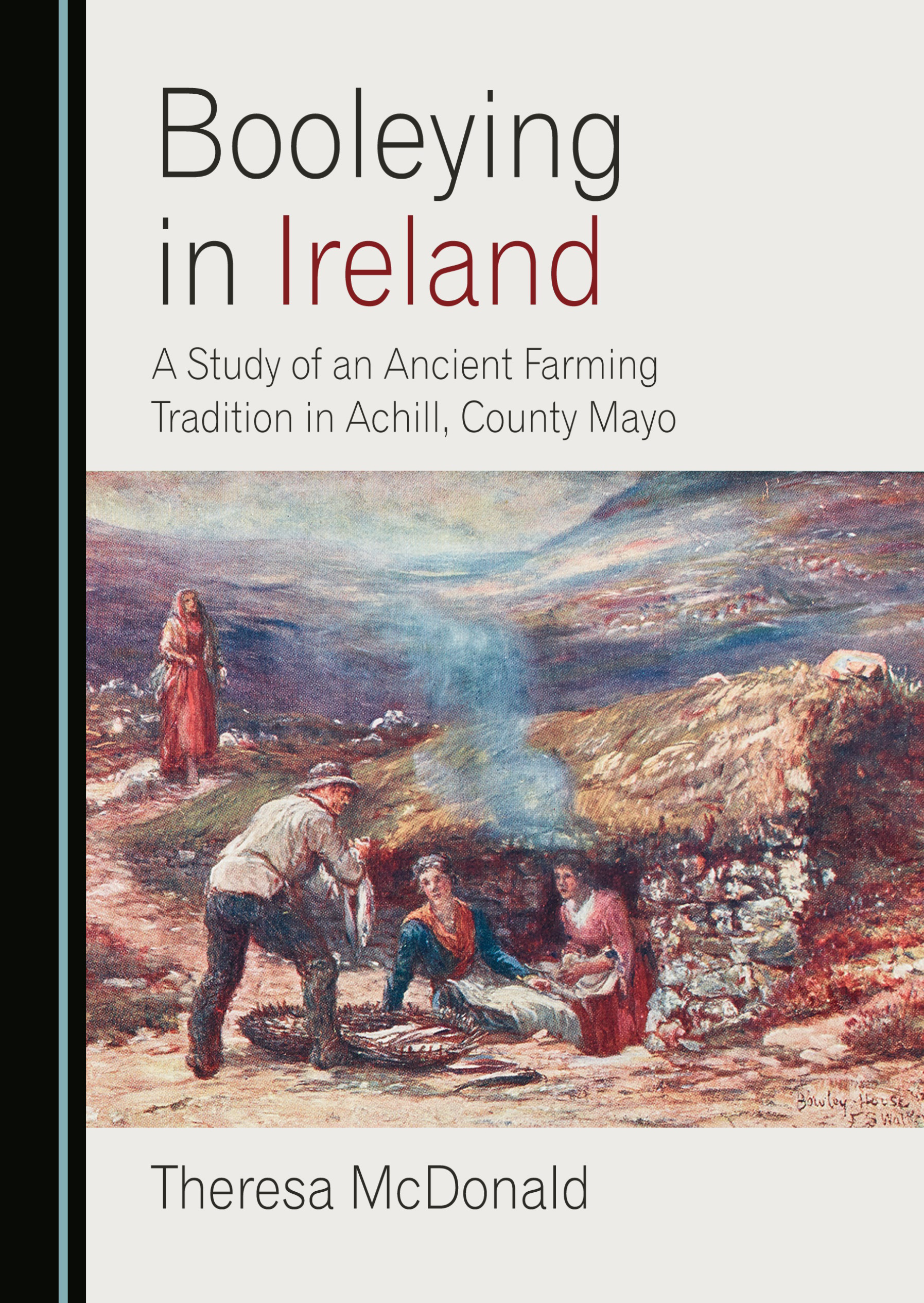
Booleying in Ireland
A Study of an Ancient Farming Tradition in Achill, County Mayo
This book challenges the view of booleying as a post-medieval practice. Drawing on extensive research, it traces the origins of transhumance to the prehistoric period, providing a fresh perspective on its history and economic importance in Ireland and Achill.
This book challenges the view of booleying as a post-medieval practice. Drawing on extensive research, it traces the origins of transhumance to the prehistoric period, providing a fresh perspective on its history and economic importance in Ireland and Achill.
View more
This product has multiple variants. The options may be chosen on the product page
View more
This product has multiple variants. The options may be chosen on the product page
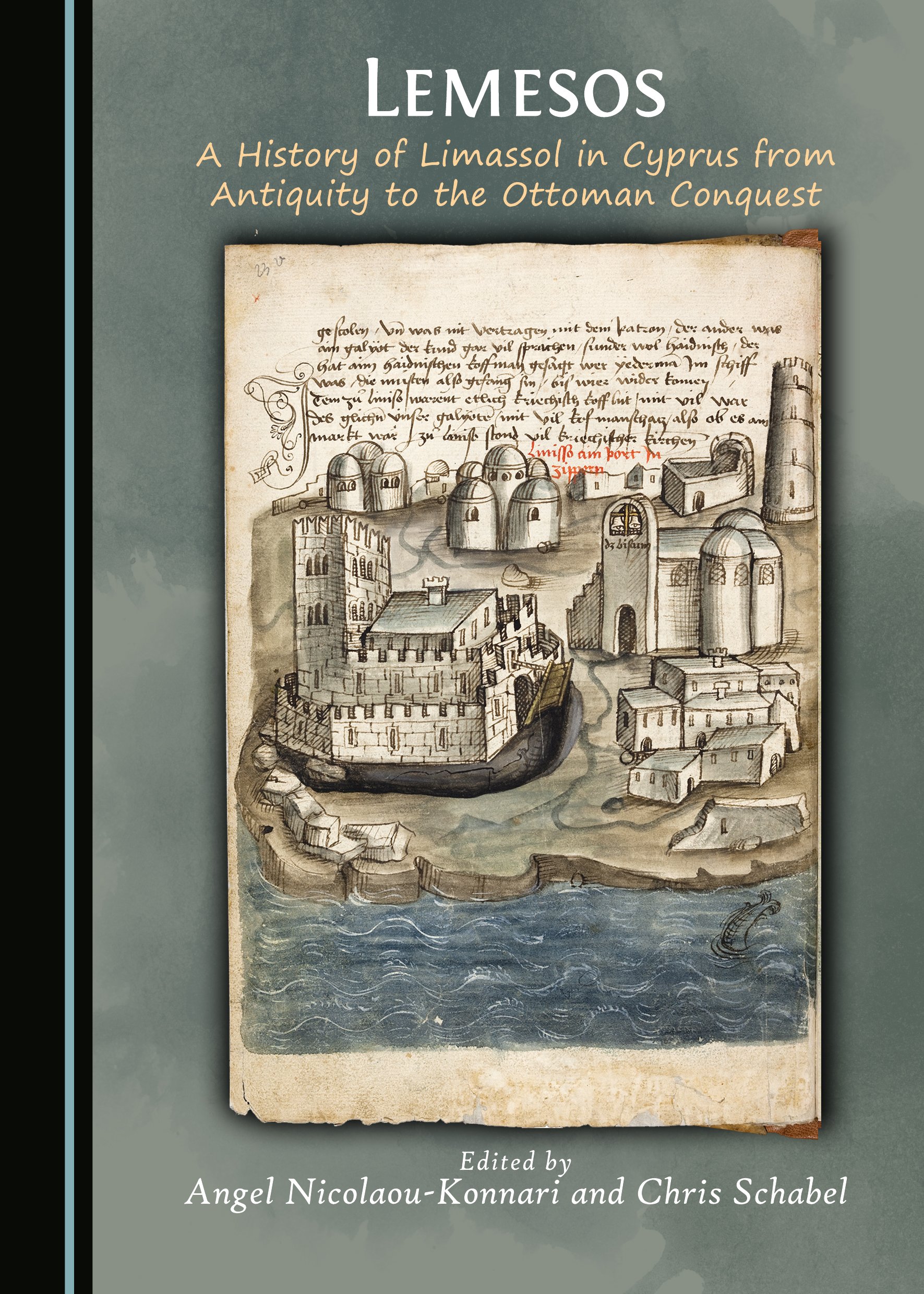
Lemesos
A History of Limassol in Cyprus from Antiquity to the Ottoman Conquest
This is the first scholarly work in English on the history of Limassol, Cyprus, from antiquity to the 1570 Ottoman conquest. Six scholars explore Limassol’s political, social, economic, artistic, and cultural history.
This is the first scholarly work in English on the history of Limassol, Cyprus, from antiquity to the 1570 Ottoman conquest. Six scholars explore Limassol’s political, social, economic, artistic, and cultural history.
View more
This product has multiple variants. The options may be chosen on the product page
View more
This product has multiple variants. The options may be chosen on the product page
From £33.99
Through art, mythology, literature, and archaeology, this volume uncovers how power was displayed in the Ancient world, from Egypt’s 18th Dynasty to the Sassanian Empire.
Through art, mythology, literature, and archaeology, this volume uncovers how power was displayed in the Ancient world, from Egypt’s 18th Dynasty to the Sassanian Empire.
View more
This product has multiple variants. The options may be chosen on the product page
View more
This product has multiple variants. The options may be chosen on the product page
£67.99
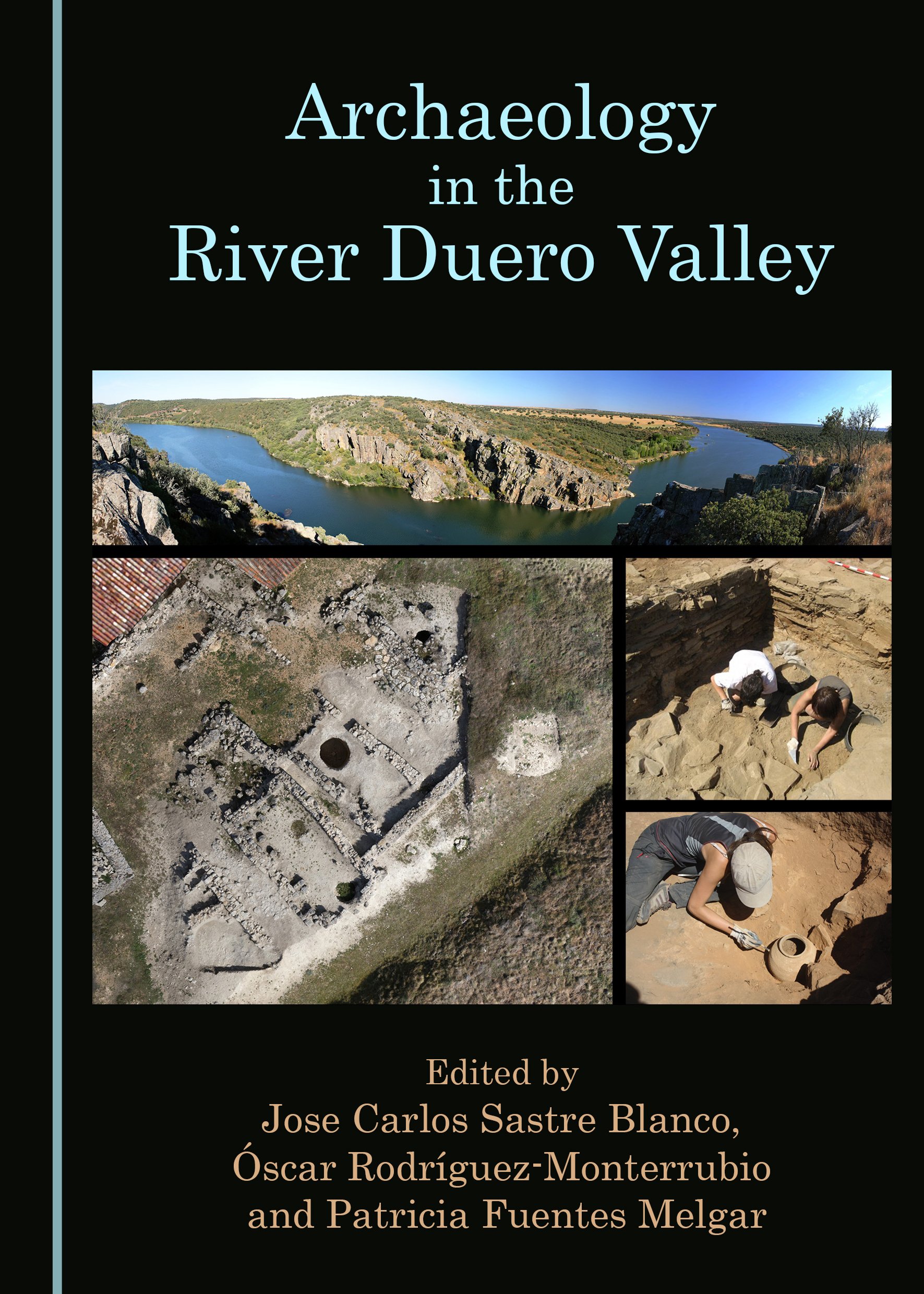
From Prehistory to the Middle Ages, the Duero River’s archaeological heritage is at risk. Before these sites are lost forever, the Zamoraprotohistórica society leads a programme to preserve them. This volume is a compilation of remarkable papers on the river's rich history.
From Prehistory to the Middle Ages, the Duero River’s archaeological heritage is at risk. Before these sites are lost forever, the Zamoraprotohistórica society leads a programme to preserve them. This volume is a compilation of remarkable papers on the river’s rich history.
View more
This product has multiple variants. The options may be chosen on the product page
View more
This product has multiple variants. The options may be chosen on the product page
Transforming the Colony
The Archaeology of Convictism in Western Australia
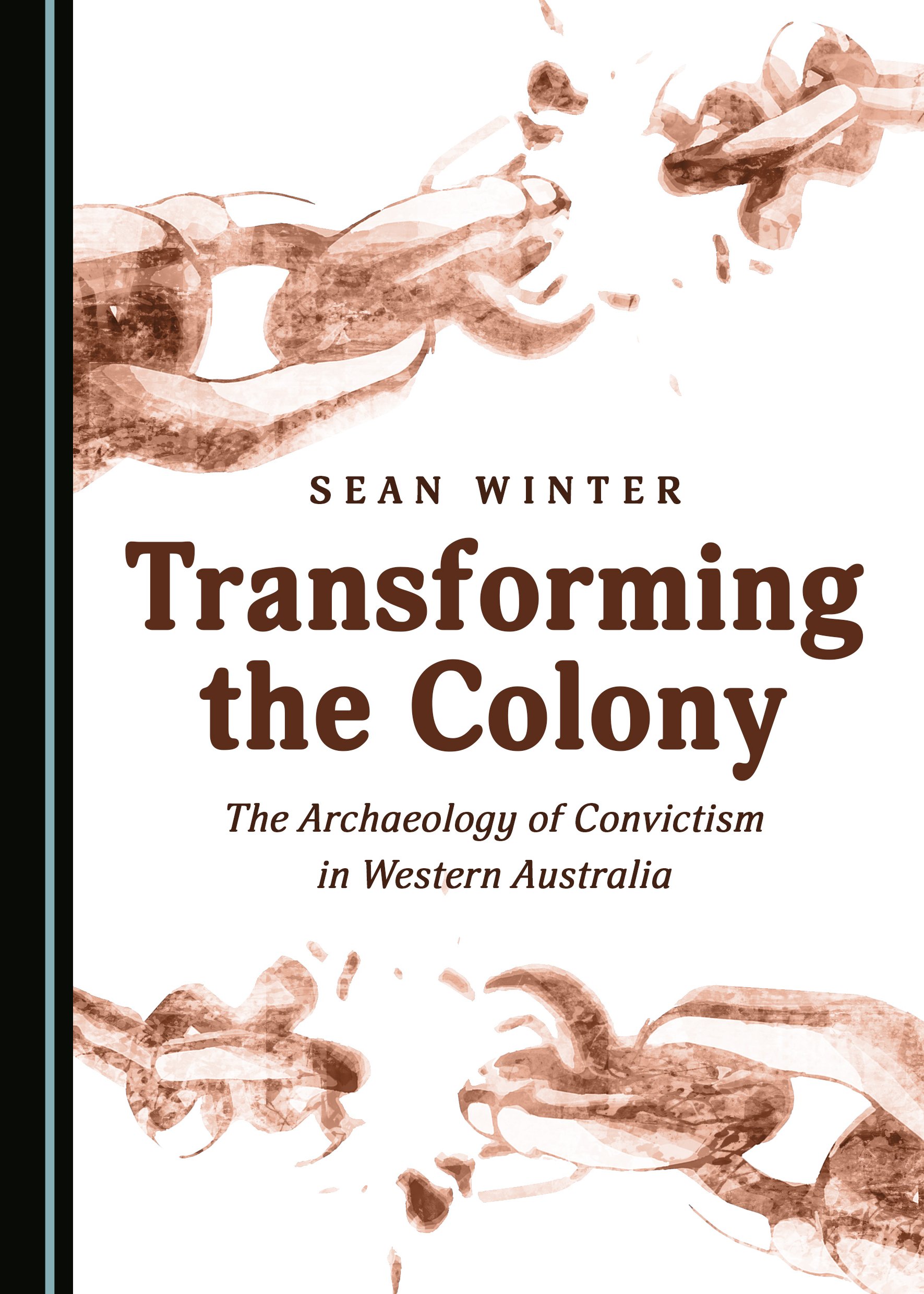
Winter investigates the lives of convicts transported to Western Australia, particularly how their presence in the colony served as a form of modernity, fundamentally transforming it in the process.
Winter investigates the lives of convicts transported to Western Australia, particularly how their presence in the colony served as a form of modernity, fundamentally transforming it in the process.
View more
This product has multiple variants. The options may be chosen on the product page
View more
This product has multiple variants. The options may be chosen on the product page
Artisans Rule
Product Standardization and Craft Specialization in Prehistoric Society
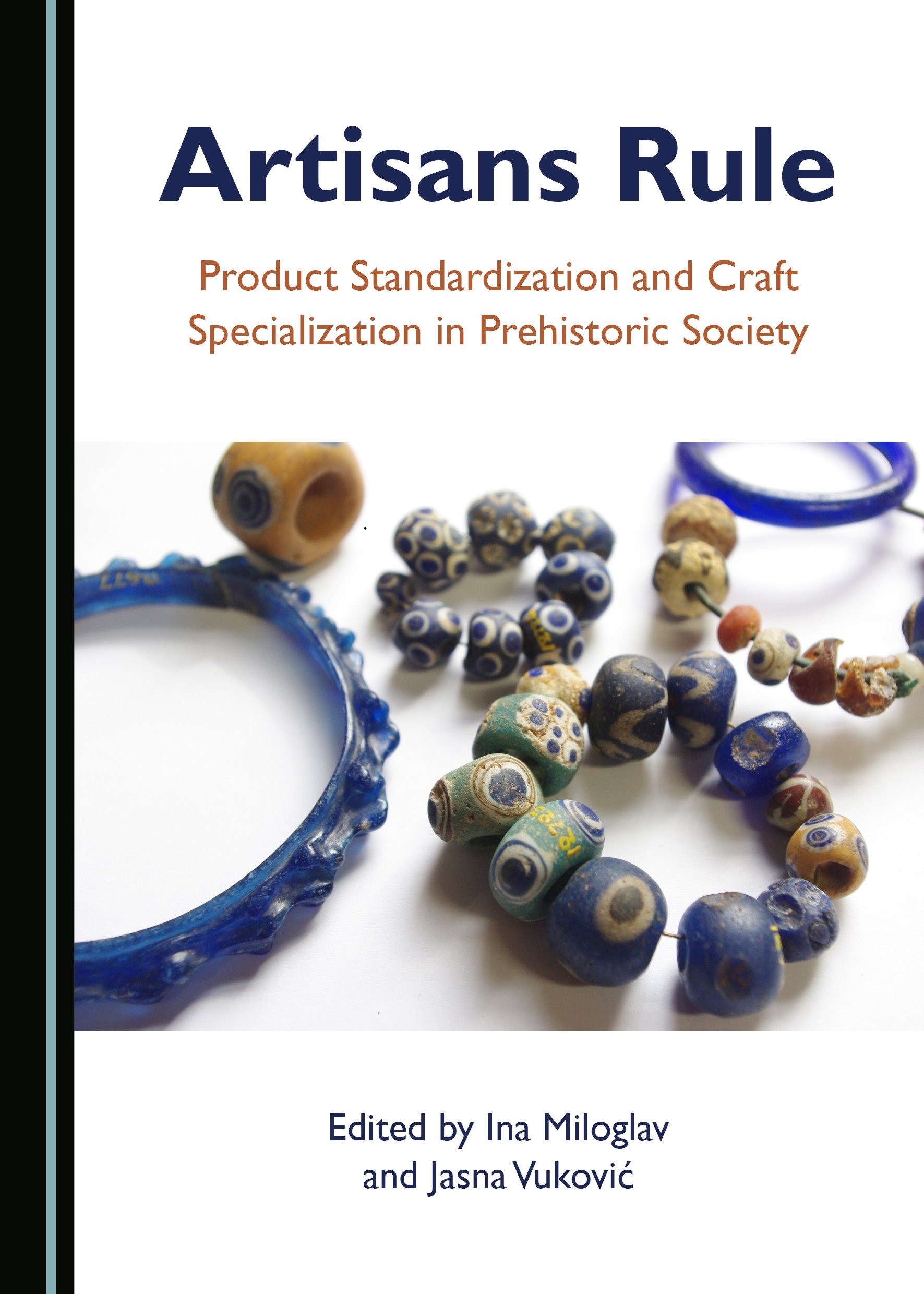
Here, seven case studies covering a chronological span from the Neolithic to La Tène Europe explore the notions of standardization and specialization in craft production, while two ethnoarchaeological studies focus on the organization of production of a number of artisans.
Here, seven case studies covering a chronological span from the Neolithic to La Tène Europe explore the notions of standardization and specialization in craft production, while two ethnoarchaeological studies focus on the organization of production of a number of artisans.
View more
This product has multiple variants. The options may be chosen on the product page
View more
This product has multiple variants. The options may be chosen on the product page
£61.99
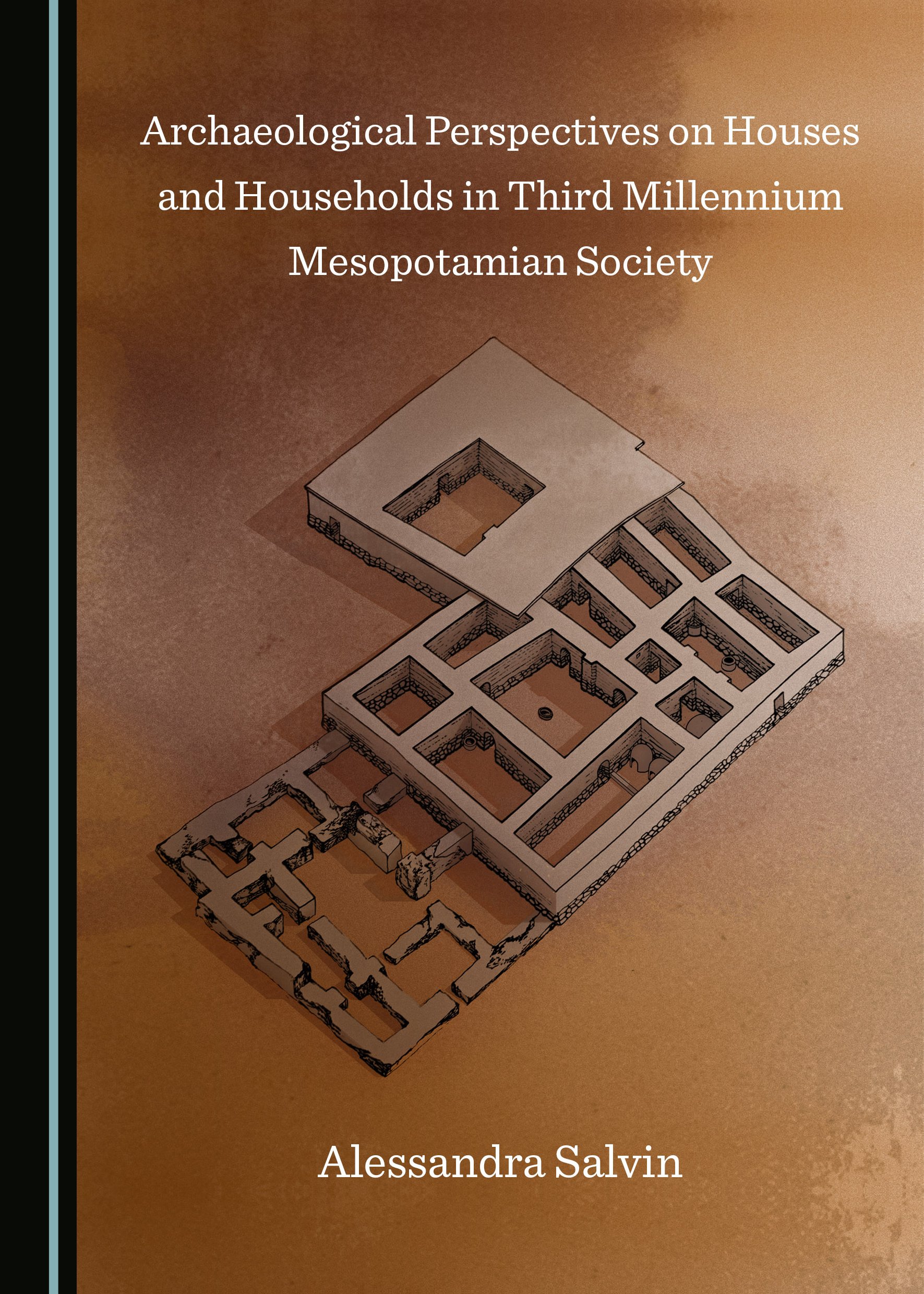
Little is known about Mesopotamian houses. This book addresses this gap by analysing houses in the third millennium, a critical period for early urbanization, relating their characteristics to the socio-economical history of the period.
Little is known about Mesopotamian houses. This book addresses this gap by analysing houses in the third millennium, a critical period for early urbanization, relating their characteristics to the socio-economical history of the period.
View more
This product has multiple variants. The options may be chosen on the product page
View more
This product has multiple variants. The options may be chosen on the product page
Religion in Early Assam
An Archaeological History
This volume offers a fresh approach to religion in Early Assam, bringing together archaeology, history, and heritage. It reconstructs the sacred landscape of the Prāgjyotiṣa and Kāmarūpa kingdoms, illustrating implications for Assam’s history and identity.
This volume offers a fresh approach to religion in Early Assam, bringing together archaeology, history, and heritage. It reconstructs the sacred landscape of the Prāgjyotiṣa and Kāmarūpa kingdoms, illustrating implications for Assam’s history and identity.
View more
This product has multiple variants. The options may be chosen on the product page
View more
This product has multiple variants. The options may be chosen on the product page
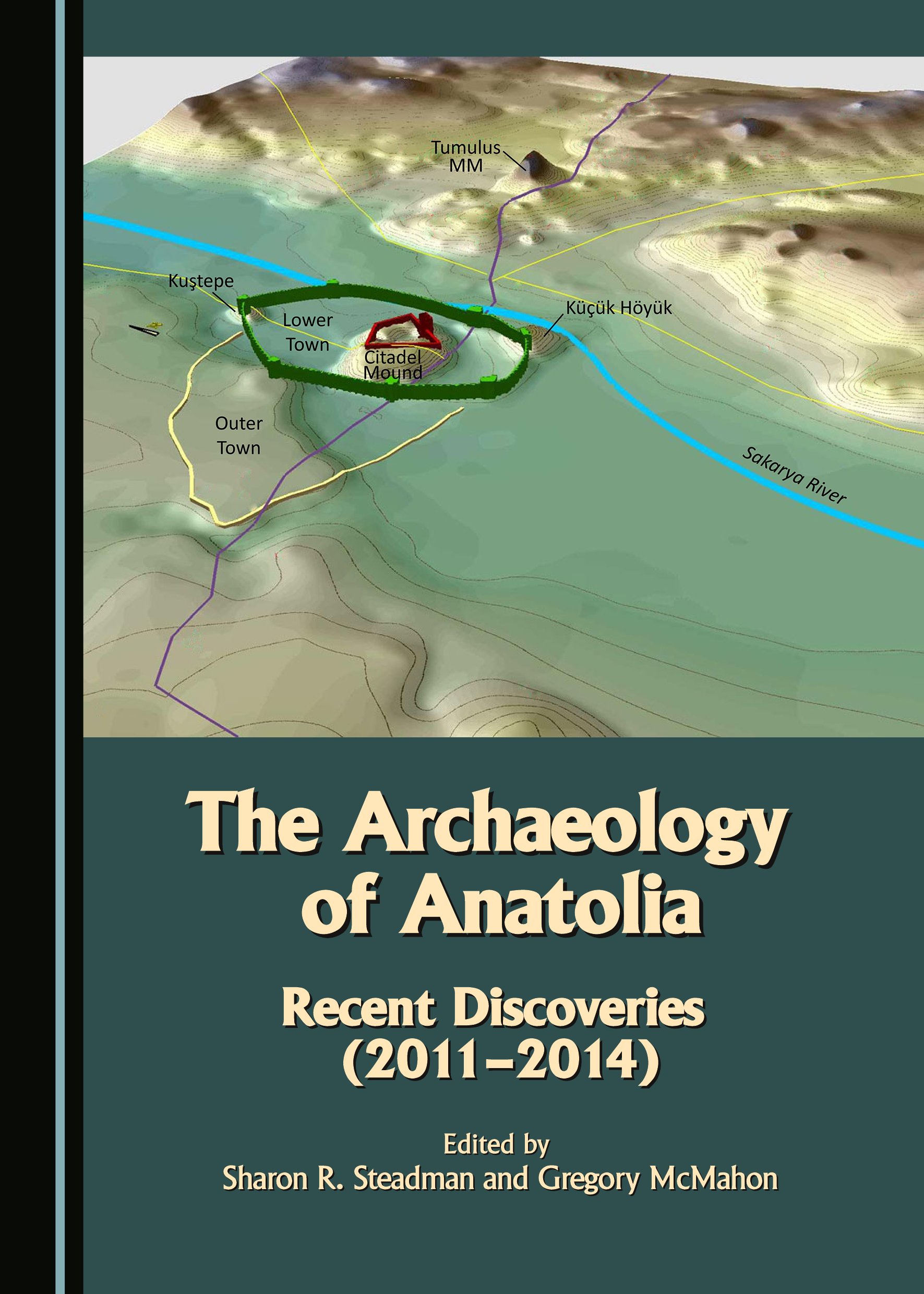
The Archaeology of Anatolia
Recent Discoveries (2011-2014) Volume I
This volume brings together the latest reports on archaeological projects from every region of Anatolia. Scholars present their most recent data, providing results years ahead of final publication and ensuring a timely presentation of their fieldwork and research.
This volume brings together the latest reports on archaeological projects from every region of Anatolia. Scholars present their most recent data, providing results years ahead of final publication and ensuring a timely presentation of their fieldwork and research.
View more
This product has multiple variants. The options may be chosen on the product page
View more
This product has multiple variants. The options may be chosen on the product page
£39.99
The landscape constrains human activity, and our actions leave traces. Geoarchaeology finds these traces to reconstruct how past peoples behaved, offering data that must contribute to the debate on the sustainability of present-day land use.
The landscape constrains human activity, and our actions leave traces. Geoarchaeology finds these traces to reconstruct how past peoples behaved, offering data that must contribute to the debate on the sustainability of present-day land use.
View more
This product has multiple variants. The options may be chosen on the product page
Processing Your Order
Please wait while we securely process your order.
Do not refresh or leave this page.
You will be redirected shortly to a confirmation page with your order number.