
View more
This product has multiple variants. The options may be chosen on the product page
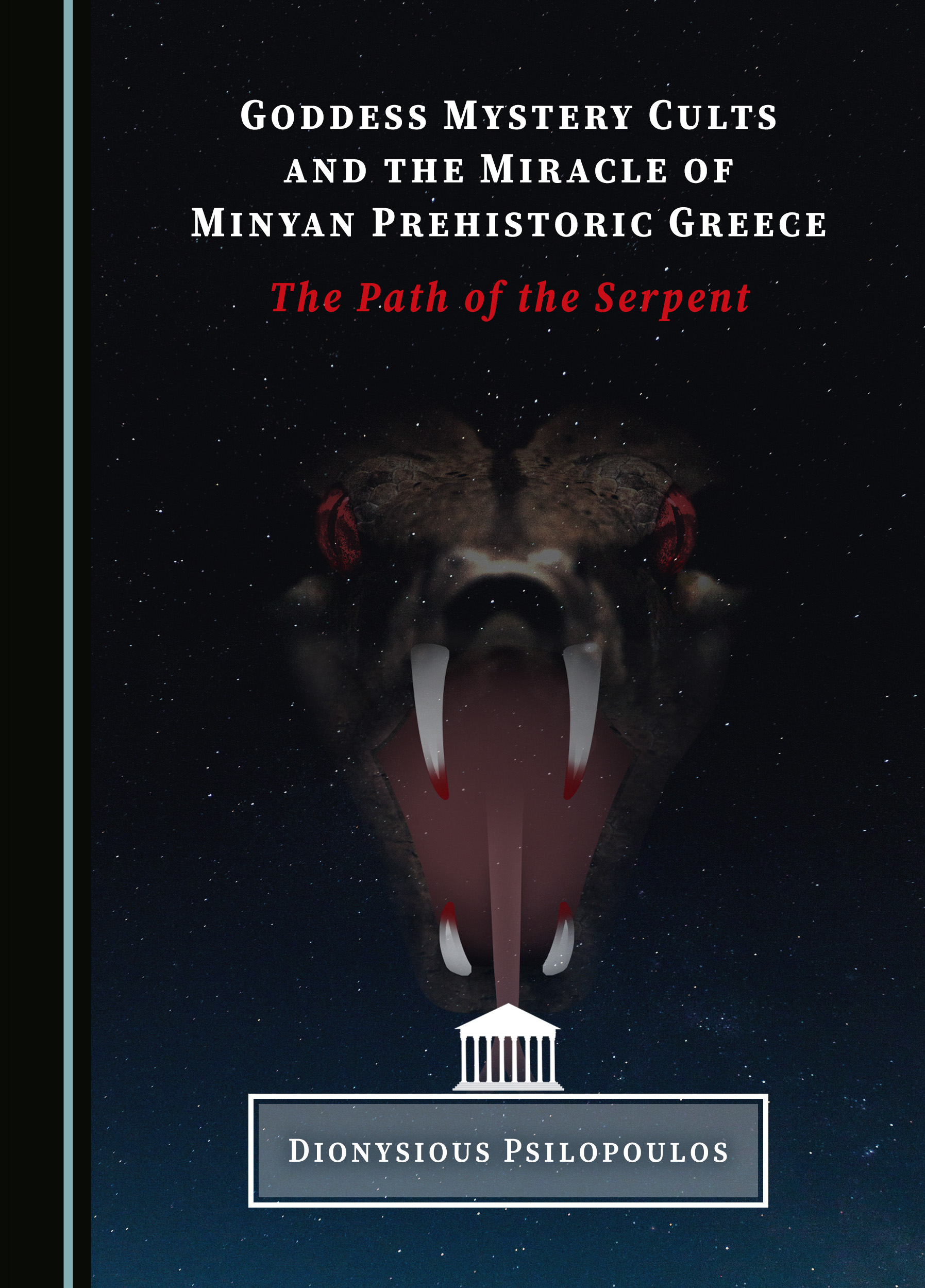
Goddess Mystery Cults and the Miracle of Minyan Prehistoric Greece
The Path of the Serpent
The cradle of the Mystery Cults is the Aegean, where initiates achieved cosmic consciousness. This book argues that prehistoric Minyans and Minoans, possessing advanced pre-Flood knowledge, sailed the Atlantic and reached the copper mines of America in the third millennium.
The cradle of the Mystery Cults is the Aegean, where initiates achieved cosmic consciousness. This book argues that prehistoric Minyans and Minoans, possessing advanced pre-Flood knowledge, sailed the Atlantic and reached the copper mines of America in the third millennium.
View more
This product has multiple variants. The options may be chosen on the product page

View more
This product has multiple variants. The options may be chosen on the product page
£39.99
Authorities assess the major contributions of Grahame Clark, a pioneer in prehistoric economies, ecology, and science-based archaeology. This book surveys his role in the development of 20th-century archaeology and the basis it provides for today's work.
Authorities assess the major contributions of Grahame Clark, a pioneer in prehistoric economies, ecology, and science-based archaeology. This book surveys his role in the development of 20th-century archaeology and the basis it provides for today’s work.
View more
This product has multiple variants. The options may be chosen on the product page
View more
This product has multiple variants. The options may be chosen on the product page
£66.99
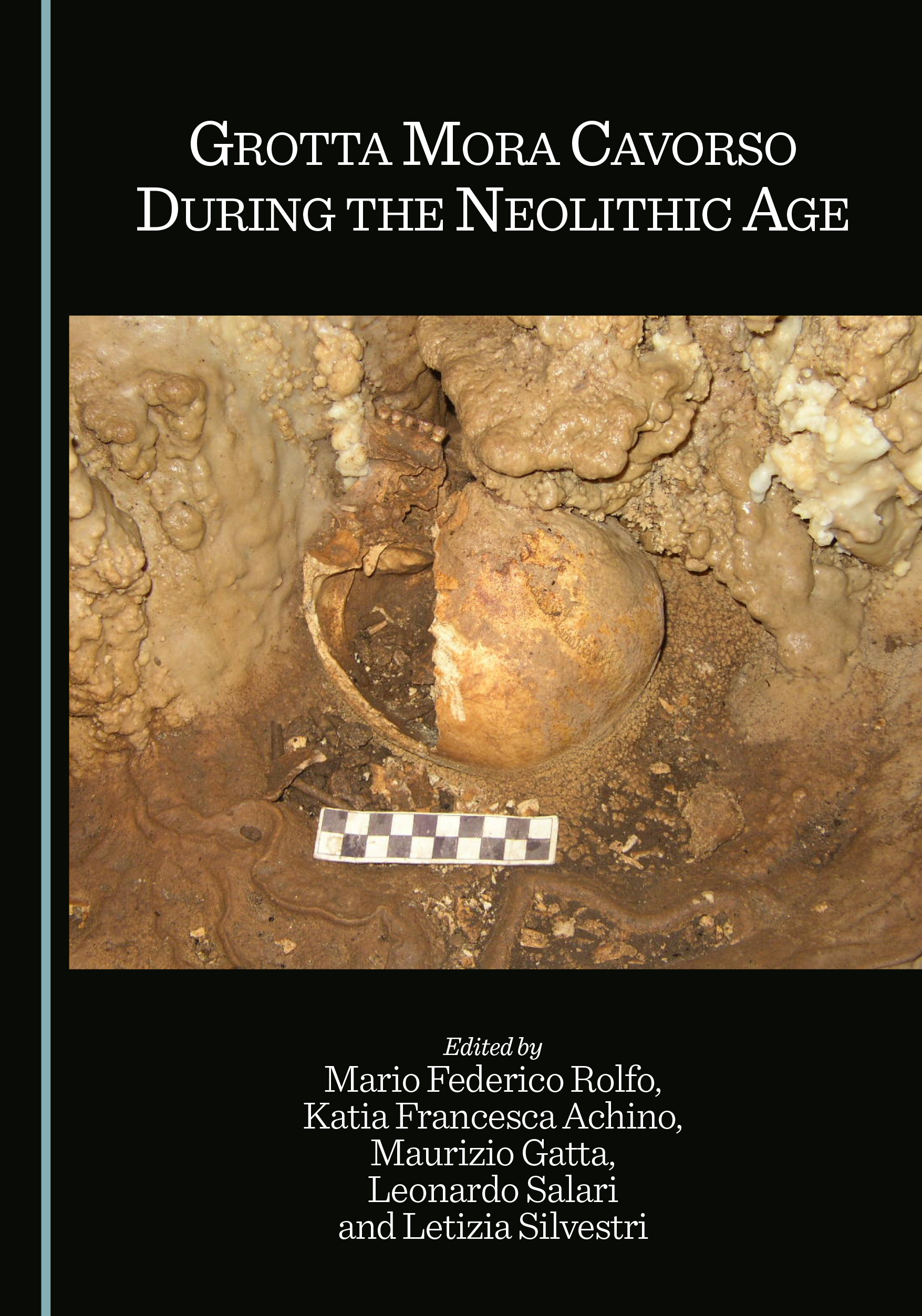
This second volume on Grotta Mora Cavorso presents multidisciplinary analyses of the cave's Neolithic occupation. Discover one of the largest collective burial caves in the Mediterranean, revealing its complex and multi-layered use as a ritual place in central Italy.
This second volume on Grotta Mora Cavorso presents multidisciplinary analyses of the cave’s Neolithic occupation. Discover one of the largest collective burial caves in the Mediterranean, revealing its complex and multi-layered use as a ritual place in central Italy.
View more
This product has multiple variants. The options may be chosen on the product page
View more
This product has multiple variants. The options may be chosen on the product page
From £29.99
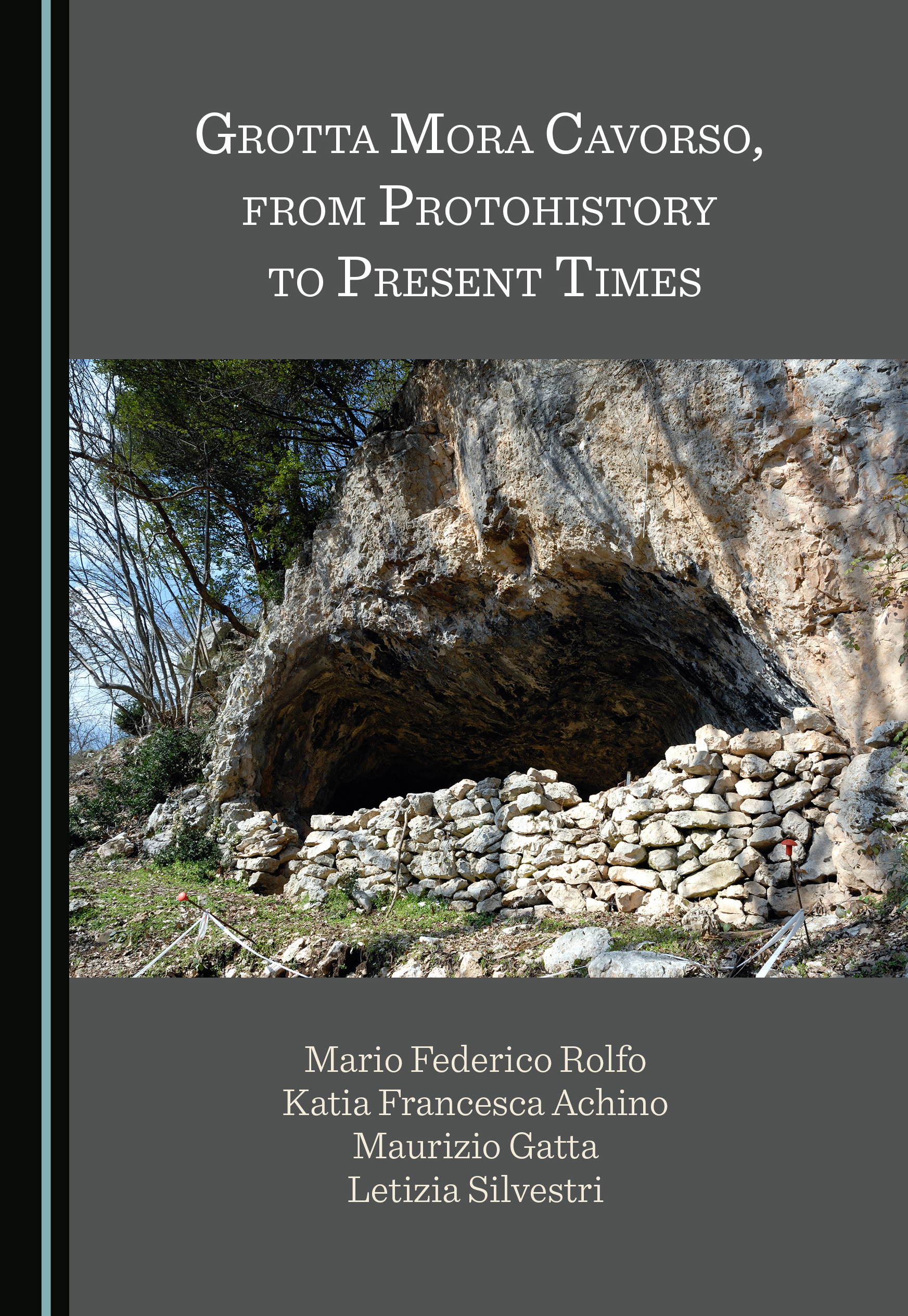
This volume presents the results of archaeological research at Grotta Mora Cavorso, a cave in central Italy. Covering the Historic and Protohistoric periods, it reveals the cave's complex, multi-layered use as a burial and ritual place, a hermitage, and even a war refuge.
This volume presents the results of archaeological research at Grotta Mora Cavorso, a cave in central Italy. Covering the Historic and Protohistoric periods, it reveals the cave’s complex, multi-layered use as a burial and ritual place, a hermitage, and even a war refuge.
View more
This product has multiple variants. The options may be chosen on the product page
View more
This product has multiple variants. The options may be chosen on the product page
From £43.99
Drawn from 30 years of research, these essays by Tim Murray range across archaeological theory and history, focusing on Australia. Murray explores the critical intersection of archaeology, philosophy, and cultural context, applying key concepts to Australia's deep past.
Drawn from 30 years of research, these essays by Tim Murray range across archaeological theory and history, focusing on Australia. Murray explores the critical intersection of archaeology, philosophy, and cultural context, applying key concepts to Australia’s deep past.
View more
This product has multiple variants. The options may be chosen on the product page
View more
This product has multiple variants. The options may be chosen on the product page
£41.99
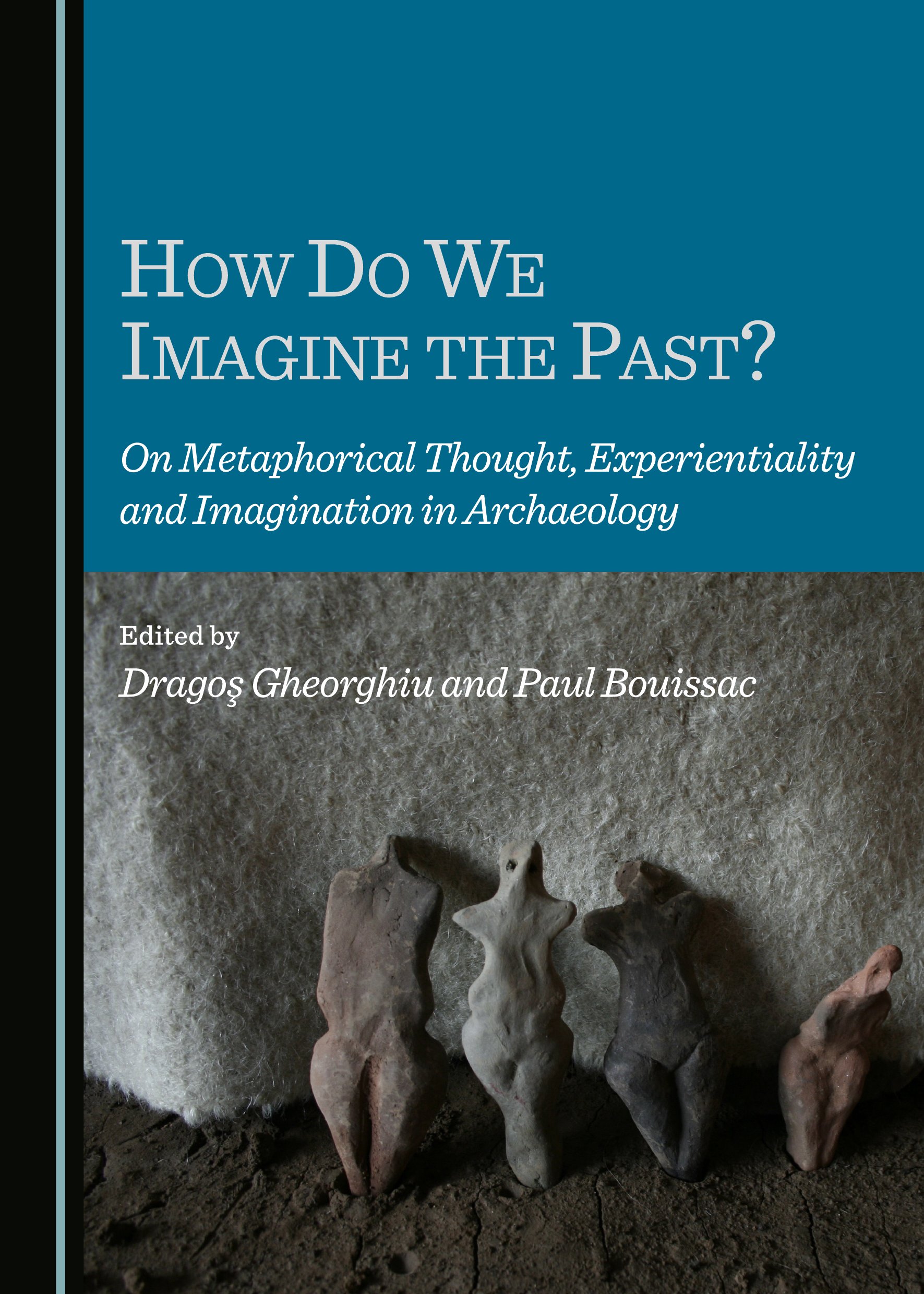
Archaeology’s objective approach has been revealed as a subjective process. This book considers the question: how does the archaeologist think today? Through personal narratives, archaeologists describe their methods in the process of imagining the past.
Archaeology’s objective approach has been revealed as a subjective process. This book considers the question: how does the archaeologist think today? Through personal narratives, archaeologists describe their methods in the process of imagining the past.
View more
This product has multiple variants. The options may be chosen on the product page
View more
This product has multiple variants. The options may be chosen on the product page
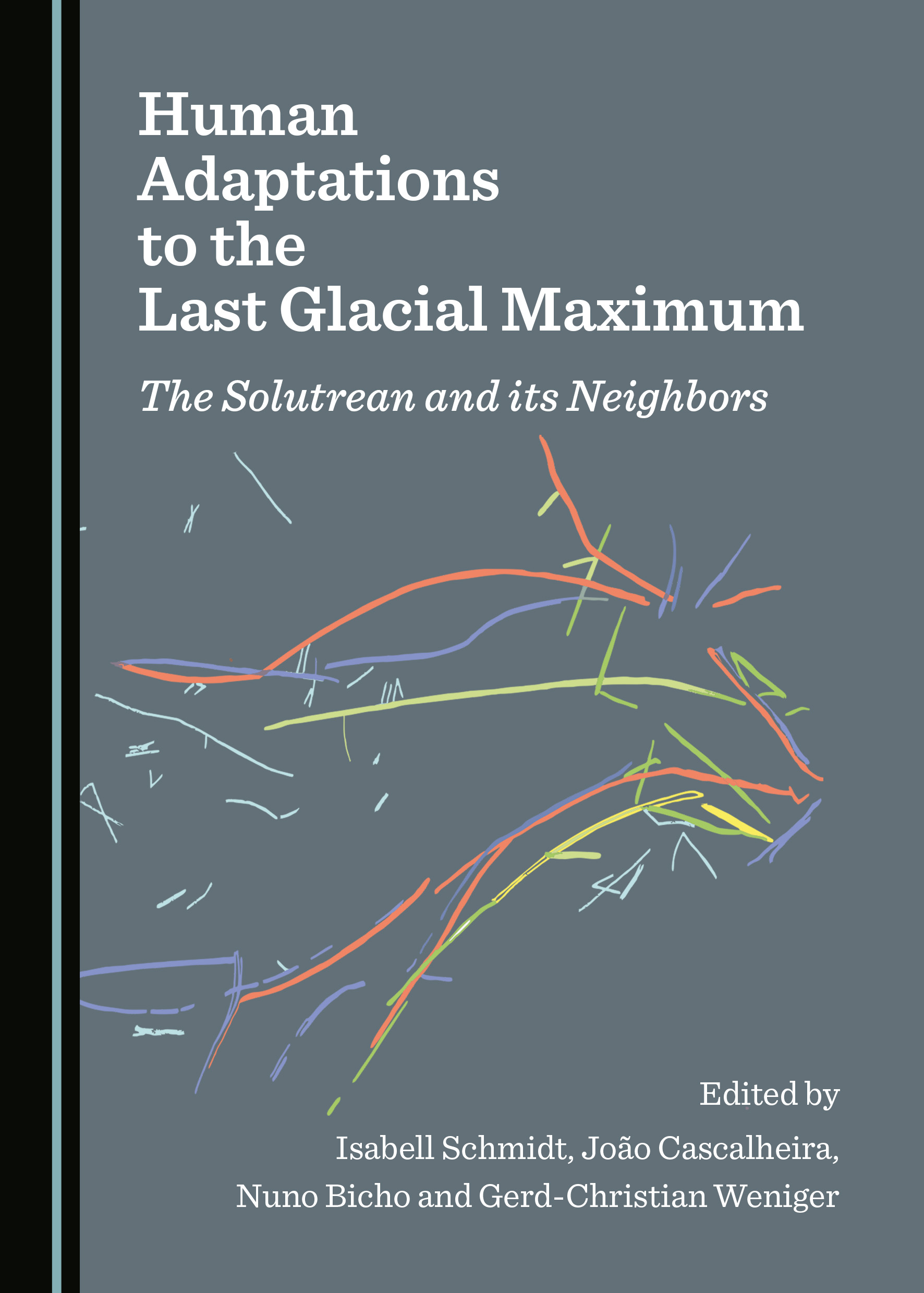
Human Adaptations to the Last Glacial Maximum
The Solutrean and its Neighbors
This book assembles new insights into humanity’s developments during the Last Glacial Maximum in Western Europe. It gathers up-to-date research on the Solutrean techno-complex, exploring excavations, lithic analysis, human-environmental interactions, and artistic expressions.
This book assembles new insights into humanity’s developments during the Last Glacial Maximum in Western Europe. It gathers up-to-date research on the Solutrean techno-complex, exploring excavations, lithic analysis, human-environmental interactions, and artistic expressions.
View more
This product has multiple variants. The options may be chosen on the product page
View more
This product has multiple variants. The options may be chosen on the product page
£64.99
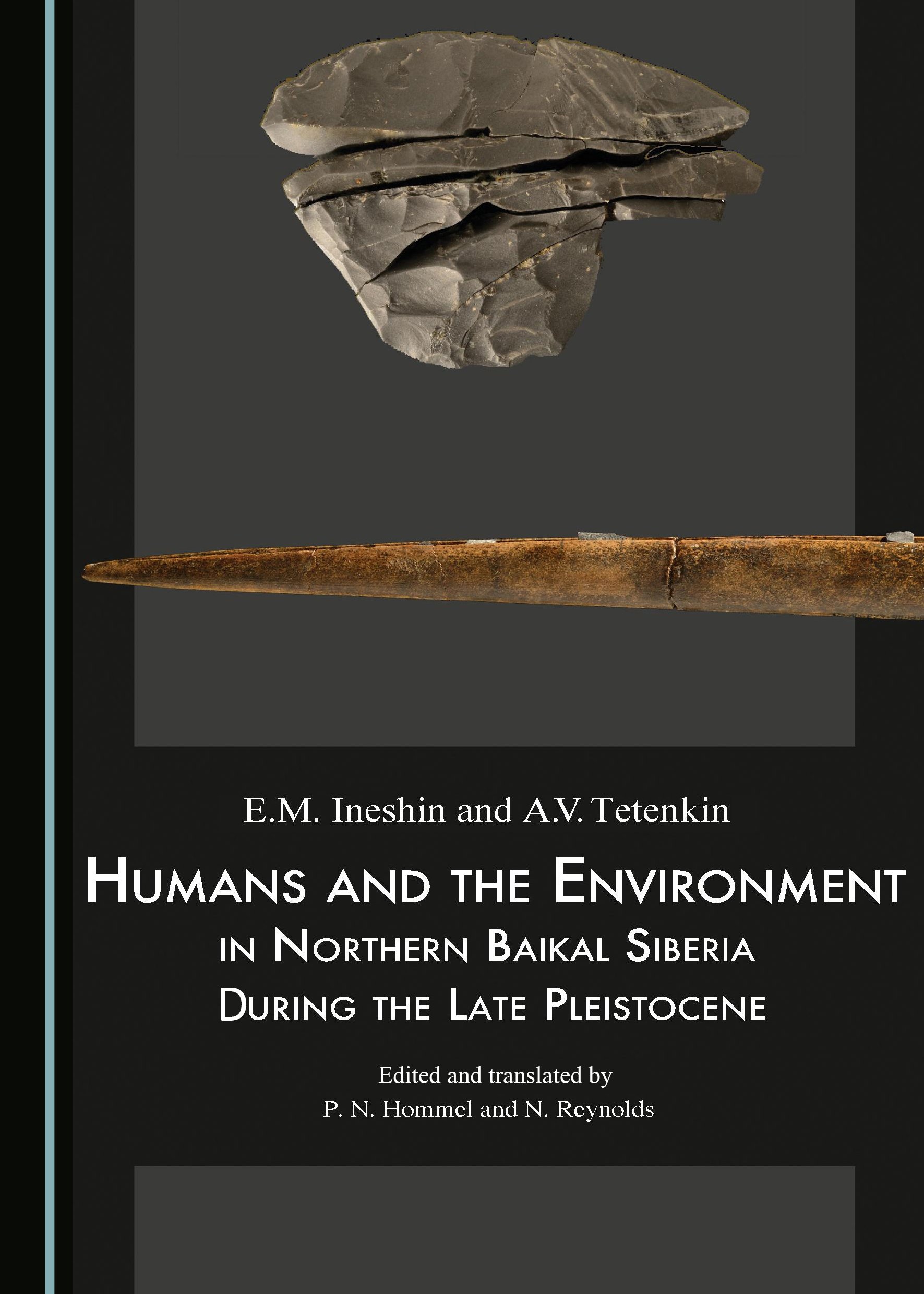
For the first time in English, this volume presents three decades of research on Bol’shoy Yakor’ I, a key Late Pleistocene site in Eastern Siberia. Through detailed study of lithic production and hunting, it reveals the seasonal cycles of prehistoric hunter-gatherers.
For the first time in English, this volume presents three decades of research on Bol’shoy Yakor’ I, a key Late Pleistocene site in Eastern Siberia. Through detailed study of lithic production and hunting, it reveals the seasonal cycles of prehistoric hunter-gatherers.
View more
This product has multiple variants. The options may be chosen on the product page
View more
This product has multiple variants. The options may be chosen on the product page
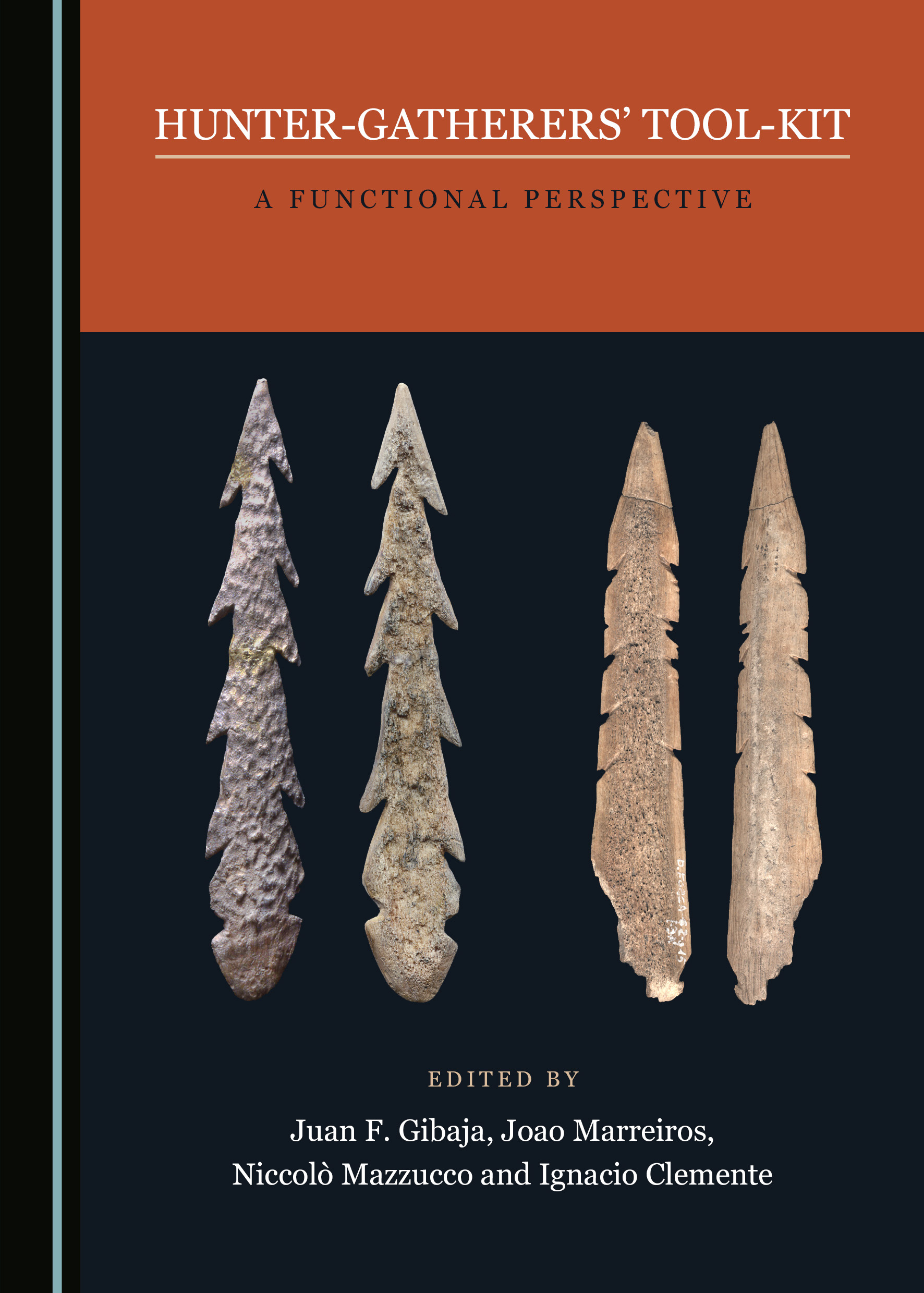
Hunter-Gatherers’ Tool-Kit
A Functional Perspective
This volume provides a multifaceted overview of the study of stone tools. With case studies from various continents centred on hunter-gatherer communities, it explores tool production and use to address major questions about past human economic and social behaviour.
This volume provides a multifaceted overview of the study of stone tools. With case studies from various continents centred on hunter-gatherer communities, it explores tool production and use to address major questions about past human economic and social behaviour.
View more
This product has multiple variants. The options may be chosen on the product page
View more
This product has multiple variants. The options may be chosen on the product page
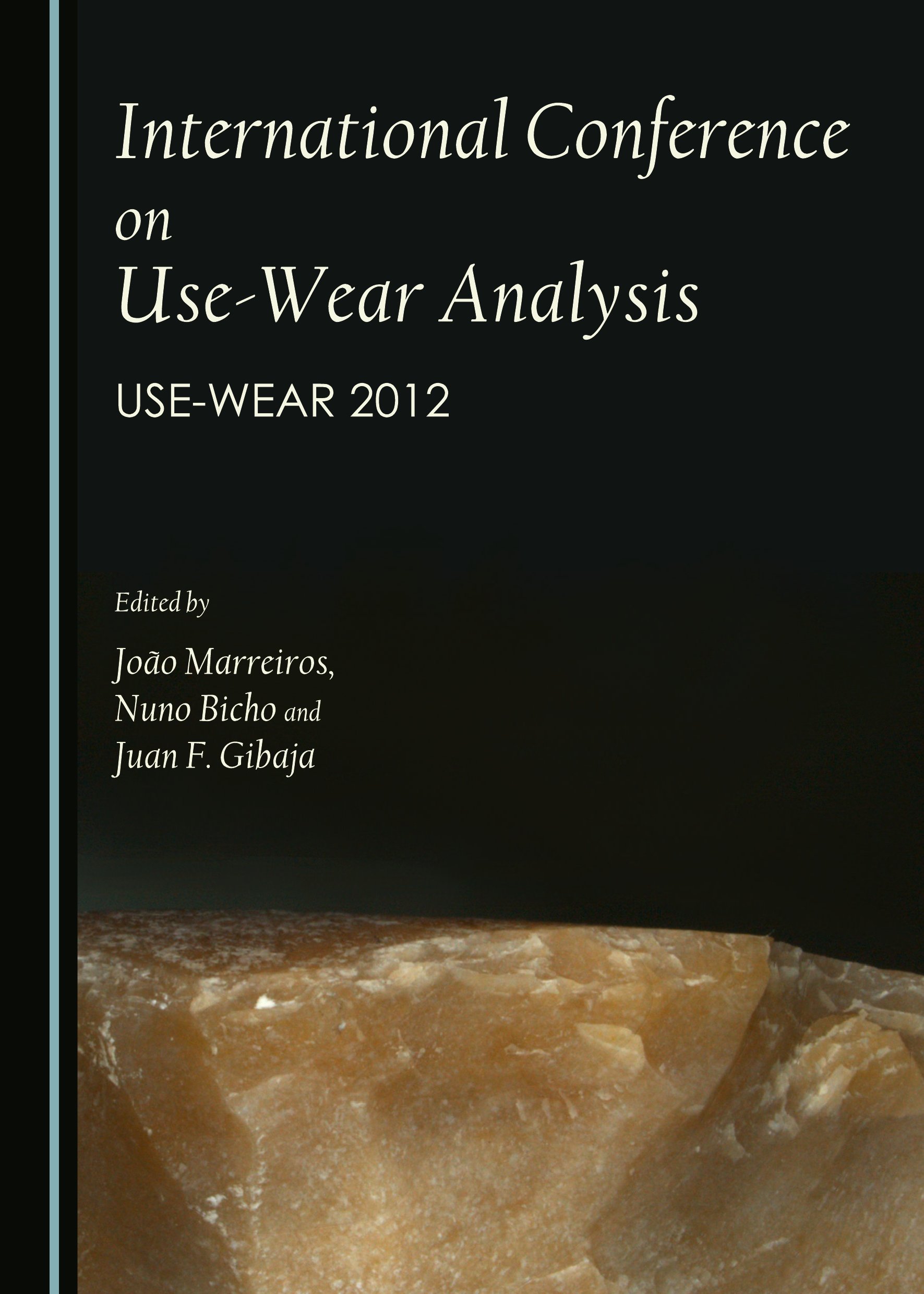
International Conference on Use-Wear Analysis
Use-Wear 2012
This volume explores use-wear studies as a proxy for prehistoric techno-cultural reconstruction. Discussing various research methods, techniques, chronologies, and regions, this book will be of interest to both archaeologists and anthropologists.
This volume explores use-wear studies as a proxy for prehistoric techno-cultural reconstruction. Discussing various research methods, techniques, chronologies, and regions, this book will be of interest to both archaeologists and anthropologists.
View more
This product has multiple variants. The options may be chosen on the product page
View more
This product has multiple variants. The options may be chosen on the product page
£62.99
Despite its great historical and cultural importance, the Southern Caucasus has been inadequately researched. This two-volume publication compiles 75 articles from an international symposium exploring the region's cultures from earliest times to the Middle Ages.
Despite its great historical and cultural importance, the Southern Caucasus has been inadequately researched. This two-volume publication compiles 75 articles from an international symposium exploring the region’s cultures from earliest times to the Middle Ages.
View more
This product has multiple variants. The options may be chosen on the product page
View more
This product has multiple variants. The options may be chosen on the product page
£57.99
The Southern Caucasus is a historically vital but under-researched region. This publication presents 75 selected articles from an international symposium, exploring the area's cultures from earliest times to the Middle Ages through archaeology and art history.
The Southern Caucasus is a historically vital but under-researched region. This publication presents 75 selected articles from an international symposium, exploring the area’s cultures from earliest times to the Middle Ages through archaeology and art history.
View more
This product has multiple variants. The options may be chosen on the product page
View more
This product has multiple variants. The options may be chosen on the product page
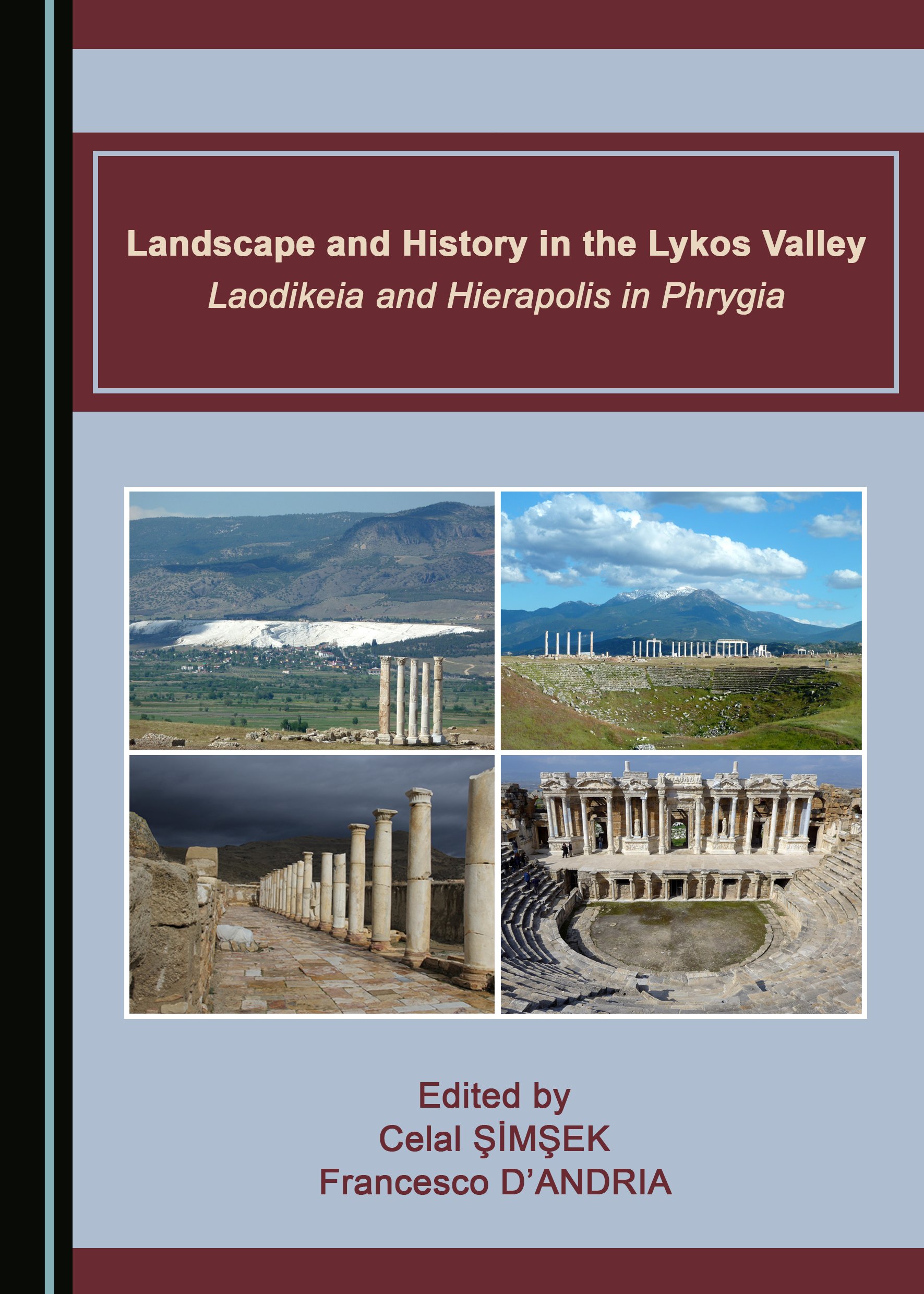
Landscape and History in the Lykos Valley
Laodikeia and Hierapolis in Phrygia
This book probes archaeological excavations and investigations into the history of the Lykos valley, Turkey. It concerns, among other things, discoveries at the Ploutonion of Hierapolis, the excavations of the tabernae in Tripolis, and the marble origins used in Hierapolis.
This book probes archaeological excavations and investigations into the history of the Lykos valley, Turkey. It concerns, among other things, discoveries at the Ploutonion of Hierapolis, the excavations of the tabernae in Tripolis, and the marble origins used in Hierapolis.
View more
This product has multiple variants. The options may be chosen on the product page
View more
This product has multiple variants. The options may be chosen on the product page
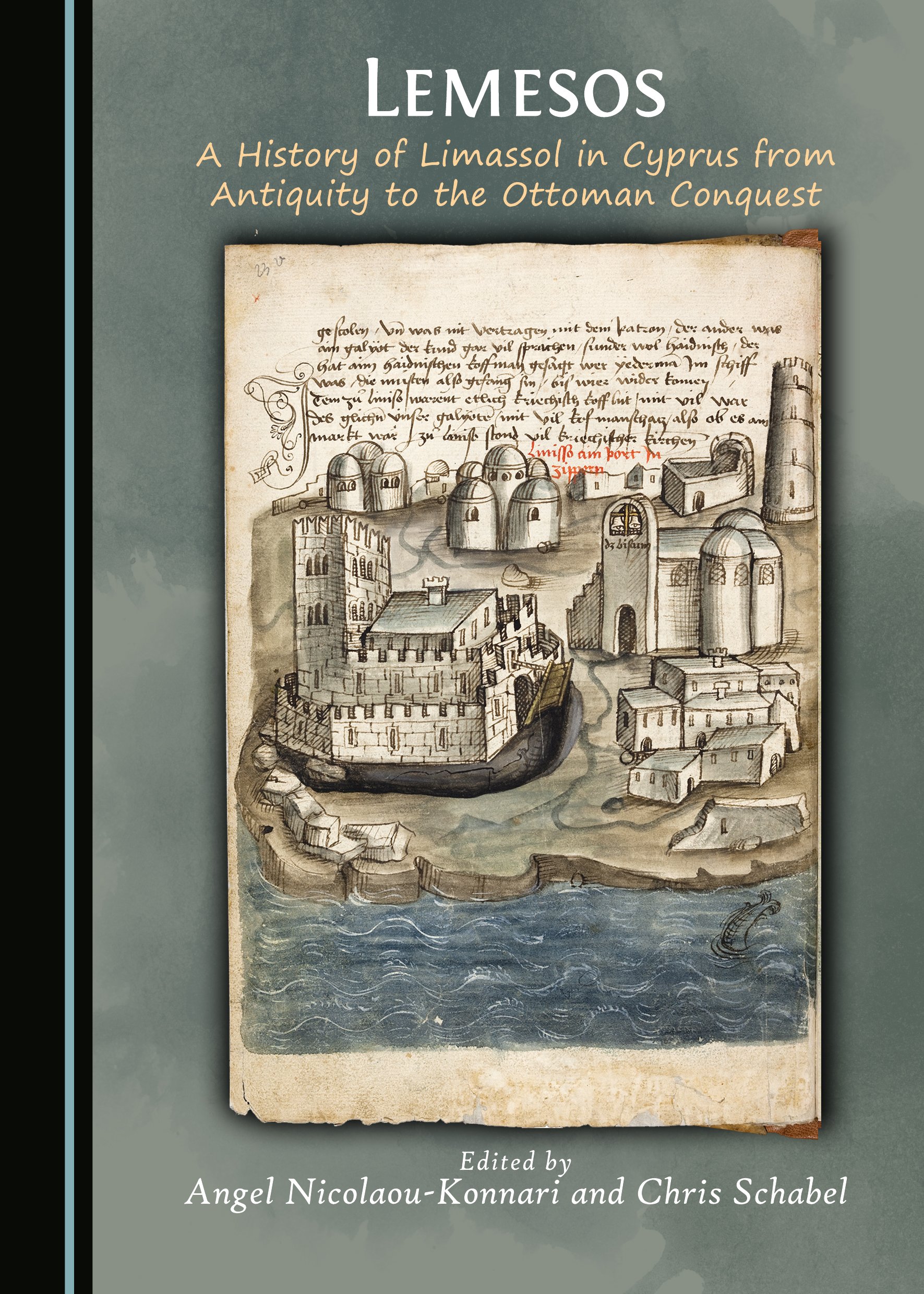
Lemesos
A History of Limassol in Cyprus from Antiquity to the Ottoman Conquest
This is the first scholarly work in English on the history of Limassol, Cyprus, from antiquity to the 1570 Ottoman conquest. Six scholars explore Limassol’s political, social, economic, artistic, and cultural history.
This is the first scholarly work in English on the history of Limassol, Cyprus, from antiquity to the 1570 Ottoman conquest. Six scholars explore Limassol’s political, social, economic, artistic, and cultural history.
View more
This product has multiple variants. The options may be chosen on the product page
View more
This product has multiple variants. The options may be chosen on the product page
£67.99
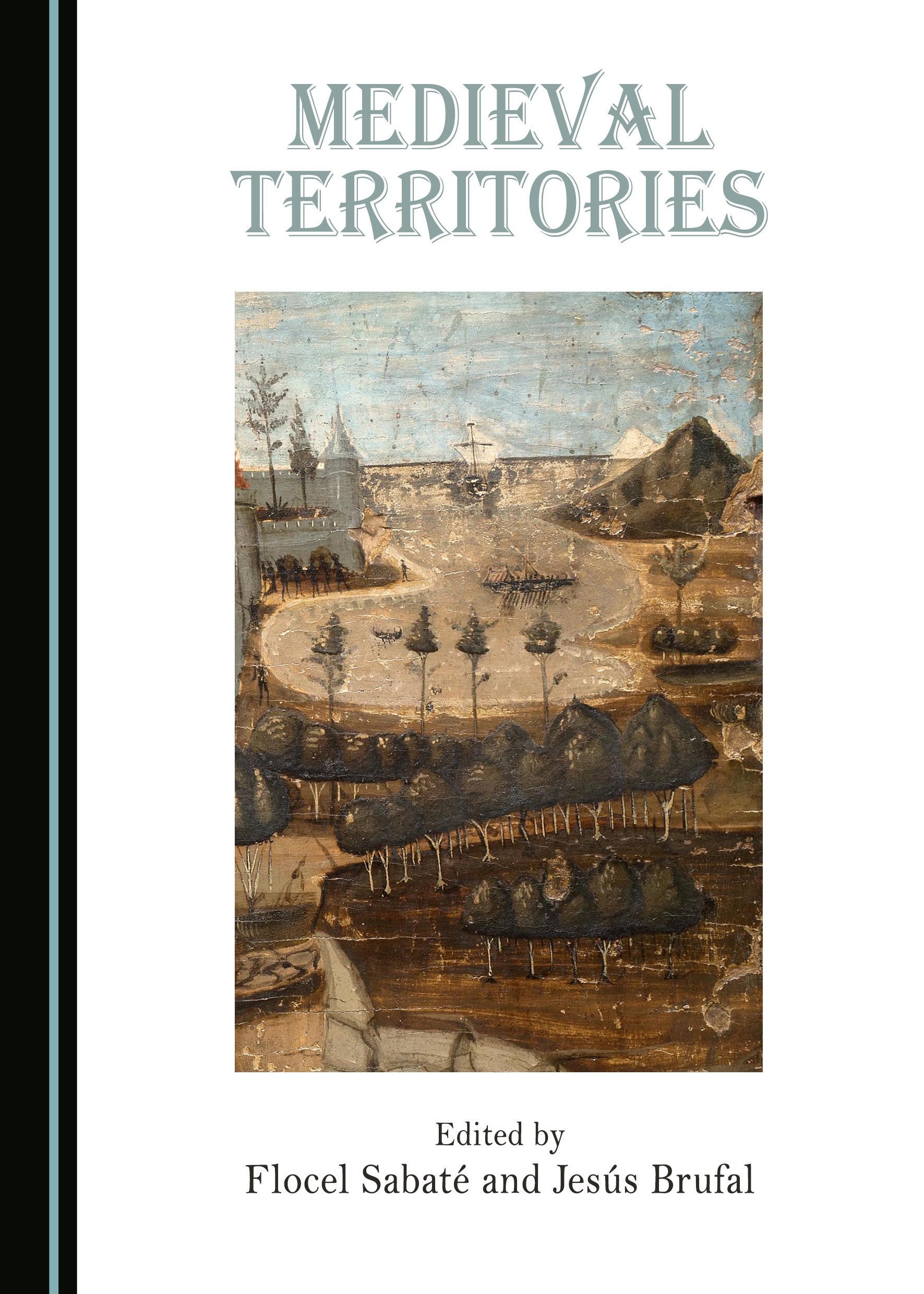
This compendium brings together 18 case studies investigating territory in the Middle Ages from an archaeological perspective. The contributions focus especially on cases in Portugal, Spain and Italy, in order to provide a Mediterranean perspective.
This compendium brings together 18 case studies investigating territory in the Middle Ages from an archaeological perspective. The contributions focus especially on cases in Portugal, Spain and Italy, in order to provide a Mediterranean perspective.
View more
This product has multiple variants. The options may be chosen on the product page
View more
This product has multiple variants. The options may be chosen on the product page
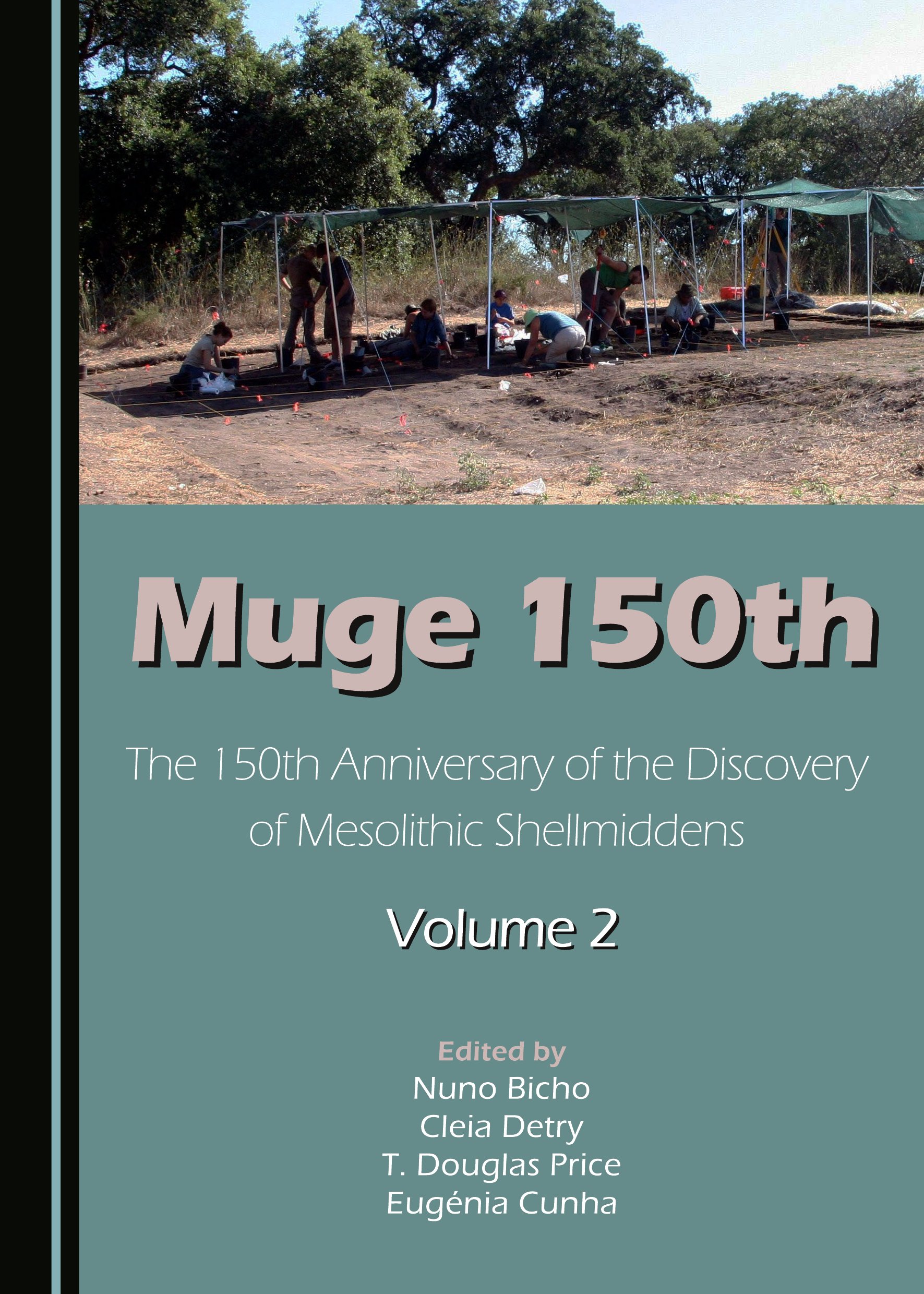
Muge 150th
The 150th Anniversary of the Discovery of Mesolithic Shellmiddens—Volume 2
This book brings together papers on the Mesolithic period and its transition to the Neolithic across Europe. Including theoretical discussions, it also ventures outside Europe with case studies on shell middens from Patagonia and the Red Sea.
This book brings together papers on the Mesolithic period and its transition to the Neolithic across Europe. Including theoretical discussions, it also ventures outside Europe with case studies on shell middens from Patagonia and the Red Sea.
View more
This product has multiple variants. The options may be chosen on the product page
View more
This product has multiple variants. The options may be chosen on the product page
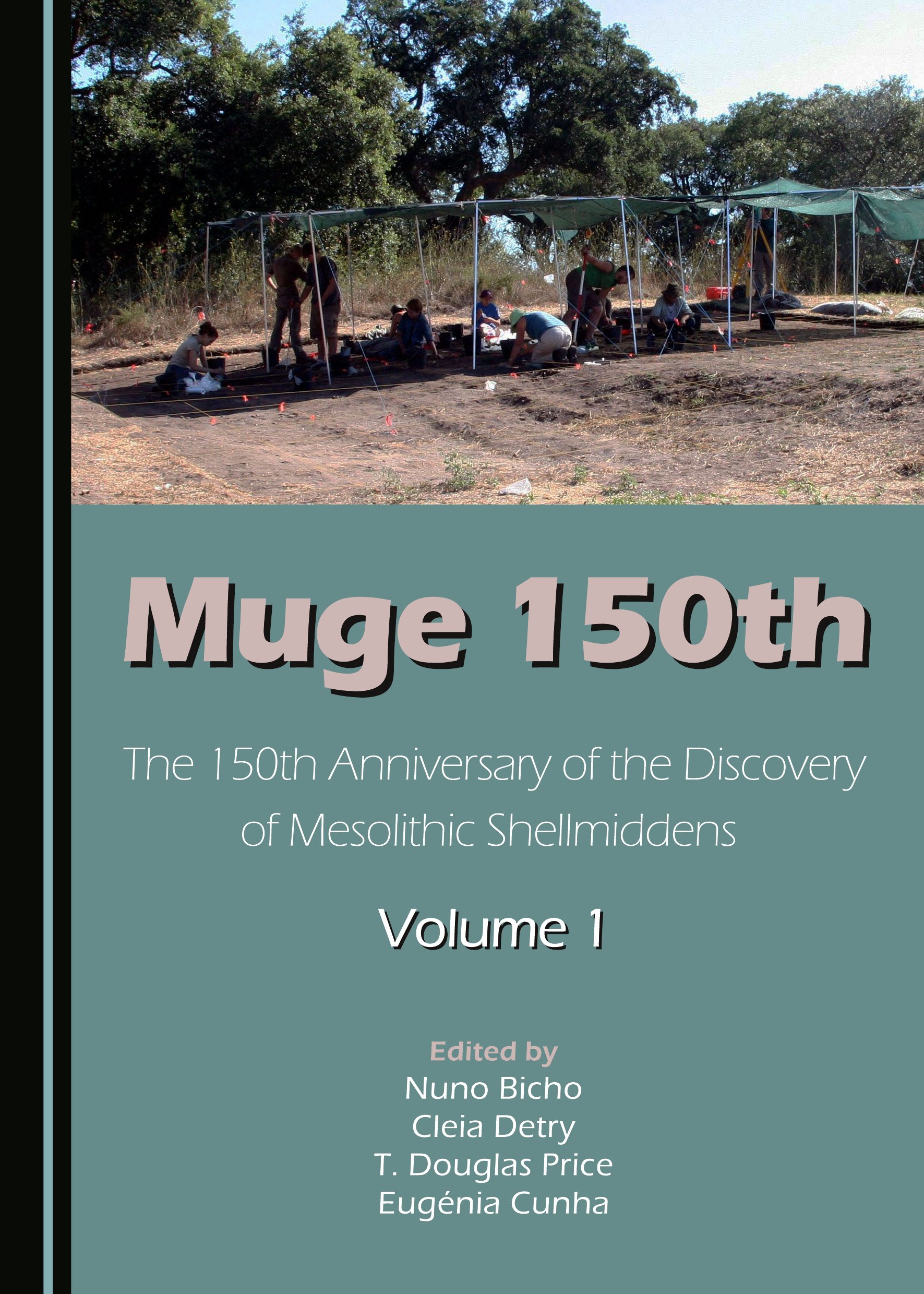
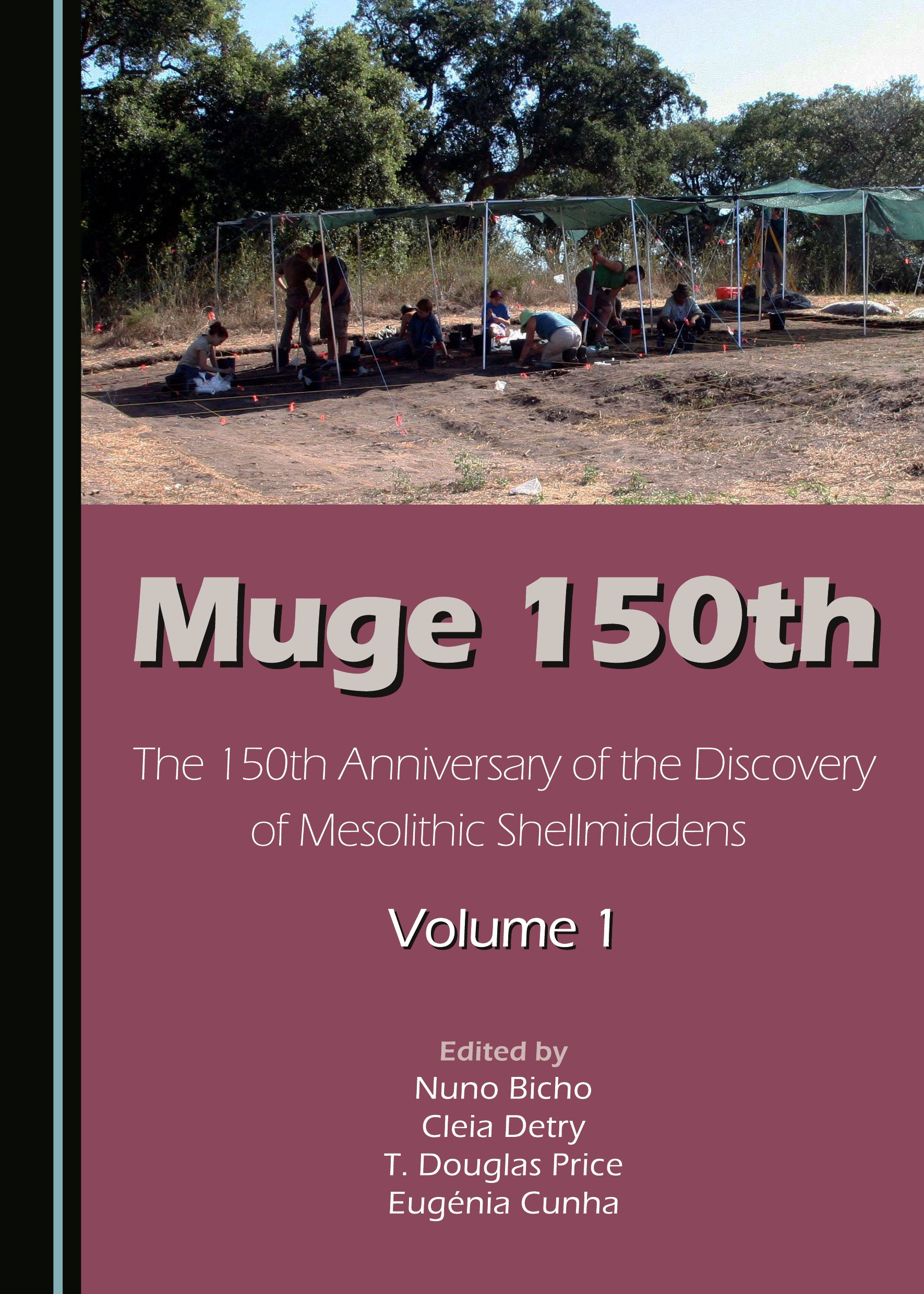
Muge 150th
The 150th Anniversary of the Discovery of Mesolithic Shellmiddens—Volume 1
This first volume of Muge 150th focuses on the Mesolithic structures of the Muge and Sado Valleys. Contributions cover a wide range of archaeological and anthropological themes, including diet, migration, settlement, technology, and social complexity.
This first volume of Muge 150th focuses on the Mesolithic structures of the Muge and Sado Valleys. Contributions cover a wide range of archaeological and anthropological themes, including diet, migration, settlement, technology, and social complexity.
View more
This product has multiple variants. The options may be chosen on the product page
View more
This product has multiple variants. The options may be chosen on the product page
Muge 150th
The 150th Anniversary of the Discovery of Mesolithic Shellmiddens—Volumes 1 and 2
This publication explores a number of archaeological themes, and is divided into two volumes, with the first focusing on Mesolithic finds in the Muge and Sado valleys. The second volume discusses the general Mesolithic period and its transition to the Neolithic across Europe.
This publication explores a number of archaeological themes, and is divided into two volumes, with the first focusing on Mesolithic finds in the Muge and Sado valleys. The second volume discusses the general Mesolithic period and its transition to the Neolithic across Europe.
View more
This product has multiple variants. The options may be chosen on the product page
View more
This product has multiple variants. The options may be chosen on the product page
From £33.99
Through art, mythology, literature, and archaeology, this volume uncovers how power was displayed in the Ancient world, from Egypt’s 18th Dynasty to the Sassanian Empire.
Through art, mythology, literature, and archaeology, this volume uncovers how power was displayed in the Ancient world, from Egypt’s 18th Dynasty to the Sassanian Empire.
View more
This product has multiple variants. The options may be chosen on the product page
View more
This product has multiple variants. The options may be chosen on the product page
From £29.99
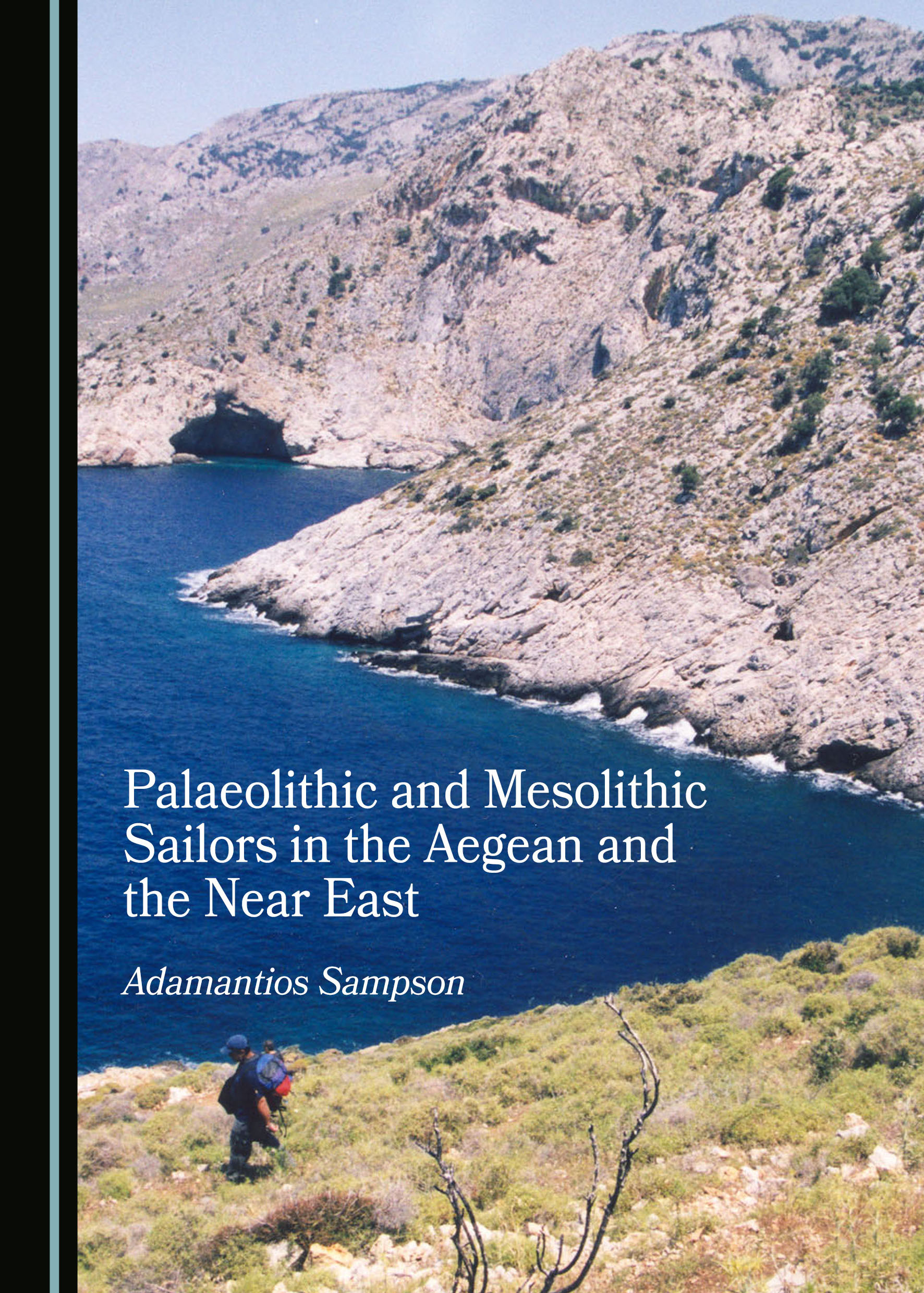
Challenging theories of mass migration, this book shows that Mesolithic hunter-gatherers used a dense maritime network to transfer domesticated species from the East. Based on 25 years of excavations, it reveals how these Aegean populations drove the Neolithisation process.
Challenging theories of mass migration, this book shows that Mesolithic hunter-gatherers used a dense maritime network to transfer domesticated species from the East. Based on 25 years of excavations, it reveals how these Aegean populations drove the Neolithisation process.
View more
This product has multiple variants. The options may be chosen on the product page
Processing Your Order
Please wait while we securely process your order.
Do not refresh or leave this page.
You will be redirected shortly to a confirmation page with your order number.