
View more
This product has multiple variants. The options may be chosen on the product page
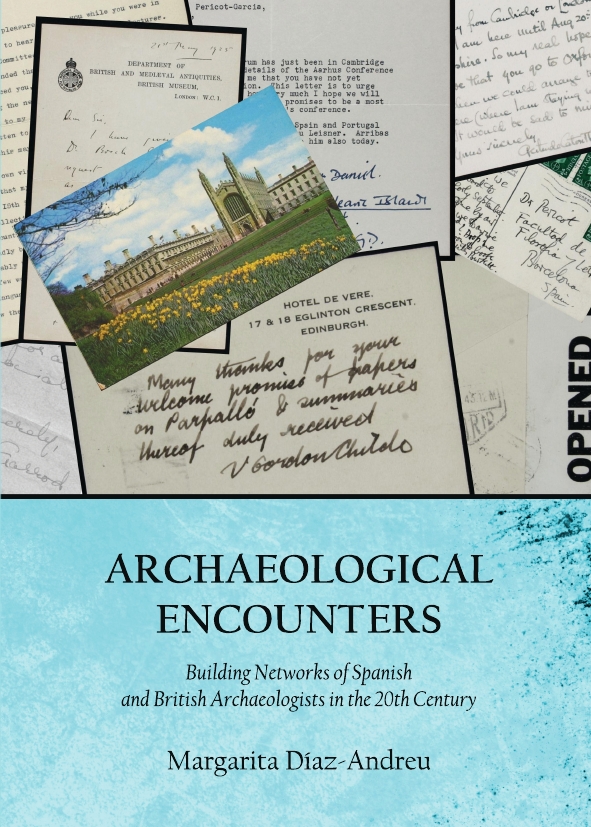
Archaeological Encounters
Building Networks of Spanish and British Archaeologists in the 20th Century
This book examines the relationship between British and Spanish archaeology from the 1920s to the 1970s. Based on the letters of archaeologist Luis Pericot, it explores the personal networks that shaped how knowledge was produced, transmitted, and received.
This book examines the relationship between British and Spanish archaeology from the 1920s to the 1970s. Based on the letters of archaeologist Luis Pericot, it explores the personal networks that shaped how knowledge was produced, transmitted, and received.
View more
This product has multiple variants. The options may be chosen on the product page
View more
This product has multiple variants. The options may be chosen on the product page
£61.99
Although comparative exercises are used both explicitly and implicitly in a large number of archaeological publications, they are often uncritically taken for granted. As such, the contributors here reflect on comparison as a core theme in archaeology from different perspectives.
Although comparative exercises are used both explicitly and implicitly in a large number of archaeological publications, they are often uncritically taken for granted. As such, the contributors here reflect on comparison as a core theme in archaeology from different perspectives.
View more
This product has multiple variants. The options may be chosen on the product page
View more
This product has multiple variants. The options may be chosen on the product page
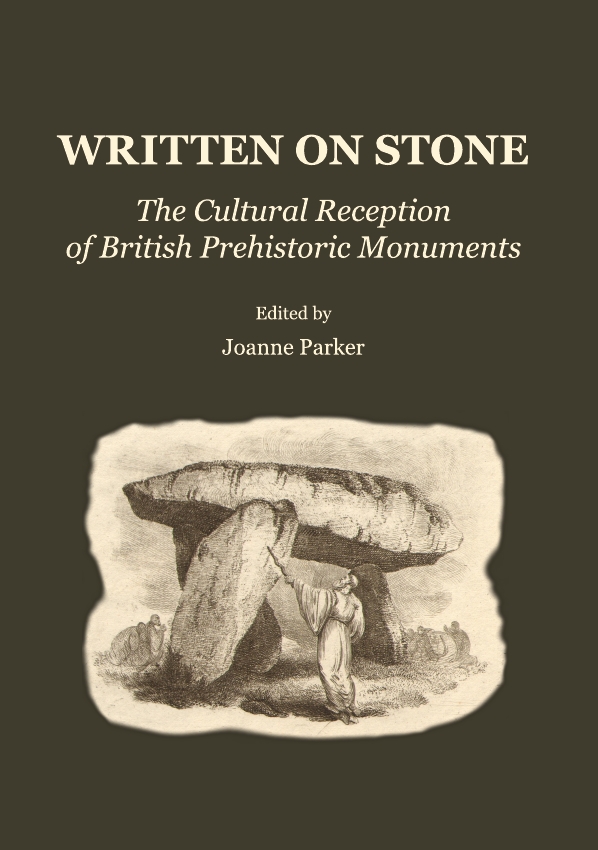
Written on Stone
The Cultural Reception of British Prehistoric Monuments
This book explores the history of Britain's prehistoric monuments: not their origins, but how they have been viewed over centuries. It investigates their impact on culture, from motivating artists and authors to inspiring 'New Age' religions.
This book explores the history of Britain’s prehistoric monuments: not their origins, but how they have been viewed over centuries. It investigates their impact on culture, from motivating artists and authors to inspiring ‘New Age’ religions.
View more
This product has multiple variants. The options may be chosen on the product page
View more
This product has multiple variants. The options may be chosen on the product page
£64.99
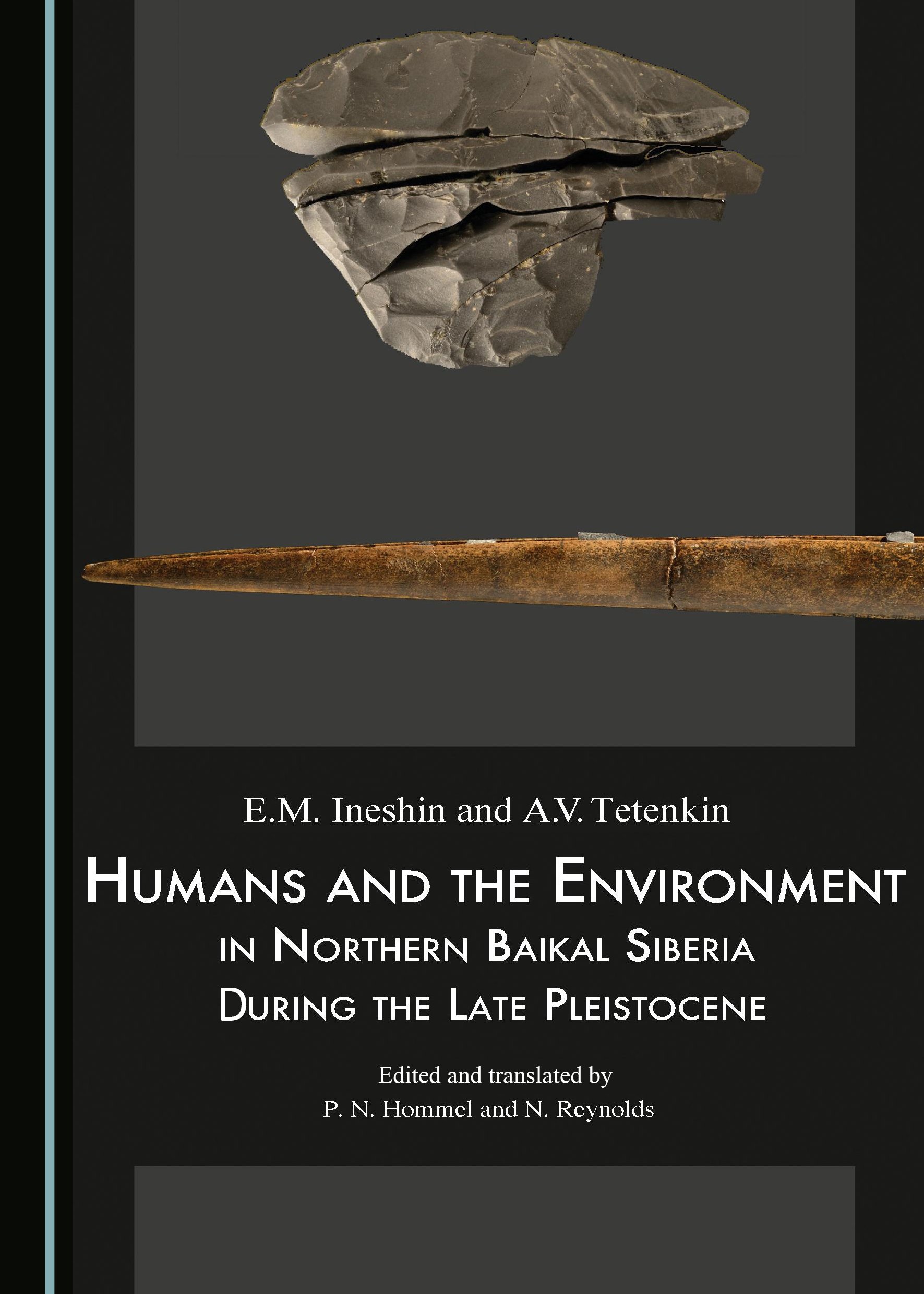
For the first time in English, this volume presents three decades of research on Bol’shoy Yakor’ I, a key Late Pleistocene site in Eastern Siberia. Through detailed study of lithic production and hunting, it reveals the seasonal cycles of prehistoric hunter-gatherers.
For the first time in English, this volume presents three decades of research on Bol’shoy Yakor’ I, a key Late Pleistocene site in Eastern Siberia. Through detailed study of lithic production and hunting, it reveals the seasonal cycles of prehistoric hunter-gatherers.
View more
This product has multiple variants. The options may be chosen on the product page
View more
This product has multiple variants. The options may be chosen on the product page
£61.99
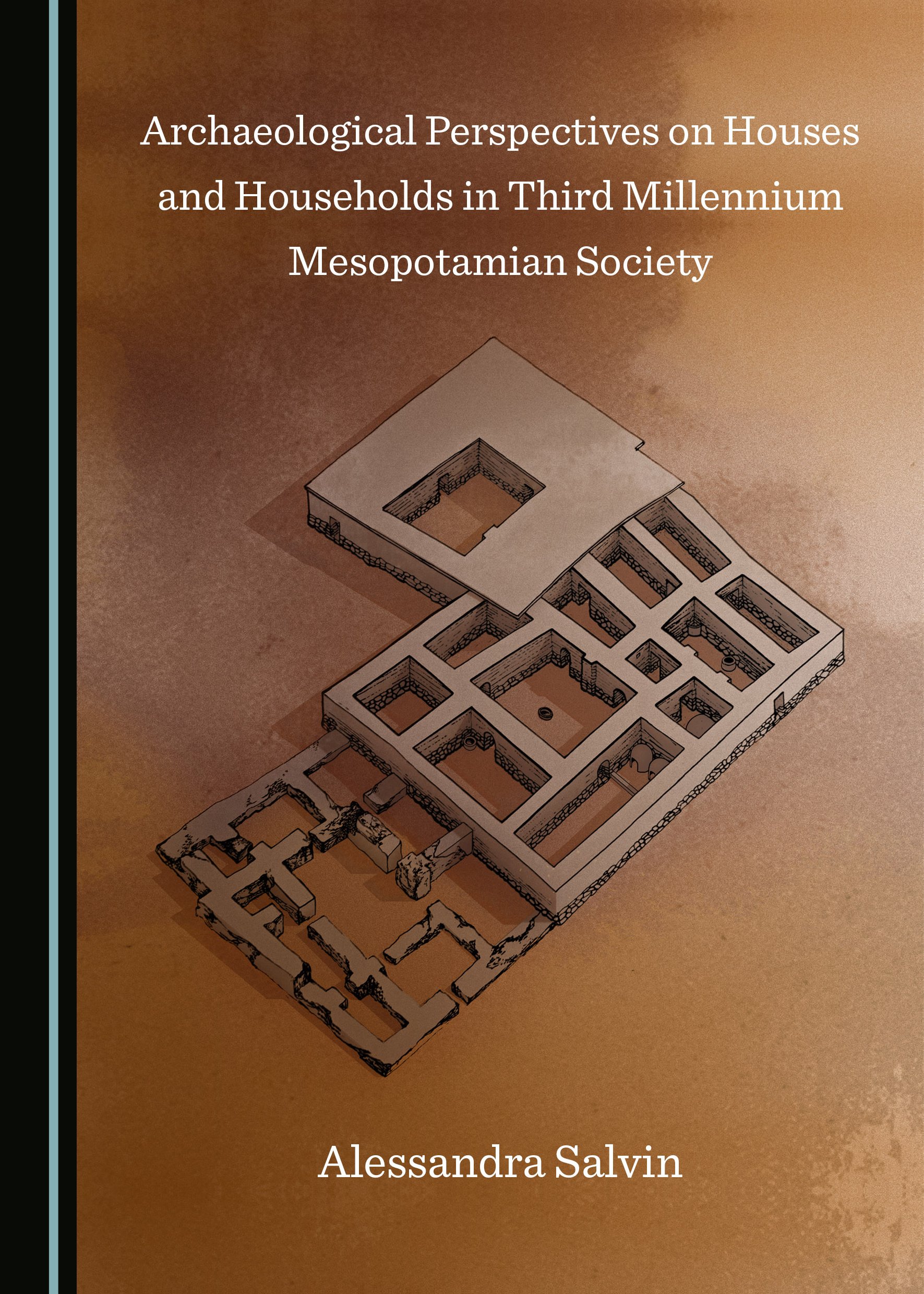
Little is known about Mesopotamian houses. This book addresses this gap by analysing houses in the third millennium, a critical period for early urbanization, relating their characteristics to the socio-economical history of the period.
Little is known about Mesopotamian houses. This book addresses this gap by analysing houses in the third millennium, a critical period for early urbanization, relating their characteristics to the socio-economical history of the period.
View more
This product has multiple variants. The options may be chosen on the product page
View more
This product has multiple variants. The options may be chosen on the product page
Bronze Age China
Style and Material
This anthology expands the definition of “style” in Chinese art beyond decoration. By considering function, material, and context, scholars investigate the lifestyles, social structures, and rituals of Bronze Age China using the latest excavated data.
This anthology expands the definition of “style” in Chinese art beyond decoration. By considering function, material, and context, scholars investigate the lifestyles, social structures, and rituals of Bronze Age China using the latest excavated data.
View more
This product has multiple variants. The options may be chosen on the product page
View more
This product has multiple variants. The options may be chosen on the product page
£61.99
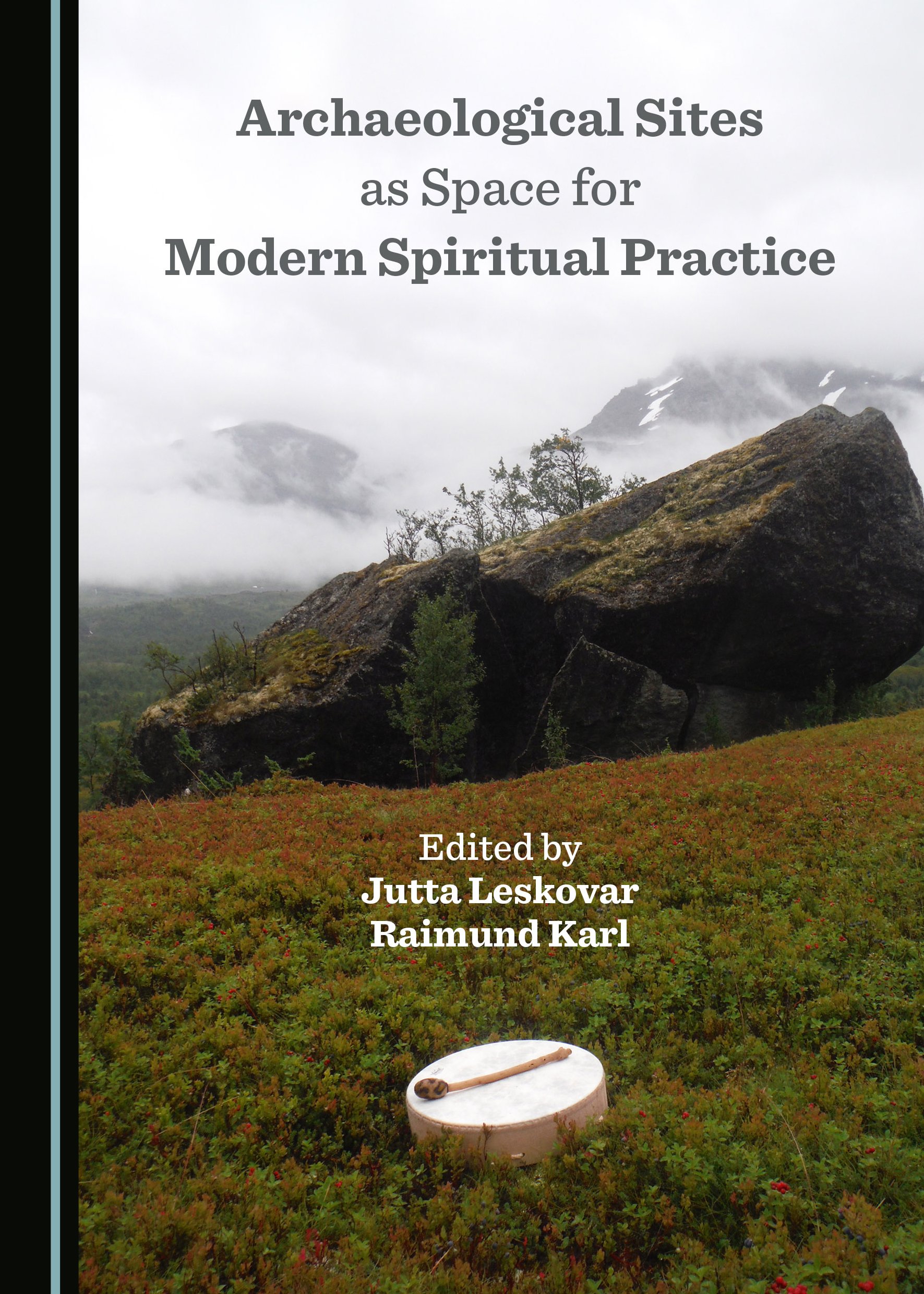
While the destruction of archaeological sites in war often makes the headlines, lesser disputes about local heritage sites go unreported. This book focuses on conflicts between archaeological conservation and religious faiths which use archaeological heritage in their practices.
While the destruction of archaeological sites in war often makes the headlines, lesser disputes about local heritage sites go unreported. This book focuses on conflicts between archaeological conservation and religious faiths which use archaeological heritage in their practices.
View more
This product has multiple variants. The options may be chosen on the product page
View more
This product has multiple variants. The options may be chosen on the product page
Beyond War
Archaeological Approaches to Violence
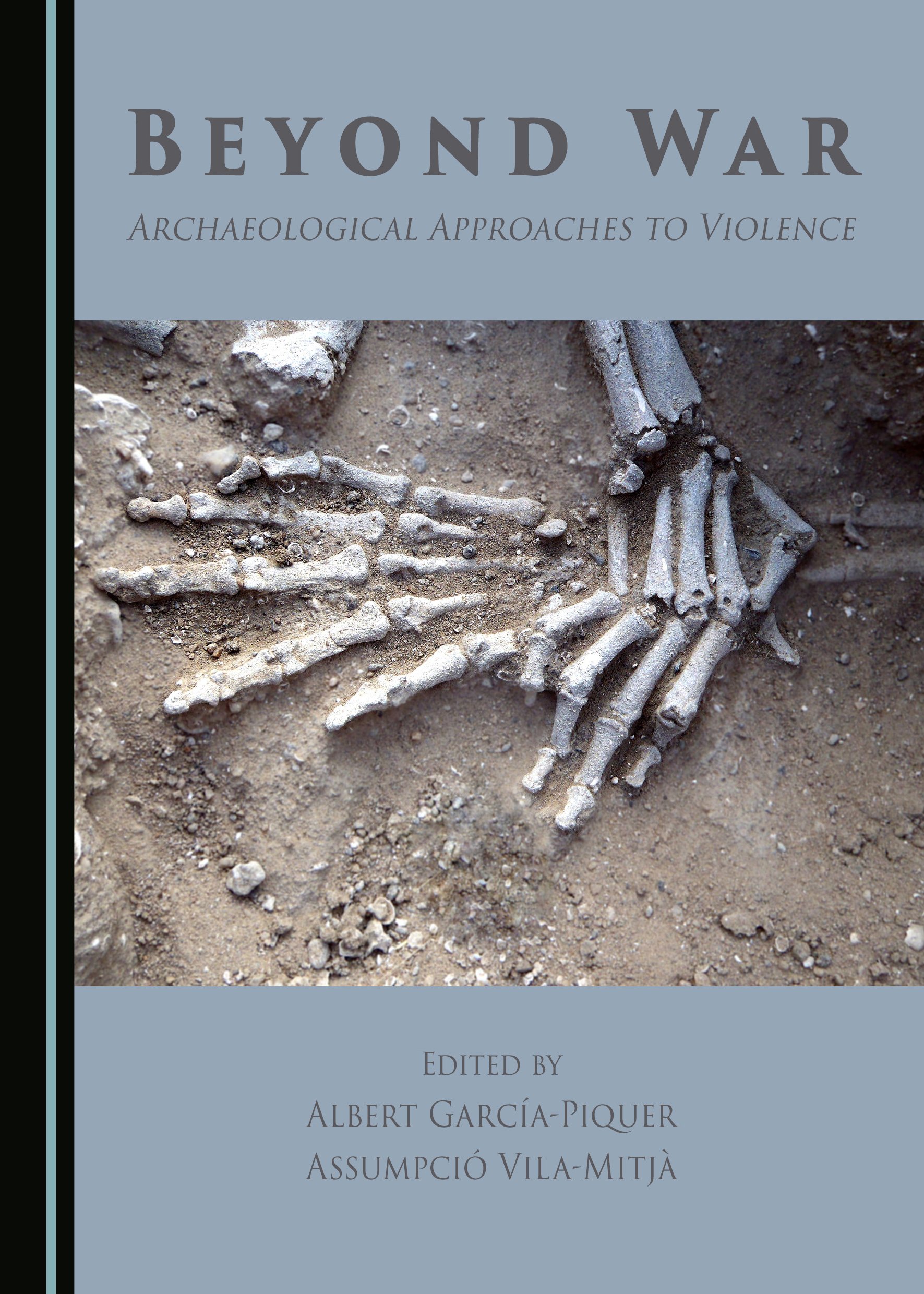
The studies gathered here present the necessity of rethinking the concept of “violence” in archaeology, in order to overcome the old conception that limits violence to its most evident expressions in war and intra- or extra-group conflict.
The studies gathered here present the necessity of rethinking the concept of “violence” in archaeology, in order to overcome the old conception that limits violence to its most evident expressions in war and intra- or extra-group conflict.
View more
This product has multiple variants. The options may be chosen on the product page
View more
This product has multiple variants. The options may be chosen on the product page
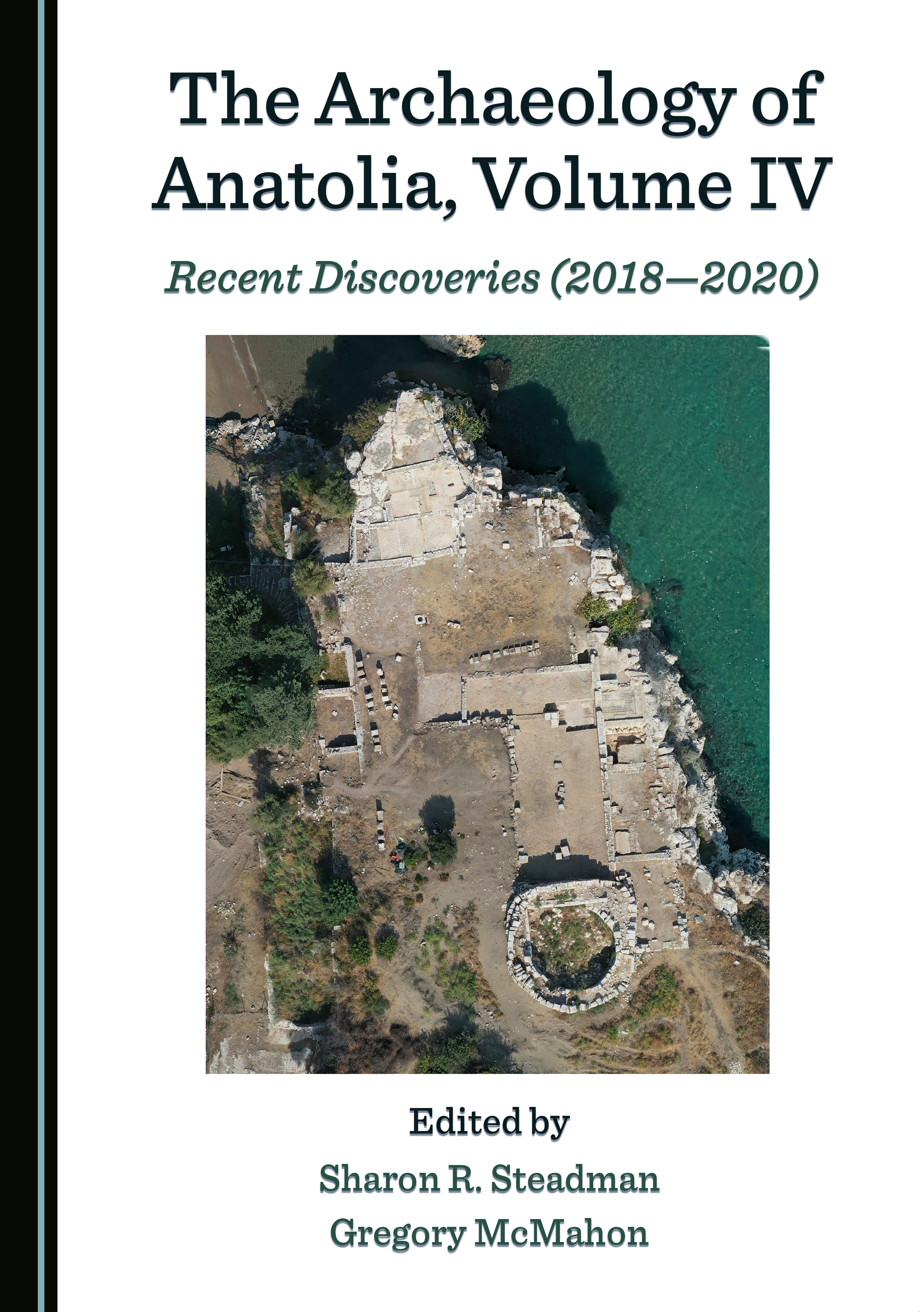
The Archaeology of Anatolia, Volume IV
Recent Discoveries (2018–2020)
This fourth volume in the Archaeology of Anatolia series offers reports on the most recent discoveries from across the peninsula. Periods covered span the Epipalaeolithic to the Medieval Age. The volume includes reviews of on-going excavations and a “State of the Field” section.
This fourth volume in the Archaeology of Anatolia series offers reports on the most recent discoveries from across the peninsula. Periods covered span the Epipalaeolithic to the Medieval Age. The volume includes reviews of on-going excavations and a “State of the Field” section.
View more
This product has multiple variants. The options may be chosen on the product page
View more
This product has multiple variants. The options may be chosen on the product page
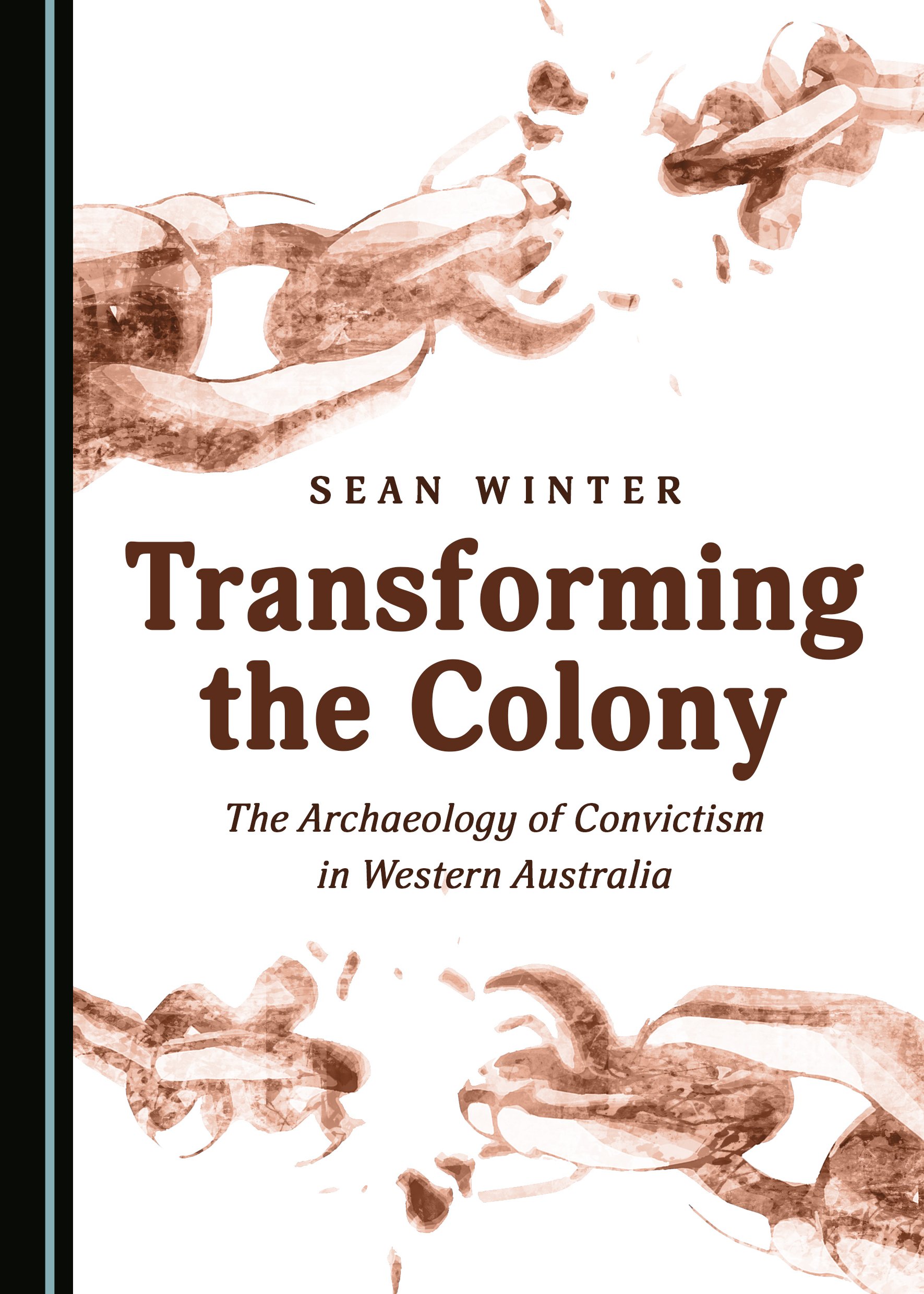
Transforming the Colony
The Archaeology of Convictism in Western Australia
Winter investigates the lives of convicts transported to Western Australia, particularly how their presence in the colony served as a form of modernity, fundamentally transforming it in the process.
Winter investigates the lives of convicts transported to Western Australia, particularly how their presence in the colony served as a form of modernity, fundamentally transforming it in the process.
View more
This product has multiple variants. The options may be chosen on the product page
View more
This product has multiple variants. The options may be chosen on the product page
The Orthodox Hegel
Development Further Developed
This book assesses the consequences of Hegelian thought for spirituality, showing how the Christian movement is Spirit itself impelling. Capturing absolute idealism for orthodoxy, it develops themes of logic, Trinity, incarnation, and the absolute.
This book assesses the consequences of Hegelian thought for spirituality, showing how the Christian movement is Spirit itself impelling. Capturing absolute idealism for orthodoxy, it develops themes of logic, Trinity, incarnation, and the absolute.
View more
This product has multiple variants. The options may be chosen on the product page

View more
This product has multiple variants. The options may be chosen on the product page
Reimagining Regional Analyses
The Archaeology of Spatial and Social Dynamics
Reimagining Regional Analysis explores the interplay between new methods and theory. Using GIS, satellite imagery, and non-traditional data, this volume examines the contingent, recursive relationships between people, their social activities, and the environment.
Reimagining Regional Analysis explores the interplay between new methods and theory. Using GIS, satellite imagery, and non-traditional data, this volume examines the contingent, recursive relationships between people, their social activities, and the environment.
View more
This product has multiple variants. The options may be chosen on the product page
View more
This product has multiple variants. The options may be chosen on the product page
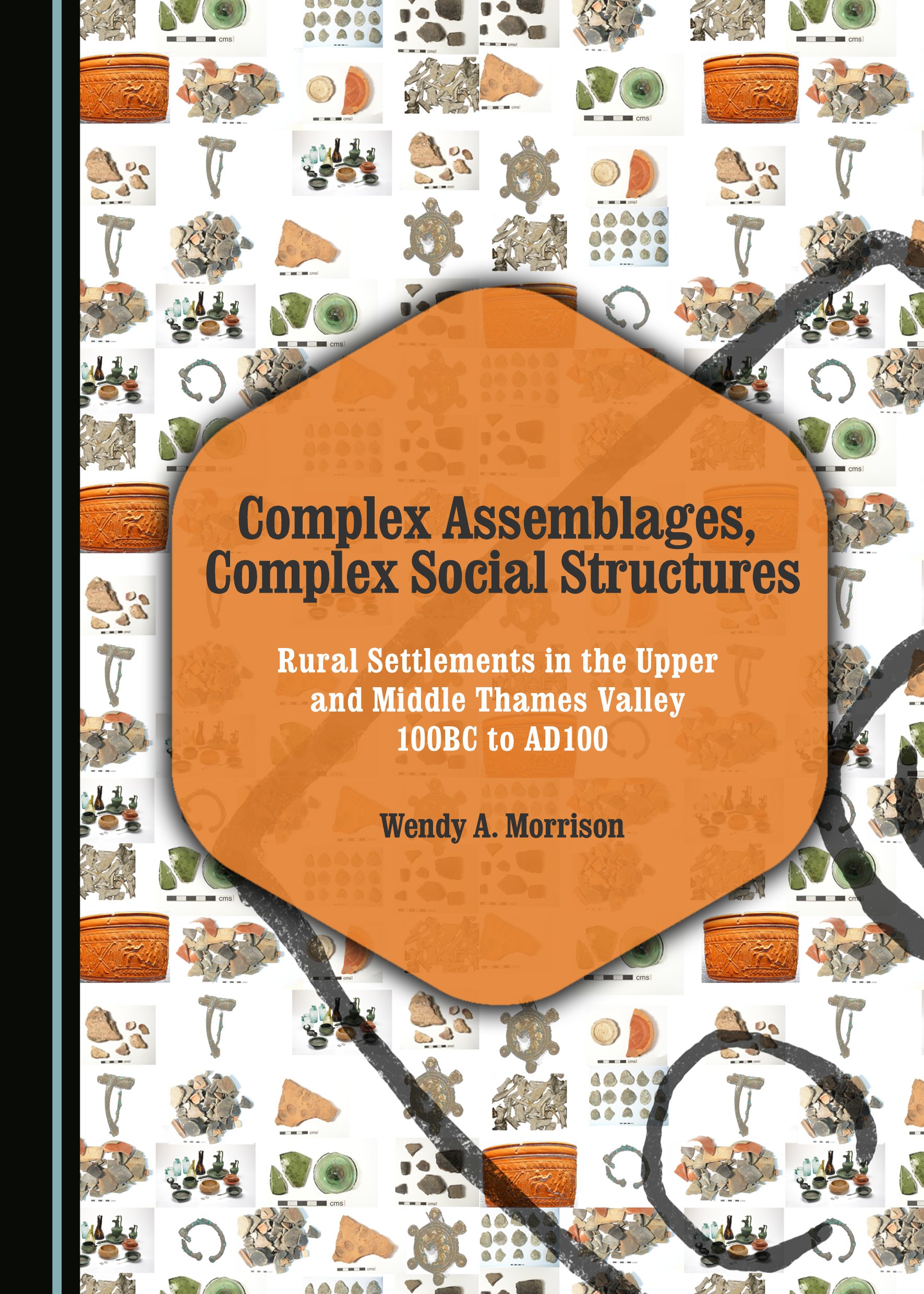
Complex Assemblages, Complex Social Structures
Rural Settlements in the Upper and Middle Thames Valley 100BC to AD100
This monograph examines the rural settlements of Late Iron Age and Early Roman Britain through the lens of Cultural Theory in order to provide a picture of a more nuanced and diverse human landscape.
This monograph examines the rural settlements of Late Iron Age and Early Roman Britain through the lens of Cultural Theory in order to provide a picture of a more nuanced and diverse human landscape.
View more
This product has multiple variants. The options may be chosen on the product page
View more
This product has multiple variants. The options may be chosen on the product page
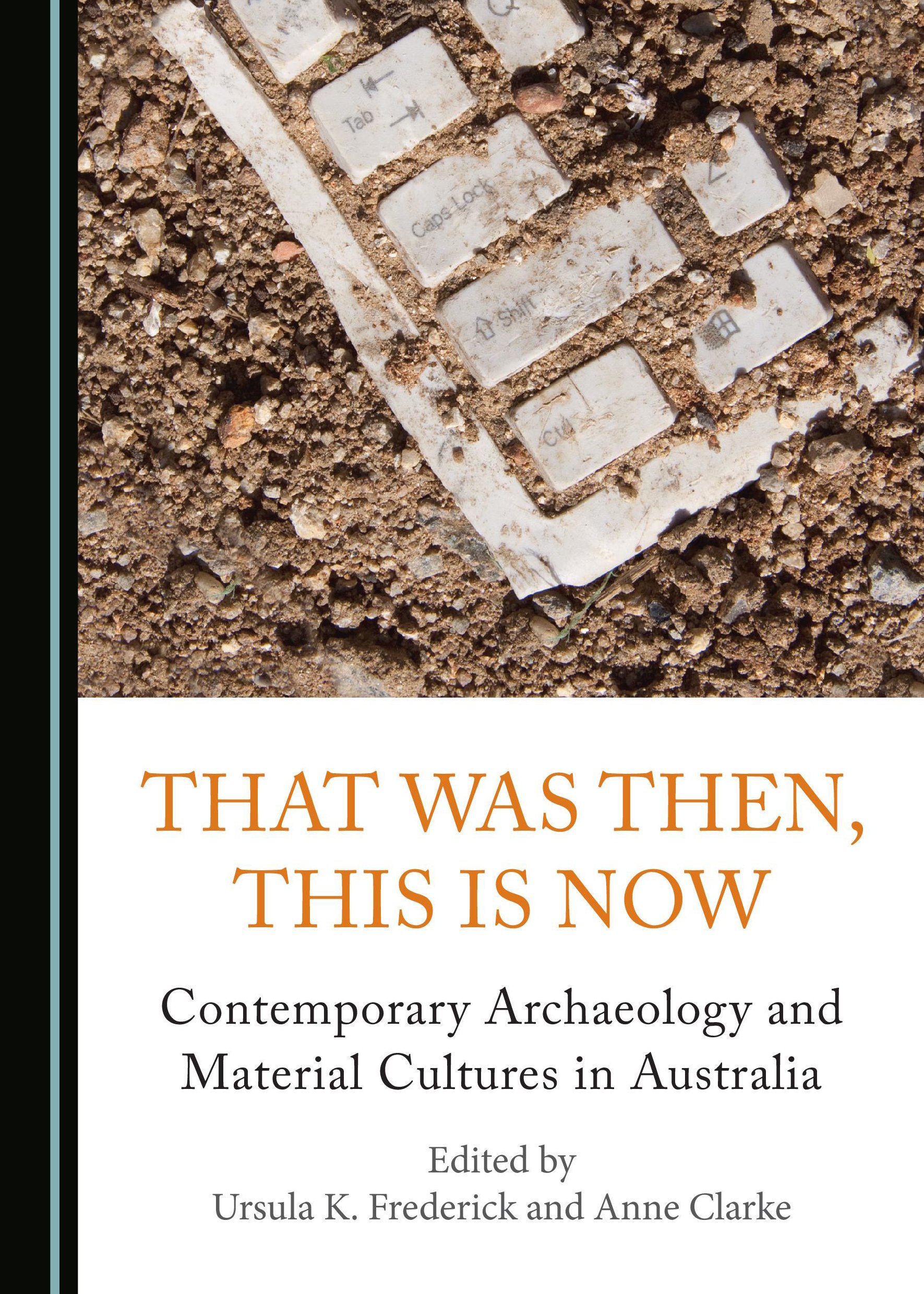
That Was Then, This Is Now
Contemporary Archaeology and Material Cultures in Australia
This title represents a compendium of innovative research into the ideas, experiences, and iconographies embodied in materialities of the recent past. Drawing upon a variety of disciplines, the contributors examine themes of relevance to the contemporary world.
This title represents a compendium of innovative research into the ideas, experiences, and iconographies embodied in materialities of the recent past. Drawing upon a variety of disciplines, the contributors examine themes of relevance to the contemporary world.
View more
This product has multiple variants. The options may be chosen on the product page
View more
This product has multiple variants. The options may be chosen on the product page
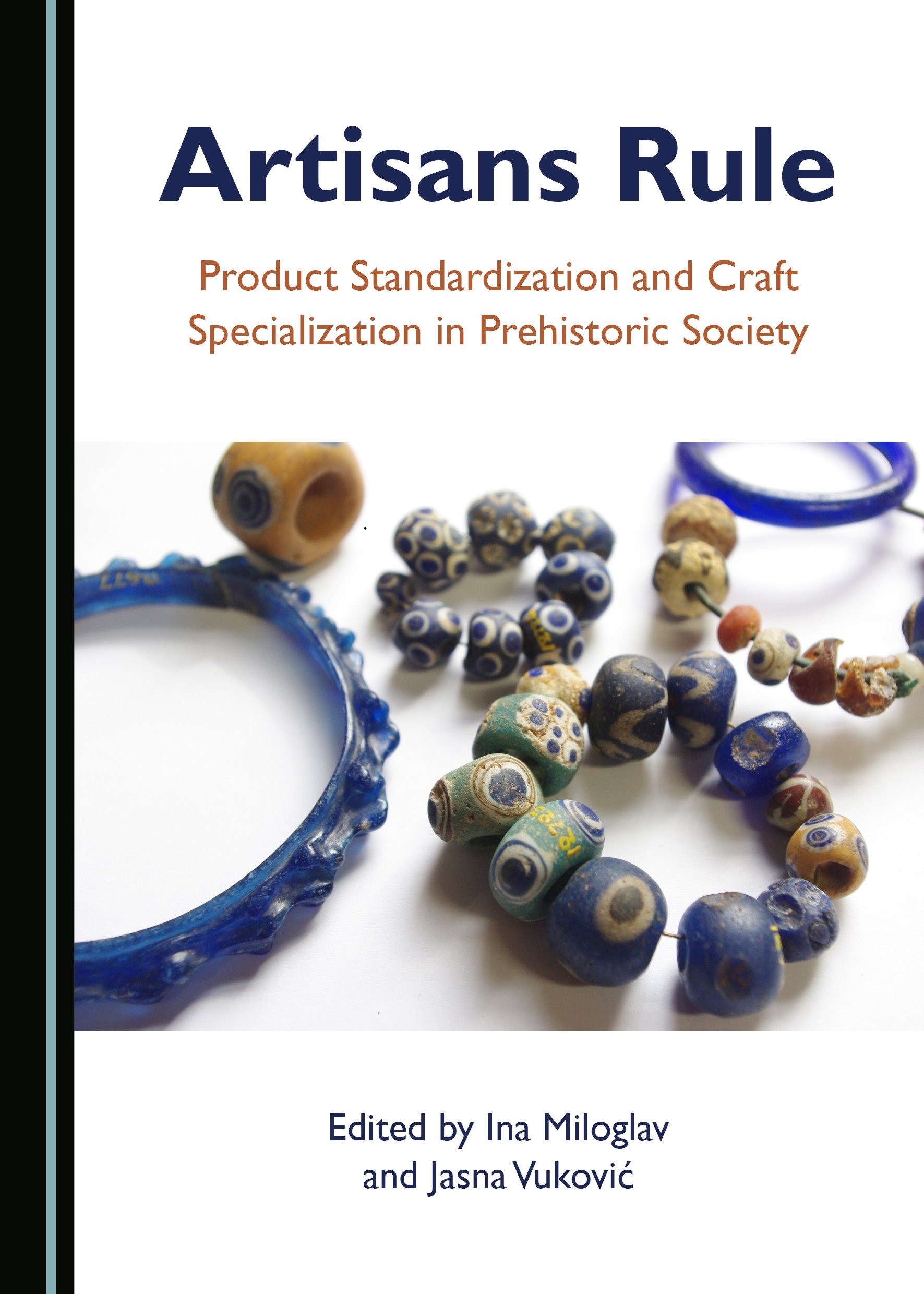
Artisans Rule
Product Standardization and Craft Specialization in Prehistoric Society
Here, seven case studies covering a chronological span from the Neolithic to La Tène Europe explore the notions of standardization and specialization in craft production, while two ethnoarchaeological studies focus on the organization of production of a number of artisans.
Here, seven case studies covering a chronological span from the Neolithic to La Tène Europe explore the notions of standardization and specialization in craft production, while two ethnoarchaeological studies focus on the organization of production of a number of artisans.
View more
This product has multiple variants. The options may be chosen on the product page
View more
This product has multiple variants. The options may be chosen on the product page
£62.99
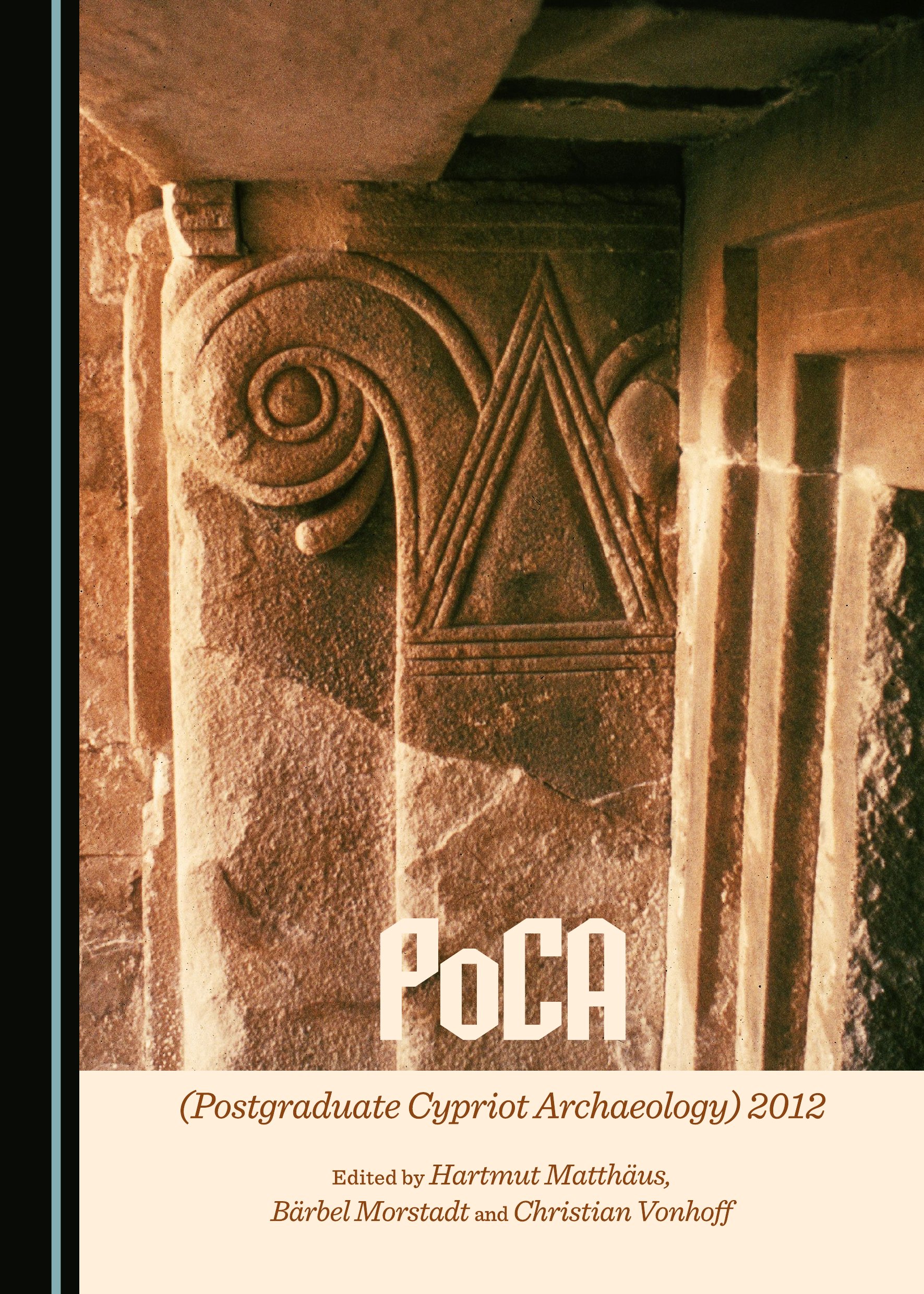
This volume offers an interdisciplinary approach to Cypriot archaeology and material culture, from the 3rd millennium B.C. to modern times. Contributions illuminate various aspects of the island's history, with a special focus on the formative Bronze Age.
This volume offers an interdisciplinary approach to Cypriot archaeology and material culture, from the 3rd millennium B.C. to modern times. Contributions illuminate various aspects of the island’s history, with a special focus on the formative Bronze Age.
View more
This product has multiple variants. The options may be chosen on the product page

View more
This product has multiple variants. The options may be chosen on the product page
£39.99
Authorities assess the major contributions of Grahame Clark, a pioneer in prehistoric economies, ecology, and science-based archaeology. This book surveys his role in the development of 20th-century archaeology and the basis it provides for today's work.
Authorities assess the major contributions of Grahame Clark, a pioneer in prehistoric economies, ecology, and science-based archaeology. This book surveys his role in the development of 20th-century archaeology and the basis it provides for today’s work.
View more
This product has multiple variants. The options may be chosen on the product page
View more
This product has multiple variants. The options may be chosen on the product page
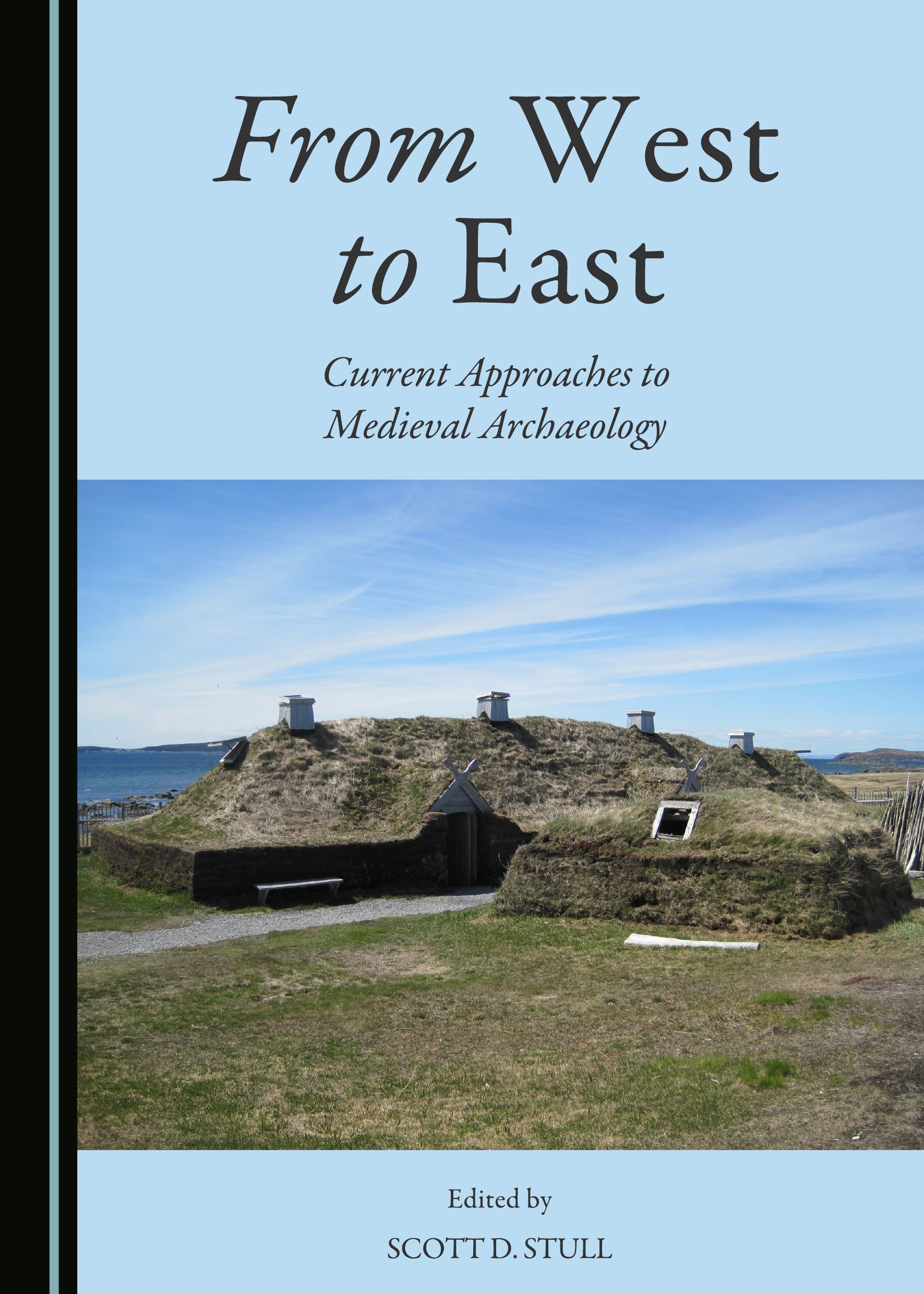
From West to East
Current Approaches to Medieval Archaeology
A sweeping overview of new research in medieval archaeology. This collection unites cutting-edge theory with global case studies—from Viking Vinland and Irish castles to Byzantine sites and the medieval diet. A vital look at the latest work in the field.
A sweeping overview of new research in medieval archaeology. This collection unites cutting-edge theory with global case studies—from Viking Vinland and Irish castles to Byzantine sites and the medieval diet. A vital look at the latest work in the field.
View more
This product has multiple variants. The options may be chosen on the product page

View more
This product has multiple variants. The options may be chosen on the product page
£39.99
This book explores the cultural and social aspects of space in archaeology. Using cutting-edge spatial methods, it reveals how people have used space to subsist, recreate culture, and understand landscape, social relationships, and cultural heritage.
This book explores the cultural and social aspects of space in archaeology. Using cutting-edge spatial methods, it reveals how people have used space to subsist, recreate culture, and understand landscape, social relationships, and cultural heritage.
View more
This product has multiple variants. The options may be chosen on the product page
View more
This product has multiple variants. The options may be chosen on the product page
£67.99
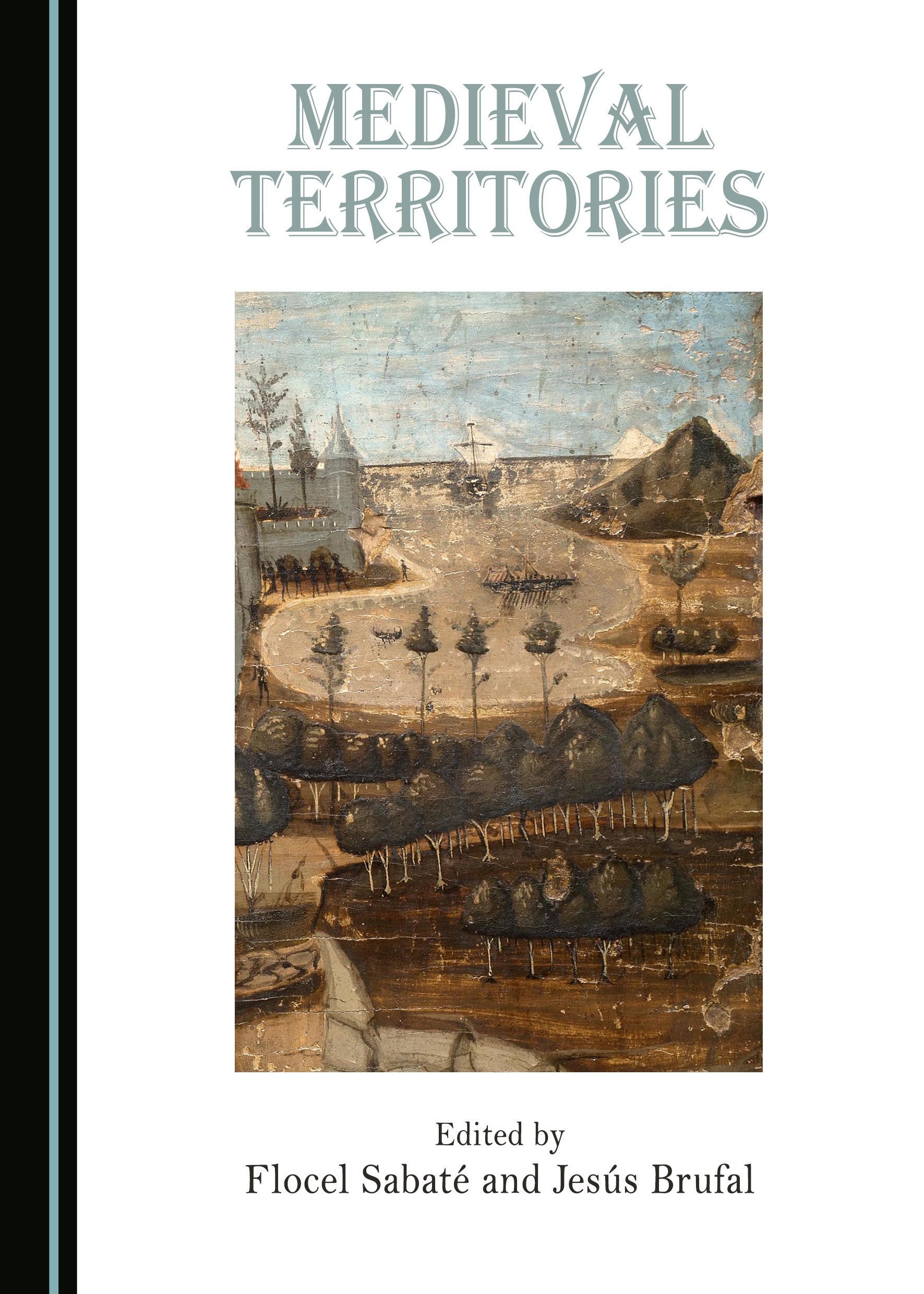
This compendium brings together 18 case studies investigating territory in the Middle Ages from an archaeological perspective. The contributions focus especially on cases in Portugal, Spain and Italy, in order to provide a Mediterranean perspective.
This compendium brings together 18 case studies investigating territory in the Middle Ages from an archaeological perspective. The contributions focus especially on cases in Portugal, Spain and Italy, in order to provide a Mediterranean perspective.
View more
This product has multiple variants. The options may be chosen on the product page
Processing Your Order
Please wait while we securely process your order.
Do not refresh or leave this page.
You will be redirected shortly to a confirmation page with your order number.