
View more
This product has multiple variants. The options may be chosen on the product page
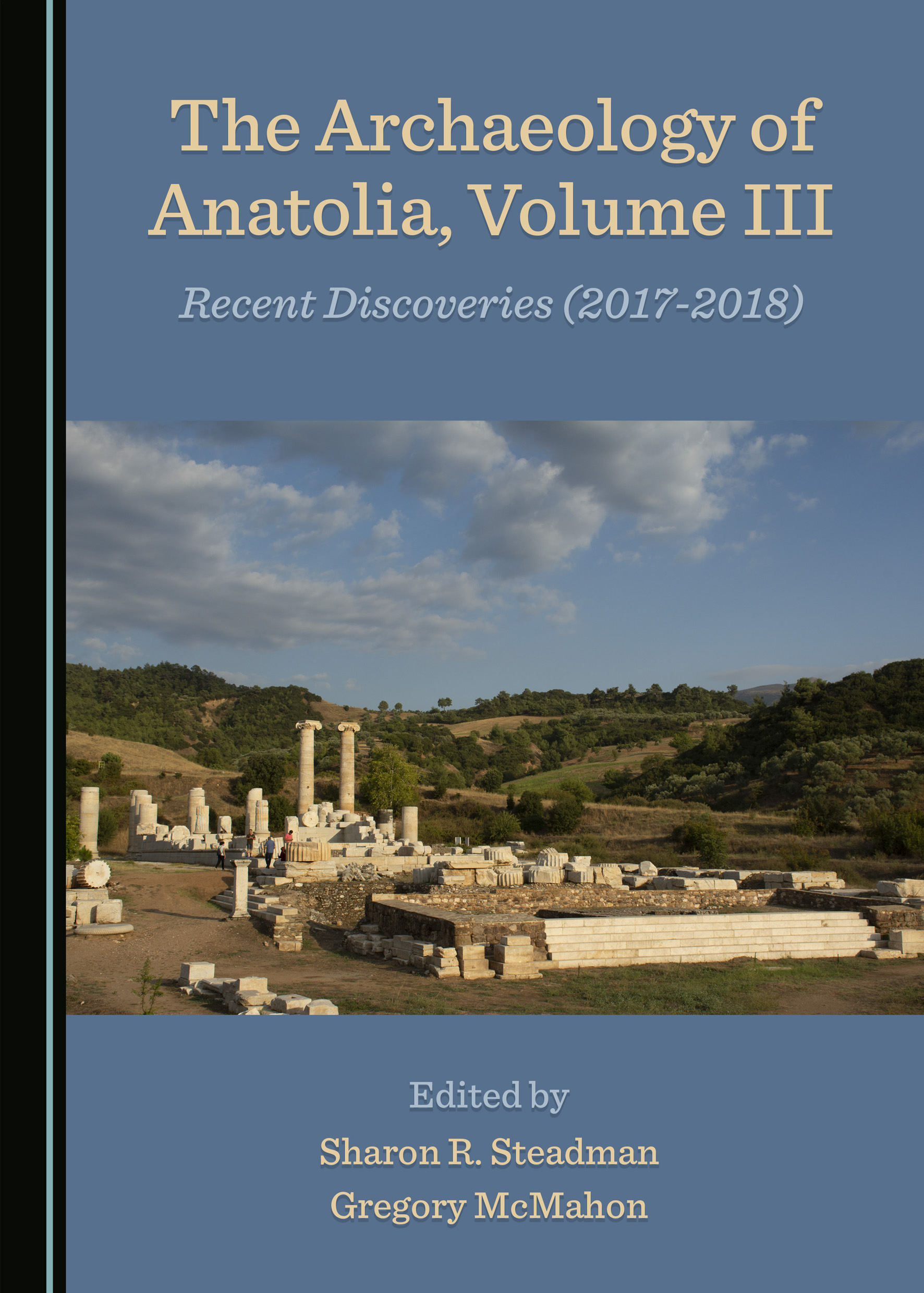
The Archaeology of Anatolia, Volume III
Recent Discoveries (2017–2018)
This third volume in the Archaeology of Anatolia series delivers timely updates from ongoing excavations across the peninsula. Covering the Epipalaeolithic to the Medieval, it features a new section presenting the latest critical findings and research in the field.
This third volume in the Archaeology of Anatolia series delivers timely updates from ongoing excavations across the peninsula. Covering the Epipalaeolithic to the Medieval, it features a new section presenting the latest critical findings and research in the field.
View more
This product has multiple variants. The options may be chosen on the product page
View more
This product has multiple variants. The options may be chosen on the product page
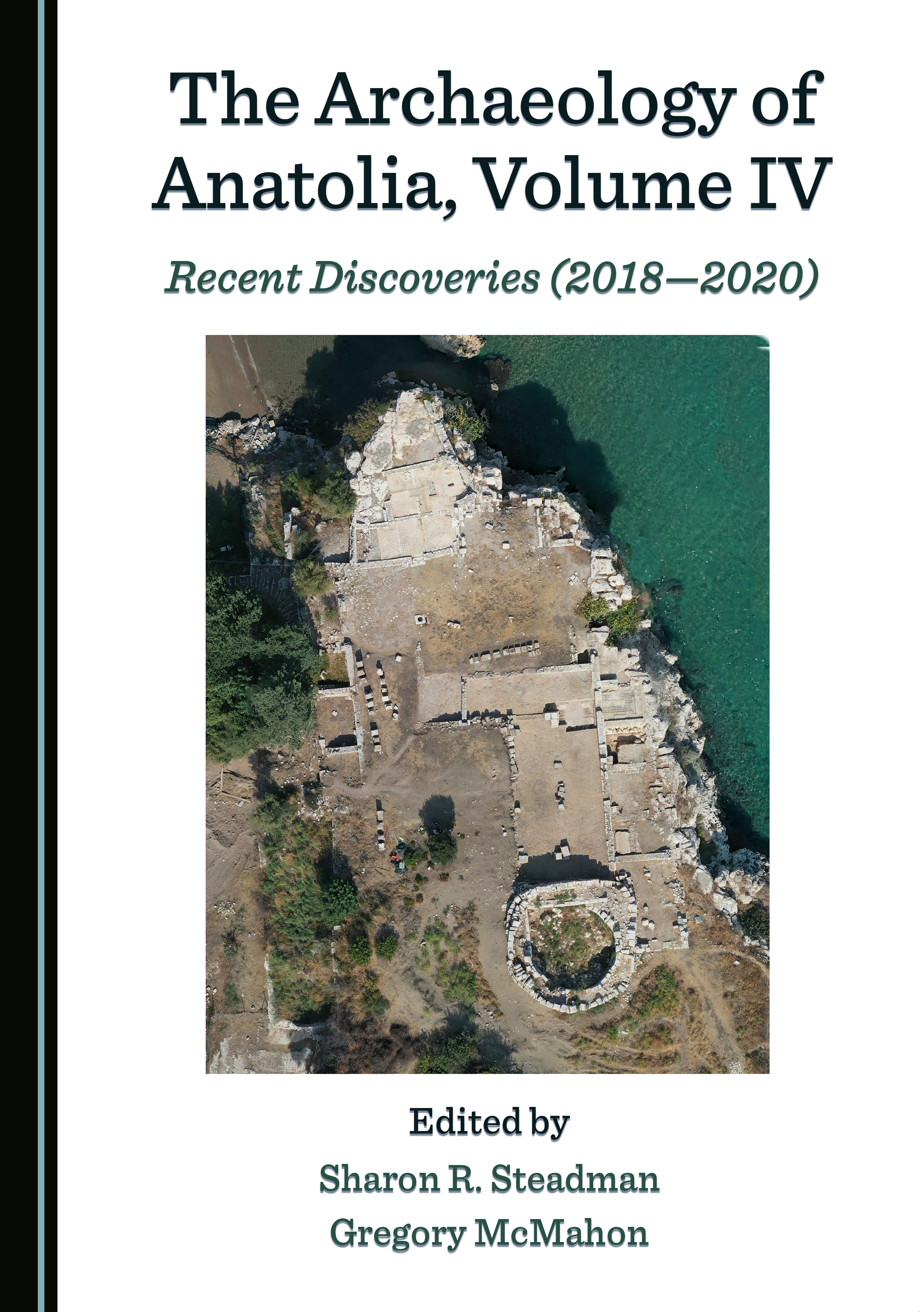
The Archaeology of Anatolia, Volume IV
Recent Discoveries (2018–2020)
This fourth volume in the Archaeology of Anatolia series offers reports on the most recent discoveries from across the peninsula. Periods covered span the Epipalaeolithic to the Medieval Age. The volume includes reviews of on-going excavations and a “State of the Field” section.
This fourth volume in the Archaeology of Anatolia series offers reports on the most recent discoveries from across the peninsula. Periods covered span the Epipalaeolithic to the Medieval Age. The volume includes reviews of on-going excavations and a “State of the Field” section.
View more
This product has multiple variants. The options may be chosen on the product page
View more
This product has multiple variants. The options may be chosen on the product page
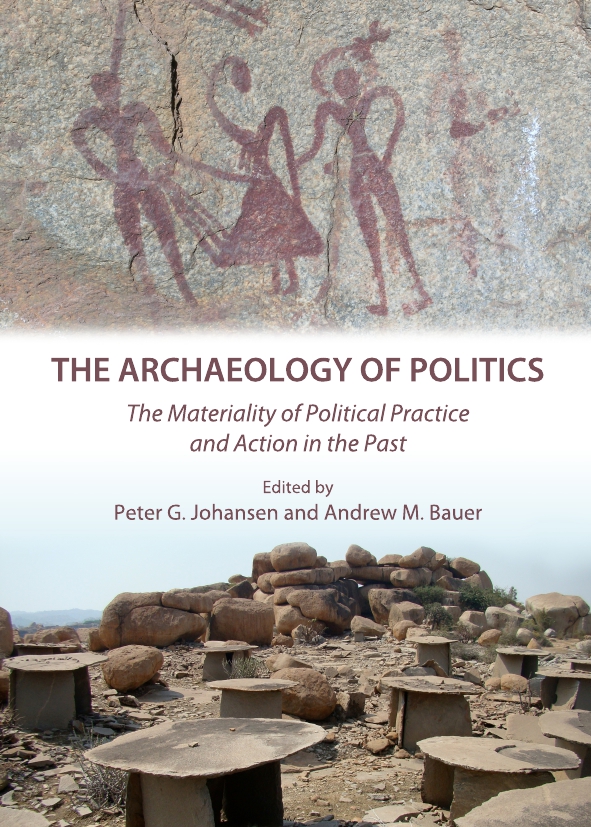
The Archaeology of Politics
The Materiality of Political Practice and Action in the Past
This collection of essays examines political practice in the past through the analysis of material culture. It reconceptualizes politics not as a structure (like the State) but as a dynamic set of practices entangled with the material world of people and objects.
This collection of essays examines political practice in the past through the analysis of material culture. It reconceptualizes politics not as a structure (like the State) but as a dynamic set of practices entangled with the material world of people and objects.
View more
This product has multiple variants. The options may be chosen on the product page

View more
This product has multiple variants. The options may be chosen on the product page
The Business of Heritage
Global Archaeology and International Consultancy
Archaeology is a global business. This collection of papers by international specialists examines how heritage consultancy protects the past and develops archaeological knowledge. From NASA's space facilities to Roman ruins, this book provides global insights.
Archaeology is a global business. This collection of papers by international specialists examines how heritage consultancy protects the past and develops archaeological knowledge. From NASA’s space facilities to Roman ruins, this book provides global insights.
View more
This product has multiple variants. The options may be chosen on the product page
View more
This product has multiple variants. The options may be chosen on the product page
The Elusive Aryans
Archaeological Search and Vedic Research; The Origin of the Hindus
The elusiveness of the Aryans stems from their mysterious origins and their later assimilation in India. This book addresses both questions, re-examining archaeological material and Vedic literature to trace the transformation of their gods, rituals, and philosophy.
The elusiveness of the Aryans stems from their mysterious origins and their later assimilation in India. This book addresses both questions, re-examining archaeological material and Vedic literature to trace the transformation of their gods, rituals, and philosophy.
View more
This product has multiple variants. The options may be chosen on the product page
View more
This product has multiple variants. The options may be chosen on the product page
From £34.99
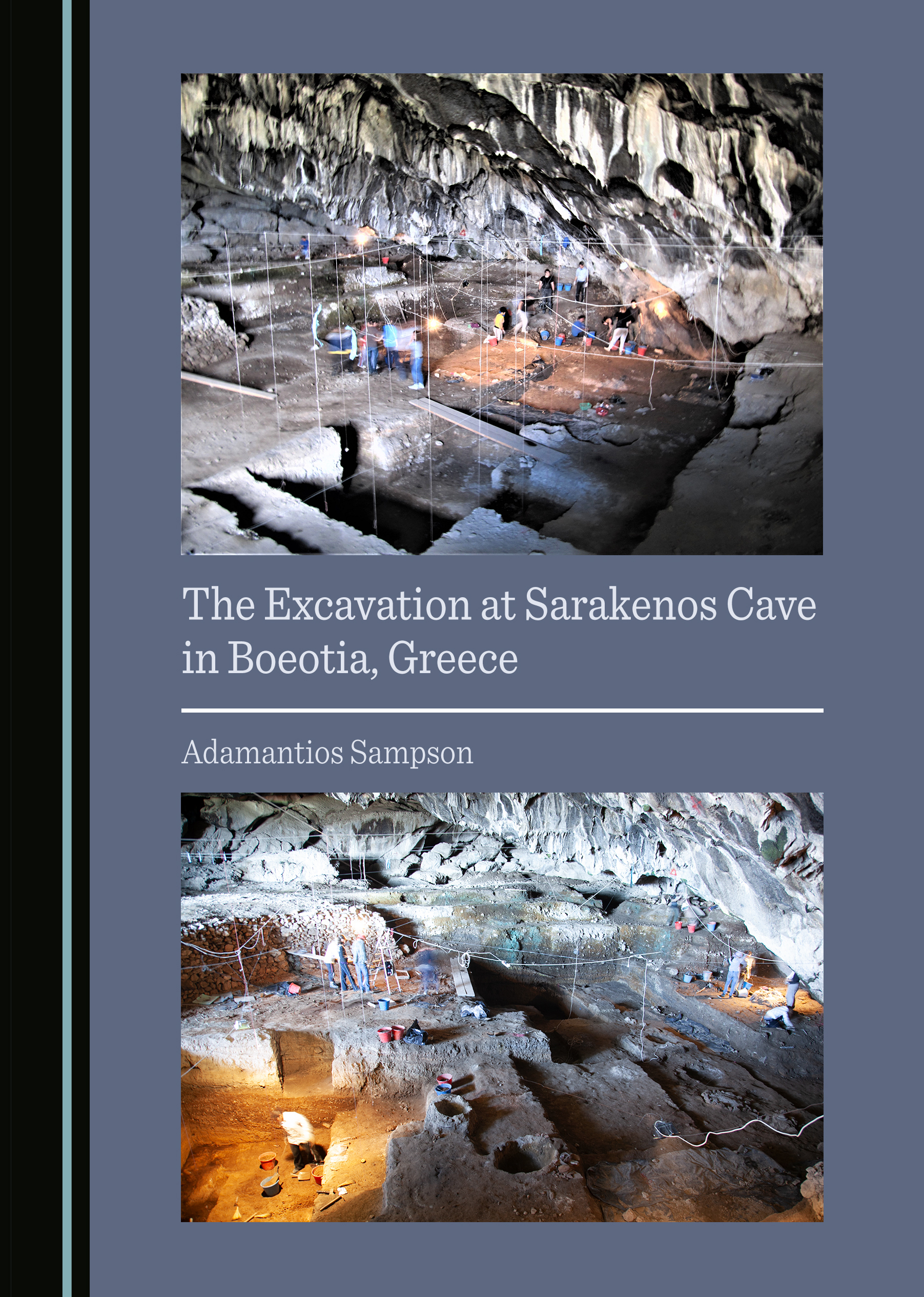
This book details excavations at Sarakenos Cave, Greece's largest prehistoric inhabited cave. It explores the cultural sequence from Neanderthals around 40,000 years ago to the Bronze Age, reconstructing the ancient environment based on pollen samples.
This book details excavations at Sarakenos Cave, Greece’s largest prehistoric inhabited cave. It explores the cultural sequence from Neanderthals around 40,000 years ago to the Bronze Age, reconstructing the ancient environment based on pollen samples.
View more
This product has multiple variants. The options may be chosen on the product page
View more
This product has multiple variants. The options may be chosen on the product page
The Exploitation of Raw Materials in Prehistory
Sourcing, Processing and Distribution
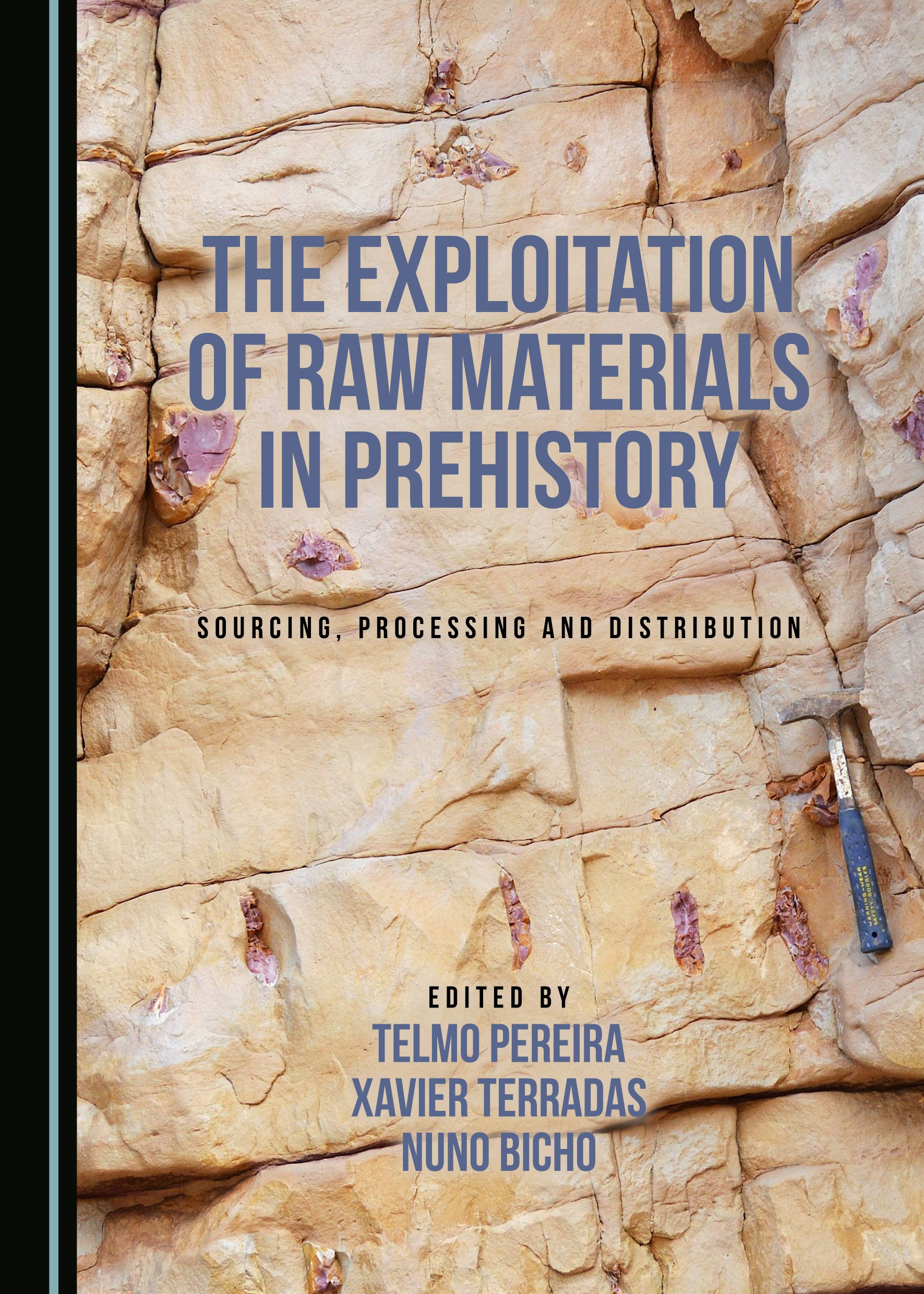
This collection presents state-of-the-art approaches to the use of inorganic raw materials in the period known as prehistory. It focuses on stone-tools, adornments, colorants and pottery from Europe, America and Africa.
This collection presents state-of-the-art approaches to the use of inorganic raw materials in the period known as prehistory. It focuses on stone-tools, adornments, colorants and pottery from Europe, America and Africa.
View more
This product has multiple variants. The options may be chosen on the product page
View more
This product has multiple variants. The options may be chosen on the product page
From £30.99
The influence of Ancient Greece on contemporary western civilization is irrefutable. The multivalent nature of such an influence is reflected in the wide-ranging essays of this volume, which cover such areas as economy, art, architecture, philosophy, medicine, and mythology.
The influence of Ancient Greece on contemporary western civilization is irrefutable. The multivalent nature of such an influence is reflected in the wide-ranging essays of this volume, which cover such areas as economy, art, architecture, philosophy, medicine, and mythology.
View more
This product has multiple variants. The options may be chosen on the product page
View more
This product has multiple variants. The options may be chosen on the product page
From £29.99
This book affords an in-depth history of Arizona from the Paleographical era up until Statehood. The book examines the early roots of the indigenous people, together with contemporary accounts of early settlers.
This book affords an in-depth history of Arizona from the Paleographical era up until Statehood. The book examines the early roots of the indigenous people, together with contemporary accounts of early settlers.
View more
This product has multiple variants. The options may be chosen on the product page
View more
This product has multiple variants. The options may be chosen on the product page
The Orthodox Hegel
Development Further Developed
This book assesses the consequences of Hegelian thought for spirituality, showing how the Christian movement is Spirit itself impelling. Capturing absolute idealism for orthodoxy, it develops themes of logic, Trinity, incarnation, and the absolute.
This book assesses the consequences of Hegelian thought for spirituality, showing how the Christian movement is Spirit itself impelling. Capturing absolute idealism for orthodoxy, it develops themes of logic, Trinity, incarnation, and the absolute.
View more
This product has multiple variants. The options may be chosen on the product page
View more
This product has multiple variants. The options may be chosen on the product page
The Power of the Line
Metaphor, Number and Material Culture in European Prehistory
The development of material culture was a contribution to the mathematization of the human mind. This book distinguishes between two dichotomous development paths in Europe and the Near East: the measuring stick metaphor and the object collection metaphor.
The development of material culture was a contribution to the mathematization of the human mind. This book distinguishes between two dichotomous development paths in Europe and the Near East: the measuring stick metaphor and the object collection metaphor.
View more
This product has multiple variants. The options may be chosen on the product page
View more
This product has multiple variants. The options may be chosen on the product page
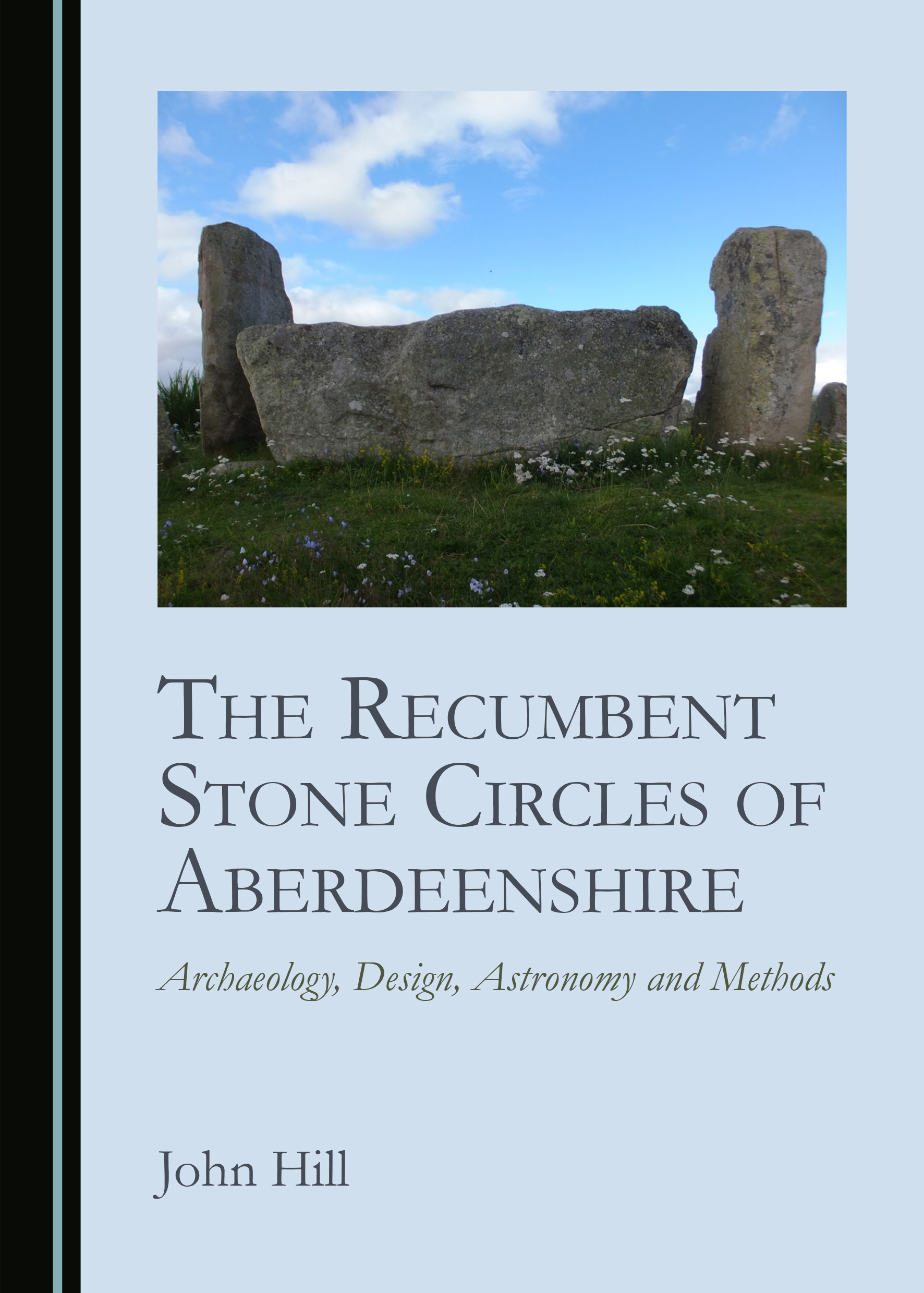
The Recumbent Stone Circles of Aberdeenshire
Archaeology, Design, Astronomy and Methods
Using experimental archaeology, this book explains how Aberdeenshire's Recumbent Stone Circles were built. It reveals how prehistoric communities created a network of inter-aligned stone circles, using them to synchronise time and space through their shared astronomy.
Using experimental archaeology, this book explains how Aberdeenshire’s Recumbent Stone Circles were built. It reveals how prehistoric communities created a network of inter-aligned stone circles, using them to synchronise time and space through their shared astronomy.
View more
This product has multiple variants. The options may be chosen on the product page
View more
This product has multiple variants. The options may be chosen on the product page
Tools versus Cores
Alternative Approaches to Stone Tool Analysis
Is a stone artifact a tool or a core? This volume tackles this question by examining difficult cases from across the globe, challenging long-held assumptions and leading to a richer understanding of the past, less encumbered by modern categories.
Is a stone artifact a tool or a core? This volume tackles this question by examining difficult cases from across the globe, challenging long-held assumptions and leading to a richer understanding of the past, less encumbered by modern categories.
View more
This product has multiple variants. The options may be chosen on the product page
View more
This product has multiple variants. The options may be chosen on the product page
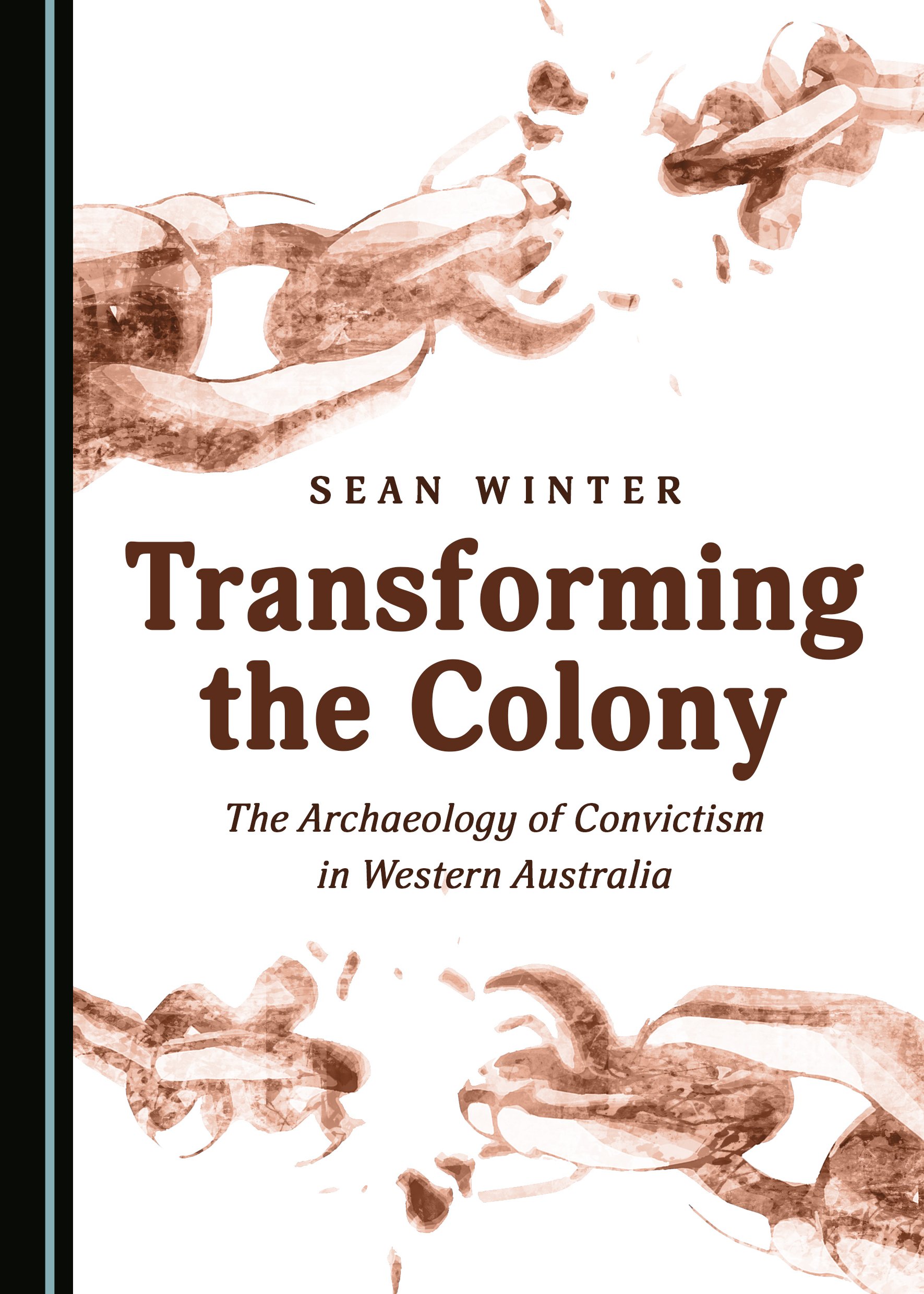
Transforming the Colony
The Archaeology of Convictism in Western Australia
Winter investigates the lives of convicts transported to Western Australia, particularly how their presence in the colony served as a form of modernity, fundamentally transforming it in the process.
Winter investigates the lives of convicts transported to Western Australia, particularly how their presence in the colony served as a form of modernity, fundamentally transforming it in the process.
View more
This product has multiple variants. The options may be chosen on the product page
View more
This product has multiple variants. The options may be chosen on the product page
From £44.99
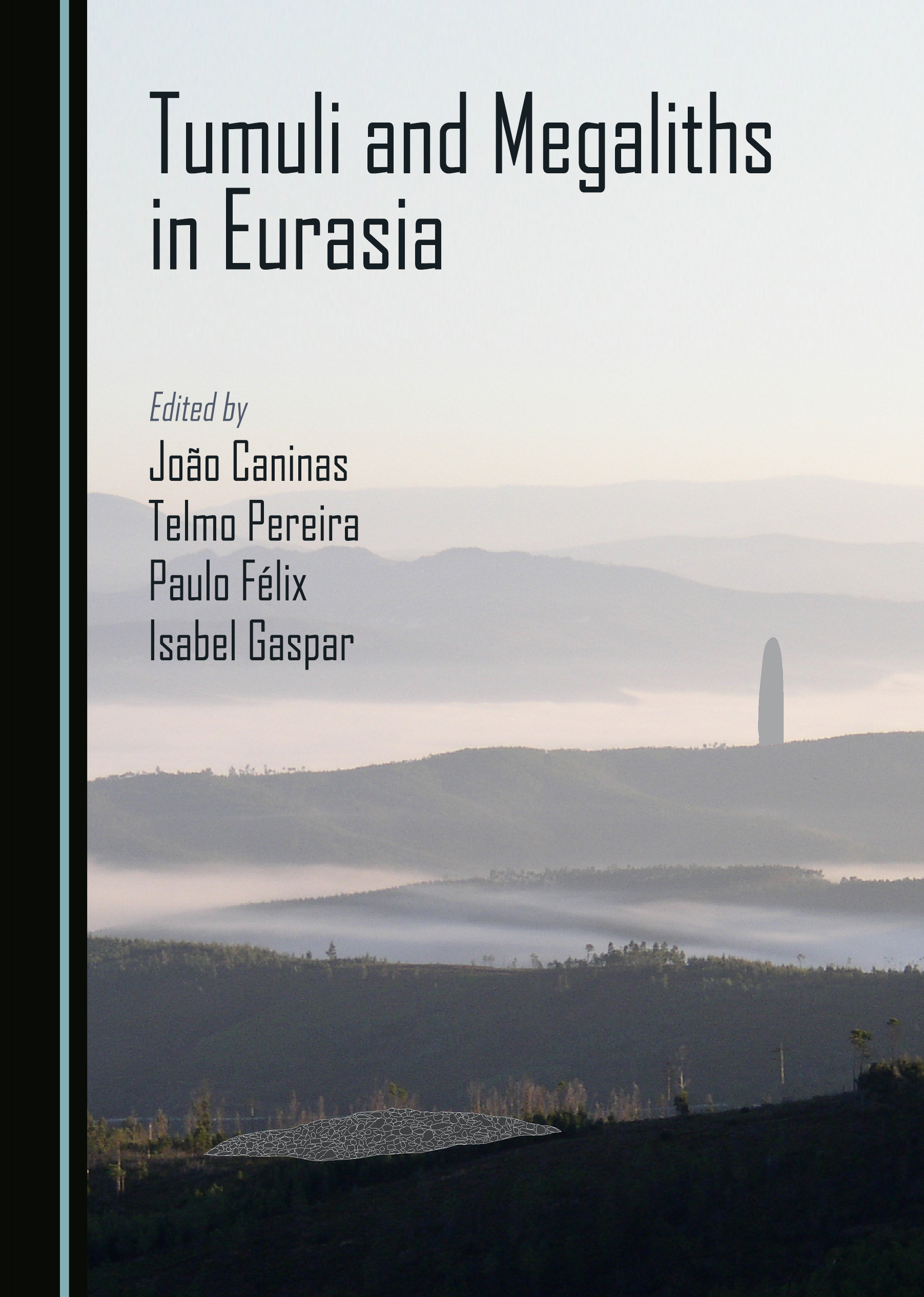
Tumuli and megaliths across Eurasia are rich in mystery. This collection unites 74 authors from 16 countries, offering diverse perspectives. Accessible and illustrated, it’s for anyone in history, archaeology, or heritage, or interested in past cultures and ancient architecture.
Tumuli and megaliths across Eurasia are rich in mystery. This collection unites 74 authors from 16 countries, offering diverse perspectives. Accessible and illustrated, it’s for anyone in history, archaeology, or heritage, or interested in past cultures and ancient architecture.
View more
This product has multiple variants. The options may be chosen on the product page
View more
This product has multiple variants. The options may be chosen on the product page
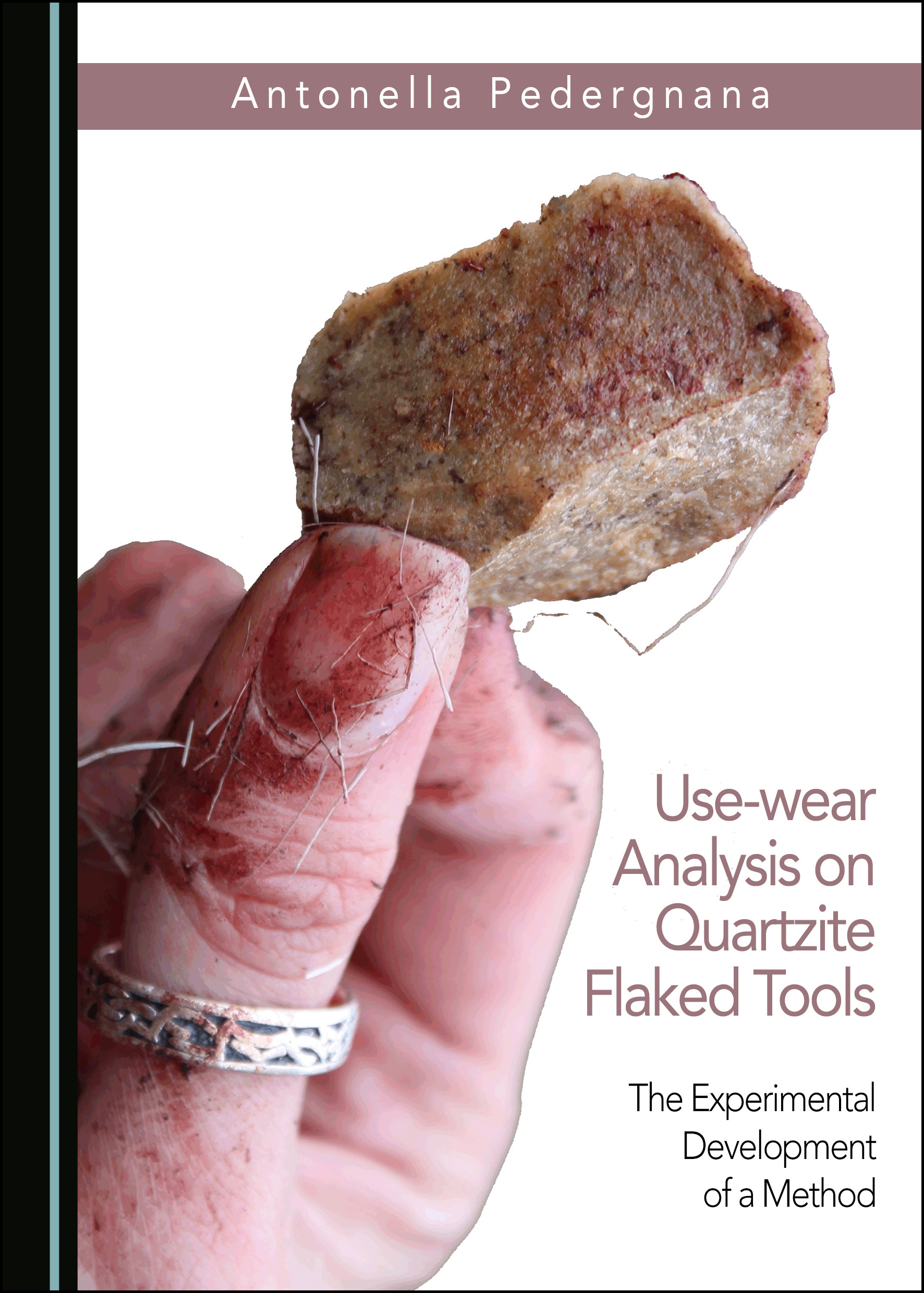
Use-wear Analysis on Quartzite Flaked Tools
The Experimental Development of a Method
Despite its frequent use for stone tools, there is a lack of research on use-wear on quartzite. This handbook fills that gap, proposing a new method for students and analysts that uses scanning electron microscopy to overcome the obstacles posed by the rock's irregular surface.
Despite its frequent use for stone tools, there is a lack of research on use-wear on quartzite. This handbook fills that gap, proposing a new method for students and analysts that uses scanning electron microscopy to overcome the obstacles posed by the rock’s irregular surface.
View more
This product has multiple variants. The options may be chosen on the product page
View more
This product has multiple variants. The options may be chosen on the product page
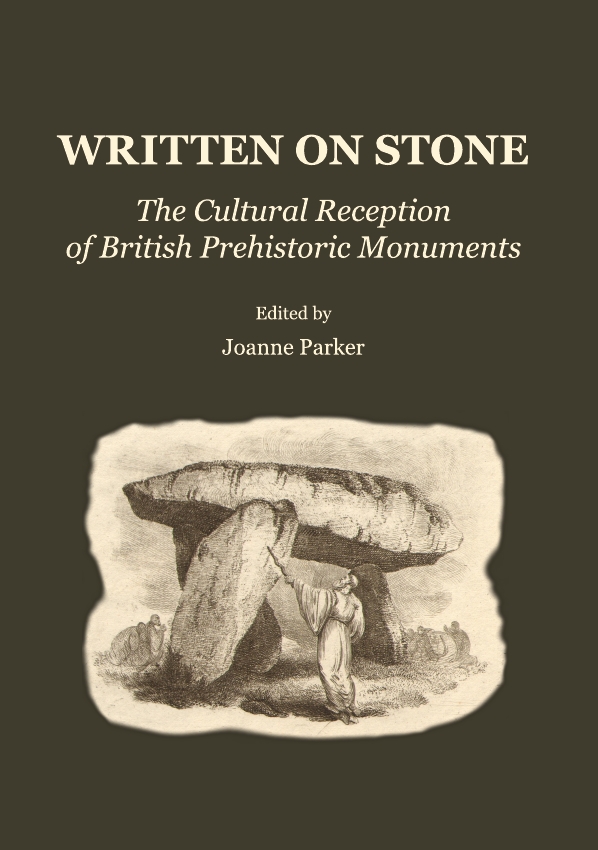
Written on Stone
The Cultural Reception of British Prehistoric Monuments
This book explores the history of Britain's prehistoric monuments: not their origins, but how they have been viewed over centuries. It investigates their impact on culture, from motivating artists and authors to inspiring 'New Age' religions.
This book explores the history of Britain’s prehistoric monuments: not their origins, but how they have been viewed over centuries. It investigates their impact on culture, from motivating artists and authors to inspiring ‘New Age’ religions.
View more
This product has multiple variants. The options may be chosen on the product page
Processing Your Order
Please wait while we securely process your order.
Do not refresh or leave this page.
You will be redirected shortly to a confirmation page with your order number.