
View more
This product has multiple variants. The options may be chosen on the product page
£61.99
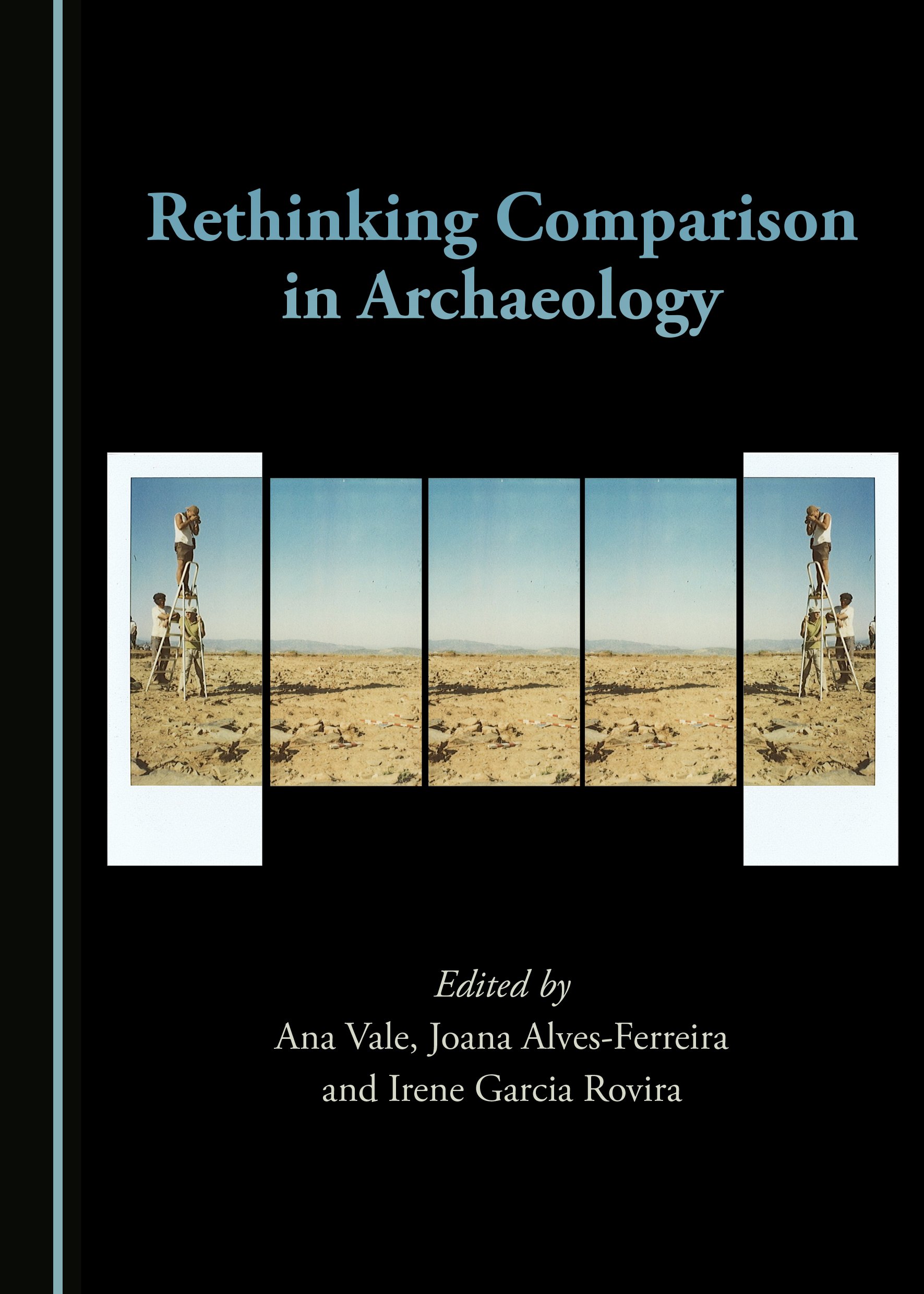
Although comparative exercises are used both explicitly and implicitly in a large number of archaeological publications, they are often uncritically taken for granted. As such, the contributors here reflect on comparison as a core theme in archaeology from different perspectives.
Although comparative exercises are used both explicitly and implicitly in a large number of archaeological publications, they are often uncritically taken for granted. As such, the contributors here reflect on comparison as a core theme in archaeology from different perspectives.
View more
This product has multiple variants. The options may be chosen on the product page
View more
This product has multiple variants. The options may be chosen on the product page
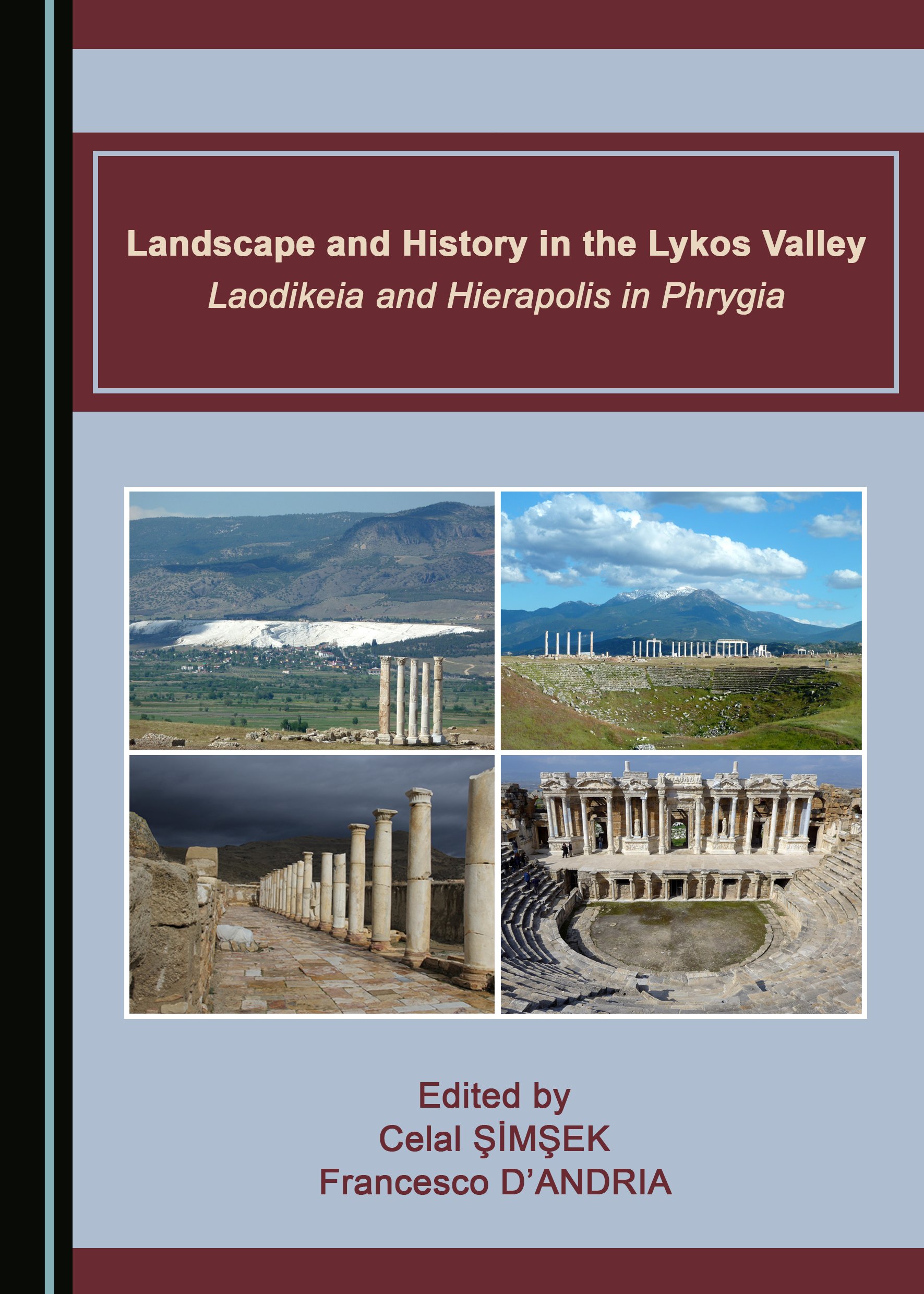
Landscape and History in the Lykos Valley
Laodikeia and Hierapolis in Phrygia
This book probes archaeological excavations and investigations into the history of the Lykos valley, Turkey. It concerns, among other things, discoveries at the Ploutonion of Hierapolis, the excavations of the tabernae in Tripolis, and the marble origins used in Hierapolis.
This book probes archaeological excavations and investigations into the history of the Lykos valley, Turkey. It concerns, among other things, discoveries at the Ploutonion of Hierapolis, the excavations of the tabernae in Tripolis, and the marble origins used in Hierapolis.
View more
This product has multiple variants. The options may be chosen on the product page
View more
This product has multiple variants. The options may be chosen on the product page
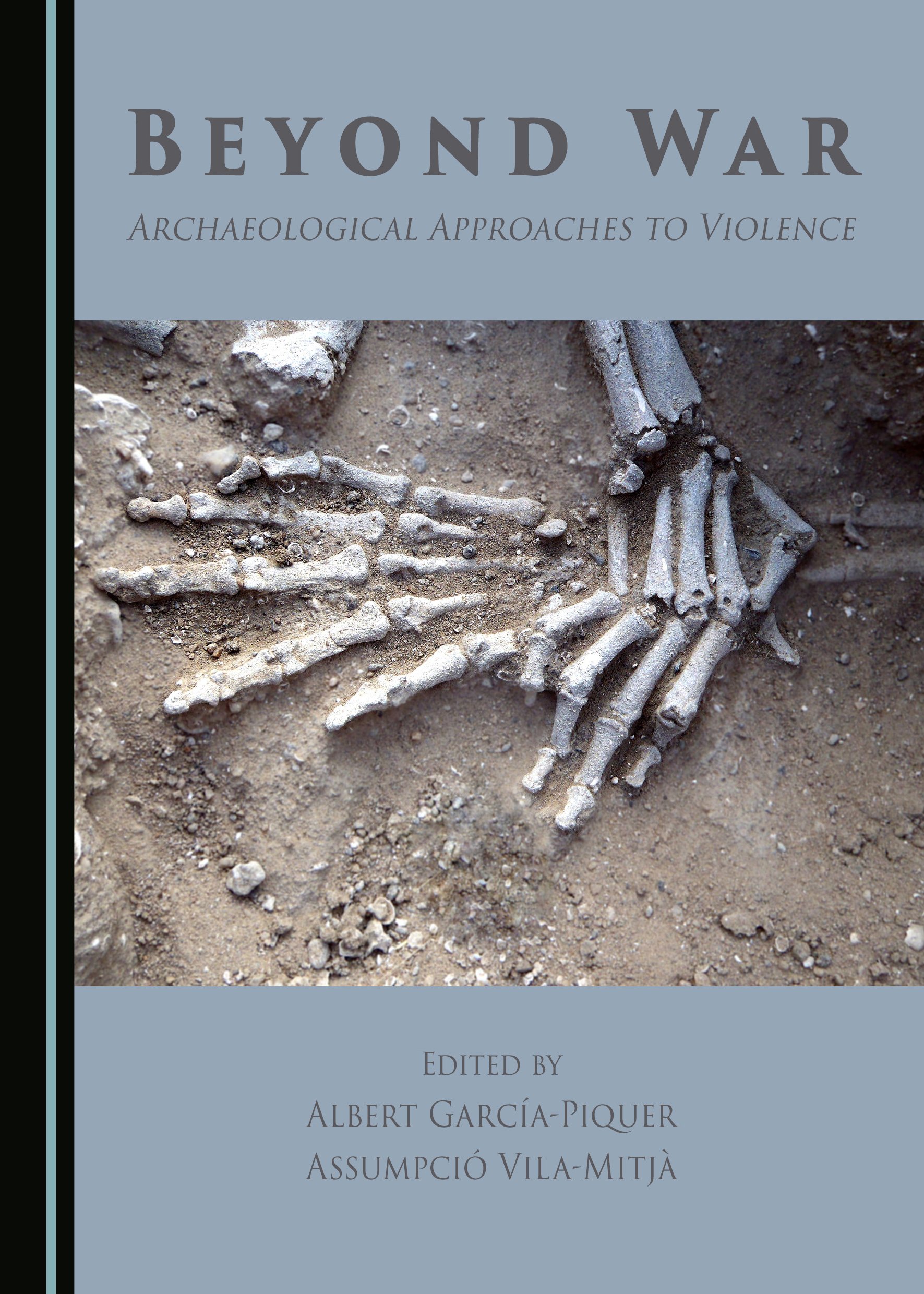
Beyond War
Archaeological Approaches to Violence
The studies gathered here present the necessity of rethinking the concept of “violence” in archaeology, in order to overcome the old conception that limits violence to its most evident expressions in war and intra- or extra-group conflict.
The studies gathered here present the necessity of rethinking the concept of “violence” in archaeology, in order to overcome the old conception that limits violence to its most evident expressions in war and intra- or extra-group conflict.
View more
This product has multiple variants. The options may be chosen on the product page
View more
This product has multiple variants. The options may be chosen on the product page
£62.99
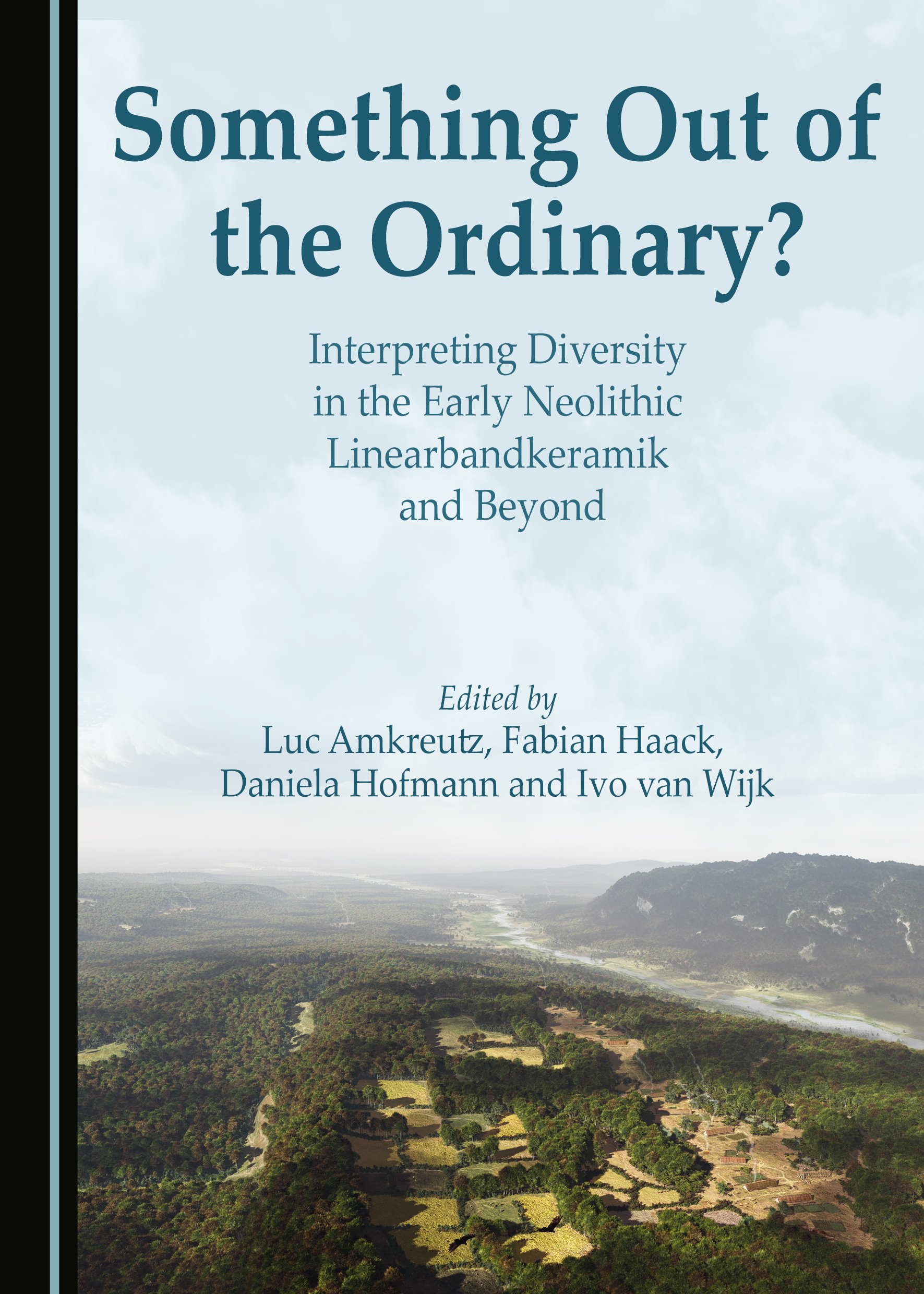
Using a case study of the archaeological phenomenon of the Linearbandkeramik as a starting point, this title brings together contributions by international specialists tackling the notion of cultural diversity and its explanatory power in archaeological analysis more generally.
Using a case study of the archaeological phenomenon of the Linearbandkeramik as a starting point, this title brings together contributions by international specialists tackling the notion of cultural diversity and its explanatory power in archaeological analysis more generally.
View more
This product has multiple variants. The options may be chosen on the product page
View more
This product has multiple variants. The options may be chosen on the product page
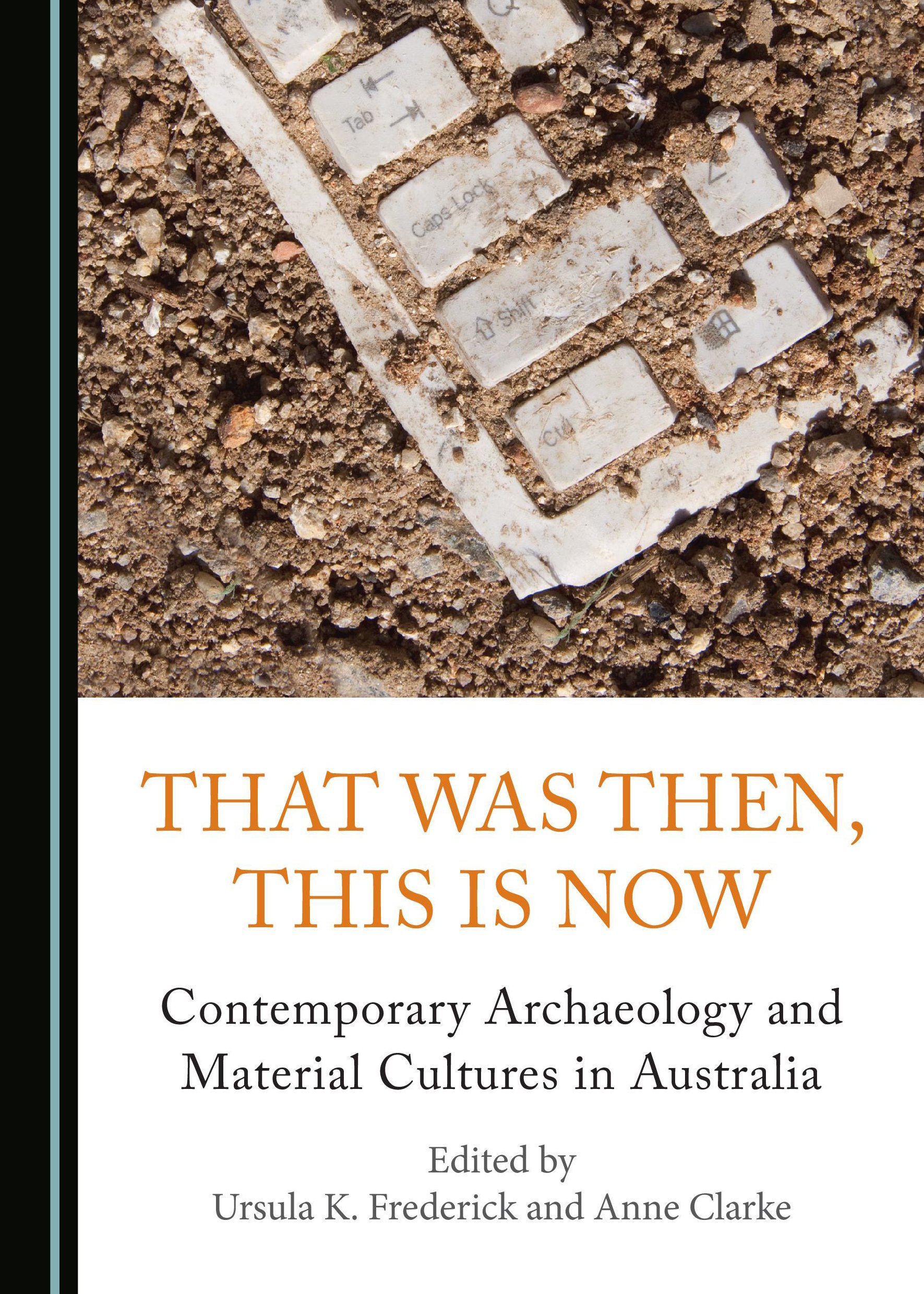
That Was Then, This Is Now
Contemporary Archaeology and Material Cultures in Australia
This title represents a compendium of innovative research into the ideas, experiences, and iconographies embodied in materialities of the recent past. Drawing upon a variety of disciplines, the contributors examine themes of relevance to the contemporary world.
This title represents a compendium of innovative research into the ideas, experiences, and iconographies embodied in materialities of the recent past. Drawing upon a variety of disciplines, the contributors examine themes of relevance to the contemporary world.
View more
This product has multiple variants. The options may be chosen on the product page
View more
This product has multiple variants. The options may be chosen on the product page
£62.99
Despite its great historical and cultural importance, the Southern Caucasus has been inadequately researched. This two-volume publication compiles 75 articles from an international symposium exploring the region's cultures from earliest times to the Middle Ages.
Despite its great historical and cultural importance, the Southern Caucasus has been inadequately researched. This two-volume publication compiles 75 articles from an international symposium exploring the region’s cultures from earliest times to the Middle Ages.
View more
This product has multiple variants. The options may be chosen on the product page
View more
This product has multiple variants. The options may be chosen on the product page
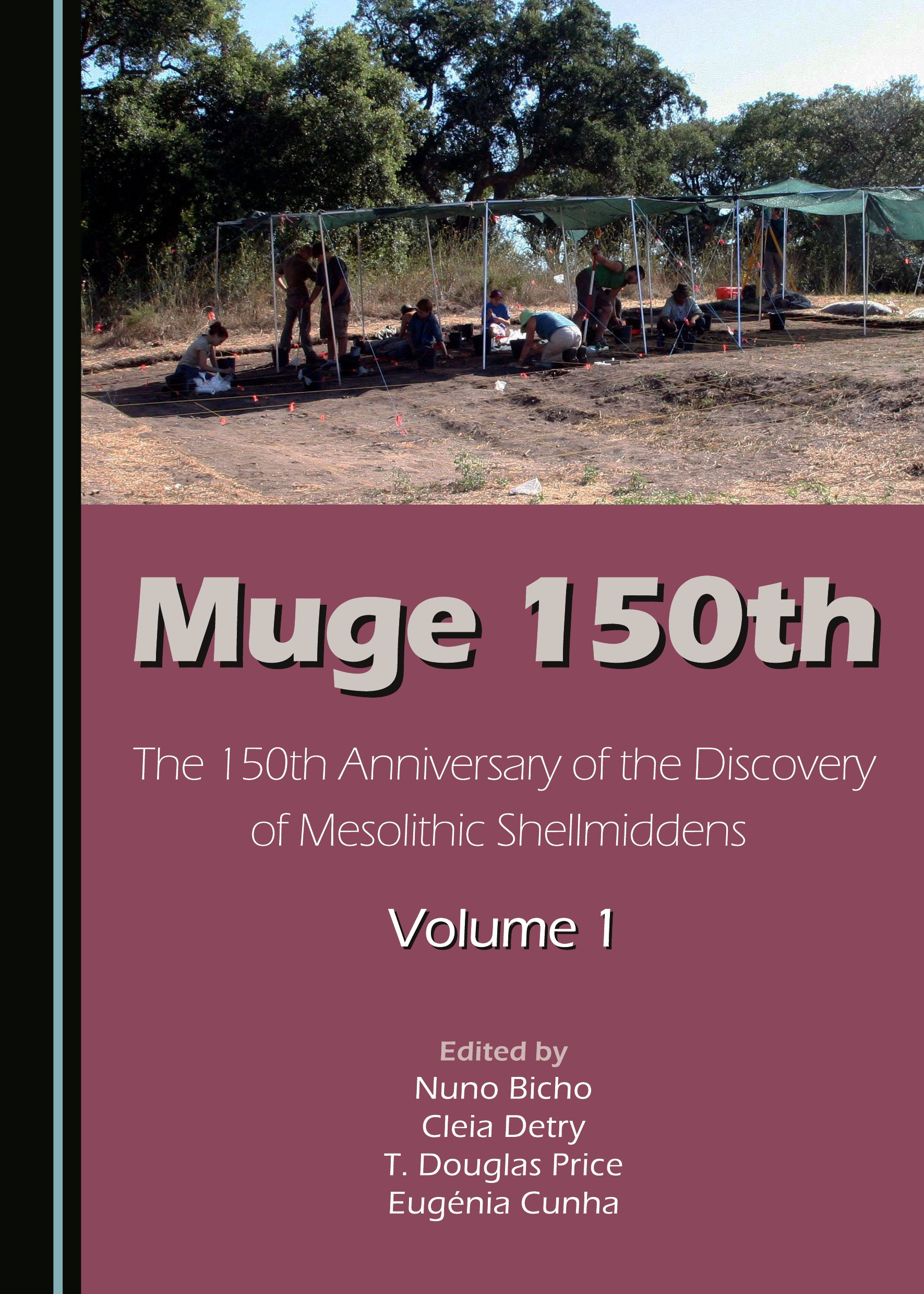
Muge 150th
The 150th Anniversary of the Discovery of Mesolithic Shellmiddens—Volumes 1 and 2
This publication explores a number of archaeological themes, and is divided into two volumes, with the first focusing on Mesolithic finds in the Muge and Sado valleys. The second volume discusses the general Mesolithic period and its transition to the Neolithic across Europe.
This publication explores a number of archaeological themes, and is divided into two volumes, with the first focusing on Mesolithic finds in the Muge and Sado valleys. The second volume discusses the general Mesolithic period and its transition to the Neolithic across Europe.
View more
This product has multiple variants. The options may be chosen on the product page
View more
This product has multiple variants. The options may be chosen on the product page
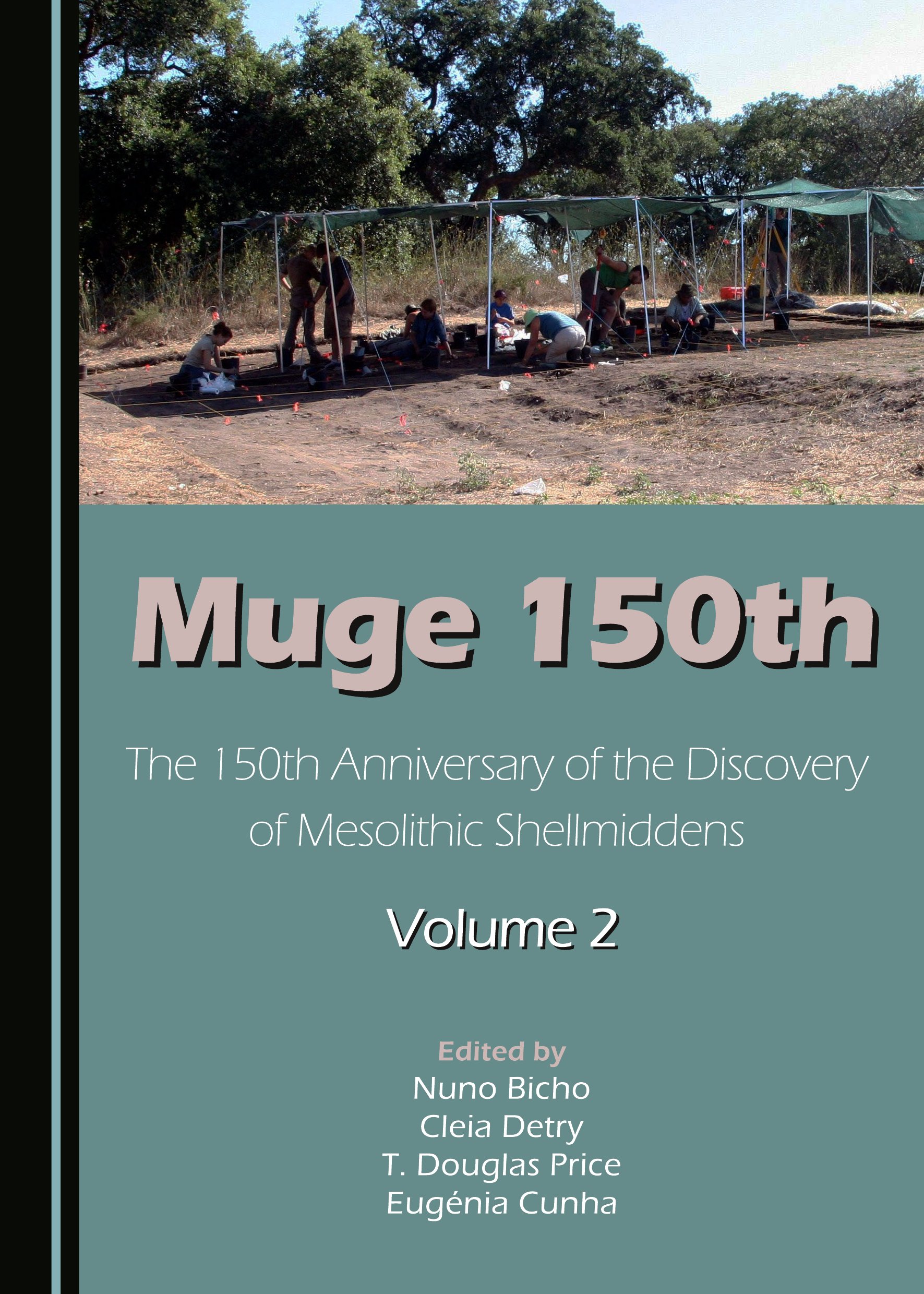
Muge 150th
The 150th Anniversary of the Discovery of Mesolithic Shellmiddens—Volume 2
This book brings together papers on the Mesolithic period and its transition to the Neolithic across Europe. Including theoretical discussions, it also ventures outside Europe with case studies on shell middens from Patagonia and the Red Sea.
This book brings together papers on the Mesolithic period and its transition to the Neolithic across Europe. Including theoretical discussions, it also ventures outside Europe with case studies on shell middens from Patagonia and the Red Sea.
View more
This product has multiple variants. The options may be chosen on the product page
View more
This product has multiple variants. The options may be chosen on the product page
£57.99
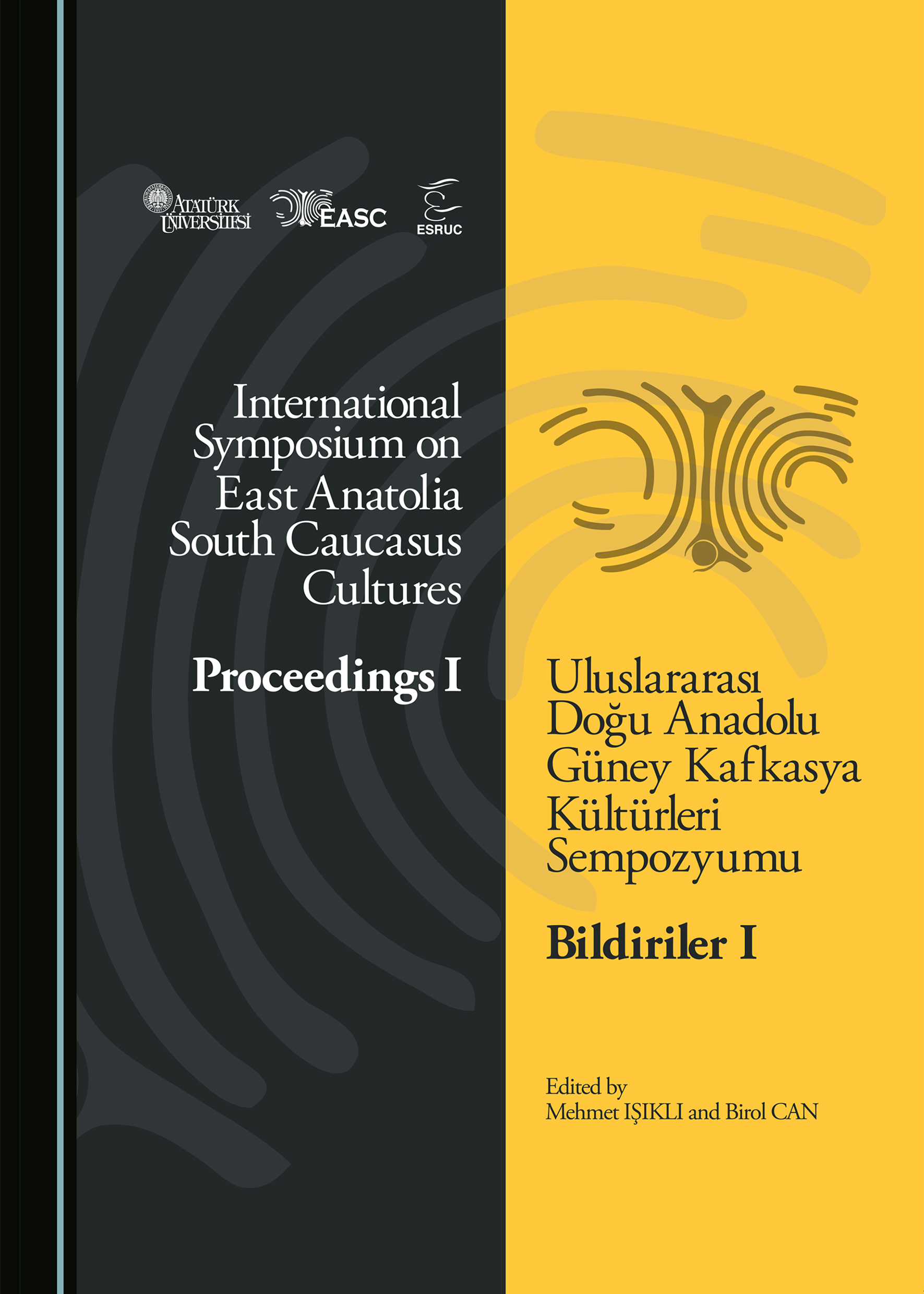
The Southern Caucasus is a historically vital but under-researched region. This publication presents 75 selected articles from an international symposium, exploring the area's cultures from earliest times to the Middle Ages through archaeology and art history.
The Southern Caucasus is a historically vital but under-researched region. This publication presents 75 selected articles from an international symposium, exploring the area’s cultures from earliest times to the Middle Ages through archaeology and art history.
View more
This product has multiple variants. The options may be chosen on the product page
View more
This product has multiple variants. The options may be chosen on the product page
Muge 150th
The 150th Anniversary of the Discovery of Mesolithic Shellmiddens—Volume 1
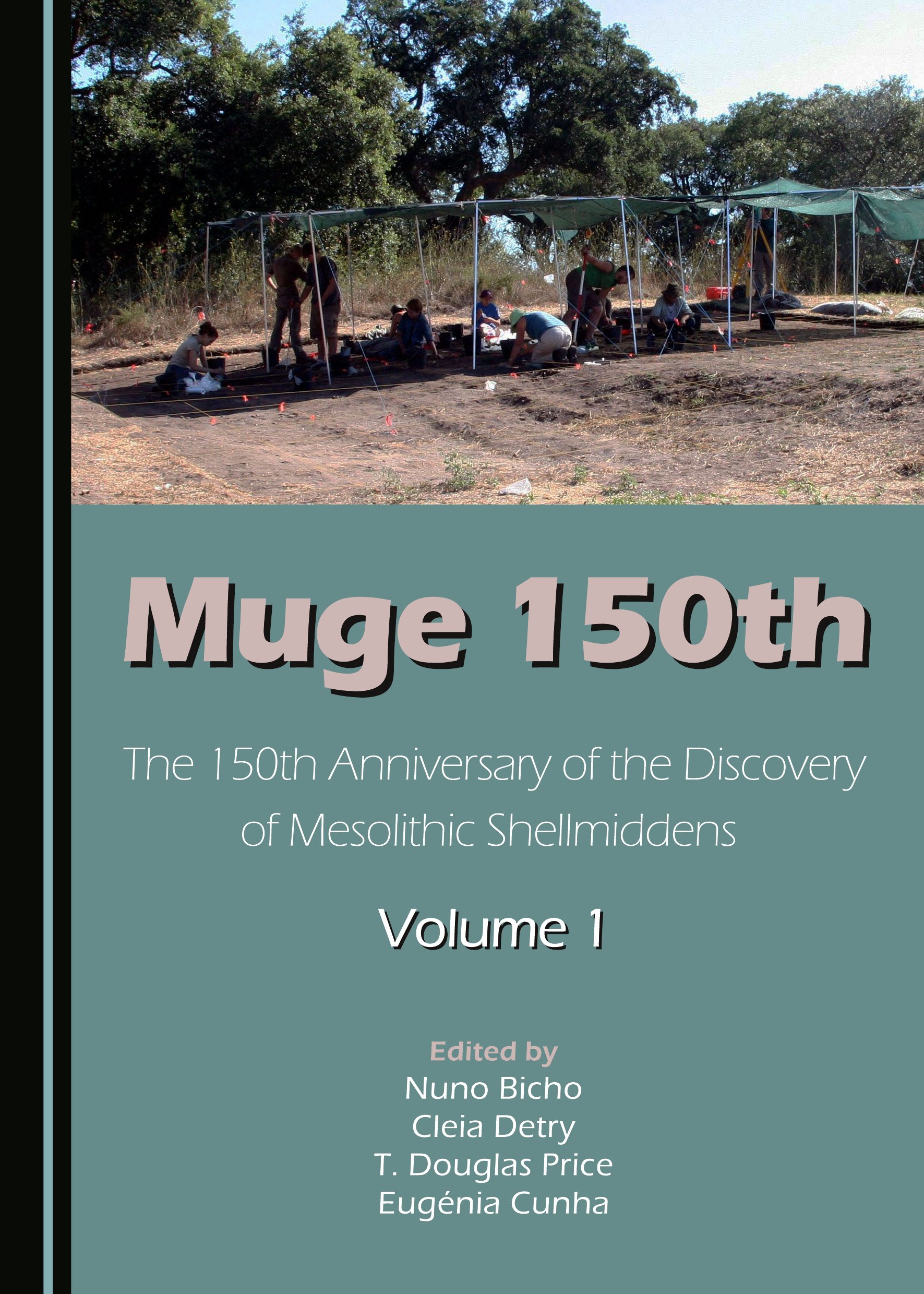
This first volume of Muge 150th focuses on the Mesolithic structures of the Muge and Sado Valleys. Contributions cover a wide range of archaeological and anthropological themes, including diet, migration, settlement, technology, and social complexity.
This first volume of Muge 150th focuses on the Mesolithic structures of the Muge and Sado Valleys. Contributions cover a wide range of archaeological and anthropological themes, including diet, migration, settlement, technology, and social complexity.
View more
This product has multiple variants. The options may be chosen on the product page
View more
This product has multiple variants. The options may be chosen on the product page
The Archaeology of Anatolia
Recent Discoveries (2011-2014) Volume I
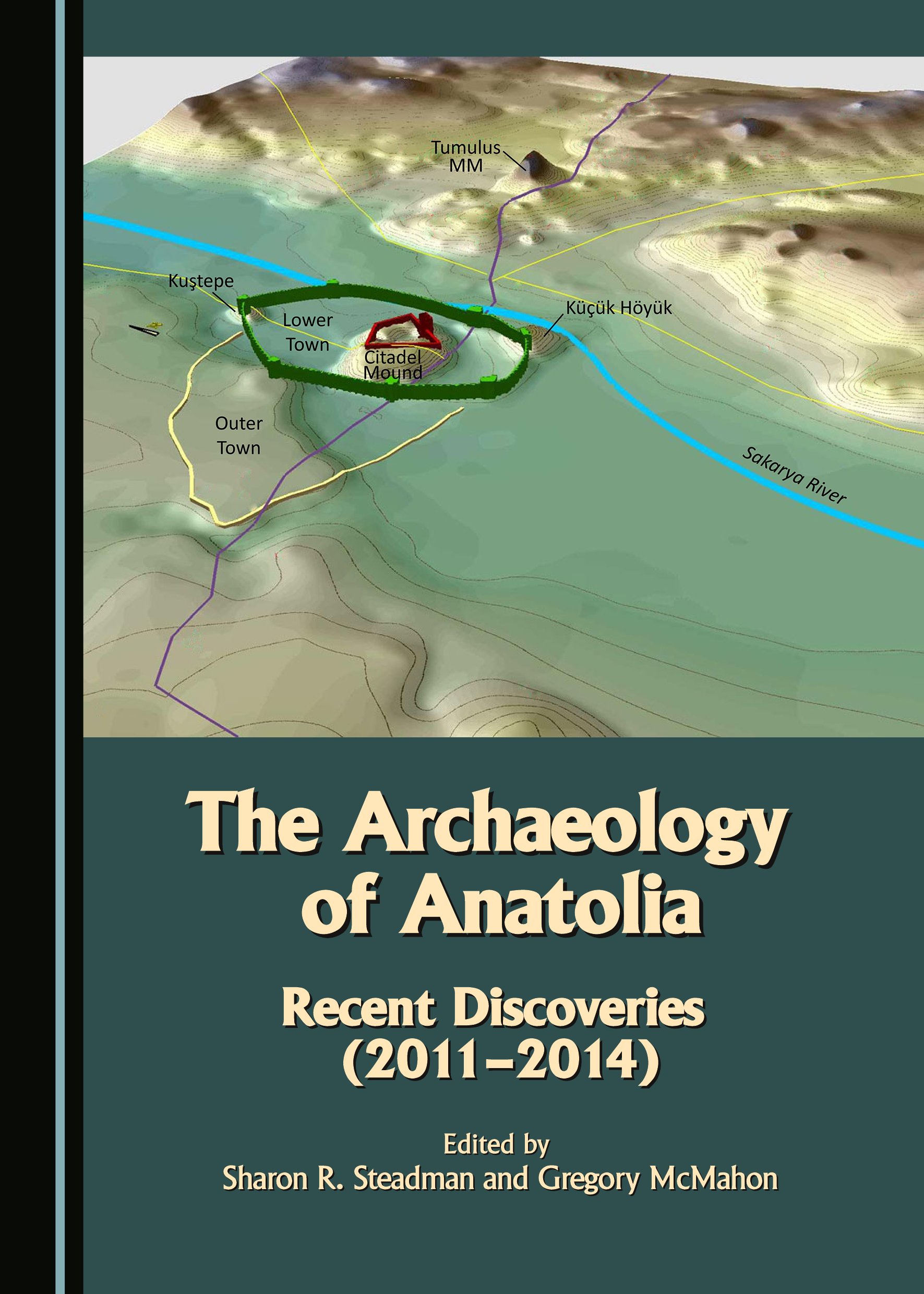
This volume brings together the latest reports on archaeological projects from every region of Anatolia. Scholars present their most recent data, providing results years ahead of final publication and ensuring a timely presentation of their fieldwork and research.
This volume brings together the latest reports on archaeological projects from every region of Anatolia. Scholars present their most recent data, providing results years ahead of final publication and ensuring a timely presentation of their fieldwork and research.
View more
This product has multiple variants. The options may be chosen on the product page
View more
This product has multiple variants. The options may be chosen on the product page
Lemesos
A History of Limassol in Cyprus from Antiquity to the Ottoman Conquest
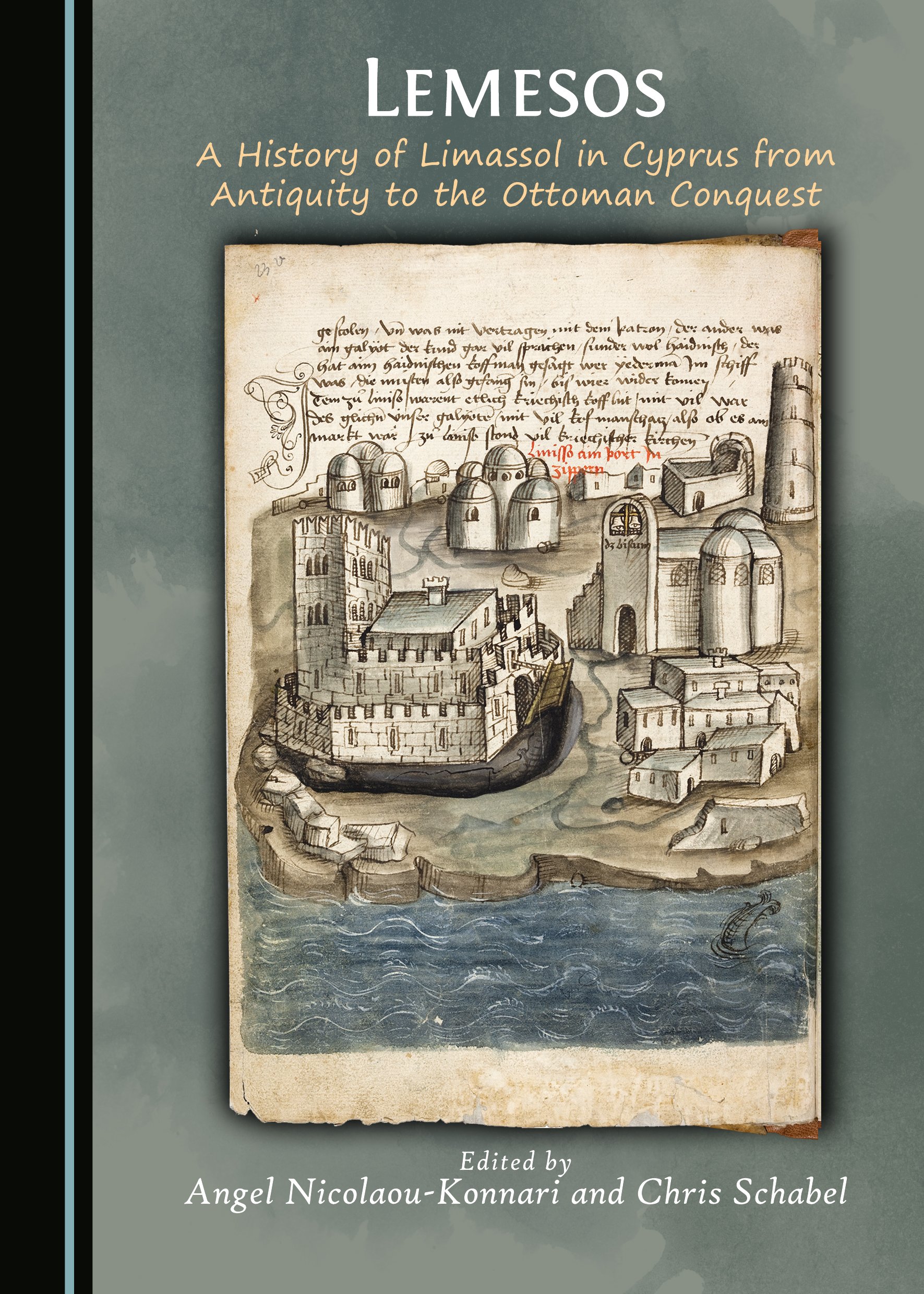
This is the first scholarly work in English on the history of Limassol, Cyprus, from antiquity to the 1570 Ottoman conquest. Six scholars explore Limassol’s political, social, economic, artistic, and cultural history.
This is the first scholarly work in English on the history of Limassol, Cyprus, from antiquity to the 1570 Ottoman conquest. Six scholars explore Limassol’s political, social, economic, artistic, and cultural history.
View more
This product has multiple variants. The options may be chosen on the product page
View more
This product has multiple variants. The options may be chosen on the product page
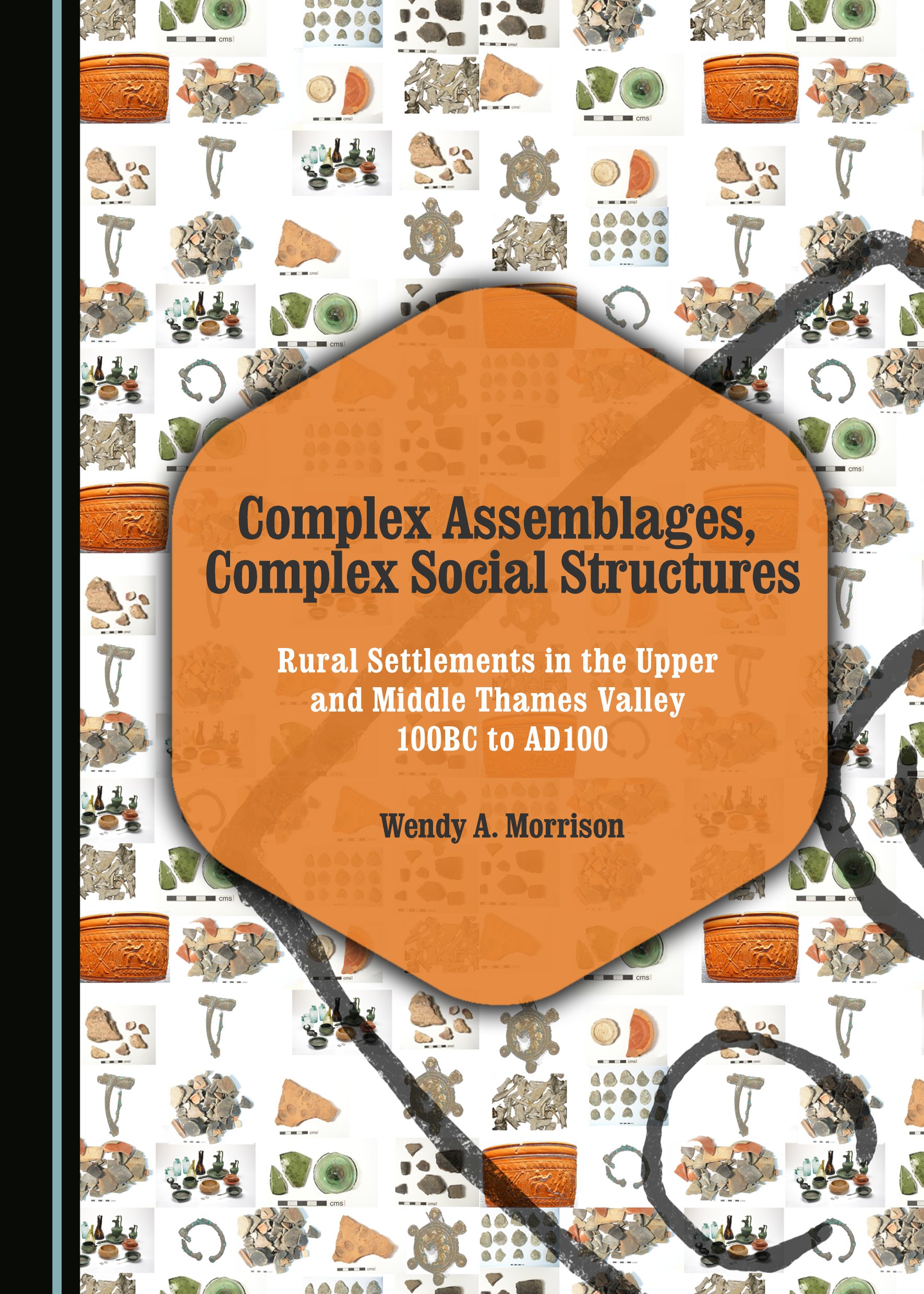
Complex Assemblages, Complex Social Structures
Rural Settlements in the Upper and Middle Thames Valley 100BC to AD100
This monograph examines the rural settlements of Late Iron Age and Early Roman Britain through the lens of Cultural Theory in order to provide a picture of a more nuanced and diverse human landscape.
This monograph examines the rural settlements of Late Iron Age and Early Roman Britain through the lens of Cultural Theory in order to provide a picture of a more nuanced and diverse human landscape.
View more
This product has multiple variants. The options may be chosen on the product page
View more
This product has multiple variants. The options may be chosen on the product page
£62.99
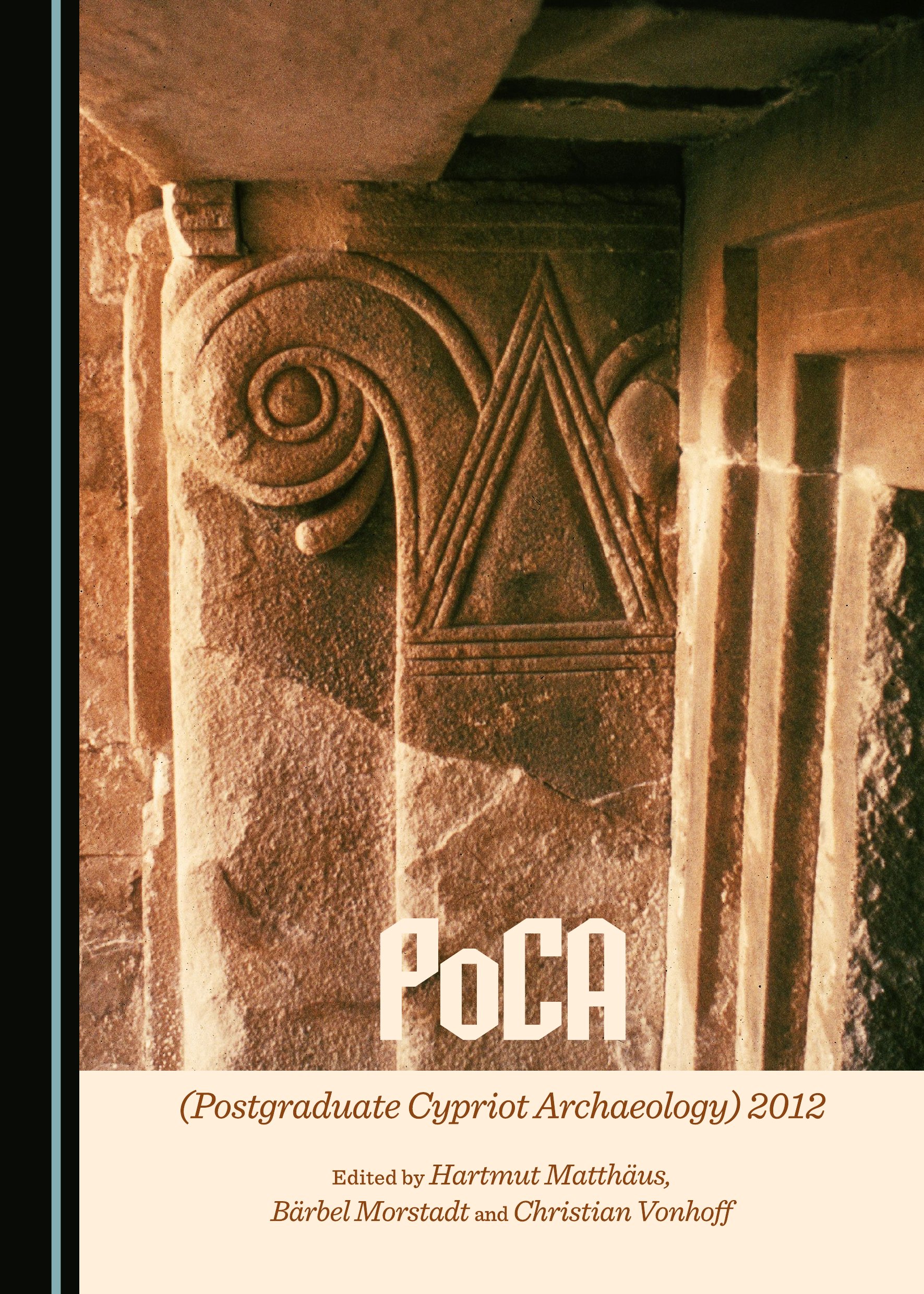
This volume offers an interdisciplinary approach to Cypriot archaeology and material culture, from the 3rd millennium B.C. to modern times. Contributions illuminate various aspects of the island's history, with a special focus on the formative Bronze Age.
This volume offers an interdisciplinary approach to Cypriot archaeology and material culture, from the 3rd millennium B.C. to modern times. Contributions illuminate various aspects of the island’s history, with a special focus on the formative Bronze Age.
View more
This product has multiple variants. The options may be chosen on the product page
View more
This product has multiple variants. The options may be chosen on the product page
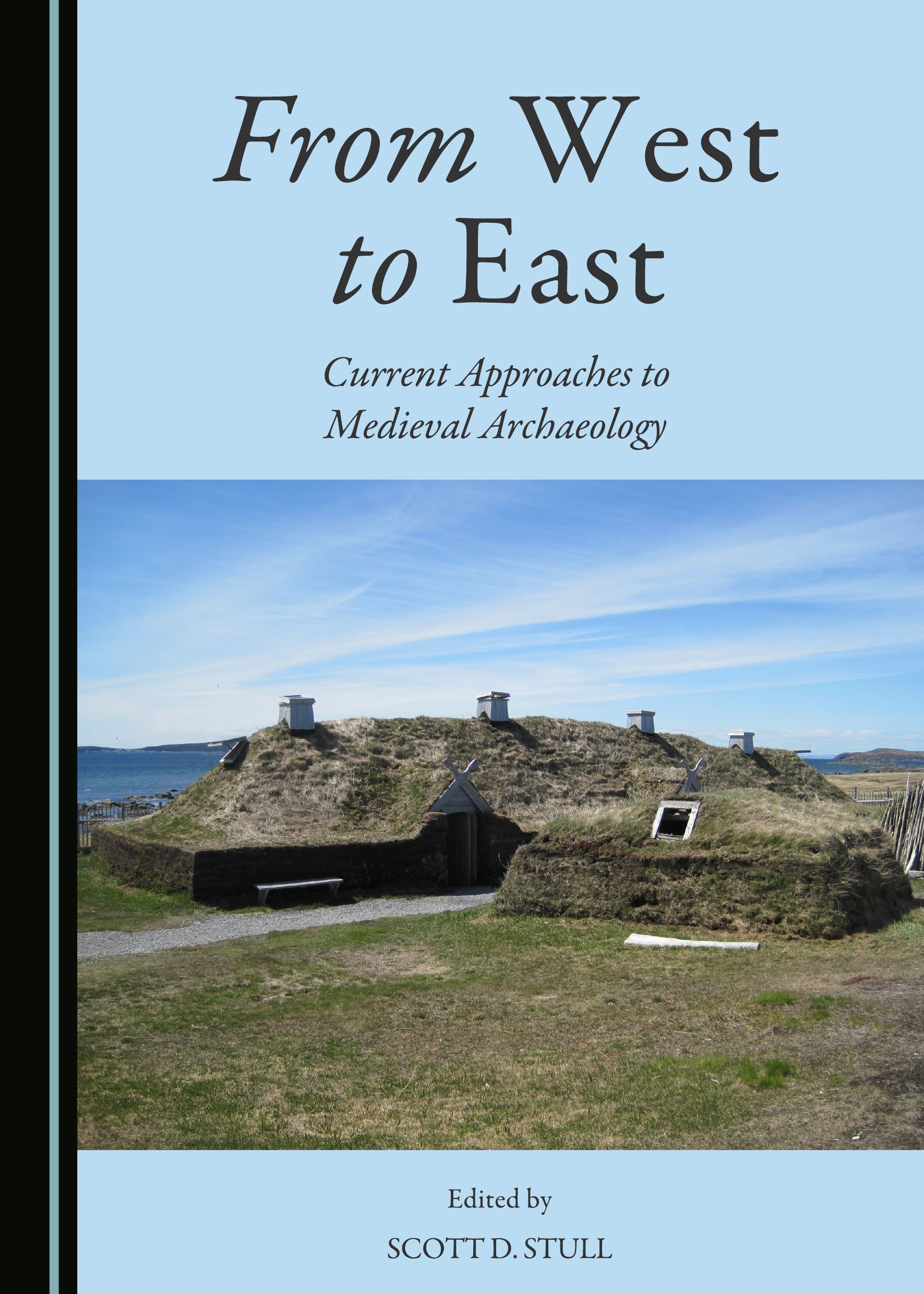
From West to East
Current Approaches to Medieval Archaeology
A sweeping overview of new research in medieval archaeology. This collection unites cutting-edge theory with global case studies—from Viking Vinland and Irish castles to Byzantine sites and the medieval diet. A vital look at the latest work in the field.
A sweeping overview of new research in medieval archaeology. This collection unites cutting-edge theory with global case studies—from Viking Vinland and Irish castles to Byzantine sites and the medieval diet. A vital look at the latest work in the field.
View more
This product has multiple variants. The options may be chosen on the product page
View more
This product has multiple variants. The options may be chosen on the product page
£41.99
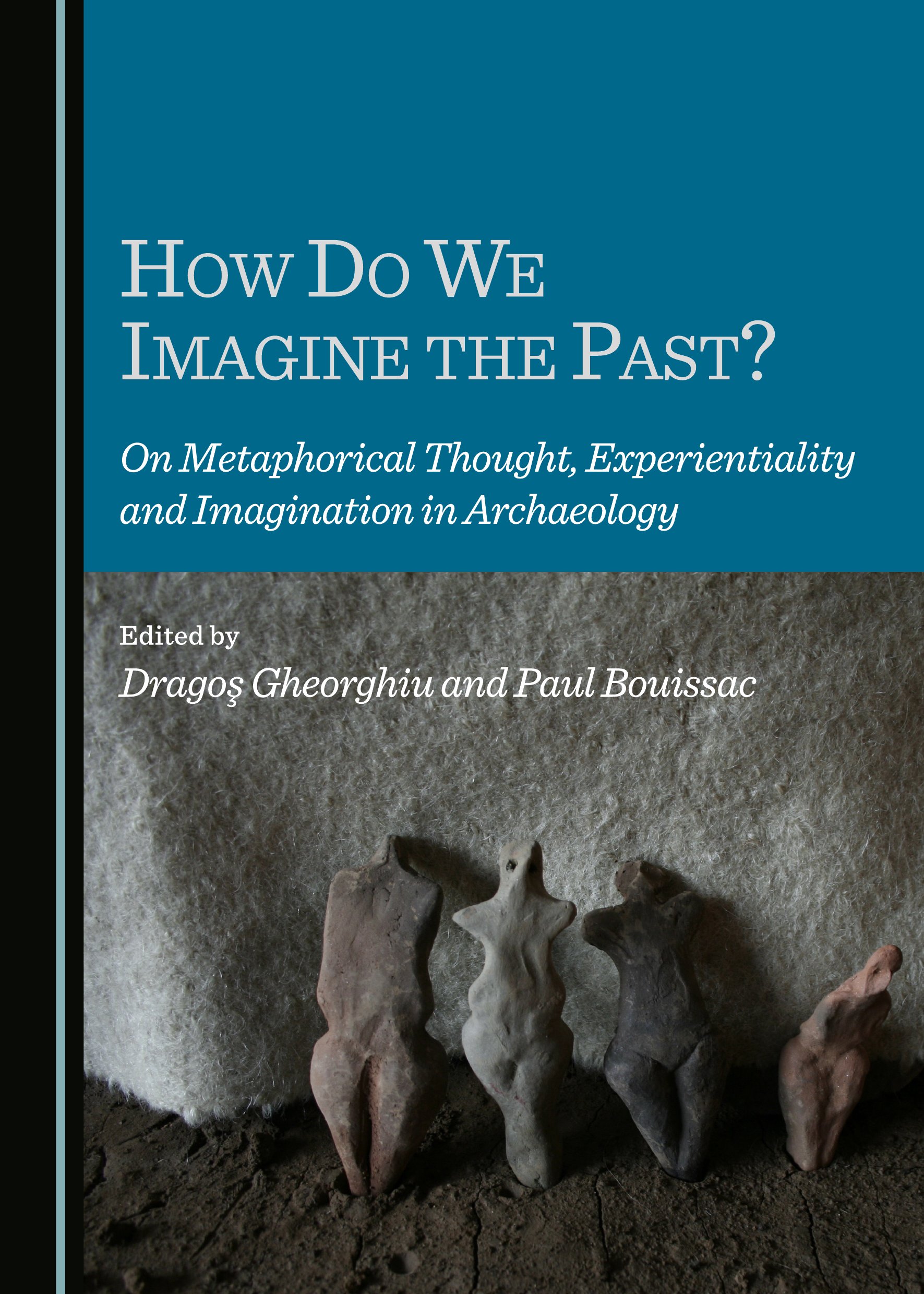
Archaeology’s objective approach has been revealed as a subjective process. This book considers the question: how does the archaeologist think today? Through personal narratives, archaeologists describe their methods in the process of imagining the past.
Archaeology’s objective approach has been revealed as a subjective process. This book considers the question: how does the archaeologist think today? Through personal narratives, archaeologists describe their methods in the process of imagining the past.
View more
This product has multiple variants. The options may be chosen on the product page
View more
This product has multiple variants. The options may be chosen on the product page
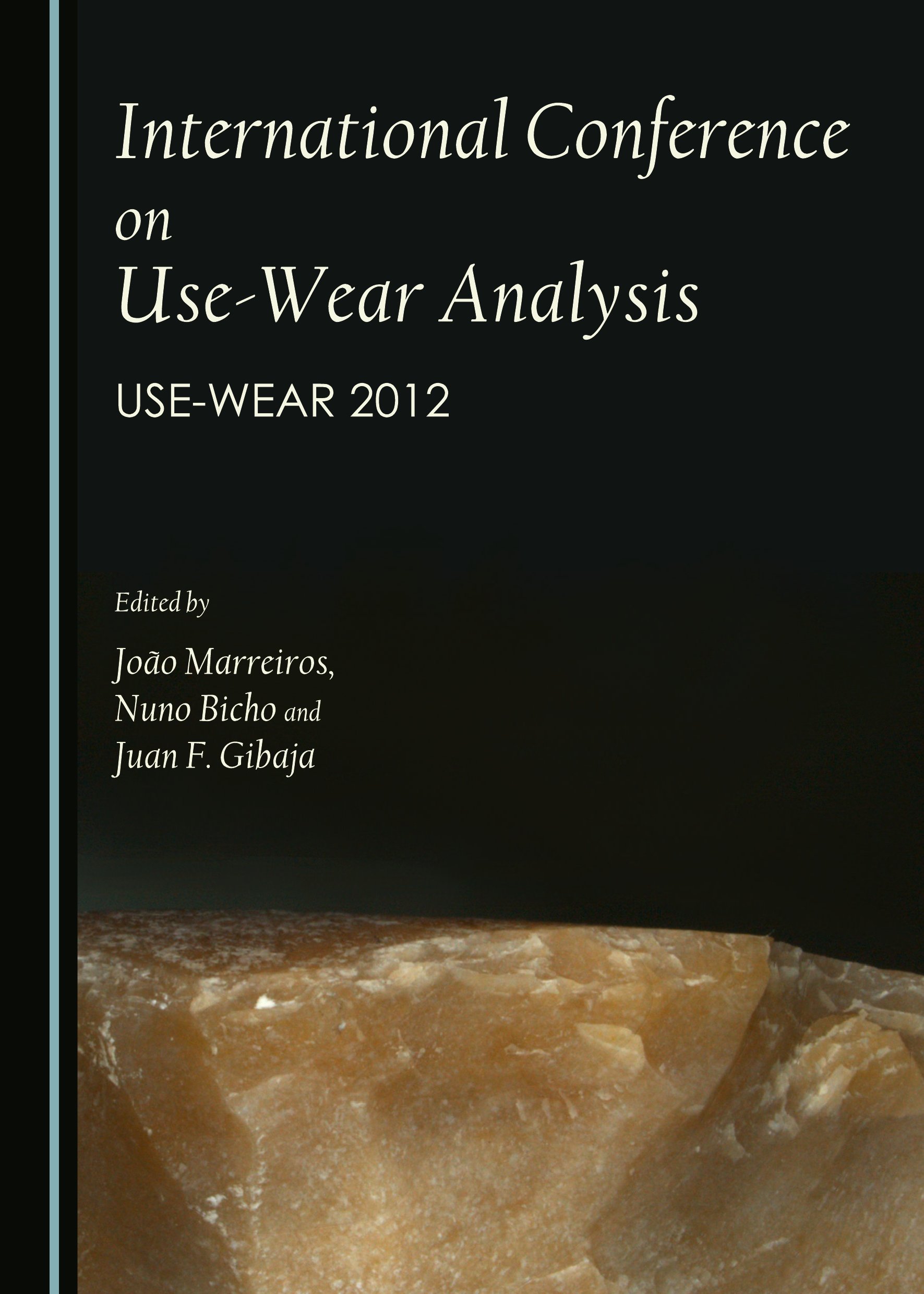
International Conference on Use-Wear Analysis
Use-Wear 2012
This volume explores use-wear studies as a proxy for prehistoric techno-cultural reconstruction. Discussing various research methods, techniques, chronologies, and regions, this book will be of interest to both archaeologists and anthropologists.
This volume explores use-wear studies as a proxy for prehistoric techno-cultural reconstruction. Discussing various research methods, techniques, chronologies, and regions, this book will be of interest to both archaeologists and anthropologists.
View more
This product has multiple variants. The options may be chosen on the product page
View more
This product has multiple variants. The options may be chosen on the product page
The Orthodox Hegel
Development Further Developed
This book assesses the consequences of Hegelian thought for spirituality, showing how the Christian movement is Spirit itself impelling. Capturing absolute idealism for orthodoxy, it develops themes of logic, Trinity, incarnation, and the absolute.
This book assesses the consequences of Hegelian thought for spirituality, showing how the Christian movement is Spirit itself impelling. Capturing absolute idealism for orthodoxy, it develops themes of logic, Trinity, incarnation, and the absolute.
View more
This product has multiple variants. The options may be chosen on the product page
View more
This product has multiple variants. The options may be chosen on the product page
£44.99
This book overcomes the fragmentation of moral philosophy by synthesizing aspects like consequences, duties, and values. It proposes a scale where each component is fulfilled in the next, culminating in the unique person as a loving being, our highest end.
This book overcomes the fragmentation of moral philosophy by synthesizing aspects like consequences, duties, and values. It proposes a scale where each component is fulfilled in the next, culminating in the unique person as a loving being, our highest end.
View more
This product has multiple variants. The options may be chosen on the product page
View more
This product has multiple variants. The options may be chosen on the product page
The Elusive Aryans
Archaeological Search and Vedic Research; The Origin of the Hindus
The elusiveness of the Aryans stems from their mysterious origins and their later assimilation in India. This book addresses both questions, re-examining archaeological material and Vedic literature to trace the transformation of their gods, rituals, and philosophy.
The elusiveness of the Aryans stems from their mysterious origins and their later assimilation in India. This book addresses both questions, re-examining archaeological material and Vedic literature to trace the transformation of their gods, rituals, and philosophy.
View more
This product has multiple variants. The options may be chosen on the product page
Processing Your Order
Please wait while we securely process your order.
Do not refresh or leave this page.
You will be redirected shortly to a confirmation page with your order number.