
View more
This product has multiple variants. The options may be chosen on the product page
£62.99
Despite its great historical and cultural importance, the Southern Caucasus has been inadequately researched. This two-volume publication compiles 75 articles from an international symposium exploring the region's cultures from earliest times to the Middle Ages.
Despite its great historical and cultural importance, the Southern Caucasus has been inadequately researched. This two-volume publication compiles 75 articles from an international symposium exploring the region’s cultures from earliest times to the Middle Ages.
View more
This product has multiple variants. The options may be chosen on the product page
View more
This product has multiple variants. The options may be chosen on the product page
£64.99
For the first time in English, this volume presents three decades of research on Bol’shoy Yakor’ I, a key Late Pleistocene site in Eastern Siberia. Through detailed study of lithic production and hunting, it reveals the seasonal cycles of prehistoric hunter-gatherers.
For the first time in English, this volume presents three decades of research on Bol’shoy Yakor’ I, a key Late Pleistocene site in Eastern Siberia. Through detailed study of lithic production and hunting, it reveals the seasonal cycles of prehistoric hunter-gatherers.
View more
This product has multiple variants. The options may be chosen on the product page
View more
This product has multiple variants. The options may be chosen on the product page
£64.99
These articles offer invaluable insights into the results of different interactions between “Romans” and Others. They cover a huge geographical area, from Britain, across Europe to the Near East, and provide information on the Roman Empire as seen through the eyes of foreigners.
These articles offer invaluable insights into the results of different interactions between “Romans” and Others. They cover a huge geographical area, from Britain, across Europe to the Near East, and provide information on the Roman Empire as seen through the eyes of foreigners.
View more
This product has multiple variants. The options may be chosen on the product page
View more
This product has multiple variants. The options may be chosen on the product page
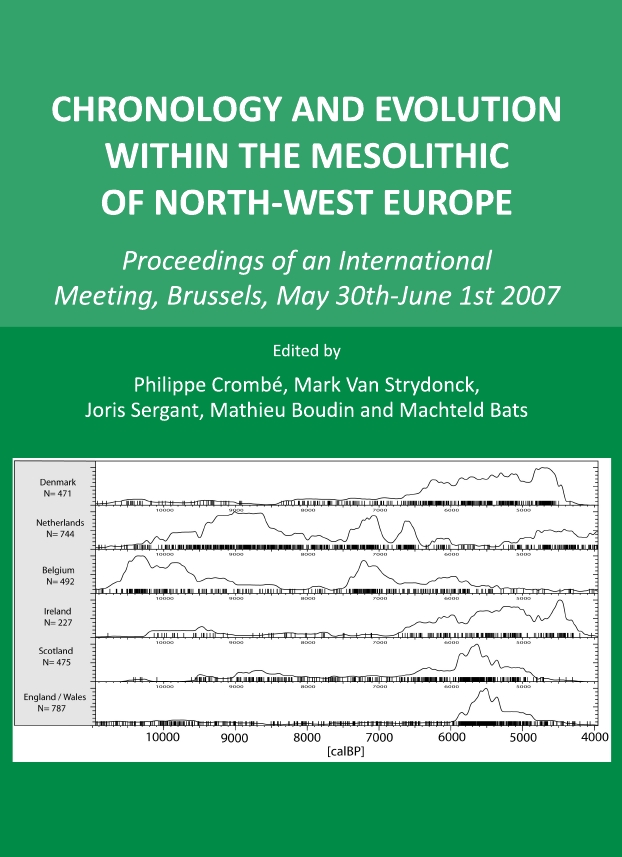
Chronology and Evolution within the Mesolithic of North-West Europe
Proceedings of an International Meeting, Brussels, May 30th-June 1st 2007
These proceedings focus on the contribution of carbon-14 dates to Mesolithic research in North-West Europe. 40 papers cover themes like lithic industries, settlement patterns, burial practices, human impact on the environment, and neolithisation.
These proceedings focus on the contribution of carbon-14 dates to Mesolithic research in North-West Europe. 40 papers cover themes like lithic industries, settlement patterns, burial practices, human impact on the environment, and neolithisation.
View more
This product has multiple variants. The options may be chosen on the product page
View more
This product has multiple variants. The options may be chosen on the product page
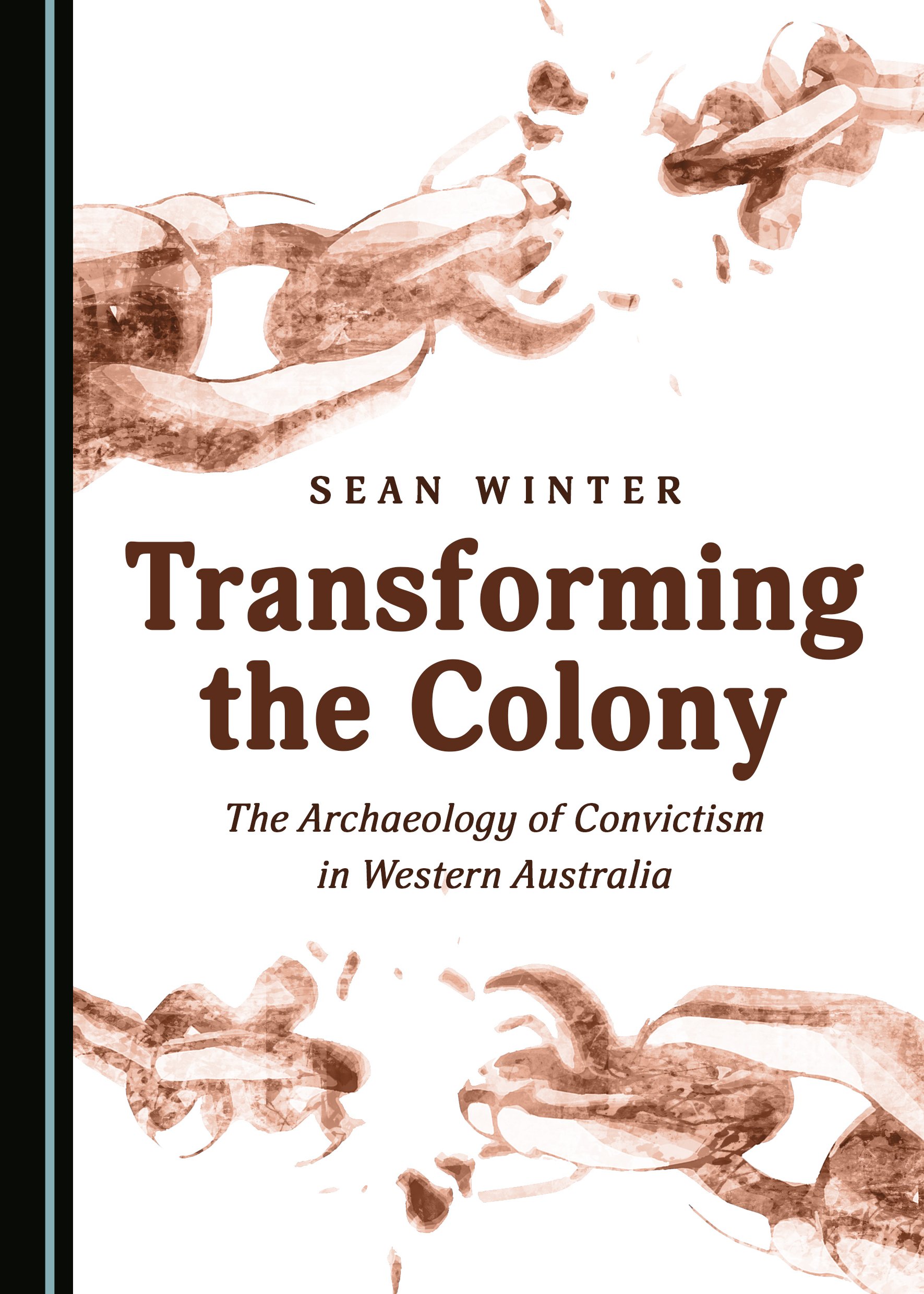
Transforming the Colony
The Archaeology of Convictism in Western Australia
Winter investigates the lives of convicts transported to Western Australia, particularly how their presence in the colony served as a form of modernity, fundamentally transforming it in the process.
Winter investigates the lives of convicts transported to Western Australia, particularly how their presence in the colony served as a form of modernity, fundamentally transforming it in the process.
View more
This product has multiple variants. The options may be chosen on the product page
View more
This product has multiple variants. The options may be chosen on the product page
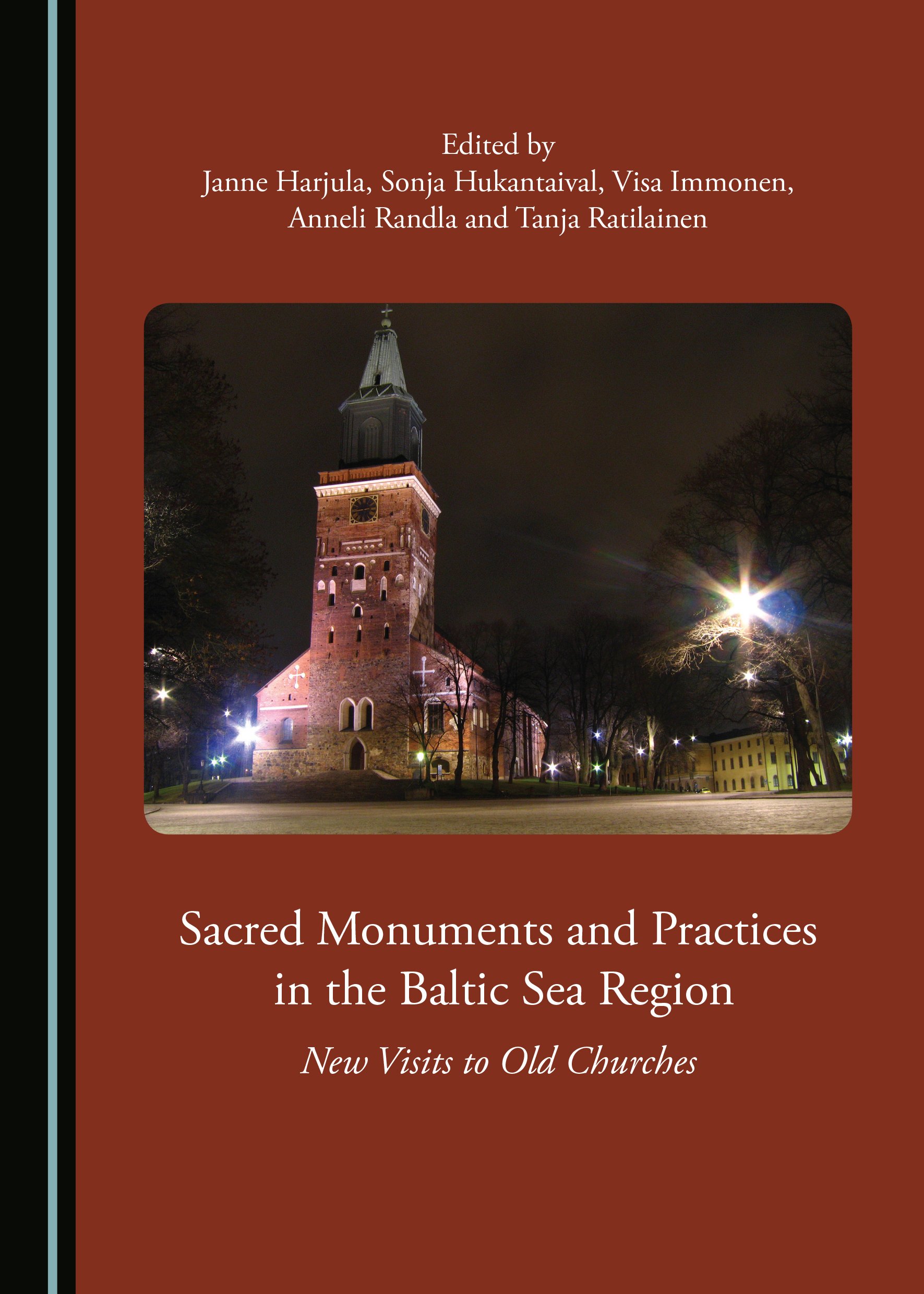
Sacred Monuments and Practices in the Baltic Sea Region
New Visits to Old Churches
Over recent decades, the scope of church archaeology has expanded immensely. This book provides a convincing testament to this development, with every chapter giving a distinctive perspective on the theme of sacred monuments and practices written by leading experts in the field.
Over recent decades, the scope of church archaeology has expanded immensely. This book provides a convincing testament to this development, with every chapter giving a distinctive perspective on the theme of sacred monuments and practices written by leading experts in the field.
View more
This product has multiple variants. The options may be chosen on the product page
View more
This product has multiple variants. The options may be chosen on the product page
£66.99
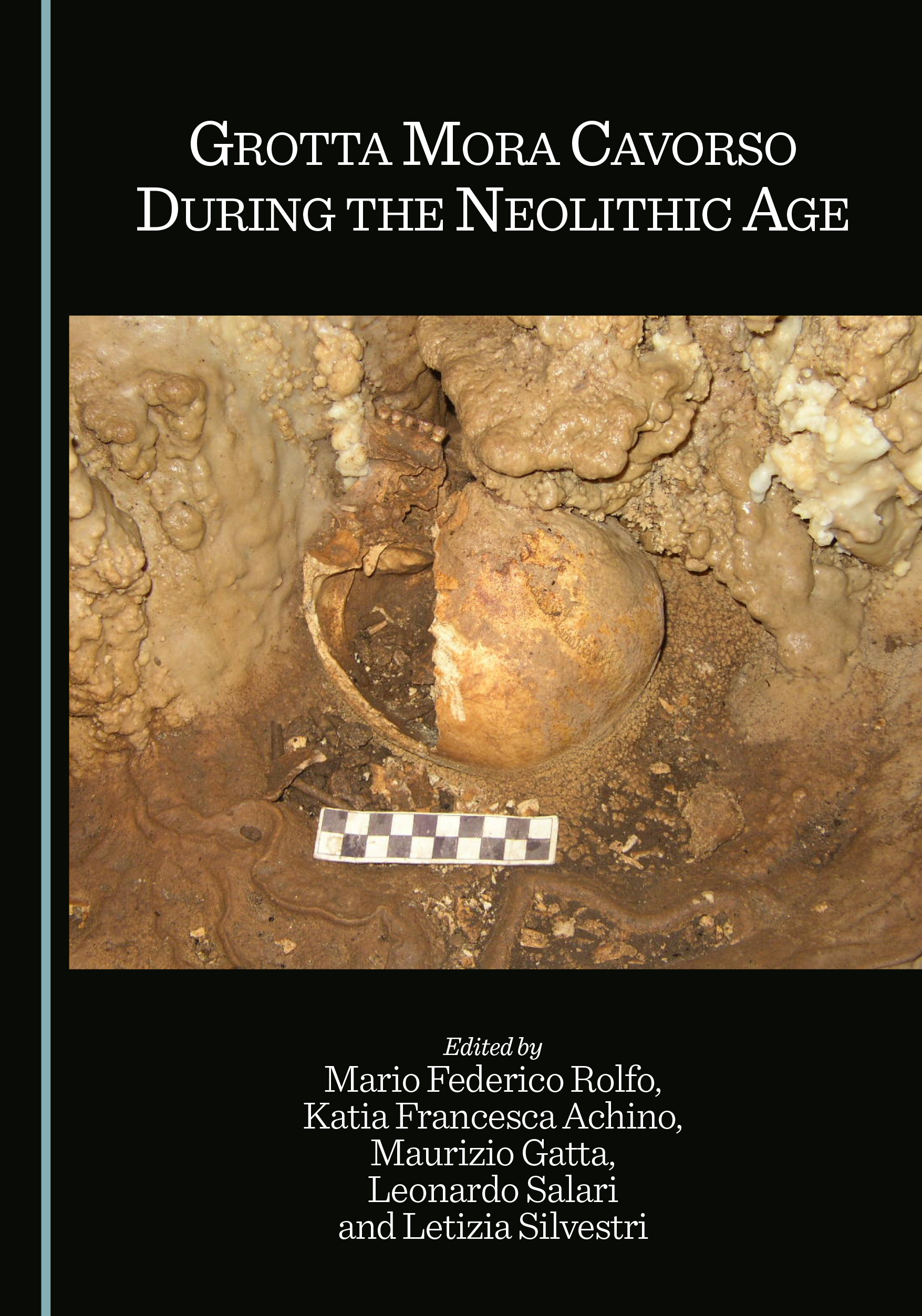
This second volume on Grotta Mora Cavorso presents multidisciplinary analyses of the cave's Neolithic occupation. Discover one of the largest collective burial caves in the Mediterranean, revealing its complex and multi-layered use as a ritual place in central Italy.
This second volume on Grotta Mora Cavorso presents multidisciplinary analyses of the cave’s Neolithic occupation. Discover one of the largest collective burial caves in the Mediterranean, revealing its complex and multi-layered use as a ritual place in central Italy.
View more
This product has multiple variants. The options may be chosen on the product page
View more
This product has multiple variants. The options may be chosen on the product page
£67.99
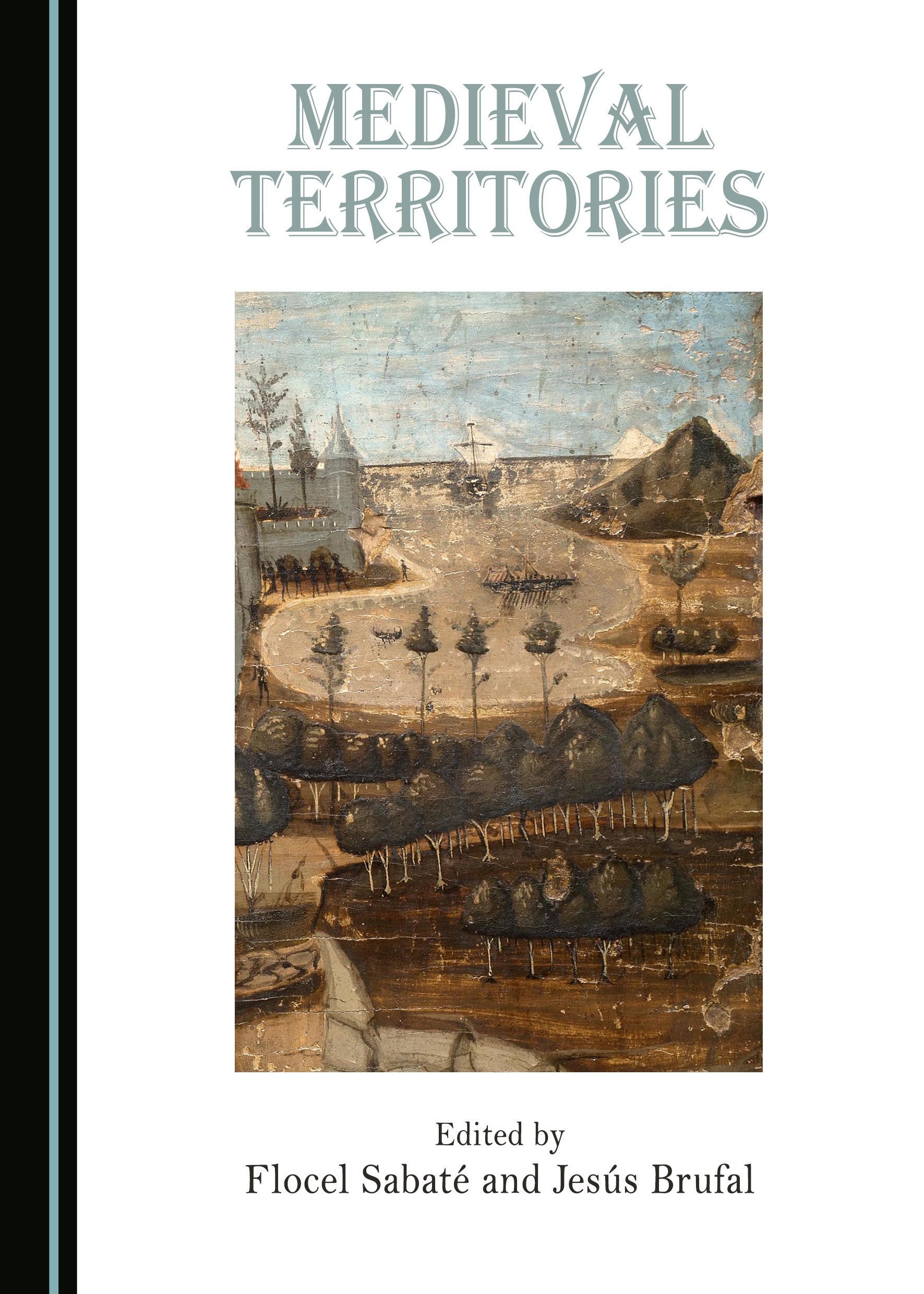
This compendium brings together 18 case studies investigating territory in the Middle Ages from an archaeological perspective. The contributions focus especially on cases in Portugal, Spain and Italy, in order to provide a Mediterranean perspective.
This compendium brings together 18 case studies investigating territory in the Middle Ages from an archaeological perspective. The contributions focus especially on cases in Portugal, Spain and Italy, in order to provide a Mediterranean perspective.
View more
This product has multiple variants. The options may be chosen on the product page
View more
This product has multiple variants. The options may be chosen on the product page
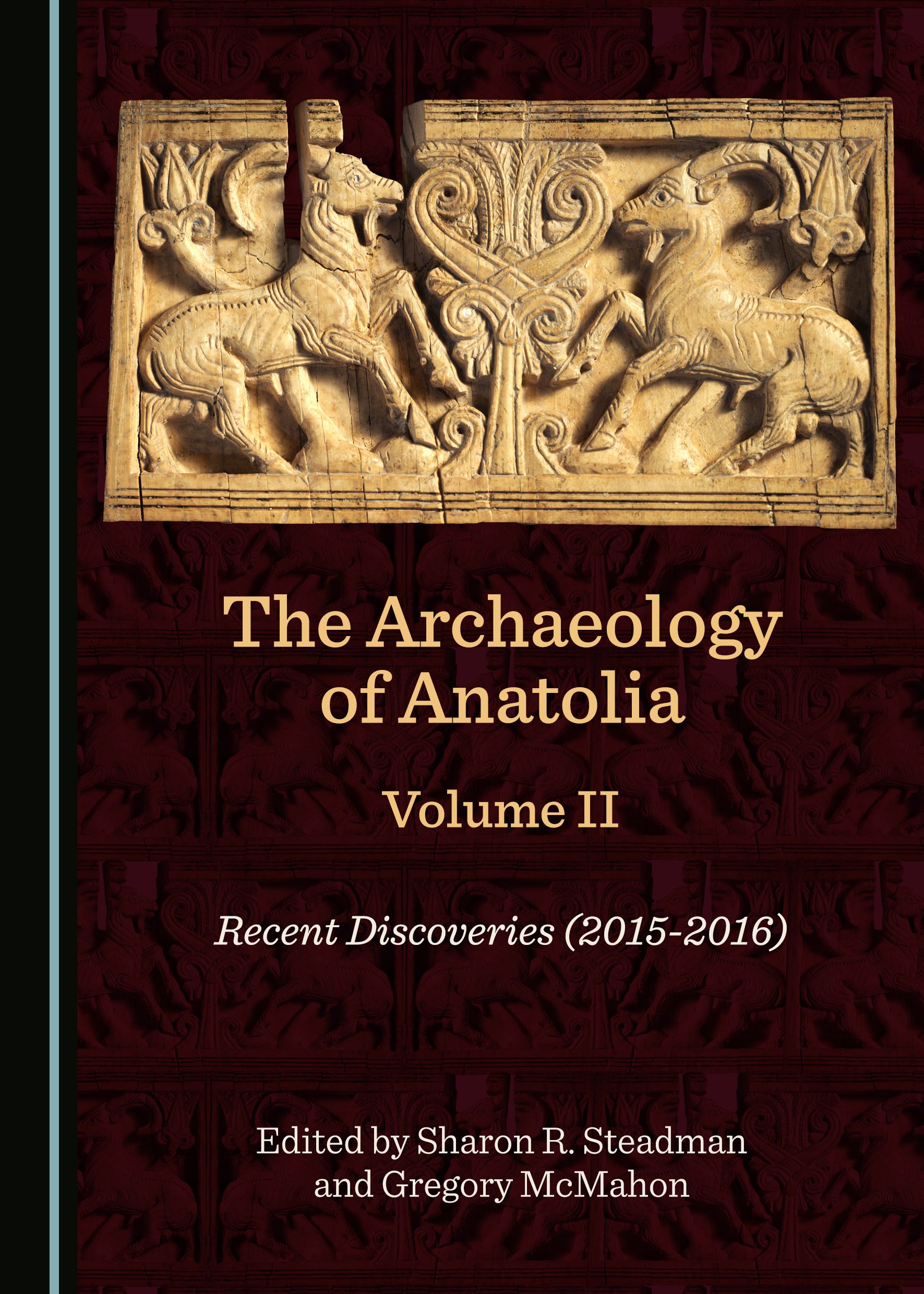
The Archaeology of Anatolia Volume II
Recent Discoveries (2015-2016)
This second volume in the Archaeology of Anatolia series offers reports on the most recent discoveries from across the Anatolian peninsula. Periods covered span the Epipalaeolithic to the Islamic, and sites and regions range from the western Anatolian coast to Van.
This second volume in the Archaeology of Anatolia series offers reports on the most recent discoveries from across the Anatolian peninsula. Periods covered span the Epipalaeolithic to the Islamic, and sites and regions range from the western Anatolian coast to Van.
View more
This product has multiple variants. The options may be chosen on the product page
View more
This product has multiple variants. The options may be chosen on the product page
£67.99
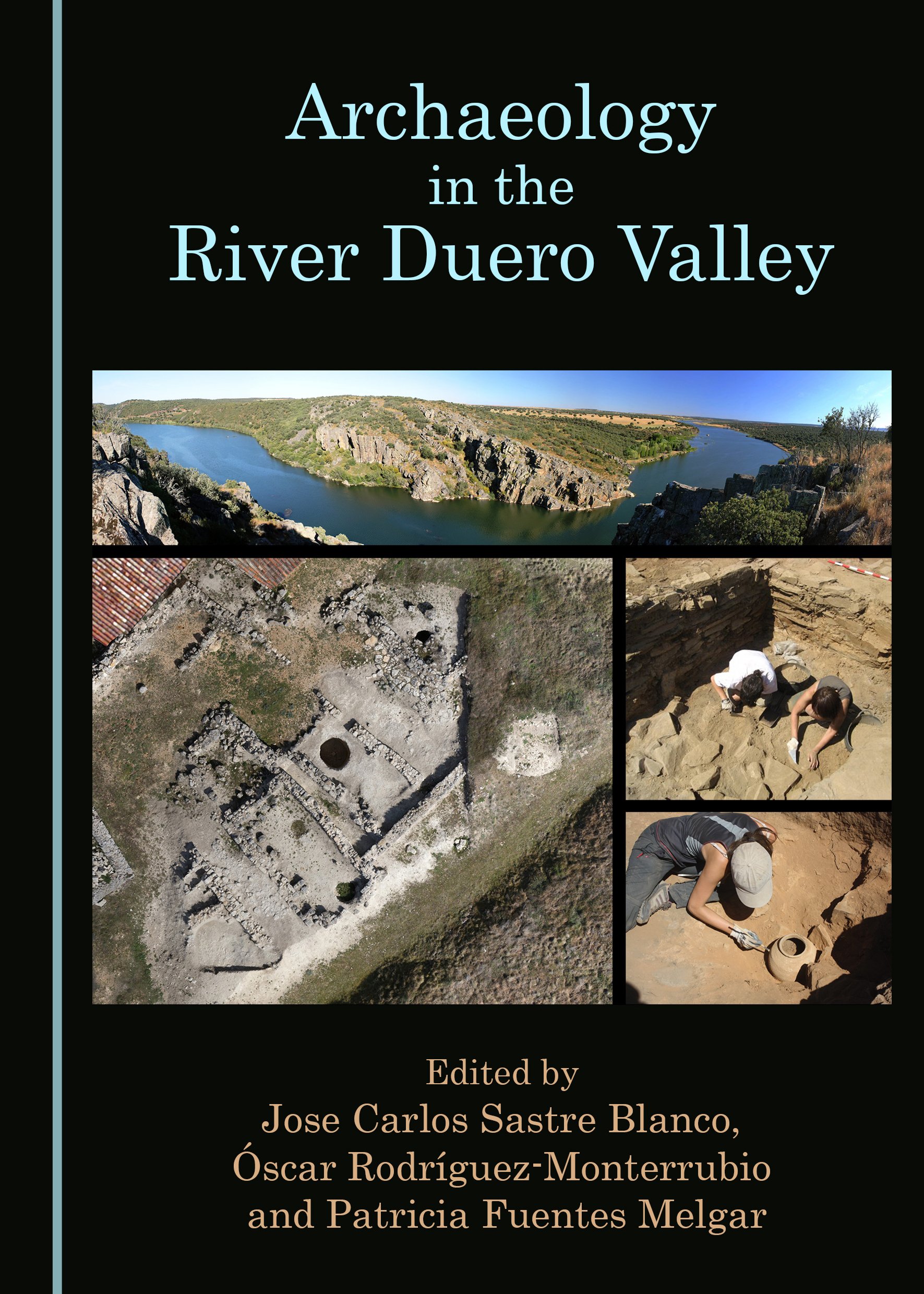
From Prehistory to the Middle Ages, the Duero River’s archaeological heritage is at risk. Before these sites are lost forever, the Zamoraprotohistórica society leads a programme to preserve them. This volume is a compilation of remarkable papers on the river's rich history.
From Prehistory to the Middle Ages, the Duero River’s archaeological heritage is at risk. Before these sites are lost forever, the Zamoraprotohistórica society leads a programme to preserve them. This volume is a compilation of remarkable papers on the river’s rich history.
View more
This product has multiple variants. The options may be chosen on the product page
View more
This product has multiple variants. The options may be chosen on the product page
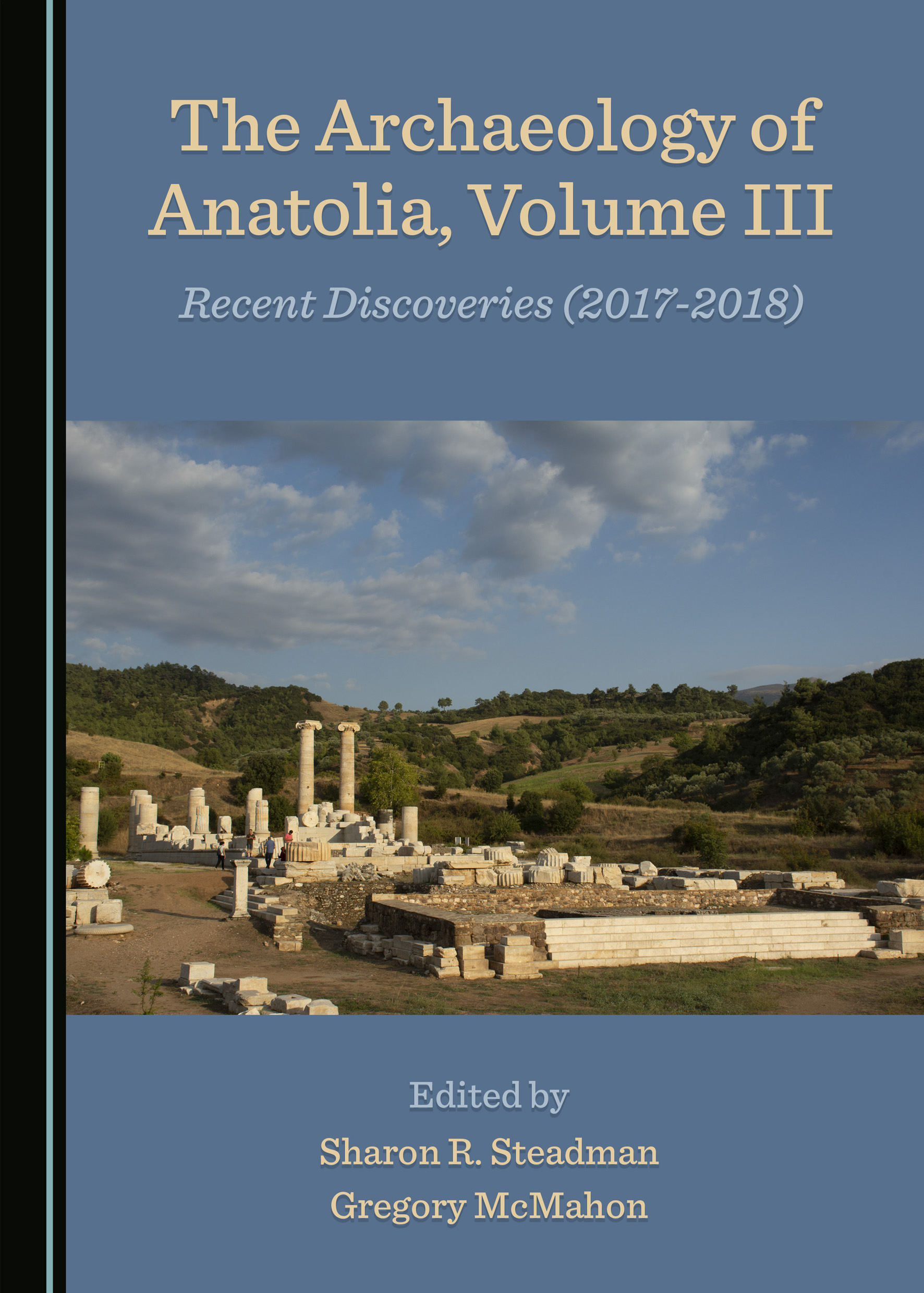
The Archaeology of Anatolia, Volume III
Recent Discoveries (2017–2018)
This third volume in the Archaeology of Anatolia series delivers timely updates from ongoing excavations across the peninsula. Covering the Epipalaeolithic to the Medieval, it features a new section presenting the latest critical findings and research in the field.
This third volume in the Archaeology of Anatolia series delivers timely updates from ongoing excavations across the peninsula. Covering the Epipalaeolithic to the Medieval, it features a new section presenting the latest critical findings and research in the field.
View more
This product has multiple variants. The options may be chosen on the product page
View more
This product has multiple variants. The options may be chosen on the product page
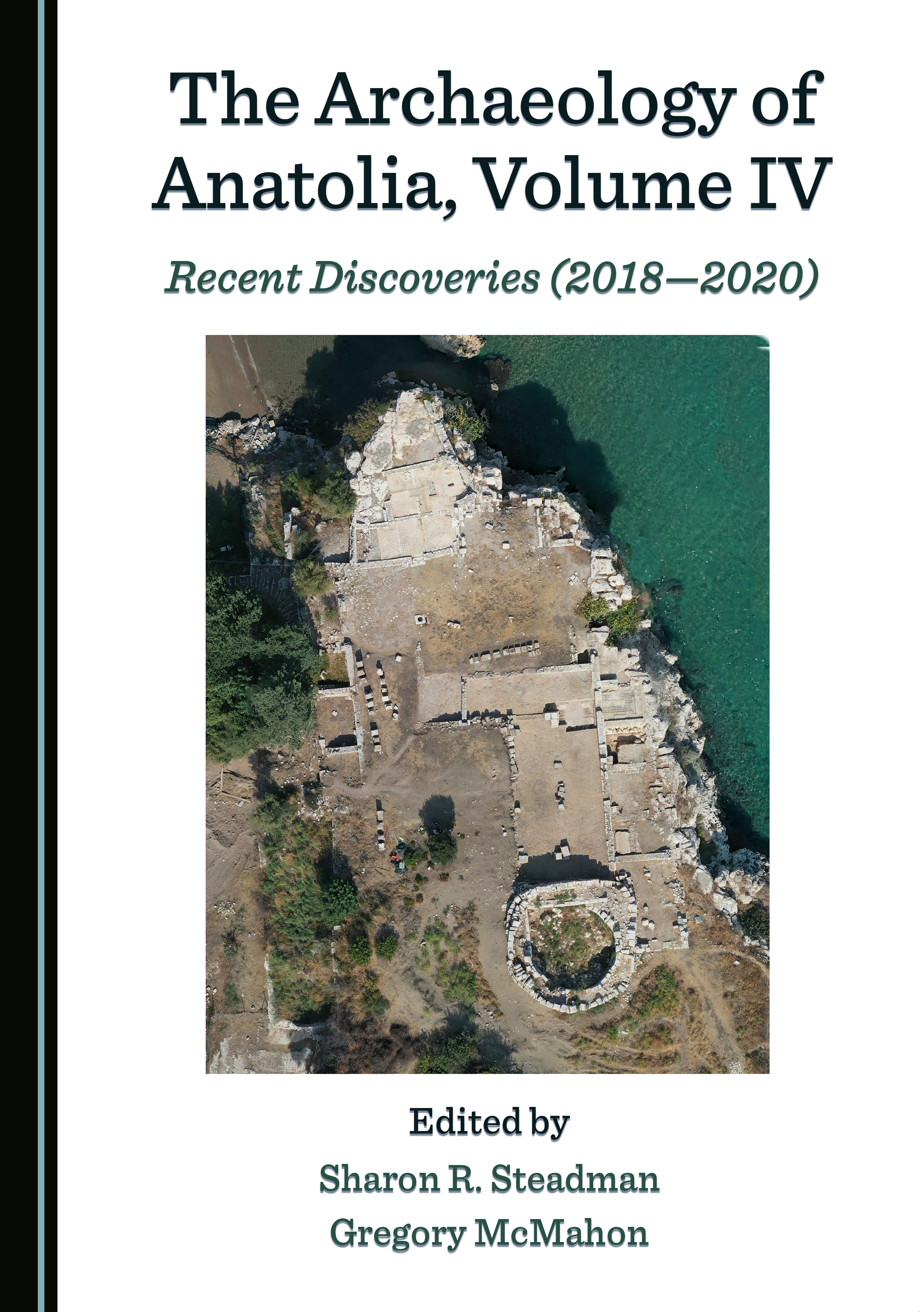
The Archaeology of Anatolia, Volume IV
Recent Discoveries (2018–2020)
This fourth volume in the Archaeology of Anatolia series offers reports on the most recent discoveries from across the peninsula. Periods covered span the Epipalaeolithic to the Medieval Age. The volume includes reviews of on-going excavations and a “State of the Field” section.
This fourth volume in the Archaeology of Anatolia series offers reports on the most recent discoveries from across the peninsula. Periods covered span the Epipalaeolithic to the Medieval Age. The volume includes reviews of on-going excavations and a “State of the Field” section.
View more
This product has multiple variants. The options may be chosen on the product page
View more
This product has multiple variants. The options may be chosen on the product page
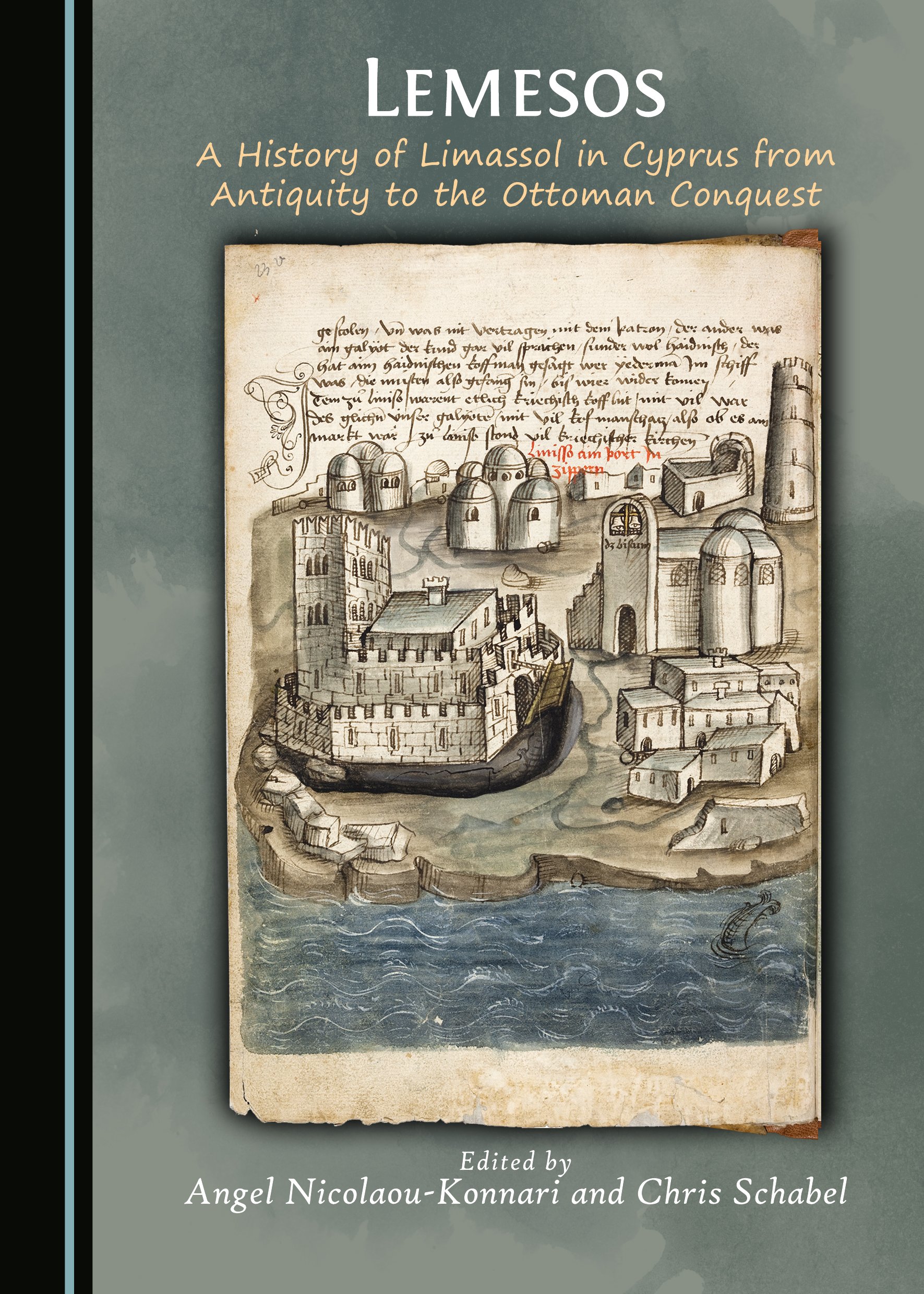
Lemesos
A History of Limassol in Cyprus from Antiquity to the Ottoman Conquest
This is the first scholarly work in English on the history of Limassol, Cyprus, from antiquity to the 1570 Ottoman conquest. Six scholars explore Limassol’s political, social, economic, artistic, and cultural history.
This is the first scholarly work in English on the history of Limassol, Cyprus, from antiquity to the 1570 Ottoman conquest. Six scholars explore Limassol’s political, social, economic, artistic, and cultural history.
View more
This product has multiple variants. The options may be chosen on the product page
View more
This product has multiple variants. The options may be chosen on the product page
International Conference on Use-Wear Analysis
Use-Wear 2012
This volume explores use-wear studies as a proxy for prehistoric techno-cultural reconstruction. Discussing various research methods, techniques, chronologies, and regions, this book will be of interest to both archaeologists and anthropologists.
This volume explores use-wear studies as a proxy for prehistoric techno-cultural reconstruction. Discussing various research methods, techniques, chronologies, and regions, this book will be of interest to both archaeologists and anthropologists.
View more
This product has multiple variants. The options may be chosen on the product page
View more
This product has multiple variants. The options may be chosen on the product page
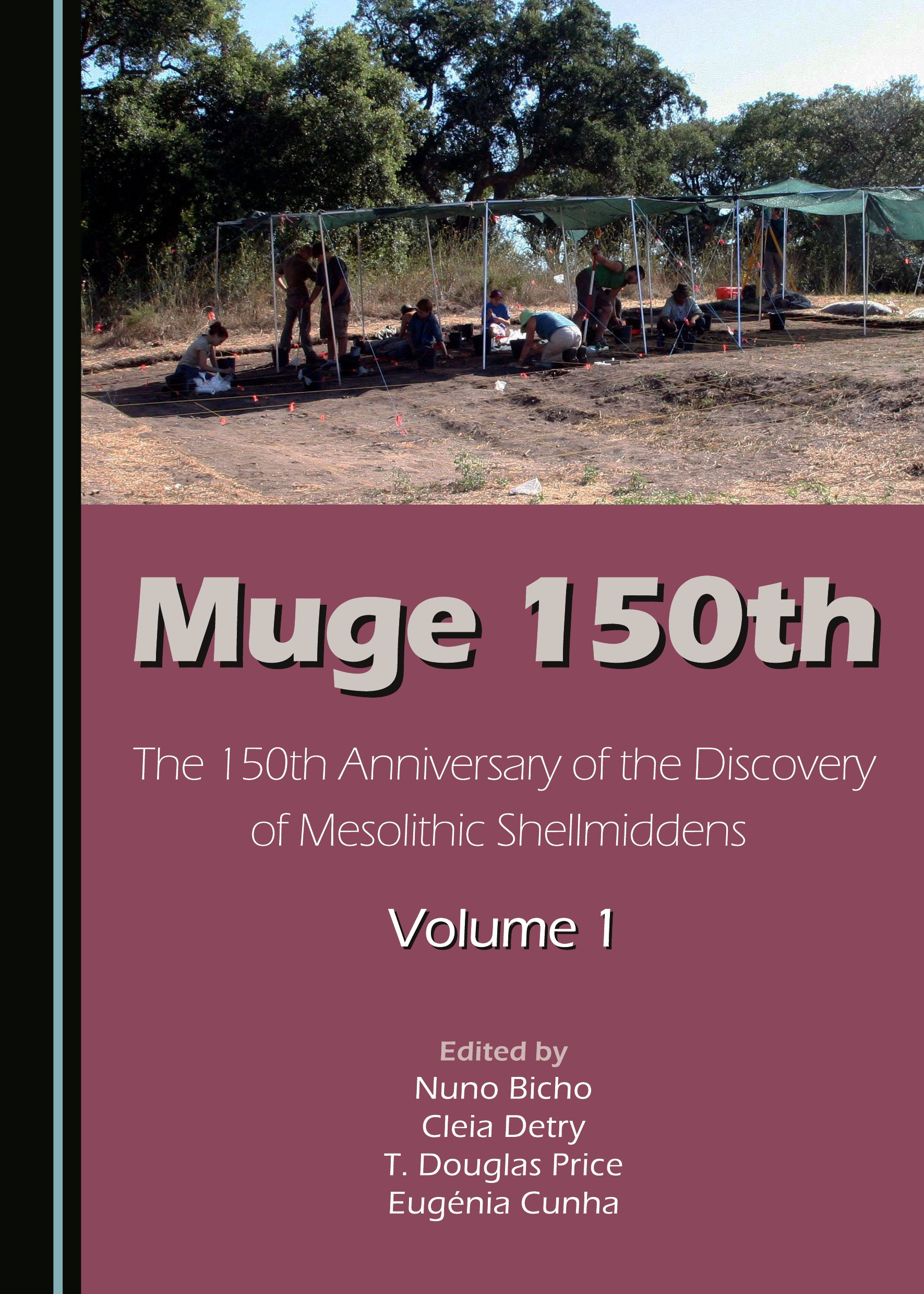
Muge 150th
The 150th Anniversary of the Discovery of Mesolithic Shellmiddens—Volumes 1 and 2
This publication explores a number of archaeological themes, and is divided into two volumes, with the first focusing on Mesolithic finds in the Muge and Sado valleys. The second volume discusses the general Mesolithic period and its transition to the Neolithic across Europe.
This publication explores a number of archaeological themes, and is divided into two volumes, with the first focusing on Mesolithic finds in the Muge and Sado valleys. The second volume discusses the general Mesolithic period and its transition to the Neolithic across Europe.
View more
This product has multiple variants. The options may be chosen on the product page
View more
This product has multiple variants. The options may be chosen on the product page
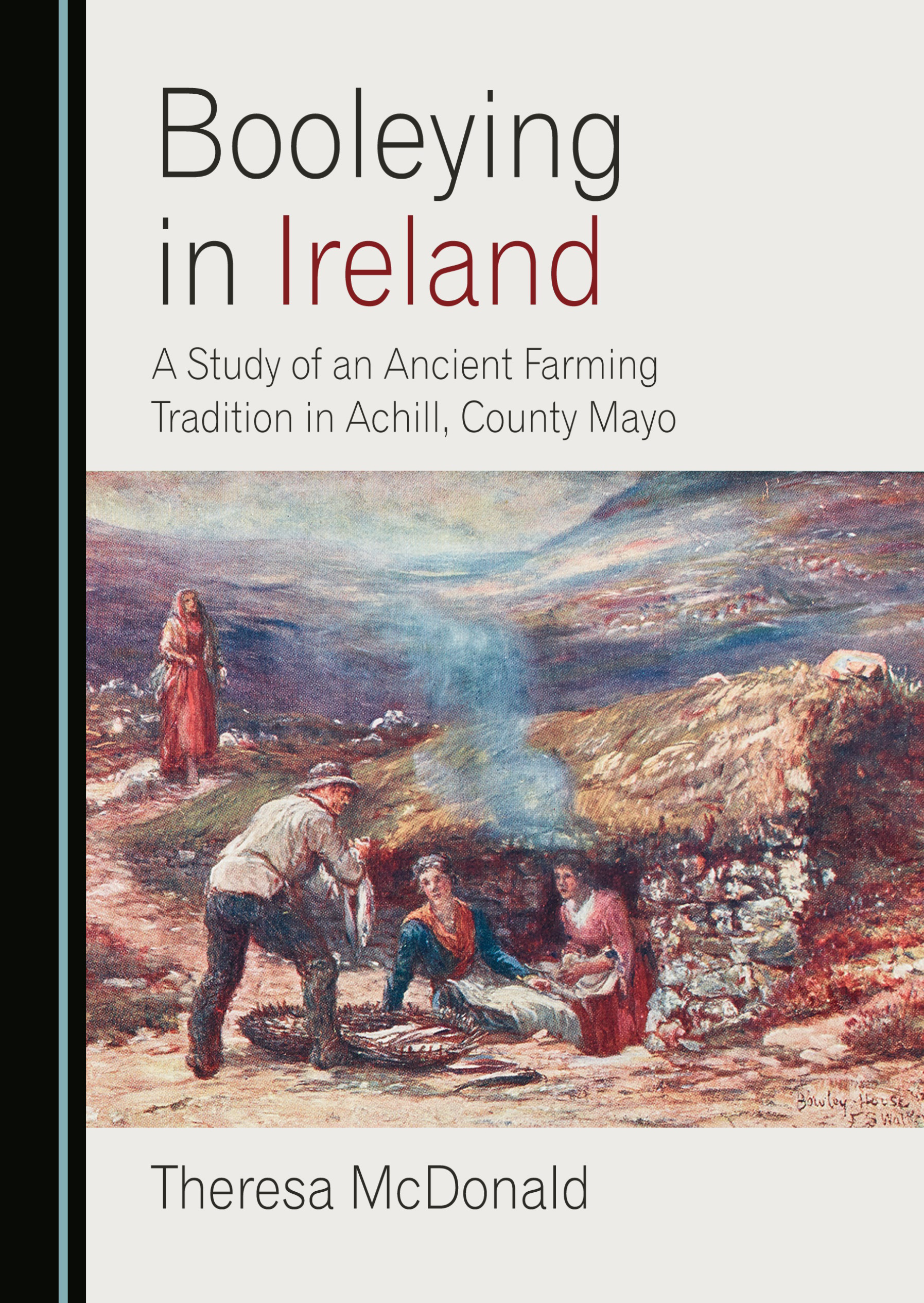
Booleying in Ireland
A Study of an Ancient Farming Tradition in Achill, County Mayo
This book challenges the view of booleying as a post-medieval practice. Drawing on extensive research, it traces the origins of transhumance to the prehistoric period, providing a fresh perspective on its history and economic importance in Ireland and Achill.
This book challenges the view of booleying as a post-medieval practice. Drawing on extensive research, it traces the origins of transhumance to the prehistoric period, providing a fresh perspective on its history and economic importance in Ireland and Achill.
View more
This product has multiple variants. The options may be chosen on the product page
View more
This product has multiple variants. The options may be chosen on the product page
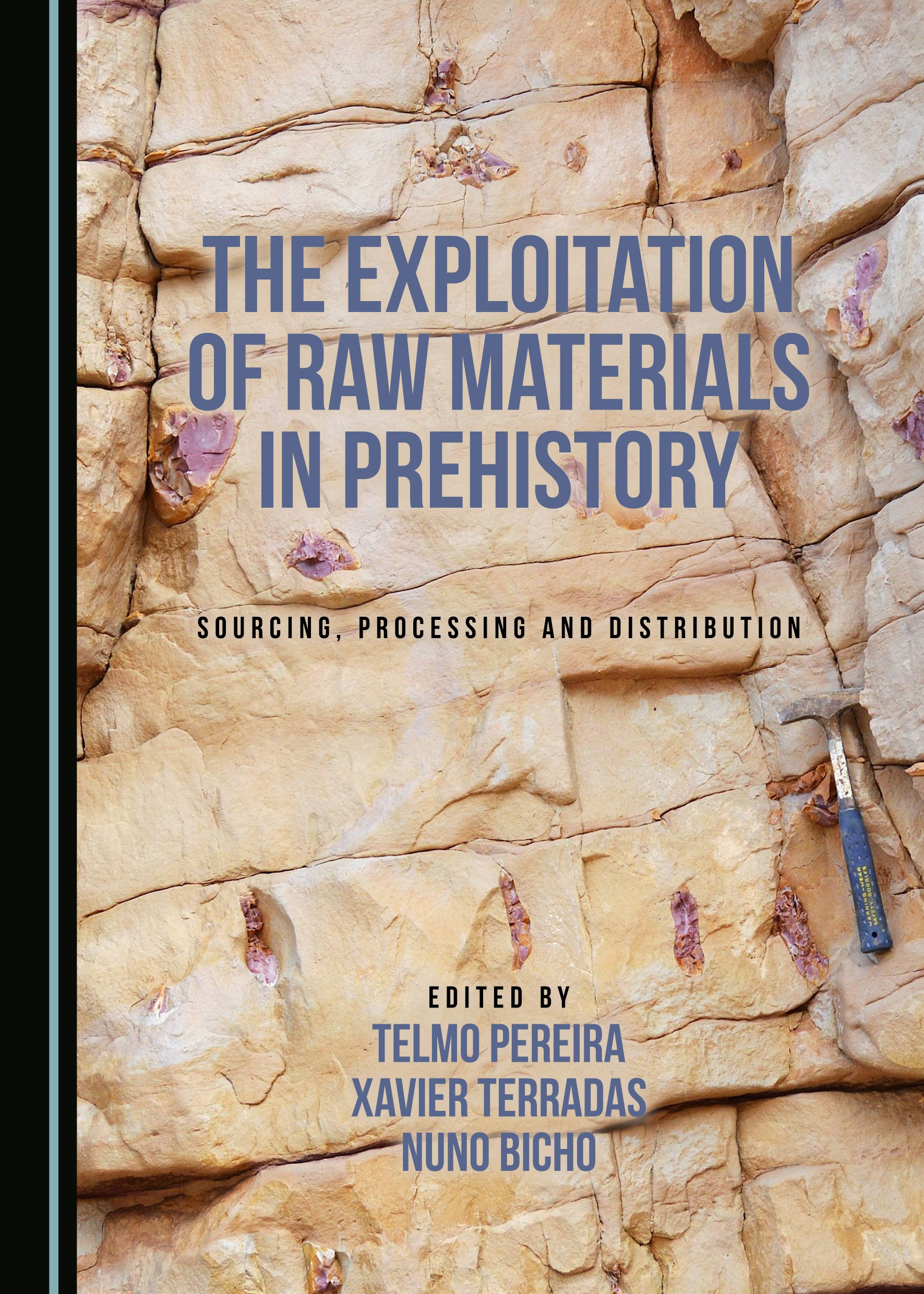
The Exploitation of Raw Materials in Prehistory
Sourcing, Processing and Distribution
This collection presents state-of-the-art approaches to the use of inorganic raw materials in the period known as prehistory. It focuses on stone-tools, adornments, colorants and pottery from Europe, America and Africa.
This collection presents state-of-the-art approaches to the use of inorganic raw materials in the period known as prehistory. It focuses on stone-tools, adornments, colorants and pottery from Europe, America and Africa.
View more
This product has multiple variants. The options may be chosen on the product page
Processing Your Order
Please wait while we securely process your order.
Do not refresh or leave this page.
You will be redirected shortly to a confirmation page with your order number.