

View more
This product has multiple variants. The options may be chosen on the product page
The Children of Herodotus
Greek and Roman Historiography and Related Genres
This collection of essays by international scholars responds to a growing interest in ancient historiography. The volume focuses on historians' methods of approaching the non-Greek world and the political dimension of Roman imperial historiography.
This collection of essays by international scholars responds to a growing interest in ancient historiography. The volume focuses on historians’ methods of approaching the non-Greek world and the political dimension of Roman imperial historiography.
View more
This product has multiple variants. The options may be chosen on the product page
View more
This product has multiple variants. The options may be chosen on the product page
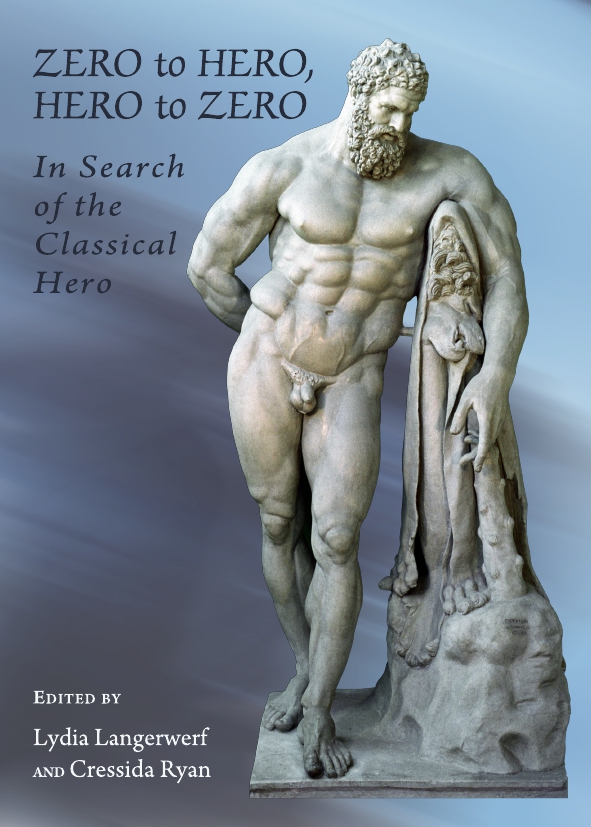
Zero to Hero, Hero to Zero
In Search of the Classical Hero
What makes a hero? This book challenges standard expectations, exploring the phenomenon of heroism from a range of viewpoints and asking why heroic qualities so often turn sour. Covering Euripides to Monty Python, it examines the changing notion of the hero.
What makes a hero? This book challenges standard expectations, exploring the phenomenon of heroism from a range of viewpoints and asking why heroic qualities so often turn sour. Covering Euripides to Monty Python, it examines the changing notion of the hero.
View more
This product has multiple variants. The options may be chosen on the product page
View more
This product has multiple variants. The options may be chosen on the product page
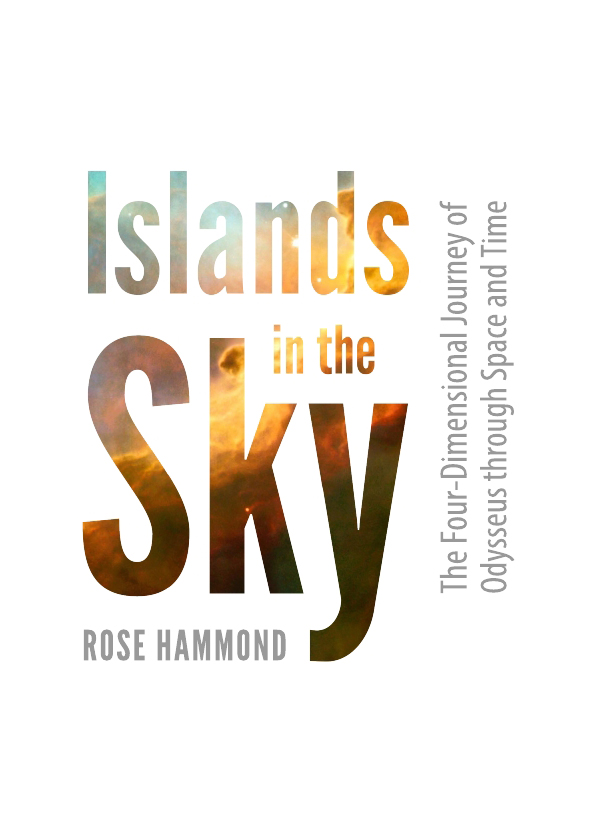
Islands in the Sky
The Four-Dimensional Journey of Odysseus through Space and Time
This study uses mythology and shamanism to recast the Odyssey's sea voyage in cosmic terms. The hero’s journey becomes a celestial one, where the 'wine-dark sea' is the night sky, revealing Homer as both philosopher and student of the cosmos.
This study uses mythology and shamanism to recast the Odyssey’s sea voyage in cosmic terms. The hero’s journey becomes a celestial one, where the ‘wine-dark sea’ is the night sky, revealing Homer as both philosopher and student of the cosmos.
View more
This product has multiple variants. The options may be chosen on the product page
View more
This product has multiple variants. The options may be chosen on the product page
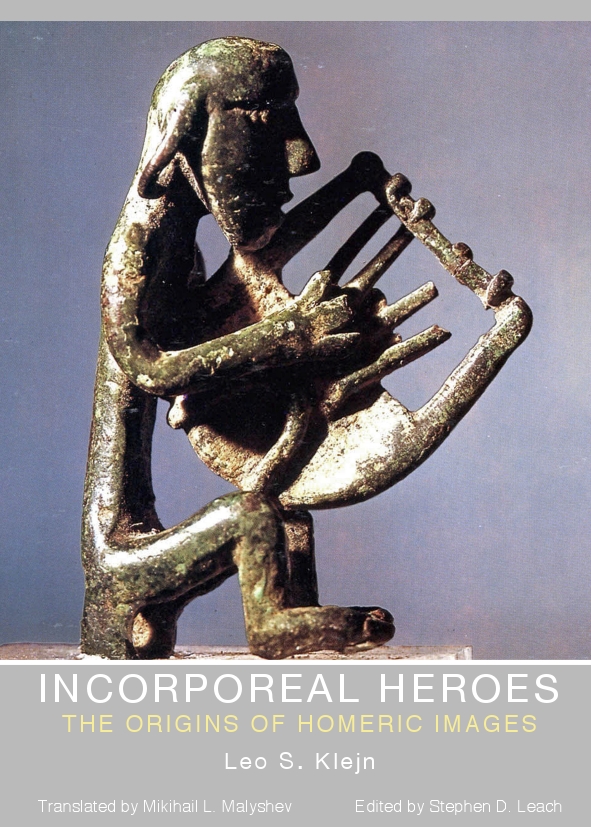
Incorporeal Heroes
The Origins of Homeric Images
The heroes of the Iliad were not historical figures or artistic creations. They originated as local cult heroes, like saints, with no connection to the Trojan War. This book reveals the sequence in which figures like Achilles were stitched into the epic.
The heroes of the Iliad were not historical figures or artistic creations. They originated as local cult heroes, like saints, with no connection to the Trojan War. This book reveals the sequence in which figures like Achilles were stitched into the epic.
View more
This product has multiple variants. The options may be chosen on the product page
View more
This product has multiple variants. The options may be chosen on the product page
£44.99
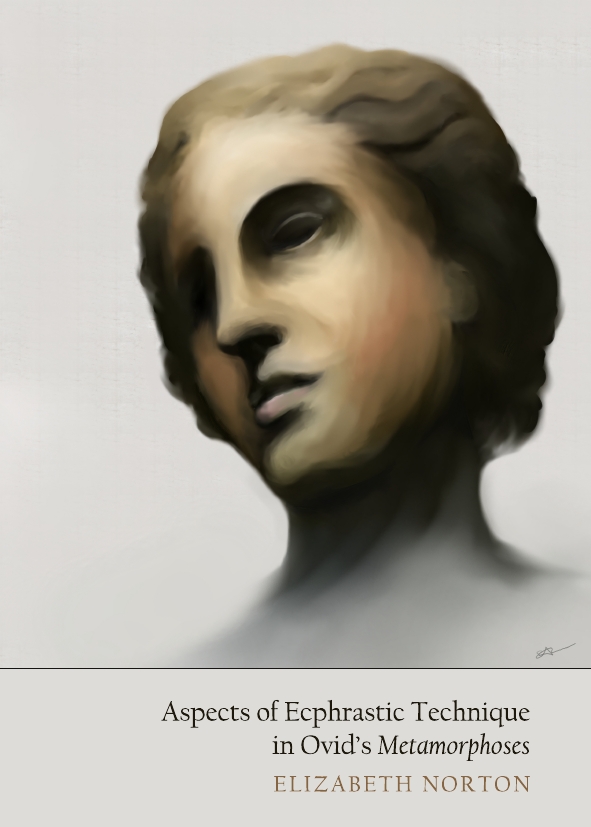
This study examines Ovid’s use of ecphrasis in the Metamorphoses, exploring his determination to outdo his predecessors. It argues that Ovid's preoccupation with artists makes the epic itself an extended commentary on his own artistry.
This study examines Ovid’s use of ecphrasis in the Metamorphoses, exploring his determination to outdo his predecessors. It argues that Ovid’s preoccupation with artists makes the epic itself an extended commentary on his own artistry.
View more
This product has multiple variants. The options may be chosen on the product page
View more
This product has multiple variants. The options may be chosen on the product page
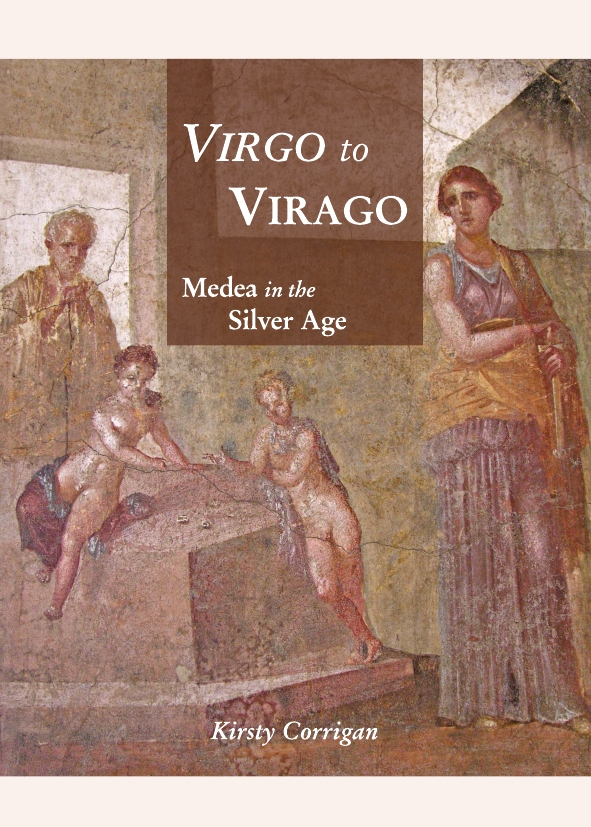
Virgo to Virago
Medea in the Silver Age
Virgo to Virago offers a study of the formidable Medea in the Silver Age. Examining her portrayal in Ovid, Seneca, and Valerius Flaccus, it explores whether this mighty female character has any claim to sympathy or admiration in these texts.
Virgo to Virago offers a study of the formidable Medea in the Silver Age. Examining her portrayal in Ovid, Seneca, and Valerius Flaccus, it explores whether this mighty female character has any claim to sympathy or admiration in these texts.
View more
This product has multiple variants. The options may be chosen on the product page
View more
This product has multiple variants. The options may be chosen on the product page
£49.99
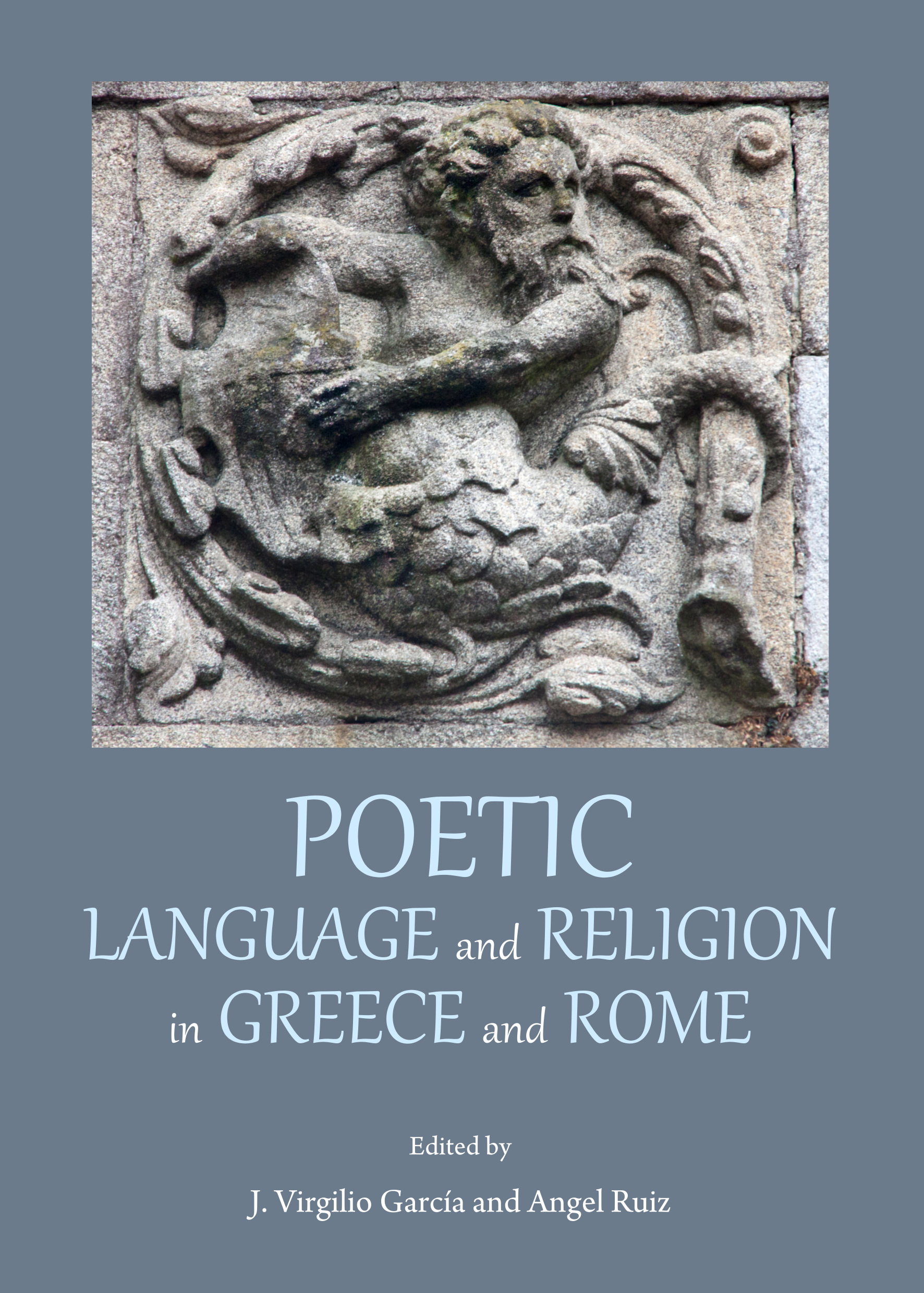
This collection of essays combines Indo-European and Classical Studies to explore poetic language and religion in Greece and Rome. It tracks the remnants of Indo-European tradition and delves into ritual poetry, hymns, oracles, and magic.
This collection of essays combines Indo-European and Classical Studies to explore poetic language and religion in Greece and Rome. It tracks the remnants of Indo-European tradition and delves into ritual poetry, hymns, oracles, and magic.
View more
This product has multiple variants. The options may be chosen on the product page
View more
This product has multiple variants. The options may be chosen on the product page
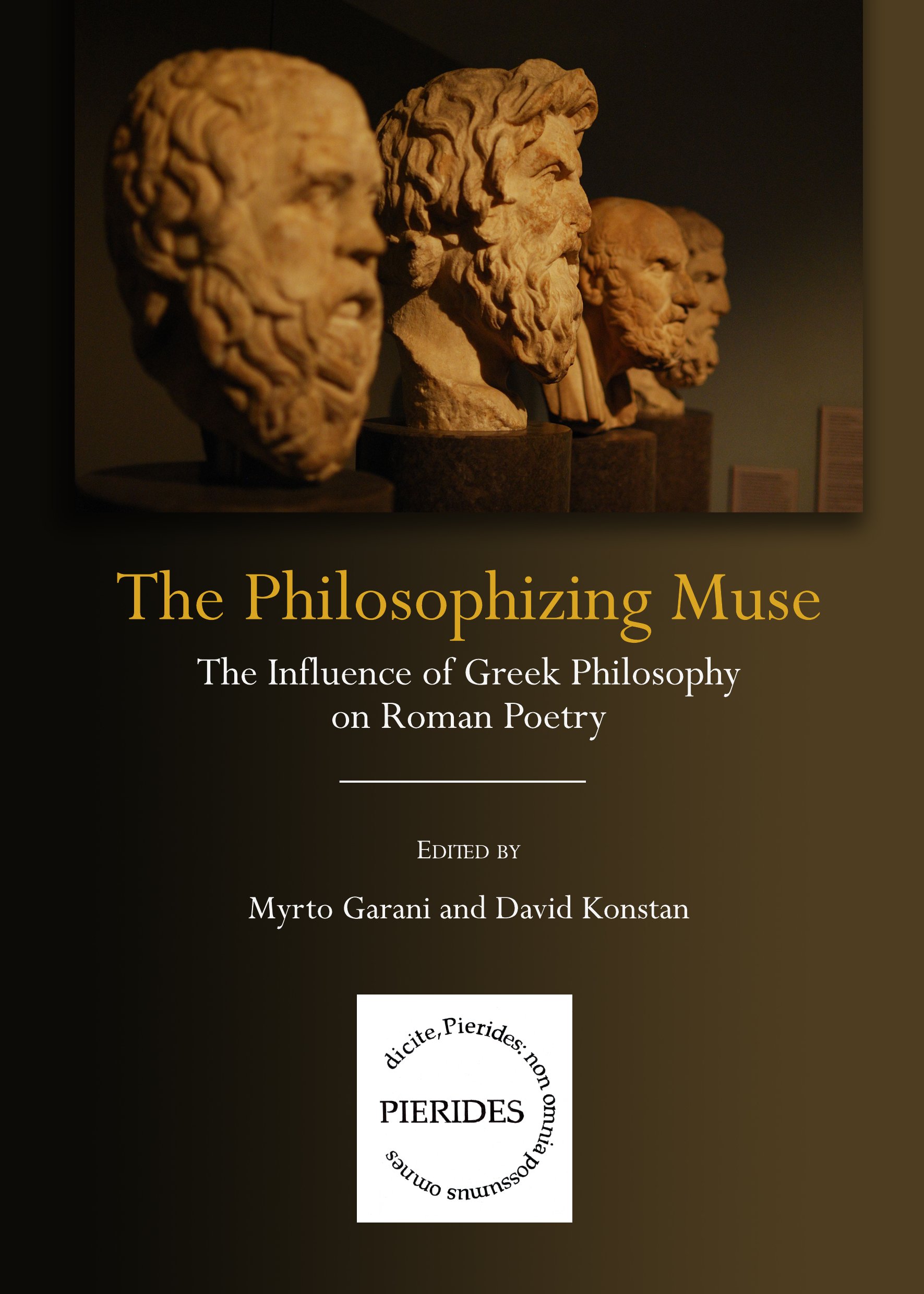
The Philosophizing Muse
The Influence of Greek Philosophy on Roman Poetry
Despite the Romans’ reputation, Latin poetry was deeply permeated by Greek philosophy. This volume of original essays is the first to fully investigate this influence, analysing how poets from the 3rd century BC to the 1st century AD absorbed and transformed their sources.
Despite the Romans’ reputation, Latin poetry was deeply permeated by Greek philosophy. This volume of original essays is the first to fully investigate this influence, analysing how poets from the 3rd century BC to the 1st century AD absorbed and transformed their sources.
View more
This product has multiple variants. The options may be chosen on the product page
View more
This product has multiple variants. The options may be chosen on the product page
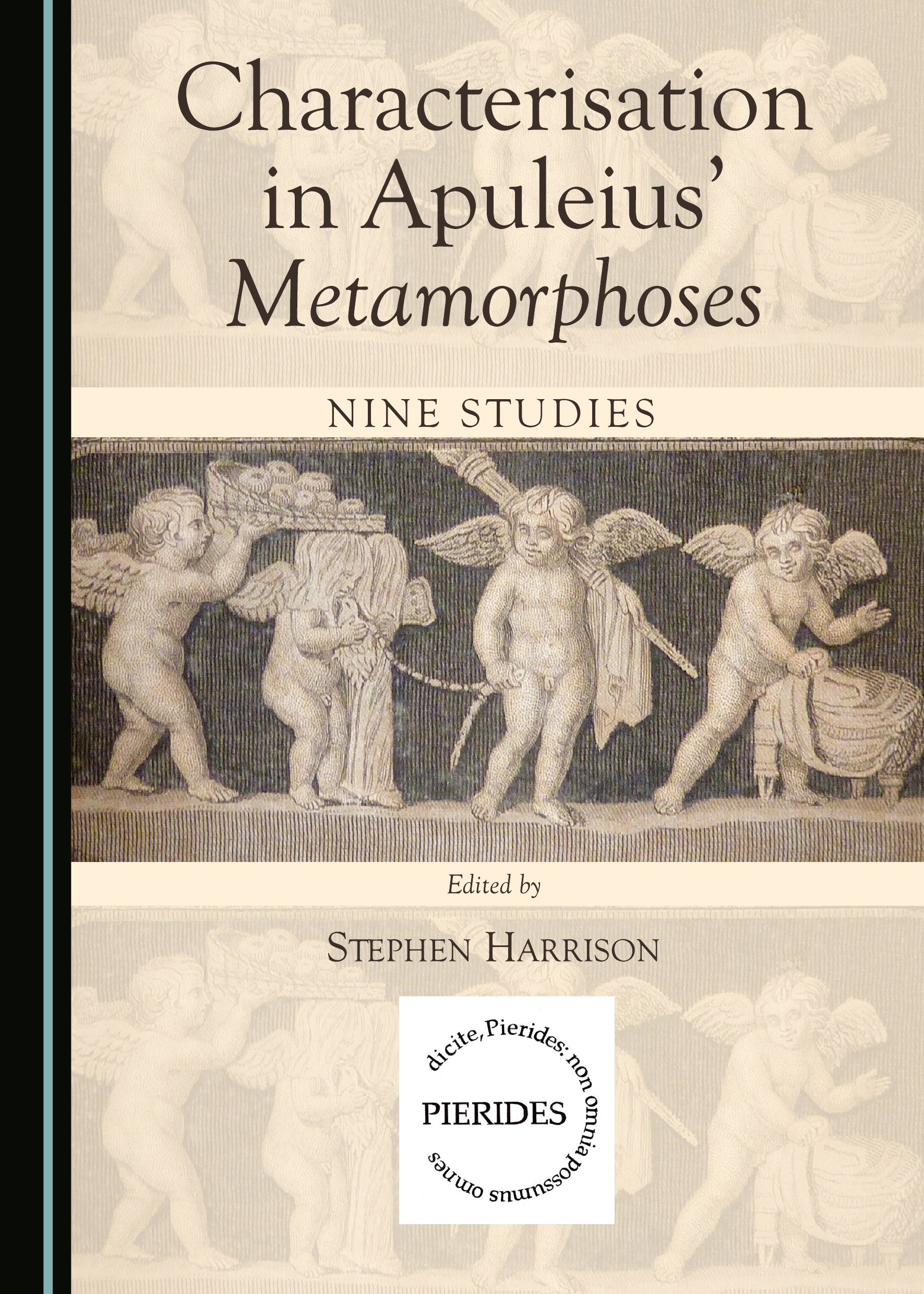
Characterisation in Apuleius’ Metamorphoses
Nine Studies
In the first volume on characterisation in Apuleius’ Metamorphoses, distinguished international scholars explore the novel’s significant human and divine figures. This book is a substantial contribution to the interpretation of the most important Latin novel to survive complete.
In the first volume on characterisation in Apuleius’ Metamorphoses, distinguished international scholars explore the novel’s significant human and divine figures. This book is a substantial contribution to the interpretation of the most important Latin novel to survive complete.
View more
This product has multiple variants. The options may be chosen on the product page
View more
This product has multiple variants. The options may be chosen on the product page
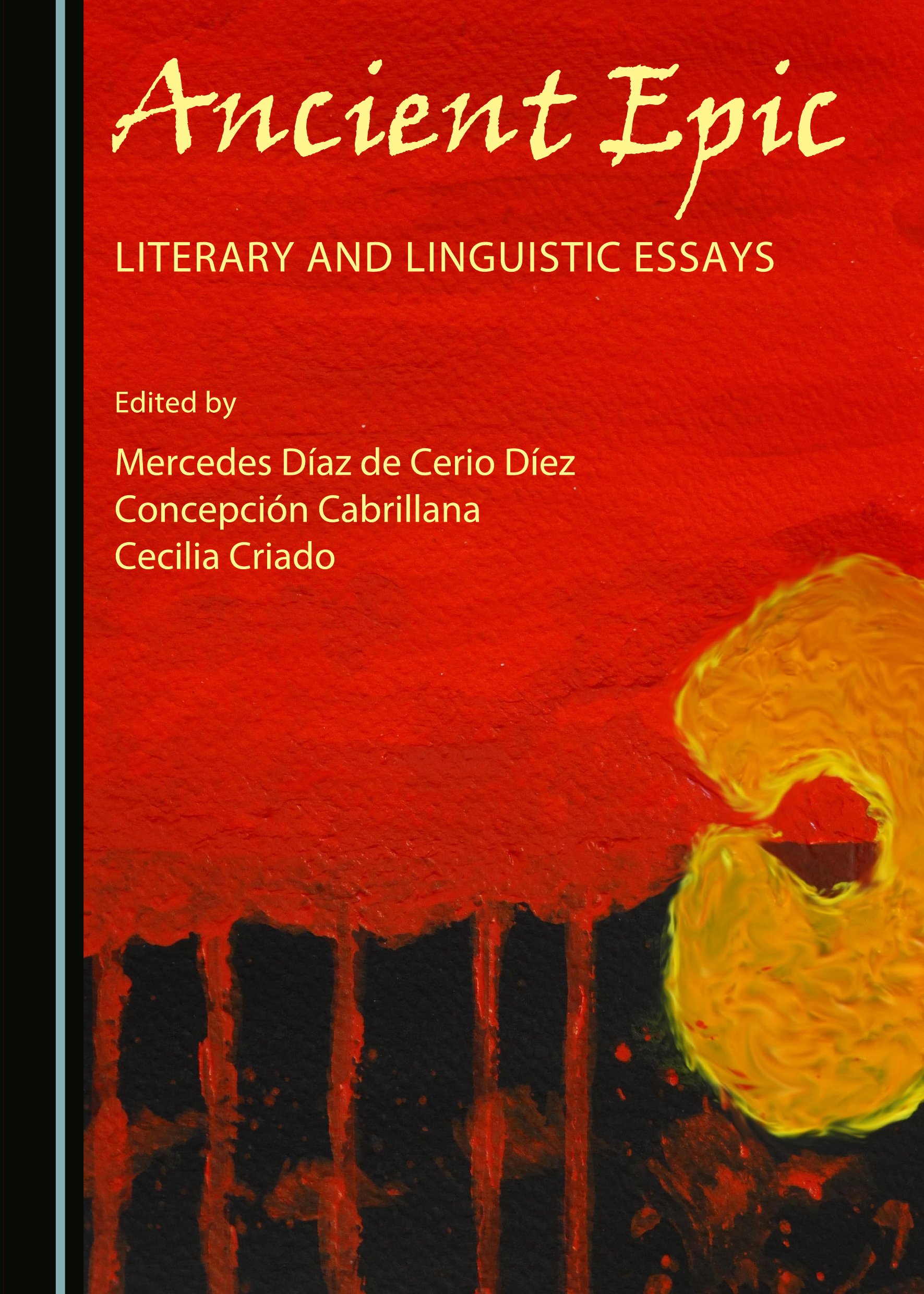
Ancient Epic
Literary and Linguistic Essays
This book adopts a broad approach to the Epic, from archaic Greece to imperial Rome, with comparisons to Vedic, Sanskrit, and Medieval poetry. It explores the hero, the bard, and myth, and traces the influence of Homer on authors like Virgil, Ovid, and Seneca.
This book adopts a broad approach to the Epic, from archaic Greece to imperial Rome, with comparisons to Vedic, Sanskrit, and Medieval poetry. It explores the hero, the bard, and myth, and traces the influence of Homer on authors like Virgil, Ovid, and Seneca.
View more
This product has multiple variants. The options may be chosen on the product page
View more
This product has multiple variants. The options may be chosen on the product page
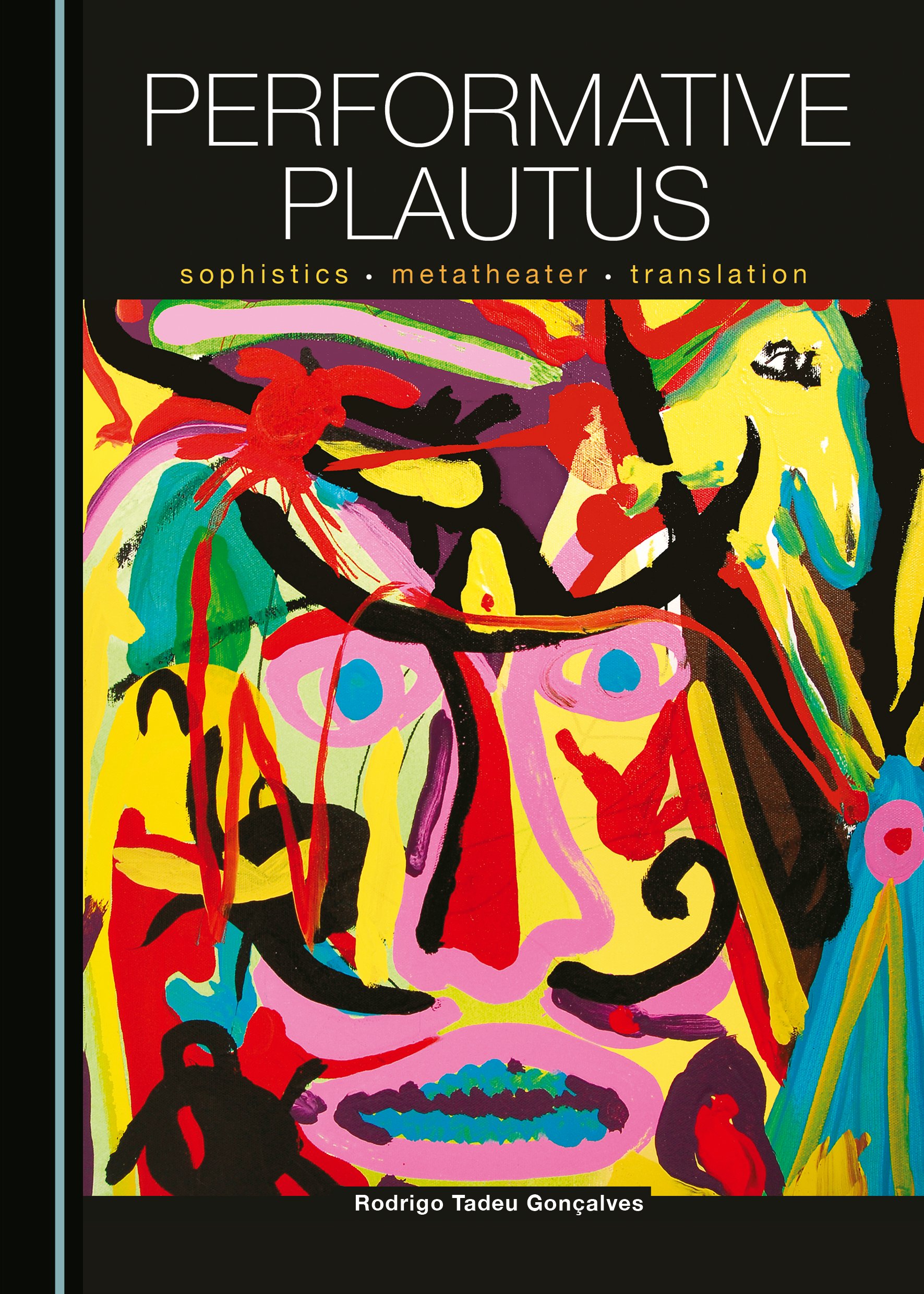
Performative Plautus
Sophistics, Metatheater and Translation
Containing a foreword and preface by Barbara Cassin and Florence Dupont, this book provides a theoretical and philosophical framework for the analysis of Plautus within a performative and philosophical perspective on language and theatrical performance.
Containing a foreword and preface by Barbara Cassin and Florence Dupont, this book provides a theoretical and philosophical framework for the analysis of Plautus within a performative and philosophical perspective on language and theatrical performance.
View more
This product has multiple variants. The options may be chosen on the product page
View more
This product has multiple variants. The options may be chosen on the product page
£41.99
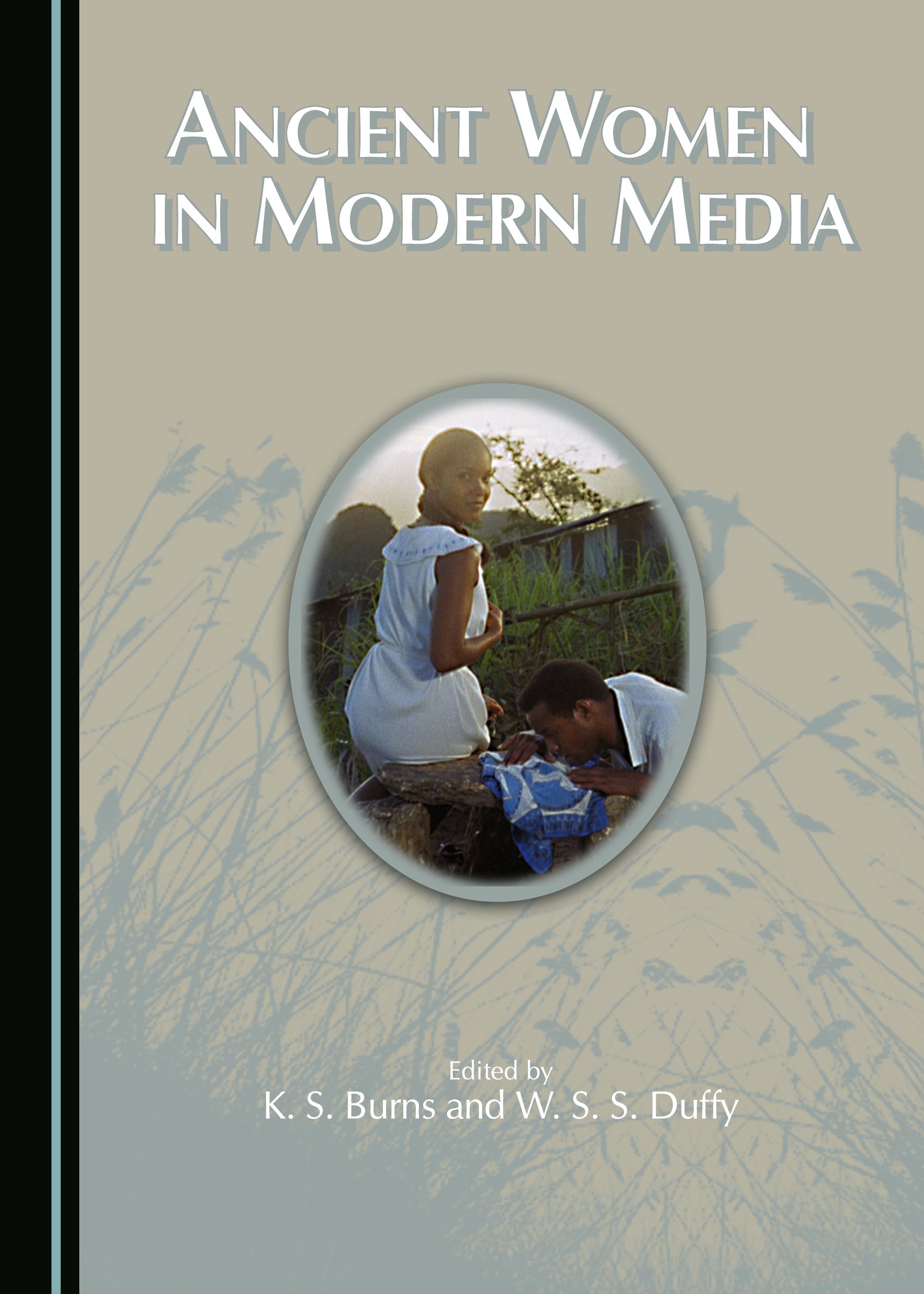
The heroines of ancient myth remain potent today, challenging popular beliefs about the roles of women. This collection of essays examines their legacy from page to stage to screen to understand how they have evolved to retain and increase their power.
The heroines of ancient myth remain potent today, challenging popular beliefs about the roles of women. This collection of essays examines their legacy from page to stage to screen to understand how they have evolved to retain and increase their power.
View more
This product has multiple variants. The options may be chosen on the product page
View more
This product has multiple variants. The options may be chosen on the product page
£47.99
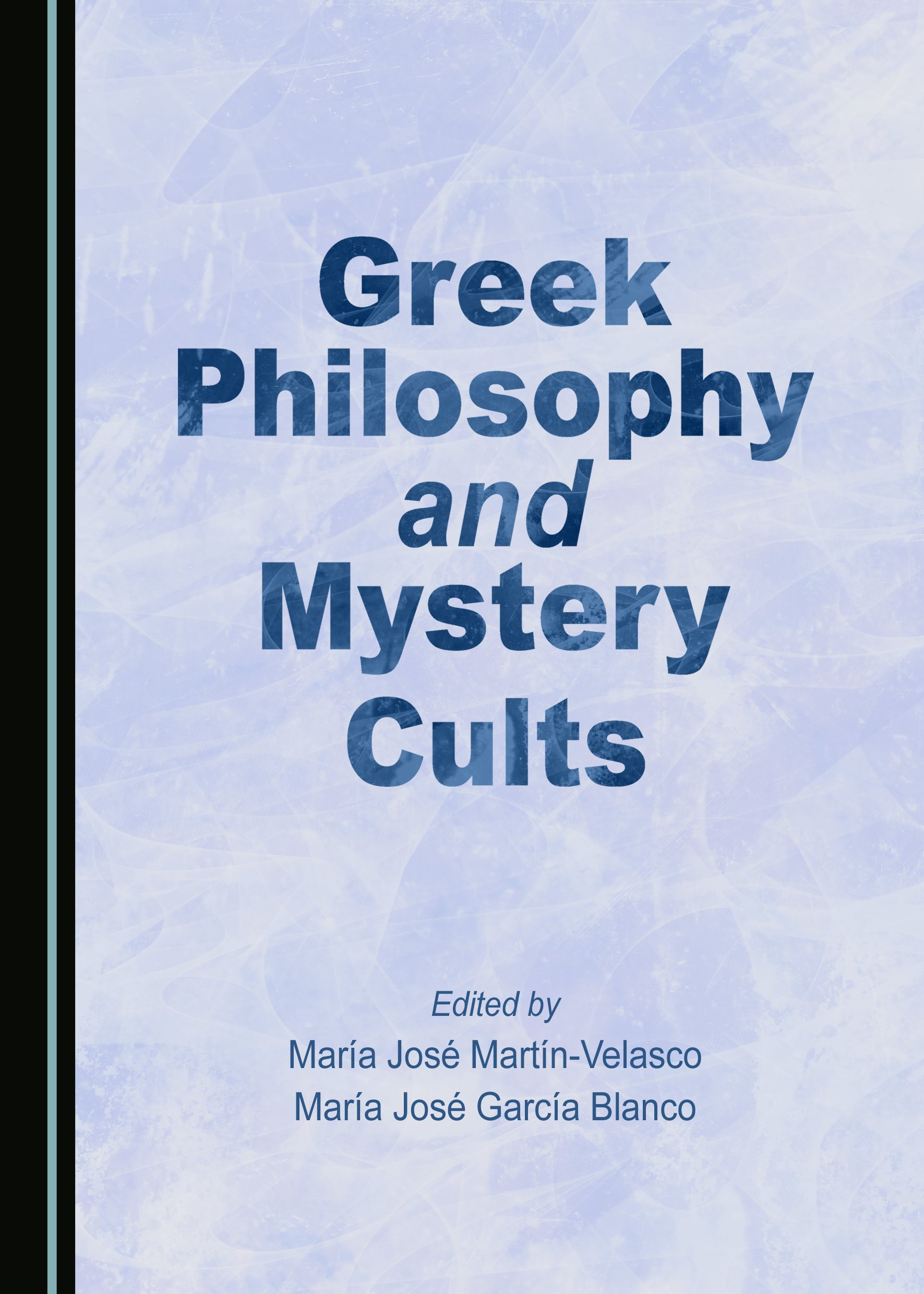
The authors here centre their attention on such thinkers as Plato, Aristotle, and the Stoic philosophers, who used doctrinal elements from Mystery Cults, adapting them to their own thinking, and, as such, offer a new way of looking at various renowned Greek philosophers.
The authors here centre their attention on such thinkers as Plato, Aristotle, and the Stoic philosophers, who used doctrinal elements from Mystery Cults, adapting them to their own thinking, and, as such, offer a new way of looking at various renowned Greek philosophers.
View more
This product has multiple variants. The options may be chosen on the product page

View more
This product has multiple variants. The options may be chosen on the product page
Arctic Modernities
The Environmental, the Exotic and the Everyday
The modern Arctic is more than melting glaciers; it's a mix of indigenous tradition and a mundane everyday. This volume examines how heroic images continue to shape our view of the region: as a utopian future, a symbol of modernity, or a mythic, nostalgic past.
The modern Arctic is more than melting glaciers; it’s a mix of indigenous tradition and a mundane everyday. This volume examines how heroic images continue to shape our view of the region: as a utopian future, a symbol of modernity, or a mythic, nostalgic past.
View more
This product has multiple variants. The options may be chosen on the product page
View more
This product has multiple variants. The options may be chosen on the product page
£61.99
This edition of the third speech of the orator Isaeus offers a new Greek text, English translation, and detailed commentary. It demonstrates the skill of the under-appreciated orator and casts light on complex aspects of Athenian family law. Accessible without knowledge of Greek.
This edition of the third speech of the orator Isaeus offers a new Greek text, English translation, and detailed commentary. It demonstrates the skill of the under-appreciated orator and casts light on complex aspects of Athenian family law. Accessible without knowledge of Greek.
View more
This product has multiple variants. The options may be chosen on the product page
View more
This product has multiple variants. The options may be chosen on the product page
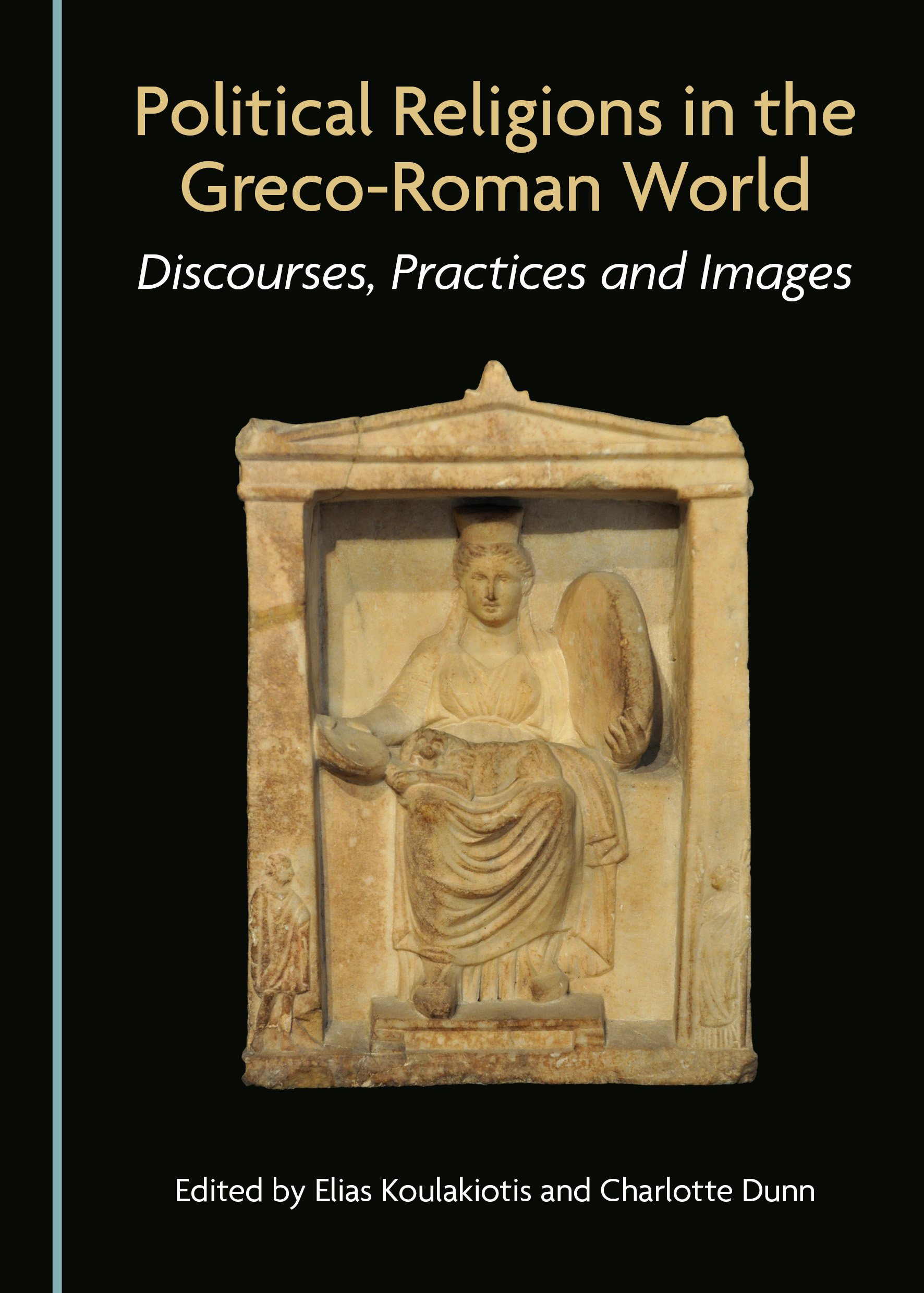
Political Religions in the Greco-Roman World
Discourses, Practices and Images
This volume explores the political side of ancient religion. Written by experts, its chapters engage the diversity of the Greco-Roman religious experience as it receives and negotiates power relations in the ancient Mediterranean from the 7th Century BCE to the 4th Century CE.
This volume explores the political side of ancient religion. Written by experts, its chapters engage the diversity of the Greco-Roman religious experience as it receives and negotiates power relations in the ancient Mediterranean from the 7th Century BCE to the 4th Century CE.
View more
This product has multiple variants. The options may be chosen on the product page

View more
This product has multiple variants. The options may be chosen on the product page
From £30.99
This exploration of the Medea myth reveals how unresolved suffering turns to vengeance. Her tragic story became a touchstone for early twentieth-century female authors who used it to explore their own struggles with unrequited love, societal abandonment, and self-discovery.
This exploration of the Medea myth reveals how unresolved suffering turns to vengeance. Her tragic story became a touchstone for early twentieth-century female authors who used it to explore their own struggles with unrequited love, societal abandonment, and self-discovery.
View more
This product has multiple variants. The options may be chosen on the product page
View more
This product has multiple variants. The options may be chosen on the product page
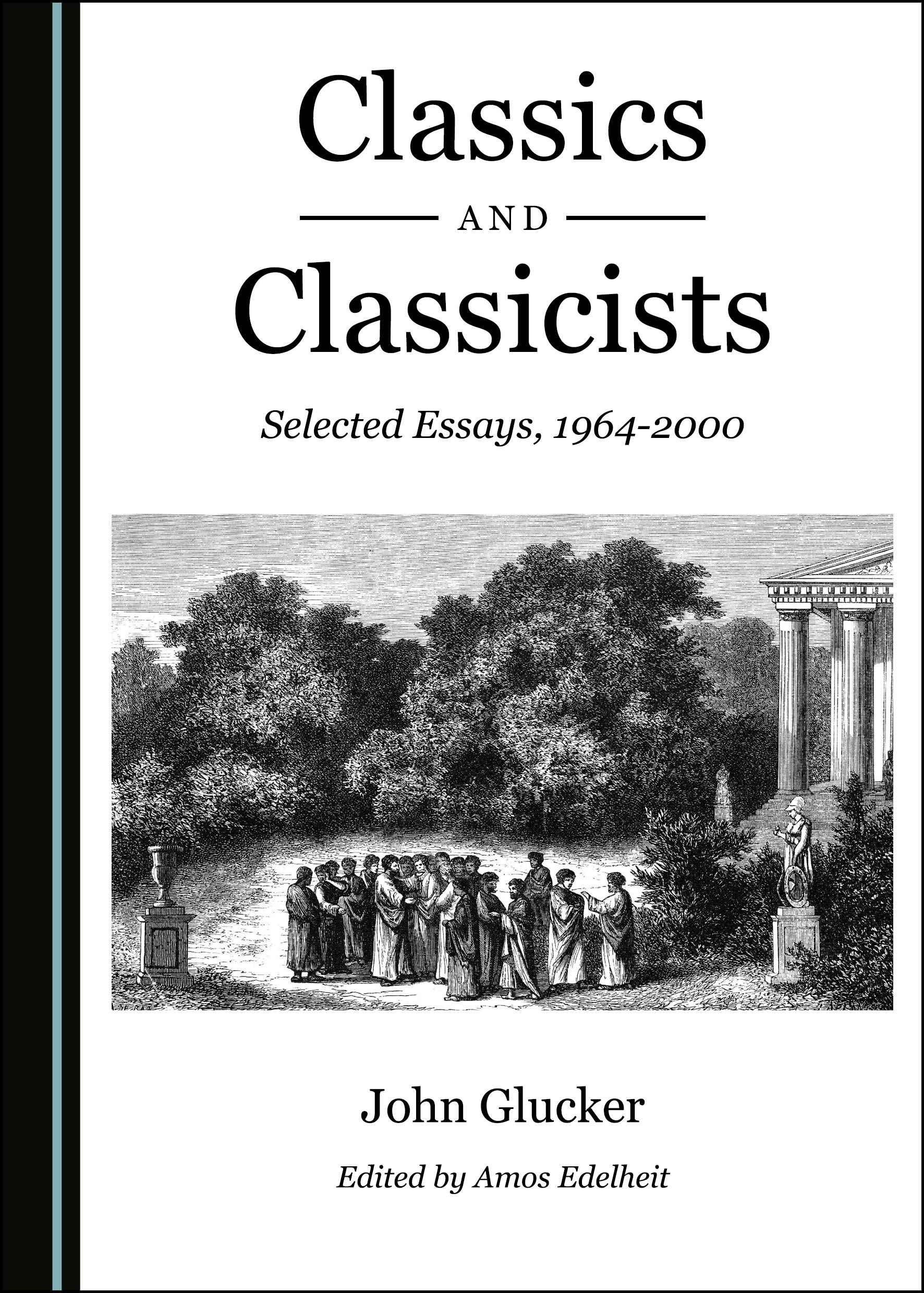
Classics and Classicists
Selected Essays, 1964-2000
This panoramic collection of articles explores Greek and Roman literature and philosophy, from close textual readings to the modern legacy of ancient works. A vital resource for classical scholars, students of philosophy, and intellectual historians.
This panoramic collection of articles explores Greek and Roman literature and philosophy, from close textual readings to the modern legacy of ancient works. A vital resource for classical scholars, students of philosophy, and intellectual historians.
View more
This product has multiple variants. The options may be chosen on the product page
View more
This product has multiple variants. The options may be chosen on the product page
From £38.99
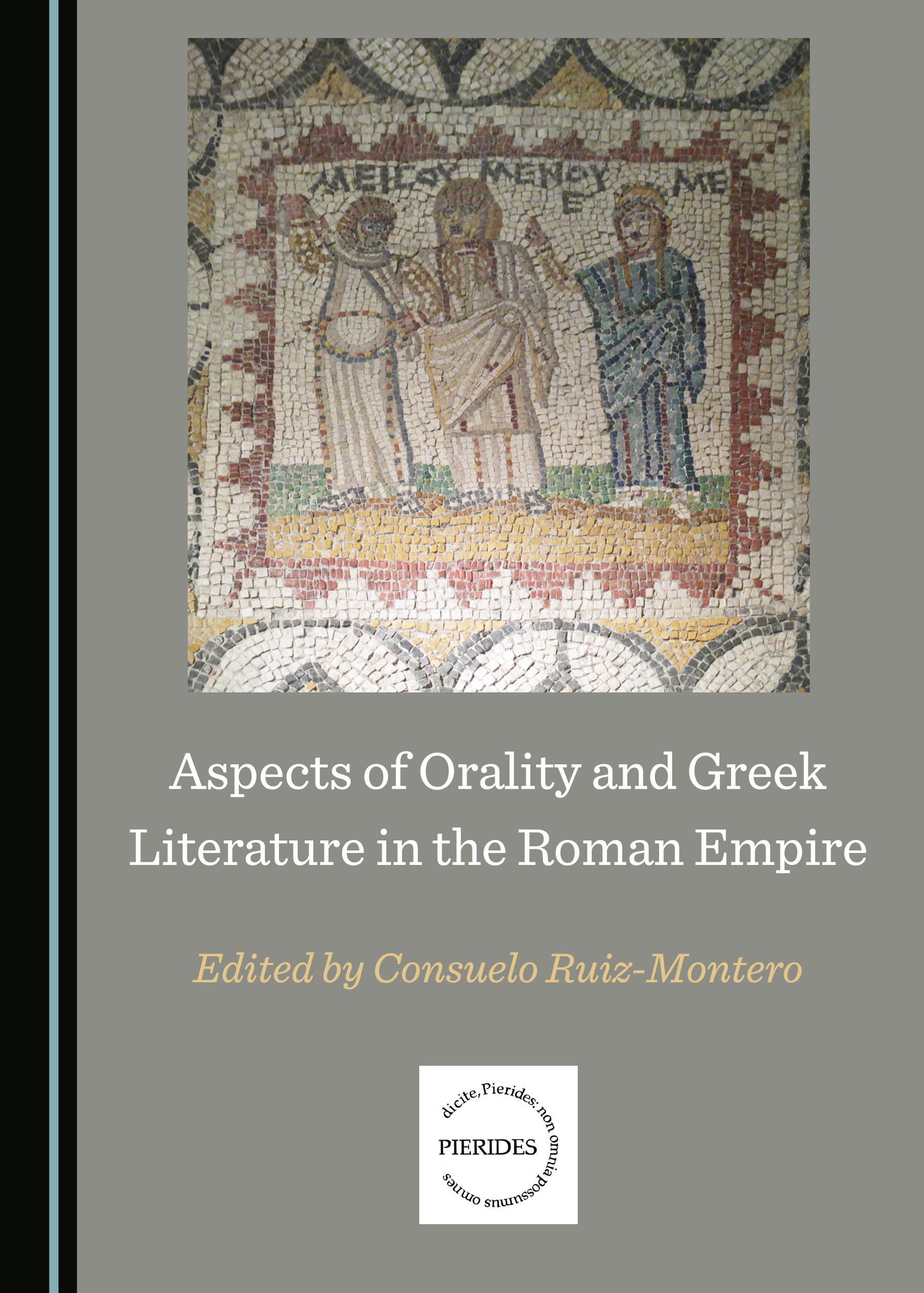
This volume explores how Greek texts circulated during the Roman Empire from both a literary and sociocultural point of view. Illuminating the interconnections between literary and social practices, these studies draw attention to under-researched texts and inscriptions.
This volume explores how Greek texts circulated during the Roman Empire from both a literary and sociocultural point of view. Illuminating the interconnections between literary and social practices, these studies draw attention to under-researched texts and inscriptions.
View more
This product has multiple variants. The options may be chosen on the product page
View more
This product has multiple variants. The options may be chosen on the product page
From £30.99
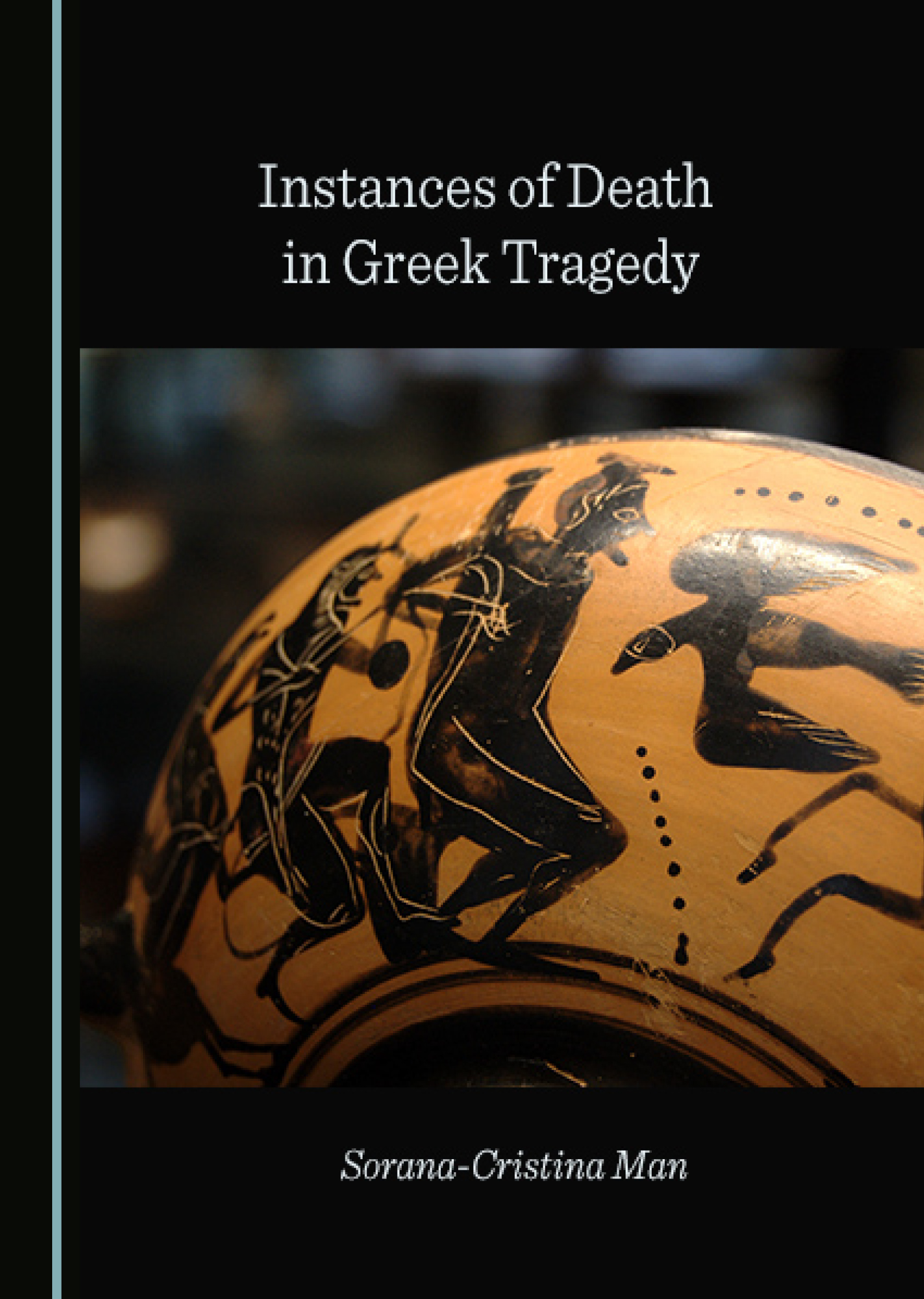
The Trojan War begins with one sacrifice, Iphigenia, and ends with another, Polyxena. In Greek tragedy, did these ritual killings restore cosmic balance, or did they only unleash greater chaos?
The Trojan War begins with one sacrifice, Iphigenia, and ends with another, Polyxena. In Greek tragedy, did these ritual killings restore cosmic balance, or did they only unleash greater chaos?
View more
This product has multiple variants. The options may be chosen on the product page
Processing Your Order
Please wait while we securely process your order.
Do not refresh or leave this page.
You will be redirected shortly to a confirmation page with your order number.