

View more
This product has multiple variants. The options may be chosen on the product page
The Children of Herodotus
Greek and Roman Historiography and Related Genres
This collection of essays by international scholars responds to a growing interest in ancient historiography. The volume focuses on historians' methods of approaching the non-Greek world and the political dimension of Roman imperial historiography.
This collection of essays by international scholars responds to a growing interest in ancient historiography. The volume focuses on historians’ methods of approaching the non-Greek world and the political dimension of Roman imperial historiography.
View more
This product has multiple variants. The options may be chosen on the product page
View more
This product has multiple variants. The options may be chosen on the product page
From £35.99
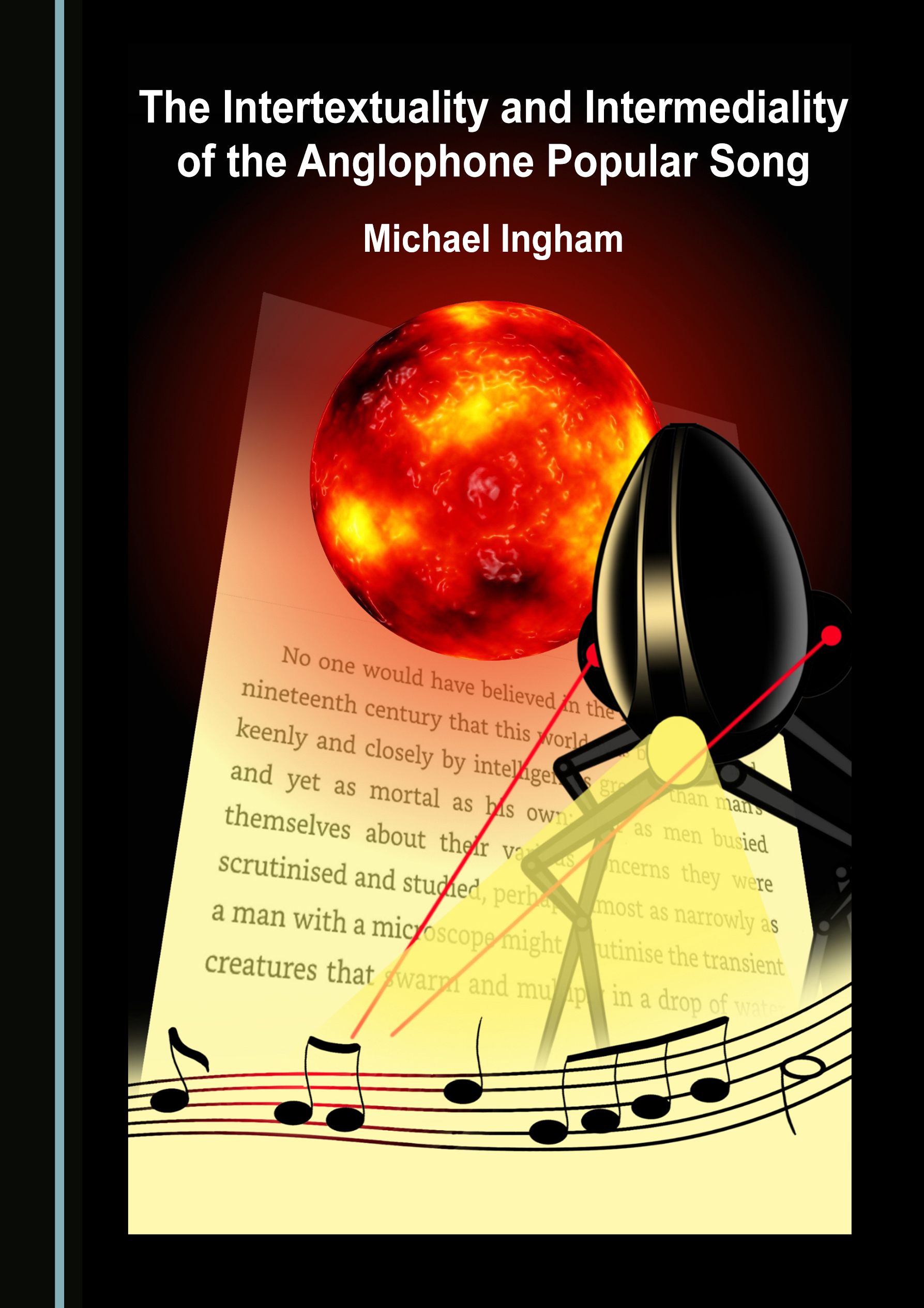
This book investigates what songwriters read before they start singing. It explores the complex intertextual connections between popular songs and literary works, showing how lyrics adapt material from sources like poems, novels, plays, films, the Bible, and Shakespeare.
This book investigates what songwriters read before they start singing. It explores the complex intertextual connections between popular songs and literary works, showing how lyrics adapt material from sources like poems, novels, plays, films, the Bible, and Shakespeare.
View more
This product has multiple variants. The options may be chosen on the product page
View more
This product has multiple variants. The options may be chosen on the product page
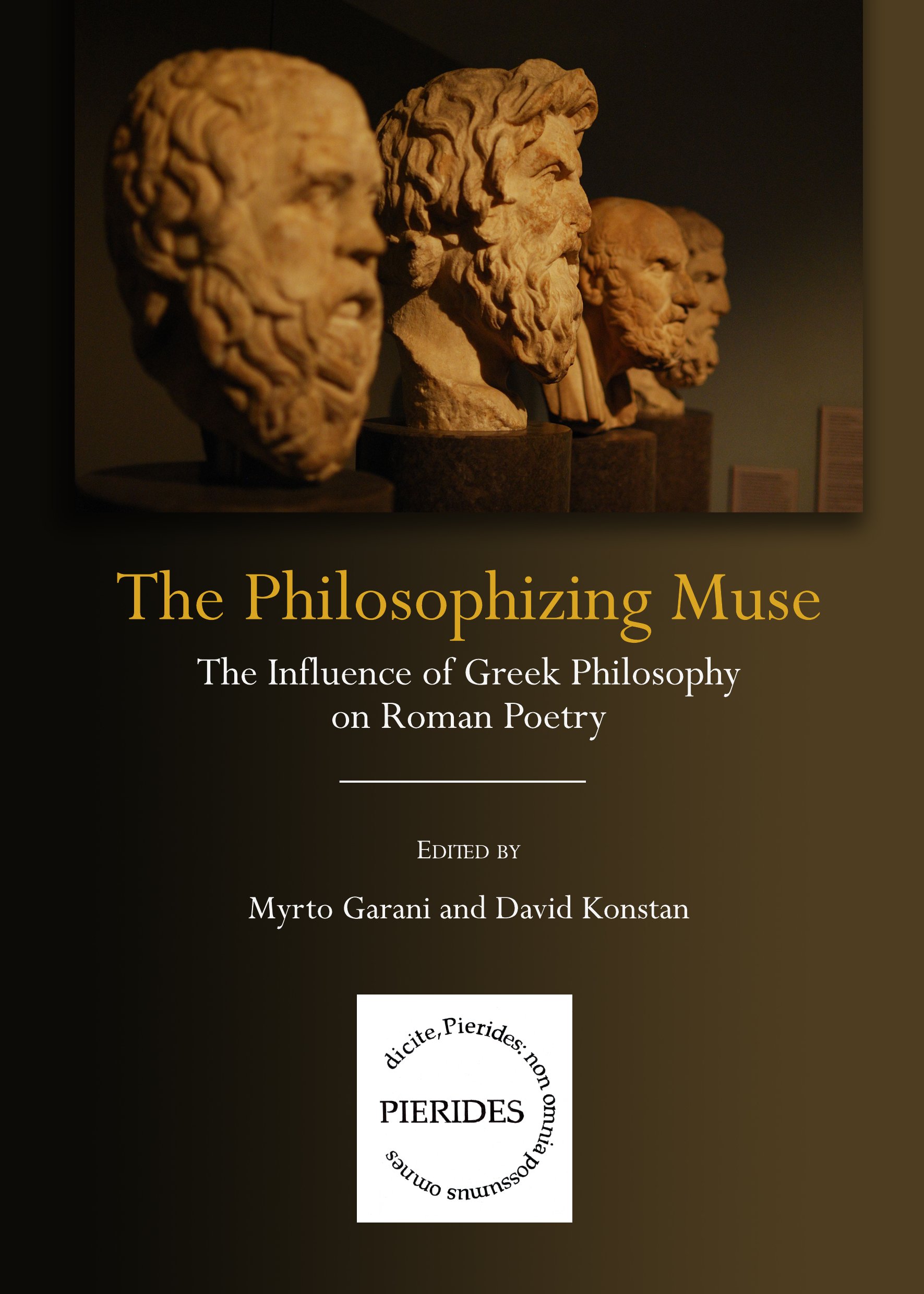
The Philosophizing Muse
The Influence of Greek Philosophy on Roman Poetry
Despite the Romans’ reputation, Latin poetry was deeply permeated by Greek philosophy. This volume of original essays is the first to fully investigate this influence, analysing how poets from the 3rd century BC to the 1st century AD absorbed and transformed their sources.
Despite the Romans’ reputation, Latin poetry was deeply permeated by Greek philosophy. This volume of original essays is the first to fully investigate this influence, analysing how poets from the 3rd century BC to the 1st century AD absorbed and transformed their sources.
View more
This product has multiple variants. The options may be chosen on the product page
View more
This product has multiple variants. The options may be chosen on the product page
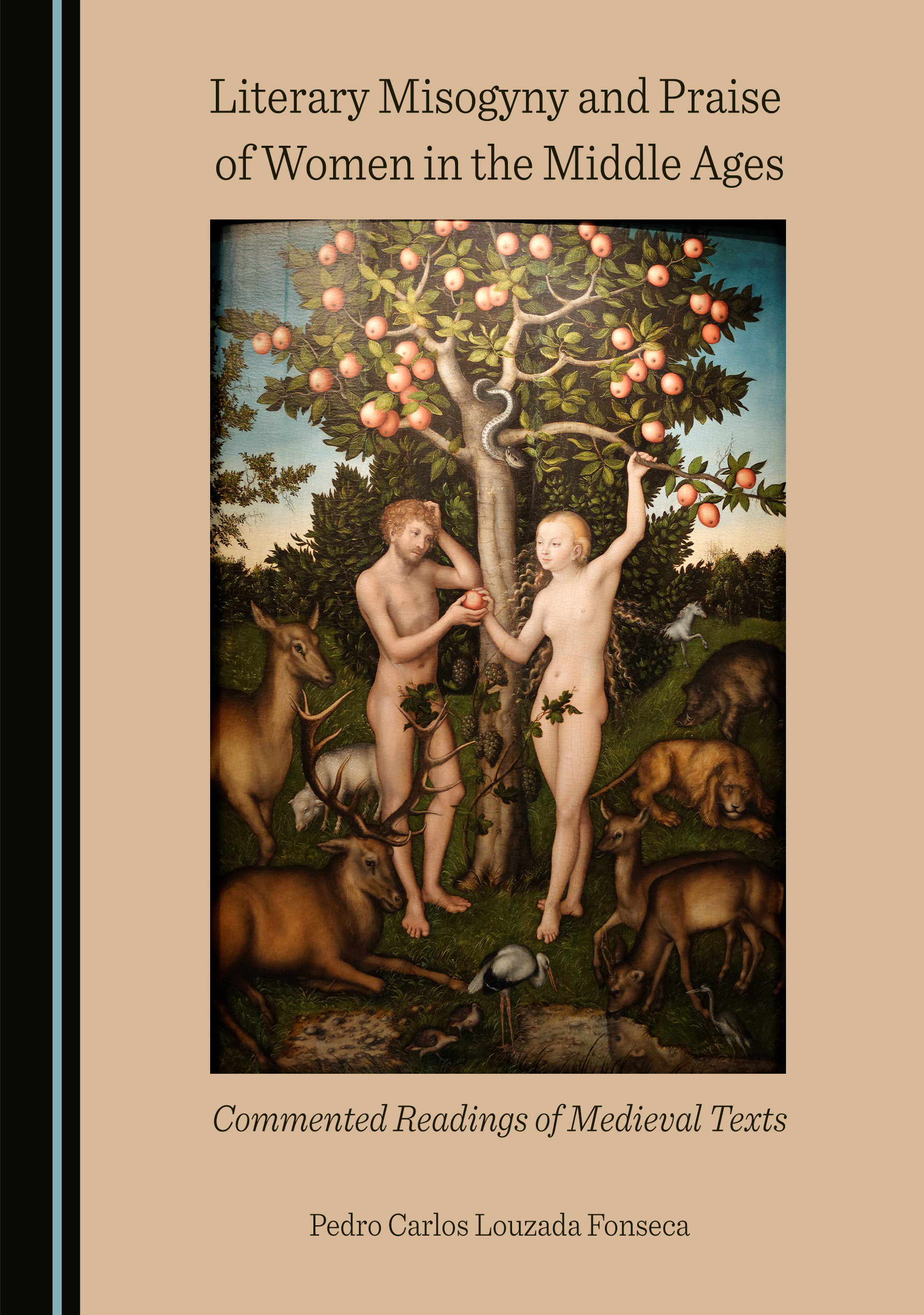
Literary Misogyny and Praise of Women in the Middle Ages
Commented Readings of Medieval Texts
This book examines two major traditions in medieval literature: the praise of women and misogyny. It explores misogyny from the Church Fathers to secular authors and discusses the major literary works that praised women as a response to their misogynist counterparts.
This book examines two major traditions in medieval literature: the praise of women and misogyny. It explores misogyny from the Church Fathers to secular authors and discusses the major literary works that praised women as a response to their misogynist counterparts.
View more
This product has multiple variants. The options may be chosen on the product page
View more
This product has multiple variants. The options may be chosen on the product page
From £32.99
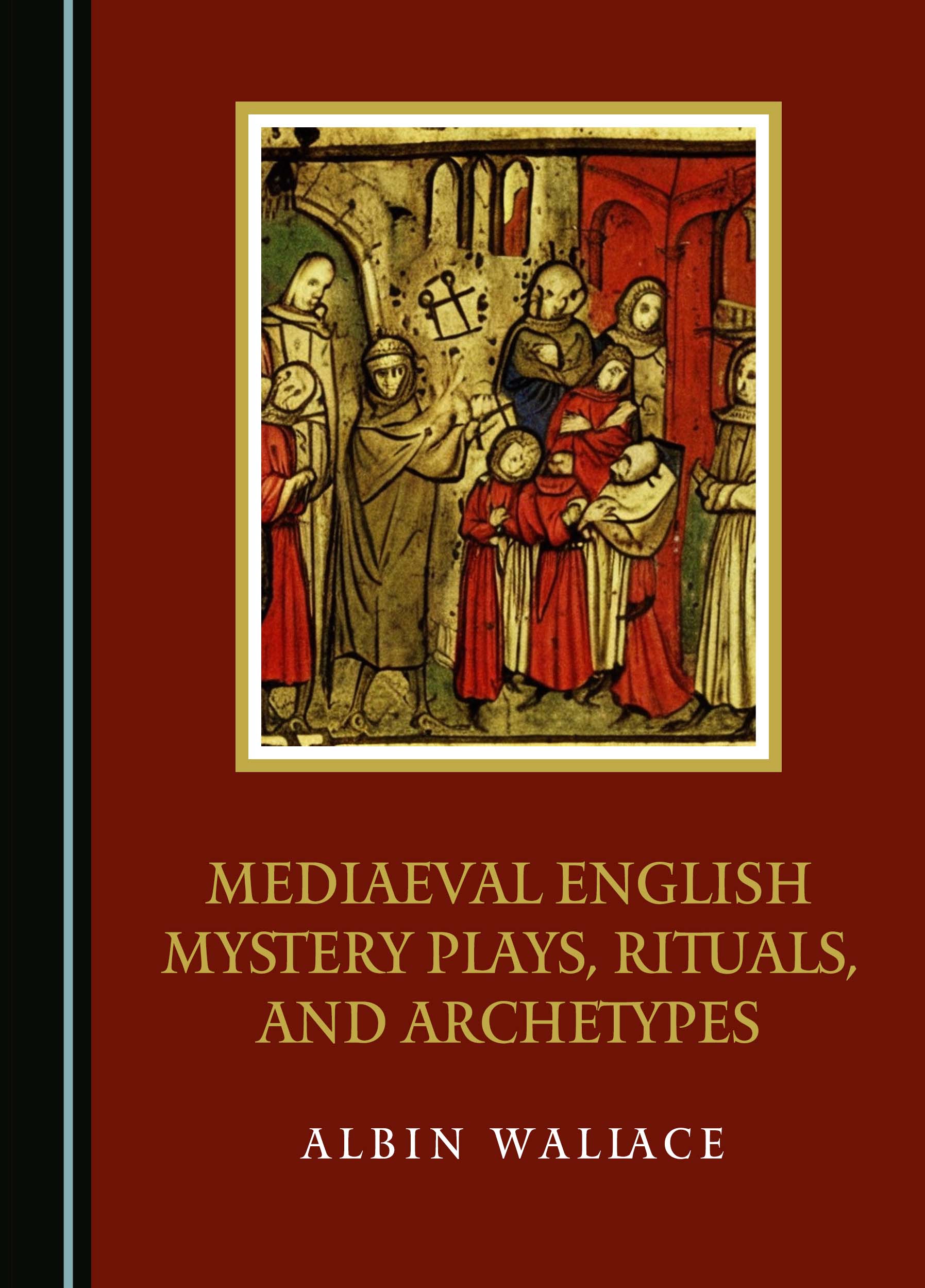
This book examines the connection between mediaeval mystery plays and masonic traditions. It explores how both use symbolic characters, archetypes, stories, and rituals to convey moral and spiritual teachings, a link rooted in the stonemasons’ guilds that performed these dramas.
This book examines the connection between mediaeval mystery plays and masonic traditions. It explores how both use symbolic characters, archetypes, stories, and rituals to convey moral and spiritual teachings, a link rooted in the stonemasons’ guilds that performed these dramas.
View more
This product has multiple variants. The options may be chosen on the product page
View more
This product has multiple variants. The options may be chosen on the product page
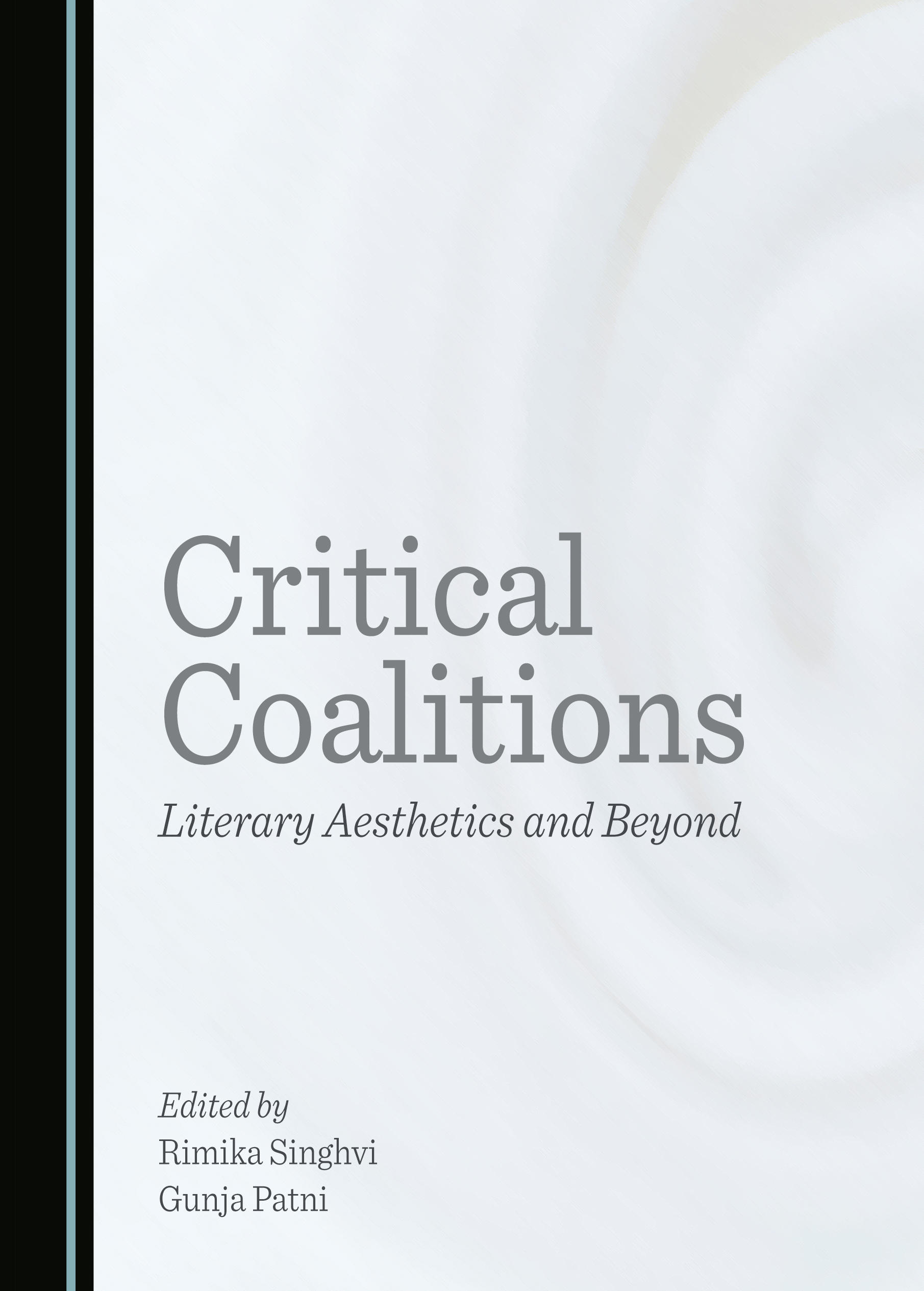
Critical Coalitions
Literary Aesthetics and Beyond
Explore the dynamic interplay of literature and contemporary themes like postcoloniality, gender, and new media. Combining scholarly dialogue, no-holds-barred interviews, and poignant poetry, this book offers fresh perspectives on culture, identity, and representation.
Explore the dynamic interplay of literature and contemporary themes like postcoloniality, gender, and new media. Combining scholarly dialogue, no-holds-barred interviews, and poignant poetry, this book offers fresh perspectives on culture, identity, and representation.
View more
This product has multiple variants. The options may be chosen on the product page
View more
This product has multiple variants. The options may be chosen on the product page
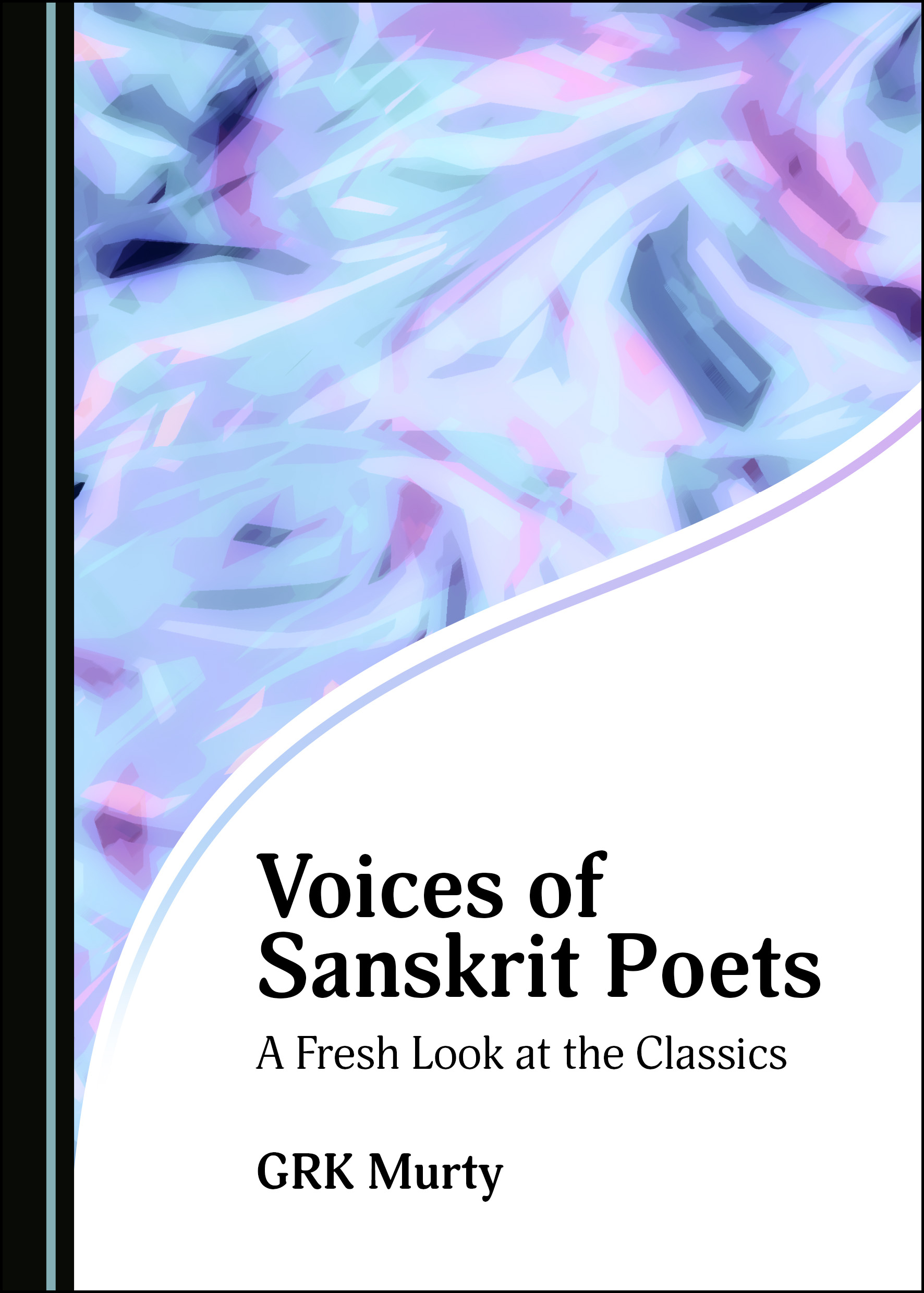
Voices of Sanskrit Poets
A Fresh Look at the Classics
Is Vālmīki’s Sīta a feminist archetype? Is infidelity a virtue? This book offers a fresh perspective on Sanskrit literature for the modern reader, juxtaposing the heroism of Achilles and Rāma and exploring the power of love through Cordelia and Śakuntala.
Is Vālmīki’s Sīta a feminist archetype? Is infidelity a virtue? This book offers a fresh perspective on Sanskrit literature for the modern reader, juxtaposing the heroism of Achilles and Rāma and exploring the power of love through Cordelia and Śakuntala.
View more
This product has multiple variants. The options may be chosen on the product page
View more
This product has multiple variants. The options may be chosen on the product page
£47.99
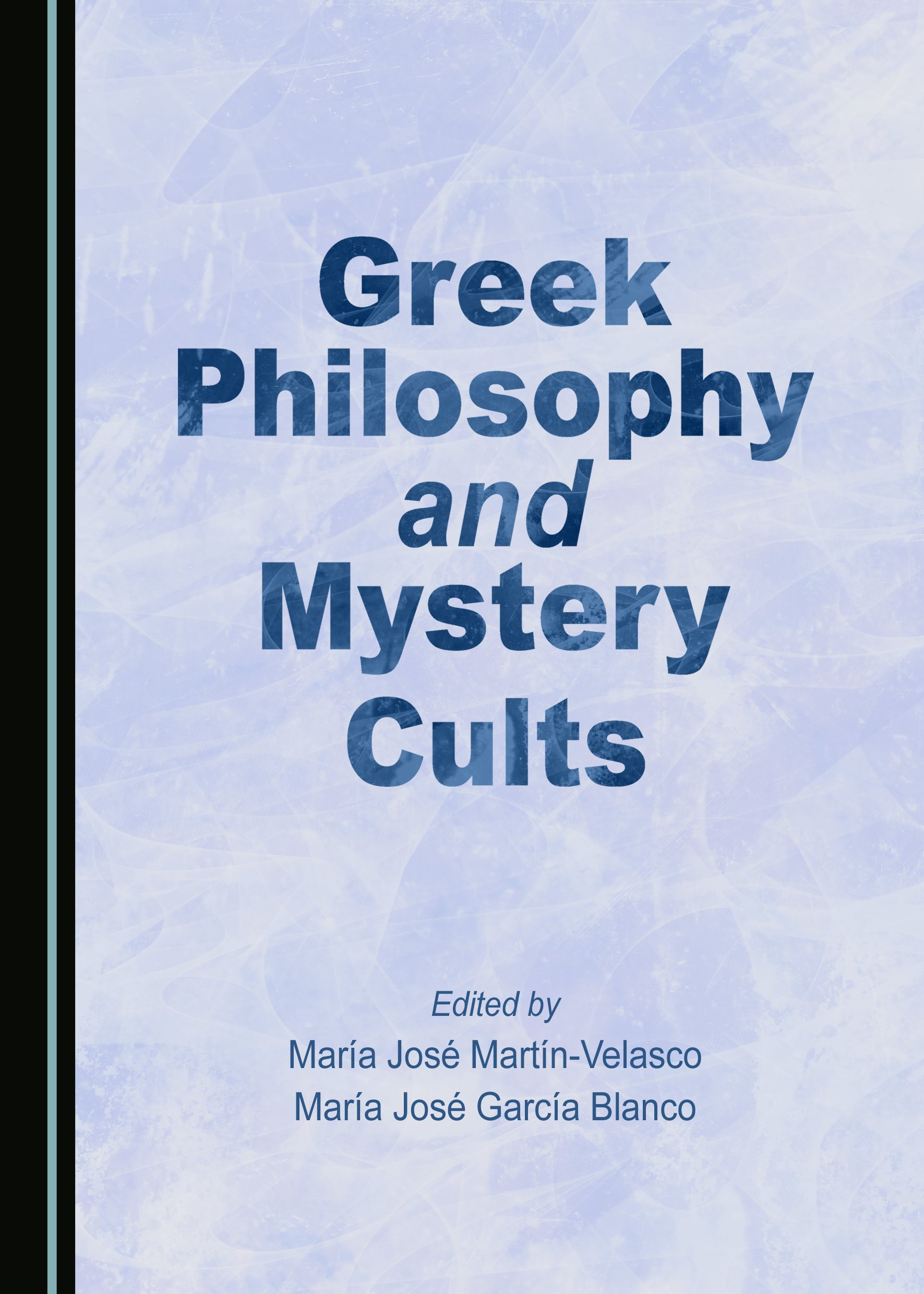
The authors here centre their attention on such thinkers as Plato, Aristotle, and the Stoic philosophers, who used doctrinal elements from Mystery Cults, adapting them to their own thinking, and, as such, offer a new way of looking at various renowned Greek philosophers.
The authors here centre their attention on such thinkers as Plato, Aristotle, and the Stoic philosophers, who used doctrinal elements from Mystery Cults, adapting them to their own thinking, and, as such, offer a new way of looking at various renowned Greek philosophers.
View more
This product has multiple variants. The options may be chosen on the product page
View more
This product has multiple variants. The options may be chosen on the product page
From £29.99
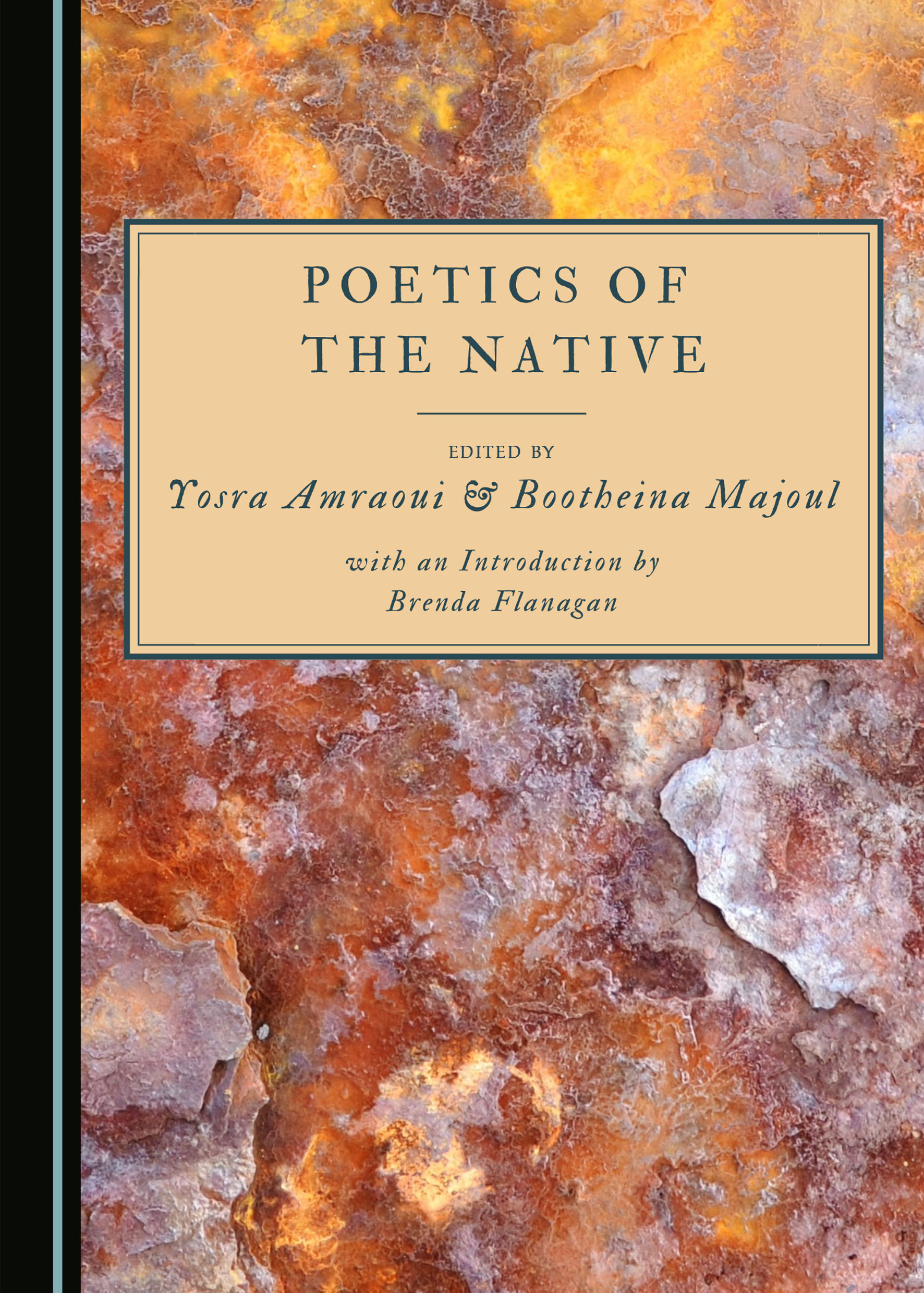
This volume challenges colonial representations of indigenous peoples. It re-reads native discourses from around the world to celebrate their multiplicity of meanings, discussing literary performances, history, testimony, displacement, and the struggle for legitimacy.
This volume challenges colonial representations of indigenous peoples. It re-reads native discourses from around the world to celebrate their multiplicity of meanings, discussing literary performances, history, testimony, displacement, and the struggle for legitimacy.
View more
This product has multiple variants. The options may be chosen on the product page
View more
This product has multiple variants. The options may be chosen on the product page
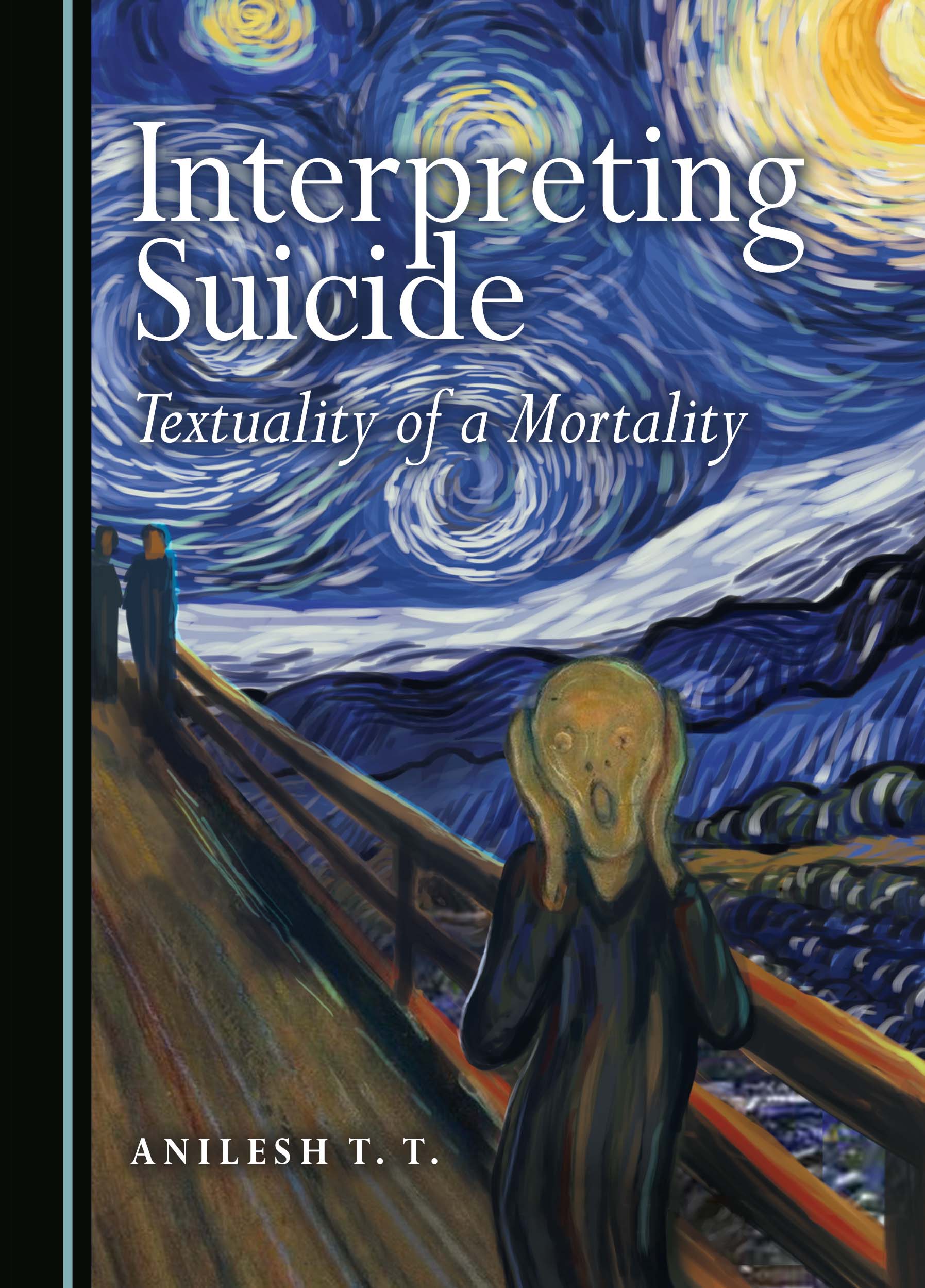
Interpreting Suicide
Textuality of a Mortality
This critical contribution to suicidology analyzes suicides as ‘Texts’. Drawing on theorists like Barthes, Derrida, and Foucault, it explores the deaths of immortalised characters, forgotten writers, and the culturally devoiced by using literary and cultural theories.
This critical contribution to suicidology analyzes suicides as ‘Texts’. Drawing on theorists like Barthes, Derrida, and Foucault, it explores the deaths of immortalised characters, forgotten writers, and the culturally devoiced by using literary and cultural theories.
View more
This product has multiple variants. The options may be chosen on the product page
View more
This product has multiple variants. The options may be chosen on the product page
From £31.99
This book explores history and Althusser's ideology in selected novels by Charles Dickens and Orhan Kemal. Their works reveal the historical and ideological background of their contexts, showing how English and Turkish literature reflect traces of contesting ideologies.
This book explores history and Althusser’s ideology in selected novels by Charles Dickens and Orhan Kemal. Their works reveal the historical and ideological background of their contexts, showing how English and Turkish literature reflect traces of contesting ideologies.
View more
This product has multiple variants. The options may be chosen on the product page
View more
This product has multiple variants. The options may be chosen on the product page
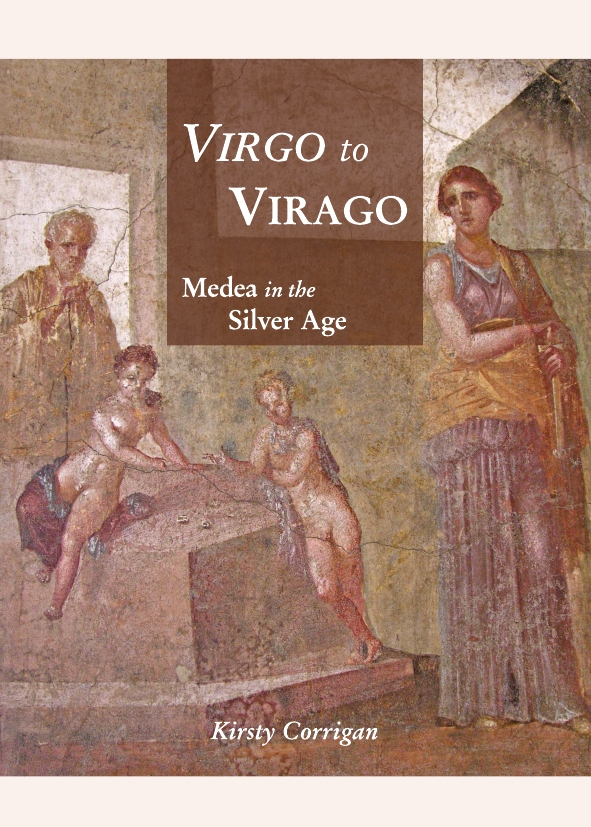
Virgo to Virago
Medea in the Silver Age
Virgo to Virago offers a study of the formidable Medea in the Silver Age. Examining her portrayal in Ovid, Seneca, and Valerius Flaccus, it explores whether this mighty female character has any claim to sympathy or admiration in these texts.
Virgo to Virago offers a study of the formidable Medea in the Silver Age. Examining her portrayal in Ovid, Seneca, and Valerius Flaccus, it explores whether this mighty female character has any claim to sympathy or admiration in these texts.
View more
This product has multiple variants. The options may be chosen on the product page
View more
This product has multiple variants. The options may be chosen on the product page
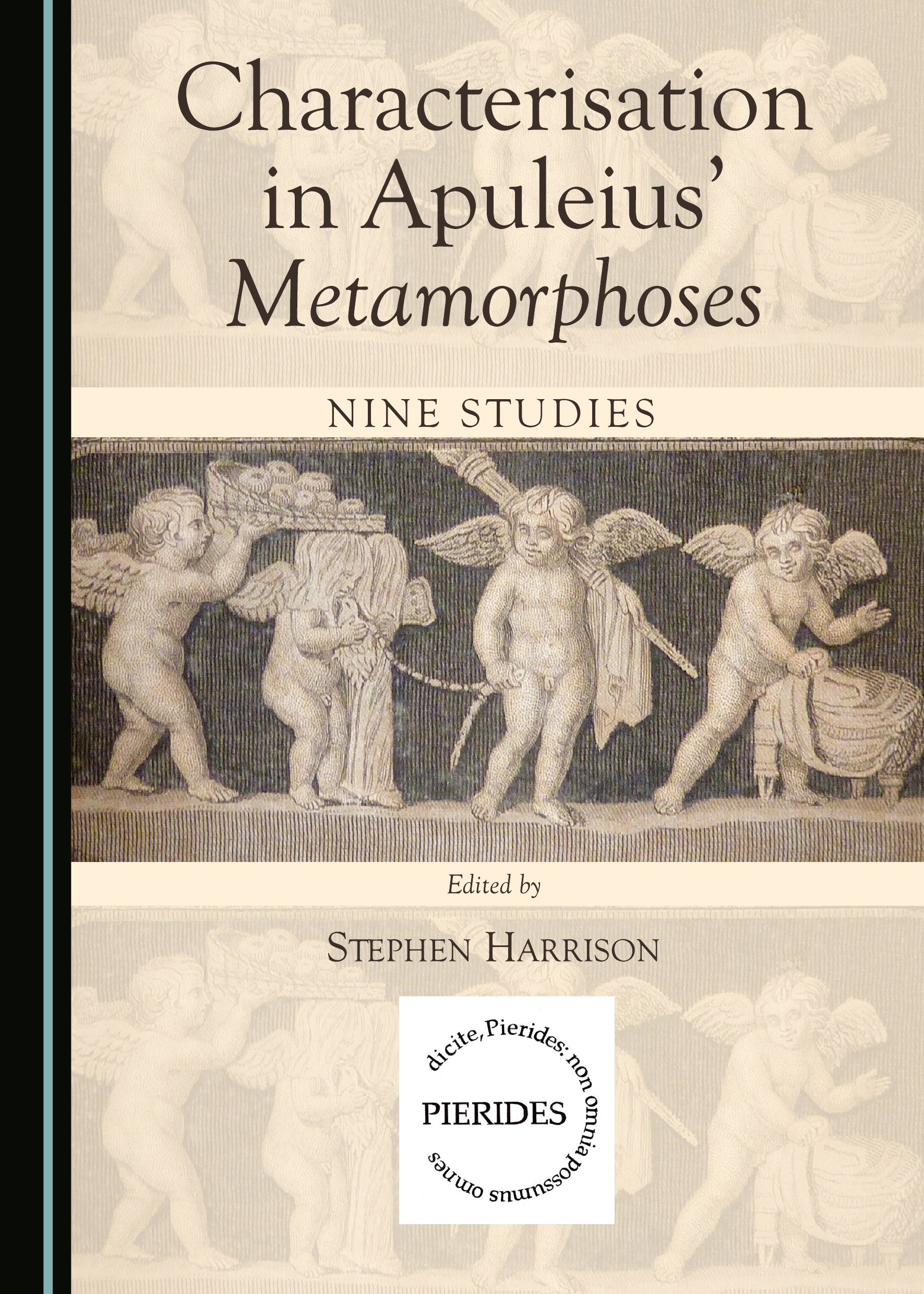
Characterisation in Apuleius’ Metamorphoses
Nine Studies
In the first volume on characterisation in Apuleius’ Metamorphoses, distinguished international scholars explore the novel’s significant human and divine figures. This book is a substantial contribution to the interpretation of the most important Latin novel to survive complete.
In the first volume on characterisation in Apuleius’ Metamorphoses, distinguished international scholars explore the novel’s significant human and divine figures. This book is a substantial contribution to the interpretation of the most important Latin novel to survive complete.
View more
This product has multiple variants. The options may be chosen on the product page
View more
This product has multiple variants. The options may be chosen on the product page
£49.99
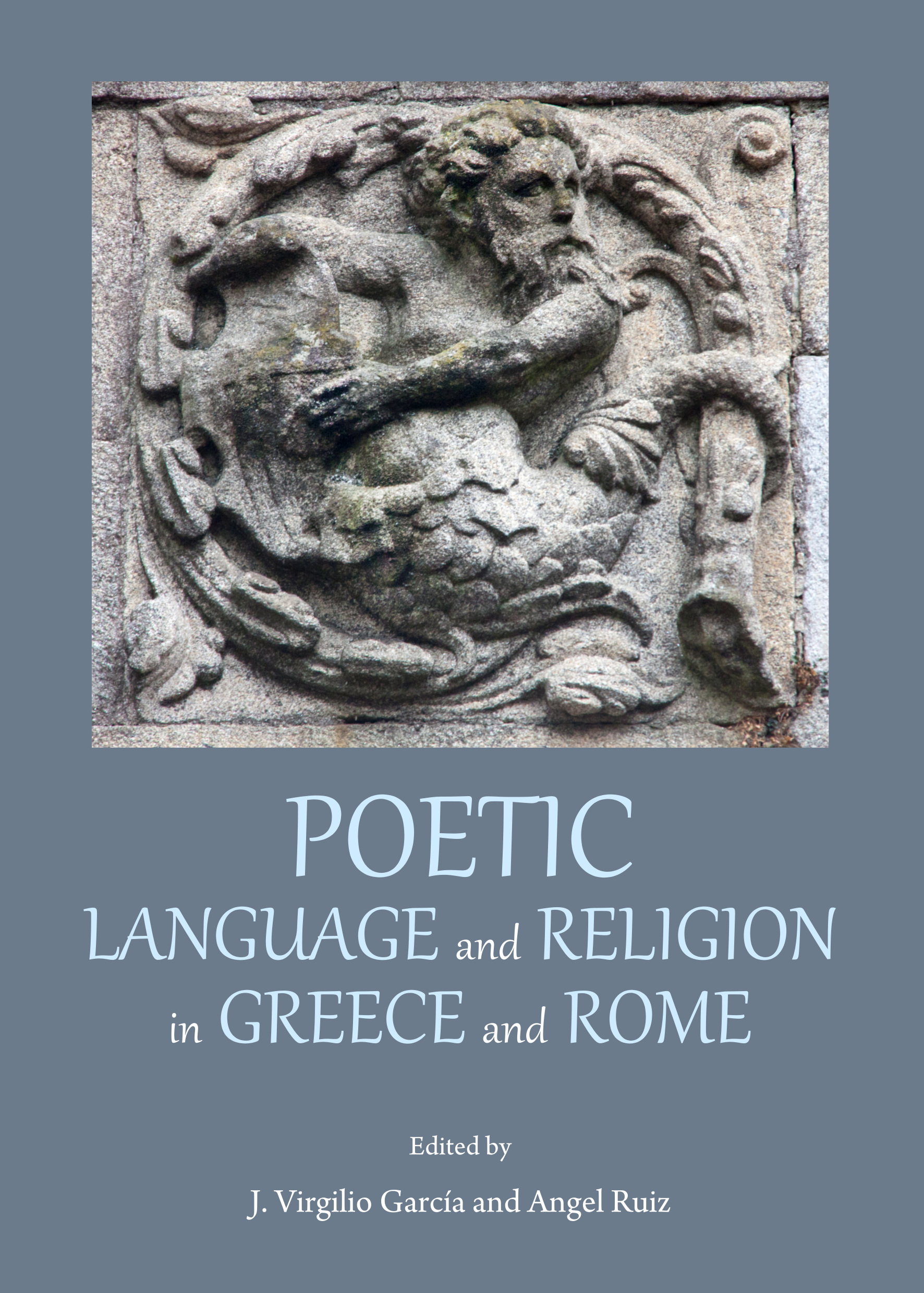
This collection of essays combines Indo-European and Classical Studies to explore poetic language and religion in Greece and Rome. It tracks the remnants of Indo-European tradition and delves into ritual poetry, hymns, oracles, and magic.
This collection of essays combines Indo-European and Classical Studies to explore poetic language and religion in Greece and Rome. It tracks the remnants of Indo-European tradition and delves into ritual poetry, hymns, oracles, and magic.
View more
This product has multiple variants. The options may be chosen on the product page
View more
This product has multiple variants. The options may be chosen on the product page
A. D. Hope and the Ambivalence of Modernity
Reconsiderations
How did A. D. Hope react to modernity? What did he prize, what did he dislike, and how did he make use even of what he disliked? This book offers fresh answers to such questions from some of Australia's best-known scholars.
How did A. D. Hope react to modernity? What did he prize, what did he dislike, and how did he make use even of what he disliked? This book offers fresh answers to such questions from some of Australia’s best-known scholars.
View more
This product has multiple variants. The options may be chosen on the product page
View more
This product has multiple variants. The options may be chosen on the product page
Zeus, Jupiter, Jesus and the Catholic Church
What Good Is a God?
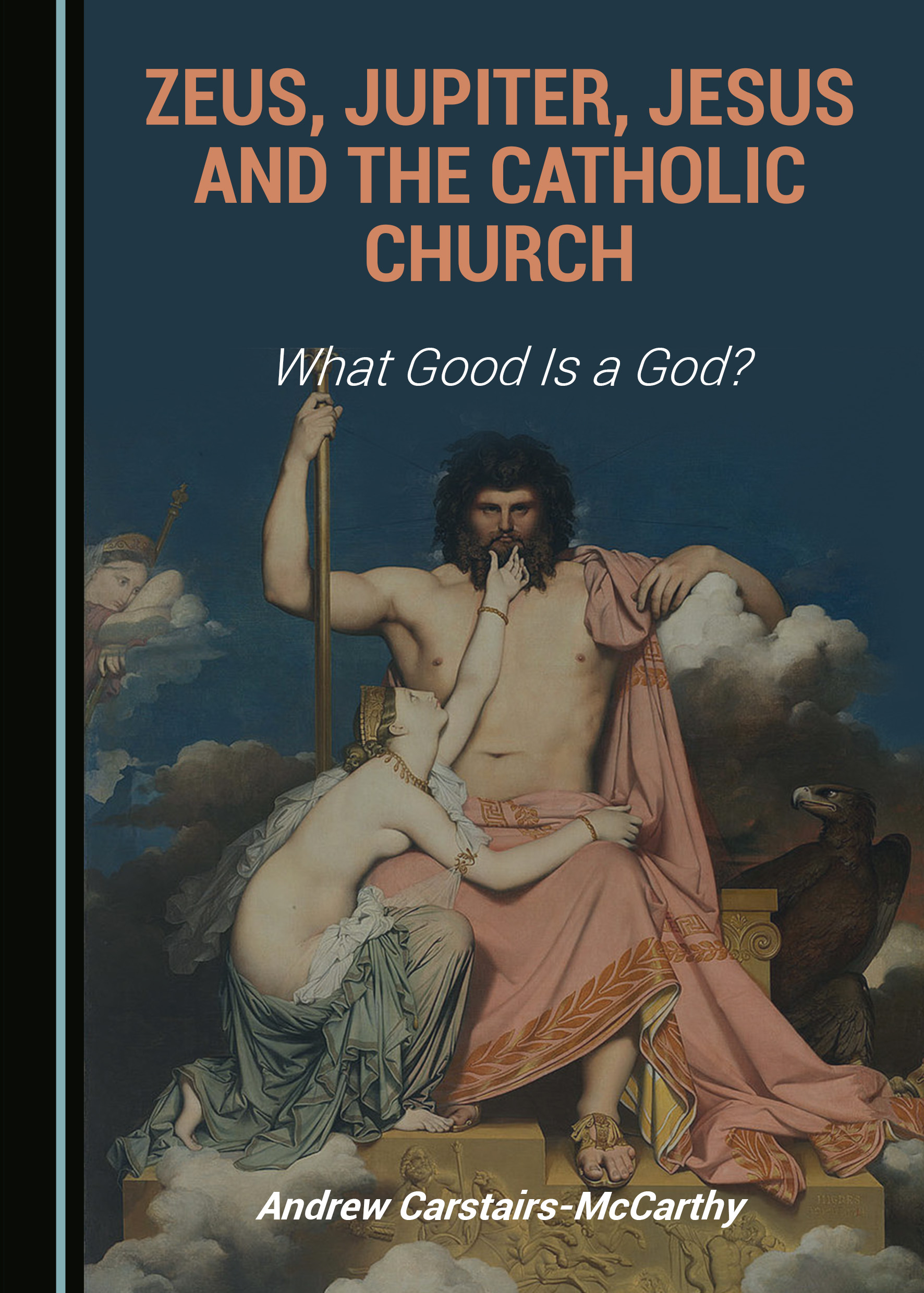
Why get out of bed in the morning? This book finds an answer in Virgil’s Aeneid: “No day shall erase you from the memory of time.” It connects the Aeneid’s deceitful gods to the Bible’s Devil to reveal an offer of eternal happiness, freely given, not forced.
Why get out of bed in the morning? This book finds an answer in Virgil’s Aeneid: “No day shall erase you from the memory of time.” It connects the Aeneid’s deceitful gods to the Bible’s Devil to reveal an offer of eternal happiness, freely given, not forced.
View more
This product has multiple variants. The options may be chosen on the product page
View more
This product has multiple variants. The options may be chosen on the product page
From £32.99
This selection of studies unites East and West, exploring space in literature, drama, and film. Through challenging analyses, the reader journeys into complementary cultures to discover how spatiality produces knowledge, and how reading itself becomes a form of owning space.
This selection of studies unites East and West, exploring space in literature, drama, and film. Through challenging analyses, the reader journeys into complementary cultures to discover how spatiality produces knowledge, and how reading itself becomes a form of owning space.
View more
This product has multiple variants. The options may be chosen on the product page
View more
This product has multiple variants. The options may be chosen on the product page
From £36.99
This book explores the works of Aeschylus, Sophocles, Euripides, and Aristophanes. It considers their principal characters, their motivations, and what their legacies mean to us today, revealing the enduring influence of Classical Greek drama on modern culture.
This book explores the works of Aeschylus, Sophocles, Euripides, and Aristophanes. It considers their principal characters, their motivations, and what their legacies mean to us today, revealing the enduring influence of Classical Greek drama on modern culture.
View more
This product has multiple variants. The options may be chosen on the product page
View more
This product has multiple variants. The options may be chosen on the product page
Genre Studies in Focus
Transgression or Reconciliation
This collection of essays revises genre theory, exploring literary genres in transition. Adopting a cross-cultural and interdisciplinary approach, contributors investigate genre hybridization and evolution, showing that genres are inherently hybrid and flexible.
This collection of essays revises genre theory, exploring literary genres in transition. Adopting a cross-cultural and interdisciplinary approach, contributors investigate genre hybridization and evolution, showing that genres are inherently hybrid and flexible.
View more
This product has multiple variants. The options may be chosen on the product page
View more
This product has multiple variants. The options may be chosen on the product page
From £29.99
This book explores the enduring myth of Antigone and her timeless power of resistance. It shows how subjectivity is forged in crisis, tracing the myth to its reconstruction in Kamila Shamsie’s work, where Antigone is reborn as Aneeka, a modern Muslim British woman.
This book explores the enduring myth of Antigone and her timeless power of resistance. It shows how subjectivity is forged in crisis, tracing the myth to its reconstruction in Kamila Shamsie’s work, where Antigone is reborn as Aneeka, a modern Muslim British woman.
View more
This product has multiple variants. The options may be chosen on the product page
Processing Your Order
Please wait while we securely process your order.
Do not refresh or leave this page.
You will be redirected shortly to a confirmation page with your order number.