
View more
This product has multiple variants. The options may be chosen on the product page
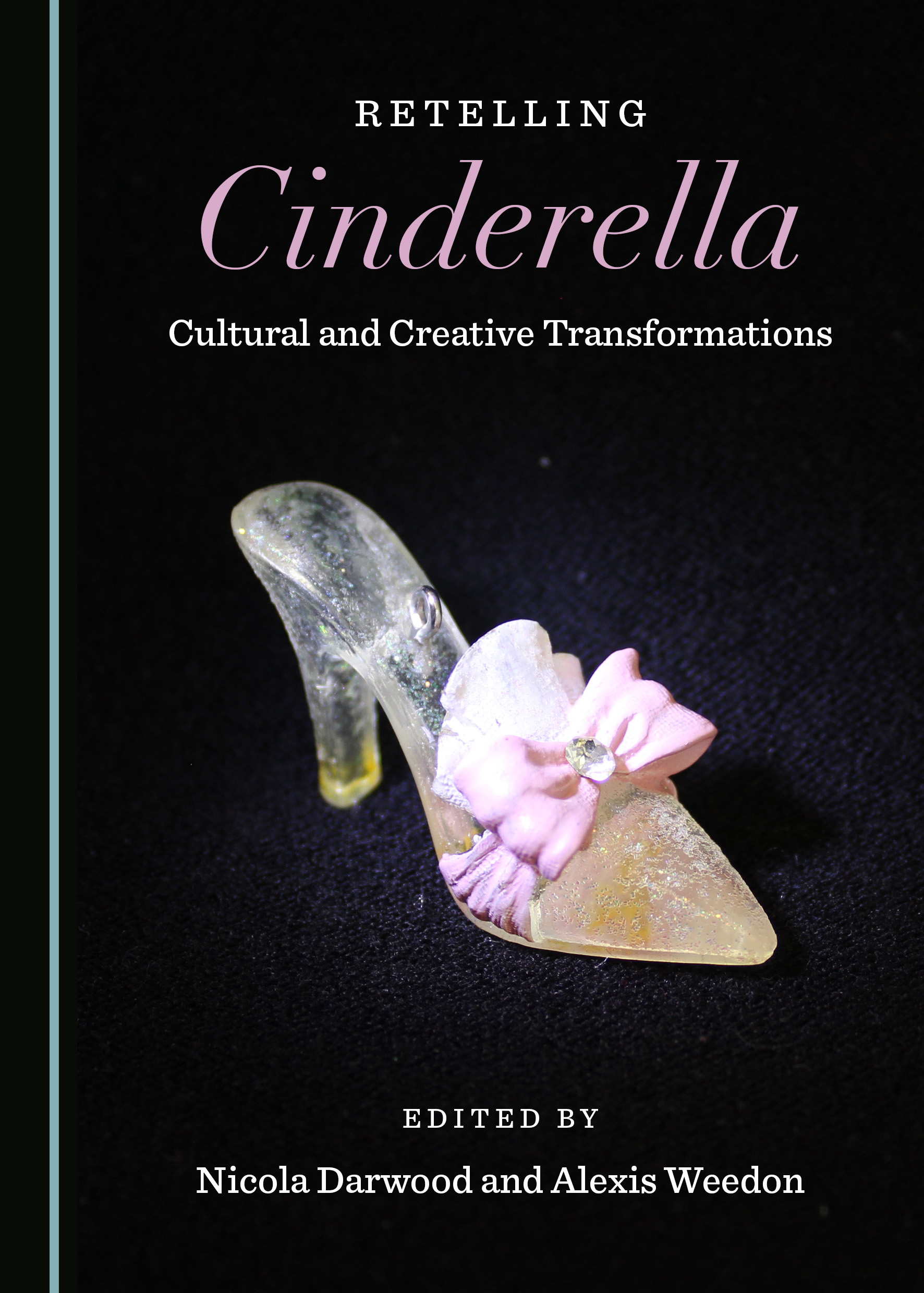
Retelling Cinderella
Cultural and Creative Transformations
This collection demonstrates how the Cinderella story remains active in societies adapting to modern culture. The volume explores dating apps, prom nights, women’s roles, and gender identity through international perspectives on folklore, film, fashion, and literature.
This collection demonstrates how the Cinderella story remains active in societies adapting to modern culture. The volume explores dating apps, prom nights, women’s roles, and gender identity through international perspectives on folklore, film, fashion, and literature.
View more
This product has multiple variants. The options may be chosen on the product page
View more
This product has multiple variants. The options may be chosen on the product page
Space, Identity and Discourse in Anglophone Studies
Crossing Boundaries
This book explores the intersections where cultures, languages, and spaces converge to shape identities. Examining literary works, political narratives, and language use, this collection contributes to scholarly dialogues on identity construction through border crossings.
This book explores the intersections where cultures, languages, and spaces converge to shape identities. Examining literary works, political narratives, and language use, this collection contributes to scholarly dialogues on identity construction through border crossings.
View more
This product has multiple variants. The options may be chosen on the product page
View more
This product has multiple variants. The options may be chosen on the product page
From £32.99
This selection of studies unites East and West, exploring space in literature, drama, and film. Through challenging analyses, the reader journeys into complementary cultures to discover how spatiality produces knowledge, and how reading itself becomes a form of owning space.
This selection of studies unites East and West, exploring space in literature, drama, and film. Through challenging analyses, the reader journeys into complementary cultures to discover how spatiality produces knowledge, and how reading itself becomes a form of owning space.
View more
This product has multiple variants. The options may be chosen on the product page
View more
This product has multiple variants. The options may be chosen on the product page
From £36.99
This book explores the works of Aeschylus, Sophocles, Euripides, and Aristophanes. It considers their principal characters, their motivations, and what their legacies mean to us today, revealing the enduring influence of Classical Greek drama on modern culture.
This book explores the works of Aeschylus, Sophocles, Euripides, and Aristophanes. It considers their principal characters, their motivations, and what their legacies mean to us today, revealing the enduring influence of Classical Greek drama on modern culture.
View more
This product has multiple variants. The options may be chosen on the product page
View more
This product has multiple variants. The options may be chosen on the product page
From £29.99
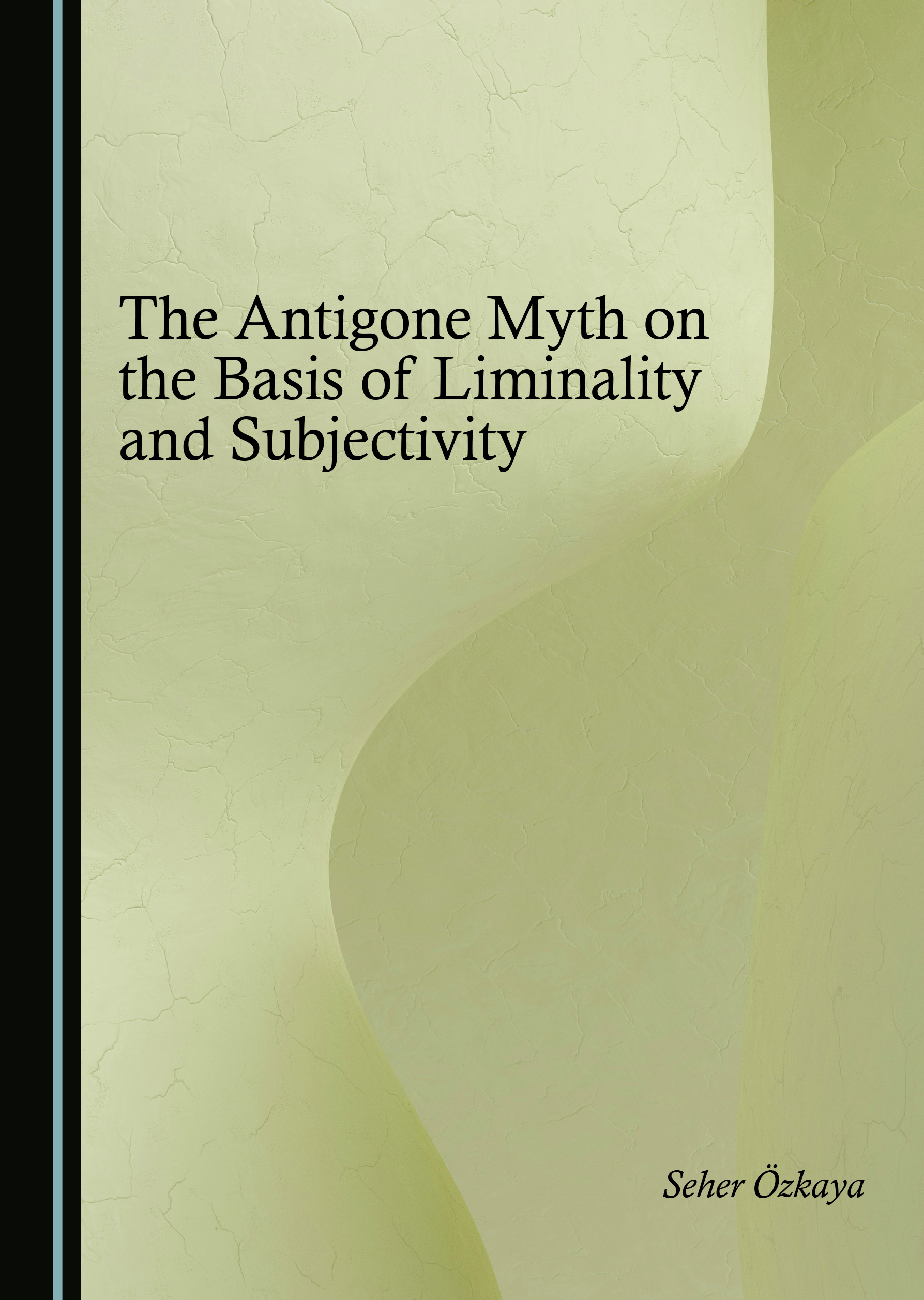
This book explores the enduring myth of Antigone and her timeless power of resistance. It shows how subjectivity is forged in crisis, tracing the myth to its reconstruction in Kamila Shamsie’s work, where Antigone is reborn as Aneeka, a modern Muslim British woman.
This book explores the enduring myth of Antigone and her timeless power of resistance. It shows how subjectivity is forged in crisis, tracing the myth to its reconstruction in Kamila Shamsie’s work, where Antigone is reborn as Aneeka, a modern Muslim British woman.
View more
This product has multiple variants. The options may be chosen on the product page
View more
This product has multiple variants. The options may be chosen on the product page
From £41.99
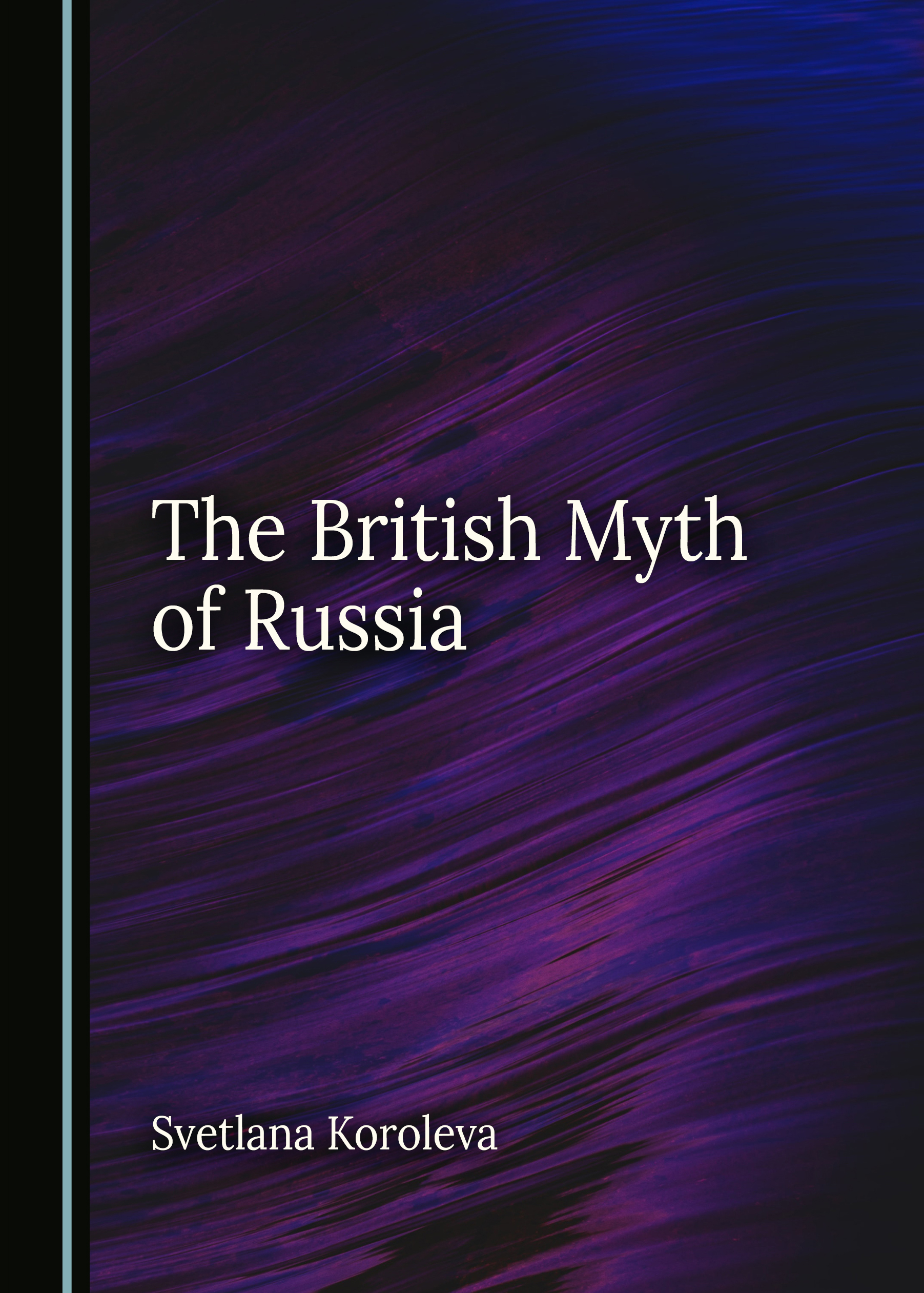
This book explores the British myth of Russia—a collection of images, stereotypes, and plots formed over centuries by cultural and historical forces. It describes the major stages of the myth's development and analyzes the forms it takes in British fiction.
This book explores the British myth of Russia—a collection of images, stereotypes, and plots formed over centuries by cultural and historical forces. It describes the major stages of the myth’s development and analyzes the forms it takes in British fiction.
View more
This product has multiple variants. The options may be chosen on the product page

View more
This product has multiple variants. The options may be chosen on the product page
The Children of Herodotus
Greek and Roman Historiography and Related Genres
This collection of essays by international scholars responds to a growing interest in ancient historiography. The volume focuses on historians' methods of approaching the non-Greek world and the political dimension of Roman imperial historiography.
This collection of essays by international scholars responds to a growing interest in ancient historiography. The volume focuses on historians’ methods of approaching the non-Greek world and the political dimension of Roman imperial historiography.
View more
This product has multiple variants. The options may be chosen on the product page
View more
This product has multiple variants. The options may be chosen on the product page
From £35.99
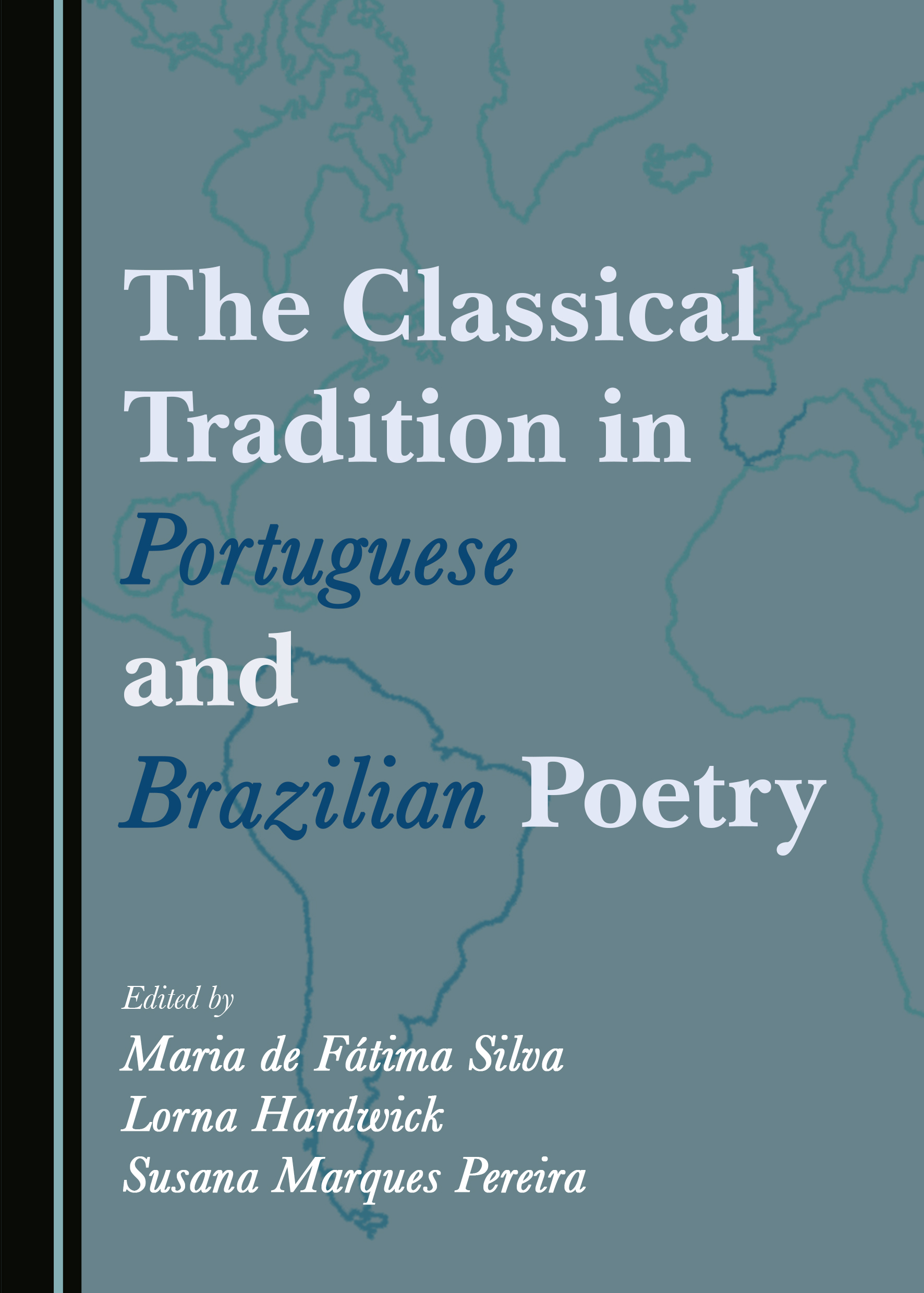
This book studies contemporary Portuguese and Brazilian poets influenced by the Greco-Roman tradition. The comparison between poets from the two countries highlights the cultural community that unites them through the common theme of travels, routes, and symbolic adventures.
This book studies contemporary Portuguese and Brazilian poets influenced by the Greco-Roman tradition. The comparison between poets from the two countries highlights the cultural community that unites them through the common theme of travels, routes, and symbolic adventures.
View more
This product has multiple variants. The options may be chosen on the product page

View more
This product has multiple variants. The options may be chosen on the product page
From £35.99
This book investigates what songwriters read before they start singing. It explores the complex intertextual connections between popular songs and literary works, showing how lyrics adapt material from sources like poems, novels, plays, films, the Bible, and Shakespeare.
This book investigates what songwriters read before they start singing. It explores the complex intertextual connections between popular songs and literary works, showing how lyrics adapt material from sources like poems, novels, plays, films, the Bible, and Shakespeare.
View more
This product has multiple variants. The options may be chosen on the product page
View more
This product has multiple variants. The options may be chosen on the product page
The Philosophizing Muse
The Influence of Greek Philosophy on Roman Poetry
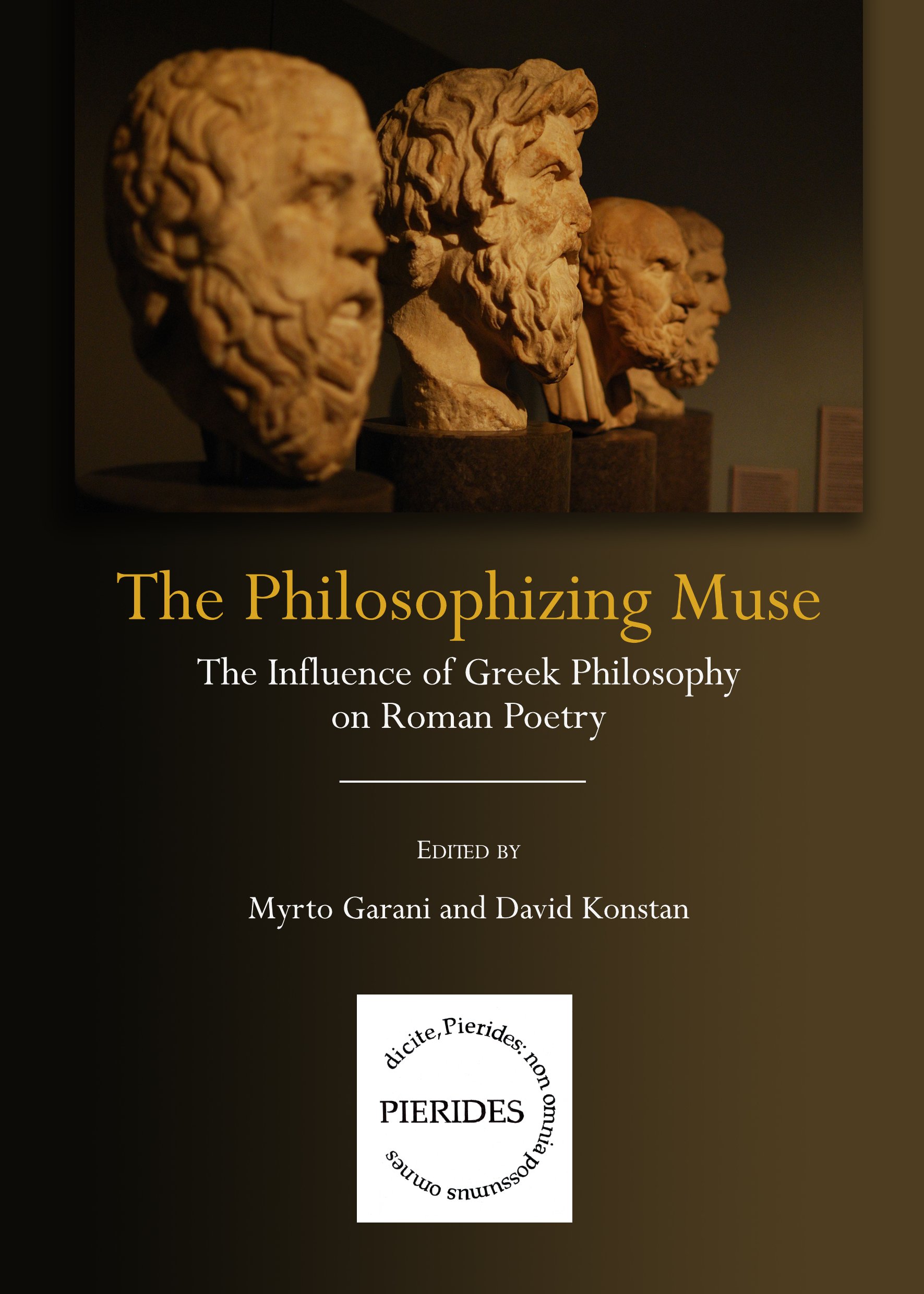
Despite the Romans’ reputation, Latin poetry was deeply permeated by Greek philosophy. This volume of original essays is the first to fully investigate this influence, analysing how poets from the 3rd century BC to the 1st century AD absorbed and transformed their sources.
Despite the Romans’ reputation, Latin poetry was deeply permeated by Greek philosophy. This volume of original essays is the first to fully investigate this influence, analysing how poets from the 3rd century BC to the 1st century AD absorbed and transformed their sources.
View more
This product has multiple variants. The options may be chosen on the product page

View more
This product has multiple variants. The options may be chosen on the product page
From £30.99
This exploration of the Medea myth reveals how unresolved suffering turns to vengeance. Her tragic story became a touchstone for early twentieth-century female authors who used it to explore their own struggles with unrequited love, societal abandonment, and self-discovery.
This exploration of the Medea myth reveals how unresolved suffering turns to vengeance. Her tragic story became a touchstone for early twentieth-century female authors who used it to explore their own struggles with unrequited love, societal abandonment, and self-discovery.
View more
This product has multiple variants. The options may be chosen on the product page
View more
This product has multiple variants. The options may be chosen on the product page
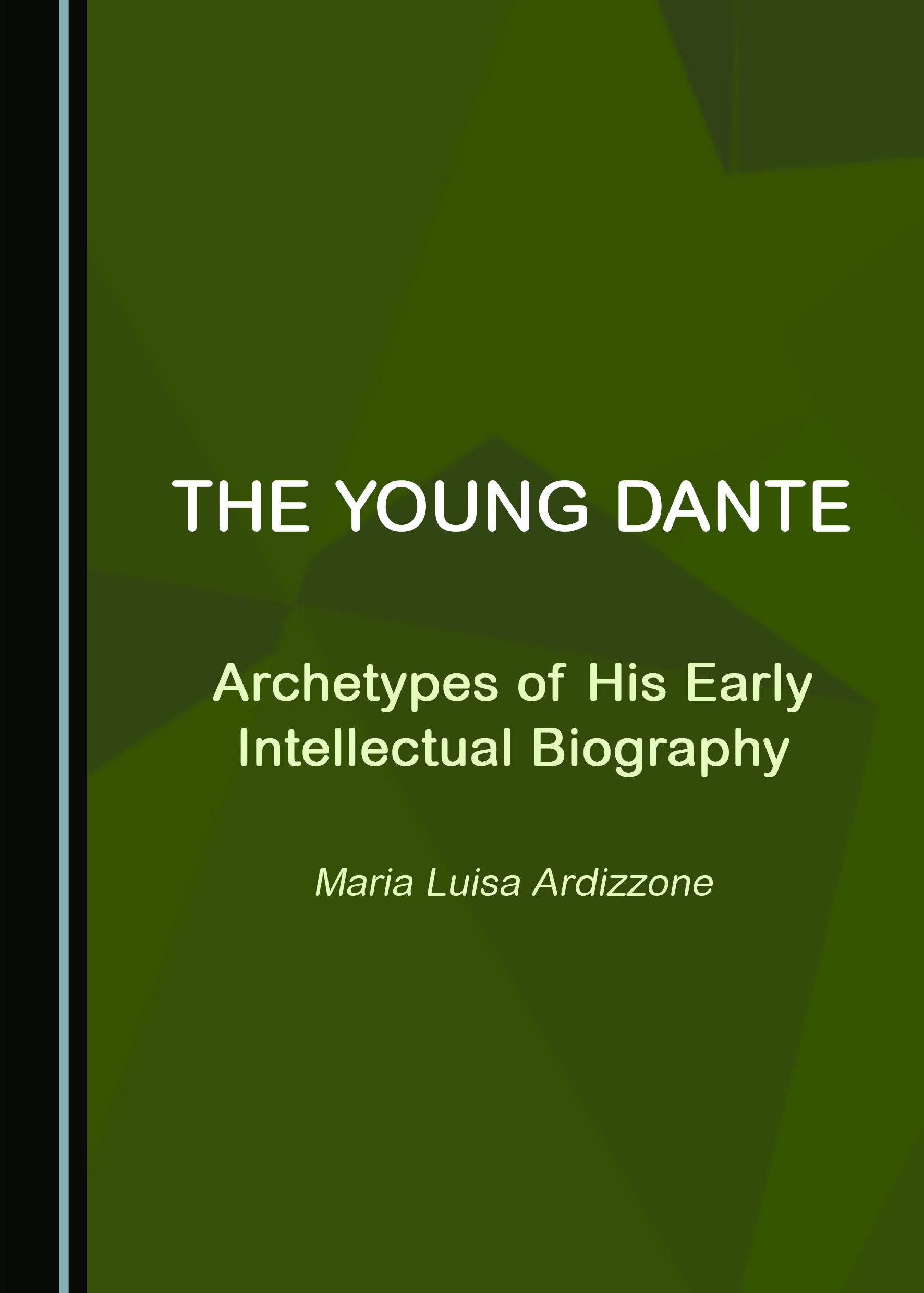
The Young Dante
Archetypes of His Early Intellectual Biography
This book explores Dante’s formative Florentine years, a crucible of great importance. Focusing on the Vita Nuova and early poems, it shows how the young poet took archetypes from ancient-medieval tradition and reshaped them to pave the way for his own work.
This book explores Dante’s formative Florentine years, a crucible of great importance. Focusing on the Vita Nuova and early poems, it shows how the young poet took archetypes from ancient-medieval tradition and reshaped them to pave the way for his own work.
View more
This product has multiple variants. The options may be chosen on the product page

View more
This product has multiple variants. The options may be chosen on the product page
From £34.99
Travel writing can guide our connection with the nonhuman world. This collection of essays by international writers explores sustainable travel and our bond with nature. Encompassing diverse genres, it is for all interested in travel, ecology, and the philosophy of place.
Travel writing can guide our connection with the nonhuman world. This collection of essays by international writers explores sustainable travel and our bond with nature. Encompassing diverse genres, it is for all interested in travel, ecology, and the philosophy of place.
View more
This product has multiple variants. The options may be chosen on the product page
View more
This product has multiple variants. The options may be chosen on the product page
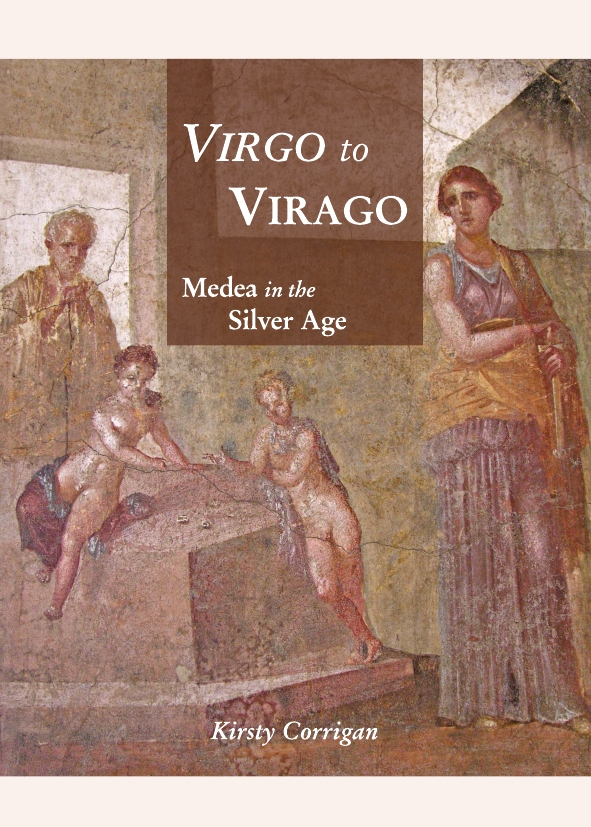
Virgo to Virago
Medea in the Silver Age
Virgo to Virago offers a study of the formidable Medea in the Silver Age. Examining her portrayal in Ovid, Seneca, and Valerius Flaccus, it explores whether this mighty female character has any claim to sympathy or admiration in these texts.
Virgo to Virago offers a study of the formidable Medea in the Silver Age. Examining her portrayal in Ovid, Seneca, and Valerius Flaccus, it explores whether this mighty female character has any claim to sympathy or admiration in these texts.
View more
This product has multiple variants. The options may be chosen on the product page
View more
This product has multiple variants. The options may be chosen on the product page
Voices of Sanskrit Poets
A Fresh Look at the Classics
Is Vālmīki’s Sīta a feminist archetype? Is infidelity a virtue? This book offers a fresh perspective on Sanskrit literature for the modern reader, juxtaposing the heroism of Achilles and Rāma and exploring the power of love through Cordelia and Śakuntala.
Is Vālmīki’s Sīta a feminist archetype? Is infidelity a virtue? This book offers a fresh perspective on Sanskrit literature for the modern reader, juxtaposing the heroism of Achilles and Rāma and exploring the power of love through Cordelia and Śakuntala.
View more
This product has multiple variants. The options may be chosen on the product page
View more
This product has multiple variants. The options may be chosen on the product page
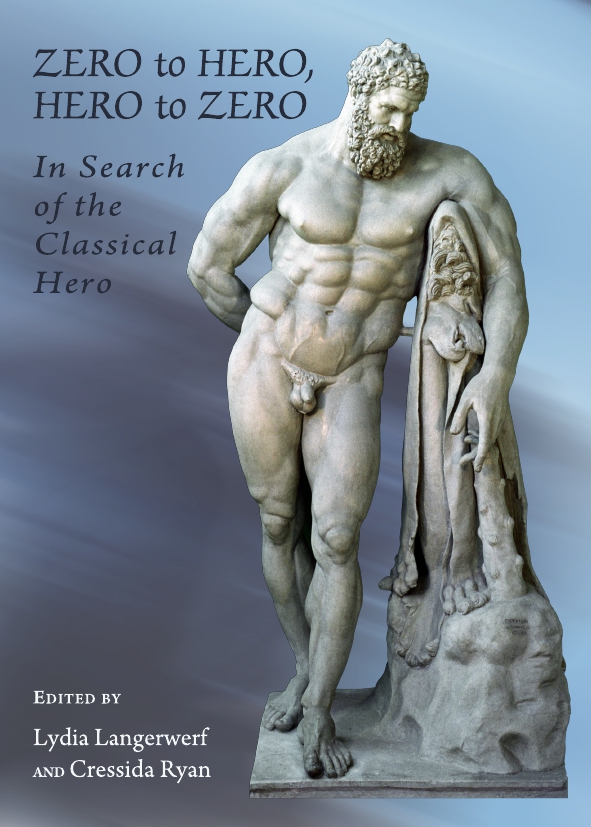
Zero to Hero, Hero to Zero
In Search of the Classical Hero
What makes a hero? This book challenges standard expectations, exploring the phenomenon of heroism from a range of viewpoints and asking why heroic qualities so often turn sour. Covering Euripides to Monty Python, it examines the changing notion of the hero.
What makes a hero? This book challenges standard expectations, exploring the phenomenon of heroism from a range of viewpoints and asking why heroic qualities so often turn sour. Covering Euripides to Monty Python, it examines the changing notion of the hero.
View more
This product has multiple variants. The options may be chosen on the product page
View more
This product has multiple variants. The options may be chosen on the product page
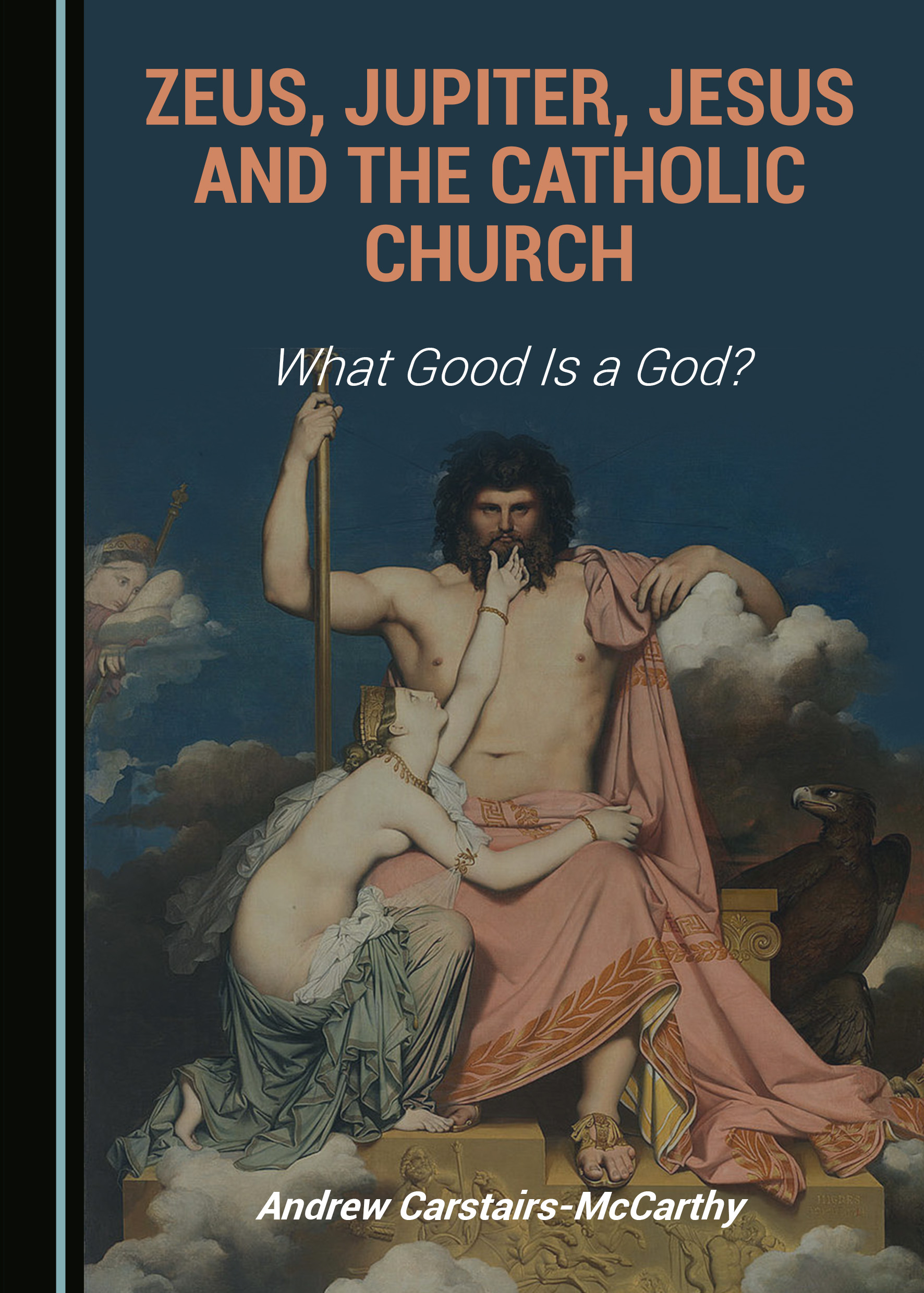
Zeus, Jupiter, Jesus and the Catholic Church
What Good Is a God?
Why get out of bed in the morning? This book finds an answer in Virgil’s Aeneid: “No day shall erase you from the memory of time.” It connects the Aeneid’s deceitful gods to the Bible’s Devil to reveal an offer of eternal happiness, freely given, not forced.
Why get out of bed in the morning? This book finds an answer in Virgil’s Aeneid: “No day shall erase you from the memory of time.” It connects the Aeneid’s deceitful gods to the Bible’s Devil to reveal an offer of eternal happiness, freely given, not forced.
View more
This product has multiple variants. The options may be chosen on the product page
Processing Your Order
Please wait while we securely process your order.
Do not refresh or leave this page.
You will be redirected shortly to a confirmation page with your order number.