
View more
This product has multiple variants. The options may be chosen on the product page
£67.99
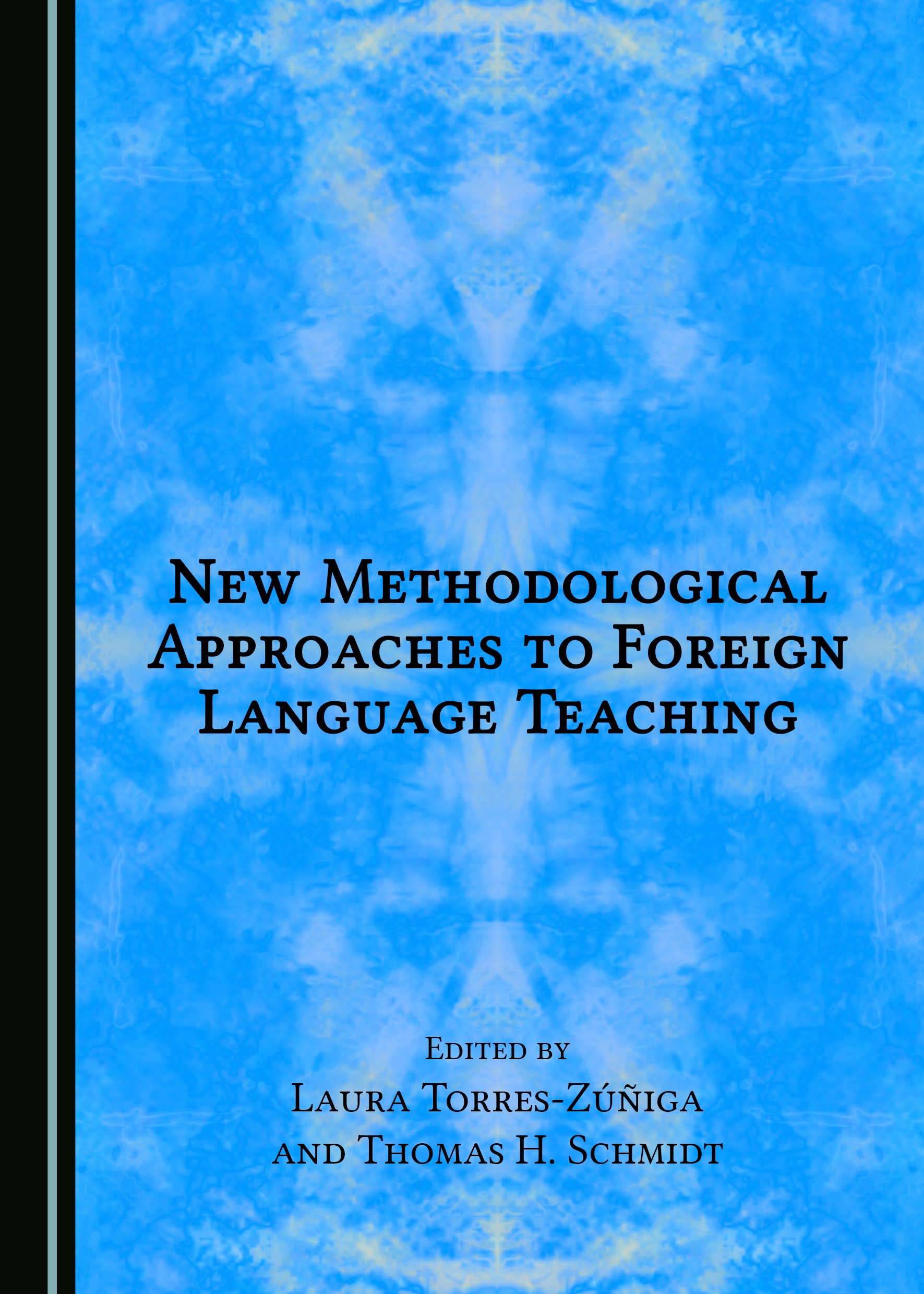
Turn research into practice. This guide shows how to integrate linguistics, translation, literature, and cultural studies into the language classroom with innovative strategies for teaching English, Spanish, French, and German.
Turn research into practice. This guide shows how to integrate linguistics, translation, literature, and cultural studies into the language classroom with innovative strategies for teaching English, Spanish, French, and German.
View more
This product has multiple variants. The options may be chosen on the product page
View more
This product has multiple variants. The options may be chosen on the product page
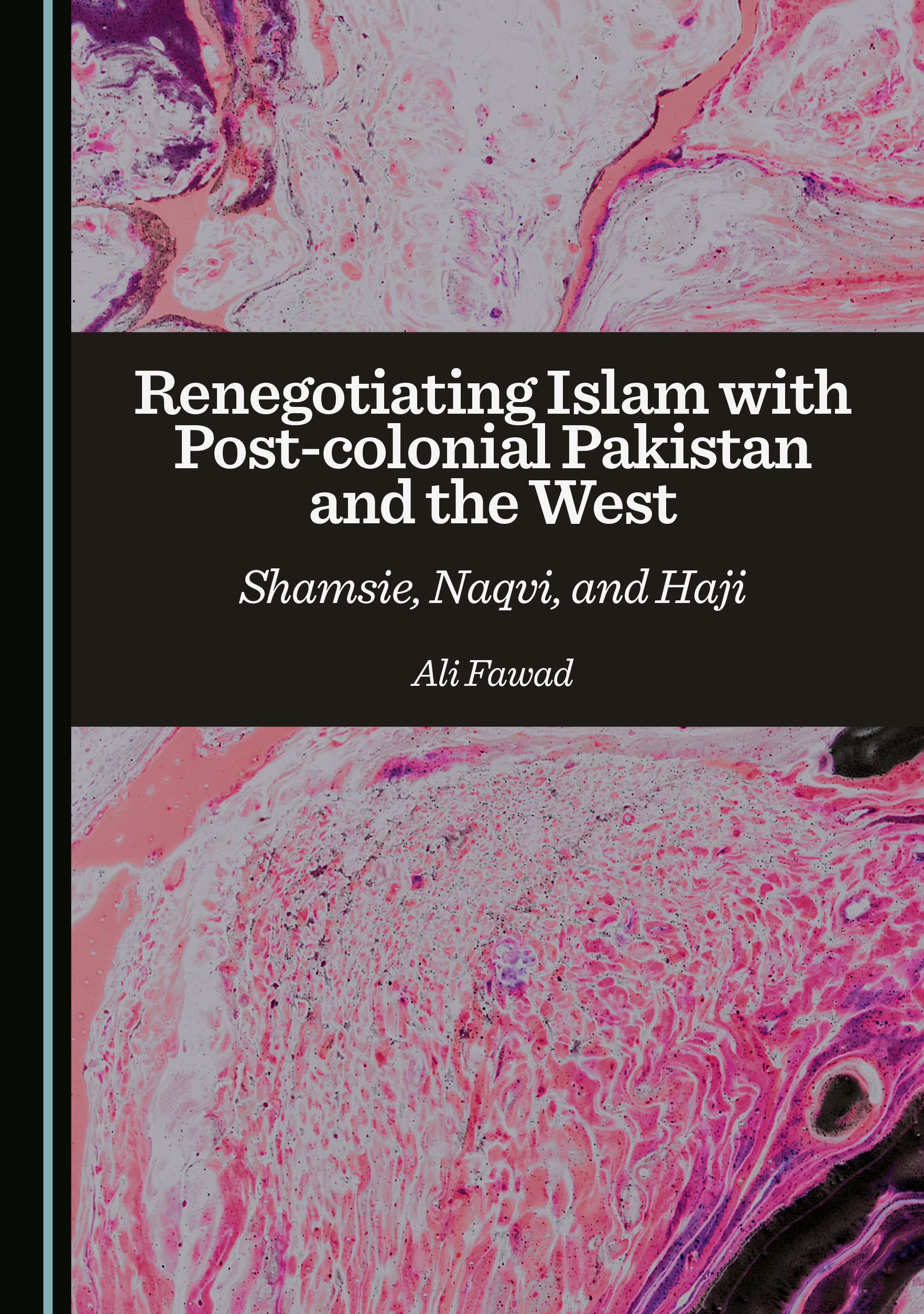
Renegotiating Islam with Post-colonial Pakistan and the West
Shamsie, Naqvi, and Haji
Beyond simplistic portrayals, this book shows how authors Shamsie, Naqvi, and Haji redefine Muslim identity. Their works navigate the interplay of faith, culture, and migration to forge new ways of belonging in a globalized world, offering a vital, fresh perspective.
Beyond simplistic portrayals, this book shows how authors Shamsie, Naqvi, and Haji redefine Muslim identity. Their works navigate the interplay of faith, culture, and migration to forge new ways of belonging in a globalized world, offering a vital, fresh perspective.
View more
This product has multiple variants. The options may be chosen on the product page
View more
This product has multiple variants. The options may be chosen on the product page
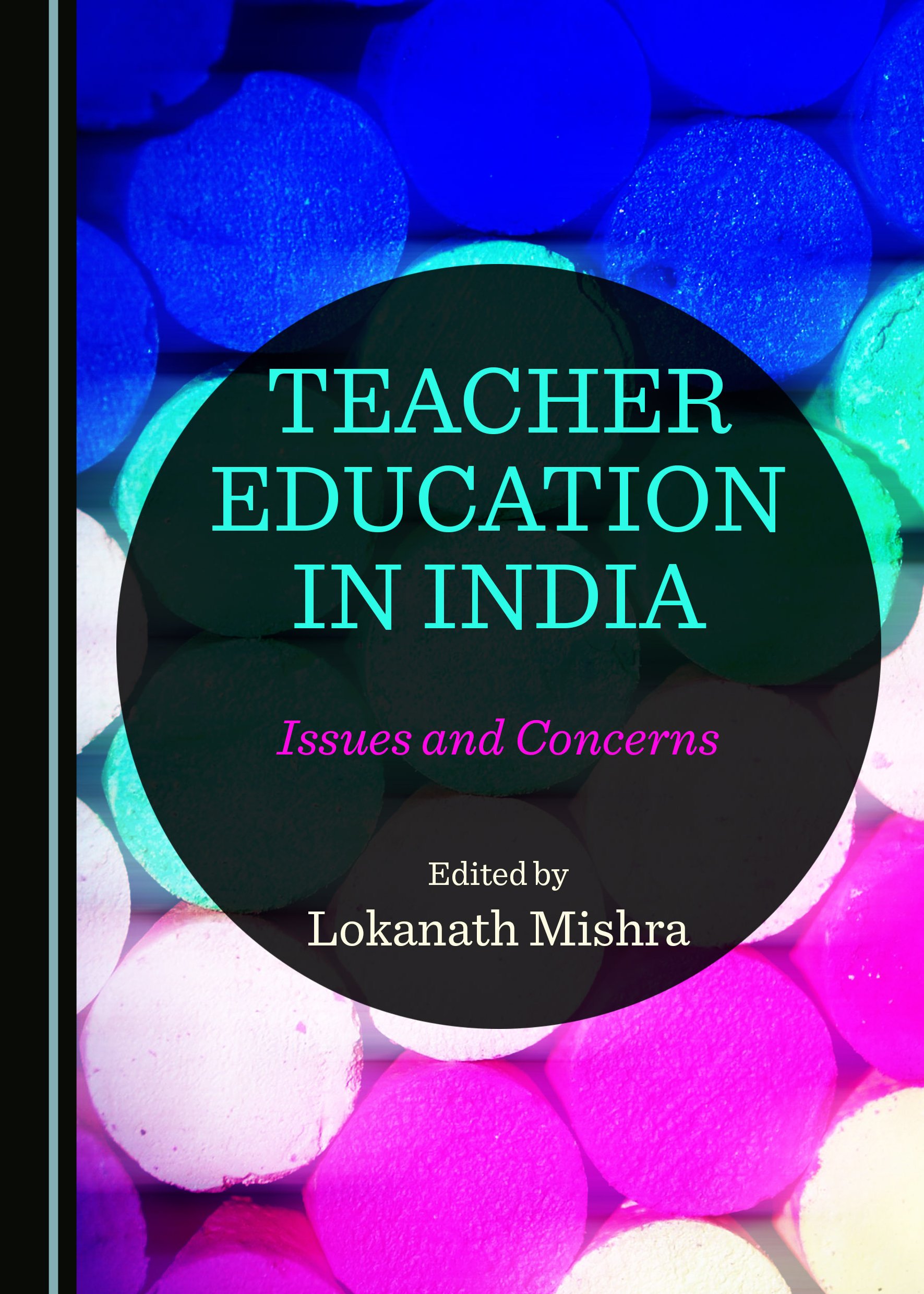
Teacher Education in India
Issues and Concerns
A progressive country is built upon the quality and commitment of its teachers. The teacher education system is a powerful vehicle to raise educational standards. This collection of papers analyses this system and its improvement, with special reference to North East India.
A progressive country is built upon the quality and commitment of its teachers. The teacher education system is a powerful vehicle to raise educational standards. This collection of papers analyses this system and its improvement, with special reference to North East India.
View more
This product has multiple variants. The options may be chosen on the product page
View more
This product has multiple variants. The options may be chosen on the product page
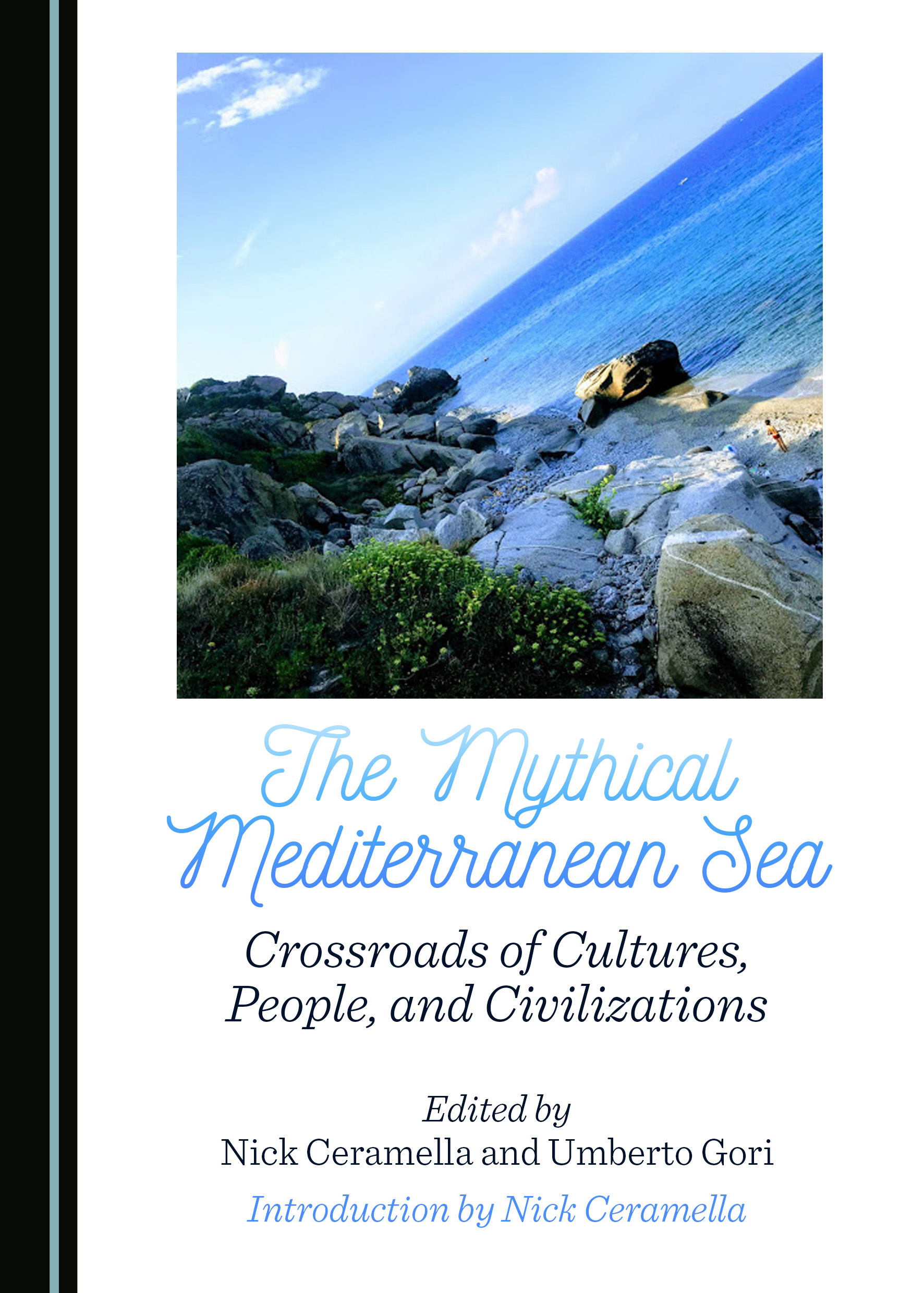
The Mythical Mediterranean Sea
Crossroads of Cultures, People, and Civilizations
Through an analysis of literature, history, culture and identity, the essays here explore the connections that define the Mediterranean Sea as a symbol of tradition and modernity, deeming it a region capable of congregating, synergizing and transforming cultures.
Through an analysis of literature, history, culture and identity, the essays here explore the connections that define the Mediterranean Sea as a symbol of tradition and modernity, deeming it a region capable of congregating, synergizing and transforming cultures.
View more
This product has multiple variants. The options may be chosen on the product page
View more
This product has multiple variants. The options may be chosen on the product page
£58.99
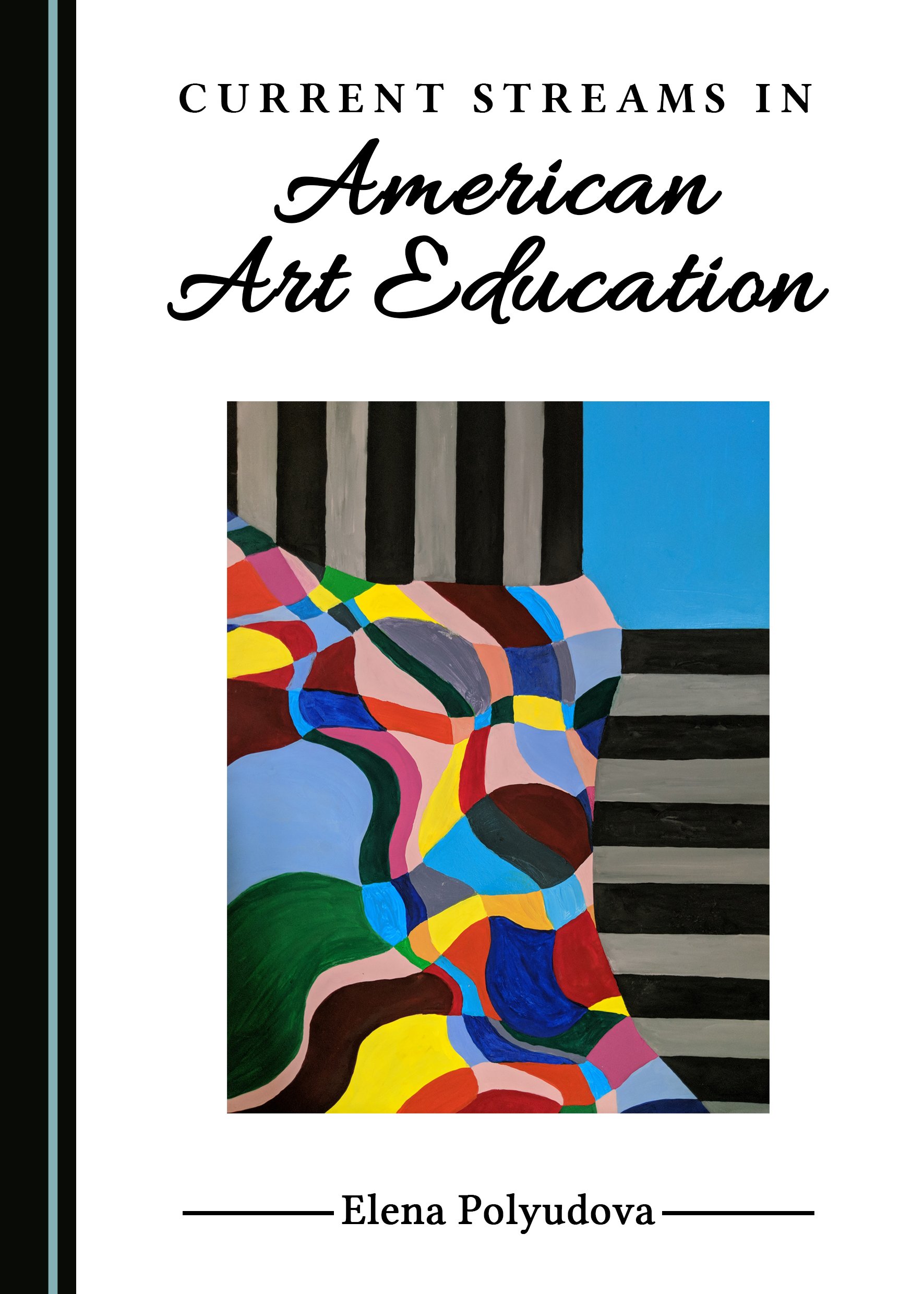
This book analyses modern American art education from historical and comparative perspectives. It explores visual culture, social factors, and the transformation of the aesthetic experience in a multicultural milieu, illustrating current pedagogy with references to art museums.
This book analyses modern American art education from historical and comparative perspectives. It explores visual culture, social factors, and the transformation of the aesthetic experience in a multicultural milieu, illustrating current pedagogy with references to art museums.
View more
This product has multiple variants. The options may be chosen on the product page
View more
This product has multiple variants. The options may be chosen on the product page
Lake Garda
Gateway to D. H. Lawrence’s Voyage to the Sun
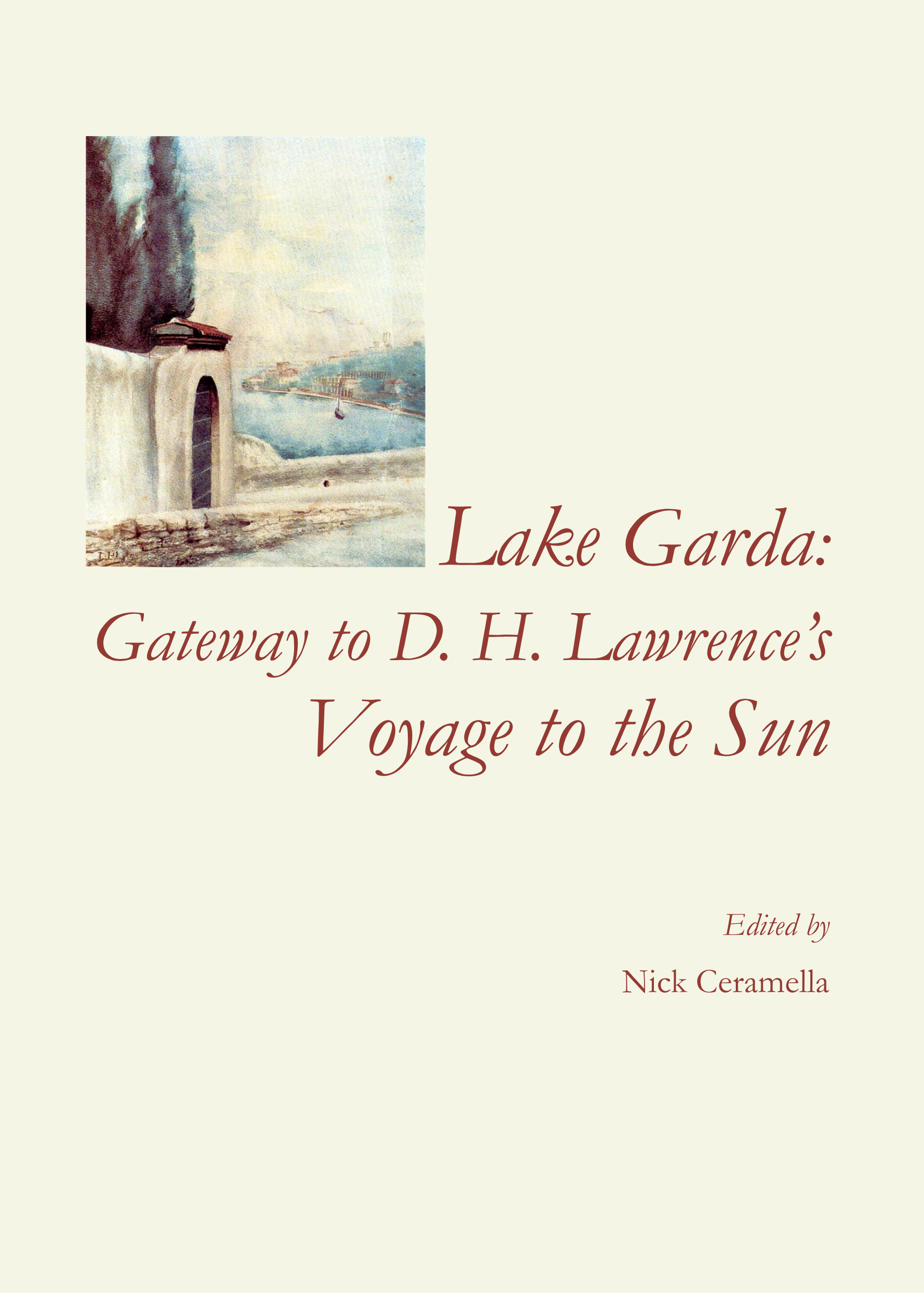
D. H. Lawrence’s life was a journey to the sun, a quest that began in Gargnano. This unique book explores his "sun search" through a stimulating combination of literature, music, and painting. A book that any Laurentian cannot possibly miss.
D. H. Lawrence’s life was a journey to the sun, a quest that began in Gargnano. This unique book explores his “sun search” through a stimulating combination of literature, music, and painting. A book that any Laurentian cannot possibly miss.
View more
This product has multiple variants. The options may be chosen on the product page
View more
This product has multiple variants. The options may be chosen on the product page
£54.99
The fourteen narratives in this text bring together both language teachers’ stories and political stories of the problems of school programs and contexts. They are framed by the work of Clandinin and Connelly (1996) and their notion of ‘levels’ of stories told by teachers.
The fourteen narratives in this text bring together both language teachers’ stories and political stories of the problems of school programs and contexts. They are framed by the work of Clandinin and Connelly (1996) and their notion of ‘levels’ of stories told by teachers.
View more
This product has multiple variants. The options may be chosen on the product page
View more
This product has multiple variants. The options may be chosen on the product page
£52.99
Responding to challenges arising from an increase in Chinese students at western universities, Burrows provides a guide on how to deal with such problems. She explores such issues as cultural differences, as well as suggesting how best to engage the student.
Responding to challenges arising from an increase in Chinese students at western universities, Burrows provides a guide on how to deal with such problems. She explores such issues as cultural differences, as well as suggesting how best to engage the student.
View more
This product has multiple variants. The options may be chosen on the product page
View more
This product has multiple variants. The options may be chosen on the product page
£39.99
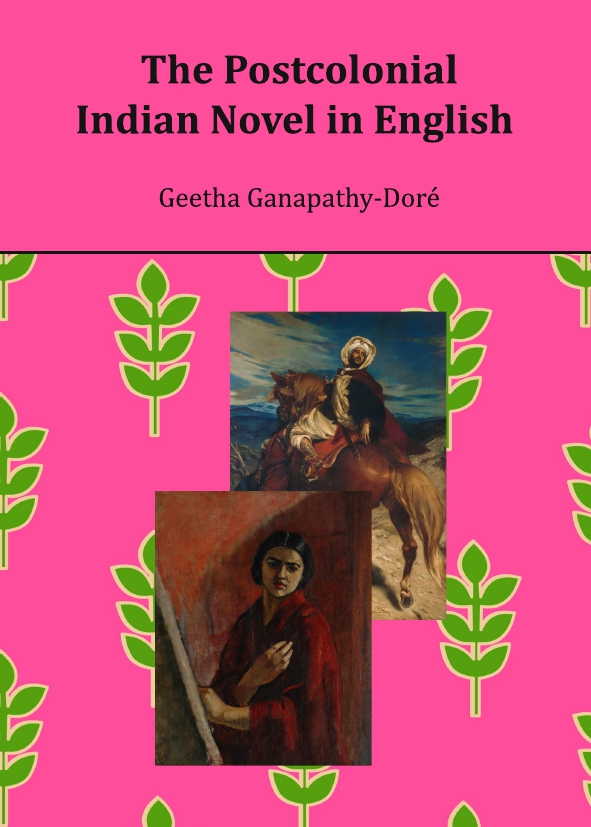
This study explains the stunning vitality and success of postcolonial Indian novels. It analyses themes of empire, nation, gender, and language to show how writers from Rushdie to Roy have created a truly world literature, liberated from the nation.
This study explains the stunning vitality and success of postcolonial Indian novels. It analyses themes of empire, nation, gender, and language to show how writers from Rushdie to Roy have created a truly world literature, liberated from the nation.
View more
This product has multiple variants. The options may be chosen on the product page
Processing Your Order
Please wait while we securely process your order.
Do not refresh or leave this page.
You will be redirected shortly to a confirmation page with your order number.