
View more
This product has multiple variants. The options may be chosen on the product page
£39.99
Can scientific principles be a priori yet still change? This book argues they can be, proposing a novel concept: a priori revisability. Using case studies from physics and geometry, it reveals a new dynamic of science driven by non-empirical moves.
Can scientific principles be a priori yet still change? This book argues they can be, proposing a novel concept: a priori revisability. Using case studies from physics and geometry, it reveals a new dynamic of science driven by non-empirical moves.
View more
This product has multiple variants. The options may be chosen on the product page
View more
This product has multiple variants. The options may be chosen on the product page
Evolutionary Analogies
Is the Process of Scientific Change Analogous to the Organic Change?
This book presents a serious challenge to the analogy between biological and scientific change. It argues that such theories are sketchy or unpersuasive, shedding new light on one of the dominant theories of scientific progress.
This book presents a serious challenge to the analogy between biological and scientific change. It argues that such theories are sketchy or unpersuasive, shedding new light on one of the dominant theories of scientific progress.
View more
This product has multiple variants. The options may be chosen on the product page
View more
This product has multiple variants. The options may be chosen on the product page
Fertilizing the Universe
A New Chapter of Unfolding Evolution
The evolution of life is a cosmic attribute, not confined to Earth. Fertilizing the Universe proposes a new and intriguing theory of extra-terrestrial life, striving to empower humankind to co-create as an ally of the cosmic powers of evolution.
The evolution of life is a cosmic attribute, not confined to Earth. Fertilizing the Universe proposes a new and intriguing theory of extra-terrestrial life, striving to empower humankind to co-create as an ally of the cosmic powers of evolution.
View more
This product has multiple variants. The options may be chosen on the product page
View more
This product has multiple variants. The options may be chosen on the product page
From a Heuristic Point of View
Essays in Honour of Carlo Cellucci
How do we get new knowledge? Carlo Cellucci argues that traditional logic is inadequate. We need a new, heuristic logic for generating knowledge. This book is a collection of essays from leading figures who discuss, criticize, and expand on Cellucci’s work.
How do we get new knowledge? Carlo Cellucci argues that traditional logic is inadequate. We need a new, heuristic logic for generating knowledge. This book is a collection of essays from leading figures who discuss, criticize, and expand on Cellucci’s work.
View more
This product has multiple variants. The options may be chosen on the product page
View more
This product has multiple variants. The options may be chosen on the product page
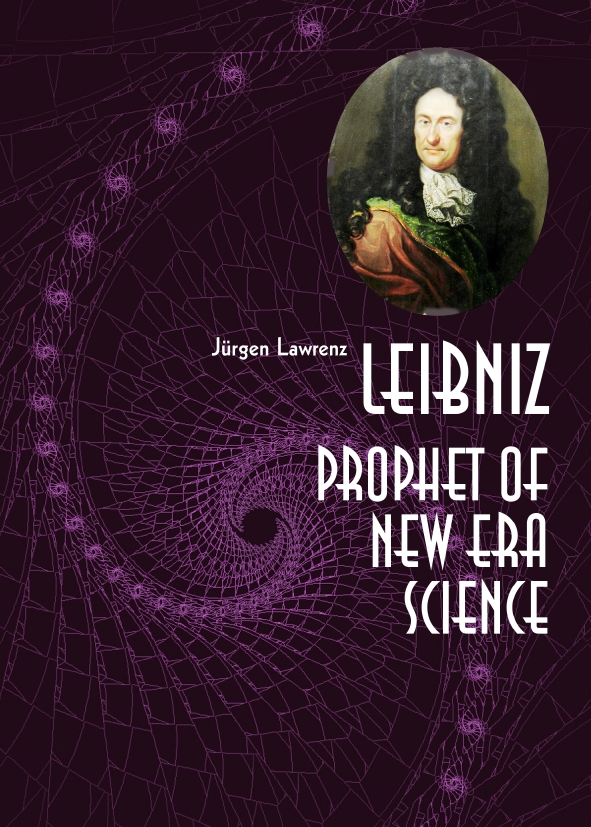
Leibniz
Prophet of New Era Science
Modern scientists and philosophers confront the prophetic legacy of Leibniz, whose 17th-century metaphysics presaged today’s research into relativity, quantum cosmology, complexity theory, and the computer era, revealing his profound impact on science.
Modern scientists and philosophers confront the prophetic legacy of Leibniz, whose 17th-century metaphysics presaged today’s research into relativity, quantum cosmology, complexity theory, and the computer era, revealing his profound impact on science.
View more
This product has multiple variants. The options may be chosen on the product page

View more
This product has multiple variants. The options may be chosen on the product page
Nature Alive
Essays on the Emergence and Evolution of Living Agents
Inspired by the work of Alfred North Whitehead and his metaphysical “lens,” the contributors here bring a multiplicity of philosophical orientations to the table in challenging the mechanistic and reductionistic neo-Darwinian paradigm still dominant today in the life sciences.
Inspired by the work of Alfred North Whitehead and his metaphysical “lens,” the contributors here bring a multiplicity of philosophical orientations to the table in challenging the mechanistic and reductionistic neo-Darwinian paradigm still dominant today in the life sciences.
View more
This product has multiple variants. The options may be chosen on the product page
View more
This product has multiple variants. The options may be chosen on the product page
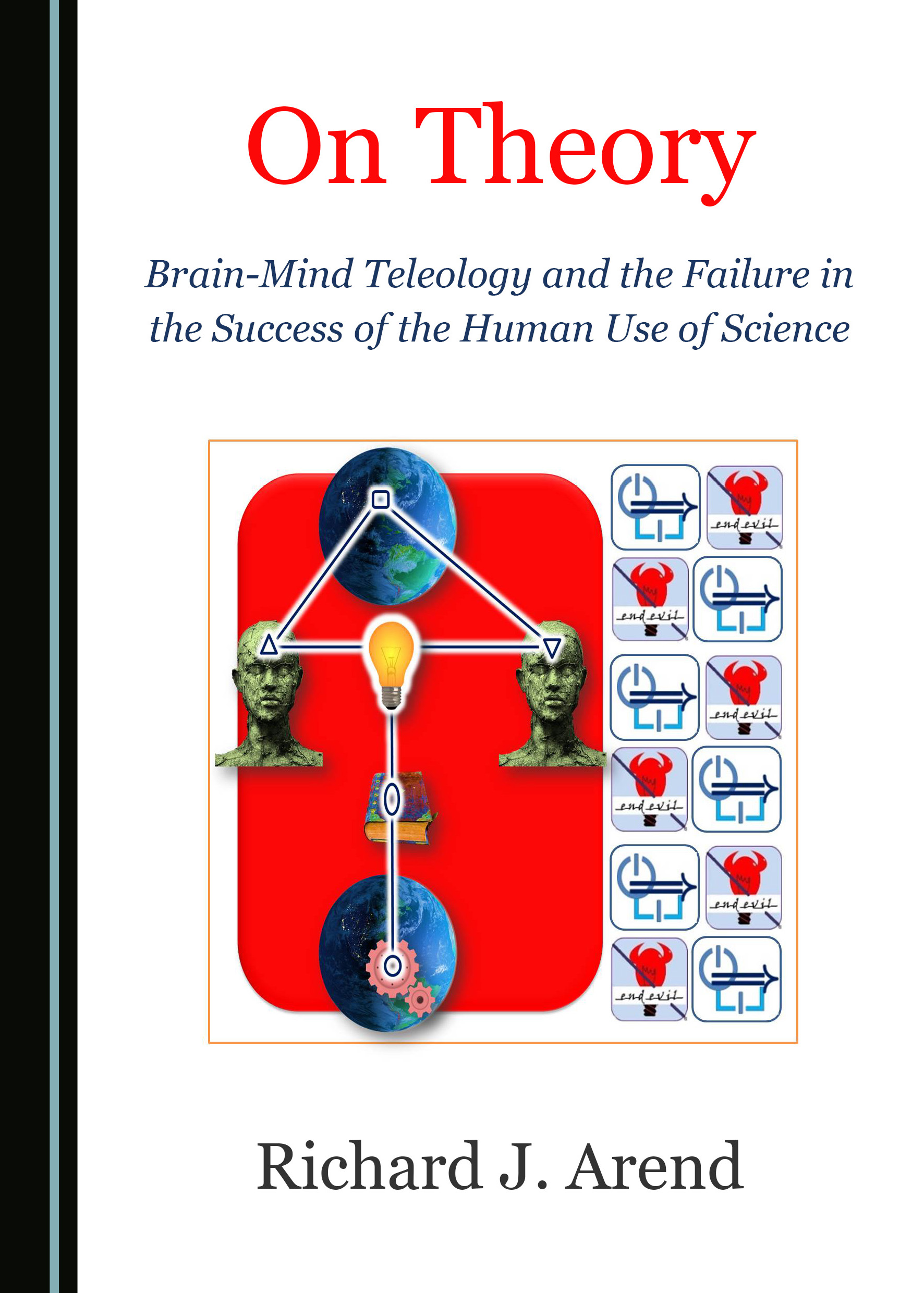
On Theory
Brain-Mind Teleology and the Failure in the Success of the Human Use of Science
This book demystifies theory—the ubiquitous, flawed thing that undergirds humanity’s greatest successes and failures. For anyone studying, writing, critiquing, or applying theory, it unifies the sciences in terms of goals and duties and explains the responsibilities it entails.
This book demystifies theory—the ubiquitous, flawed thing that undergirds humanity’s greatest successes and failures. For anyone studying, writing, critiquing, or applying theory, it unifies the sciences in terms of goals and duties and explains the responsibilities it entails.
View more
This product has multiple variants. The options may be chosen on the product page
View more
This product has multiple variants. The options may be chosen on the product page
Philosophy of Mind
Contemporary Perspectives
The human mind is one of the most extraordinary mysteries of the contemporary sciences and philosophy. This anthology addresses contemporary issues within the field of philosophy of mind, considering the concept of Self, sensory experience, and Artificial Intelligence.
The human mind is one of the most extraordinary mysteries of the contemporary sciences and philosophy. This anthology addresses contemporary issues within the field of philosophy of mind, considering the concept of Self, sensory experience, and Artificial Intelligence.
View more
This product has multiple variants. The options may be chosen on the product page
View more
This product has multiple variants. The options may be chosen on the product page
From £29.99
The relationship of mind to matter still eludes understanding. This volume shows how process philosophy can help. Twelve chapters by prominent specialists discuss the link between process thinking and scientific research on the problems of mind and experience.
The relationship of mind to matter still eludes understanding. This volume shows how process philosophy can help. Twelve chapters by prominent specialists discuss the link between process thinking and scientific research on the problems of mind and experience.
View more
This product has multiple variants. The options may be chosen on the product page
Processing Your Order
Please wait while we securely process your order.
Do not refresh or leave this page.
You will be redirected shortly to a confirmation page with your order number.