
View more
This product has multiple variants. The options may be chosen on the product page
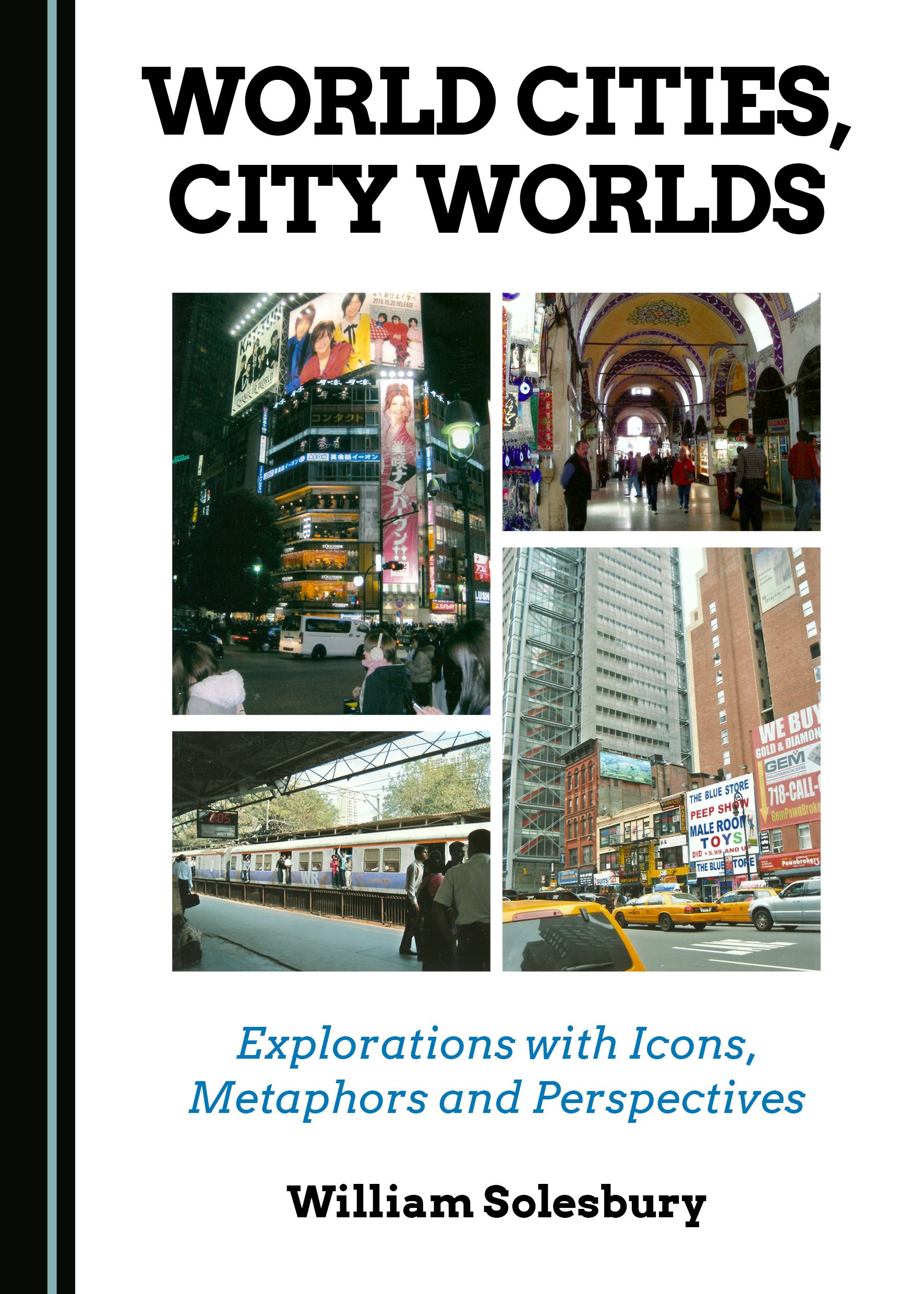
World Cities, City Worlds
Explorations with Icons, Metaphors and Perspectives
When living and working in cities, we need to make sense of them in order to get by. We must delve below their surface to understand how we can best engage with them. Solesbury argues that three tropes can help us here: namely, metaphors, icons and perspectives.
When living and working in cities, we need to make sense of them in order to get by. We must delve below their surface to understand how we can best engage with them. Solesbury argues that three tropes can help us here: namely, metaphors, icons and perspectives.
View more
This product has multiple variants. The options may be chosen on the product page
View more
This product has multiple variants. The options may be chosen on the product page
Revolving Around India(s)
Alternative Images, Emerging Perspectives
This book offers a transnational and gender perspective on contemporary India, exploring tradition, diaspora, and political activism. It analyses cultural texts to reveal discourses of equality, fear, and racism, stimulating studies on India's future.
This book offers a transnational and gender perspective on contemporary India, exploring tradition, diaspora, and political activism. It analyses cultural texts to reveal discourses of equality, fear, and racism, stimulating studies on India’s future.
View more
This product has multiple variants. The options may be chosen on the product page

View more
This product has multiple variants. The options may be chosen on the product page
From £29.99
A valuable resource for specialists of science, history and the media, this book presents, for the first time, the general logic of the development of popular science in Russia in relation to the Western experience, during the periods of the both the Russian Empire and the USSR.
A valuable resource for specialists of science, history and the media, this book presents, for the first time, the general logic of the development of popular science in Russia in relation to the Western experience, during the periods of the both the Russian Empire and the USSR.
View more
This product has multiple variants. The options may be chosen on the product page

View more
This product has multiple variants. The options may be chosen on the product page
The Ivory Tower and Beyond
Participant Historians of the Pacific
This book explores the “participant historian” through the lives of five scholars of the Pacific Islands. As constitutional advisers or defenders of civil liberties, they not only wrote history, they made it, and their actions informed their scholarship.
This book explores the “participant historian” through the lives of five scholars of the Pacific Islands. As constitutional advisers or defenders of civil liberties, they not only wrote history, they made it, and their actions informed their scholarship.
View more
This product has multiple variants. The options may be chosen on the product page
View more
This product has multiple variants. The options may be chosen on the product page
From £43.99
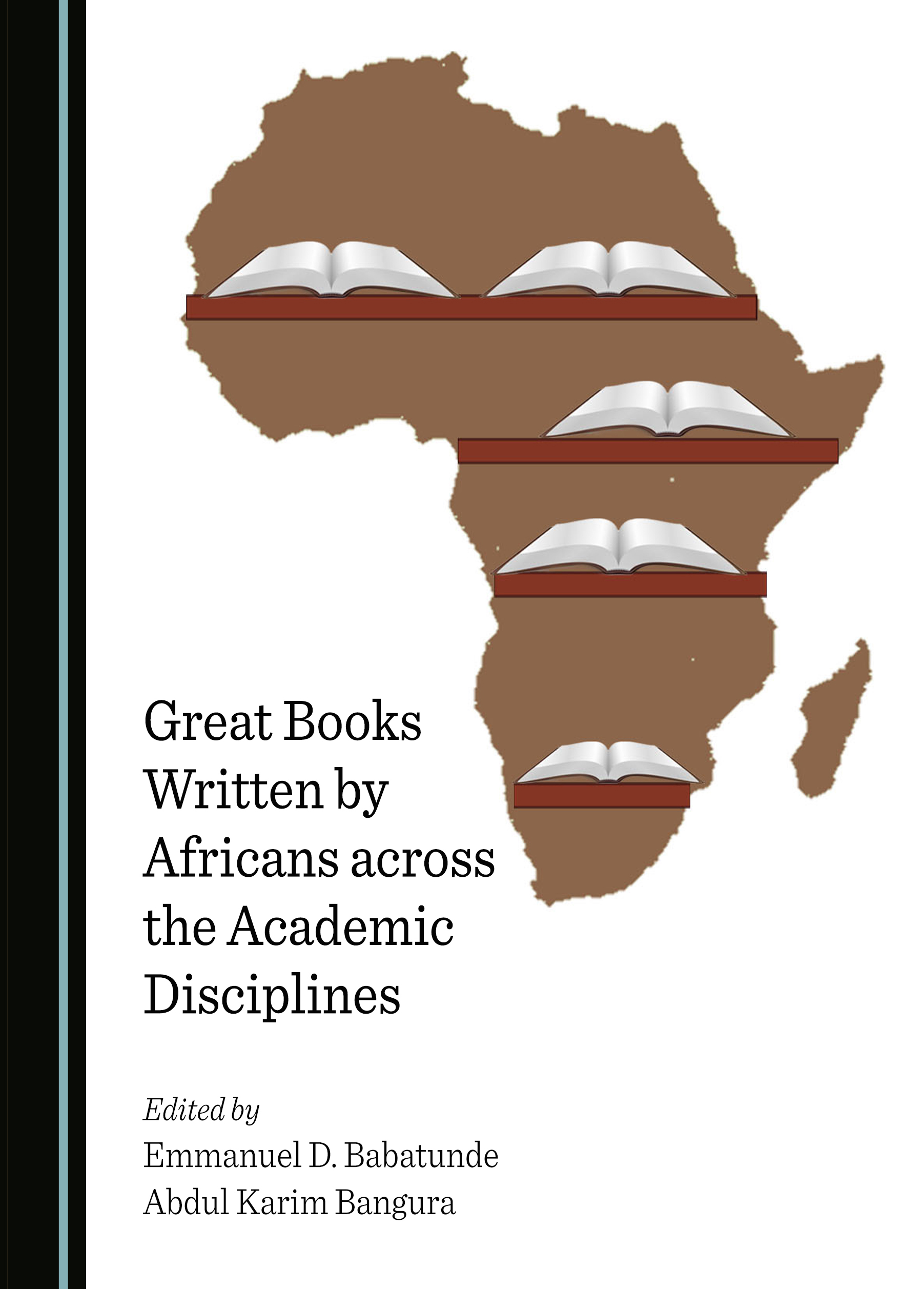
The first collection to survey great books by African authors across the academic disciplines. Expert contributors select and analyze five landmark texts in their fields, exploring their profound influence on individuals and society.
The first collection to survey great books by African authors across the academic disciplines. Expert contributors select and analyze five landmark texts in their fields, exploring their profound influence on individuals and society.
View more
This product has multiple variants. The options may be chosen on the product page
View more
This product has multiple variants. The options may be chosen on the product page
£52.99
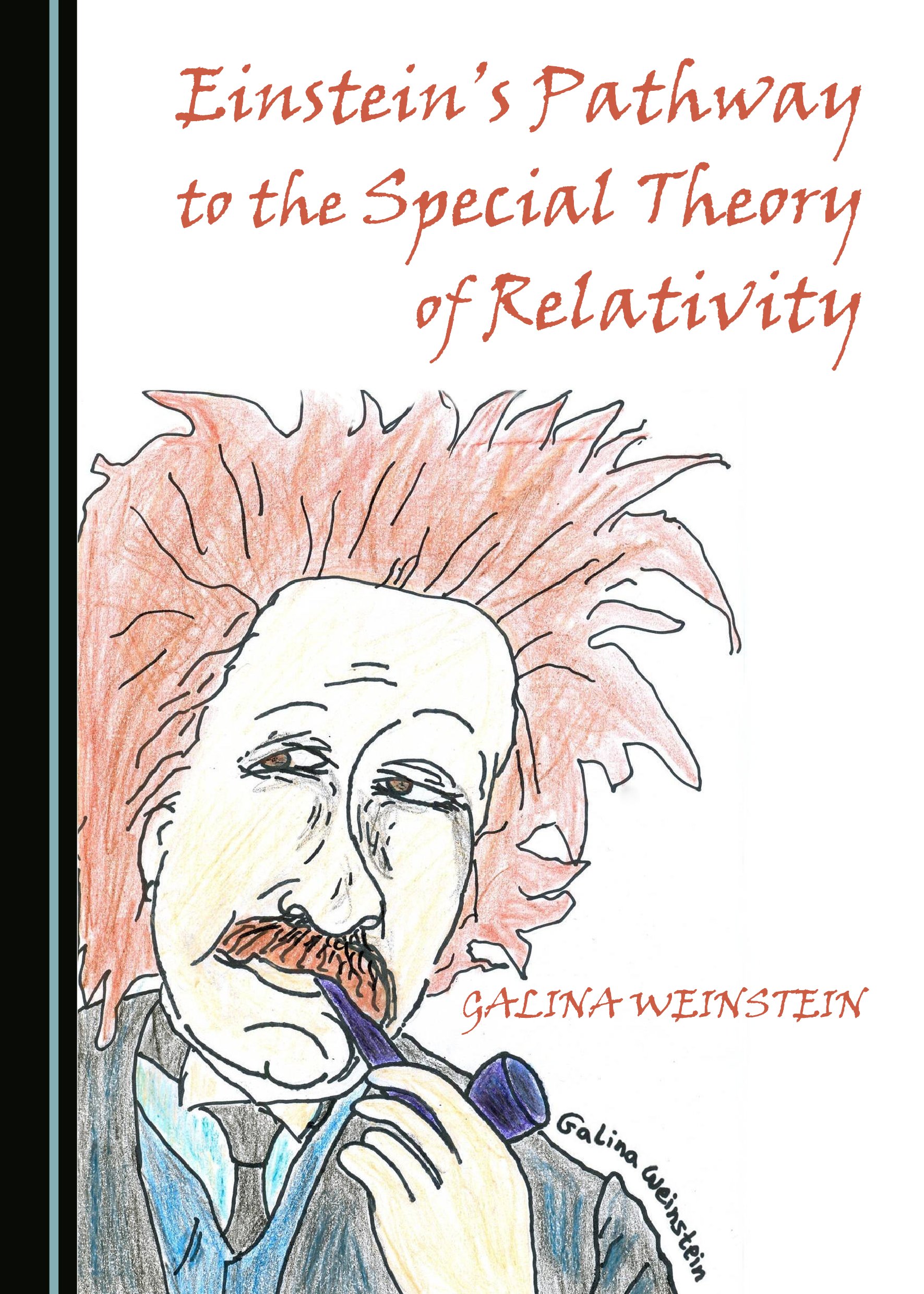
This book pieces together the jigsaw of Einstein’s journey to discovering special relativity. Lacking notes from this critical period, it explores his creative process, Poincaré's parallel work, and the paradoxes of the revolutionary theory.
This book pieces together the jigsaw of Einstein’s journey to discovering special relativity. Lacking notes from this critical period, it explores his creative process, Poincaré’s parallel work, and the paradoxes of the revolutionary theory.
View more
This product has multiple variants. The options may be chosen on the product page

View more
This product has multiple variants. The options may be chosen on the product page
£44.99
Slaves were not passive victims. They used religion with ingenuity to create new cultures, identities, and even resistance. This volume juxtaposes slave religious strategies in Graeco-Roman antiquity and modern Brazil, shedding new light on ancient slaves.
Slaves were not passive victims. They used religion with ingenuity to create new cultures, identities, and even resistance. This volume juxtaposes slave religious strategies in Graeco-Roman antiquity and modern Brazil, shedding new light on ancient slaves.
View more
This product has multiple variants. The options may be chosen on the product page
View more
This product has multiple variants. The options may be chosen on the product page
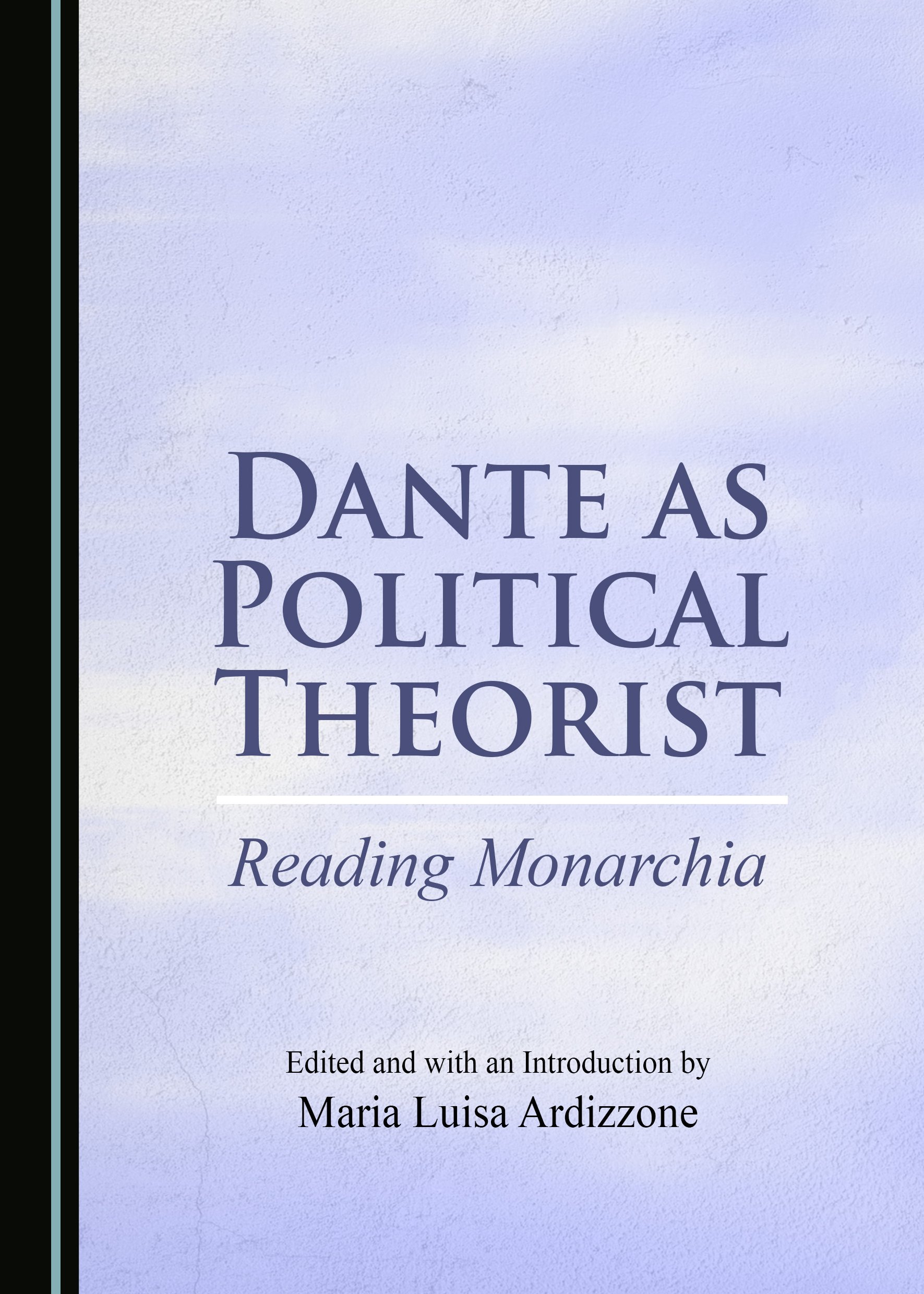
Dante as Political Theorist
Reading Monarchia
Originating from the First International Symposium of the Global Dante Project of New York held in 2015, the chapters here investigate Dante’s political treatise Monarchia, addressing diverse issues associated with this work from multiple, innovative methodological perspectives.
Originating from the First International Symposium of the Global Dante Project of New York held in 2015, the chapters here investigate Dante’s political treatise Monarchia, addressing diverse issues associated with this work from multiple, innovative methodological perspectives.
View more
This product has multiple variants. The options may be chosen on the product page
View more
This product has multiple variants. The options may be chosen on the product page
Britain’s Flirtation with the Socialist Imaginary
Nearly Socialism
In 1945, Winston Churchill won the war and was promptly thrown out of office. What followed was a revolutionary period in British history. This book traces the origins of this transformation to explain the new society that emerged and the enduring problems Britain still faces.
In 1945, Winston Churchill won the war and was promptly thrown out of office. What followed was a revolutionary period in British history. This book traces the origins of this transformation to explain the new society that emerged and the enduring problems Britain still faces.
View more
This product has multiple variants. The options may be chosen on the product page

View more
This product has multiple variants. The options may be chosen on the product page
Towards Fairer Geo-Spiritual Ecosystems
Decolonial Education, Language, and Spirituality
This book looks at society, education, and spirituality through a decolonial lens. As AI and biotech redefine our future, we must surmount narratives subservient to privilege and power to create more inclusive, fair, and sustainable futures for humanity.
This book looks at society, education, and spirituality through a decolonial lens. As AI and biotech redefine our future, we must surmount narratives subservient to privilege and power to create more inclusive, fair, and sustainable futures for humanity.
View more
This product has multiple variants. The options may be chosen on the product page
View more
This product has multiple variants. The options may be chosen on the product page
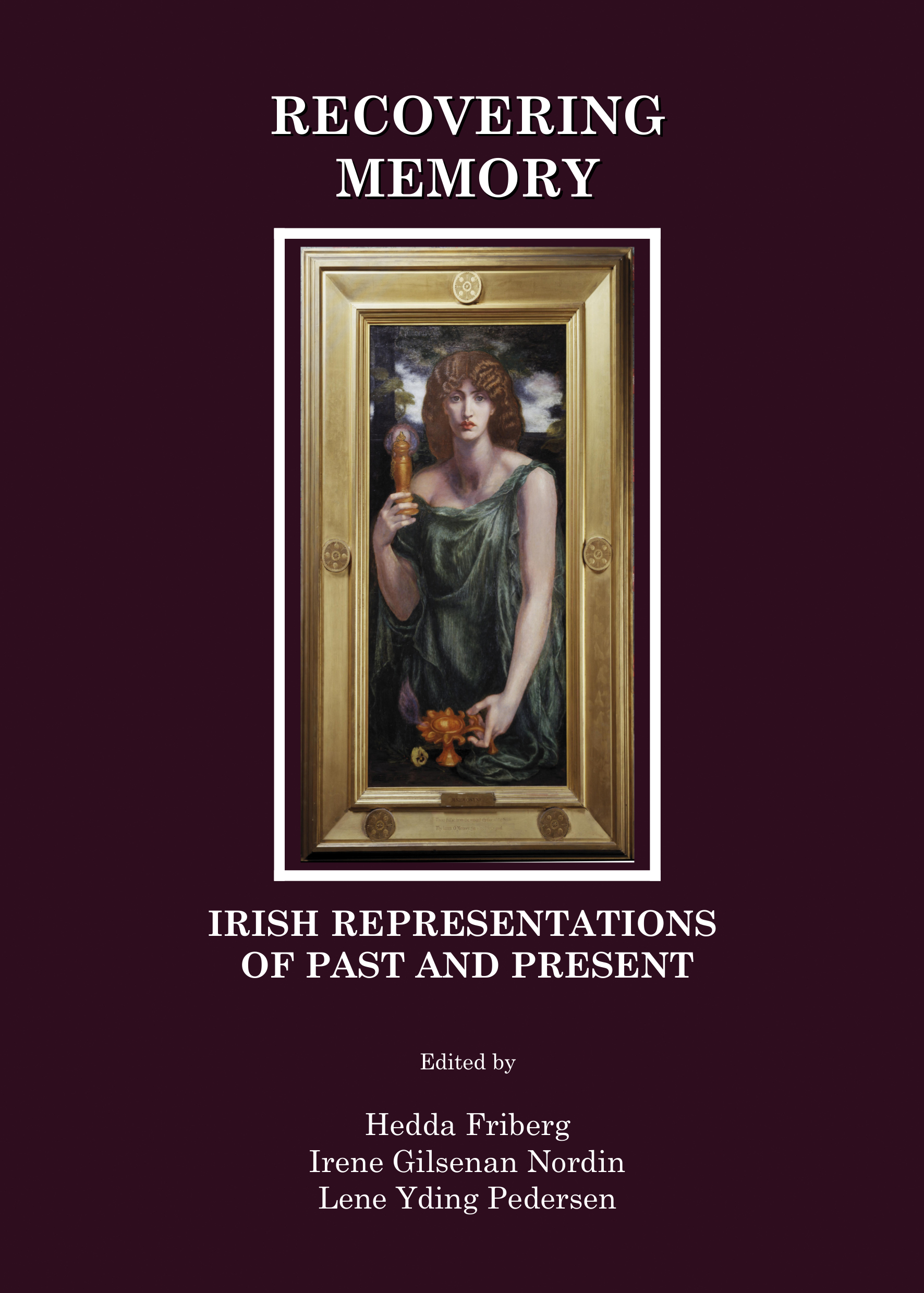
Recovering Memory
Irish Representations of Past and Present
This collection of essays examines representations of memory in Irish literature and culture. It explores public and private memory, the intersection between collective and individual, and the relation between memory, identity, and Ireland's tragic past.
This collection of essays examines representations of memory in Irish literature and culture. It explores public and private memory, the intersection between collective and individual, and the relation between memory, identity, and Ireland’s tragic past.
View more
This product has multiple variants. The options may be chosen on the product page
View more
This product has multiple variants. The options may be chosen on the product page
Scanning and Sizing the Universe and Everything in It
Playing Scales
Philosophy often ignores the vast scale of the natural continuum for a human-centered view. This book puts our world in the context of all atomic matter, revealing the discrepancy between our ‘yardsticks’ and the reality of cosmic ‘light years’.
Philosophy often ignores the vast scale of the natural continuum for a human-centered view. This book puts our world in the context of all atomic matter, revealing the discrepancy between our ‘yardsticks’ and the reality of cosmic ‘light years’.
View more
This product has multiple variants. The options may be chosen on the product page
View more
This product has multiple variants. The options may be chosen on the product page
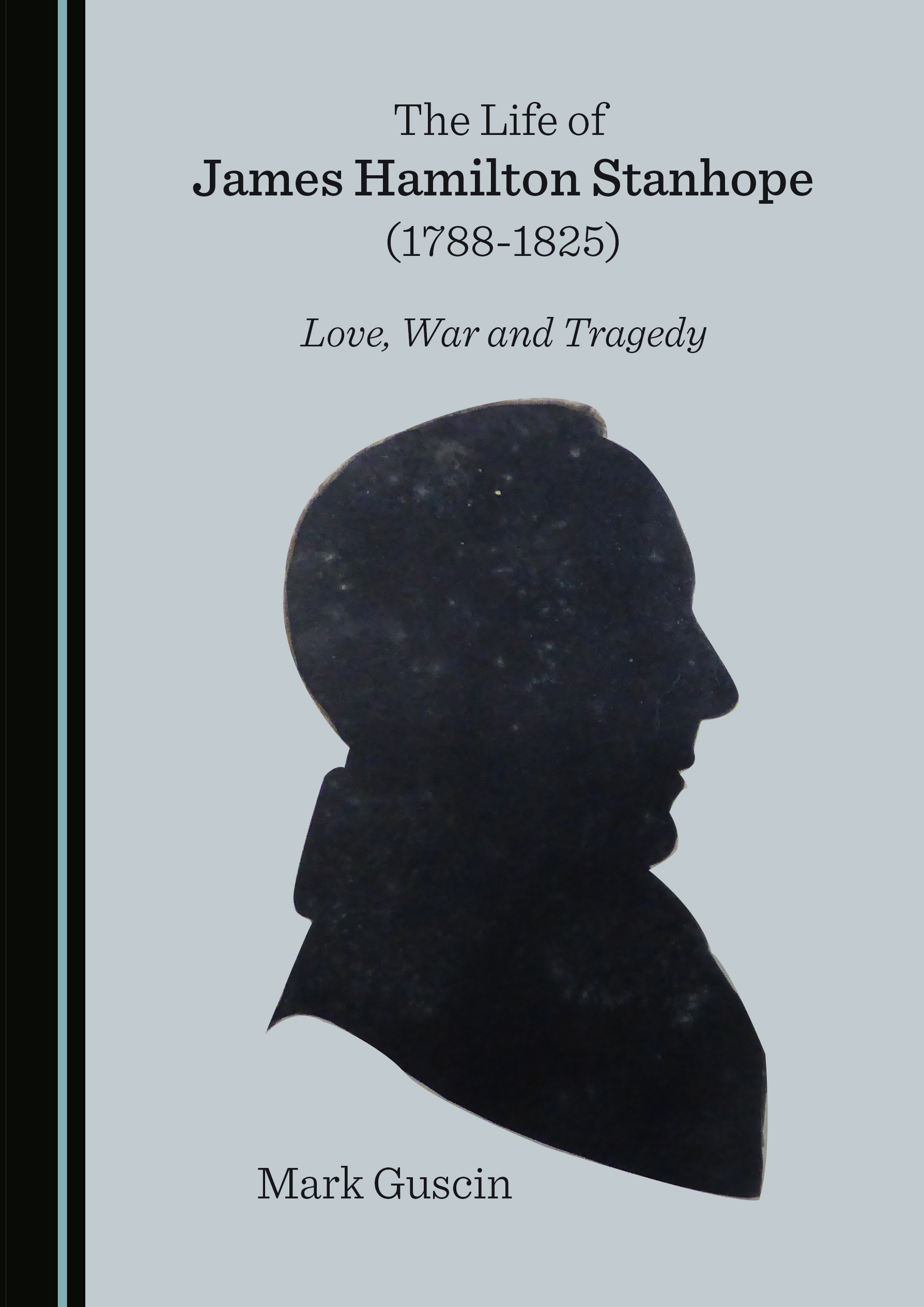
The Life of James Hamilton Stanhope (1788-1825)
Love, War and Tragedy
A soldier present at the deaths of Prime Minister William Pitt and General Sir John Moore, James Stanhope's life was marked by war and tragedy. This first biography uses his letters and diaries to reveal his short, idyllic marriage and the heartbreak that led to his suicide.
A soldier present at the deaths of Prime Minister William Pitt and General Sir John Moore, James Stanhope’s life was marked by war and tragedy. This first biography uses his letters and diaries to reveal his short, idyllic marriage and the heartbreak that led to his suicide.
View more
This product has multiple variants. The options may be chosen on the product page
View more
This product has multiple variants. The options may be chosen on the product page
From £36.99
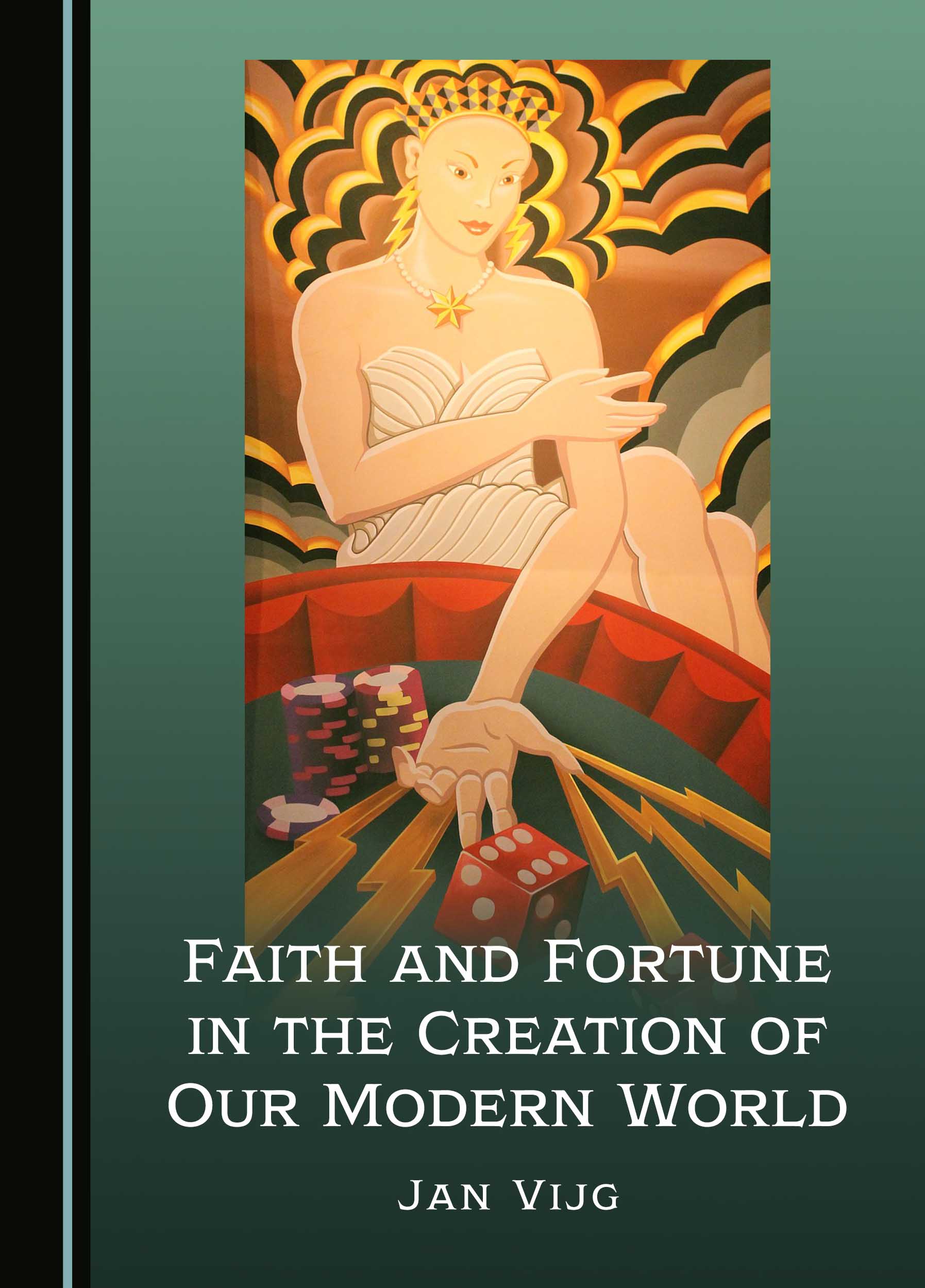
Modern industrial society is a fluke of history. This book argues our world is the result of accidental events, not inherent European values. Our advanced civilization is an unexpected explosion, unique and unlikely to be found anywhere else in the universe.
Modern industrial society is a fluke of history. This book argues our world is the result of accidental events, not inherent European values. Our advanced civilization is an unexpected explosion, unique and unlikely to be found anywhere else in the universe.
View more
This product has multiple variants. The options may be chosen on the product page
View more
This product has multiple variants. The options may be chosen on the product page
Reading a Dynamic Canvas
Adornment in the Ancient Mediterranean World
Personal adornment shapes identity, but can be manipulated to conceal or exaggerate reality. The essays in this volume explore this discourse through material evidence, covering a broad span from the ancient Near East to Roman Britain.
Personal adornment shapes identity, but can be manipulated to conceal or exaggerate reality. The essays in this volume explore this discourse through material evidence, covering a broad span from the ancient Near East to Roman Britain.
View more
This product has multiple variants. The options may be chosen on the product page

View more
This product has multiple variants. The options may be chosen on the product page
You Gotta’ Stand Up
The Life and High Times of John Henry Faulk
Texas humorist and First Amendment advocate John Henry Faulk consciously risked a lucrative television career to bust the 1950s media blacklist. Known as “the man who broke the blacklist,” he spent a life baffling those who tried to pigeonhole him.
Texas humorist and First Amendment advocate John Henry Faulk consciously risked a lucrative television career to bust the 1950s media blacklist. Known as “the man who broke the blacklist,” he spent a life baffling those who tried to pigeonhole him.
View more
This product has multiple variants. The options may be chosen on the product page

View more
This product has multiple variants. The options may be chosen on the product page
Decolonising the Mediterranean
European Colonial Heritages in North Africa and the Middle East
Centring on North African, Maghreb and Mashrek countries’ colonial legacies, this collection investigates borders from a transnational perspective. While the research directions and topics in each chapter are different, they all suggest a specific path for decolonising knowledge.
Centring on North African, Maghreb and Mashrek countries’ colonial legacies, this collection investigates borders from a transnational perspective. While the research directions and topics in each chapter are different, they all suggest a specific path for decolonising knowledge.
View more
This product has multiple variants. The options may be chosen on the product page
View more
This product has multiple variants. The options may be chosen on the product page
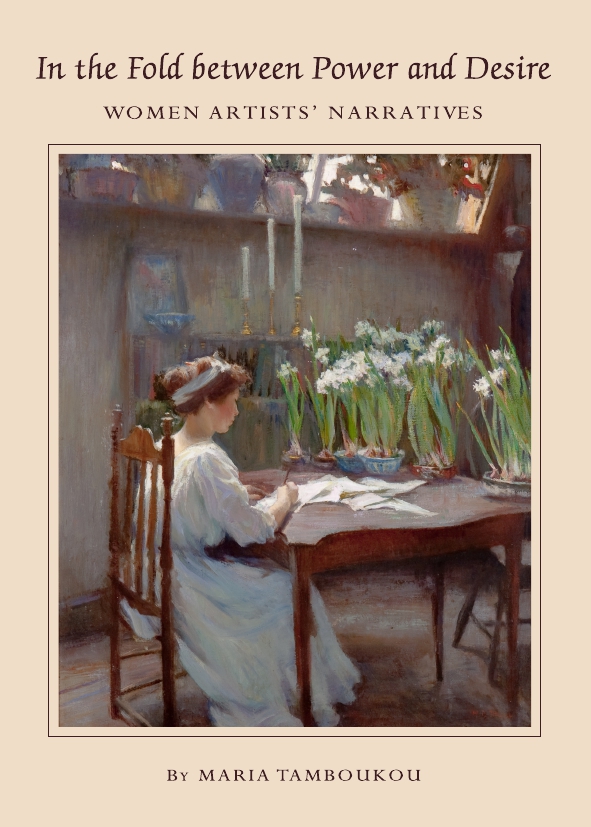
In the Fold between Power and Desire
Women Artists’ Narratives
This book unravels the interplay of power and desire in the lives and art of six fin-de-siècle women artists, tracing the creation of the female artistic self through an innovative feminist and genealogical lens.
This book unravels the interplay of power and desire in the lives and art of six fin-de-siècle women artists, tracing the creation of the female artistic self through an innovative feminist and genealogical lens.
View more
This product has multiple variants. The options may be chosen on the product page

View more
This product has multiple variants. The options may be chosen on the product page
From £30.99
Executed during the Exclusion Crisis, Algernon Sidney (1623-1683) was a key figure in the English civil wars. This book investigates his political thought, which mixed the modern philosophy of natural rights with the republicanism of Machiavelli.
Executed during the Exclusion Crisis, Algernon Sidney (1623-1683) was a key figure in the English civil wars. This book investigates his political thought, which mixed the modern philosophy of natural rights with the republicanism of Machiavelli.
View more
This product has multiple variants. The options may be chosen on the product page
View more
This product has multiple variants. The options may be chosen on the product page
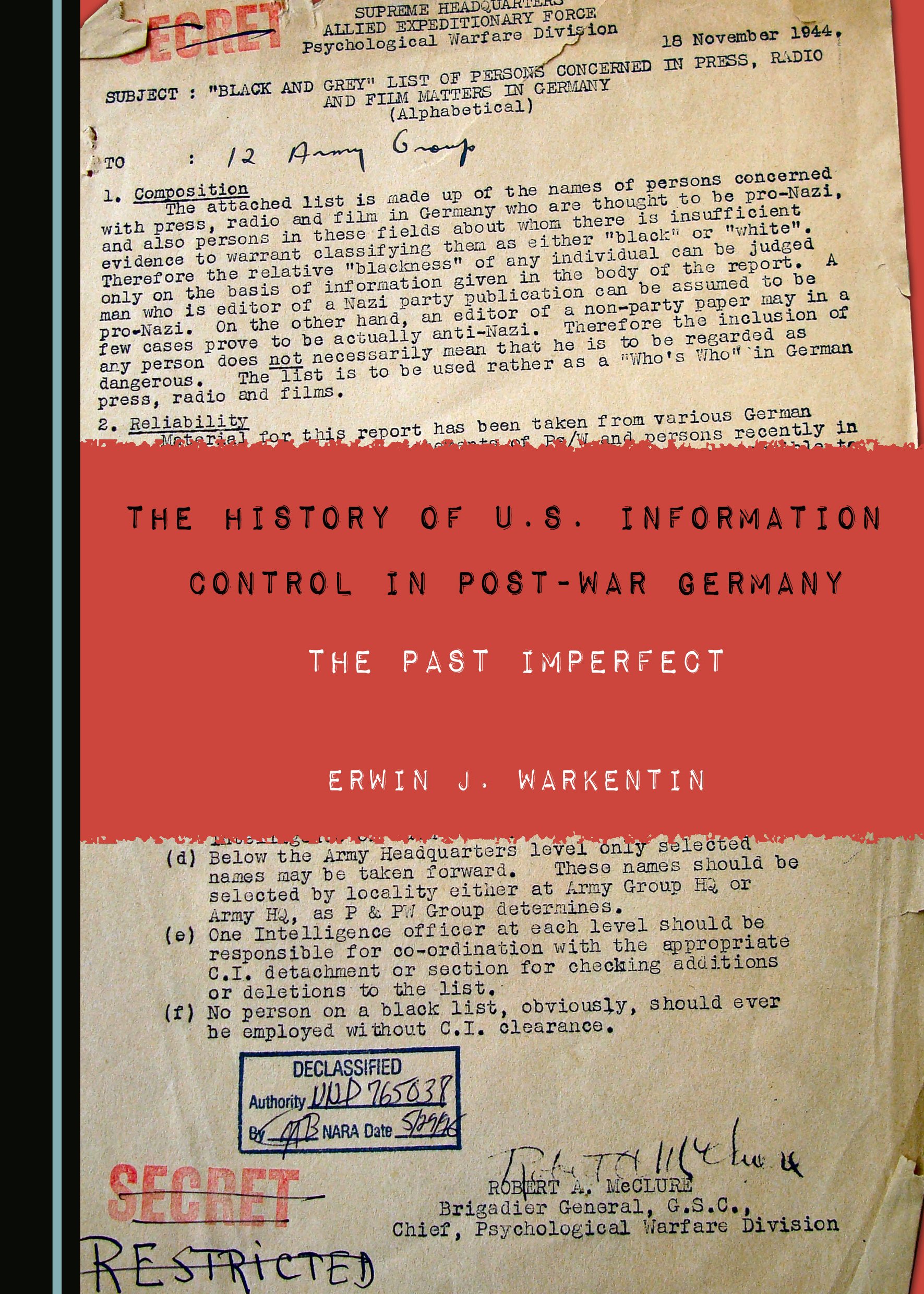
The History of U.S. Information Control in Post-War Germany
The Past Imperfect
Warkentin summarises the activities and methods of the American military’s Information Control Division. He also offers his perspective on how the US occupation of Germany in 1945 utilised psychologists, sociologists and others to vet candidates for media licenses in Germany.
Warkentin summarises the activities and methods of the American military’s Information Control Division. He also offers his perspective on how the US occupation of Germany in 1945 utilised psychologists, sociologists and others to vet candidates for media licenses in Germany.
View more
This product has multiple variants. The options may be chosen on the product page
Processing Your Order
Please wait while we securely process your order.
Do not refresh or leave this page.
You will be redirected shortly to a confirmation page with your order number.