
View more
This product has multiple variants. The options may be chosen on the product page
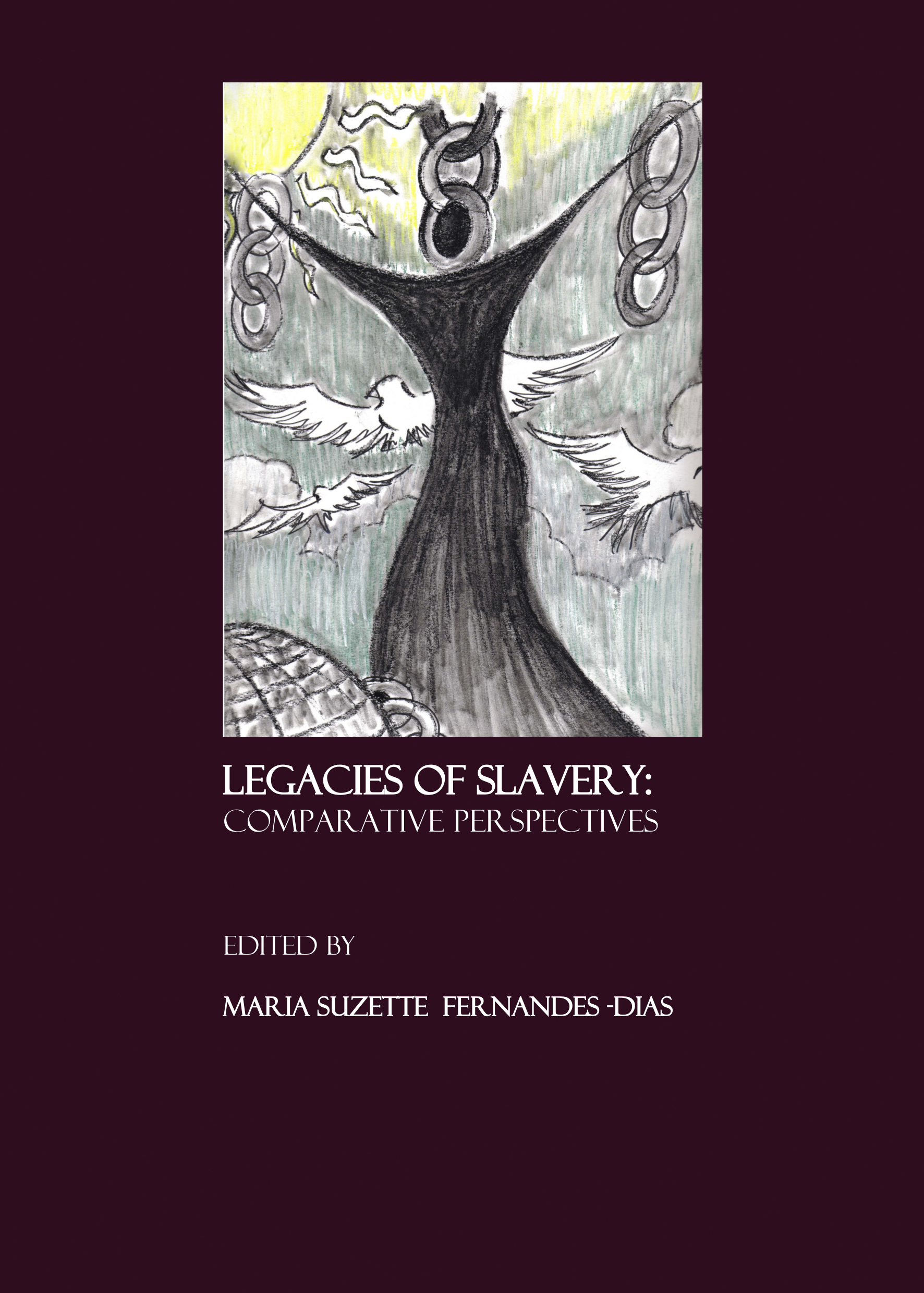
Legacies of Slavery
Comparative Perspectives
Moving beyond the Atlantic world, this volume reconsiders slavery as a global institution. Scholars from diverse fields examine its indelible mark on societies everywhere, telling a tale of survival, resistance, and the resilience of the human spirit.
Moving beyond the Atlantic world, this volume reconsiders slavery as a global institution. Scholars from diverse fields examine its indelible mark on societies everywhere, telling a tale of survival, resistance, and the resilience of the human spirit.
View more
This product has multiple variants. The options may be chosen on the product page
View more
This product has multiple variants. The options may be chosen on the product page
From £36.99
This volume probes the tension between the glory of freedom’s release and a past when freedom was denied. It also argues that modern slavery offers continuing evidence of man’s inhumanity to man—and the resulting absence of freedom for millions.
This volume probes the tension between the glory of freedom’s release and a past when freedom was denied. It also argues that modern slavery offers continuing evidence of man’s inhumanity to man—and the resulting absence of freedom for millions.
View more
This product has multiple variants. The options may be chosen on the product page

View more
This product has multiple variants. The options may be chosen on the product page
Legacies of the U.S. Occupation of Japan
Appraisals after Sixty Years
The consequences of the US occupation of Japan transcended its formal duration. Rich with fresh analyses on mutual influence, memory, and international perspectives, this book provides a greater understanding of the lasting legacies of this crucial 20th-century event.
The consequences of the US occupation of Japan transcended its formal duration. Rich with fresh analyses on mutual influence, memory, and international perspectives, this book provides a greater understanding of the lasting legacies of this crucial 20th-century event.
View more
This product has multiple variants. The options may be chosen on the product page
View more
This product has multiple variants. The options may be chosen on the product page
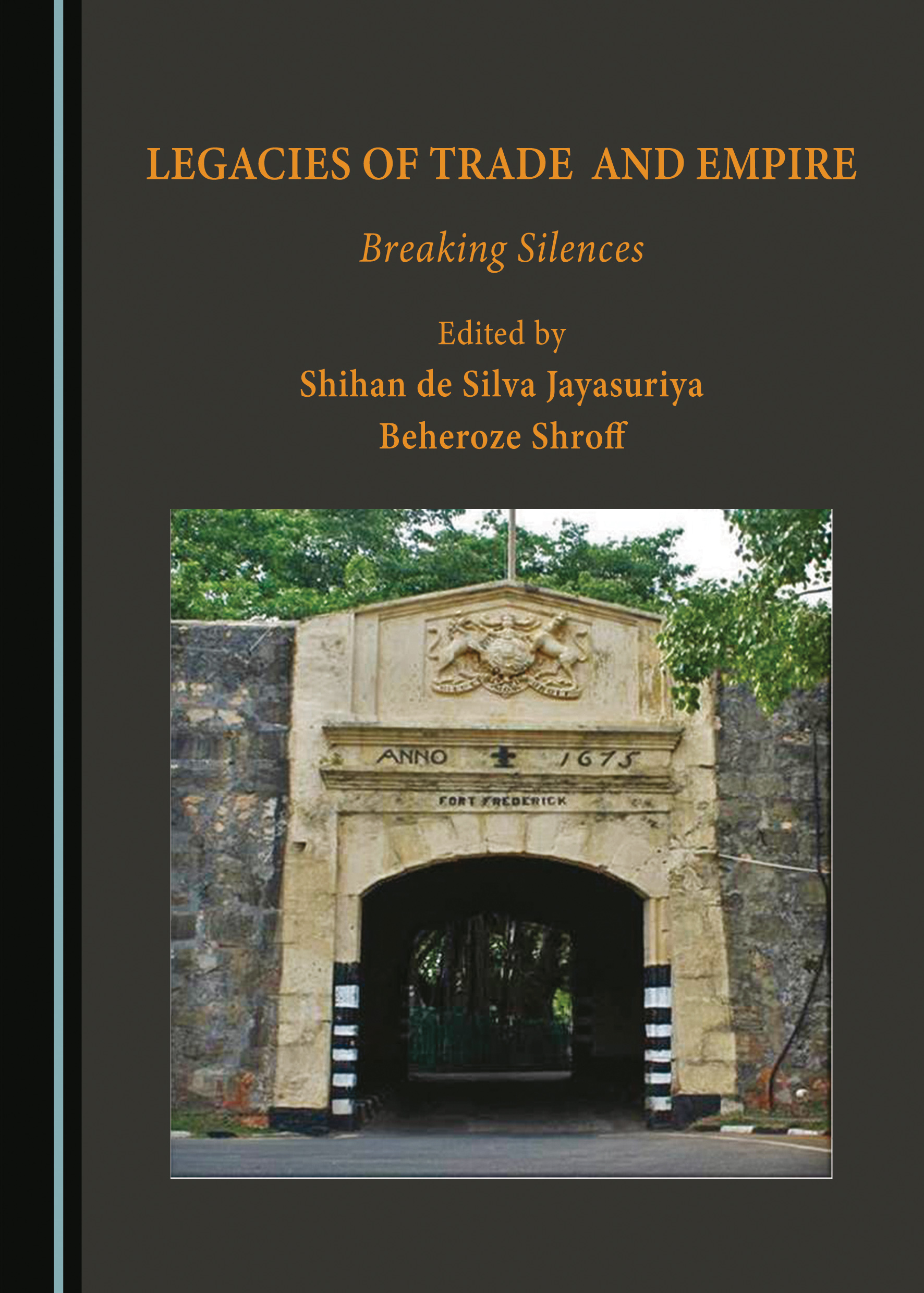
Legacies of Trade and Empire
Breaking Silences
This book challenges established histories of slavery and indentured labour under European empires, focusing on the Indian Ocean. To break the silence on legacies of empire, authors explore decolonisation, agency, and the assertion of identities, musical practices, and cuisines.
This book challenges established histories of slavery and indentured labour under European empires, focusing on the Indian Ocean. To break the silence on legacies of empire, authors explore decolonisation, agency, and the assertion of identities, musical practices, and cuisines.
View more
This product has multiple variants. The options may be chosen on the product page
View more
This product has multiple variants. The options may be chosen on the product page
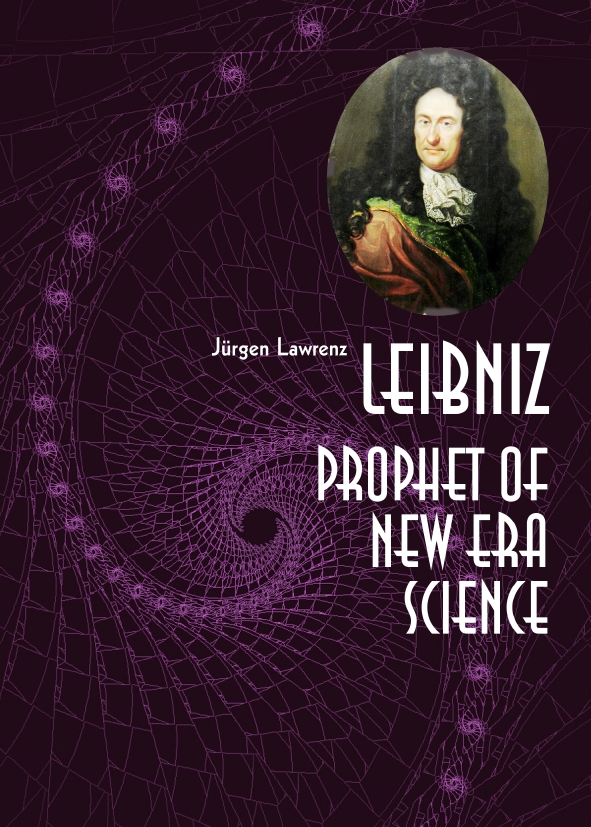
Leibniz
Prophet of New Era Science
Modern scientists and philosophers confront the prophetic legacy of Leibniz, whose 17th-century metaphysics presaged today’s research into relativity, quantum cosmology, complexity theory, and the computer era, revealing his profound impact on science.
Modern scientists and philosophers confront the prophetic legacy of Leibniz, whose 17th-century metaphysics presaged today’s research into relativity, quantum cosmology, complexity theory, and the computer era, revealing his profound impact on science.
View more
This product has multiple variants. The options may be chosen on the product page
View more
This product has multiple variants. The options may be chosen on the product page
Less than Nations
Central-Eastern European Minorities after WWI, Volume 2
After WWI redefined the map of Central-Eastern Europe, states and nations rarely coincided. This book analyses the conditions of national minorities, from the massacres of Armenians and Jews to the role of Kin States that conditioned the stability of Europe.
After WWI redefined the map of Central-Eastern Europe, states and nations rarely coincided. This book analyses the conditions of national minorities, from the massacres of Armenians and Jews to the role of Kin States that conditioned the stability of Europe.
View more
This product has multiple variants. The options may be chosen on the product page
View more
This product has multiple variants. The options may be chosen on the product page
Less than Nations
Central-Eastern European Minorities after WWI, Volumes 1 and 2
After WWI, the geo-political map of Central-Eastern Europe was redefined. As states and nations rarely coincided, the minority question emerged as one of the most troublesome issues of the interwar period, affecting international relations and many states.
After WWI, the geo-political map of Central-Eastern Europe was redefined. As states and nations rarely coincided, the minority question emerged as one of the most troublesome issues of the interwar period, affecting international relations and many states.
View more
This product has multiple variants. The options may be chosen on the product page
View more
This product has multiple variants. The options may be chosen on the product page
Less than Nations
Central-Eastern European Minorities after WWI, Volume 1
After World War I redefined the map of Central-Eastern Europe, states and nations rarely coincided. The minority question emerged as a troublesome issue, affecting international relations and becoming an integral part of the League of Nations system.
After World War I redefined the map of Central-Eastern Europe, states and nations rarely coincided. The minority question emerged as a troublesome issue, affecting international relations and becoming an integral part of the League of Nations system.
View more
This product has multiple variants. The options may be chosen on the product page
View more
This product has multiple variants. The options may be chosen on the product page
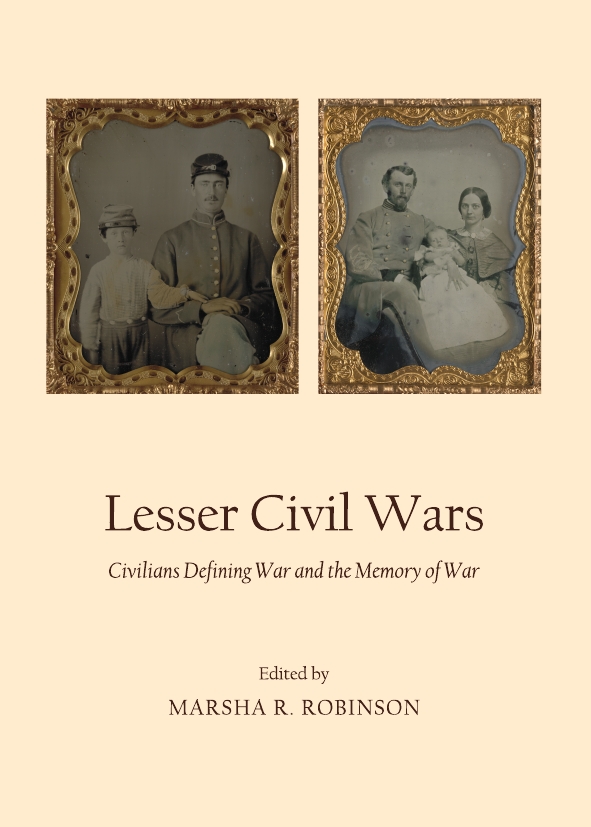
Lesser Civil Wars
Civilians Defining War and the Memory of War
This book explores the cycle where the Memory of war, kept alive by civilians, creates the Will to fight again. It examines these "lesser civil wars"—the battles over memory in the Ohio River Valley that incubate a nation’s will to fight.
This book explores the cycle where the Memory of war, kept alive by civilians, creates the Will to fight again. It examines these “lesser civil wars”—the battles over memory in the Ohio River Valley that incubate a nation’s will to fight.
View more
This product has multiple variants. The options may be chosen on the product page

View more
This product has multiple variants. The options may be chosen on the product page
Lessons in Mythology
A Comparative Approach
This volume offers eight approaches to myth from viewing personal narrative as a form of healing myth to observing the atrocities committed daily arising from destructive myth. It notes that myths have existed from the beginning of the human race, serving a myriad of functions.
This volume offers eight approaches to myth from viewing personal narrative as a form of healing myth to observing the atrocities committed daily arising from destructive myth. It notes that myths have existed from the beginning of the human race, serving a myriad of functions.
View more
This product has multiple variants. The options may be chosen on the product page

View more
This product has multiple variants. The options may be chosen on the product page
Let’s Talk About Sex
Histories of Sexuality in Australia from Federation to the Pill
Uncovering the hidden desires and public fears of Australia from 1901 to 1961, this history reveals how sex became a battleground of crucial social, cultural, and political importance.
Uncovering the hidden desires and public fears of Australia from 1901 to 1961, this history reveals how sex became a battleground of crucial social, cultural, and political importance.
View more
This product has multiple variants. The options may be chosen on the product page
View more
This product has multiple variants. The options may be chosen on the product page
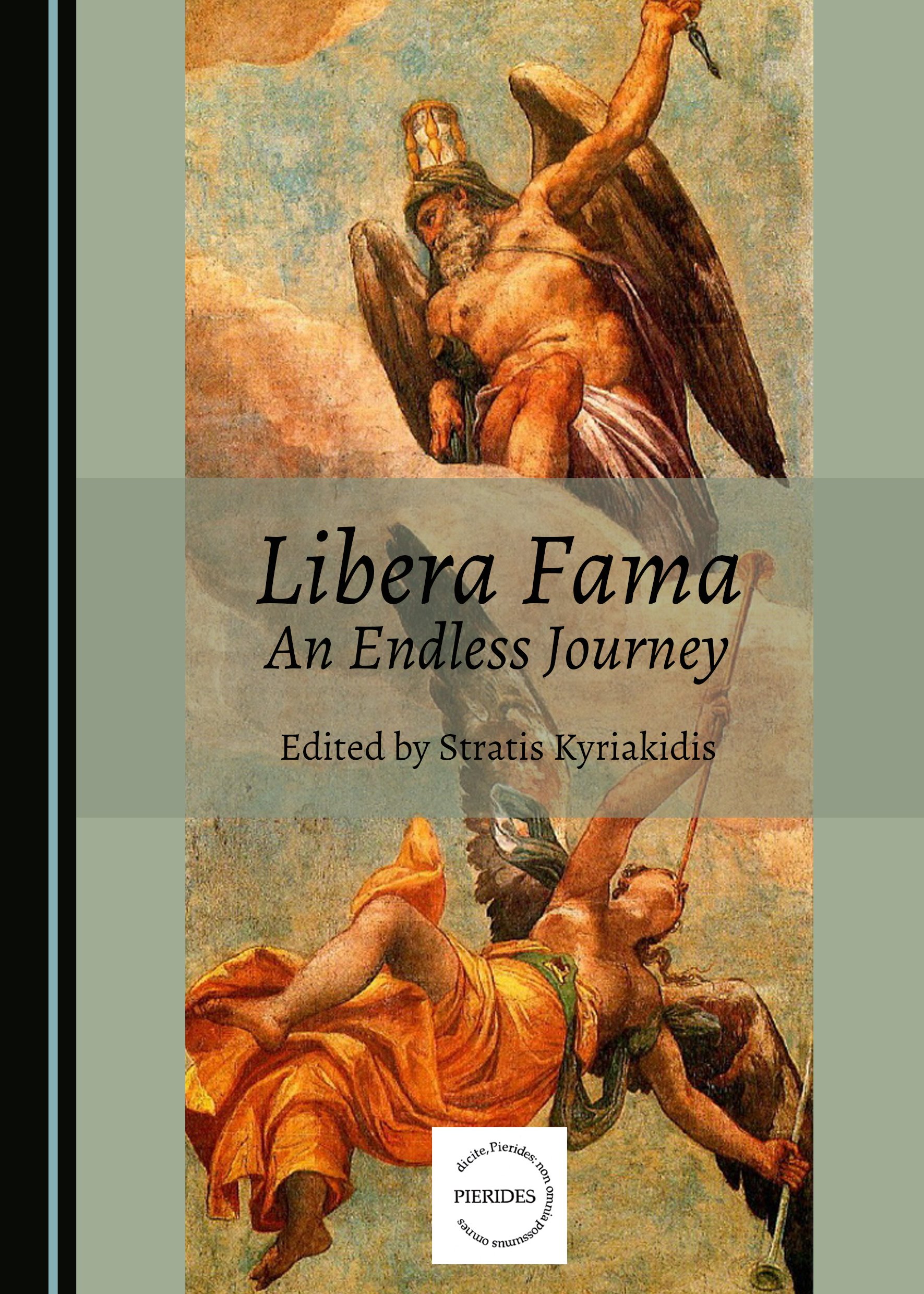
Libera Fama
An Endless Journey
This collection examines aspects of fame and glory, rumour and reputation, in the work of Lucretius, Cicero, Virgil, Ovid, Manilius, Juvenal and Prudentius. It offers insights into the poets’ personal quest for acclaim and their awareness of the qualities of the phenomenon.
This collection examines aspects of fame and glory, rumour and reputation, in the work of Lucretius, Cicero, Virgil, Ovid, Manilius, Juvenal and Prudentius. It offers insights into the poets’ personal quest for acclaim and their awareness of the qualities of the phenomenon.
View more
This product has multiple variants. The options may be chosen on the product page
View more
This product has multiple variants. The options may be chosen on the product page
Libya Unveiled
Tides of Change and Struggle
This book explores Libya's history of resistance against colonial and authoritarian rule, leading to the 2011 uprising and its aftermath. Emphasizing local agency, it examines the challenges of state-building as Libyans persist in their pursuit of a stable, democratic future.
This book explores Libya’s history of resistance against colonial and authoritarian rule, leading to the 2011 uprising and its aftermath. Emphasizing local agency, it examines the challenges of state-building as Libyans persist in their pursuit of a stable, democratic future.
View more
This product has multiple variants. The options may be chosen on the product page

View more
This product has multiple variants. The options may be chosen on the product page
£52.99
In the European Middle Ages, religion intersected with all aspects of existence, from everyday life to relations of power. This book brings together scholars who use diverse medieval examples to offer a renewed perspective for understanding the era.
In the European Middle Ages, religion intersected with all aspects of existence, from everyday life to relations of power. This book brings together scholars who use diverse medieval examples to offer a renewed perspective for understanding the era.
View more
This product has multiple variants. The options may be chosen on the product page

View more
This product has multiple variants. The options may be chosen on the product page
Life and Work of Pauline Viardot Garcia, vol. I
The Years of Fame 1836-1863 Second Edition
Once famous, now obscure, Pauline Viardot Garcia was one of the most important singers of the 19th century. A superb singer, composer, and pianist, she was a muse to composers, a friend of Chopin and George Sand, and loved by Ivan Turgenev.
Once famous, now obscure, Pauline Viardot Garcia was one of the most important singers of the 19th century. A superb singer, composer, and pianist, she was a muse to composers, a friend of Chopin and George Sand, and loved by Ivan Turgenev.
View more
This product has multiple variants. The options may be chosen on the product page
View more
This product has multiple variants. The options may be chosen on the product page
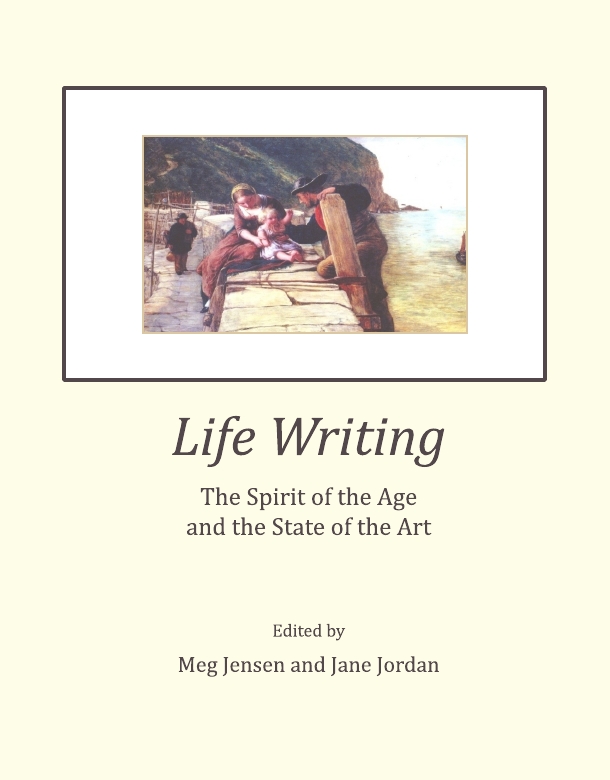
Life Writing
The Spirit of the Age and the State of the Art
In our age of testimony, what are we to make of all this telling of lives? This collection of essays from leading writers and academics demonstrates the fluidity and diversity of life writing, presenting both the state of the art and the spirit of our age.
In our age of testimony, what are we to make of all this telling of lives? This collection of essays from leading writers and academics demonstrates the fluidity and diversity of life writing, presenting both the state of the art and the spirit of our age.
View more
This product has multiple variants. The options may be chosen on the product page
View more
This product has multiple variants. The options may be chosen on the product page
£58.99
By exploring the nature of book production and changing images of peasants in Livonia and Courland in the 18th and 19th centuries, Daija investigates the complex historical relationship between Latvians and Baltic Germans and the regional specifics of the Baltic Enlightenment.
By exploring the nature of book production and changing images of peasants in Livonia and Courland in the 18th and 19th centuries, Daija investigates the complex historical relationship between Latvians and Baltic Germans and the regional specifics of the Baltic Enlightenment.
View more
This product has multiple variants. The options may be chosen on the product page
View more
This product has multiple variants. The options may be chosen on the product page
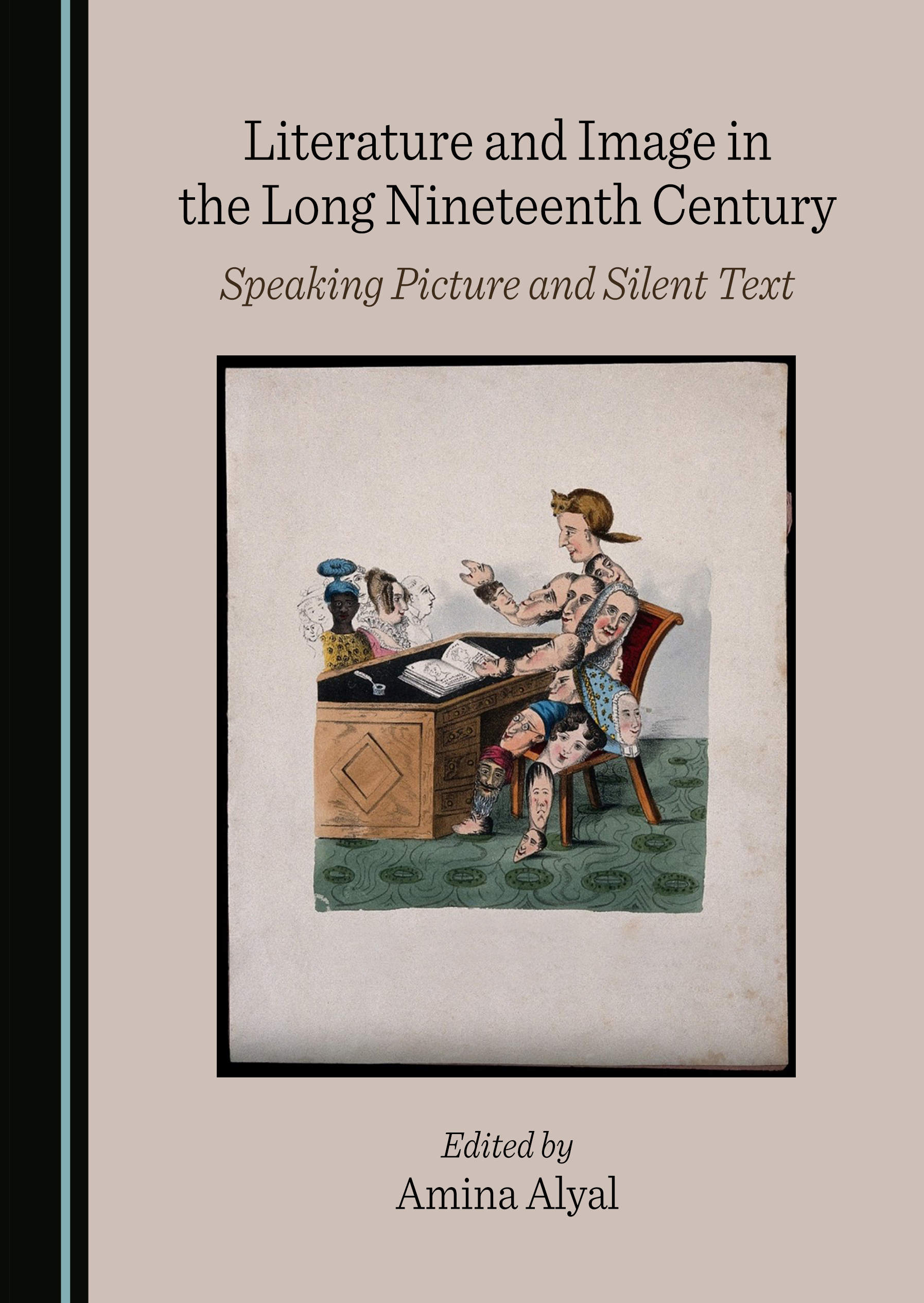
Literature and Image in the Long Nineteenth Century
Speaking Picture and Silent Text
This book explores how word and image worked together, negotiated, and competed in nineteenth-century pictures, poetry, and fiction. It covers the Pre-Raphaelites’ fusion of text and image and the tensions between writer and artist in book illustration.
This book explores how word and image worked together, negotiated, and competed in nineteenth-century pictures, poetry, and fiction. It covers the Pre-Raphaelites’ fusion of text and image and the tensions between writer and artist in book illustration.
View more
This product has multiple variants. The options may be chosen on the product page
View more
This product has multiple variants. The options may be chosen on the product page
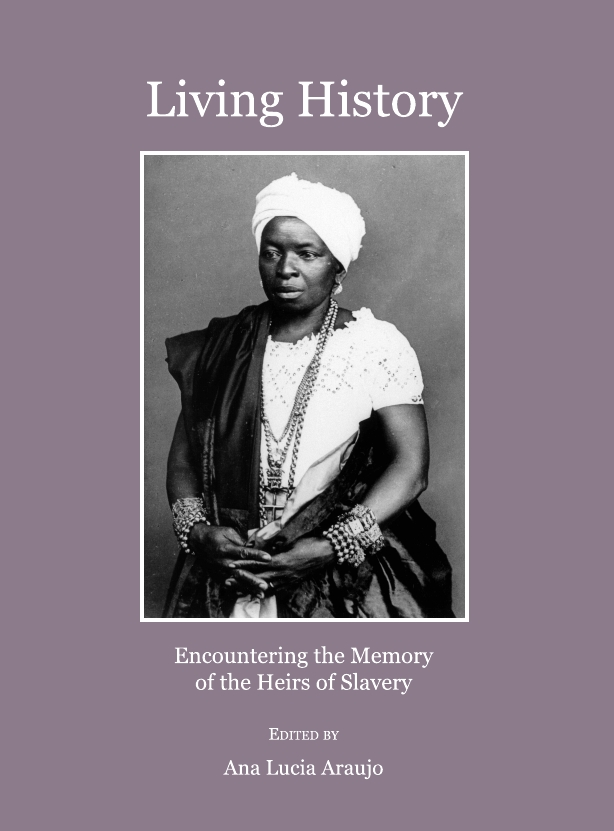
Living History
Encountering the Memory of the Heirs of Slavery
This book analyses the memorializing of slavery as a transnational movement. It explores how reconstructing the past legitimizes demands for recognition and reparations through monuments, museums, and public apologies across the Americas, Africa, and Europe.
This book analyses the memorializing of slavery as a transnational movement. It explores how reconstructing the past legitimizes demands for recognition and reparations through monuments, museums, and public apologies across the Americas, Africa, and Europe.
View more
This product has multiple variants. The options may be chosen on the product page
View more
This product has multiple variants. The options may be chosen on the product page
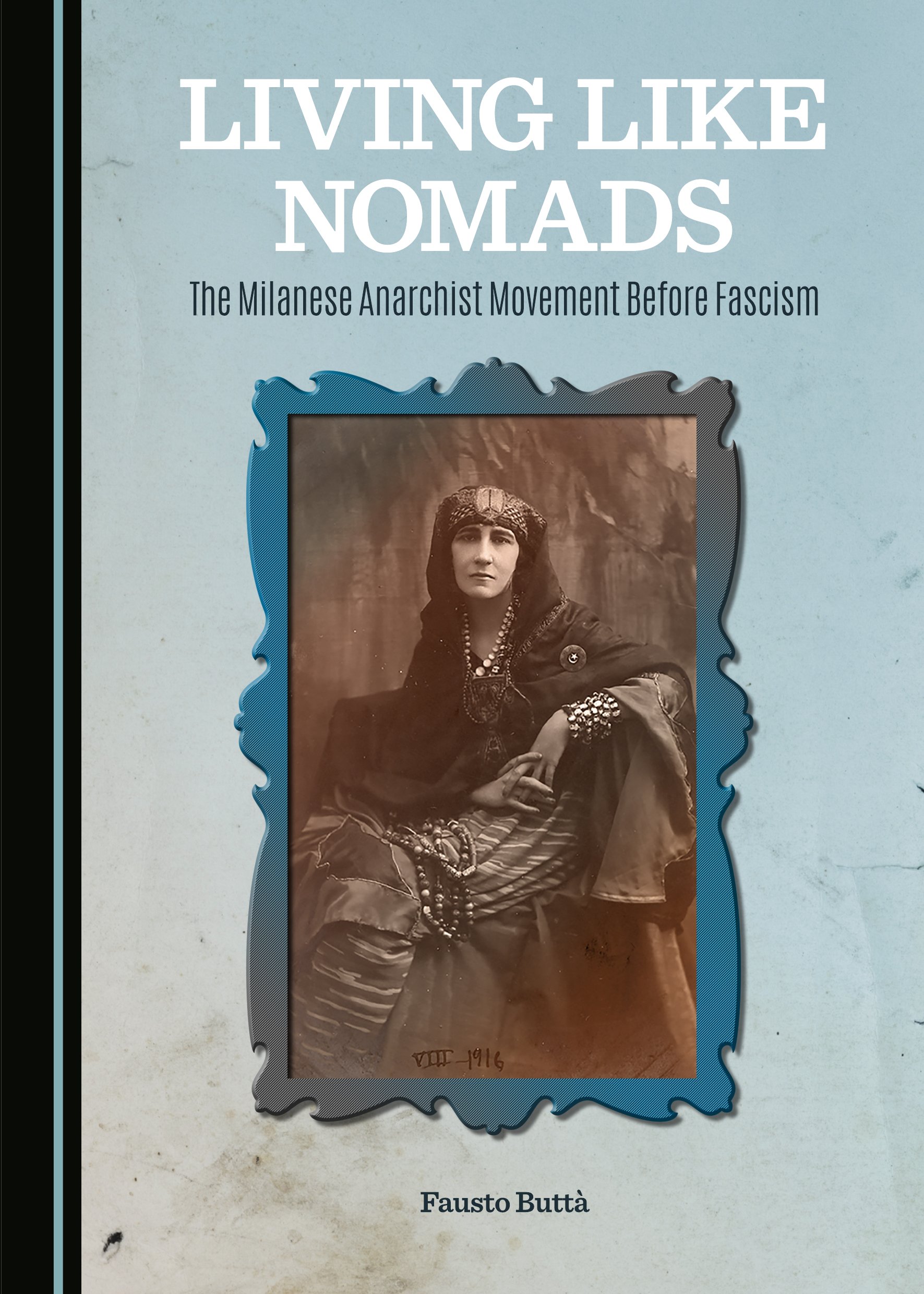
Living Like Nomads
The Milanese Anarchist Movement Before Fascism
Living Like Nomads illuminates the unknown history of Milanese anarchists in the two decades before fascism. It tells the fascinating stories of their lifestyles, political campaigns, and ideological debates. They were the first to resist the violence of Mussolini’s black shirts.
Living Like Nomads illuminates the unknown history of Milanese anarchists in the two decades before fascism. It tells the fascinating stories of their lifestyles, political campaigns, and ideological debates. They were the first to resist the violence of Mussolini’s black shirts.
View more
This product has multiple variants. The options may be chosen on the product page