
View more
This product has multiple variants. The options may be chosen on the product page
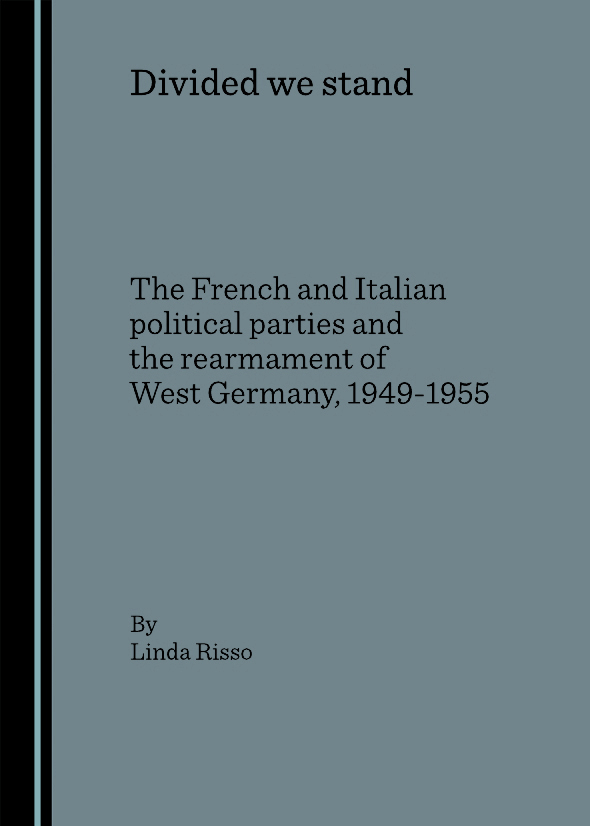
Divided we stand
The French and Italian political parties and the rearmament of West Germany, 1949-1955
In the 1950s, fears of a ‘new Wehrmacht’ clashed with the ambition for European integration, sparking passionate political debates. This book offers an innovative examination of the role non-state actors and political parties played in France and Italy.
In the 1950s, fears of a ‘new Wehrmacht’ clashed with the ambition for European integration, sparking passionate political debates. This book offers an innovative examination of the role non-state actors and political parties played in France and Italy.
View more
This product has multiple variants. The options may be chosen on the product page
View more
This product has multiple variants. The options may be chosen on the product page
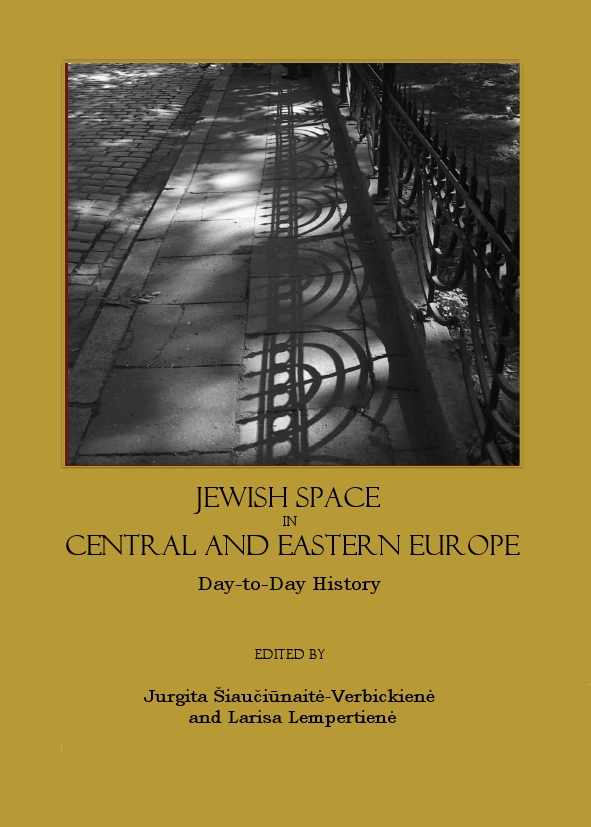
Jewish Space in Central and Eastern Europe
Day-to-Day History
This collection reveals the Jewish space as diverse forms of life in 19th and 20th century Eastern Europe. Scholars explore social life, leisure, and coexistence, showing how this world transformed while preserving its authenticity and individuality.
This collection reveals the Jewish space as diverse forms of life in 19th and 20th century Eastern Europe. Scholars explore social life, leisure, and coexistence, showing how this world transformed while preserving its authenticity and individuality.
View more
This product has multiple variants. The options may be chosen on the product page
View more
This product has multiple variants. The options may be chosen on the product page
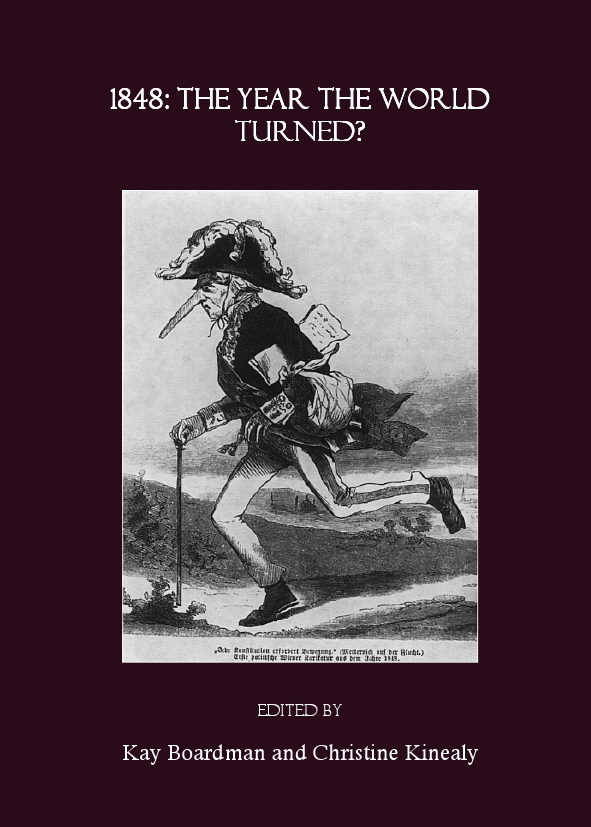
1848
The Year the World Turned?
In 1848, the world failed to turn. Or did it? This book offers new insights by looking beyond the main revolutions to consider overlooked places from Ireland to Australia, the experiences of women, and the era’s rich cultural and intellectual ferment.
In 1848, the world failed to turn. Or did it? This book offers new insights by looking beyond the main revolutions to consider overlooked places from Ireland to Australia, the experiences of women, and the era’s rich cultural and intellectual ferment.
View more
This product has multiple variants. The options may be chosen on the product page
View more
This product has multiple variants. The options may be chosen on the product page
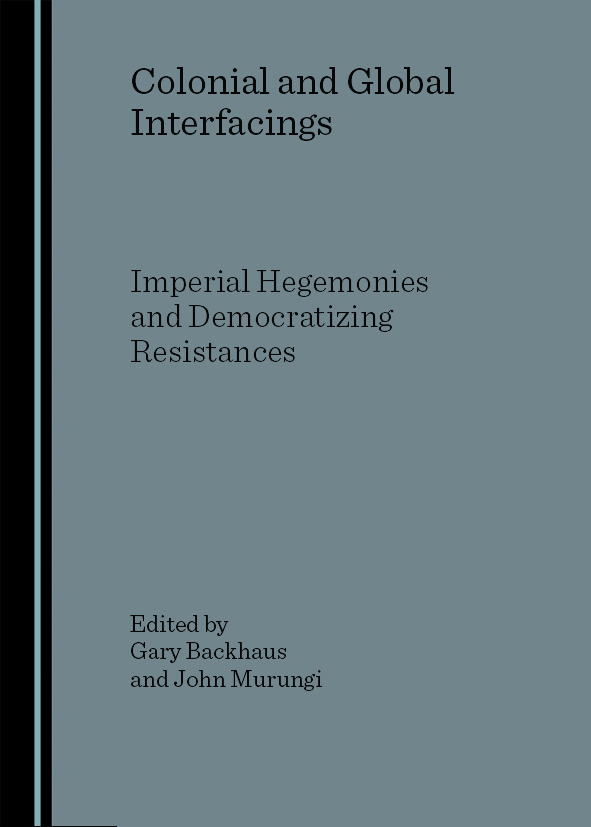
Colonial and Global Interfacings
Imperial Hegemonies and Democratizing Resistances
Colonial techniques of domination boomeranged back to the West, sustained by capitalist relations. As new movements challenge the world order, this book explores how global flows of people and ideas transform identity and power from the North to the South.
Colonial techniques of domination boomeranged back to the West, sustained by capitalist relations. As new movements challenge the world order, this book explores how global flows of people and ideas transform identity and power from the North to the South.
View more
This product has multiple variants. The options may be chosen on the product page
View more
This product has multiple variants. The options may be chosen on the product page
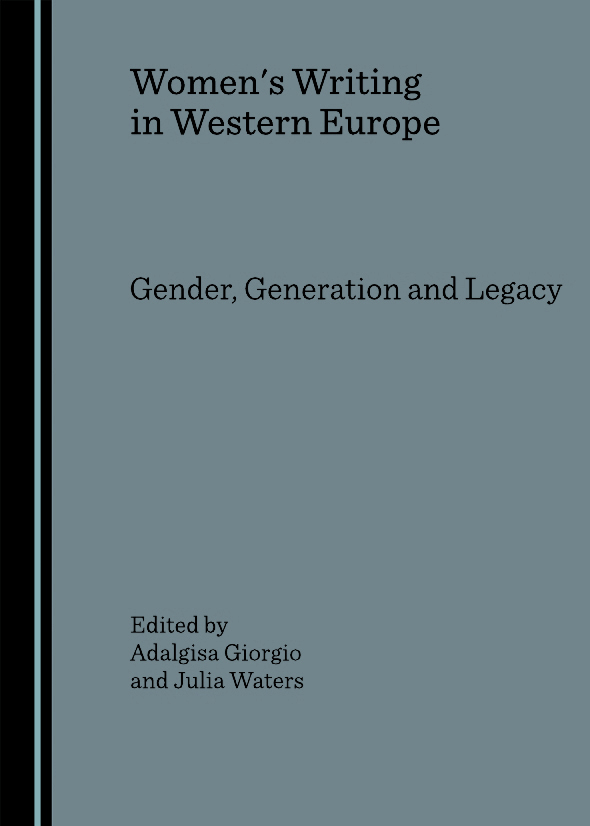
Women’s Writing in Western Europe
Gender, Generation and Legacy
The first study to investigate the legacy of a pioneering generation of women writers for contemporary authors across Western Europe. These studies uncover a complex web of intertextual links, offering new paradigms to think and read with.
The first study to investigate the legacy of a pioneering generation of women writers for contemporary authors across Western Europe. These studies uncover a complex web of intertextual links, offering new paradigms to think and read with.
View more
This product has multiple variants. The options may be chosen on the product page
View more
This product has multiple variants. The options may be chosen on the product page
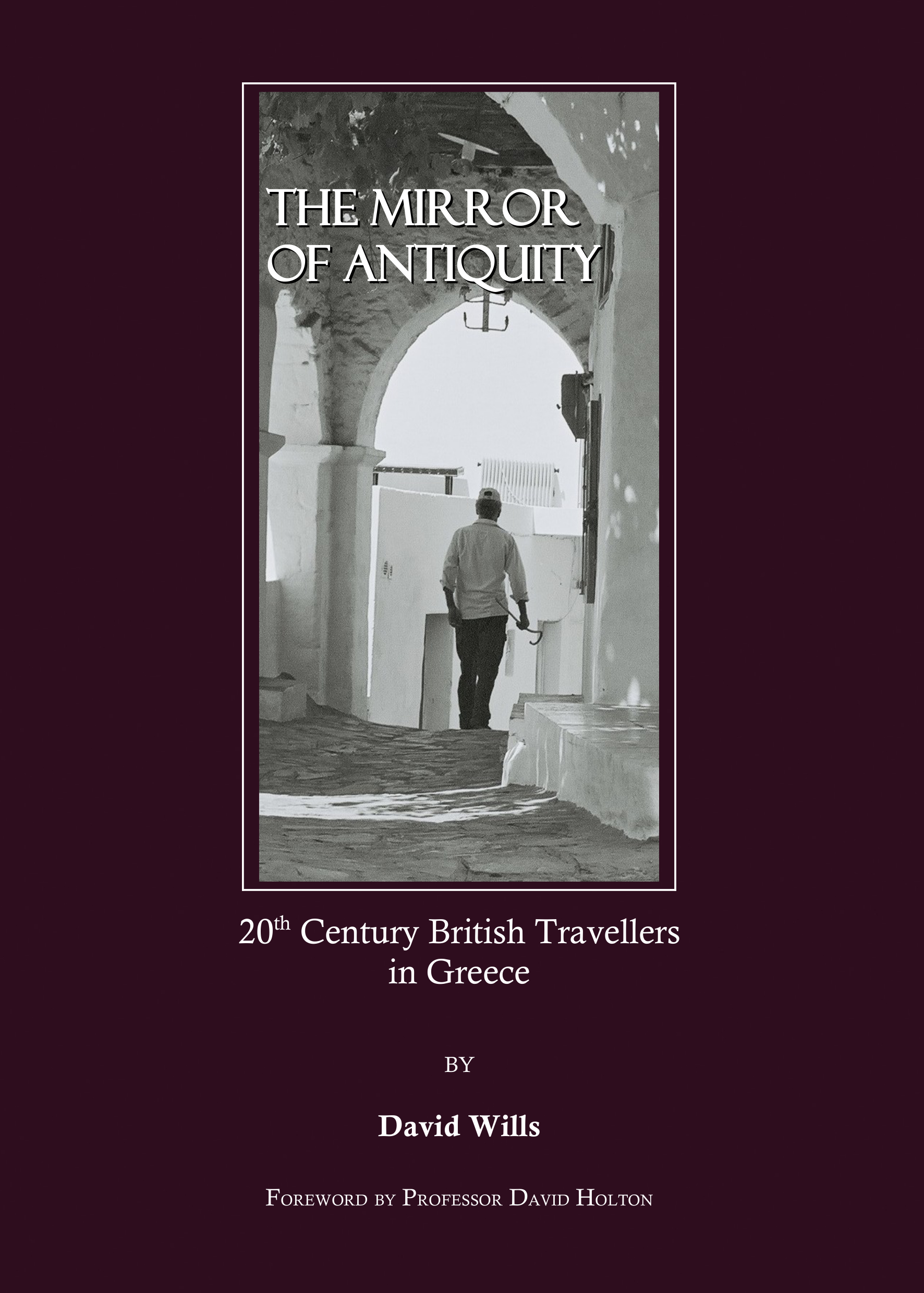
The Mirror of Antiquity
20th Century British Travellers in Greece
This book exposes how 20th-century travel writers’ responses to Greece were conditioned by classical scholarship and history. David Wills shows how, in their hands, Greece became less a modern country and more a mirror of its ancient past.
This book exposes how 20th-century travel writers’ responses to Greece were conditioned by classical scholarship and history. David Wills shows how, in their hands, Greece became less a modern country and more a mirror of its ancient past.
View more
This product has multiple variants. The options may be chosen on the product page
View more
This product has multiple variants. The options may be chosen on the product page
£39.99
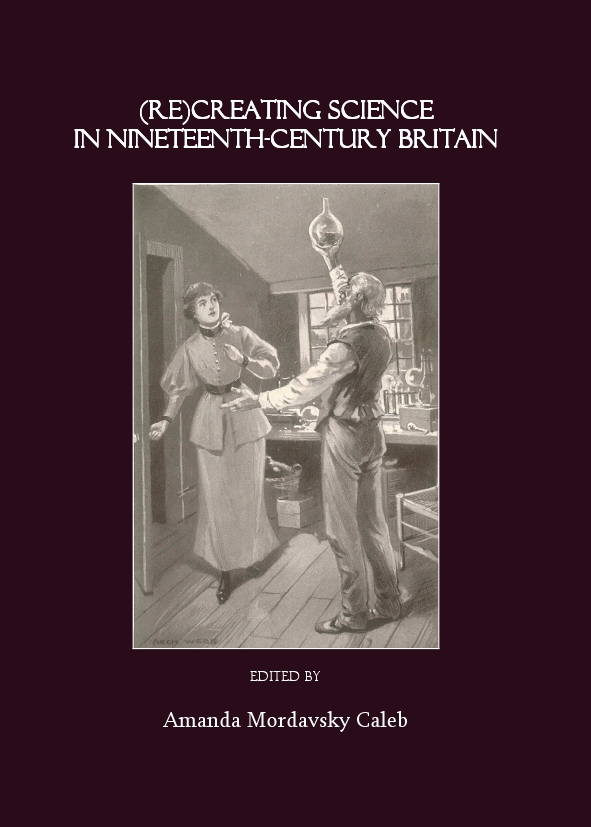
This collection reconsiders the history of science in nineteenth-century Britain. Moving away from a Darwin-focused history, these interdisciplinary essays offer fresh insights into scientific development through history, religion, literature, and art.
This collection reconsiders the history of science in nineteenth-century Britain. Moving away from a Darwin-focused history, these interdisciplinary essays offer fresh insights into scientific development through history, religion, literature, and art.
View more
This product has multiple variants. The options may be chosen on the product page
View more
This product has multiple variants. The options may be chosen on the product page
£39.99
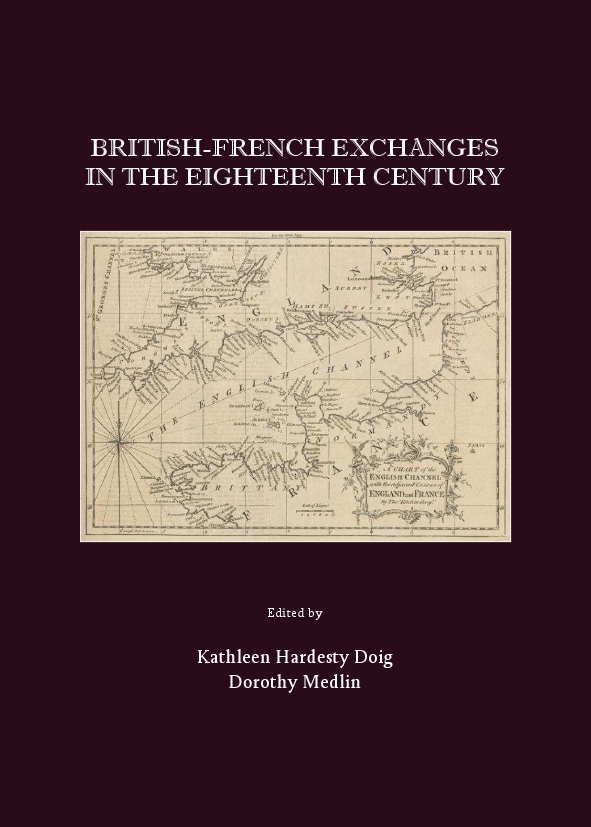
In the 18th century, the flow of people and ideas between France and Britain became a flood. This collection of essays examines these exchanges through correspondences, translations, and personal sojourns, revealing intellectual influences in the arts and sciences.
In the 18th century, the flow of people and ideas between France and Britain became a flood. This collection of essays examines these exchanges through correspondences, translations, and personal sojourns, revealing intellectual influences in the arts and sciences.
View more
This product has multiple variants. The options may be chosen on the product page
View more
This product has multiple variants. The options may be chosen on the product page
Past Matters
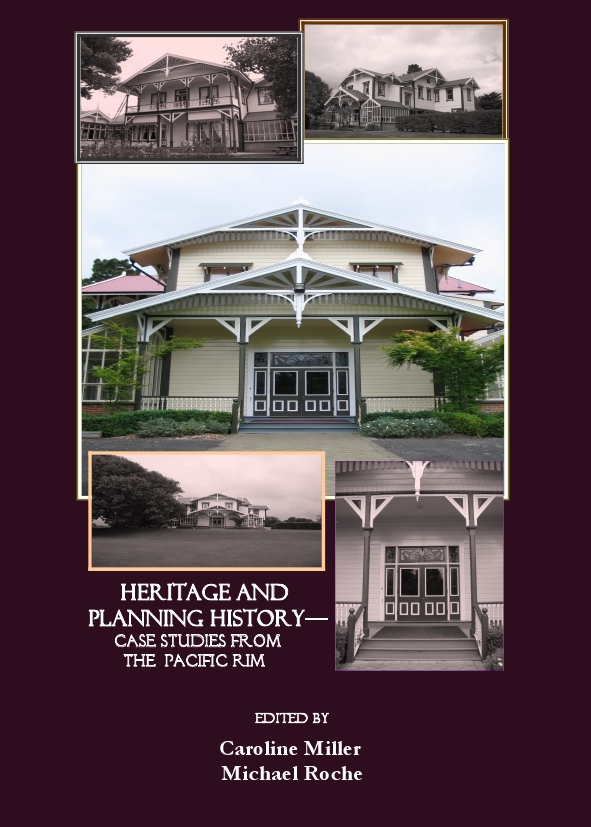
Heritage and Planning History— Case Studies from the Pacific Rim
In a Pacific Rim setting, who benefits from urban planning? These case studies from Australia, New Zealand, and beyond explore difficulties faced by indigenous peoples and ask whose interests are at stake in urban heritage debates, challenging 'Metropolitan Theory'.
In a Pacific Rim setting, who benefits from urban planning? These case studies from Australia, New Zealand, and beyond explore difficulties faced by indigenous peoples and ask whose interests are at stake in urban heritage debates, challenging ‘Metropolitan Theory’.
View more
This product has multiple variants. The options may be chosen on the product page
View more
This product has multiple variants. The options may be chosen on the product page
From £19.99
Figures like Germaine Tillion, the Aubracs, and Marc Bloch made the radical decision to resist. This collection of essays addresses how resisters made sense of their world, and how later generations have engaged with the complex legacy of the Resistance.
Figures like Germaine Tillion, the Aubracs, and Marc Bloch made the radical decision to resist. This collection of essays addresses how resisters made sense of their world, and how later generations have engaged with the complex legacy of the Resistance.
View more
This product has multiple variants. The options may be chosen on the product page
View more
This product has multiple variants. The options may be chosen on the product page
Florida Studies
Proceedings of the 2006 Annual Meeting of the Florida College English Association
Florida's long and colorful past is matched by its literary production, yet critical assessment has lagged. This volume corrects that oversight with papers on every aspect of Florida literature, including its African-American figures and teaching suggestions.
Florida’s long and colorful past is matched by its literary production, yet critical assessment has lagged. This volume corrects that oversight with papers on every aspect of Florida literature, including its African-American figures and teaching suggestions.
View more
This product has multiple variants. The options may be chosen on the product page
View more
This product has multiple variants. The options may be chosen on the product page
From Weimar to Christiania
German and Scandinavian Studies in Context
From Weimar to Christiania is a compilation of graduate student work in German and Scandinavian Studies. These essays use a variety of disciplinary approaches to connect the fields, delivering compelling research that expands knowledge in northern European studies.
From Weimar to Christiania is a compilation of graduate student work in German and Scandinavian Studies. These essays use a variety of disciplinary approaches to connect the fields, delivering compelling research that expands knowledge in northern European studies.
View more
This product has multiple variants. The options may be chosen on the product page
View more
This product has multiple variants. The options may be chosen on the product page
£39.99
A new generation of scholars is concerned with questions traditionally beyond the scope of history. The authors come from a range of disciplines, including literary studies, art, music, and science. Their cutting-edge research represents the latest trends.
A new generation of scholars is concerned with questions traditionally beyond the scope of history. The authors come from a range of disciplines, including literary studies, art, music, and science. Their cutting-edge research represents the latest trends.
View more
This product has multiple variants. The options may be chosen on the product page
View more
This product has multiple variants. The options may be chosen on the product page
£34.99
To mark the 50th anniversary of 1956, academics and activists presented new historical research on the Hungarian revolt and Suez. This collection examines their wider significance, the crisis of Stalinism, and the rise of a New Left as a result.
To mark the 50th anniversary of 1956, academics and activists presented new historical research on the Hungarian revolt and Suez. This collection examines their wider significance, the crisis of Stalinism, and the rise of a New Left as a result.
View more
This product has multiple variants. The options may be chosen on the product page
View more
This product has multiple variants. The options may be chosen on the product page
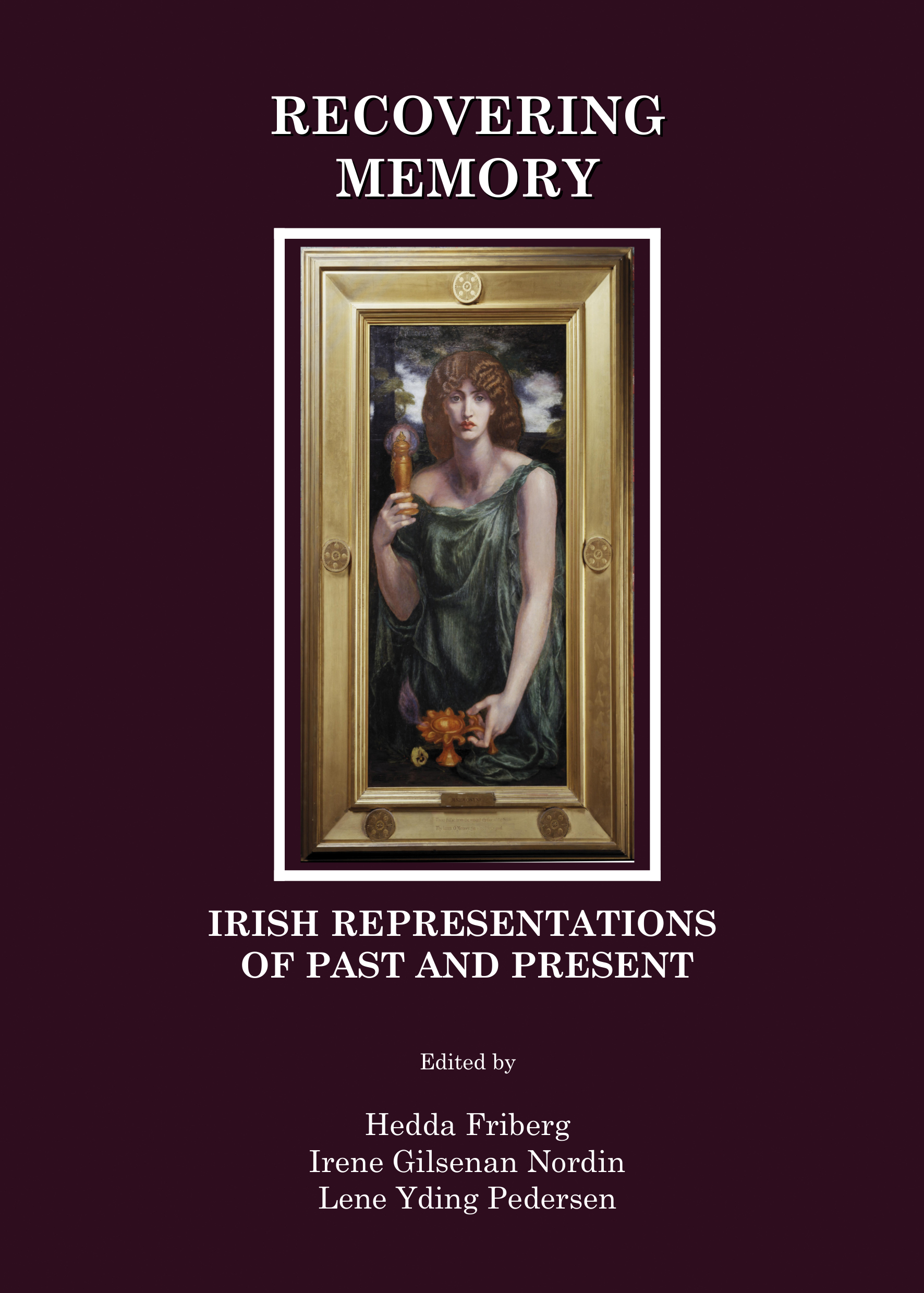
Recovering Memory
Irish Representations of Past and Present
This collection of essays examines representations of memory in Irish literature and culture. It explores public and private memory, the intersection between collective and individual, and the relation between memory, identity, and Ireland's tragic past.
This collection of essays examines representations of memory in Irish literature and culture. It explores public and private memory, the intersection between collective and individual, and the relation between memory, identity, and Ireland’s tragic past.
View more
This product has multiple variants. The options may be chosen on the product page
View more
This product has multiple variants. The options may be chosen on the product page
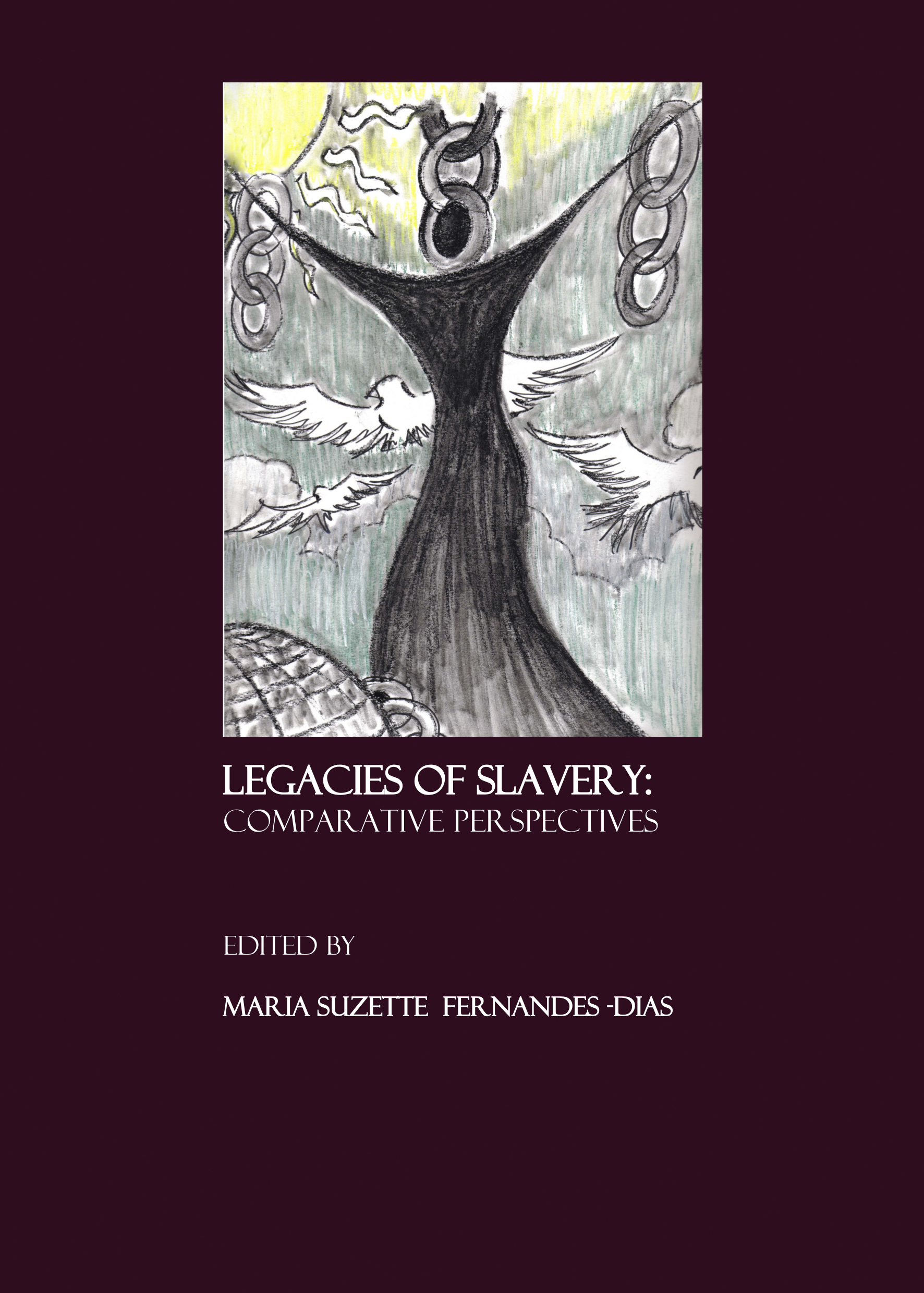
Legacies of Slavery
Comparative Perspectives
Moving beyond the Atlantic world, this volume reconsiders slavery as a global institution. Scholars from diverse fields examine its indelible mark on societies everywhere, telling a tale of survival, resistance, and the resilience of the human spirit.
Moving beyond the Atlantic world, this volume reconsiders slavery as a global institution. Scholars from diverse fields examine its indelible mark on societies everywhere, telling a tale of survival, resistance, and the resilience of the human spirit.
View more
This product has multiple variants. The options may be chosen on the product page
View more
This product has multiple variants. The options may be chosen on the product page
From £19.99
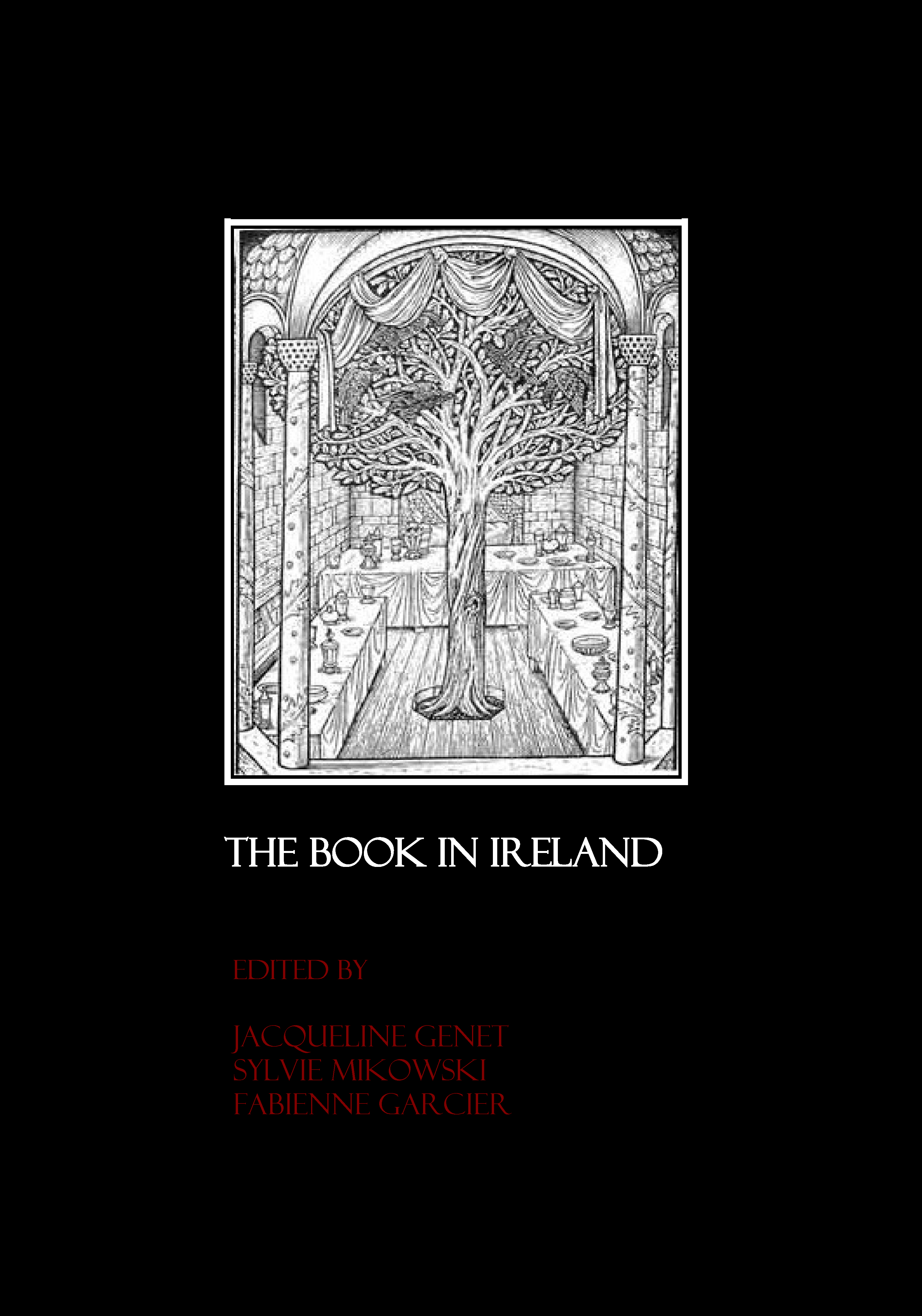
This volume explores the relation between the Irish people and the printed word. It highlights the role of private presses, periodicals, and propaganda in circulating ideas and building a national identity. 'A bold, wide-ranging introduction.' - Declan Kiberd
This volume explores the relation between the Irish people and the printed word. It highlights the role of private presses, periodicals, and propaganda in circulating ideas and building a national identity. ‘A bold, wide-ranging introduction.’ – Declan Kiberd
View more
This product has multiple variants. The options may be chosen on the product page

View more
This product has multiple variants. The options may be chosen on the product page
V.M.Chernov
Theorist, Leader, Politician
As leader of Russia's largest revolutionary party, Viktor Chernov was the democratic alternative to the Bolsheviks. Elected President of the Constituent Assembly, his vision for a 'third force' was shattered, leading to a tragic life in exile.
As leader of Russia’s largest revolutionary party, Viktor Chernov was the democratic alternative to the Bolsheviks. Elected President of the Constituent Assembly, his vision for a ‘third force’ was shattered, leading to a tragic life in exile.
View more
This product has multiple variants. The options may be chosen on the product page
View more
This product has multiple variants. The options may be chosen on the product page
Narrating the Past
(Re)Constructing Memory, (Re)Negotiating
Narrative is an integral part of human existence, challenging the supremacy of empirical fact and our ability to know the past as it really was. Examining a wide range of texts, the essays in this volume reveal that all representations of the past are situated.
Narrative is an integral part of human existence, challenging the supremacy of empirical fact and our ability to know the past as it really was. Examining a wide range of texts, the essays in this volume reveal that all representations of the past are situated.
View more
This product has multiple variants. The options may be chosen on the product page

View more
This product has multiple variants. The options may be chosen on the product page
£39.99
This collection explores monarchy, family, suicide, and sodomy in eighteenth-century France. It argues that the private and public weakness of sovereigns and husbands undermined their legitimacy, challenging simplistic assumptions about absolutism and Revolution.
This collection explores monarchy, family, suicide, and sodomy in eighteenth-century France. It argues that the private and public weakness of sovereigns and husbands undermined their legitimacy, challenging simplistic assumptions about absolutism and Revolution.
View more
This product has multiple variants. The options may be chosen on the product page
Processing Your Order
Please wait while we securely process your order.
Do not refresh or leave this page.
You will be redirected shortly to a confirmation page with your order number.