
View more
This product has multiple variants. The options may be chosen on the product page
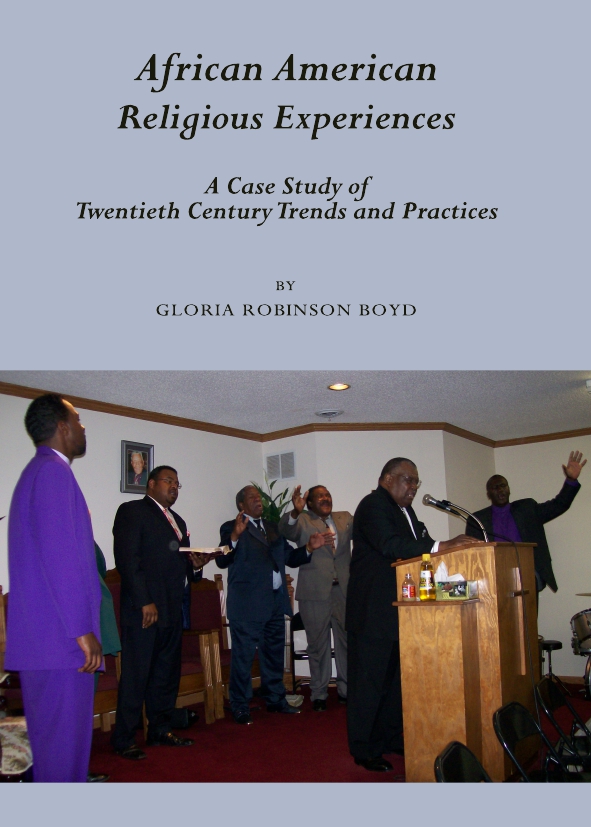
African American Religious Experiences
A Case Study of Twentieth Century Trends and Practices
Facing slavery, Jim Crow, and racism, African Americans relied on religion as their source of strength. This is a story of survival, demonstrating how religion became the key ingredient and ultimate weapon that allowed a race to adapt and endure.
Facing slavery, Jim Crow, and racism, African Americans relied on religion as their source of strength. This is a story of survival, demonstrating how religion became the key ingredient and ultimate weapon that allowed a race to adapt and endure.
View more
This product has multiple variants. The options may be chosen on the product page
View more
This product has multiple variants. The options may be chosen on the product page
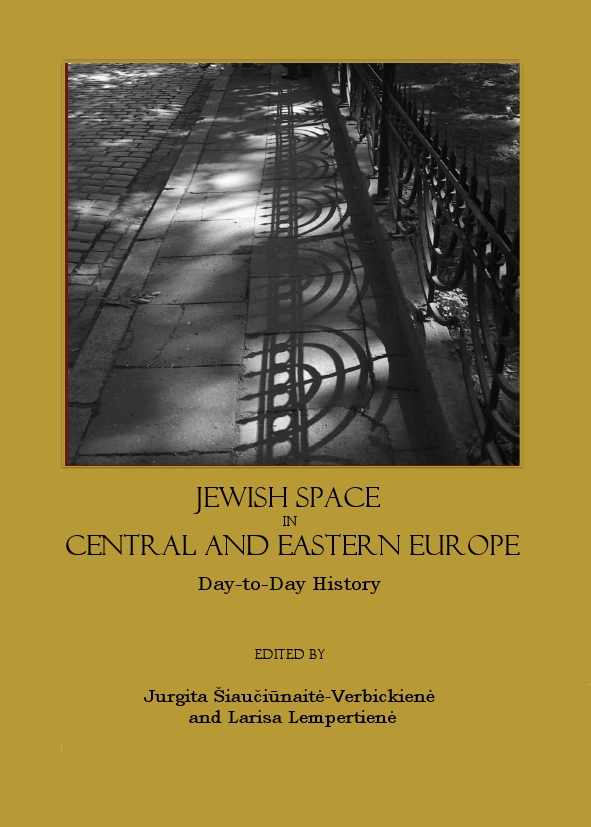
Jewish Space in Central and Eastern Europe
Day-to-Day History
This collection reveals the Jewish space as diverse forms of life in 19th and 20th century Eastern Europe. Scholars explore social life, leisure, and coexistence, showing how this world transformed while preserving its authenticity and individuality.
This collection reveals the Jewish space as diverse forms of life in 19th and 20th century Eastern Europe. Scholars explore social life, leisure, and coexistence, showing how this world transformed while preserving its authenticity and individuality.
View more
This product has multiple variants. The options may be chosen on the product page
View more
This product has multiple variants. The options may be chosen on the product page
£32.99
This book uses personal naming to challenge the narrative of cultural change in England after the Norman Conquest. It reveals that far from a single uniform culture, there existed complex, residual, and resistant regional cultures.
This book uses personal naming to challenge the narrative of cultural change in England after the Norman Conquest. It reveals that far from a single uniform culture, there existed complex, residual, and resistant regional cultures.
View more
This product has multiple variants. The options may be chosen on the product page
View more
This product has multiple variants. The options may be chosen on the product page
Historical Representation and the Postcolonial Imaginary
Constructing Travellers and Aborigines
This work provides an overview of oral history's role in empowering marginalized social groups, like the Irish Travellers and Australian Aborigines. It explores how oral history enables such groups to document pasts that were previously ignored.
This work provides an overview of oral history’s role in empowering marginalized social groups, like the Irish Travellers and Australian Aborigines. It explores how oral history enables such groups to document pasts that were previously ignored.
View more
This product has multiple variants. The options may be chosen on the product page
View more
This product has multiple variants. The options may be chosen on the product page
Christ Among Them
Incarnation and Renaissance in Medieval Italian Culture
This essay newly interprets the rise of the individual in Italy, 1180-1300. As the idea of a tangible Christ as neighbor became consistent, worship became a form of individualism, a Christian praxis that shaped the later Renaissance and Reformation.
This essay newly interprets the rise of the individual in Italy, 1180-1300. As the idea of a tangible Christ as neighbor became consistent, worship became a form of individualism, a Christian praxis that shaped the later Renaissance and Reformation.
View more
This product has multiple variants. The options may be chosen on the product page
View more
This product has multiple variants. The options may be chosen on the product page
ChiMoKoJa
Histories of China, Mongolia, Korea and Japan—Volume 1
This initial volume of the biannual and peer-reviewed journal of the same name covers a variety of aspects of East Asian history, including the Russian East Asiatic Company in the aftermath of the Russo-Japanese War in 1904-5 and the role of Japan during the early Cold War.
This initial volume of the biannual and peer-reviewed journal of the same name covers a variety of aspects of East Asian history, including the Russian East Asiatic Company in the aftermath of the Russo-Japanese War in 1904-5 and the role of Japan during the early Cold War.
View more
This product has multiple variants. The options may be chosen on the product page
View more
This product has multiple variants. The options may be chosen on the product page
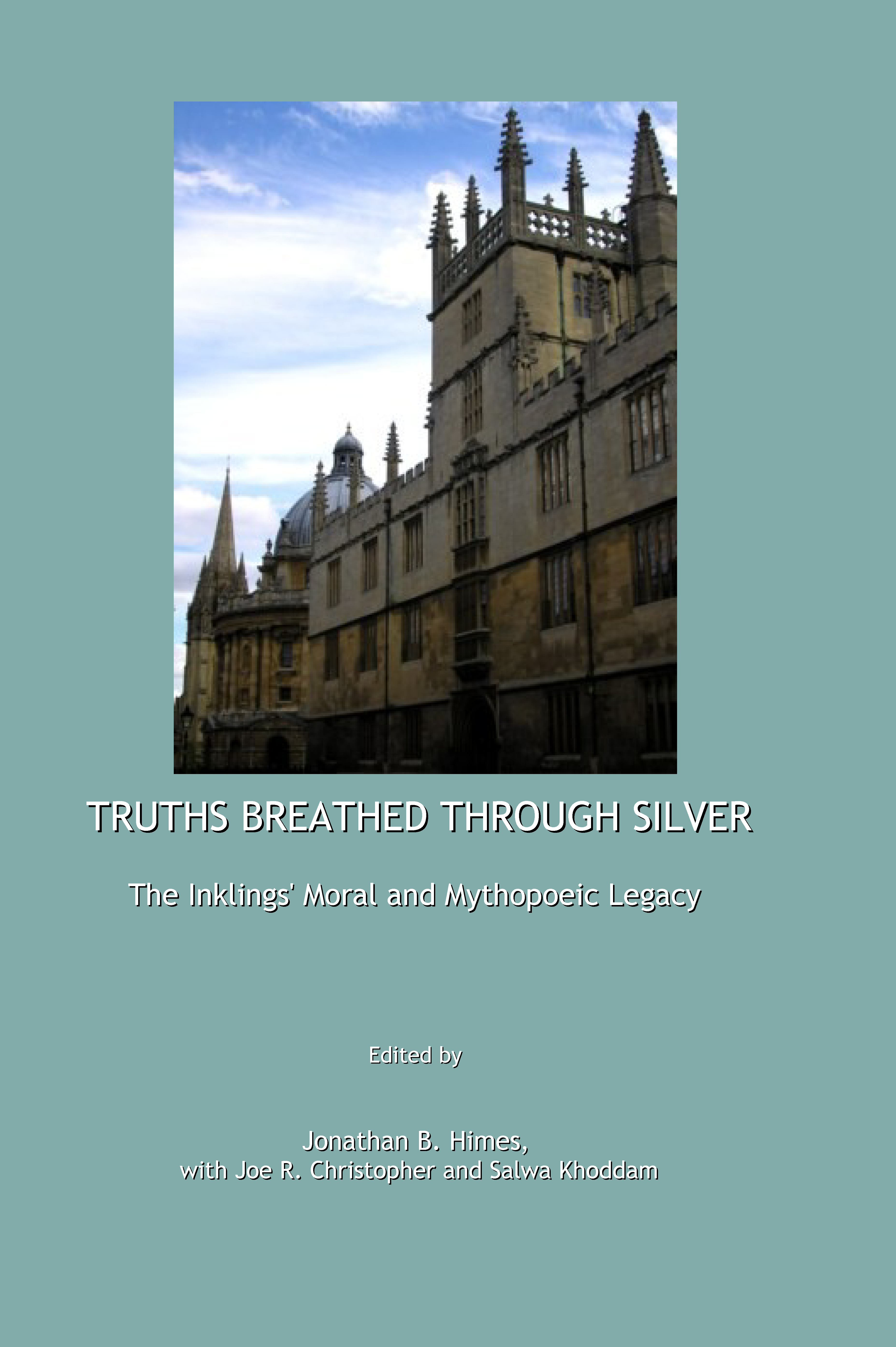
Truths Breathed Through Silver
The Inklings' Moral and Mythopoeic Legacy
The Oxford Inklings believed old myths held truth to fortify humanity. This collection explores how Lewis, Tolkien, and Williams wove theology and literary craft to connect the mortal with the divine.
The Oxford Inklings believed old myths held truth to fortify humanity. This collection explores how Lewis, Tolkien, and Williams wove theology and literary craft to connect the mortal with the divine.
View more
This product has multiple variants. The options may be chosen on the product page
View more
This product has multiple variants. The options may be chosen on the product page
£29.99
Herbert Croly’s The Promise of American Life is an enduring classic that influenced Theodore Roosevelt, the New Deal, and the Great Society. This anthology presents essays analyzing the book's impact on the 20th century and its suitability for the 21st.
Herbert Croly’s The Promise of American Life is an enduring classic that influenced Theodore Roosevelt, the New Deal, and the Great Society. This anthology presents essays analyzing the book’s impact on the 20th century and its suitability for the 21st.
View more
This product has multiple variants. The options may be chosen on the product page
View more
This product has multiple variants. The options may be chosen on the product page
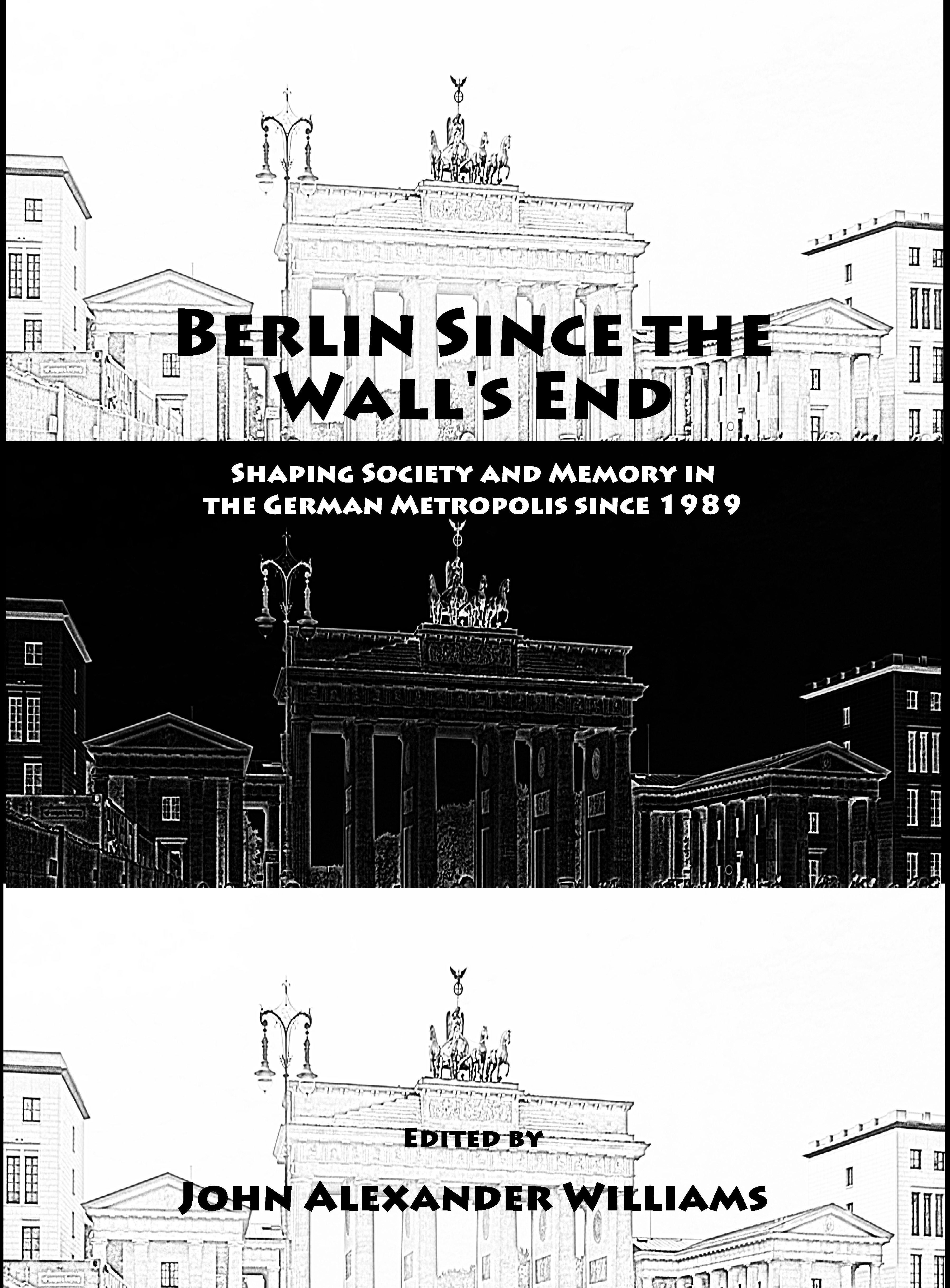
Berlin Since the Wall’s End
Shaping Society and Memory in the German Metropolis since 1989
Since the Wall fell, Berlin has confronted the daunting challenges of reunification. This book examines two broad concerns—society and historical memory—casting light on a metropolis scarred, but not destroyed, by the upheavals of recent history.
Since the Wall fell, Berlin has confronted the daunting challenges of reunification. This book examines two broad concerns—society and historical memory—casting light on a metropolis scarred, but not destroyed, by the upheavals of recent history.
View more
This product has multiple variants. The options may be chosen on the product page
View more
This product has multiple variants. The options may be chosen on the product page
£29.99
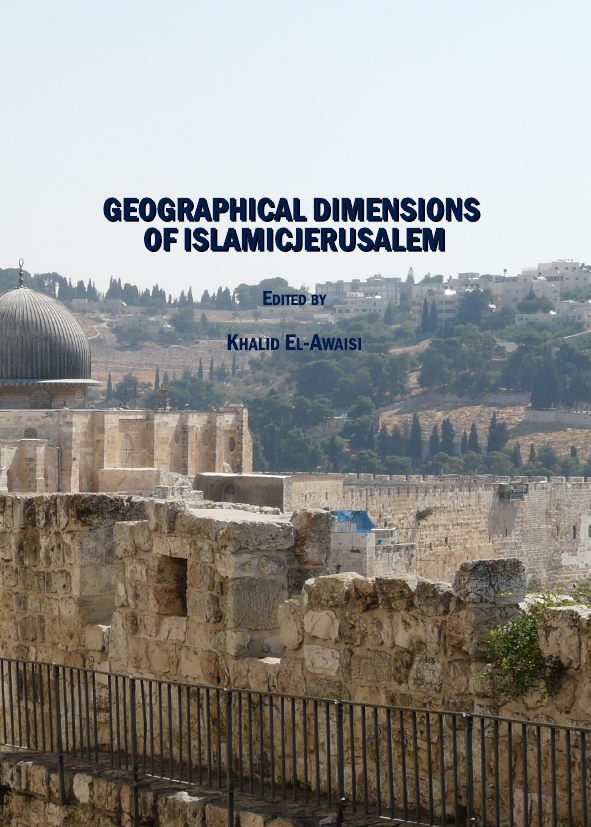
This work brings new dimensions to the relationship between Islam and the Holy region. It unveils that Islamicjerusalem (Bayt al-Maqdis) is not a single city but a large spiritual region, delving into overlooked topics and raising questions for further scholarship.
This work brings new dimensions to the relationship between Islam and the Holy region. It unveils that Islamicjerusalem (Bayt al-Maqdis) is not a single city but a large spiritual region, delving into overlooked topics and raising questions for further scholarship.
View more
This product has multiple variants. The options may be chosen on the product page
View more
This product has multiple variants. The options may be chosen on the product page
£29.99
Challenging the divide between objective history and fiction, this book explores the means and consequences of contemporary interactions between historiography and art. Scholars from diverse fields deconstruct old beliefs and reveal the social impact of representing the past.
Challenging the divide between objective history and fiction, this book explores the means and consequences of contemporary interactions between historiography and art. Scholars from diverse fields deconstruct old beliefs and reveal the social impact of representing the past.
View more
This product has multiple variants. The options may be chosen on the product page
View more
This product has multiple variants. The options may be chosen on the product page
From £14.99
This collection of essays examines identity in 19th & 20th century Britain. It explores how social, cultural, and political change created fragmented identities, linking theoretical debates to historical work on class, gender, religion, and nationality.
This collection of essays examines identity in 19th & 20th century Britain. It explores how social, cultural, and political change created fragmented identities, linking theoretical debates to historical work on class, gender, religion, and nationality.
View more
This product has multiple variants. The options may be chosen on the product page
View more
This product has multiple variants. The options may be chosen on the product page
Noesis
Essays in the History and Philosophy of Science, Philosophy of Language, Epistemology and Political Philosophy
This volume presents a selection of the best papers from a postgraduate philosophy conference. Its strength is its diversity, introducing readers to a vast range of important issues still pressing in philosophy today, from ethics to philosophy of science.
This volume presents a selection of the best papers from a postgraduate philosophy conference. Its strength is its diversity, introducing readers to a vast range of important issues still pressing in philosophy today, from ethics to philosophy of science.
View more
This product has multiple variants. The options may be chosen on the product page
View more
This product has multiple variants. The options may be chosen on the product page
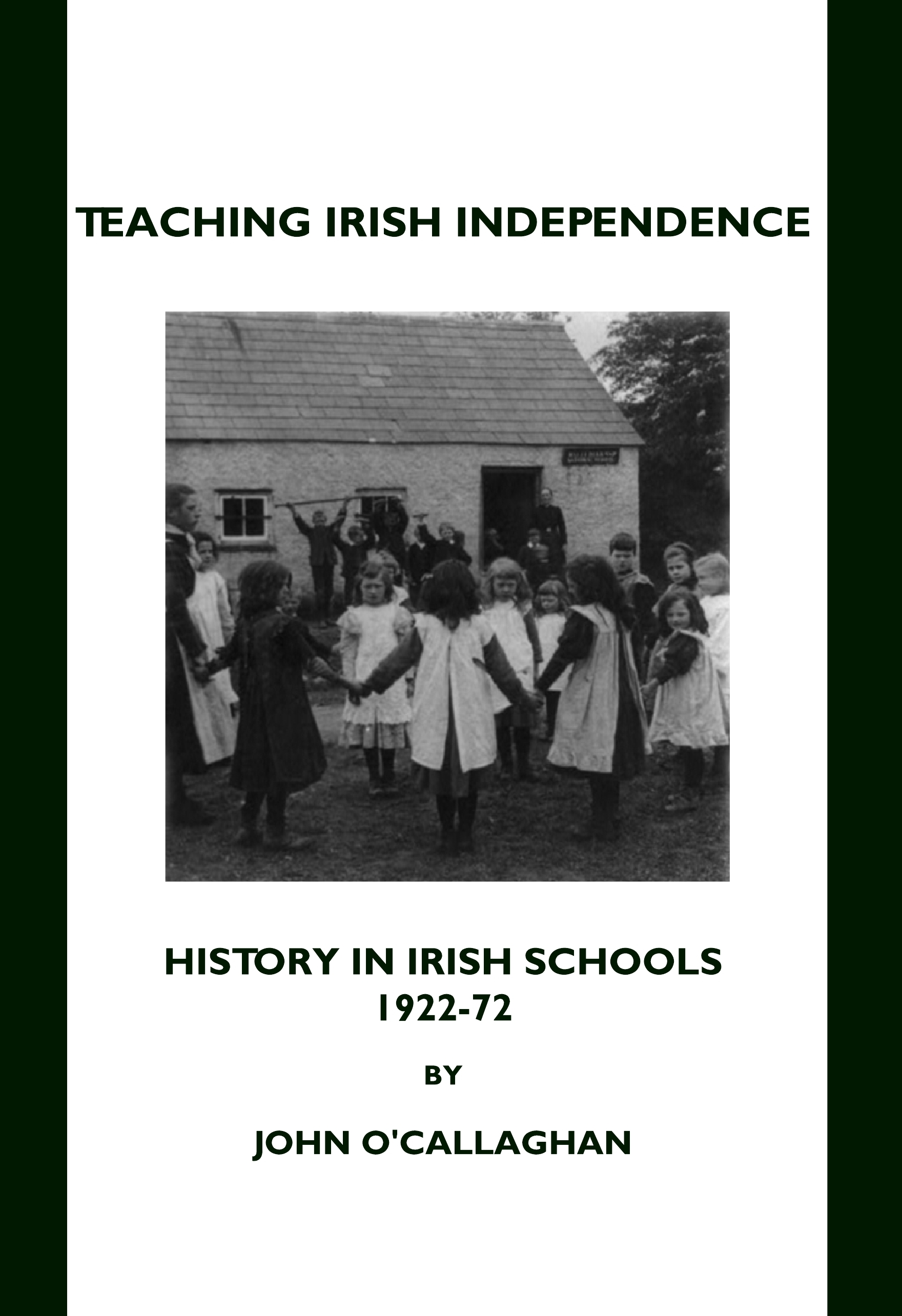
Teaching Irish Independence
History in Irish Schools, 1922-72
This book assesses how history teaching in Irish schools (1922-72) was used by church and state. It argues history was exploited to justify the state’s existence, serve as religious education, and legitimize the restoration of the Irish language.
This book assesses how history teaching in Irish schools (1922-72) was used by church and state. It argues history was exploited to justify the state’s existence, serve as religious education, and legitimize the restoration of the Irish language.
View more
This product has multiple variants. The options may be chosen on the product page
View more
This product has multiple variants. The options may be chosen on the product page
From £19.99
Figures like Germaine Tillion, the Aubracs, and Marc Bloch made the radical decision to resist. This collection of essays addresses how resisters made sense of their world, and how later generations have engaged with the complex legacy of the Resistance.
Figures like Germaine Tillion, the Aubracs, and Marc Bloch made the radical decision to resist. This collection of essays addresses how resisters made sense of their world, and how later generations have engaged with the complex legacy of the Resistance.
View more
This product has multiple variants. The options may be chosen on the product page
View more
This product has multiple variants. The options may be chosen on the product page
Resisting Modernity
Counternarratives of Nation and Masculinity in pre-Independence India
Samir Dayal’s Resisting Modernity is provocative. Drawing on postcolonial and psychoanalytic theory, Dayal complicates our understanding of Ramakrishna, Tagore, and Gandhi, seeing them as resisting the modernist rhetoric of sovereignty and rational nationalism.
Samir Dayal’s Resisting Modernity is provocative. Drawing on postcolonial and psychoanalytic theory, Dayal complicates our understanding of Ramakrishna, Tagore, and Gandhi, seeing them as resisting the modernist rhetoric of sovereignty and rational nationalism.
View more
This product has multiple variants. The options may be chosen on the product page
View more
This product has multiple variants. The options may be chosen on the product page
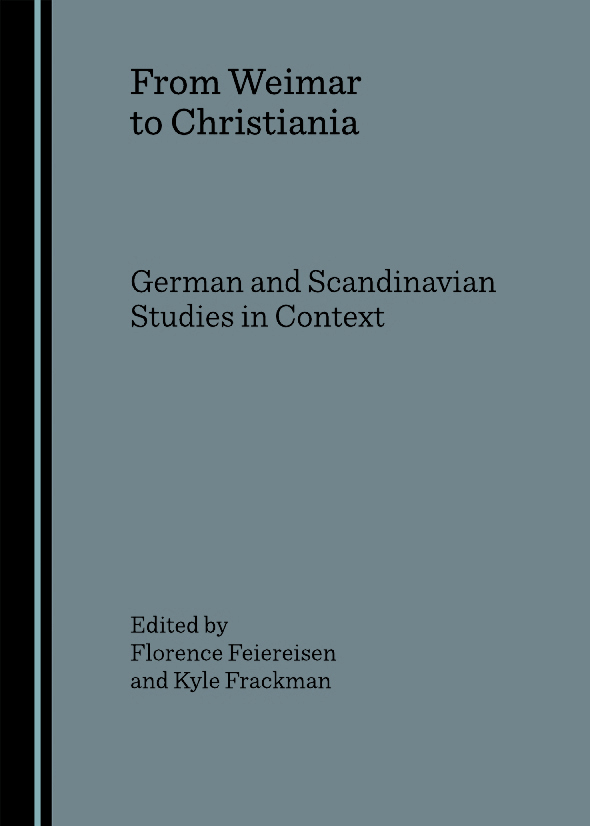
From Weimar to Christiania
German and Scandinavian Studies in Context
From Weimar to Christiania is a compilation of graduate student work in German and Scandinavian Studies. These essays use a variety of disciplinary approaches to connect the fields, delivering compelling research that expands knowledge in northern European studies.
From Weimar to Christiania is a compilation of graduate student work in German and Scandinavian Studies. These essays use a variety of disciplinary approaches to connect the fields, delivering compelling research that expands knowledge in northern European studies.
View more
This product has multiple variants. The options may be chosen on the product page
View more
This product has multiple variants. The options may be chosen on the product page
£29.99
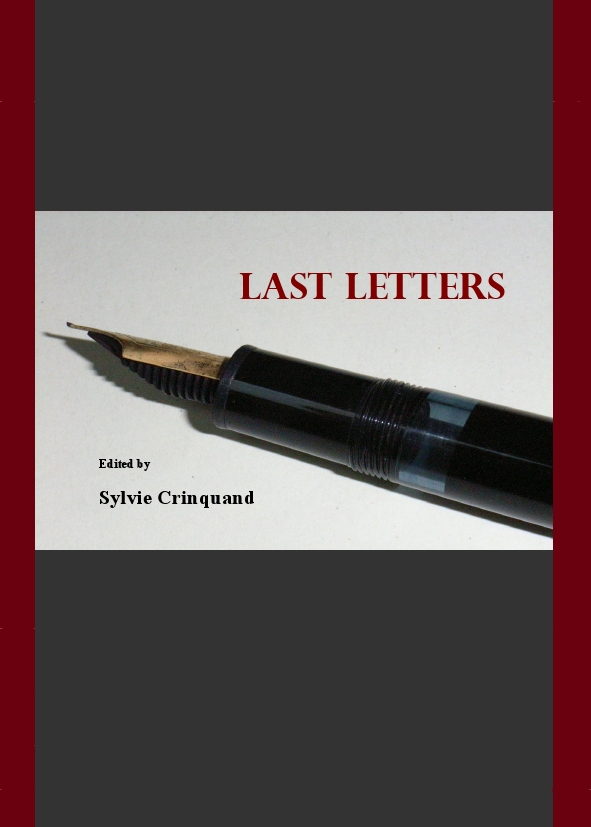
This collection of essays is devoted to last letters: notes to sever a relationship, messages written before death, and even fictional texts or poems. By focussing on these ultimate messages, the contributors provide an original approach to closure.
This collection of essays is devoted to last letters: notes to sever a relationship, messages written before death, and even fictional texts or poems. By focussing on these ultimate messages, the contributors provide an original approach to closure.
View more
This product has multiple variants. The options may be chosen on the product page
View more
This product has multiple variants. The options may be chosen on the product page
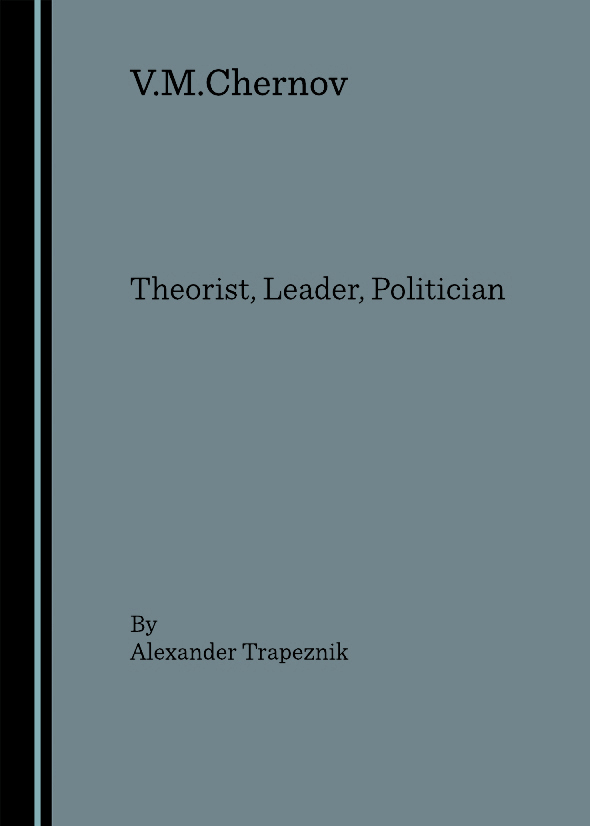
V.M.Chernov
Theorist, Leader, Politician
As leader of Russia's largest revolutionary party, Viktor Chernov was the democratic alternative to the Bolsheviks. Elected President of the Constituent Assembly, his vision for a 'third force' was shattered, leading to a tragic life in exile.
As leader of Russia’s largest revolutionary party, Viktor Chernov was the democratic alternative to the Bolsheviks. Elected President of the Constituent Assembly, his vision for a ‘third force’ was shattered, leading to a tragic life in exile.
View more
This product has multiple variants. The options may be chosen on the product page
View more
This product has multiple variants. The options may be chosen on the product page
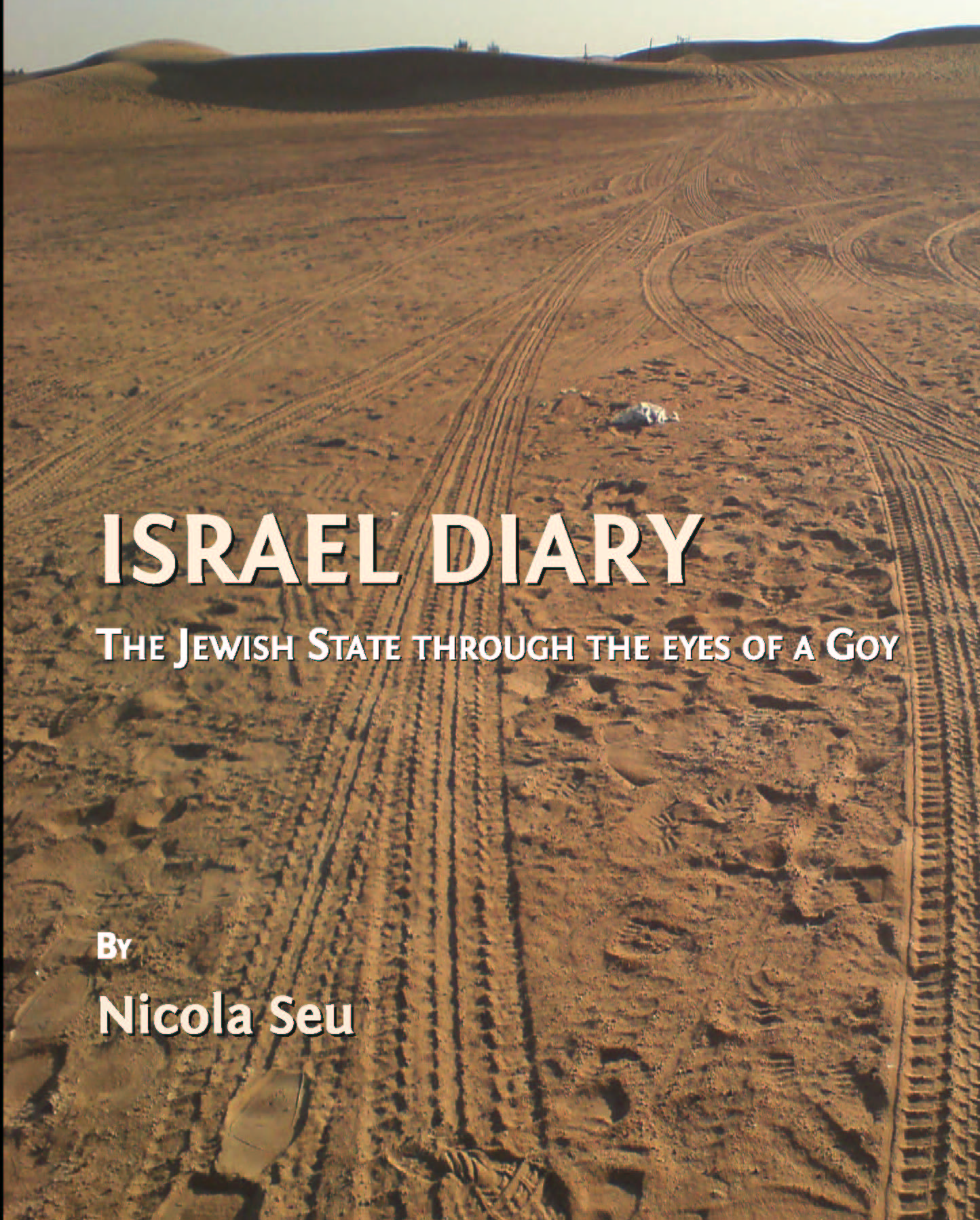
Israel Diary
The Jewish State through the eyes of a Goy
He left his books to understand a land without borders. How do people live amidst such violent contrasts? On a journey from Tel Aviv to Jerusalem, he travels from north to south seeking the truth in a complex, multi-ethnic world.
He left his books to understand a land without borders. How do people live amidst such violent contrasts? On a journey from Tel Aviv to Jerusalem, he travels from north to south seeking the truth in a complex, multi-ethnic world.
View more
This product has multiple variants. The options may be chosen on the product page
Processing Your Order
Please wait while we securely process your order.
Do not refresh or leave this page.
You will be redirected shortly to a confirmation page with your order number.